Nowadays, if someone chooses or builds a bike for serious road cycling, a power meter is an important component. When I was working on the Chinese road bike project, I thought the same way, and the Magene TEO P515 was my favourite among the available options. It didn’t disappoint me. Let’s see why.
First impressions are very important. As the different components arrived one by one, I unpacked each of them, and their build quality became apparent as soon as I held them in my hands. For me, the TEO crankset stood out from all the components. It immediately felt like a premium product, with every detail looking and feeling just right. But let’s not get ahead of ourselves.
Magene: a well-known brand from China
In recent years, Magene has become a well-known brand in the cycling industry. By now, their products have reached a level of quality where they no longer feel like products from a Chinese manufacturer. Magene doesn’t focus primarily on D2C or AliExpress-style sales. They have distributors and dealers worldwide who keep Magene products in stock.
The company was founded in 2015, and they started with cycling sensors. A few years later, they expanded into smart trainers and bike computers. But the real breakthrough for the brand came with their power meter cranksets.
Compatibility with popular systems
During the development of their first power meter crankset, Magene realized that compatibility with widely used systems was key to success. With this in mind, they released the PES P505 in 2022, using Shimano’s 24 mm Hollowtech II spindle standard and 110 BCD four-bolt chainring mounting.
In practice, this means that if we have a road bike with a Shimano crankset, we can simply transfer its chainrings to the Magene PES power meter crankset. Then we can slide it through the existing bottom bracket and install it in just a few minutes. The whole process only requires standard tools and average mechanical skills.
Later, they released the QED P505, which is compatible with the SRAM DUB spindle standard. It also uses aluminium alloy crank arms like the PES series, while retaining the same Shimano-standard chainring mounting. The advantage is that we can keep the original Shimano chainrings, as some experts believe they provide the best shifting performance.
Where should we measure power?
There are three common approaches. The first is a sensor mounted on the crank arm. Some brands sell Shimano crank arms fitted with their own power meter sensors. The advantage is simplicity, but this is also the disadvantage, because accurate measurement requires two sensors. If we measure only one side and there is a significant difference in power output between the two legs, the measurement will be inaccurate.
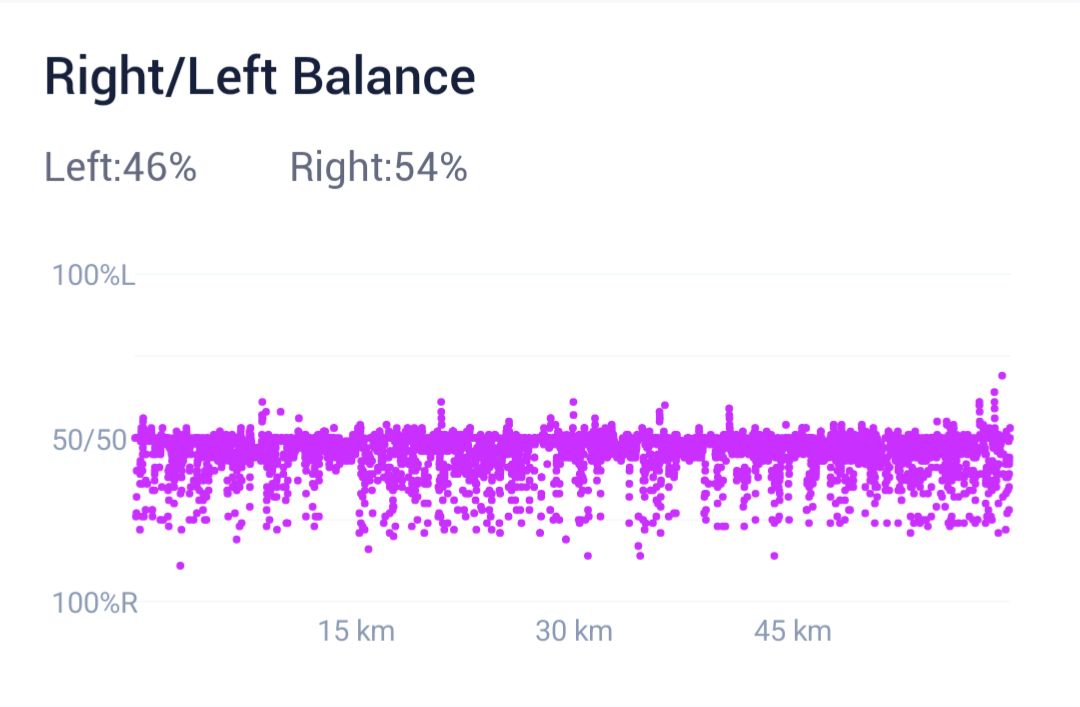
For example, at 300 W with the 46/54% balance that is typical for me, our computer would show 276 W with a left-side sensor and 324 W with a right-side sensor. That’s a 48 W difference between the two measurements, which is quite significant.
Pedal-based power meters are also popular. Magene offers this type as well: the P715 is available in both SPD-SL and Look Keo versions. Many pedal-based power meters are available in single- and dual-sided versions. Their advantages and disadvantages are similar to crank-arm-based power meters. However, pedal-based power meters have one clear advantage: they can easily be transferred from one bike to another.
For me, the most appealing solution is when the sensor is located between the crank arm and the chainrings, in the spider. The German company SRM introduced the first power meter to the market around 40 years ago. They also chose this solution, and Magene uses the same type of measurement.
TEO P515 – Stepping into the premium category
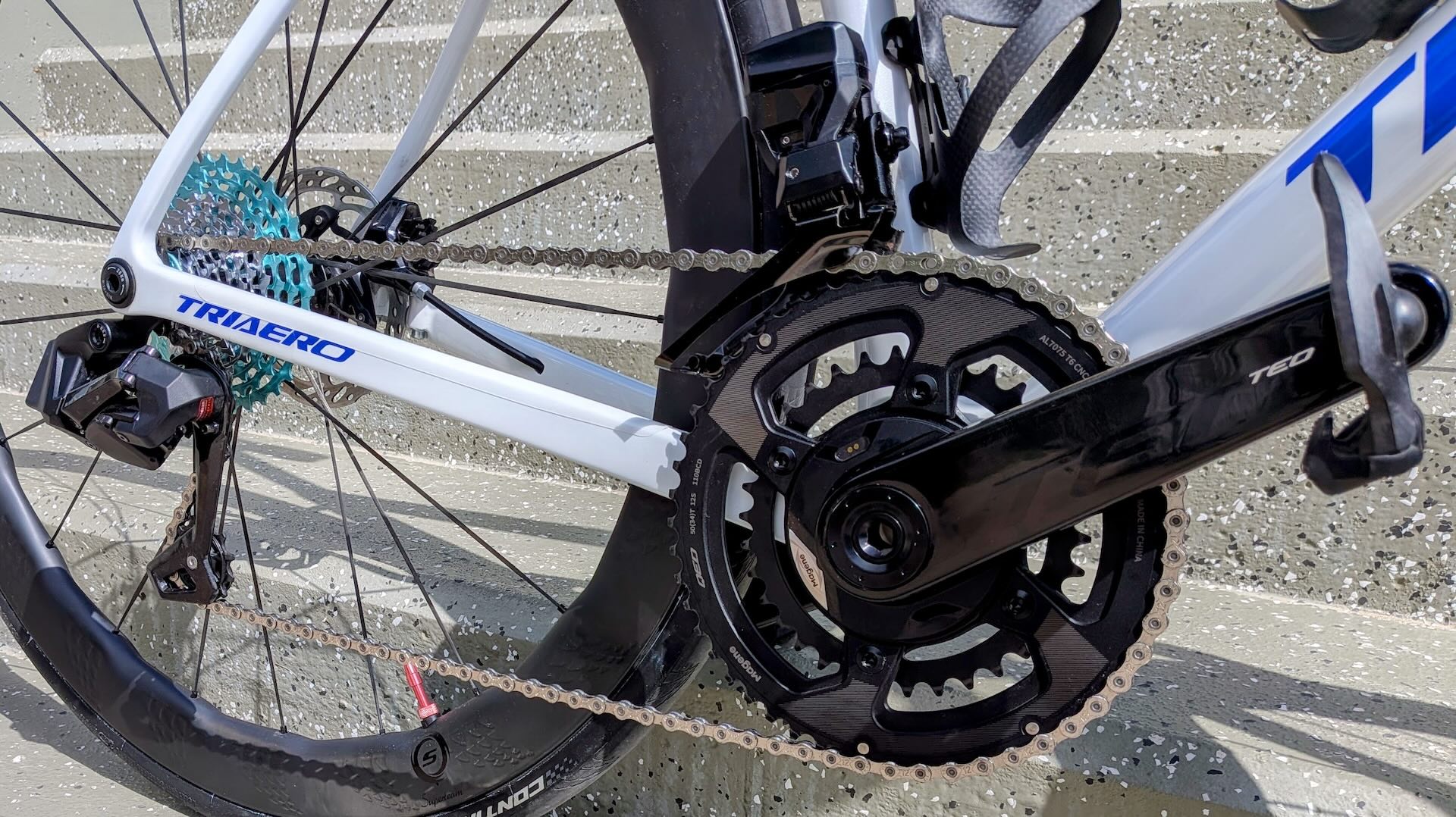
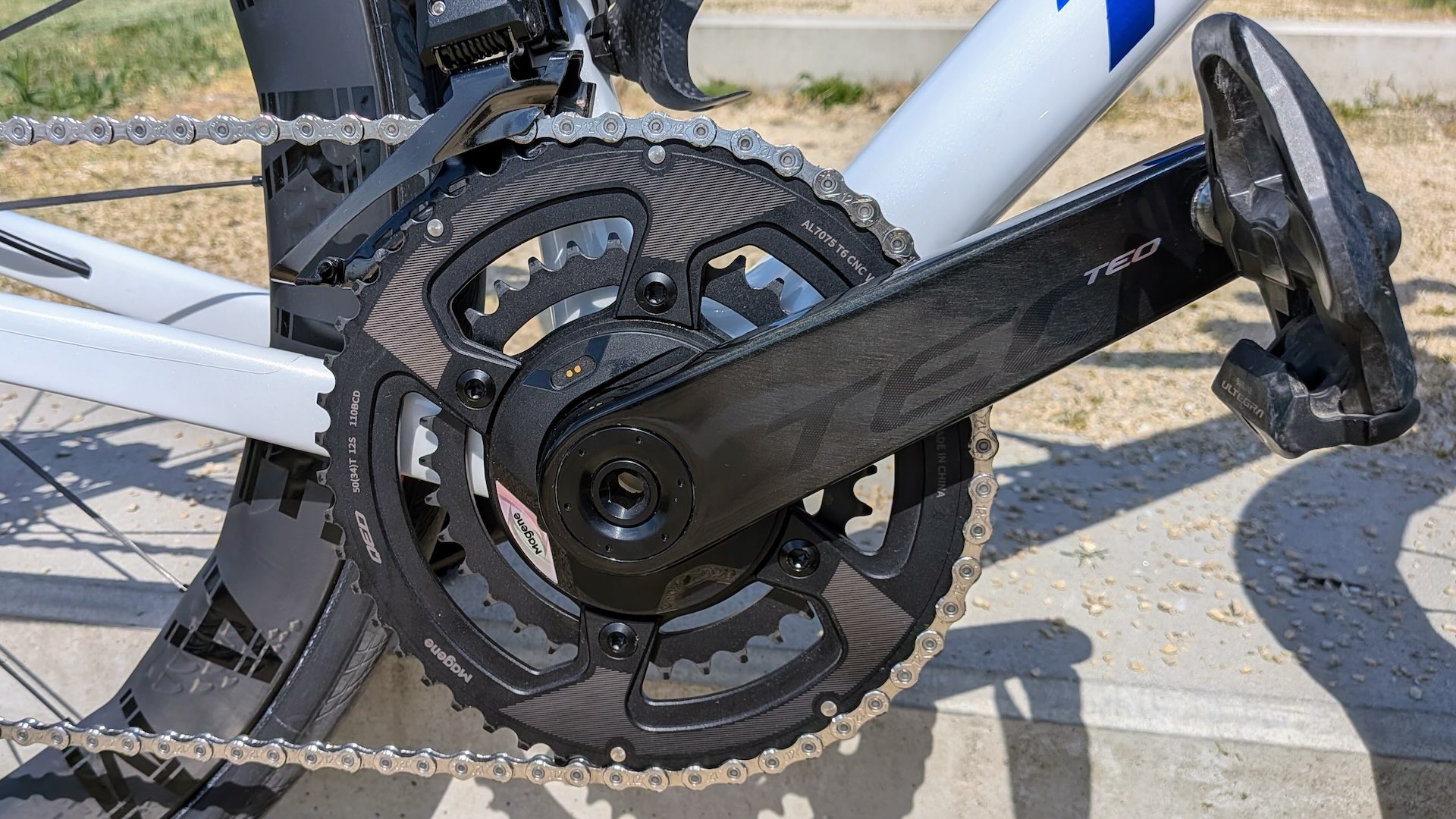
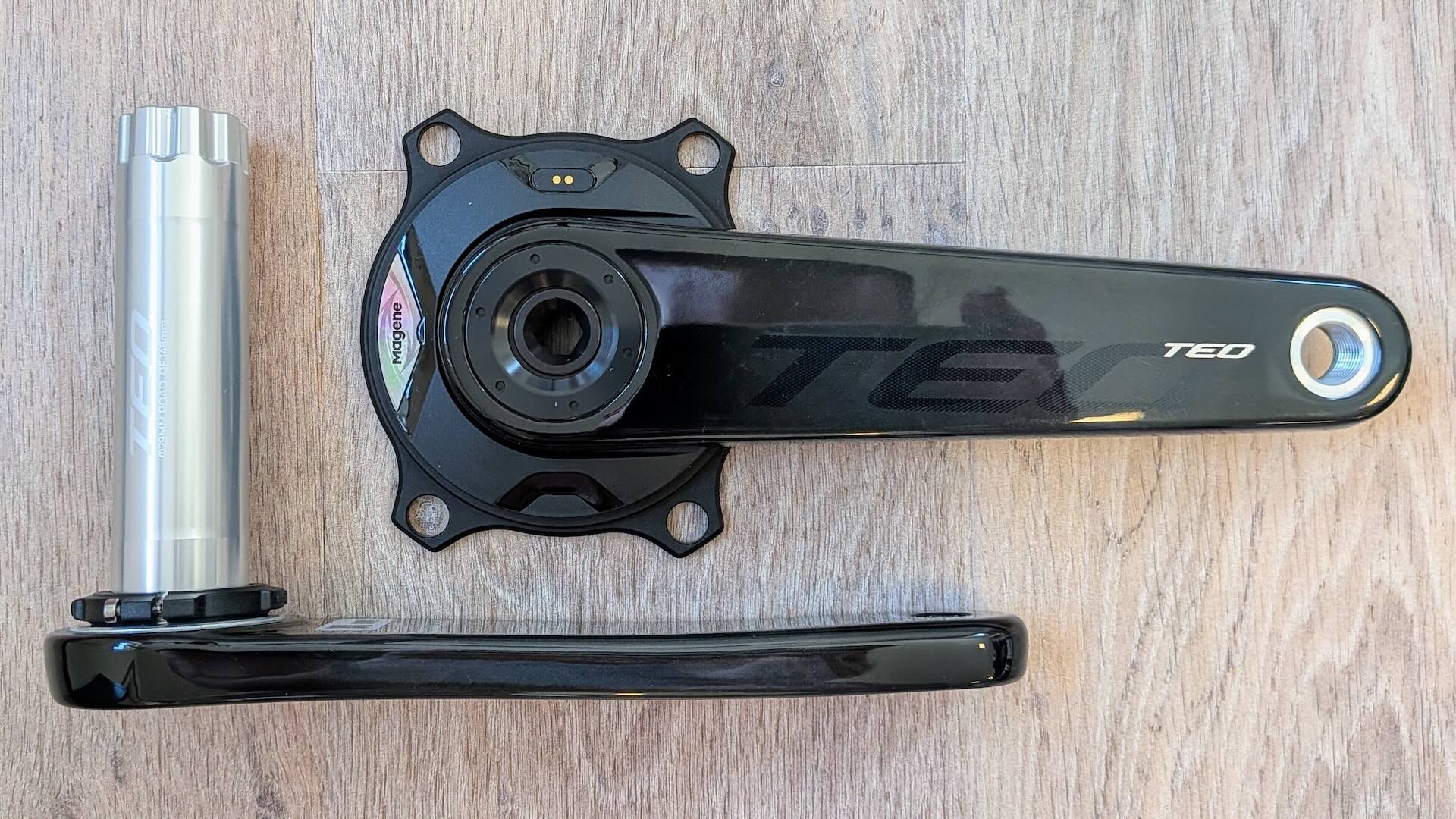
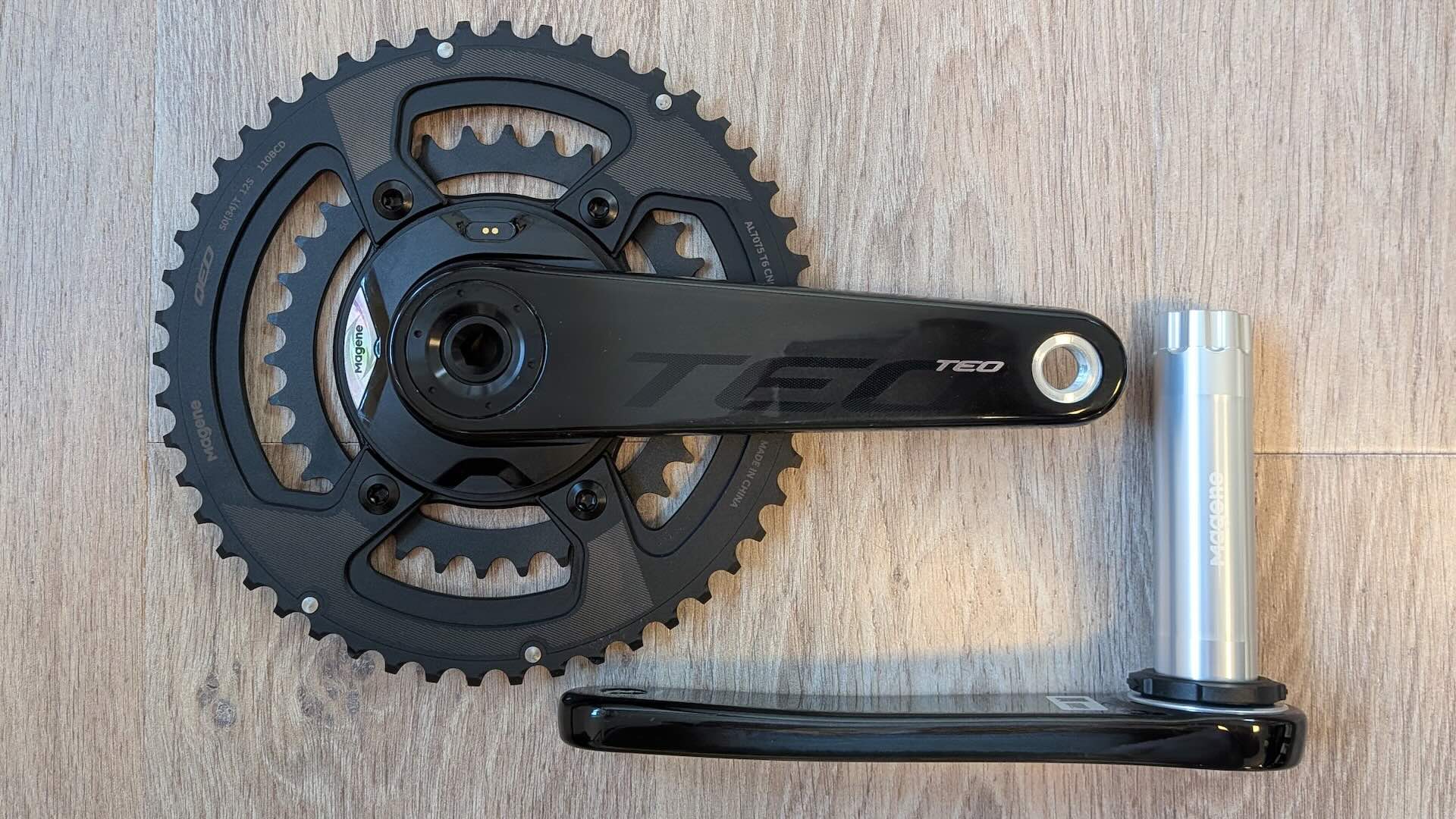
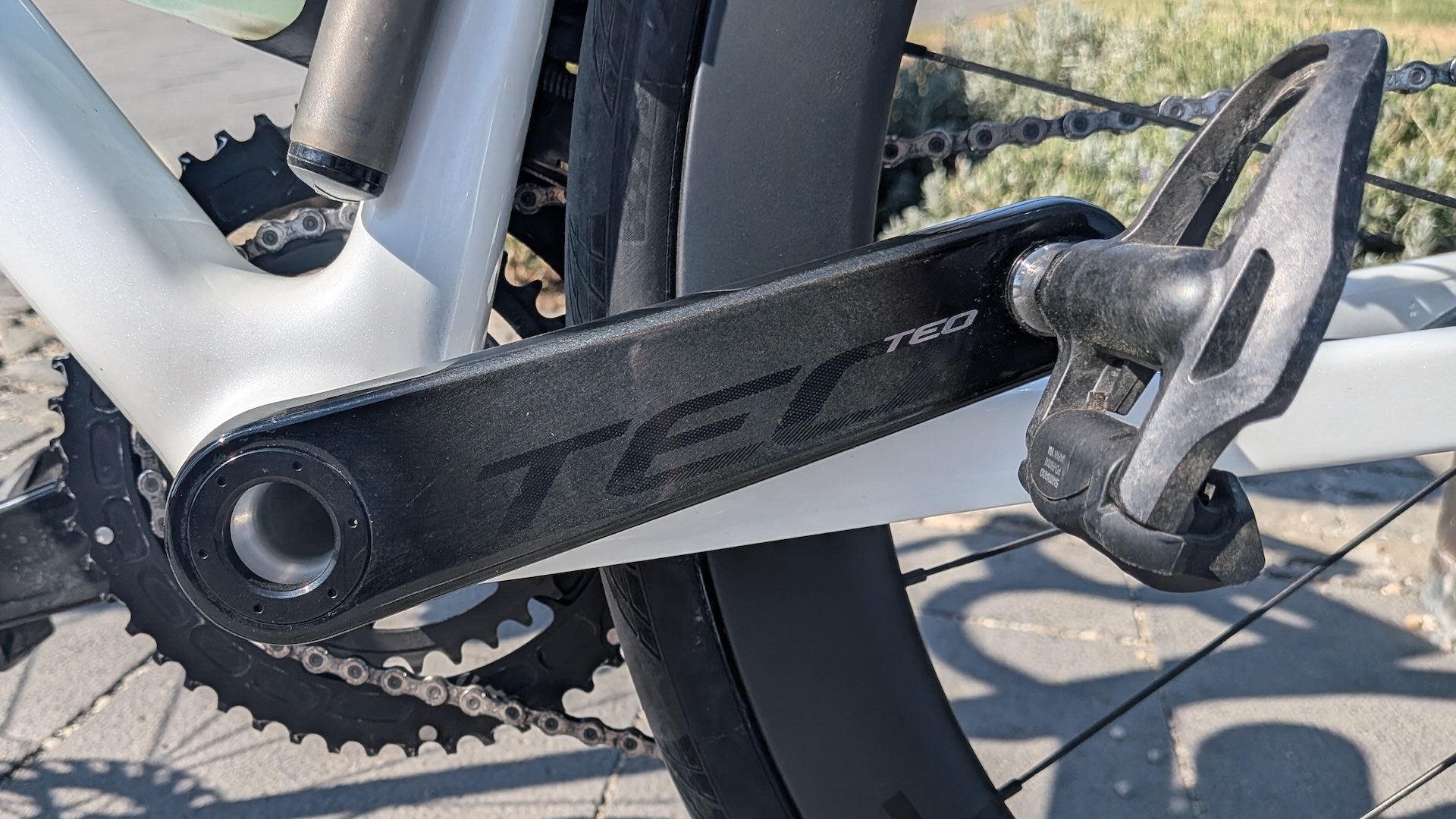
The TEO is the product that really took Magene to the next level. The crank arms are now made from carbon fiber instead of aluminium alloy, paired with the more advanced P515 sensor. The spindle is SRAM DUB compatible, just like on the QED series.
The build quality and attention to detail really make it feel like a premium product. There is no doubt that the TEO would be a first-class choice for any frame. The claimed weight of the crankset with the power meter spider is impressive at just 425 grams for the 170 mm version. I measured 436 grams for my 172.5 mm version. Six crank lengths are available between 160 and 175 mm, so everyone should be able to find the right one.
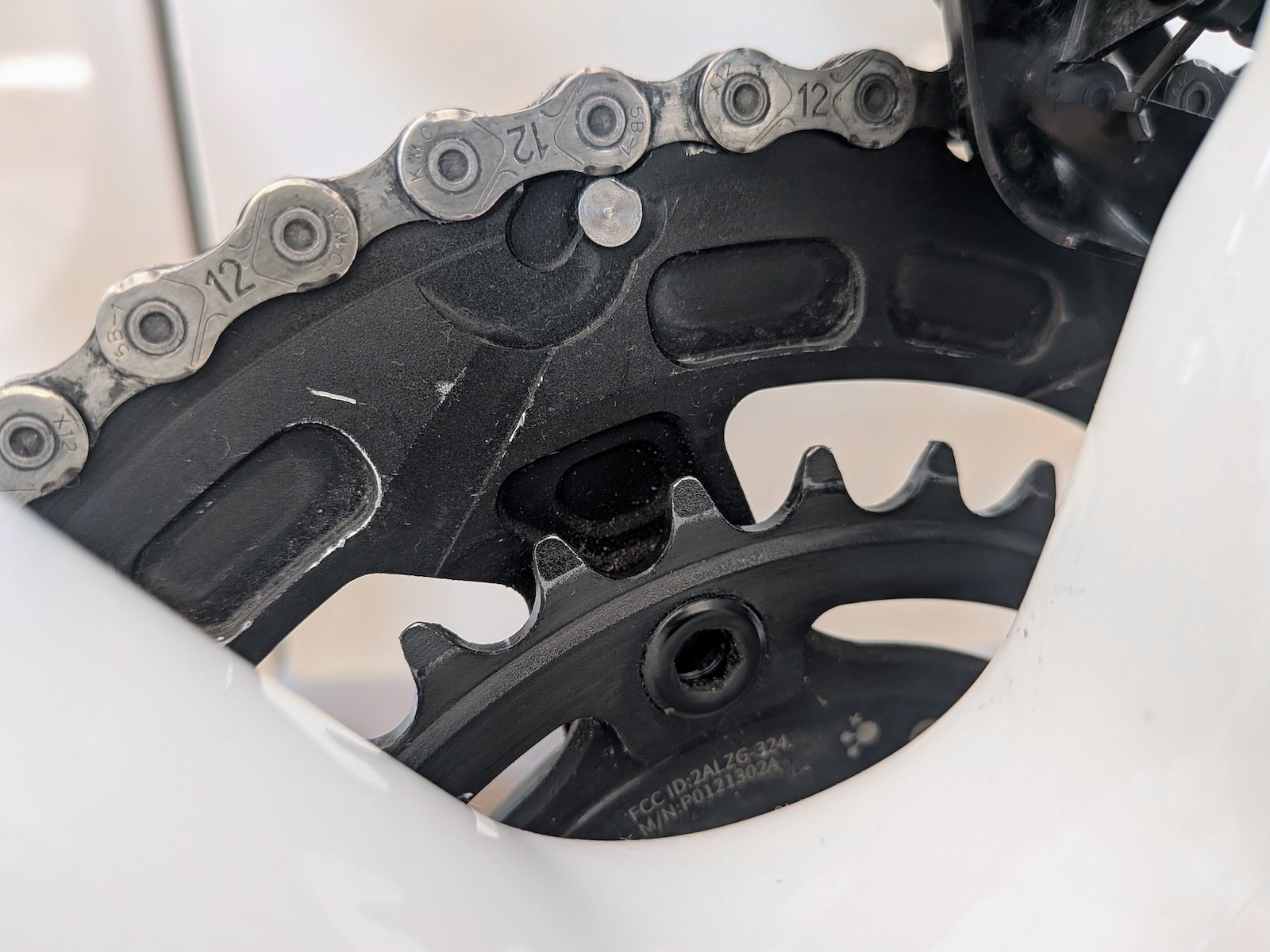
Magene also offers high-quality chainrings in 50-34T, 52-36T and 53-39T versions. Since the project bike was built with the WheelTop Electronic Derailleur System (EDS), it made sense to choose Magene’s own chainrings. The 50-34T chainrings weigh 165 grams, bringing the total weight to 601 grams. For comparison, the Dura-Ace weighs 685 grams in the standard version and 745 grams with a power meter, which means a difference of 84 and 144 grams respectively.
The onboard battery is charged via a magnetic charging cable and lasts up to 380 hours on a single charge. Last year, I rode almost 5,000 km and spent around 200 hours on the bike. For me, that means charging it only once a year. The P515 is IPX7 rated, so even heavy rain shouldn’t be a problem. Naturally, it supports both ANT+ and Bluetooth and measures power with an accuracy of ±1%.
Installing the crankset
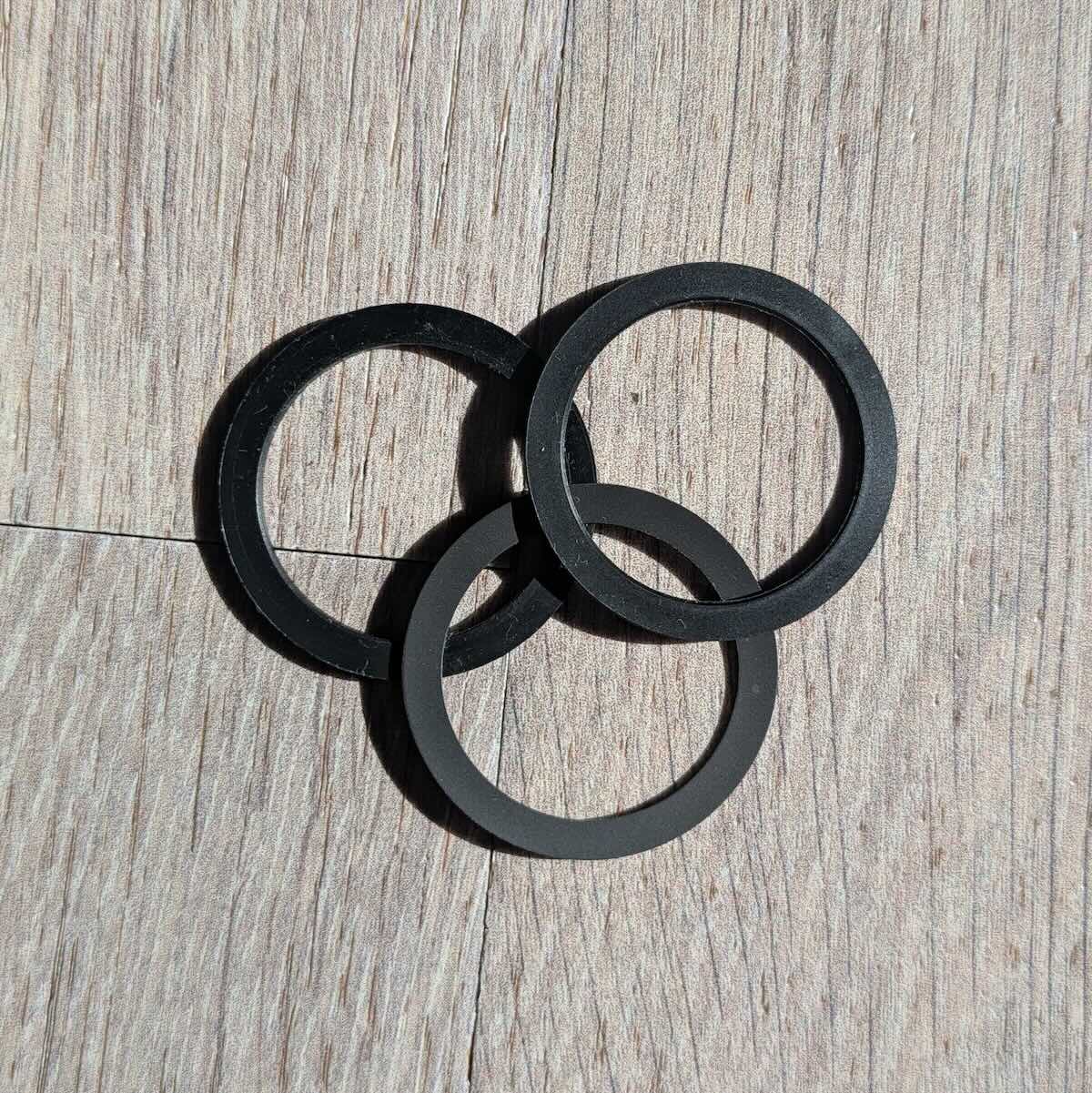
The chainrings arrive in a separate package, so the first step is to install them using the included bolts. We need a DUB-standard bottom bracket in the bike. Three spacer rings are included to accommodate different actual bottom bracket widths.
We can measure the width with a caliper and then select the correct spacer as follows: 90.5–92 mm: no spacer needed, 90–90.5 mm: 0.5 mm, 89.5–90 mm: 1 mm, 88.5–89.5 mm: 2 mm. The spacer goes on the drive side, between the bottom bracket bearing and the crank arm. The right crank arm is secured to the spindle with a 10 mm self-extracting Allen bolt, with a specified tightening torque of 45–50 Nm.
After tightening the right crank arm, it is worth giving the end of the spindle one or two gentle taps with a rubber mallet (or your fist) to make sure the crankset is fully seated. I recommend this because the threaded preload ring is not strong enough to pull the crankset fully into place.
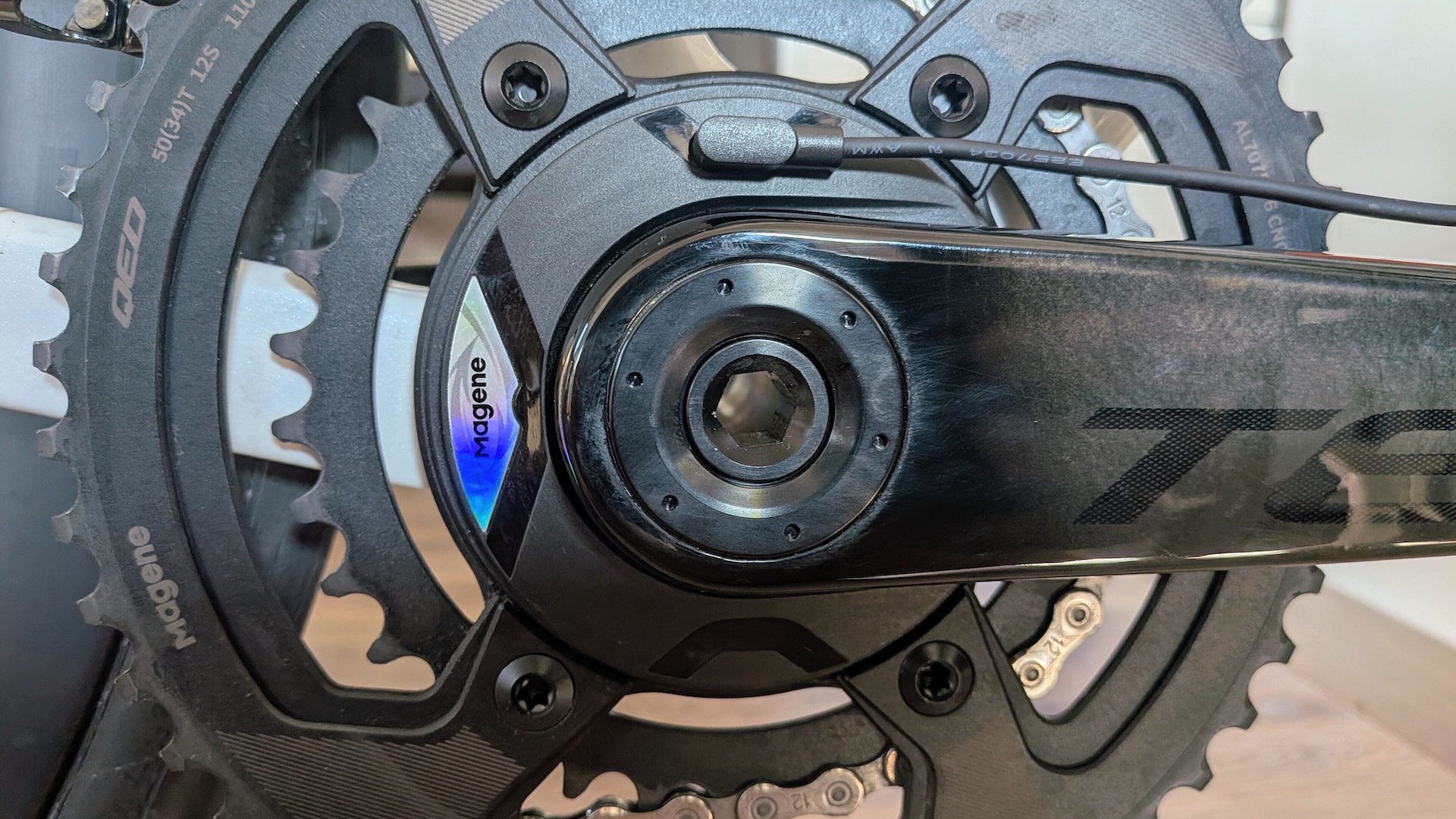
After setting the bearing preload, we can secure the ring with a 2 mm Allen key. Two 1.5 mm pedal axle washers are also included in the package, allowing us to increase the Q-factor if needed.
Setup
We have to wake up the power meter first, which can be done by connecting the included magnetic charging cable. Then we can connect to the power meter with the Magene Utility app on our smartphone. The most important step is to perform a „Zero Calibration” in the app, which tells the sensor its unloaded state and provides the reference point for power measurement.
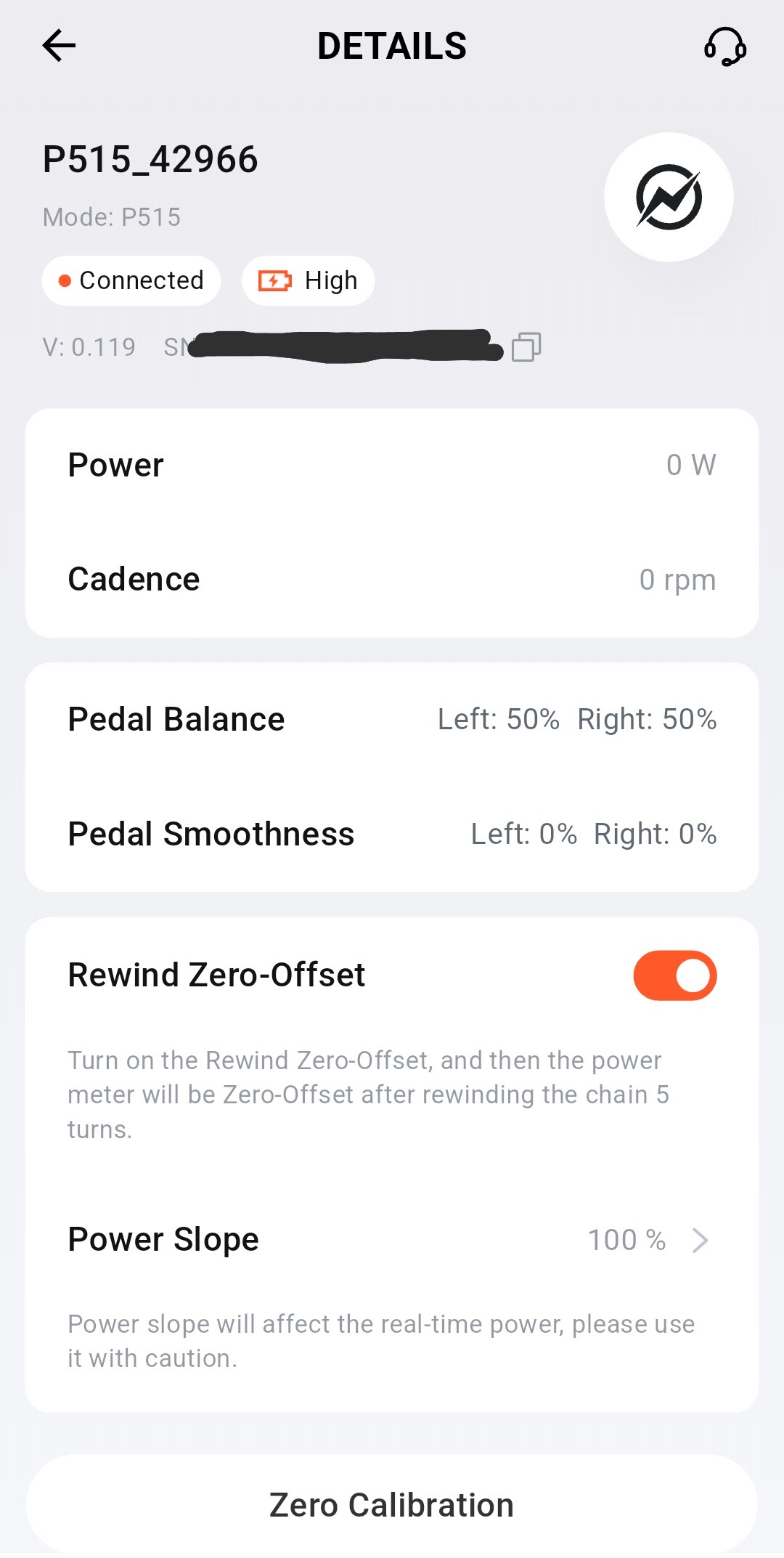
In the app, we can adjust two settings. One is „Rewind Zero-Offset”. If we backpedal five revolutions, the sensor recognizes this and automatically performs a zero calibration. The other is „Power Slope”. If we compare the P515 with a calibrated power meter and find a difference between the measurements, we can use this setting to scale the power data.
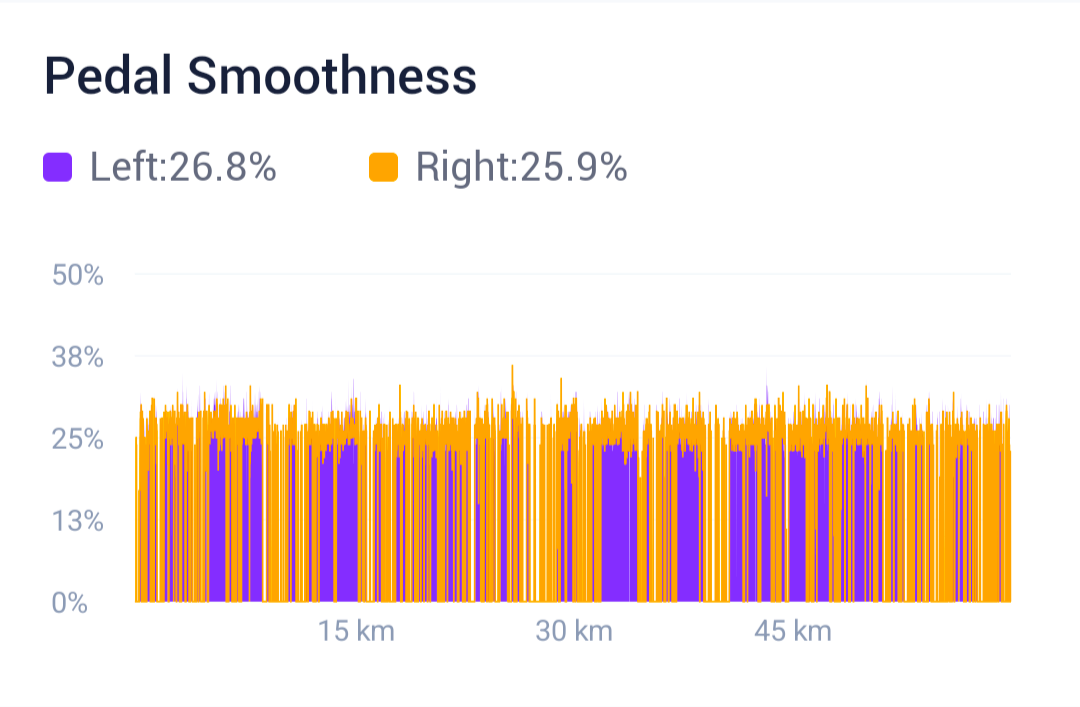
The app also shows left-right balance and pedaling smoothness. The sensor measures cadence as well, so we don’t need a separate sensor for it. Once we have connected the P515 to our bike computer and set up the data fields we want to see, we are ready to ride.
Practical experience
Hard to say much here. The power meter crankset does what it needs to do, the P515 sensor measures reliably, and the connection to the bike computer is stable. I mounted it, set it up, and haven’t had to do anything with it for 2,000 km. I think that’s the biggest praise you can give a piece of equipment.
The crankset is stiff enough, but it’s hard to evaluate it separately, because the frameset and bottom bracket are also part of the system. For a proper evaluation, I would have to test it in multiple frames. I’m also satisfied with the quality of the chainrings. I haven’t used the WheelTop derailleur system with other chainrings, but I think the occasional weaknesses in shifting come from the front derailleur setup rather than the chainrings.