A nyár elmúltával a laikusok azt hihetik, hogy a kertekben véget ér a dolgos időszak, azonban ez egyáltalán nincs így. Az ősz során még bőven van teendő. A késői érésű gyümölcsök szüretelésén kívül a kertet fel kell készíteni a télre. De pontosan milyen munkákat is kell ilyenkor elvégezni? Az alábbiakból kiderül!
Szüret A szüret nem csak a gyümölcsök leszedéséből áll, gondoskodni kell azok tárolásáról is. A korábban lehullott, rothadó gyümölcsöket is érdemes összeszedni – főleg a kellemetlen erjedő szag miatt – és a komposztba szórni.
A gyep ápolása Az első és legfontosabb őszi feladat talán a levelek összegyűjtése a gyepről, amelyet aztán a többi munkafolyamat is követhet. A nyári használat során összetömörödött talaj fellazításával és a pázsit szellőztetésével megelőzhető a tövek elhalása. Fontos, hogy ez a munka mindenképpen száraz, csapadékmentes időben kerüljön elvégzésre. Szerencsére mindössze egy vasvilla vagy gereblye szükséges hozzá. Előbbi esetén mélyen a talajba kell szúrni és finoman előre-hátra kell mozgatni az eszköz nyelét, majd ugyanezt a mozdulatsort 10 centivel arrébb is megismételni. Gereblyével végezve erős kapáló mozdulatokkal érhető el ugyanez a hatás.
A tápanyagok pótlása A vegetációs időszakban a növények rengeteg tápanyagot veszítenek, amelynek célzott pótlását intenzívebb növekedéssel hálálják meg. A gyepet, a cserjéket, a dísznövényeket és a fiatal fákat semmiképpen sem szabad kihagyni a trágyázásból, amely történhet komposzt és műtrágya segítségével is. A hatás garantáltan nem marad el tavasszal!
Ültetés és metszés A késő ősz a fák és a cserjék ültetésének ideje is. A fás szárúak elhelyezését a majdani kifejlett méretük figyelembevételével kell megtervezni. Az ültetéshez mindenképpen méretes ültetőgödör szükséges, amelyet aztán megfelelő iszapolás, taposás és karózás követ. Természetesen a szerves trágyáról sem szabad megfeledkezni!
A nagyobb fákkal is van feladat, hiszen az esetleges trágyázáson kívül a gyümölcsfák szakszerű metszése is esedékes, de az sem baj, ha ez már a téli időszakra csúszik át.
A kiskert gondozása A virágoskertek egynyári növényeit érdemes kihúzkodni, az évelőket pedig visszavágni, hogy a fagy ne tegyen bennük kárt. A konyhakertekben található – le nem szedett – terméseket, szárakat, gazt és egyéb növényeket is ajánlott összegyűjteni, hiszen a komposztálóban még nagy hasznukat lehet venni. De a terület felásásakor vagy rotálásakor a földbe forgatva zöldtrágyaként is hasznosíthatók.
Feladatok a teraszon Az első fagyok beállta előtt a teraszon tárolt cserepes növényeket is érdemes télre fagymentes helyen elhelyezni, ahogy a kerti bútorokat is ajánlott – élettartamuk megőrzése érdekében – fedett helyen tárolni.
Az őszi munkák megkezdése előtt mindenképpen érdemes körbenézni a VasMuszakiBolt.hu webáruházában, ahol minden szükséges szerszám és kiegészítő megtalálható.
We made a visit to the Tacx demo area at this year’s Eurobike exhibition to see the trainers and cycling accessories the renowned Dutch manufacturer has on offer for 2019. Due to the unusually early date for Eurobike, not all the next season novelties were available at the show, nonetheless, we had a chance to inspect the spacecraft-like NEO Bike as well as some innovative prototype smart trainers. Since then, all product development has been finalized, and three new smart trainers – the NEO 2, the Flux S and the Flux 2 – have been introduced to the market. These offer many more features and technical content than their successful predecessors, and last but not least, they will be offered at a more favorable price level!
Generally three things come to the mind of the dedicated cyclist when they hear the Tacx brand name: a wide selection of bike trainers from entry level to the state of the art, top quality bottles and bottle cages used by the most prominent professional cycling teams, and of course their dedicated bike repair tools. As it’s almost winter time, we will focus on the trainer lineup, since they can assist in making use of the cold evenings and launch the cyclist into the spring for a successful new season of bike riding.
At this year’s Tacx booth, the most popular sight was undoubtedly the new gym-style spinning bike. There was a permanent circle of on-lookers around the entourage of futuristic Neo Bikes, some were always trying them, pedaling swiftly while watching the graphics on the computer screen. It was nearly impossible to take pictures of these spin-bikes on their own, with no rider or a crowd around them.
The concept of creating the NEO Bike was to transfer the high-tech features and advanced training functions of the NEO line of trainer to a more gym-oriented fitness device, a training machine which is intended to be used indoors at a set location. Come to think of it, this is not at all a bad idea! How much better to have a dedicated trainer standing in our living space, then to set up a turbo trainer with a dirty bike at the same place. The former can be an elegant piece of furnishing in the living room, while the latter may cause much friction within the family.
Concerning its technical parameters, the NEO Bike is more or less identical to the advanced NEO trainer line. Merely the formula of a “turbo trainer” plus a bike setup is transposed into a high-tech home gym fitness device. It is equipped with everything we need for bike training, such as a mobile phone holder and two fans: the latter – apart from cooling the rider – can also simulate the wind speed we experience while out riding. If this function is not needed, the fans can be set to constant speed. We find two conspicuous displays on the handlebar: a smaller one showing the most important data, while a larger display can run the ride simulation. Of course, one can also use a computer screen of a TV for the virtual ride.
The NEO Bike aims to simulate a true cycling experience, so it’s equipped with a handlebar and saddle similar to those found on conventional road bikes. The “dummy” brake lever is a personal favorite of mine, much reminiscent of a modern electronic shifter.
NEO 2
Let’s move on to the turbo trainers which Tacx is so renowned for. 2019 will see the launch of the NEO 2 replacing the venerable NEO. The NEO 2 has a lot of new high-tech features which will make it a future-proof investment. Performance parameters will not change, the Neo 2 provides a whooping 2200W resistance, which can simulate up to a nearly impossible 25% gradient. In addition, power measurement accuracy is within +/-1%. How come there is no improvement in the new model? – one may ask. Well it was probably quite impossible and futile for Tacx to improve on a turbo trainer which combines the strength of an atom bomb with the precision of an atomic clock!
On the other hand the user gets a whole set of new functions and features, such as advanced pedaling analytics, separate right and left leg power measurement, and more precision for cadence measurement thanks to faster data transmission. Concerning the electronic engineering within, the NEO 2 is said to be significantly faster compared to NEO. There is a new CPU and a much expanded memory in order to improve reaction time in virtual riding simulations and controlling resistance in ERG mode. In addition, the NEO 2 offers faster communication with other devices, which is especially important when cadence information is used in simulations. Due to the multitude of wheel axle systems on the market, the new trainer will be shipped with a complete set of thru-axle wheel adapters (12 × 142 and 12 × 148). This used to be an optional purchase for the previous NEO smart trainer.
These advancements left the original NEO concept in tact, which made this Tacx cycling trainer one of the most esteemed on the market. The Dutch brand designed its top-of-the-line model to bring the outdoor cycling experience indoors, in part by replacing the usual flywheel with a motor that can create resistance as well as assistance to order to simulate the terrain and the gradient. So if you are riding a virtual uphill, the NEO will add the appropriate amount of resistance, once the simulated road slopes down, the motor will actually assist pedaling. This makes riding the NEO 2 a truly life-like experience, it’s just like if you were cycling outside.
FLUX S
The highly successful Tacx Flux trainer model will be discontinued for 2019, it’ll be replaced by two new models, the Flux S and the Flux 2. While it was an excellent direct drive trainer, the Flux unfortunately had some annoying minor bugs, such as the long-cage derailed rubbing against the trainer’s plastic housing, as well as the drive belt shifting out of its place and wearing away the housing from the inside. The new Flux generation is completely free of such anomalies.
The Flux S and the Flux 2 are almost identical in appearance, only the bottom part of the housing show a different shade of color. The inside, it’s a complete different story. The Flux S employs the same technology as its predecessor, except that it can also be ridden without the internal drive, functioning as a normal turbo trainer without power supply for a pre-race warm up. It provides a maximum of 1500W resistance supported by a 6.7kg flywheel, which translates into climbing a 10% uphill gradient with a quite smooth pedal stroke. Power measurement error is a more than acceptable +/-3%. In addition to eliminating the bugs mentioned, the best new feature of the Flux S is the lower price: it will be sold on the international market nearly 20% cheaper than its predecessor, but in Hungary the domestic distributor promised to drop the price by another 10%, making it 30% cheaper than the much loved original Flux model.
FLUX 2
The Flux 2 is significantly beefier inside than the Flux S, capable of offering a full 2000W resistance, which allows the realistic simulation of a 16% leg-crunching gradient. Its measurement accuracy is within 2.5%, and this trainer uses a slightly heavier (7.6kg) flywheel for smoother pedaling feel. It will be a little cheaper than the old Flux, but it’s capabilities are far beyond that. We might say that the Flux 2 could pose a serious threat for the NEO 2’s supremacy, the latter still has the advantage of the electric motor drive, a technology that is truly a game changer in simulating the gradients in virtual riding conditions.
The treadmill-style Magnum roller also received a lot of attention at the show!
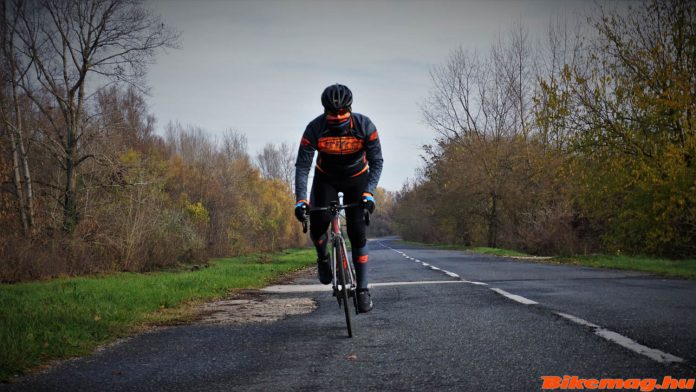
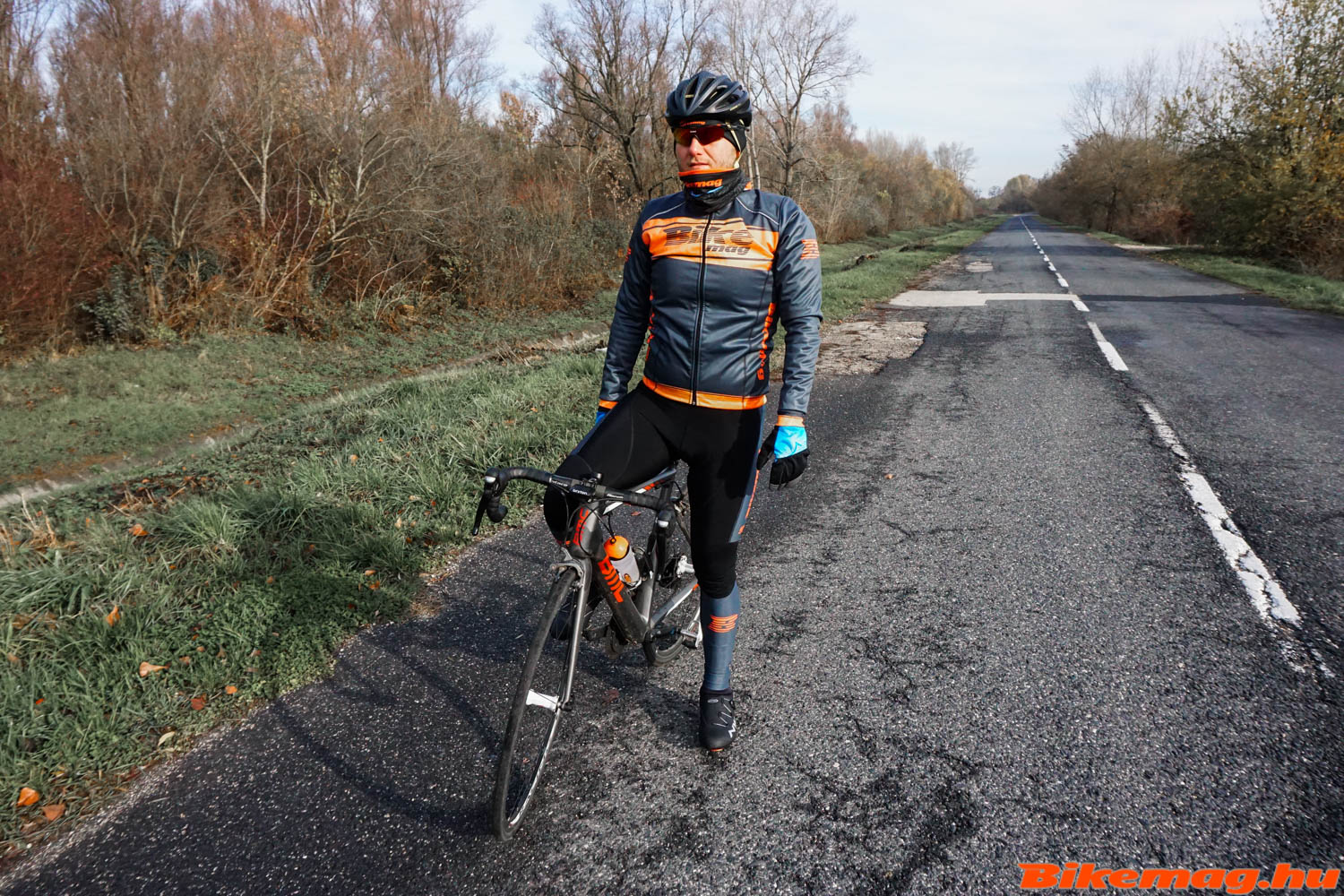
A különleges megjelenésű sportruházatairól híres magyar gyártó ruháit nem csak az interneten vásárolhatjuk meg, hanem az 575 Shopban felpróbálhatjuk és megvehetjük a legkülönfélébb dizájnú mezeket, nadrágokat és egyéb kiegészítőket.
Budapesten a Balzac utca 21. szám alatt várja a kerékpárosokat, futókat, triatlonistákat az 575 Shop, ahol a hazai gyártó termékeiből széles kínálatot találunk. Élőben megnézhetjük az elegánstól az egészen extravagáns dizájnú mezekig, nadrágokig, különböző kiegészítőkig mindent, megfoghatjuk felpróbálhatjuk és akár meg is vehetjük ezeket a ruhadarabokat. Tehát ha megtetszik egy ruha a webshopban akkor nem feltétlenül kell az ott található információk alapján döntenünk, hanem a virtuális világon kívül is megnézhetjük, ami valljuk be, egy ruhadarabnál nem utolsó szempont.
A Shopba belépve azonnal feltűnik mindenkinek a sok nem mindennapi megjelenésű ruhadarab, színek kavalkádja vagy éppen az egyszerű, de stílusos dizájnú mezek, nadrágok, pólók, kiegészítők bűvölik el a boltba „betévedő” sportolót.
Az 575 Shopban teljes méretsort tartanak a kerékpáros ruhákból, ami nagy segítség azoknak a csapatoknak, akik saját dizájnnal szeretnének ruházatot gyártatni, így ők fel tudják próbálni, hogy kinek, melyik ruhadarabból mekkora méretre van szüksége. De ugyanez igaz azokra a bringásokra is, akik egy olyan mezt néztek ki maguknak, amiből éppen nincs a nekik szükséges méret a boltban, ők is tudnak próbálni a méretsorból, hogy megtalálják a nekik megfelelő méretet.
Az 575 ruházatán felül más, a sporttal kapcsolatos termékekkel is találkozhatunk a boltban, pl ha táplálékkiegészítőre van szükségünk azt is megvehetjük az üzletben, a High5 minőségi termékei is ott vannak az 575 Shop polcain. A világszerte közkedvelt napszemüveg márka, az Oakley szemüvegei is megtalálhatók a boltban, akár az új ruhánkhoz legjobban illő napszemüveget is kiválaszthatjuk. A kompressziós ruházati piac egyik jelentős képviselőjének, a Compressportnak a termékei is elérhetőek a Shopban, ezért sem kell más üzletet felkeresnünk.
Kedden ért véget a kínai Chengduban megrendezett BMX ès Triál világbajnokság, melyen Magyarországot két versenyző is képviselte. Az számunkra esélyesebb, Junior kategóriában az itthon is sokszoros kupagyőztes, Kovács Péter, míg a felnőttek Elite kategóriájában Misik Tamás állt a rajthoz.
A versenynek helyt adó kínai városban a tavalyihoz hasonló, kiváló színvonalú verseny várta a ridereket. A 2018-as szintet magasra tették a szervezők. A rendkívül nehéz akadály pályákat (szekciókat) viszont még a tavalyi és az új világbajnoknak sem, vagy csak komoly erőfeszítések árán sikerült teljesíteni. Mindemellett a tavaly bevezetett új szabályrendszer mindenkinek jóval objektívebb teljesítménymérést, és a helyezések még inkább tudás alapú rangsorát biztosítja az indulóknak. Kovács Péternek jól sikerült az idei év, remek felkészülési időszak után kiváló formában állhatott rajthoz. A nehéz szekciók kedveztek a magyar Junior versenyzőnknek, aki ugrásmagasságban jóval a mezőny felett teljesít. A technikás sziklás-vizes pályák ugyanakkor Péter számára jóval nagyobb koncentrációt és hibalehetőséget jelentettek, mivel ilyen jellegű gyakorlópályából mindössze egy-két darab található az egész országban.
[message_box title=”” color=”blue”]A triál szekciókon a kerékpárosnak úgy kell végigmenni, hogy minél több akadályon jusson át lábletétel nélkül. Az új szabályrendszerben viszont azt is értékelik, hogy egy szekción belül a versenyző milyen messzire jut. E mellett, ha átjut egy akadályon az plusz pont, viszont ha leteszi a lábát, azért pontlevonás, hibapont jár.[/message_box]
Péter a selejtezőben megszerzett 6. helyezés után a fináléban is a fantasztikus 6. helyen végzett. Misik Tamás Elite kategóriában a 30. helyezést szerezte meg.
„Rendkívül nehéz és változatos szekciókkal találkoztunk. Az első versenynap végén láttam, hogy sikerült bekerülnöm a 2 napra rá megrendezett döntőbe. Igyekeztem itt még jobb teljesítményt hozni, ám volt, hogy a világbajnok is a hat akadály közül az elsőn jutott csak túl, ez talán jól jellemzi a szekciók nehézségét. Számomra a legnehezebb az a szekció volt, ahol egy épített medencében kellett a vizes sziklákon végig ugrálnunk. Itt egy egyensúly elvesztés után volt, aki bele is esett a vízbe. Egy ideig sikerült a 3. helyre felkapaszkodnom, ennek nagyon örültem ám végül pontazonosságban a UCI Világbajnokság döntőjében 6. helyen végeztem. Az ugrás magasságok nagyon rendben vannak, technikailag kell még sokat fejlődnöm. Rendkívül boldog vagyok, életem legjobb eredményét sikerült elérnem ezen a versenyen” – nyilatkozta Kovács Péter.
Az szép eredményekhez gratulálunk, további sok sikert kívánunk!
A Triál szakágban 1 hét múlva kerül sor az Országos Bajnokságra, melyet idén Püspökladányban, az Extreme Bike Day-en, Magyarországon először, fedett csarnokban rendeznek meg. Kovács Péter természetesen a Junior Országos Bajnoki cím nagy esélyese is egyben, így számára várhatóan remekül zárul a 2018-as év is.
2019-től változik a Nemzetközi Kerékpáros Szövetség a versenyzők ruházatára vonatkozó szabálya, mely a zokni maximális hosszát is meghatározza.
A zokni szárának ideális hossza mindig vita tárgya a kerékpárosok között, a profi versenyzők között is időről-időre változik a trend, hogy éppen nagyon rövid vagy hosszabb szárú zoknikat viselnek. Az elmúlt időszakban az egyre hosszabb szárú zoknik kezdtek terjedni, melyet az UCI és a hagyományokat tisztelők nem igazán néztek jó szemmel. A hosszú szár valószínűleg nem divathullám, hanem a teljesítményfokozás egyik eszköze, a kompressziós ruházatok megjelenésével lett egyre népszerűbb a sportolók között, bár meggyőző bizonyíték nincs arra, hogy valóban javítana a kerékpárosok teljesítményét.
A Nemzetközi Kerékpáros Szövetség a kerékpárok és a ruházat szinte minden paraméterét szabályozza, így a zoknikét is. Az elv az, hogy a ruházat az alapvető funkcióján felül az alakjával nem segítheti a versenyzőket, az utóbbi időben viszont egyre több olyan ruházat jelent meg, mely ezt az elvet sérti, ezért 2019-re az UCI változtatott a szabályzatán. A zoknik szára jövőre maximum a boka-térd alja távolság feléig érhet, erről még ábrát is készítettek. Arról viszont még nem rendelkeztek, hogy hogyan fogják betartatni az új szabályt és milyen büntetést kapnak azt megszegők.
Idén ősszel egyébként nem ez az első a ruházatot érintő UCI szabály, ugyanis nemrég jelent meg egy az időfutam ruházattal foglalkozó, mellyel több eddig használt időfutamruha szabálytalan lesz jövőre.
Frissítés:
A cikk megjelenése után Lovassy Krisztián, válogatott pályaversenyzőnk mesélte, hogy az UCI bírók valóban komolyan veszik a szabályt, sőt a kanadai pálya világkupán (októberben) már ellenőrizték a zoknik hosszát. A különböző számok között egy UCI bíró centiméter szalaggal a kezében „rohangált” és lemérte a hosszúnak tűnő zoknikat. Akinek pedig a szabály szerint hosszú volt a zoknijának a szára azt arra kötelezte, hogy hajtsa vissza a tetejét vagy húzza lejjebb.
Although the cycling-friendly weather is still holding out this late autumn, the cold weather will be here soon. It is advisable for cyclists to prepare for the winter weather. Decathlon has a vast range of autumn and winter bike clothing, from jackets to underwear, we can buy all kinds of apparel from the French big-box sporting specialist. So let’s take a closer look at the selection of their selection where we find some interesting, specialist items as well.
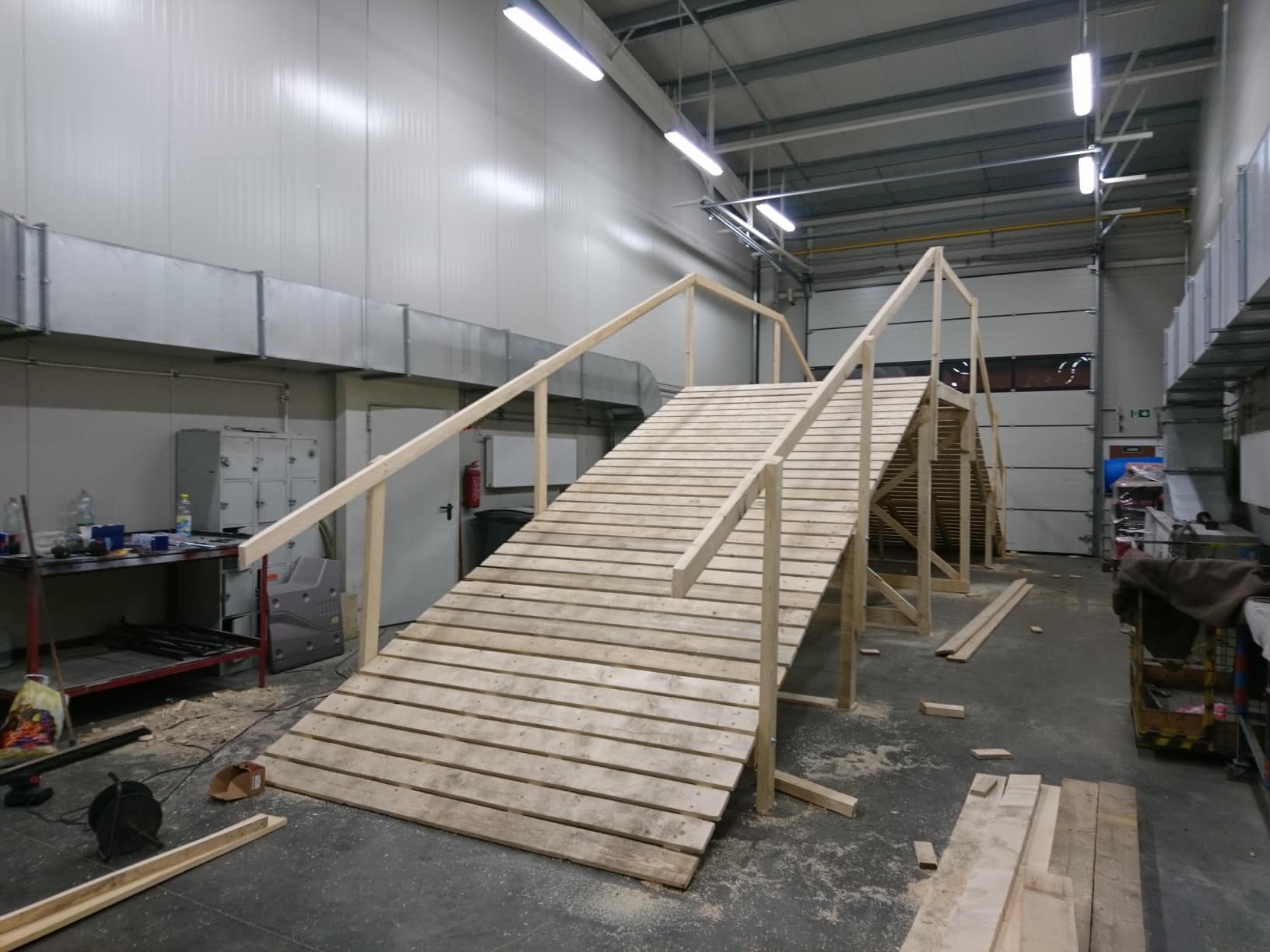
Btwin Visible 900 winter jacket
As cold autumn and winter weather approaches, we need a jacket that will keep the cyclists warm while adequately ventilating the heat and moisture from the body and also improving our visibility. The Btwin Visible 900 winter jacket offers all this at an affordable price.
Click here for the complete review of the Btwin Visible 900!
Hungarian version: https://bikemag.hu/shopping-guide/btwin-visible-900-teli-kabat
Btwin Roadracing 500 light jacket
If you are looking for an affordable winter jacket for shorter rides (typically less than 2 hours), then Btwin Roadracing 500 should be a good choice. The fluorescent red color and reflective elements provide good visibility in the darker months, in addition the jacket is wind-resistant, and the honeycomb-like material keeps surprisingly warm on cold days.
Click here for the complete review of the Btwin Roadracing 500 cycling jacket!
Hungarian version: https://bikemag.hu/shopping-guide/btwin-roadracing-500-kabat
Btwin Roadracing 500 winter bib tights
These bib tights must have been designed with Hungarian winter climate in mind: these tights feature a fleece material for warmth with water repellent coating to combat the wet conditions. This Btwin model has a close fit anatomical shape ideal for hard core cyclists doing their winter training rides and commutes, in addition to a comfortable pad insert for the longer rides. Yes, the Btwin Roadracing 500 winter bibs can do all this at an affordable price!
Click here for the complete review of the Roadracing 500 winter trousers!
Hungarian version: https://bikemag.hu/shopping-guide/btwin-roadracing-500-teli-nadrag
Btwin Roadracing 900 rain jacket
This ultra-light raincoat can be stuffed into a jersey pocket, so you can take it along for every cloudy or wet ride in the autumn, winter or spring months. If you need extra protection, you can put it on in a matter of seconds, and shove it back into your pocket in case the weather turns more favorable. Unlike conventional raincoats, the Btwin Roadracing 900 does a good job at ventilating body moisture, so you will not get wet from the inside either.
Click here for the complete review of the Btwin Roadracing 900 rain jacket!
Hungarian version: https://bikemag.hu/shopping-guide/btwin-roadracing-900-esokabat
Btwin 920 winter base layer
When winter conditions turn for the worse, the freezing wind blows right through the jacket, the cyclists needs the extra protection in form of a moisture-wicking base layer. The Btwin 920 undergarment is fitted with a windproof membrane which protects the chest and the stomach area from cold air along as well as offering the normal functions of the base layer: namely drawing our sweat away from the body, keeping the skin warm and dry.
Click here for the complete review of the Btwin 920 winter base layer!
Hungarian version: https://bikemag.hu/shopping-guide/btwin-920-teli-alaoltozet
Btwin 900 winter gloves
Thanks to a wind-resistant layer and an exceptional heat-retaining capability, these outstanding winter gloves can protect the cyclists’ hands in even in the coldest weather. They’re guaranteed to keep your hands from being frozen, even when the thermometer dips into the sub-zero range.
Click here for the complete review of the Btwin 900 winter gloves!
Hungarian version: https://bikemag.hu/shopping-guide/btwin-900-teli-kesztyu
Btwin 900 face mask (balaclava)
Does your face tend to feel cold and numb during winter rides? Some cyclists are more sensitive in this area, for them the the Btwin 900 is a practical apparel for riding in uncomfortably cold temperatures. It protects the entire face from the draught, and thanks to its wind-resistant, fleece-lined material, it prevents both face numbness and catching a cold.
Click here for the complete review of the Btwin 900 face mask!
Hungarian version: https://bikemag.hu/shopping-guide/btwin-900-maszk
Btwin 500 arm and leg warmers
When you are out riding on a cool morning, but the temperature rises quickly after a couple of hours, you need something that can turn your long-sleeve cycling apparel into more ideal short version. This is where arm and leg warmers come into the picture: part way into the ride you can simply take them off and stuff these small, light protective apparel into your jersey pockets, rucksack or bike bag. It’s a good idea to own a complete set of warmers to avoid taking other extra pieces of clothing for journeys in changing weather conditions.
Click here for the complete review of the Btwin 500 arm and leg warmers!
Hungarian version: https://bikemag.hu/shopping-guide/btwin-500-lab-es-karmelegitok
At the Merida R&D headquarters near Stuttgart, we were given the opportunity to take a glimpse of the complete development process of the new One-Twenty, meeting its creators and discussing the ins-and-outs of bike design.
I have been riding bikes since 2006, publishing in Bikemag for over 7 years, made numerous visits to trade shows and production facilities, so I thought I have seen everything. Not so. In the course of a trip to the European development center for Merida bikes in Magstad this September, I finally had the chance to conduct an unhampered conversation with the staff without any taboos. Yes, I could ask anything, and I got honest and full answers to all my questions. Are you interested?
Annual product presentation events – such as the recent Merida test camp held in Ruhpolding – provide a great opportunity to get familiar with the new crop of bikes, but unfortunately there very few technical details available at the time. So the journalist can only tell readers how the bikes look and ride, but is unable to give a true insight into the details of the new developments. Of course, I try to enquire about the technical background from the company staff on site, testing their patience with my engineering-related questions. In most cases, they repeat the general information their marketing team has issued, then ending the sentence by saying: “Our engineers are among the best in the industry!” At some product presentations there is a genuine engineer on site, but most often this person has a specific task at the R&D department that is vastly different from the details I’m enquiring. So I end up getting no wiser after a lengthy dinner table conversation…
It’s no secret for our readers that I had worked as a development engineer in the bicycle industry for two years. During this period there was only one occasion that I can recall when I got in touch with the media. In general, engineers rarely talk directly to journalist, or the public at large. By default, the marketing department handles this side of the business, not the ones who have all the answers!
This rater lengthy introduction tries to give an insight into why I was delighted to be given this special opportunity by BikeFun Hungary. I had the chance not only to visit the Merida’s European R&D center and learn about the development of the brand new One-Twenty, but also to have an open, unrestricted discussion about the process with the actual people, who worked on the project. Unfortunately I had an accident just before the trip, so it was quite uncertain that I could make the journey. But in the last minute the doctor deemed the wrist operation a success, so I was free to attend.
One of the relics at the Merida R&D center – José Hermida’s O.Nine
I was met me at the Stuttgart Airport by Simon Oppold who heads the marketing department for the entire Merida & Centurion group. He has nearly 20 years of experience in the bicycle industry. The airport parking lot was a good representation of what this part of Germany is renowned for: for example, next to Simon’s car was a Porsche GT2 RS in a “John Player Special” design! On the way to his office Simon talked about the difficulties of finding qualified employees in this region: there is a high demand on the job market, new graduates – especially engineers and IT professionals – are immediately recruited by the large companies like Bosch, Mercedes and Porsche. The industry’s involvement entails an exceptionally high standard in education, creating a hotbed for a professional environment. This was the place where one of the world’s leading bicycle brand felt obliged to establish its European R&D center. The Merida division in Magstad has approximately 15 employees, a team is headed by Jürgen Falke, and their task is to develop the models the Taiwanese brand launches on the world market. Among the team members is a Hungarian engineer, Csaba Röszler, whose insights into the development process were documented in a previous Bikemag article.
Immediately after arriving at the Merida offices, Simon took me on a tour of the R&D center. We walked through the whole building, starting on the top floor where the engineers and industrial designers work. Jürgen Falke’s office is located in the center, serving as a hallway between the engineers, designers and the marketing executives. In addition to these offices, there is a presentation hall and a boardroom on the upper level, with fully-equipped a test lab located at the end of the corridor. The latter serves for carrying out static tests of the prototype frames and random tests from production samples.
The equipment in the lab is provided by the Zedler Institute, a name that serves as a reference for bicycle-specific measuring and test equipment worldwide. The frame geometry jig and a 3D printer in the lab is often used to facilitate modelling during product development. The latter is used to create smaller objects, such as dropouts and suspension linkages.
Merida R&D –3D printed prototype components facilitate the development process
The lower floor houses the rest of the marketing department, including the contact person for the World Tour Bahrain-Merida team as well as staff responsible for accounting. There are additional board rooms and smaller storage areas, and in the basement we find a fully equipped workshop with a full-time and a part-time employee assisting all matters concerning fabrication and repair. These two members of the staff are responsible for assembling the prototype bikes along with the maintenance of the fleet of bikes used for testing.
Merida R&D – Development Engineer Roman Braig and Product Manager Benjamin Diemer proudly present the new One-Twenty
From here on I was entrusted to the head engineer Roman Braig and the product manager Benjamin Diemer to provide me with the details of the new One-Twenty’s development process.
Merida R&D – Roman Braig went through the development process step by step
In the first step of development all requirements of a future model are defined. This is a multi-element equation, where many factors play a role in the decisions, such as main application (type of riding), industrial trends, feedback from dealers and end-users and of course brand image. The key requirements for the One-Twenty were the following: 29″ wheel size, low step-over, Trunnion Mount shock mount compatibility and Full Floater kinematics. Given that the development process can take as long as 2-3 years, such meticulous preparation might seem a difficult task at first, but Benjamin explained that frequent contact with suppliers help a lot in planning for the future. Even at this very early point of the development process the team makes decisions concerning frame geometry, and first 3D freehand drawings are made in accordance with the company’s brand image.
Merida R&D – these are one of the first sketches made for the One-Twenty
This is the point where proper engineering work begins. In the first phase of development, Roman harmonizes two fundamental things: the suspension kinematics and rotation points. These are optimized by an application called Linkage, while 3D solid state planning is performed in CREO. There are obviously a lot of back-and-forth cycles, since these sub-processes are highly interrelated.
Merida R&D – checking available space on both the 3D model and on the manufactured prototypes
Why does the team cling so strongly to the Full-Floater design? This is a four point linkage system which employs a faux bar linkage driven single pivot, best described as an ingenious way to combine the advantages of both the single-pivot and multi-pivot linkage systems. The lower end of the strut is not permanently attached to the frame, it’s connected to an extension of the chainstays. According to Roman, the main reason for sticking to this suspension design is that Merida have accumulated a lot of experience in this field, and a transition to a VPP system would have greatly elongated the One-Twenty’s development. Moreover, the Horst-Link (FSR) design has been a great success for another brand in which Merida is part-owner, and the two companies have probably made an agreement to allocate the available technologies and know-how between the brands.
Merida’s R&D – the Linkage application during use
The Full-Floater system is a tried and trusted design, which is certainly a great advantage. The Linkage application allows Roman to analyze even the smallest design changes in detail. He wants to test how the suspension reacts to pedaling and braking forces, and how much these could be filtered from the character of the suspension travel. In addition, the engineer is constantly monitoring the leverage ratio (how much the rear wheel travels for the given shock movement), and not only for the actual state of progress, but the entire travel range. This latter is sometimes referred to as a progressivity curve of the suspension design.
Merida’s R&D – the Full-Floater system in practice
If you are satisfied with the result of the first phase described above, the 3D model computer model is turned into a genuine frame. Once it’s printed and assembled, the product manager checks the geometry and design parameters, if all looks spot on, then he places an order for the first prototype to be manufactured. It’s an immense to the R&D team to have the Taiwanese parent company available for this phase, since it makes negotiating with all the individual suppliers unnecessary. So not long after the order is completed, the first sample arrives from one of the largest manufacturer of bike frames in the world!
In this case we are talking about very-very expensive aluminum frame, as it has to be custom manufactured with the individually CNC machined linkages, dropouts and yokes. The molding tools needed to make the respective frame tubes are still in the planning phase. The final product sample will look somewhat different from what the R&D team envisaged, but this „monster of a frame” is perfectly suitable for checking on geometry and suspension design in practice. Even the assembly of the prototype frame into a complete bike will provide the team with a lot of feedback. Once the bike is ready to roll, it will be given to testers, often the team will ask a brand ambassador like José Antonio Hermida Ramos or the Spanish enduro champion Toni Ferreiro. The testers take the prototype on some truly demanding rides. If their feedback turns out to be positive, the development takes another step towards production.
Merida R&D – the first prototype built for testing
Then it’s the time to order the final pre-production prototypes. They now have the final tube shapes, but some technical details still need to be refined. In case of the One-Twenty, the team realized that two Torx keys were needed to disassemble each pivot in the suspension linkage. When the nut was rotated, the screw turned with it, requiring a second tool to fix it in place. As this makes both assembly and servicing more difficult, Roman designed a special flattened nut to hold one of the pieces in place. After this modification assembly and disassembly of the linkage needed only a single Torx key.
Since we are in the just final phase before full production, the hydroform tubes, the forged yokes and the dropouts are the actual final production versions, so engineers can make a final check on the frame in the test lab. This involves static and dynamic tests: the former takes place in Germany measuring the stiffness of the head tube, the bottom bracket area and the rear dropouts, as well as predicting vertical compliance, in other words the expected comfort and behavior of the bike. These numbers provide good feedback. If for some reason the engineering targets are not fully achieved, the frame cannot be manufactured at the designed weight, additional prototype iterations are needed. In case of the One-Twenty – following some tweaks to save a few more grams – the 3rd prototype finally reached all the targeted goals.
Merida R & D – the One-Twenty just before full production
The dynamic and fatigue tests for the production frame are run in Taiwan, but German engineers are also present to evaluate the results. The test procedure involves more than just programming the load and number of cycles specified in the ISO 4210 test protocol: in most cases Merida specifies further testing with much higher loads and cycles. Testing is often continued until complete failure to see the true limits of the frame. There is a wealth of information coming out of Merida’s procedure, allowing the manufacturer to determine the expected durability of the frame in question, as well as aiding developments in the future.
Merida R&D – static and dynamic tests are very important steps in the development process
At this point dozens of riders have already tested the bike in actual conditions, and now the manufacturer is working together with the shock suppliers to fine tune the kinematics of the production model based on the rider feedback. Both the front fork and the rear shocks may get small modifications from the base model to enhance suspension performance. In this phase the part specifications and the colors are determined so the bike is ready to be presented to the market and the media. First and foremost the distributors will have the chance to see and try out the new model, then the media will be supplied with the finalized production version for testing and review. Minor modifications may happen even after this stage. These are often referred to as „running changes”, and are quite common in car manufacturing as well in the bike industry. Most consumers are not aware of such minor details. In case they take their car to a service center, it may turn out that the model has a different part installed compared to the specification.
Merida R&D – part of the carbon „layup”
The outlined development process is more or less the same for carbon and aluminum frames, but in case of the former, instead of solid state modeling, the design involves surface modeling carried out by an industrial product designer. The greatest challenge for carbon bike frame technology at the moment is that 99% of the frames are made using „compression molding” which requires a one-off fabrication a very costly production mold for each frame size. So in the bike industry it is always worth to double check all details before full production!
Merida R&D – the 3D-printed plastic prototype
So the R&D team takes an extra step by creating a 3D-printed plastic prototype to make sure everything is spot on, in order to avoid expensive mistakes. These are not functional frames, they cannot be ridden, but all components will be assembled onto these printed plastic “dummies”. Mountings, spaces and shapes will be measured and re-checked. In case of the One-Twenty, the 3D printed frame has been tweaked in some places with clay, which resulted in better functionality and visual shapes. Once everything is deemed ready, all production-related responsibilities are handed over to Taiwan. They start then start the process by creating a plybook.
During my visit to the Merida R&D center I got the impression that Roman and Benjamin are highly motivated by their work. This feeling was underpinned by the brief test ride we did on the One-Twenty 8000. We set off on the trails around Stuttgart, where I had a chance to experience the true character of the bike as well as the development team’s great enthusiasm for it.
Merida R&D – the new One-Twenty around Stuttgart
The 130 mm fork turns the One-Twenty into a genuine trail bike, it rides the best on fast descents, and loves gradual turns at speed which requiring the rider to lean into them. It behaves like a serious downhill bike which need to be driven from the whole body. The suspension design also enables aggressive riding, and the 29″ wheel size offers very good traction. The pace I could sustain was limited by the recent wrist operation, sometimes I was not able to charge the front wheel enough into the turns. The suspension system was also quite effective on climbs. When I intentionally remained in a standing position, there was still almost no suspension bob from the system. Equipped with single chainring 1×12 shifting, the bikes provided an adequate range of gears, even for riders of average endurance. We could easily get to the top of a mountain, and the 12.6 kg total weight including the “dropper” seat post is quite favorable in this market segment. The One-Twenty can also serve double-duty as a marathon rig, especially if the rider prefers the experience of the descents over absolute climbing speed.
Merida’s R&D – the One-Twenty was given a proper test in the saddle
During our dinner, in front of a plate of Maultaschen, we dove into the discussion about a number of topics, ranging from the housing prices in the Stuttgart area, through local food specialties, to everybody’s favorite topic, cars. But no matter how much of a tangent the conversation went, we always returned to cycling. This is no surprise, since everybody at the table works in the bike industry, so our whole life revolves around bicycles. Over the past 10 years Merida has made great strides in developing industry-leading technologies as well as acquiring an exclusive brand image. After my visit to its European R&D center I have no reservation about either.
Télen bringázás közben fázik az arcod? A Btwin 900 maszk egy praktikus viselet, mely a teljes fejet védi a hideg menetszéltől. Szélálló, meleg anyagának köszönhetően megakadályozza, hogy a fagyos, téli időben „lefagyjon” az arcunk.
Fejünk, nyakunk védelme kiemelten fontos a téli kerékpározás során, nem megfelelő védelemmel könnyű összehozni egy megfázást, de akár rosszabb esetben egy homloküreg- vagy arcüreggyulladás is megkeserítheti az életünket. Ezért mindenképpen viseljünk sálat és sapkát hideg időben vagy a kettő ötvözetét, maszkot.
A maszknak megvan az az előnye, hogy nem csúszik le, mint a sál, végig az arcunkon marad és gyakorlatilag a szemünkön kívül mindent véd, ráadásul egyszerűen felvehető. A Decathlon csúcs maszkját, a Btwin 900-at is téli időjárásra tervezték, anyaga szélálló és vízlepergető, megvéd a hideg menetszéltől, míg polár belseje a hőtartásért felel. A sisak sem fogja könnyen elkoptatni ugyanis a fejvédővel érintkező része kopásálló anyagból készült.
Szabása 3 dimenziós, így tökéletesen illeszkedik viselője arcára, szint észrevehetetlen a viselete. A légzés megkönnyítése érdekében lézervágott szellőzőnyílásokat találhatunk az orrnál és a szájnál. A nyakat is teljesen védi, érzékeny részünket esélye sincs érintenie a hideg menetszélnek, a nyakrész tökéletesen elfér a kabát alatt.
A Btwin 900 maszkot érdemes megnézni azoknak a bringásoknak, akik sokat tekernek hideg téli körülmények között, ráadásul az ára is rendkívül kedvező.
Jellemzők:
-Hideg időjárásra tervezett kerékpáros maszk
-Védi a teljes arcot, homlokot, nyakat
-Szélálló membrán
-Meleg polár anyag
-Kopásálló anyag a sisak alatt
-Vízlepergető
-3D szabás, észrevétlenül az arca simul
-A nyakrész elfér a kabátok alatt
-Lézervágott rések a szájnak és az orrnak a könnyebb légzésért
-Könnyen felvehető
Az e-bike-ok már nem csak pár gazdag bringás játékszerét jelentik, az árérzékenyebb szegmensekben is növekszik irántuk a kereslet, de a drága technológiának köszönhetően egy bizonyos szint alá nem megy az áruk. A Rock Machine ezen szeretne változtatni és saját fejlesztésű elektromos hajtásrendszerrel dobott piacra egy belépő kategóriás montit, a Storm e60-29-et.
Egyre népszerűbbek az e-bike-ok, sokan vágyakoznak egy elektromos rásegítéses bringa után, mellyel új dimenziók nyílnak meg előttük a távok és az emelkedők terén, viszont az áruk még mindig magas, kevesen engedhetik meg maguknak, lényegében egy középkategóriás e-monti árán egy fullos össztelóst tudunk venni. Ezt felismervén 2019-től a Rock Machine a vékonyabb pénztárcájú bringásoknak is kínál e-bike-ot a Storm e60-29 személyében, melyben az új hajtásrendszerük a Sport Drive dorombol.
A Storm e60-29 megtervezésekor a Rock Machine mérnökei fejében egy olyan e-bike megalkotása volt, ami többek számára elérhetővé teszi, hogy egy elektromos rásegítéses kerékpár tulajdonosai lehessenek. A legnagyobb feladatuk az volt, hogy az eddigiekhez képest alacsony ár ne menjen a használhatóság rovására. Ehhez két dolog közül választhattak, vagy az eddigi Shimano elektromos hajtásrendszert használják és a végletekig megspórolják a költségeket az alkatrészeken (ami a használhatóságot már erősen befolyásolja…) vagy fejlesztenek egy saját, olcsóbb hajtásrendszert és használhatóság minőségét nem befolyásoló alkatrészeket választanak. Végül az utóbbi mellett döntöttek.
A saját rendszerüket Sport Drive-nak nevezték el és az egységen jól látható módon ott szerepel, hogy a fejlesztésben a DAPU is erőteljesen részt vett. Mit tud ezt a rendszer? A szokásos 250 Wattos teljesítmény mellett 90 Nm-es nyomatékot, amivel jó pár nagy gyártót lenyom, az energiáról pedig egy 418Wh-s akkumulátor gondoskodik. A számokat láttán gondolom többekben felmerül, hogy akkor hamarosan ez a rendszer lesz az új csúcs, de itt fontos kitérni arra, hogy ezek a számok így nem sokat jelentenek, egy e-bike-nál sokkal fontosabb, hogy a nyomatékot mikor és hogyan adja le, tehát maga a szoftver és az adatgyűjtés/elemzés is nélkülözhetetlen része az elektromos rásegítéses rendszernek, melyben valószínűleg a nagy márkák már előrébb járnak, de erre majd térjünk vissza a menettapasztalatoknál.
A saját fejlesztésű hajtásrendszerek egyik nagy előnye, hogy nem egy adott alkatrész köré kell tervezni a vázat, hanem lehetőség van a váz paramétereihez alakítani az alkatrészt. Ami könnyen belátható, hogy nem egy utolsó szempont, pl a múltban sokáig azért volt hosszú az e-bike-ok láncvillája, mert az akkori adott hajtásegységek köré nem tudtak rövidebbet tervezni.
A Rock Machine-nál az e-Storm a belépő az e-mountainbike-ok világába, azoknak tervezik ezeket a bringákat, akik még csak ismerkednek a heggyel, többségében még aszfalton és földutakon járnak, tehát nem a Rock Machine-tól megszokott extrém felhasználásra készülnek. Ennek megfelelően alakították ki a váz geometriáját és válogatták ki az alkatrészeket. A Storm vázával kapcsolatban nem tudunk millióféle technológiát felsorolni, viszont a Rock Machine mtb kerékpárok ismertetőjele a Sharkspine EVO kialakítás azonnal szemet szúr rajta.
[message_box title=”” color=”blue”]A Sharkspine EVO kialakításnál a felsőcső a fejcső utáni szakaszon ívesen megtörik (akárcsak egy cápa feje), ennek köszönhetően a váz jobb rezgéselnyelő-képességgel rendelkezik, mint a hagyományos kialakítású vázak. A törés után a felsőcső meredek esésű, ennek egyértelmű célja az alacsony átlépési magasság elérése volt, kisebb méretű vagy rövidebb lábú emberek is képesek nagyobb vázakat használni, ezenfelül technikás terepen is több helye marad a kerékpárosnak a felsőcső fölött mozogni. Azért, hogy az alacsony átlépési magasság mellett is normál hosszúságú nyeregvázcsövet tudjanak használni a nyeregvázcső-felsőcső csatlakozás egy erősítést kapott, amivel még inkább hasonlít a váz egy cápa hátára.[/message_box]
Teleszkópból egy egyszerű darabot építettek be a Storm e60-29-be, a Suntour acélrugós, állítható visszaútcsillapításos XCM villája teljesít szolgálatot, igazából semmi extrát nem tud, de a feladatát ellátja. A megfelelő váltásért a Shimano Altus szettje felel, de csak hátul, hiszen nincs is első váltó. Emlékszem még amikor húztuk a szánkat, ha Altus szettes bringáról beszéltünk, ezek az idők már régen elmúltak, a pár éve a csúcskategóriában debütált technológiák mára lecsorogtak eddig a szintig, elég csak ránézni a hátsó váltó shadow kialakítására…
A fékek szintén Shimano termékek, belépő szintű hidraulikus tárcsafékek, de nem belépő szintű fékerővel. A japánok nagyon tudnak féket gyártani, az M315 a komolyabb montisokat is simán megfogja. WTB felnis, belépő kategóriás Shimano agyas kerekeken gurulhatunk, melyeken Freedom Dual külső gumik feszülnek, ezek a gumik az aszfalttól a könnyebb terepig megállják a helyüket, innen a Dual név. Kiegészítőkből saját márkás darabokkal találkozhatunk, de nem kell tartanunk tőlük, mindegyik bőven megfelel arra a célra, amire a Storm-ot tervezték és emellett kényelmesek is.
Még júniusban a 2019-es modellek bemutatóján volt lehetőségünk tesztelni a Rock Machine Storm e60-29-et, pont ugyanakkor, mint a már bemutatott Blizz INT e90-27-et, ami a Shimano StePS E8000 elektromos hajtásrendszerével volt szerelve, így az egyik bringáról a másikra átülve könnyű volt összehasonlítani a két rendszert. Persze a két kerékpár karakterisztikájában és célközönségében is teljesen más (a Blizz egy agresszív trail bike míg a Storm egy kirándulós, túrázós, akár mindennapi használatra alkalmas kerékpár), de ez nem igazán befolyásolta az e-bike hajtásrendszerek összehasonlítását.
A teszt során bizonyos területeken markáns különbségekkel találkoztunk a Sport Drive és a Shimano StePS között, más területeken viszont csukott szemmel soha meg nem mondtam volna, hogy melyik hajtásrendszerrel szerelt bringán ülök. Folyamatos hajtás közben a két rendszer között mindössze annyi a különbség, hogy a Sport Drive egy kicsivel nagyobb sebességnél kapcsol le, mint a StePS, tehát gyorsabban lehet vele menni, ezért síkon szívesebben ültem a Storm-on és centiről centire távolodtam a Blizz-t hajtó munkatársamtól. Meredeken is ugyanúgy feltolt, mint a japán óriás rendszere, igazából nem éreztem a 90 Nm adta plusz erőt, de tegyük hozzá, hogy nincs is nyomatékmérő belém építve. A legnagyobb különbség a megindulásoknál, megállásoknál volt tapasztalható, míg a Shimano rendszere szinte azonnal reagált arra, hogy elindulok, jobban odalépek vagy elveszem a terhelést, addig a Sport Drive kicsit fáziskésésben volt. Ez egyébként annak köszönhető, hogy a Shimano sokkal több szenzorral dolgozik.
A Sport Drive vs StePS összehasonlítás után nézzük magát a Storm-ot hiszen a rásegítési rendszer még ha fontos is, csak egy része a kerékpárnak. A Storm e60-29 pont olyan lett, mint amire tervezték, a könnyebb tereppel minden gond nélkül elboldogul, a földes utakat kifejezetten szereti és aszfalton is egész jól halad. A komolyabb terep, pl egy sziklás ösvény, már nem lesz a kedvence, elmegy rajta, de tudni kell a határait, ilyen célra már érdemes lehet egy jobb teleszkóppal szerelt Rock Machine-t választani. A fékek magabiztosan fognak, nem véletlenül találkozunk ezzel a modellel magasabb kategóriás bringákon is, garantáltan nem ez lesz a gyenge pontja a bringának ha nagy hegyek közé kerülünk. Az Altus váltásra sem lehet különösebben rosszat mondani, terhelés alatt kicsit gondolkodik (ahogy egyébként nem váltunk), de nem is XTR árban van…
A gumi telitalálat erre a modellre, terepen és aszfalton is megállja a helyét, tökéletes azoknak, akik mindkét úttípuson szeretnék használni a bringát. A Storm-ot eredetileg nem városba tervezték, de a tapasztalataim alapján könnyedén el tudom képzelni egy vékonyabb slick gumival mindennapi kényelmes városi bringának is, főleg azoknak, akik egyébként gyakran montiznak és ahhoz a geometriához vannak szokva.
Megéri-e a Storm e60-90 a kicsit több, mint fél millió forintot? Azt kell mondjam, hogy igen. Az 529 900 Ft-ért belekóstolhatunk az e-bike-ok nyújtotta élménybe, kapunk egy társat a túráinkhoz, aki segít legyőzni a kemény emelkedőket és akár még munkába járós bringát is csinálhatunk belőle, amivel megspórolhatunk egy halom üzemanyagra vagy bérletre költött pénzt.
A brit kerékpársport felfutásával technikai szempontból is sok újdonság érkezik a szigetországból. Ezúttal a hajtás egyik legfontosabb eleme a lánc került a középpontba, melyet egy ipari gyártó készít a brit pálya válogatottnak.
Még 2011-ben kereste meg a Brit Kerékpáros Szövetség a Renold vállalatot azzal, hogy hogyan lehetne hatékonyabb és erősebb láncot gyártani, mellyel gyorsabbak lehetnek a pályaversenyzőik. Az ipari alkatrészekkel (láncokkal, csapágyagyakkal, görgőkkel, szíjakkal, stb) foglalkozó vállalat elfogadta a kihívást és egy szuperhatékony láncot hozott létre, amivel pl 2016-ban 6 olimpiai aranyat nyert a brit pálya-válogatott, tehát a projekt sikeresnek mondható. Az éles tesztek után végül már nem csak a brit válogatott versenyzői számára elérhető a Renold lánca, hanem bárki megveheti, ha hajlandó kifizetni érte azt a nem kevés összeget.
De miért fontos is lánc? A lánchajtás messze nem a legtökéletesebb hajtásrendszer, viszonylag nagy a vesztesége még örökhajtós kerékpárokon is, viszont egyelőre még nem találtak fel jobbat, ezért a jelenlegit kell tökéletesíteni. Maga a rendszer pofonegyszerű, az egyik lánckerékről a lánc továbbítja az erőt a másikra, viszont az a lánc hajlik, súrlódik, folyamatosan olyan célra viszi el az erőnket, amire nem szeretnék, tehát javításra szorul. Ráadásul a pályaversenyzők óriási erőt képesek leadni, ami rendesen igénybe veszi a láncokat, gyorsan elhasználódnak. Egy precíz ipari alkatrészeket gyártó cégnek pont jó feladat arra, hogy megcsillogtassa mérnökei tudását, hogyan készítsenek hatékonyabb és tartósabb láncot. A Renold megcsinálta, bár olyan áron, amit a profi versenyzőkön kívül nem sokan fognak kifizetni érte, de akkor is jó tudni, hogy lehet még hova fejleszteni a jelenlegi kőkorszaki hajtásrendszert.