Home Blog Page 416

KTM 2019 – Lighter than Ever MTBs and Ebike from the Austrian brand

We won’t have to go without a crop new KTM bikes for 2019. Nearly a dozen brand new models have been in the Austrian manufacturer’s vast range of bicycles. At Eurobike we saw lighter than ever MTBs, gravel bikes, E-road bikes with integrated battery, and much more!

The early date of this year’s Eurobike exhibition was a timely opportunity for KTM to present its 2019 range, since the majority of the Austrian brand’s 2019 products are already available from early fall. So just like in previous years, KTM presented an incredible number of bike models covering all the segments of cycling.
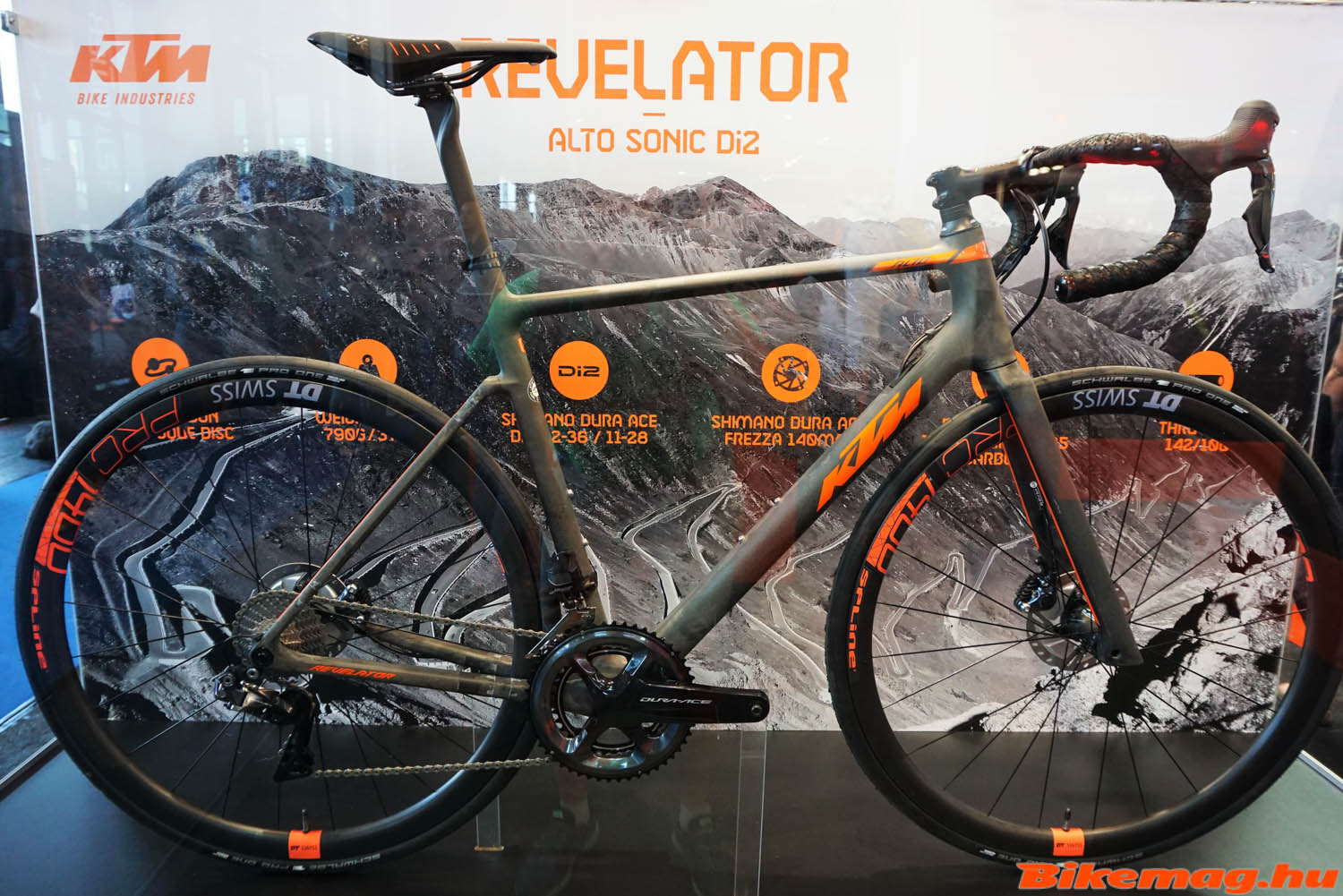
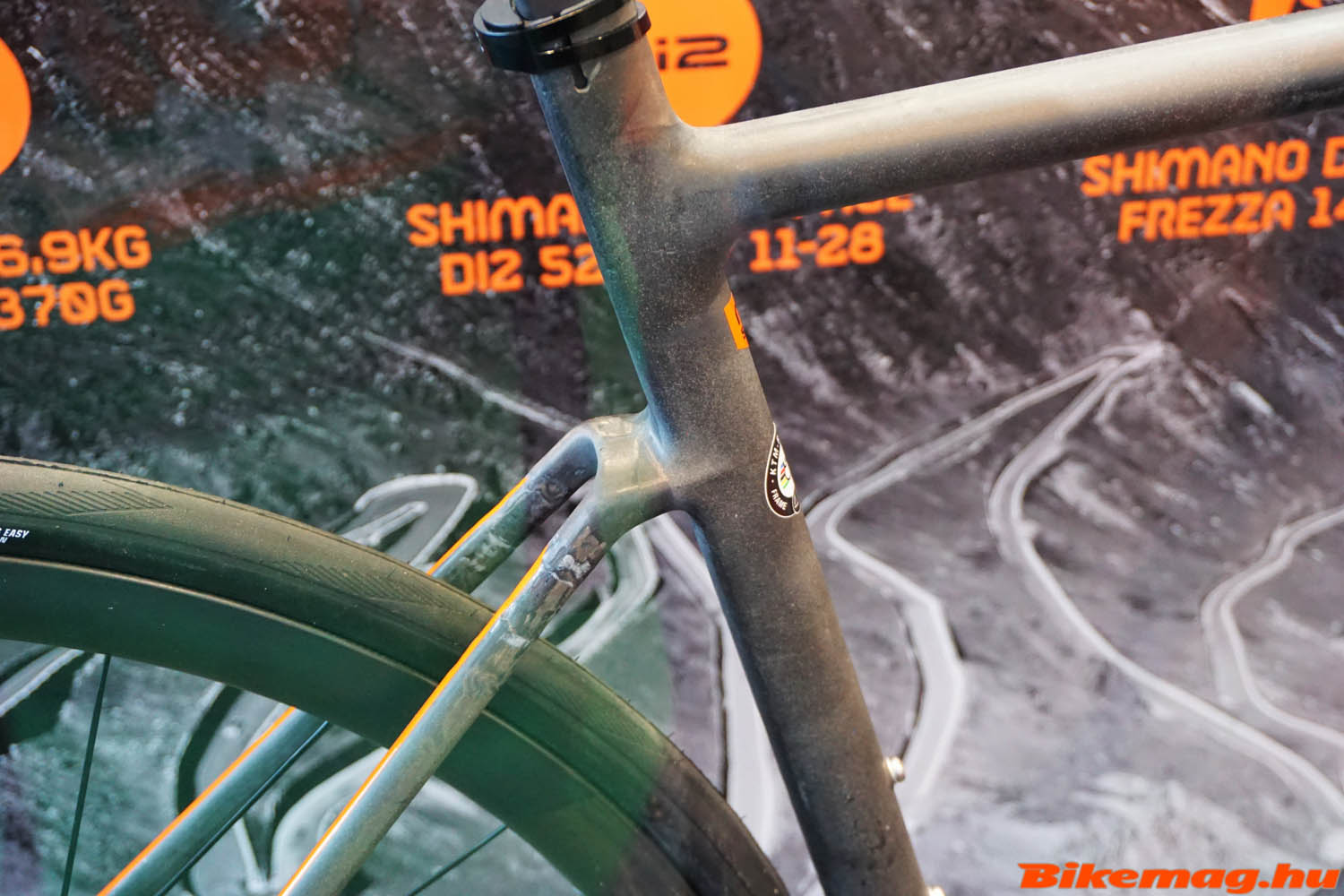
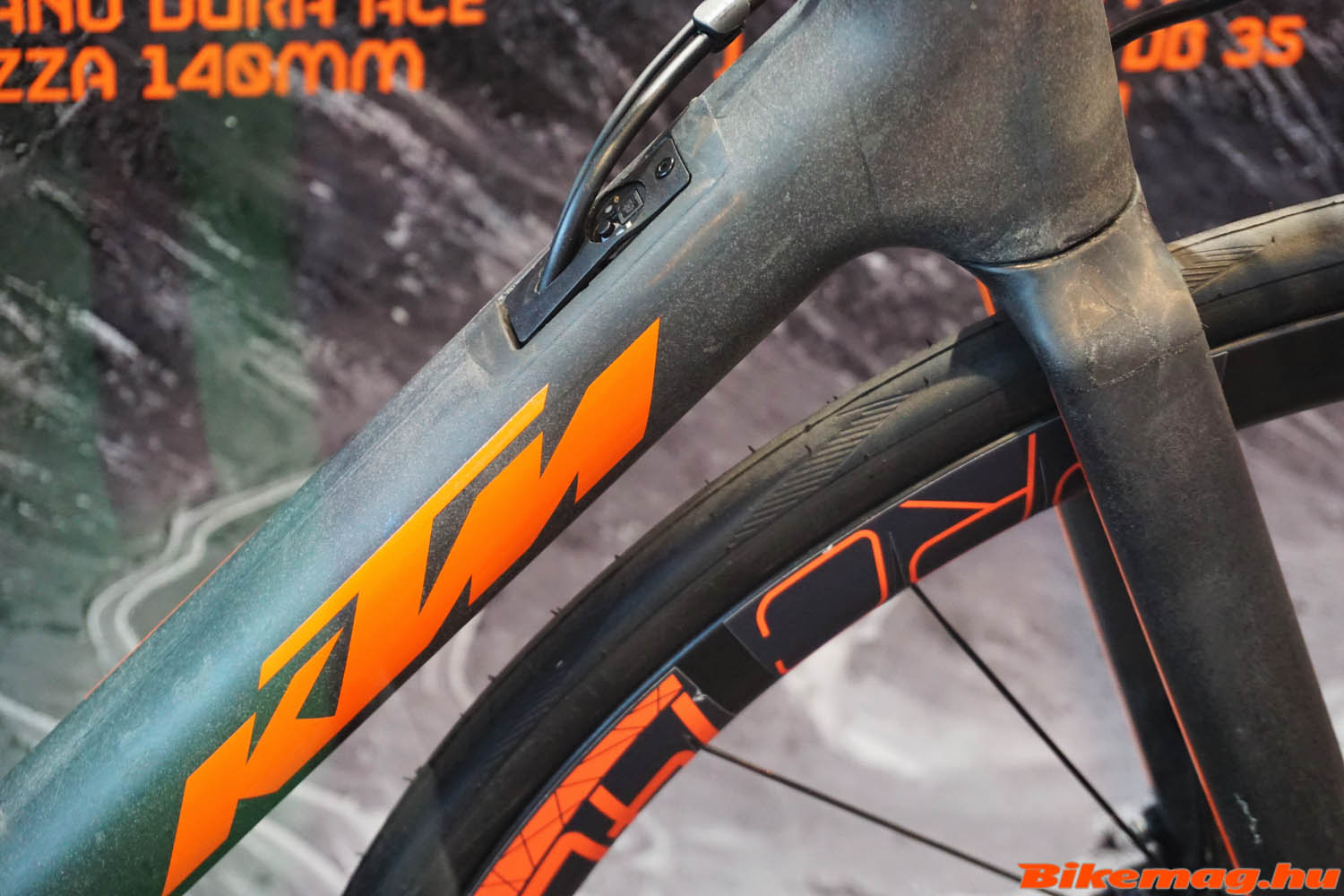
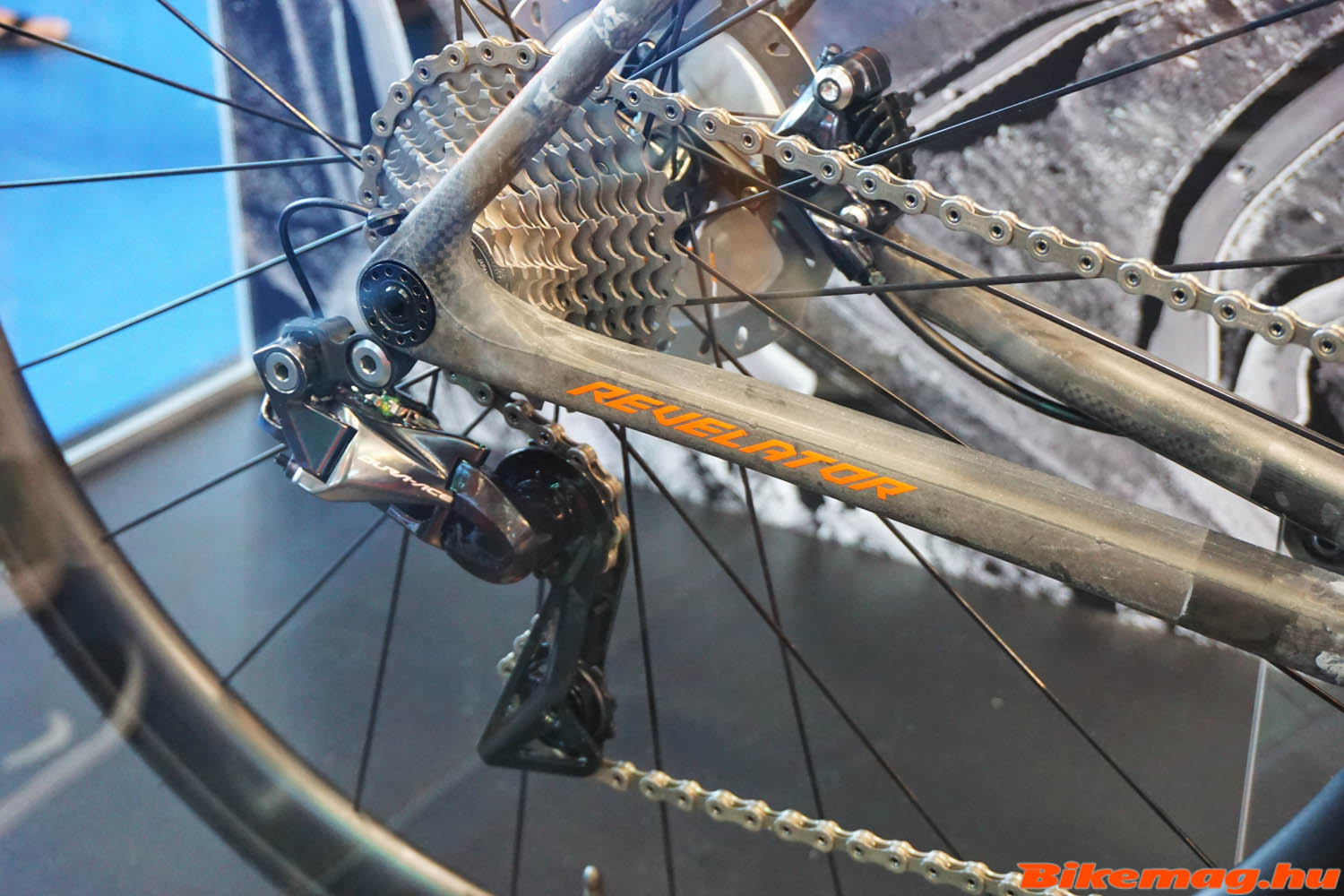
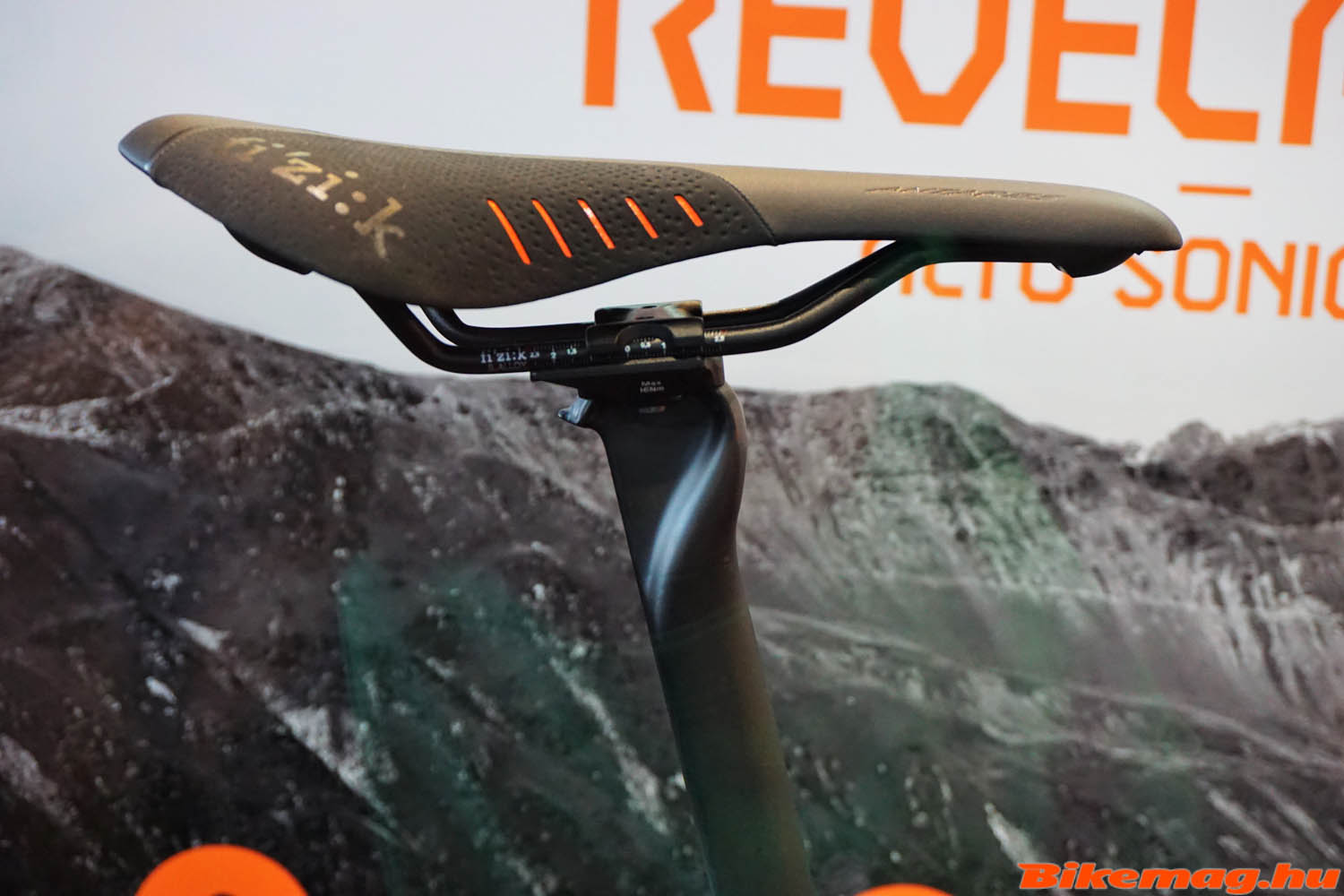
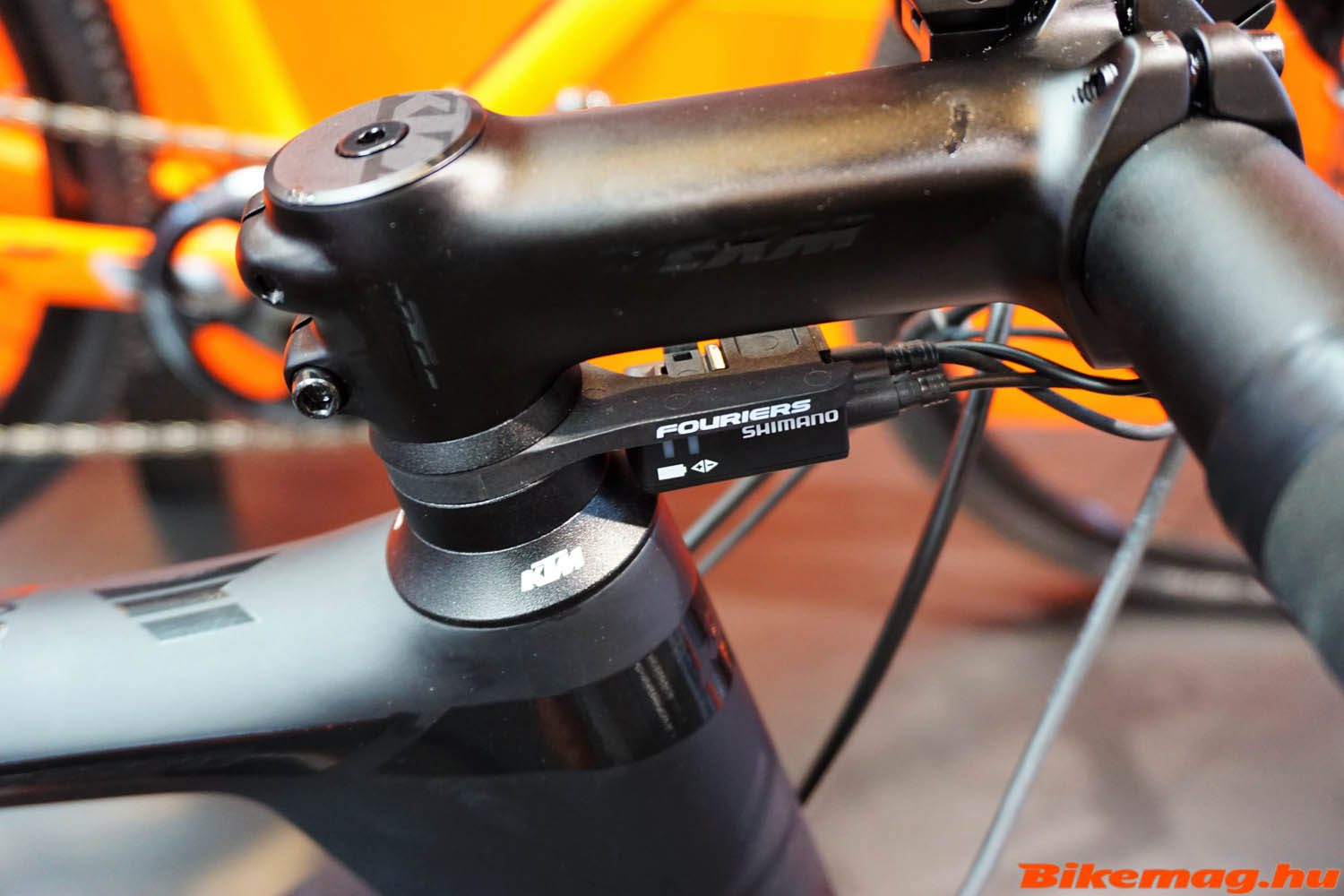
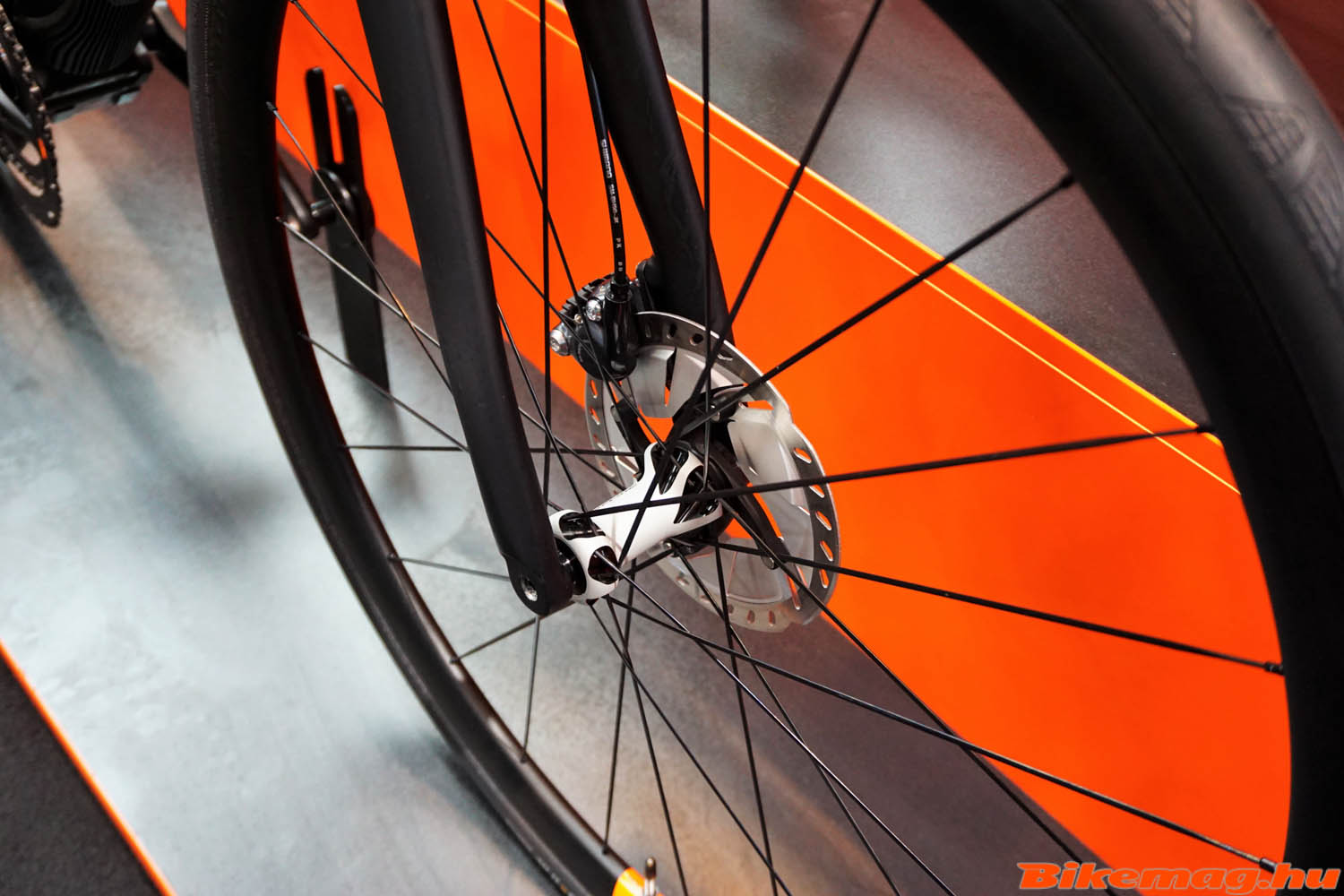
There was only one model at the presentation — the new Revelator Alto Sonic Di2 — which could not be touched and admired, as it was behind a glass wall. It’s probably still in the development stage, nevertheless brand managers are optimistic that could be 100% ready for autumn. Even with its disc brakes the weight is under 7kg, just a hair above the UCI limit, a figure that is clearly outstanding. According to KTM, the frame is a feathery 790 grams and the fork weights 370 grams. In line with modern trends and requirements, it accepts thru-axle disc brake wheels and it’s fitted with an electronic Dura-Ace group set.
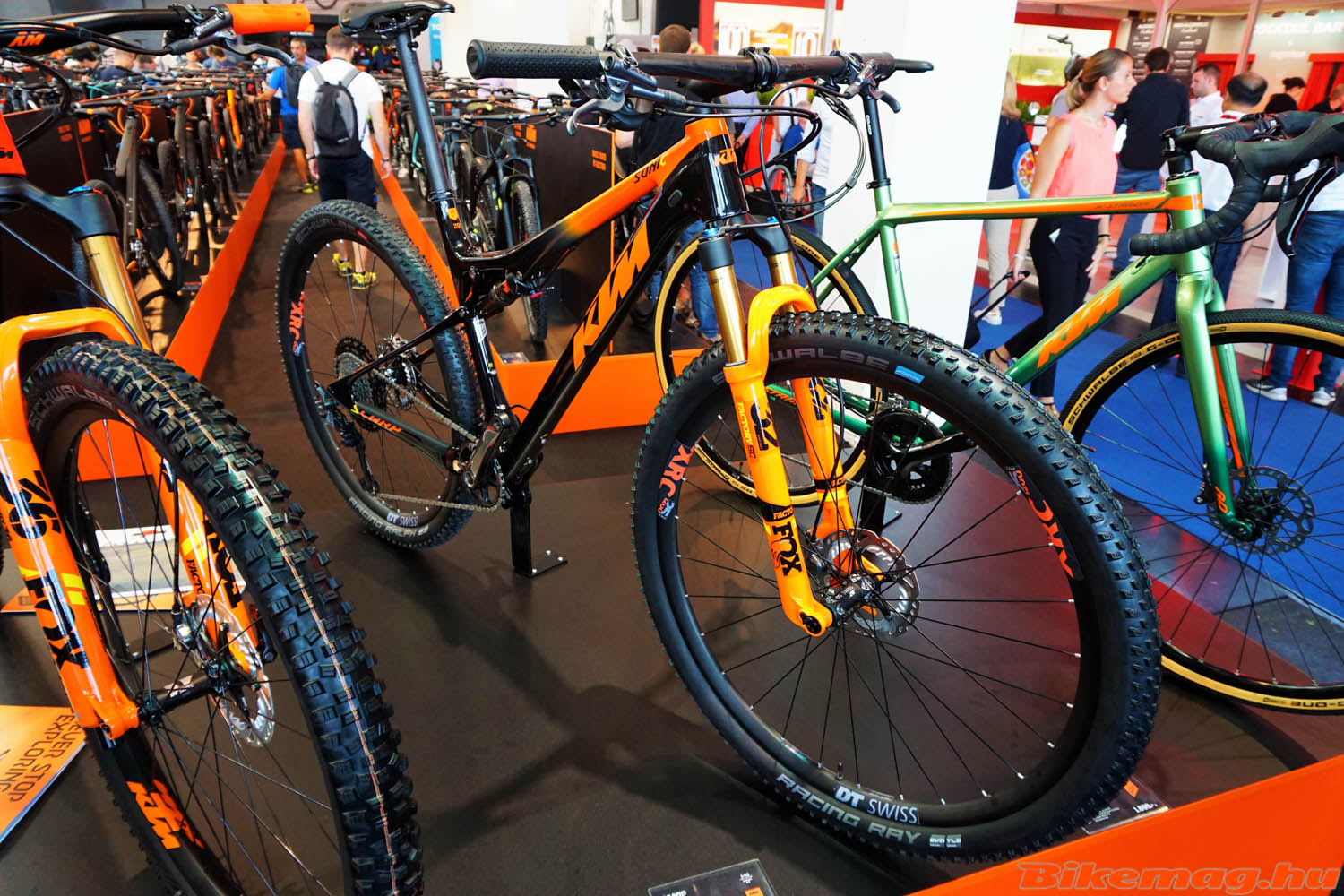
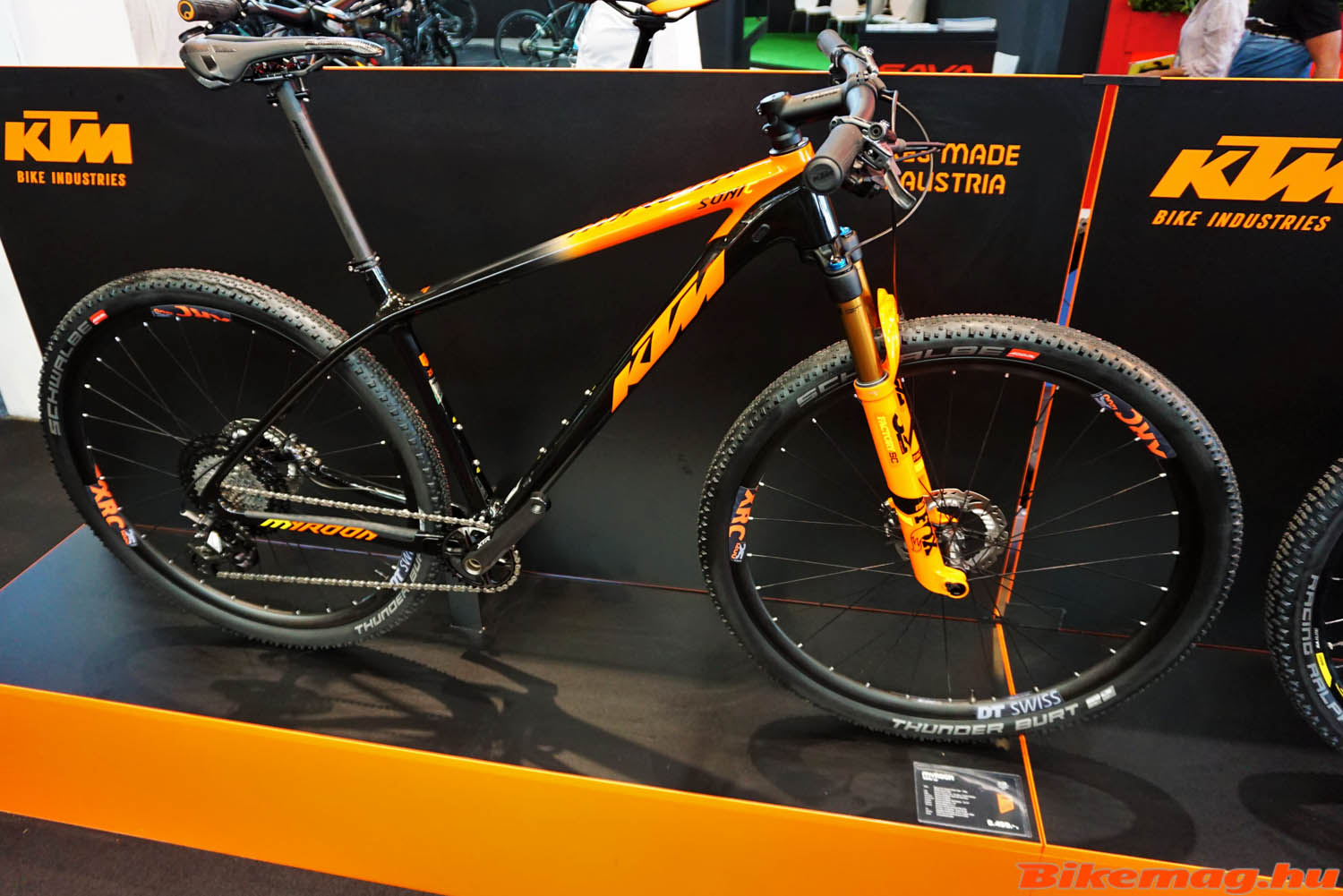
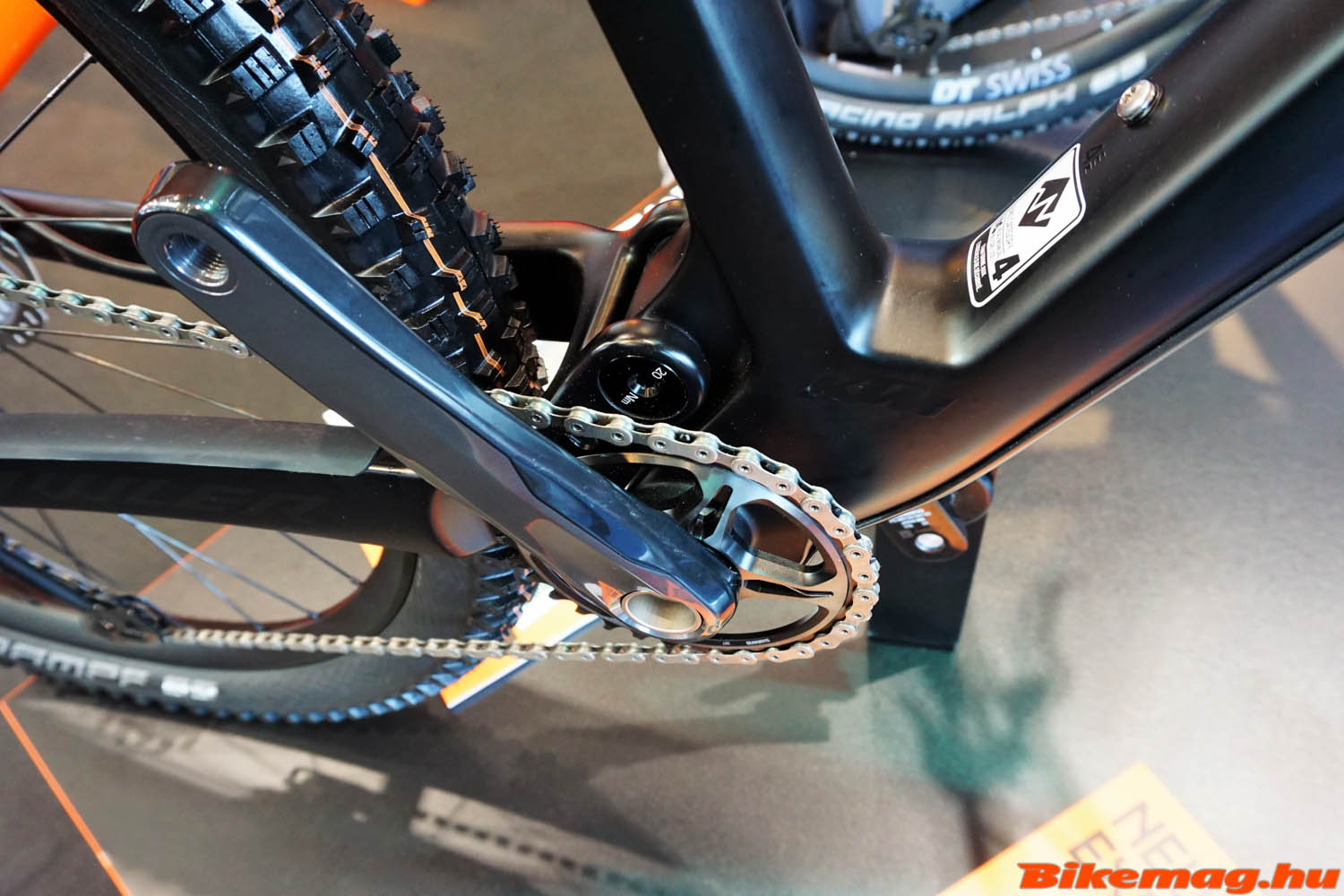
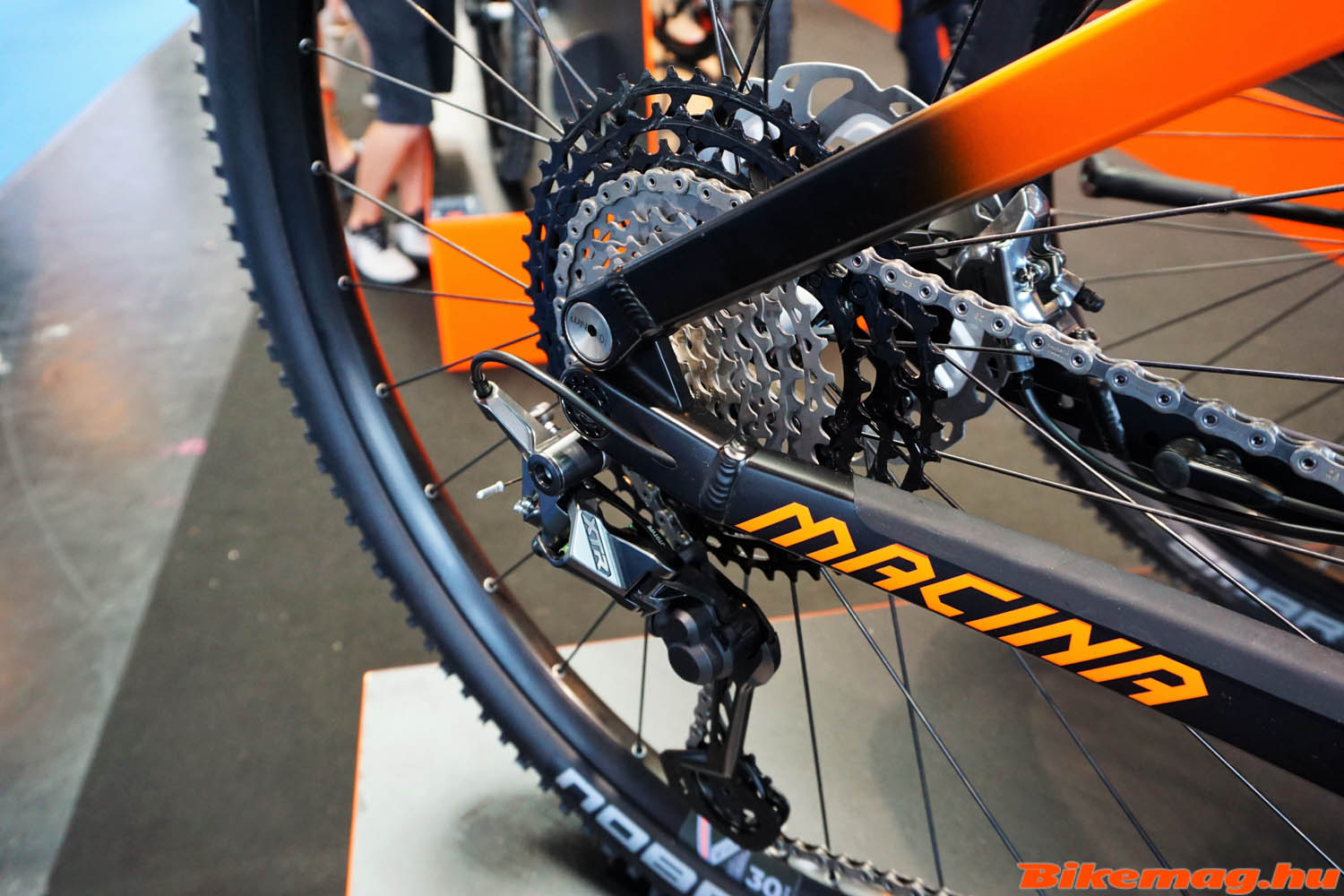
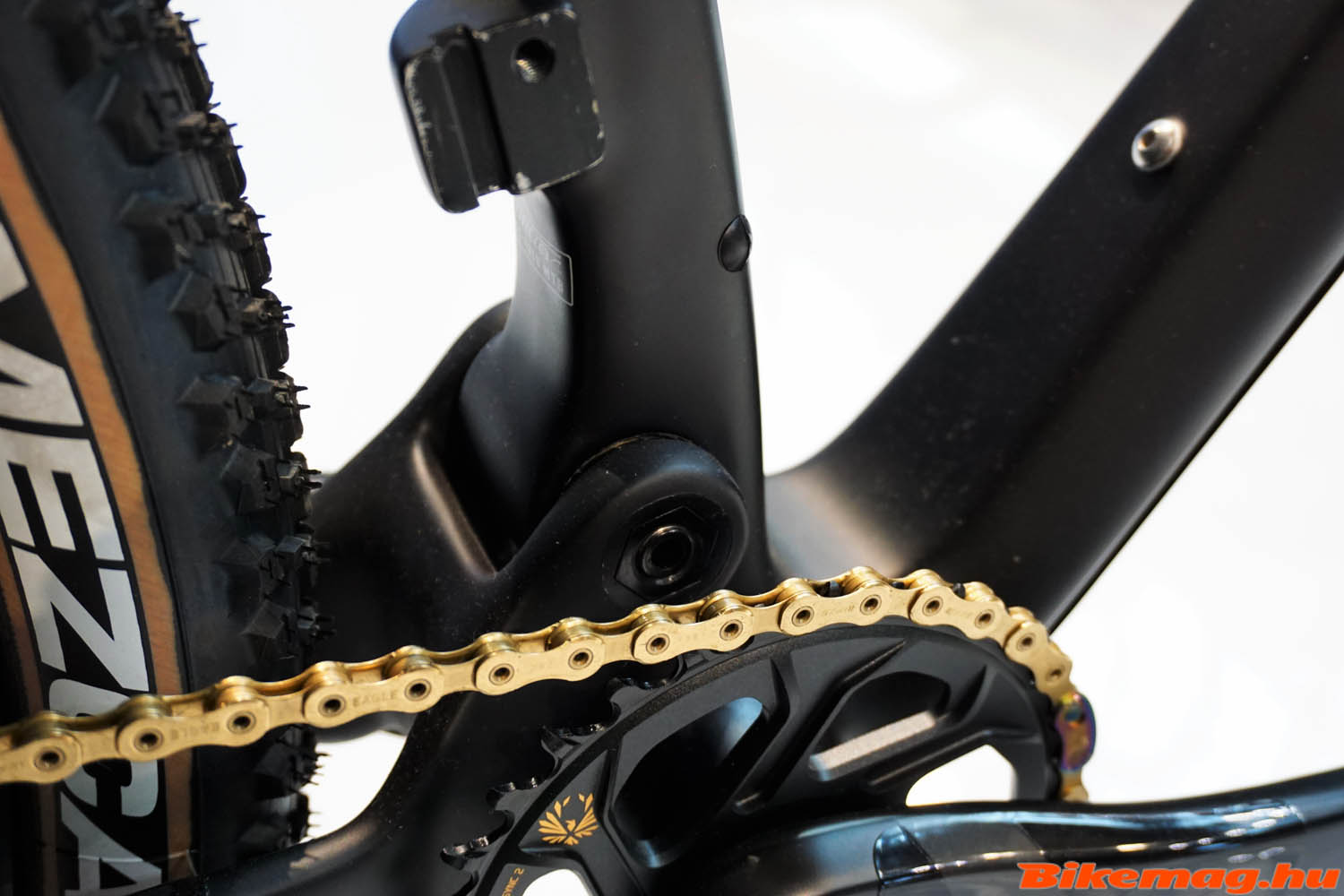
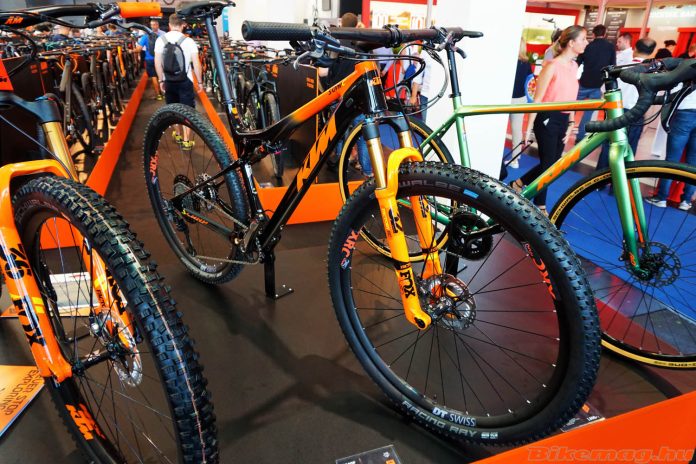
The top KTM XC bike for 2019 will be the Myroon Sonic and Scarp Sonic, available with the new 1×12 Shimano XTR group set from early next year. The hardtail Myroon weighs 9kg spot on with pedals, while the Scarp is still under 10kg.
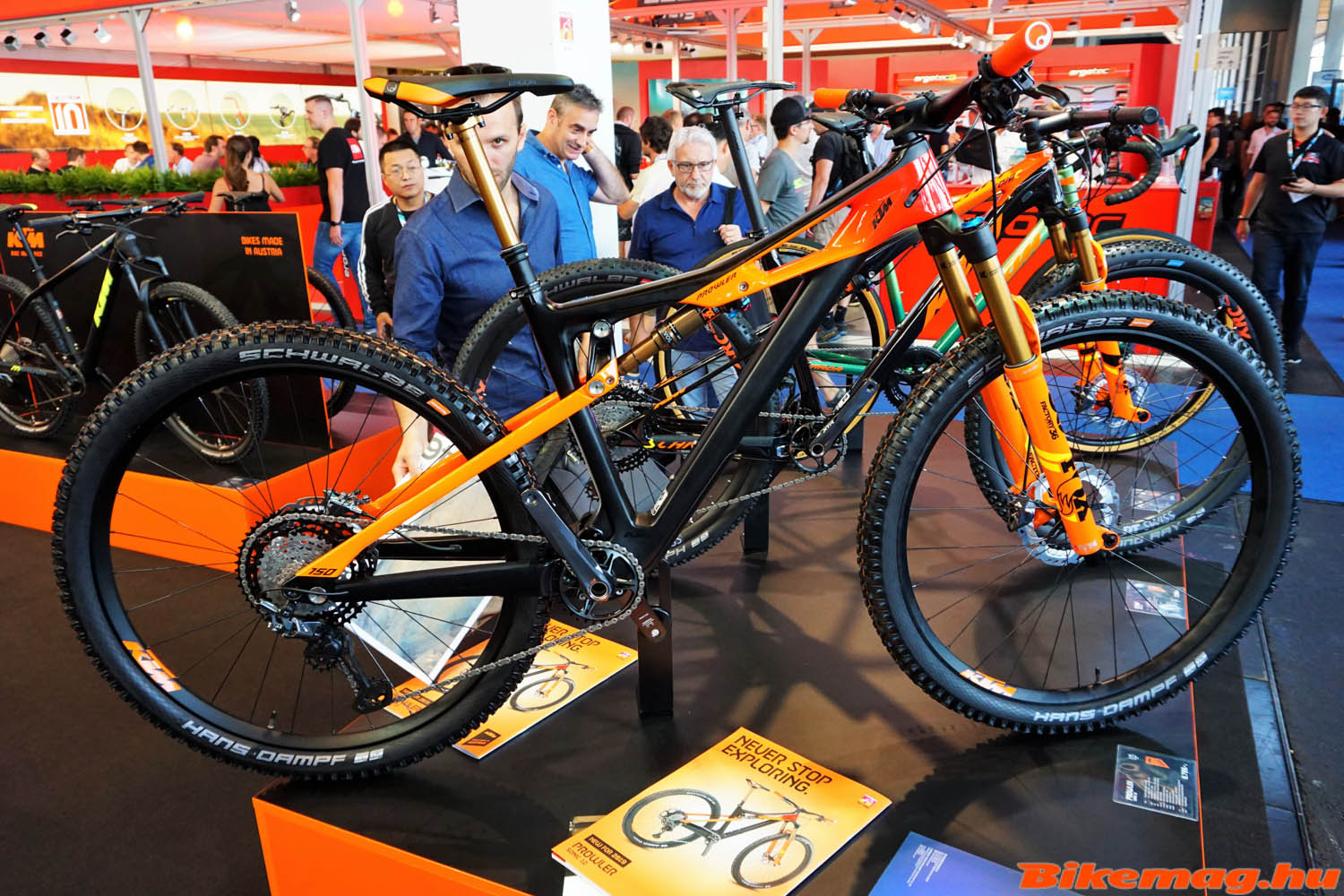
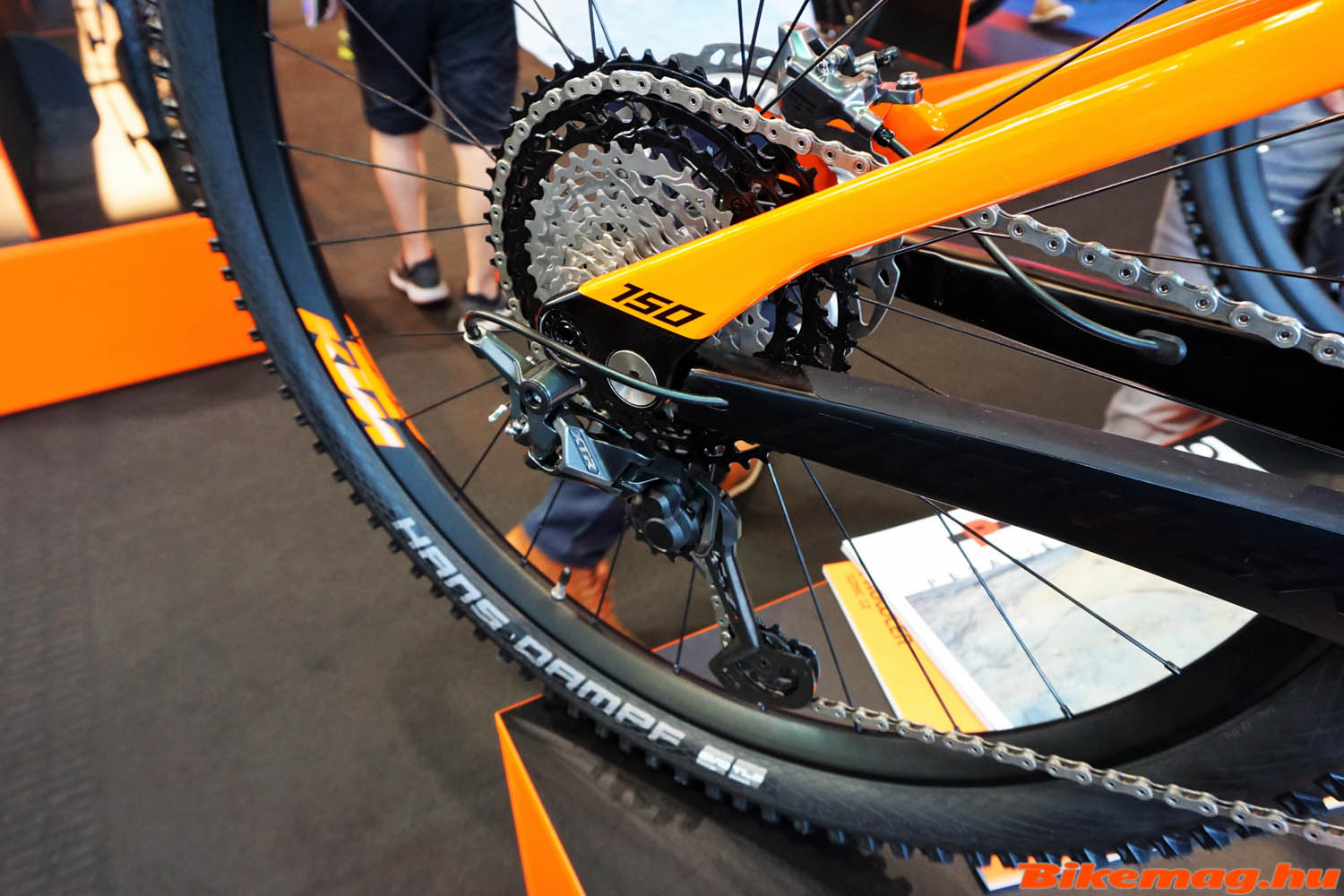
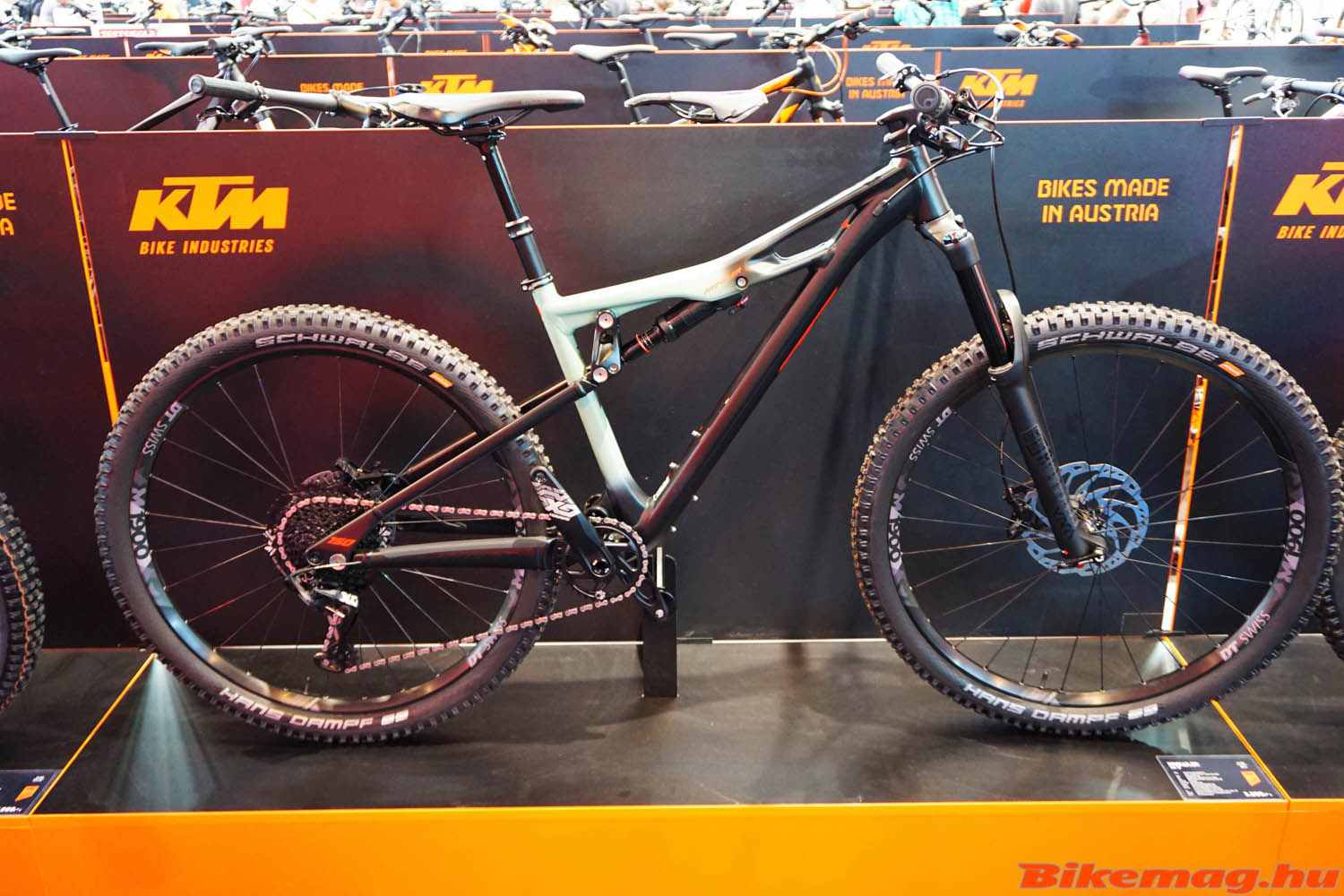
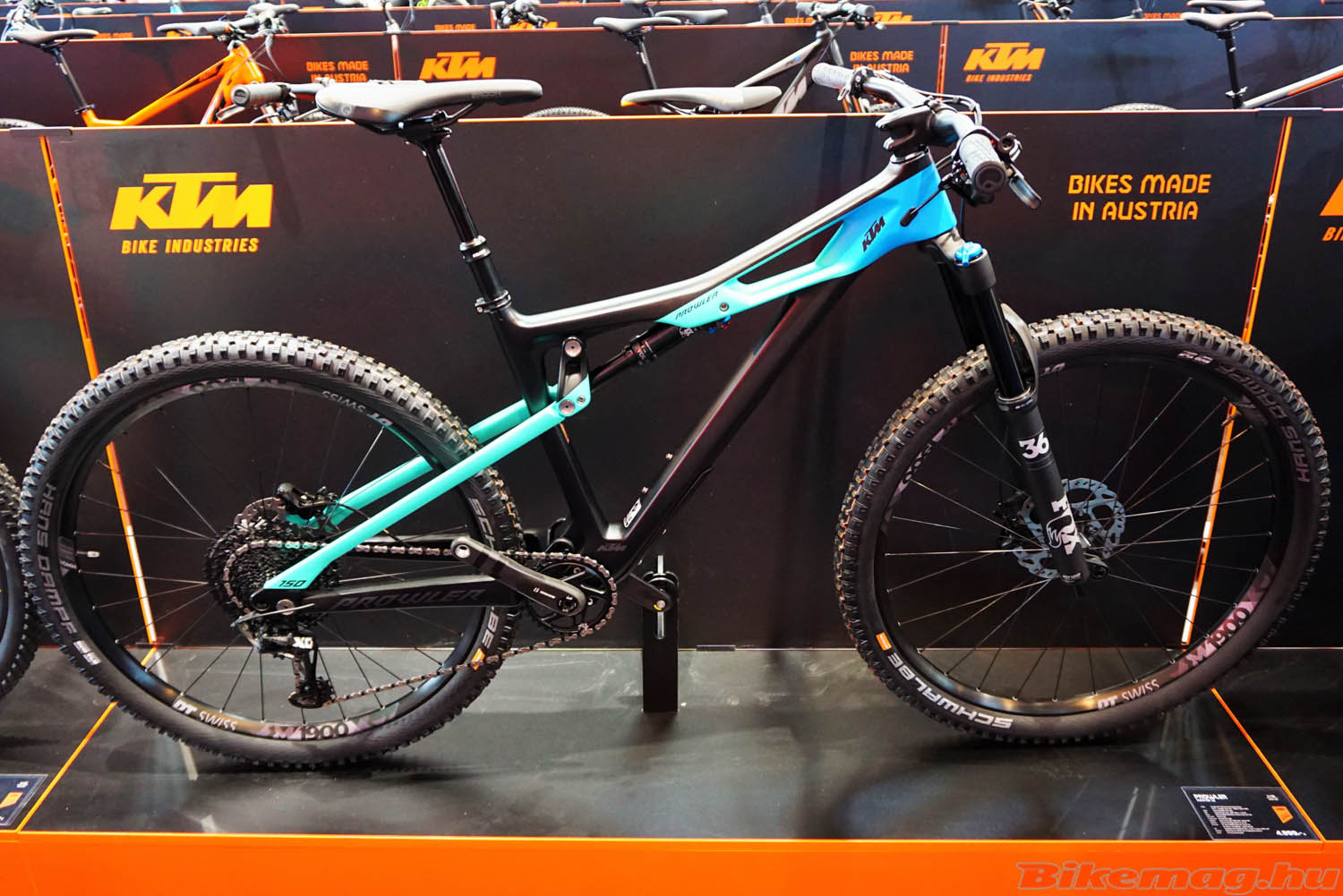
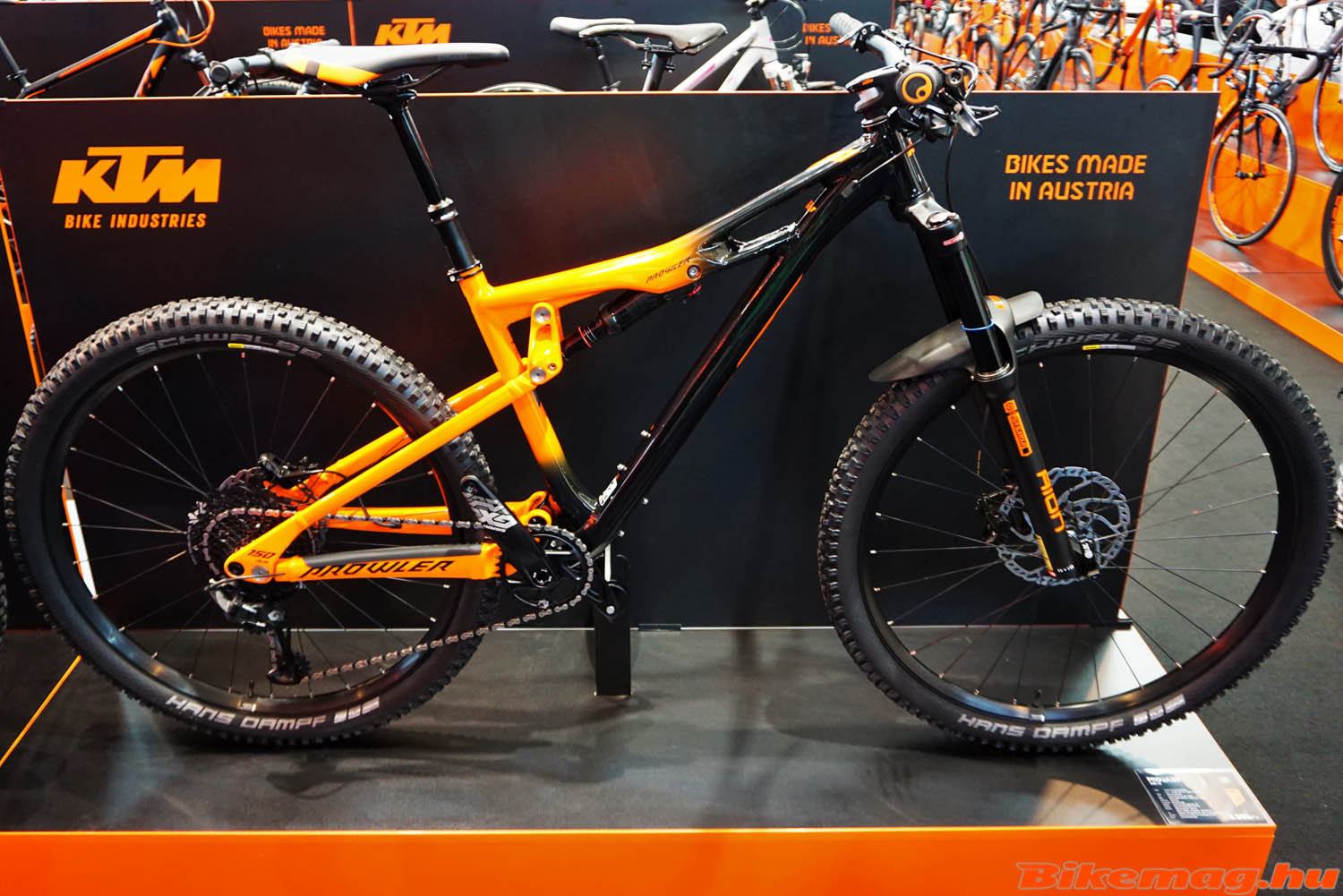
The Prowler Sonic was introduced last year, the 2019 model will feature the new top-of-the-line XTR group set. As we have verified during our factory visit at KTM, it weights a hair over 12.5 kg, which is surprisingly low for a trail bike offering 150 mm suspension travel. Customers will be able to choose from several Prowler model variants, with both carbon-frame and aluminum versions, another progression for 2019.
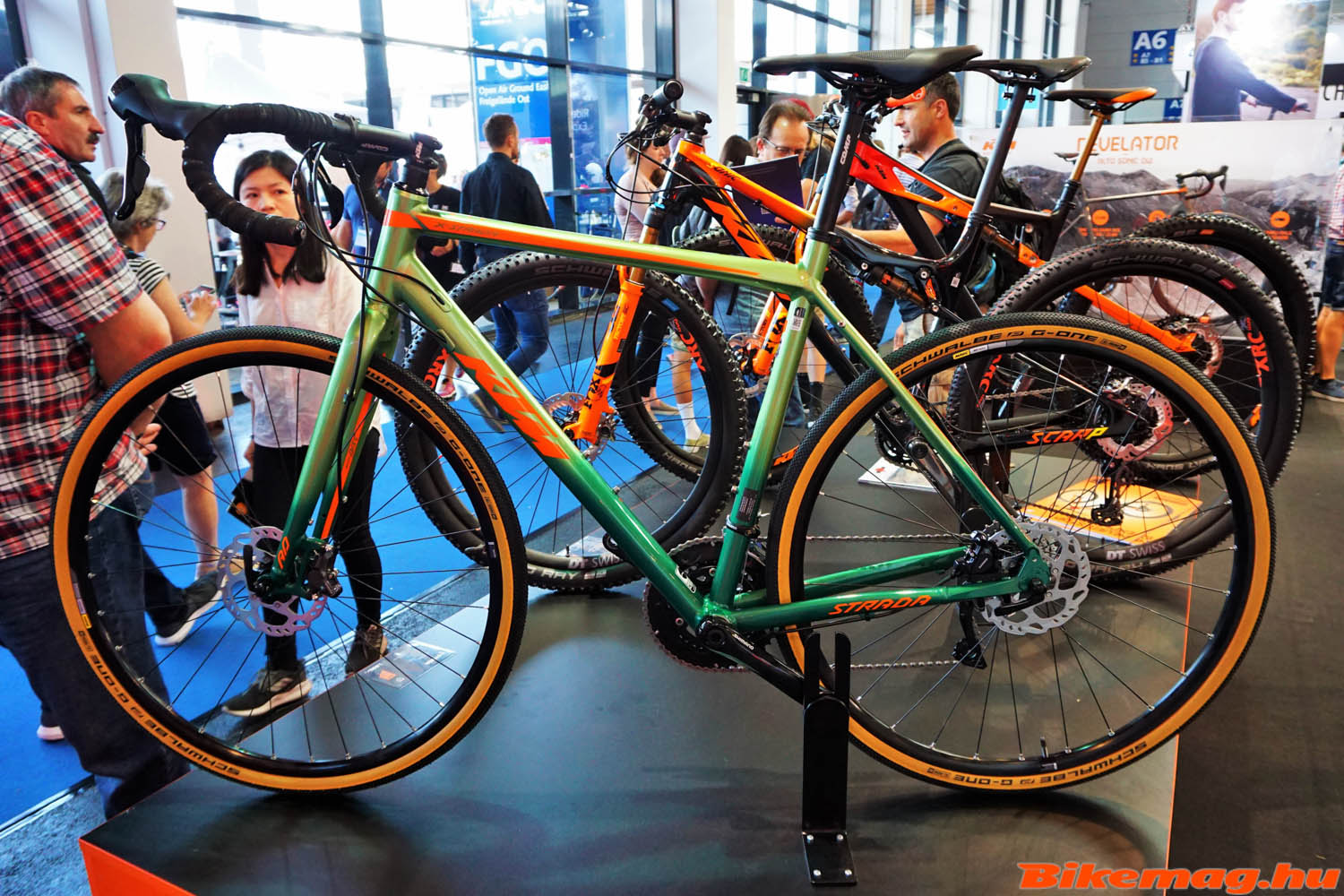
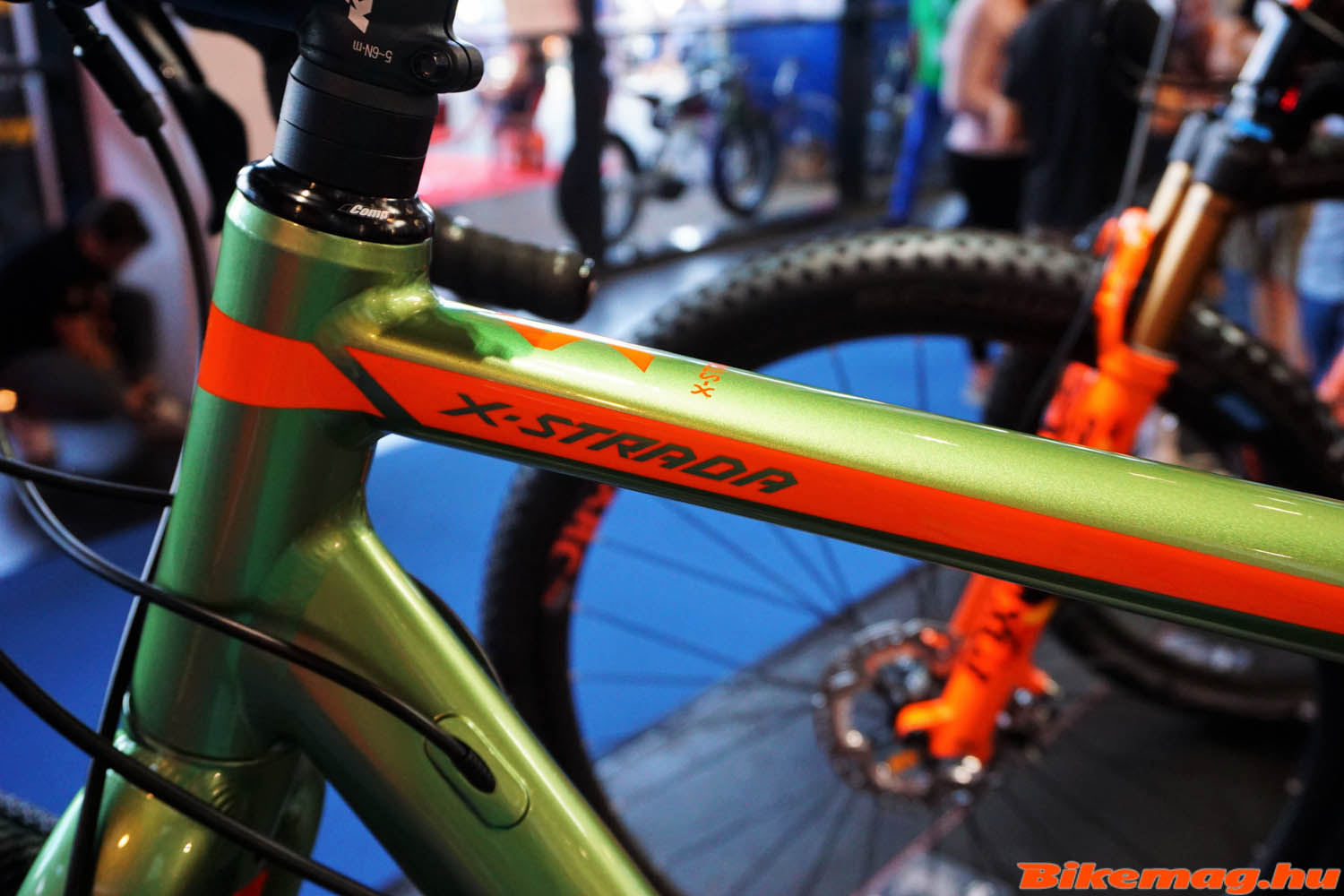
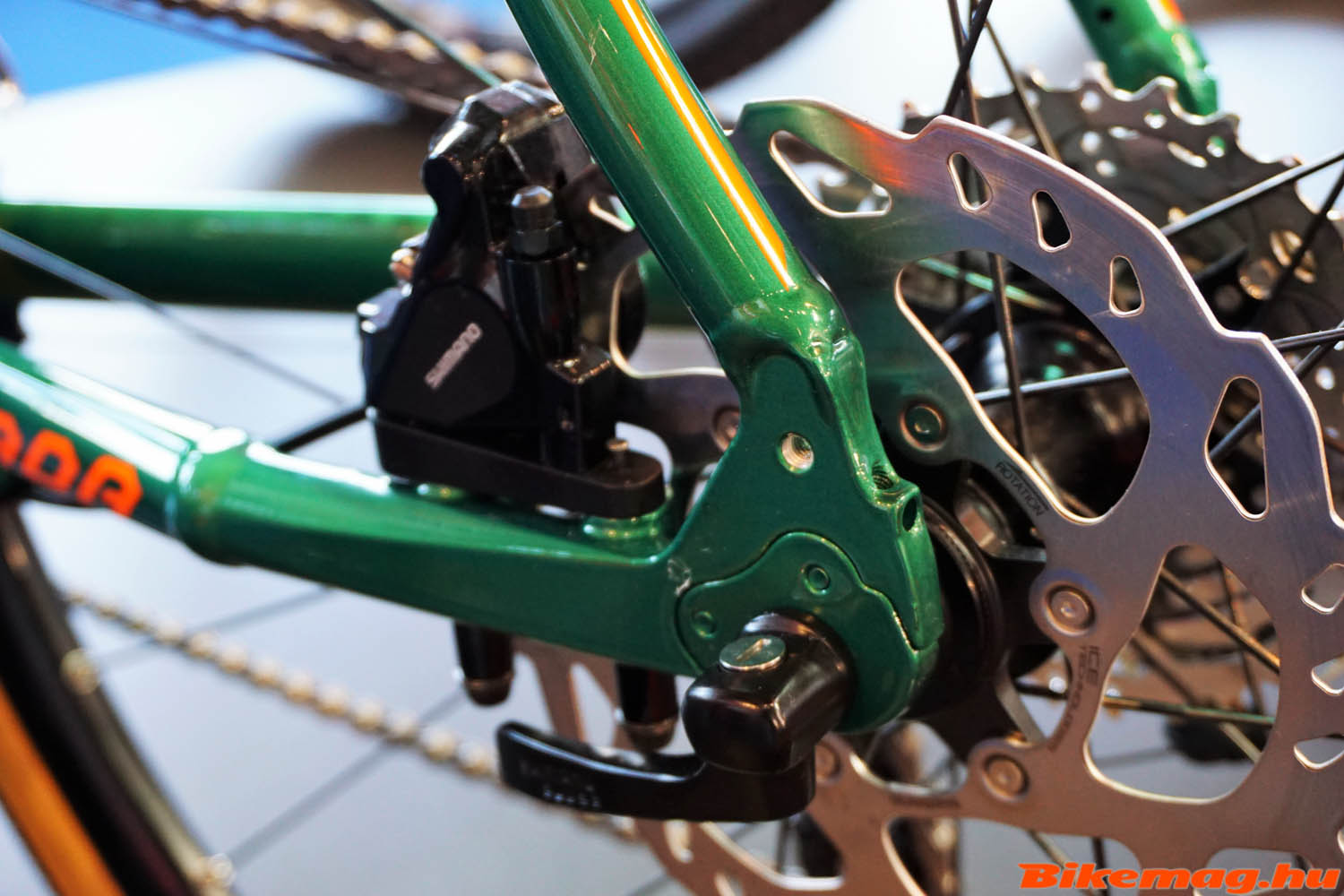
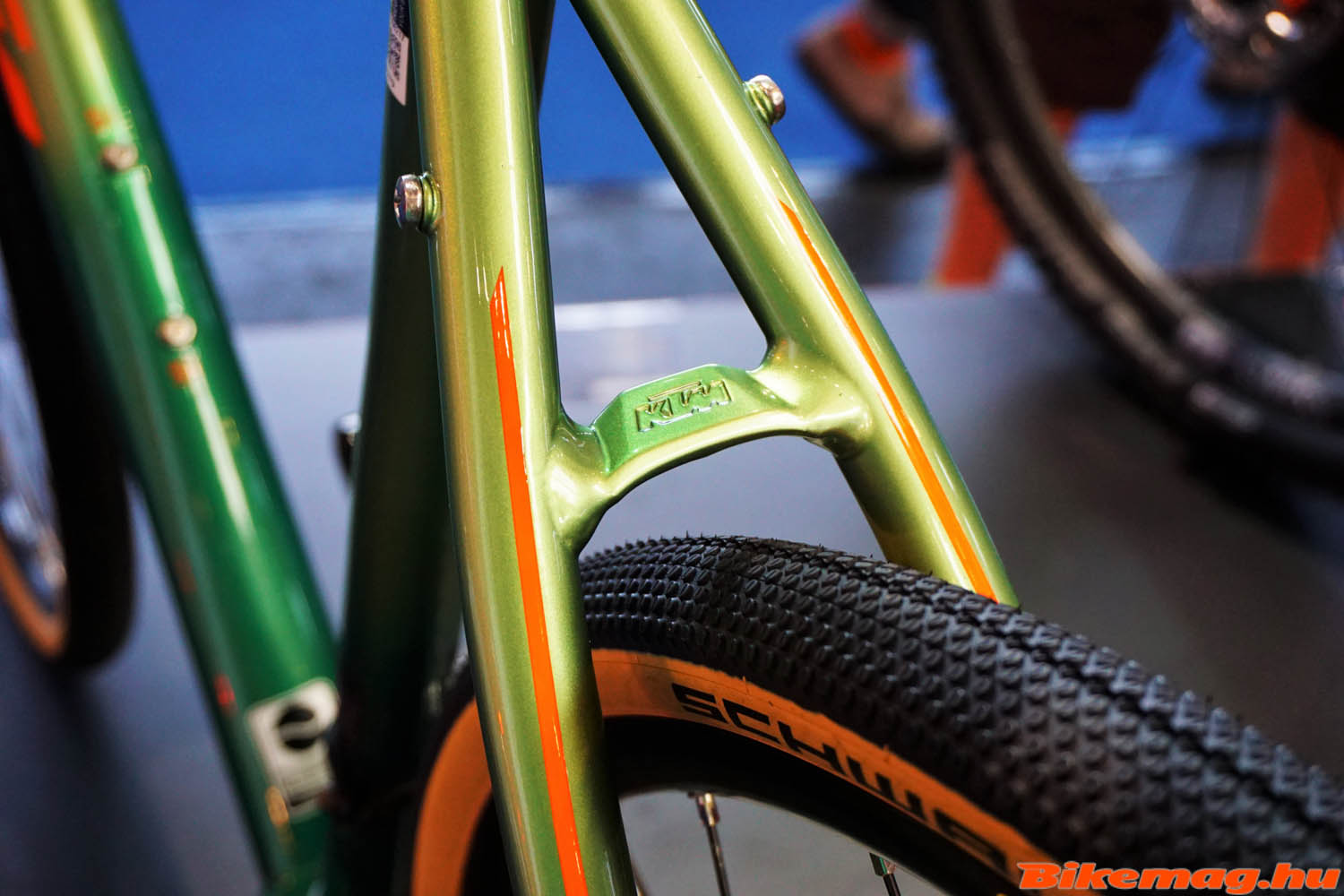
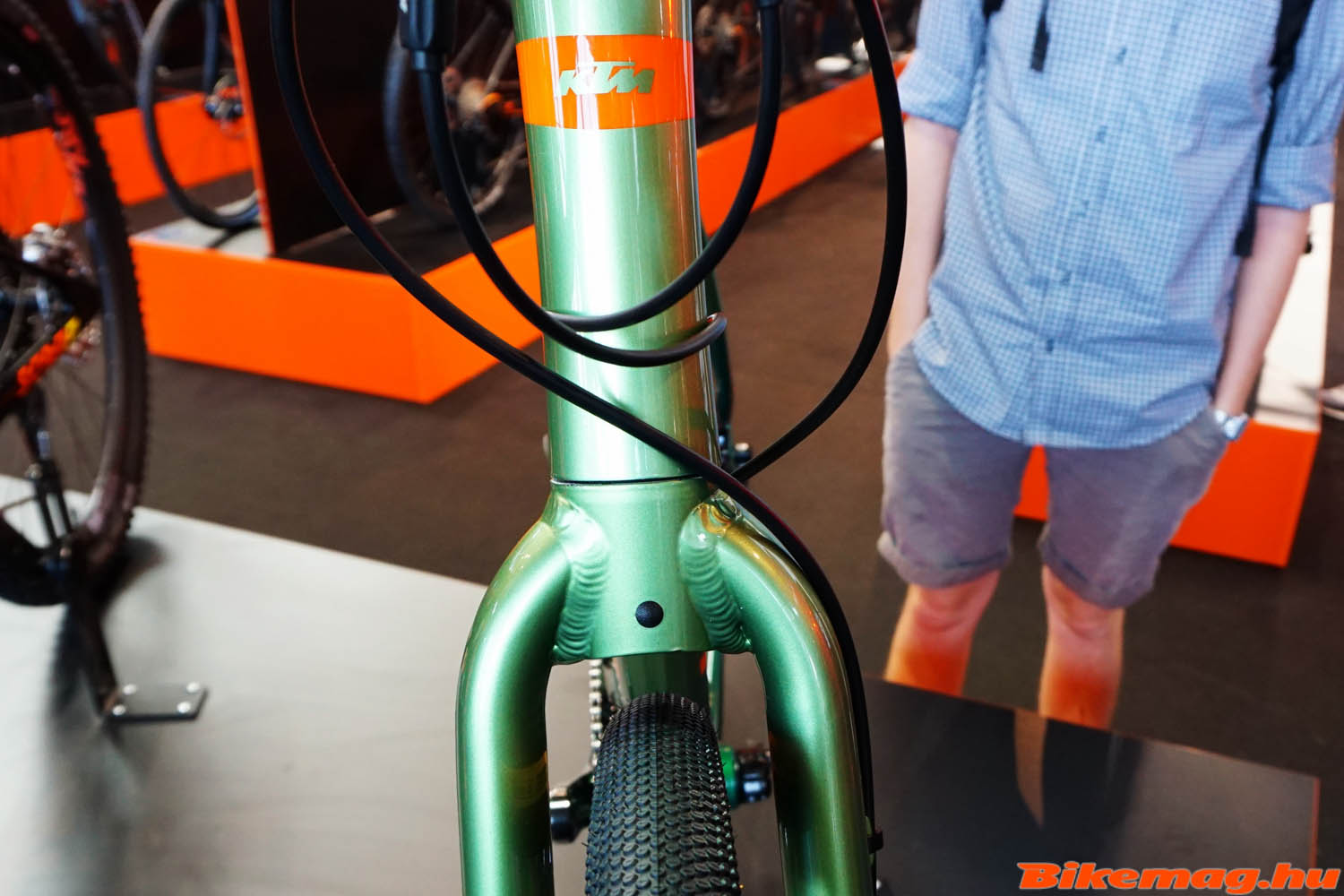
KTM is strengthening its gravel bike range with the new X-Strada. So far the Austrian brand did not offer a model aimed primarily at the gravel cyclist, although it was possible to ride these roads on its excellent Canic model. The new aluminum frame X-Strada allows the rider to leave asphalt roads with confidence, and thanks to the luggage rack eyelets, it can also be loaded up for a multi-day, self -sustained bike tour. Its finish is also unique: it does bear the usual KTM black and orange color scheme, instead a unique green tone is added by the designers.
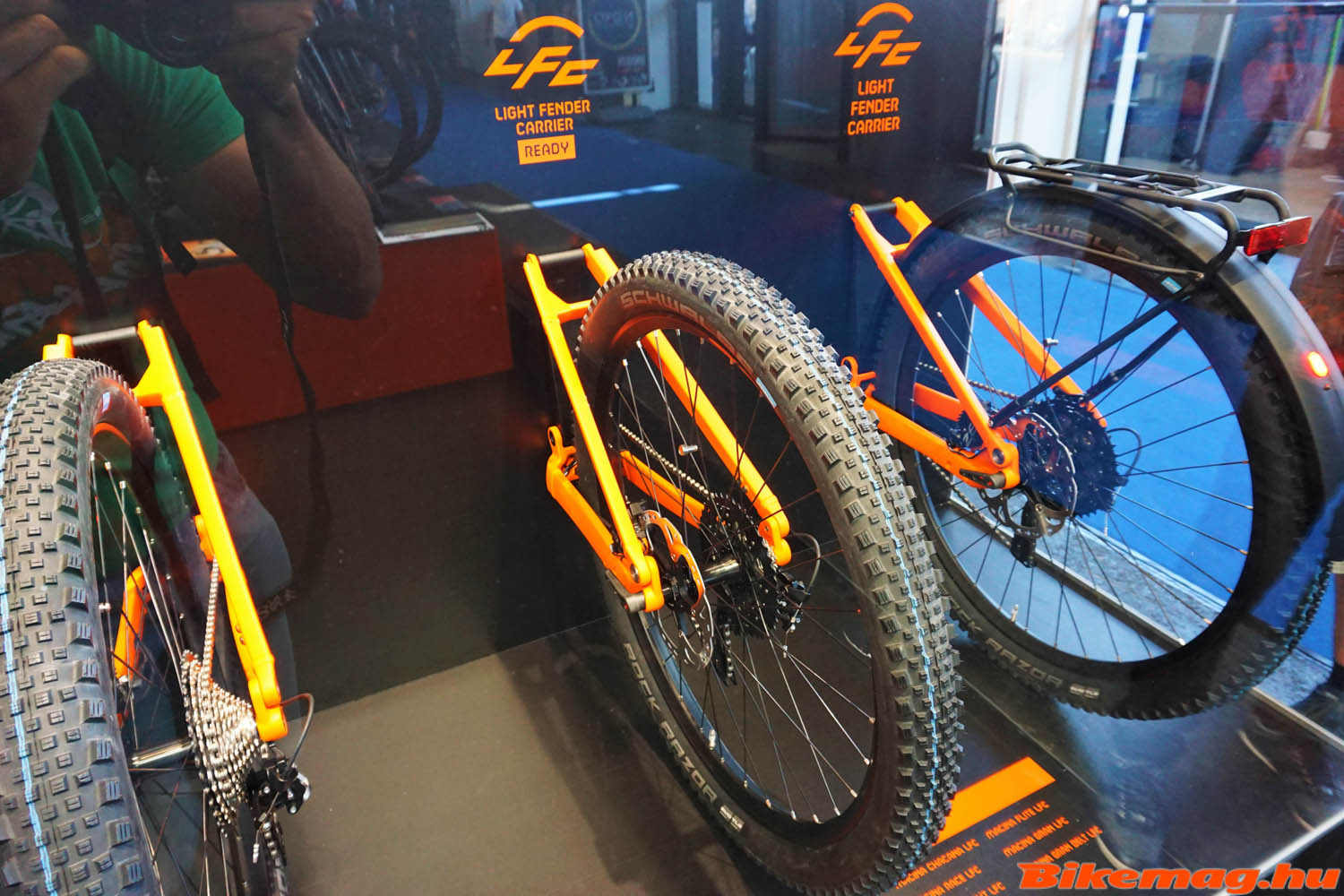
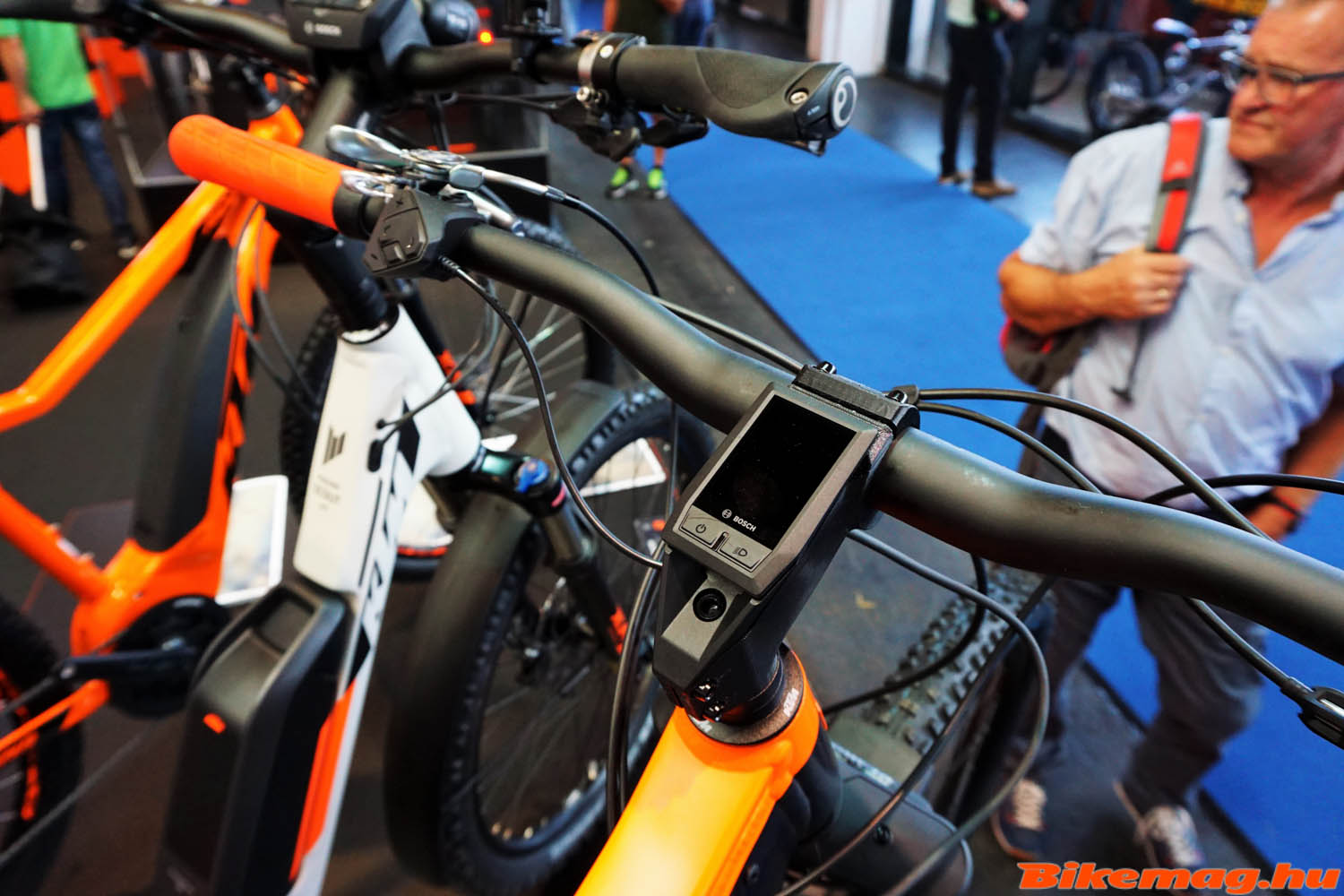
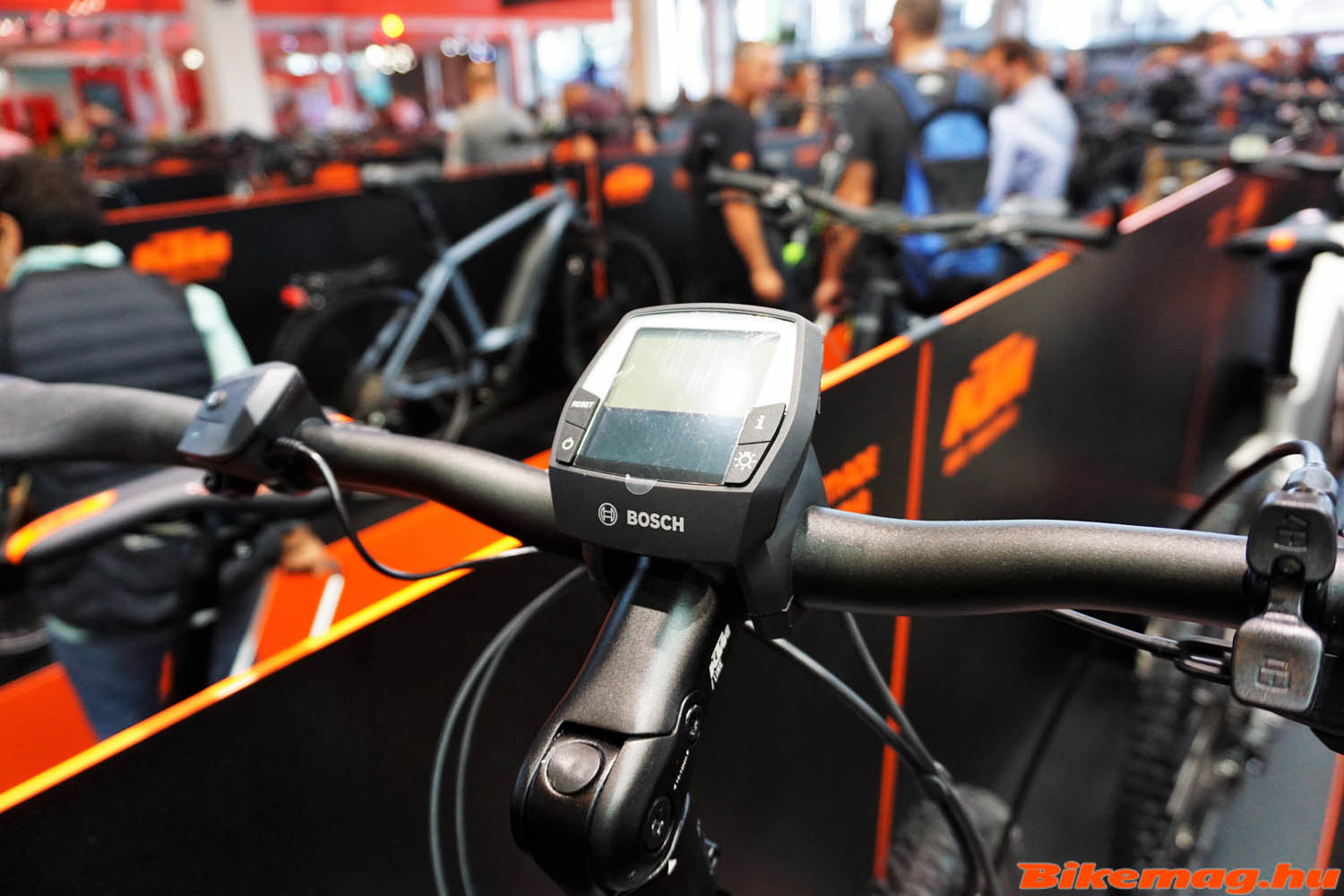
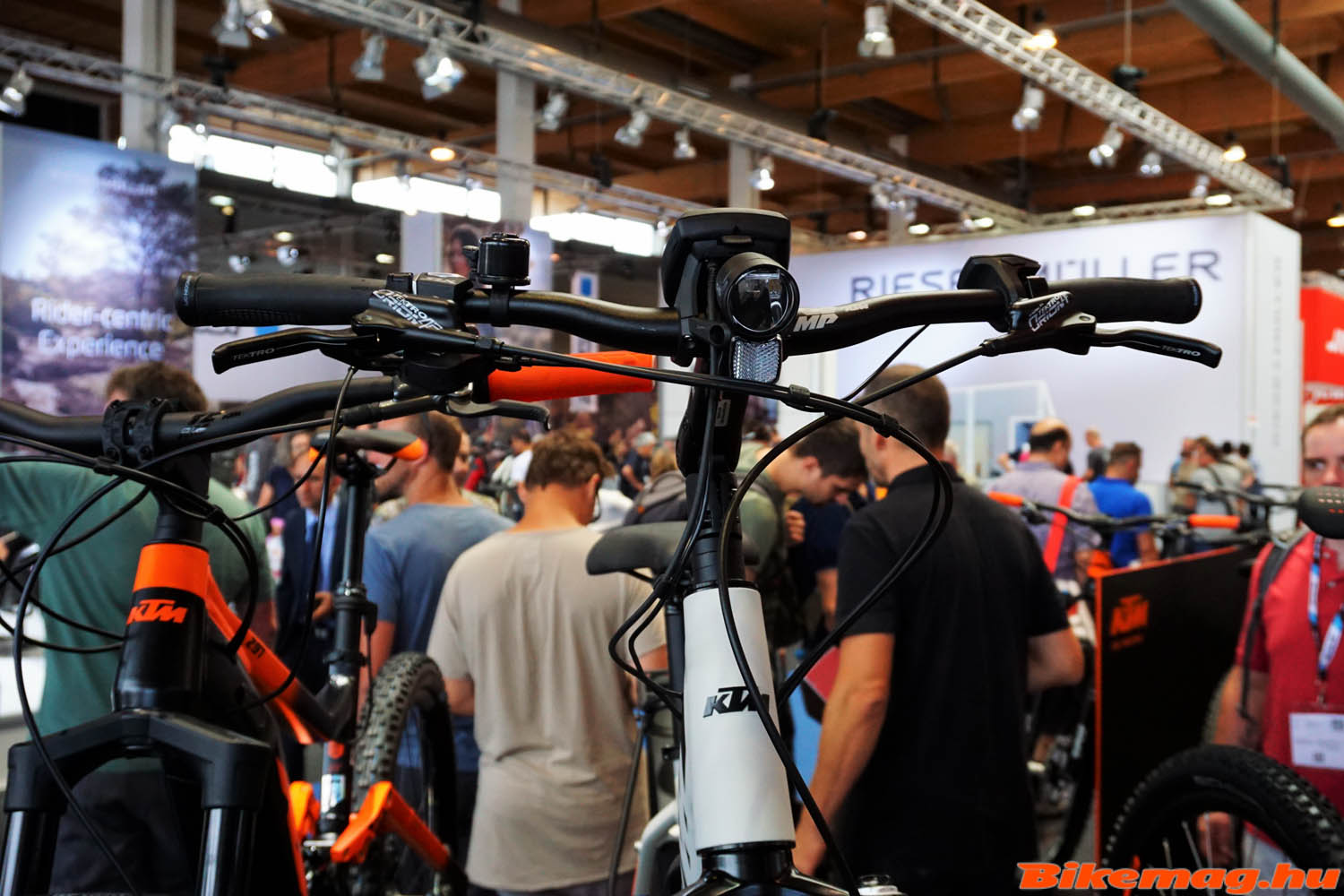
Bike lights were one of the key topics at the KTM booth, presenting a variety of solutions to install lighting for all their bikes. On some bikes you’ll find integrated solutions for a particular lighting unit, for others a console is needed to attach the lights. A good example for the former is the new Macina Scout, which has a fully integrated front light working as a system.
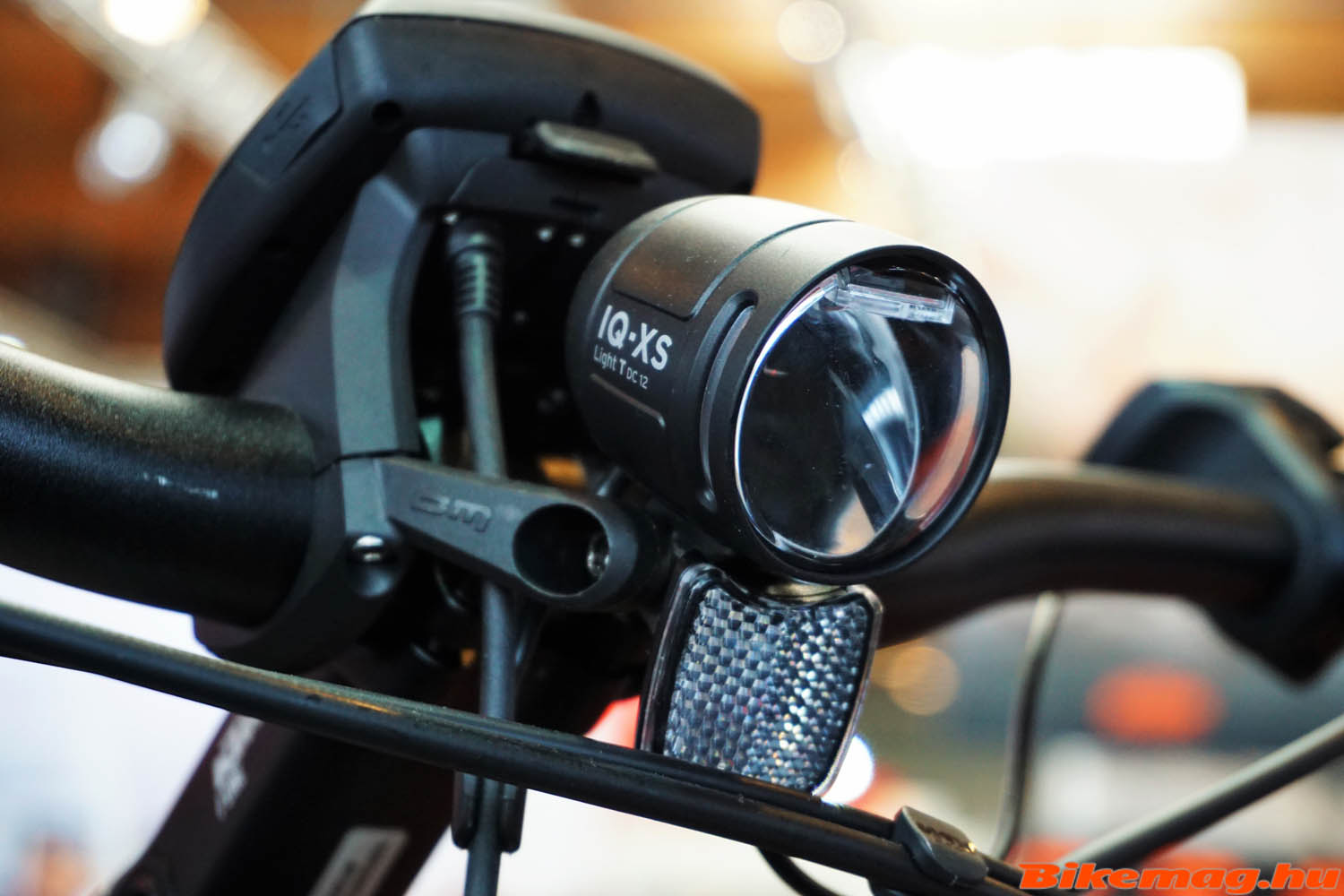
In the up-and-coming e-bike sector, KTM has been working hard on expanding its lineup in order to satisfy the ever-increasing customer demand. The development team feels they still have a lot of work to do, since the market is growing and expanding at such a quick pace. 2018 was the tipping point for e-bikes in Western Europe, when electrically assisted bike sales finally outnumbered convention pedal bikes.
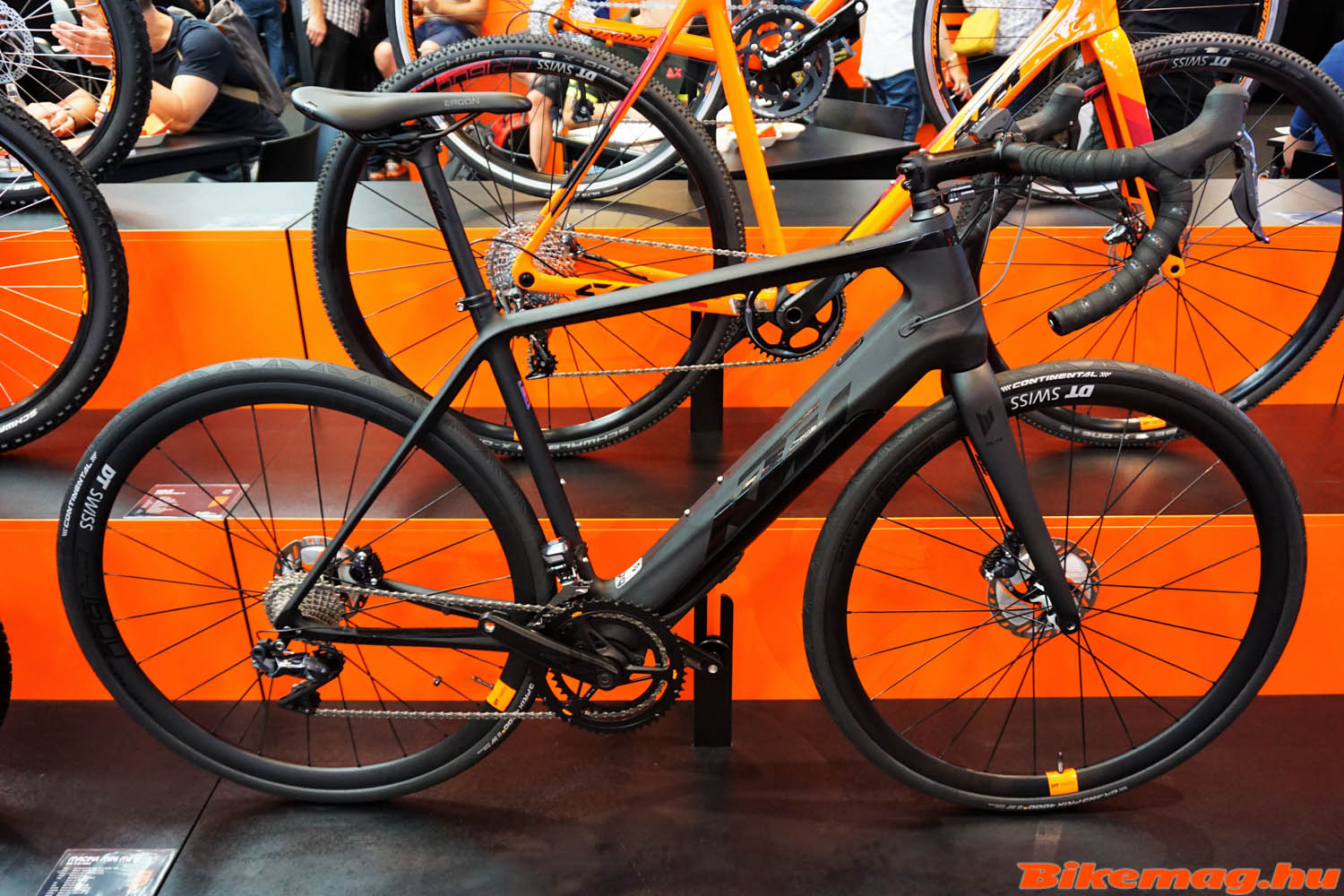
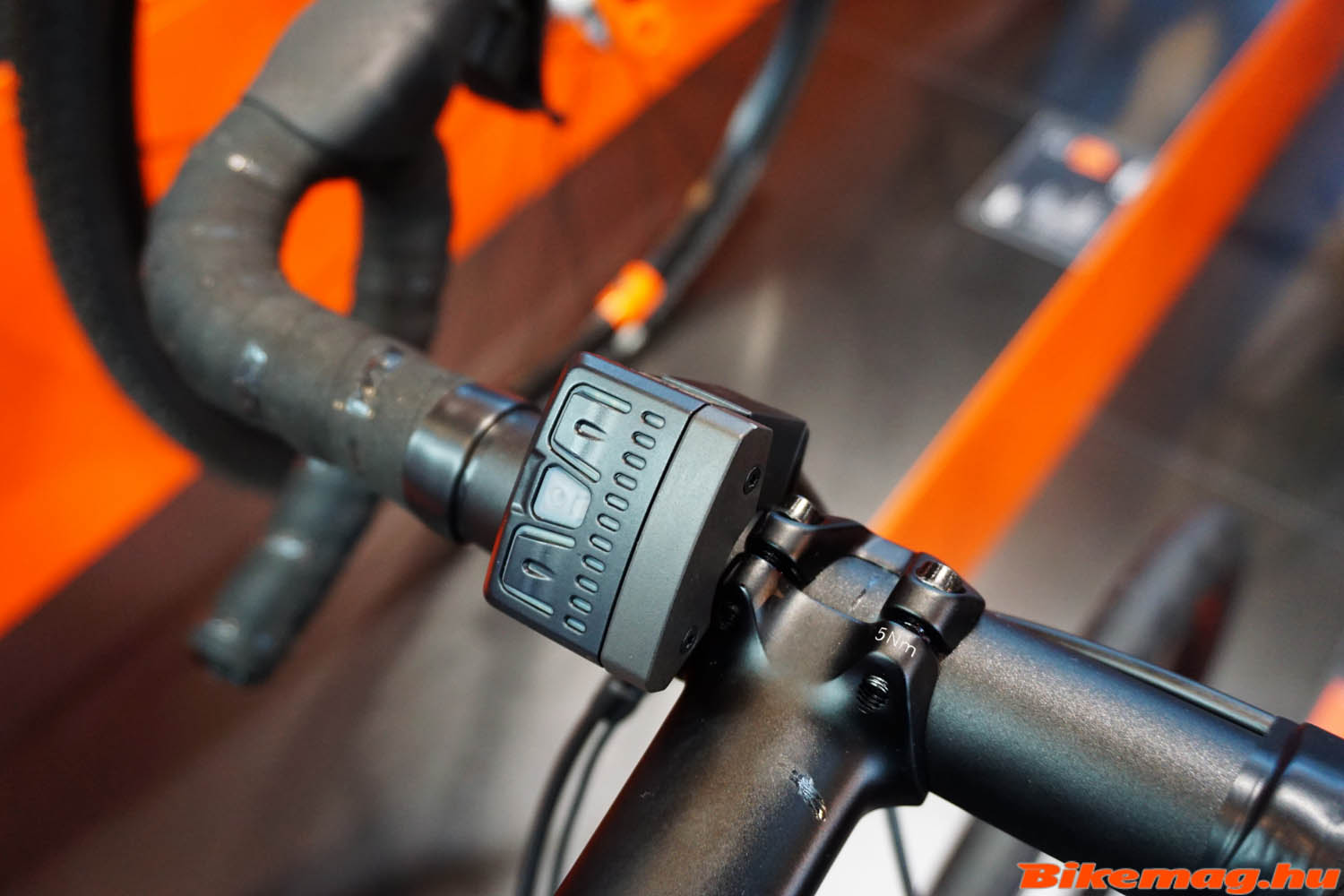
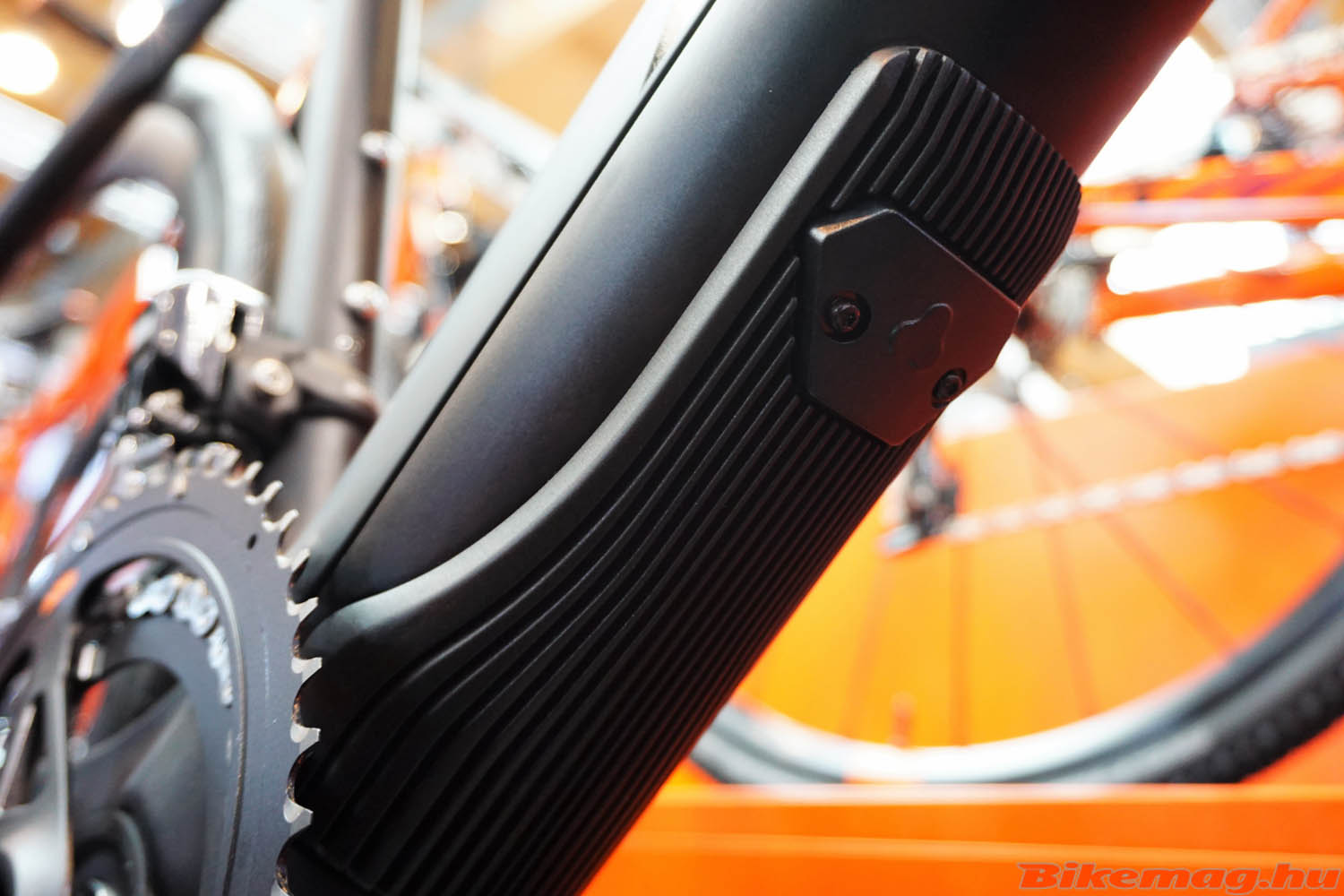
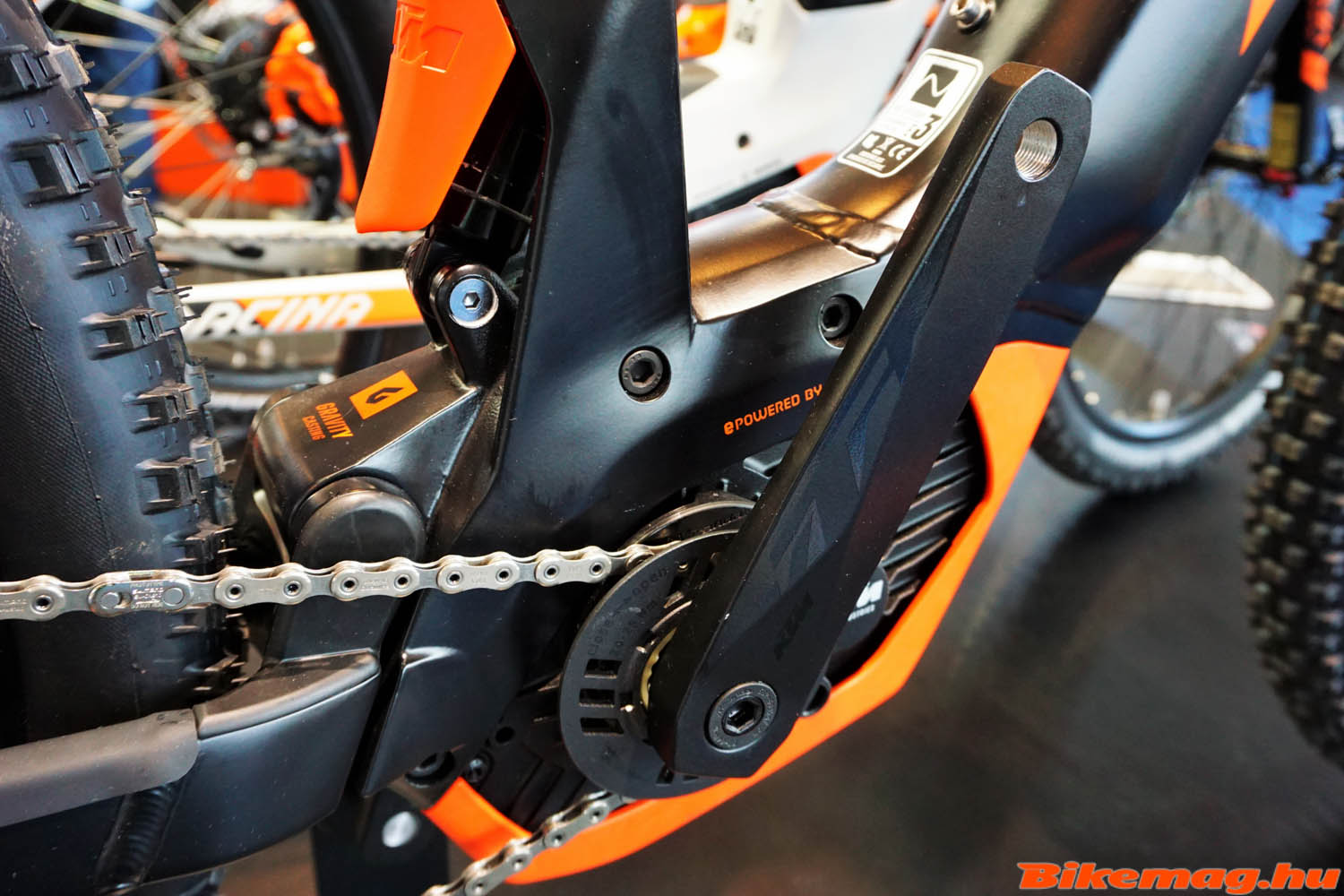
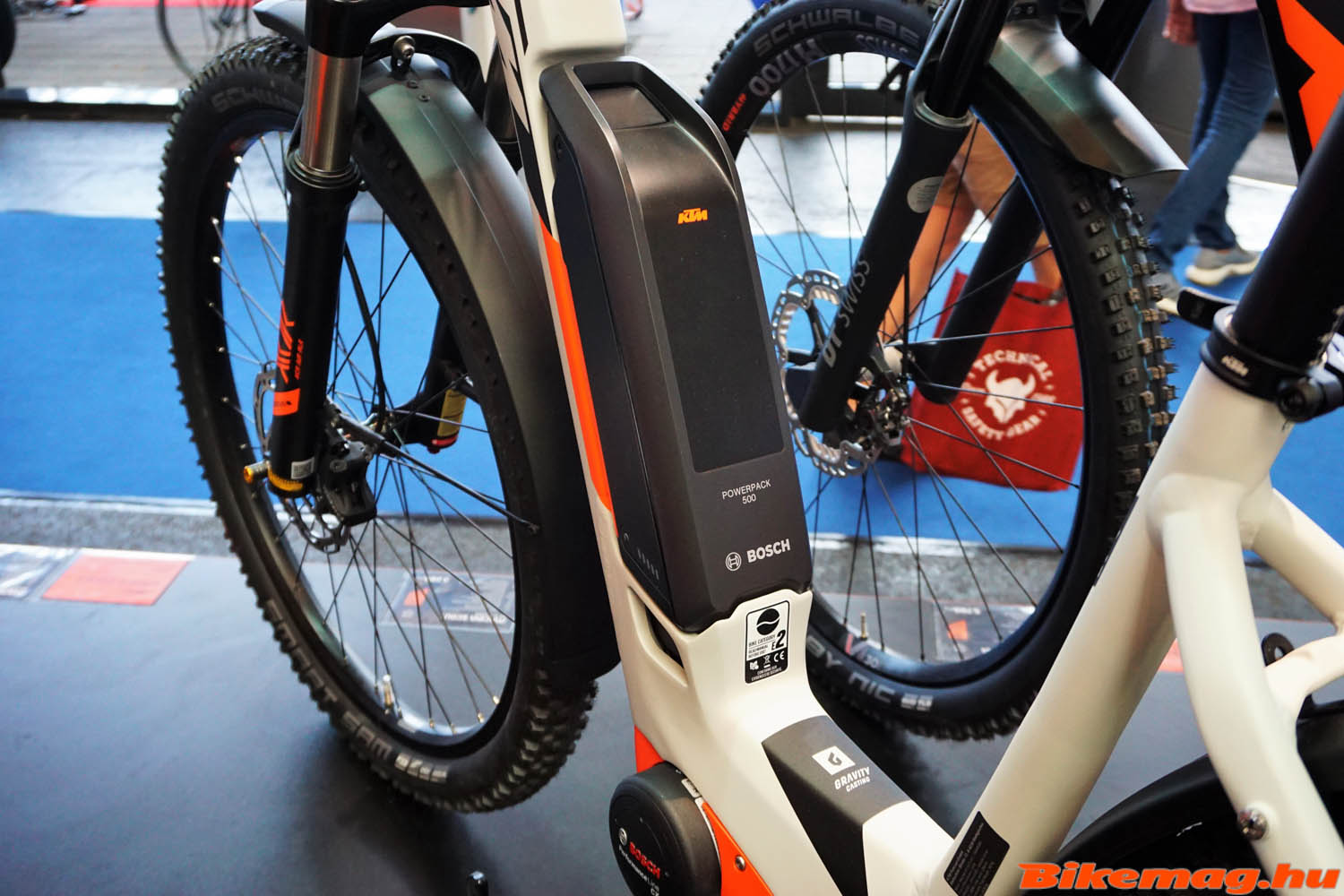
One of the trends of this year’s Eurobike is the down tube battery integration found on e-bikes, especially in the e-road segment. The KTM did not want to be left behind concerning this market, so they made great stride to come up with the most aesthetically pleasing solution. In this regard they will likely to show the way for the market in 2019. A good example is the Macina Mezzo e-road model, which may not be the lightest e-road on the market, but still tips the scale at a mere 13.48kg, due partly to the light carbon frame and the Ultegra Di2 components. The heart of this e-road bicycle is the Fazua drive system delivering a massive 60nm torque to assist the rider up to the 25 km/h set limit, and ideal setup for riding uphill in the mountains.
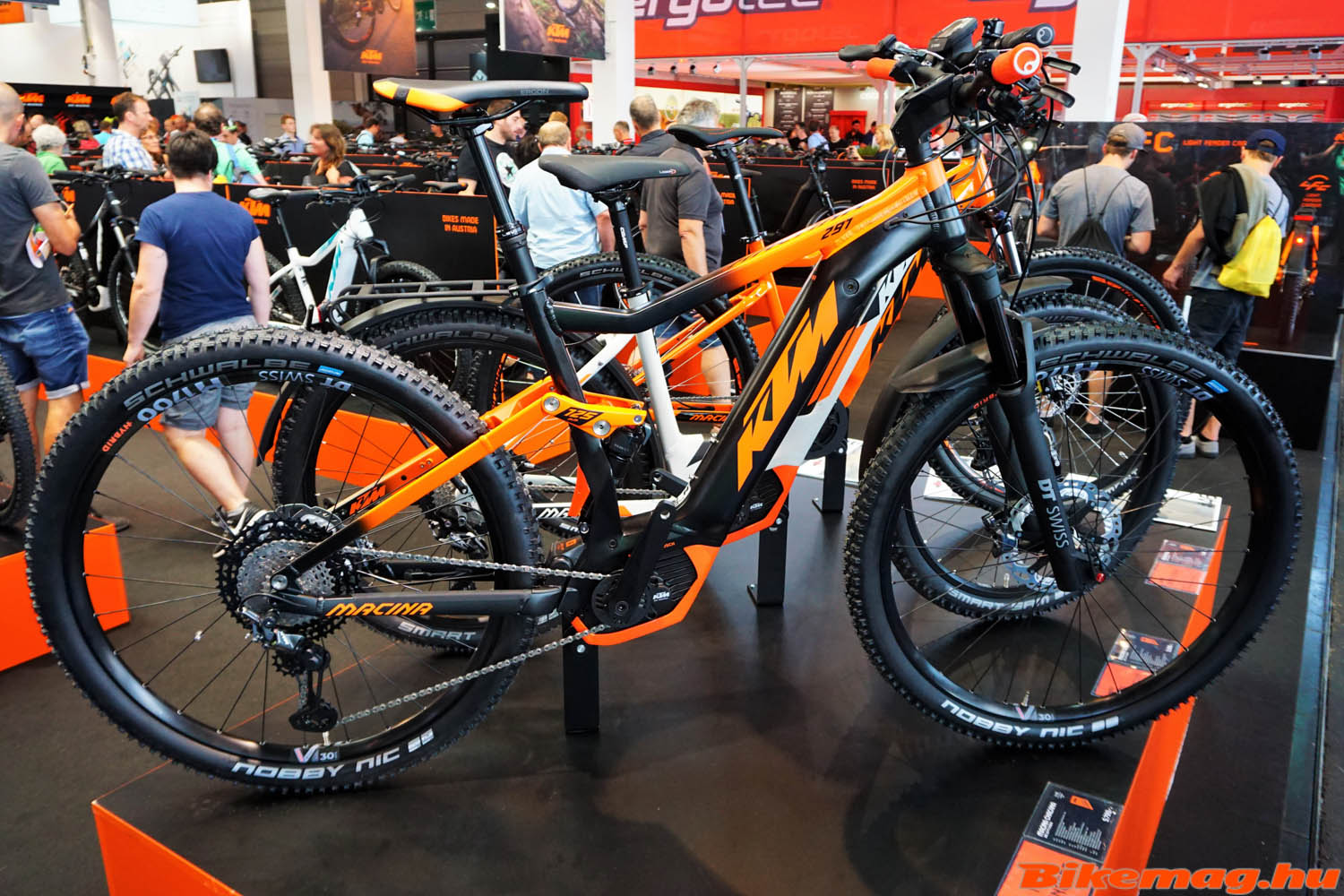
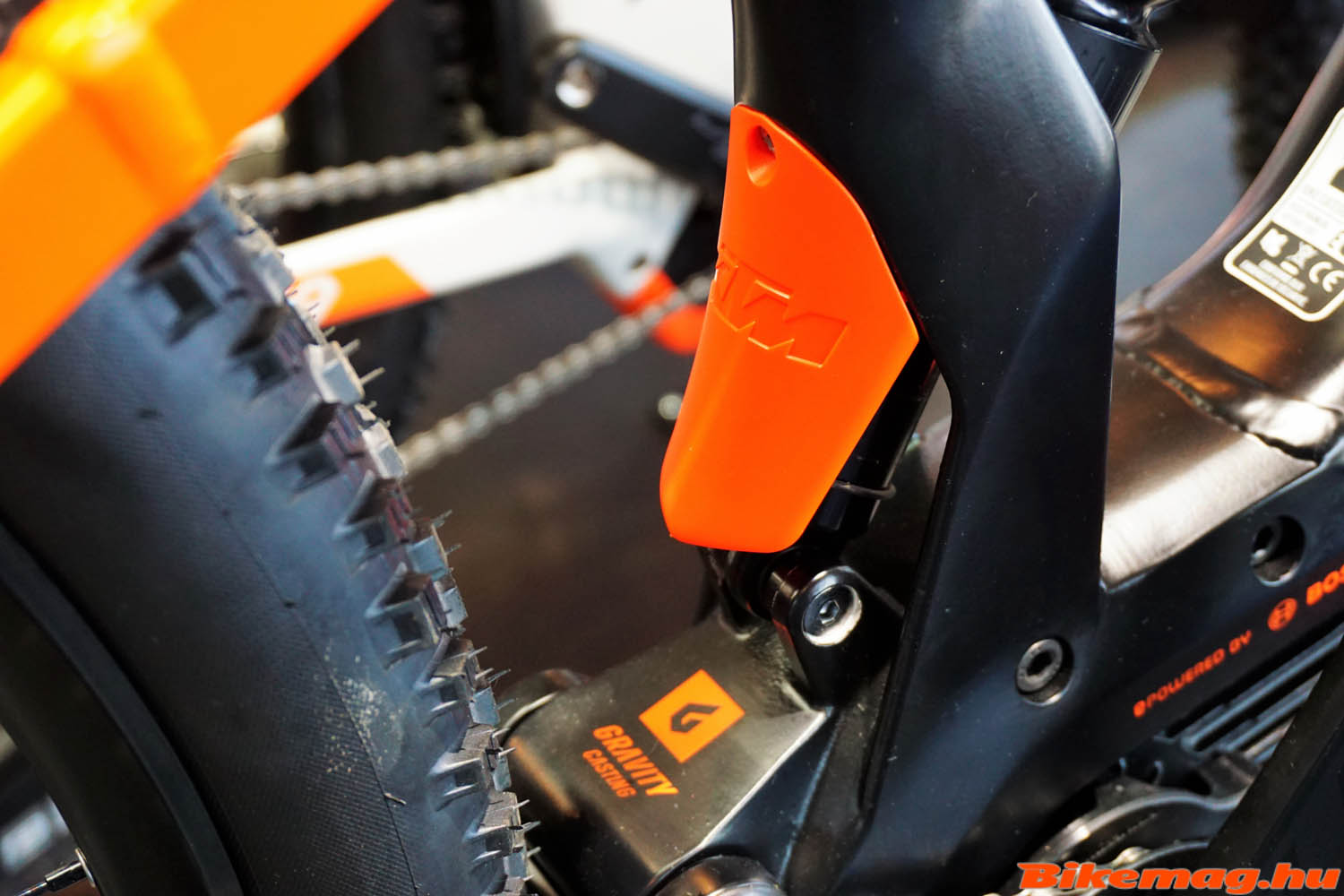
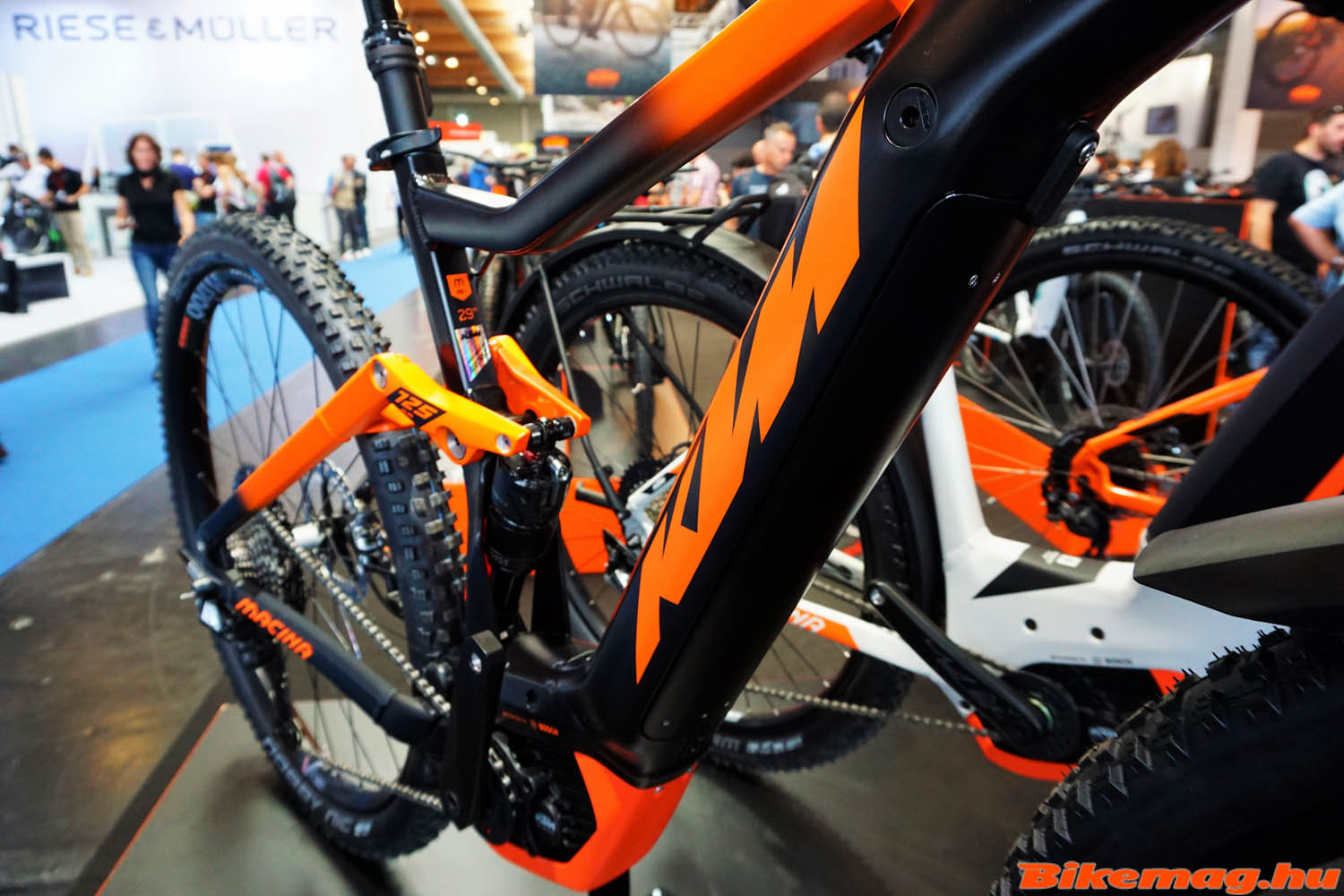
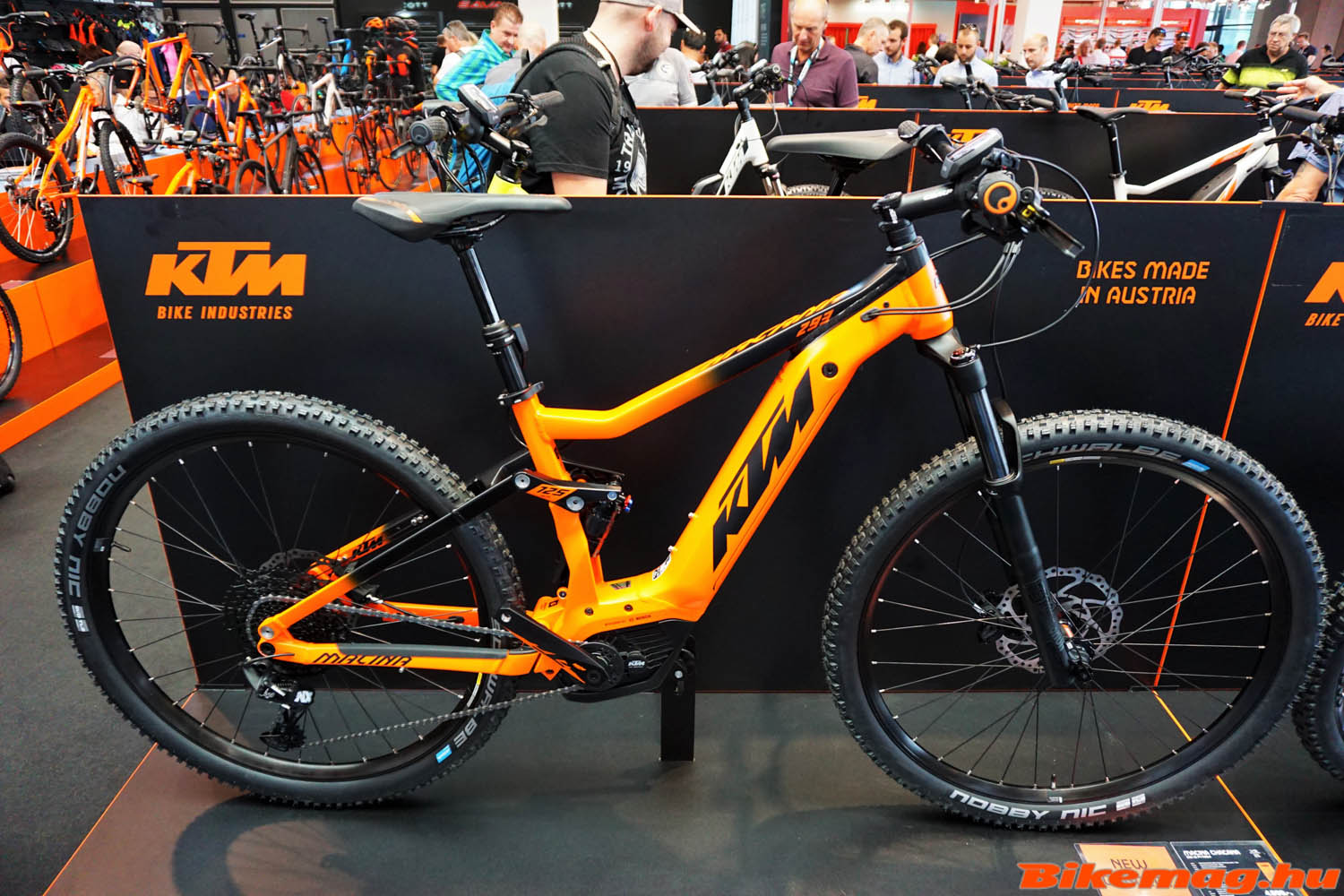
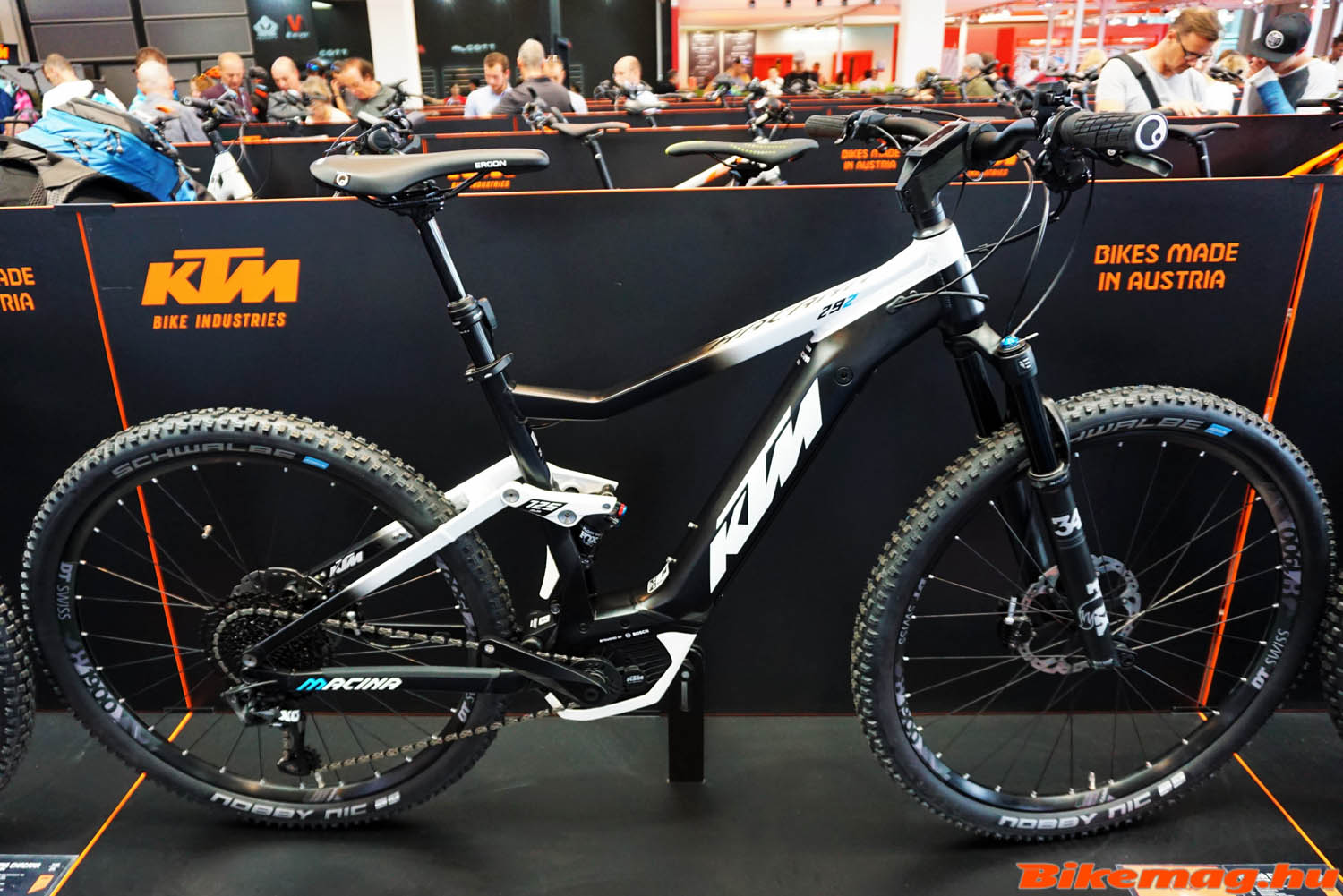
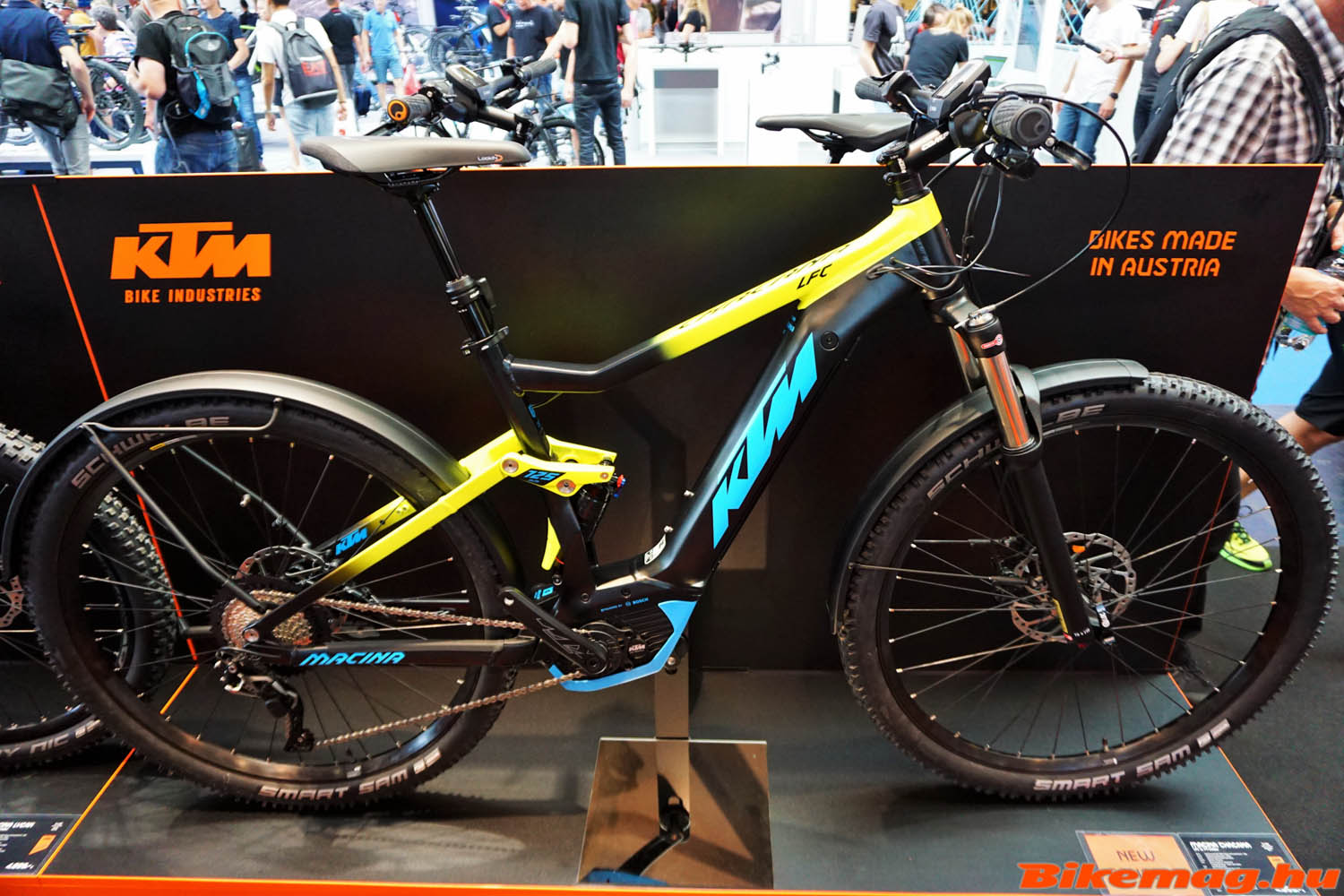
There will also be quite a few new KTM e-MTBs for 2019, one of which is the full suspension Macina Chacana with 125mm travel. KTM offers this model with a variety of components, so wide is the spectrum that even a mudguard-equipped version will be available next year!
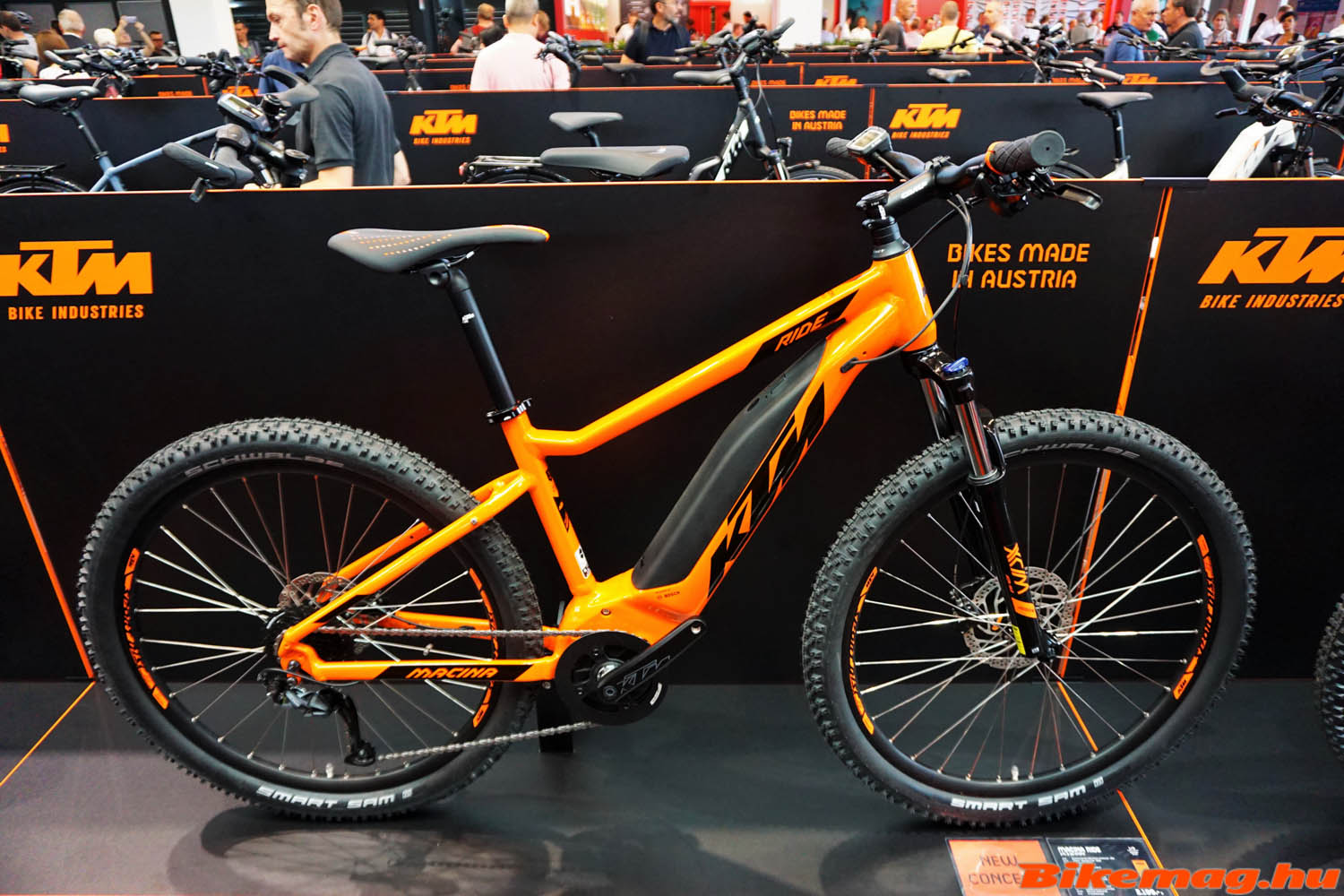
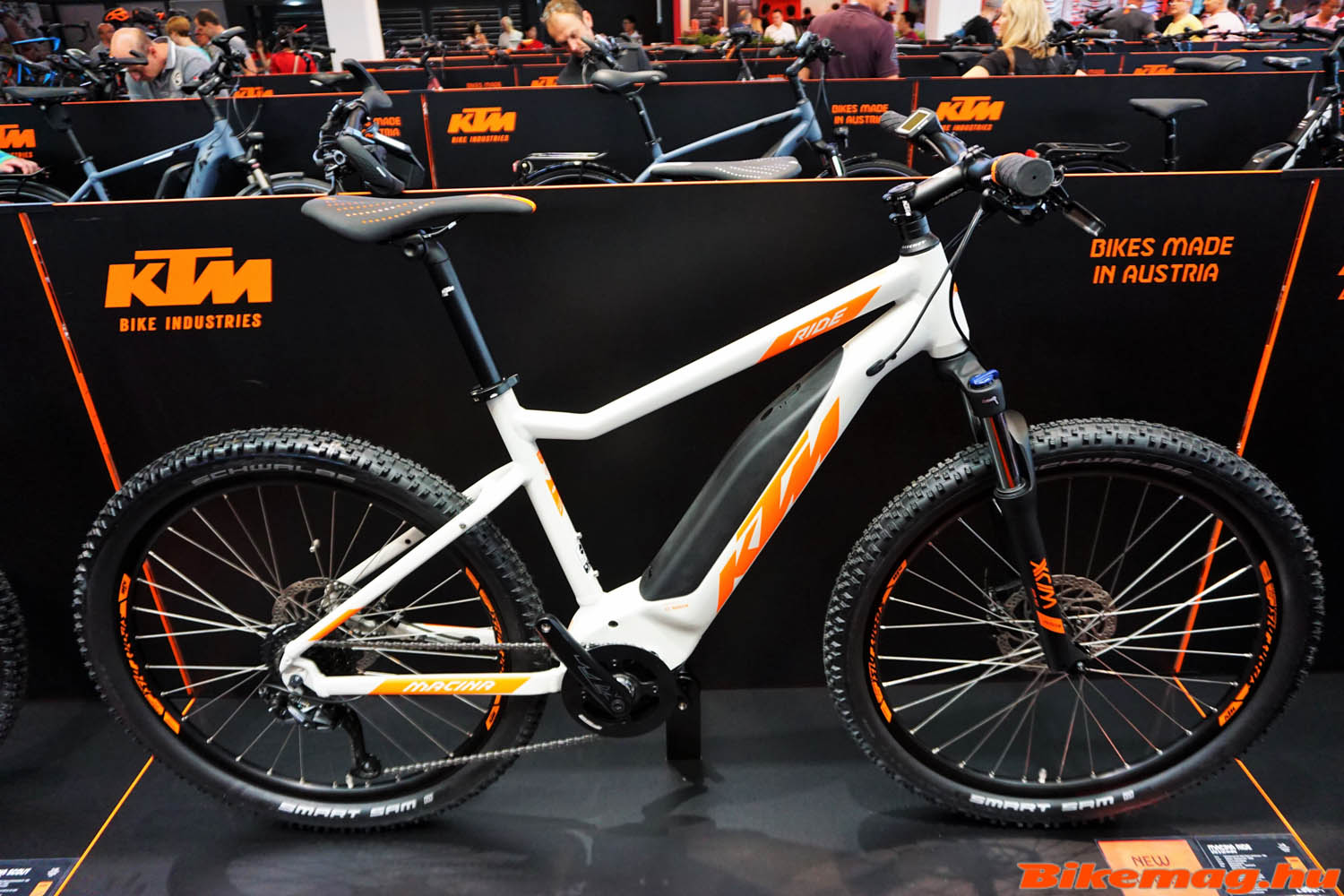
The other new eMTB model is the Macina Ride, which is a simple and affordable pedelec for cyclist at large. The battery essentially forms an single unit with the down tube, giving it a surprisingly clean appearance in this price category.
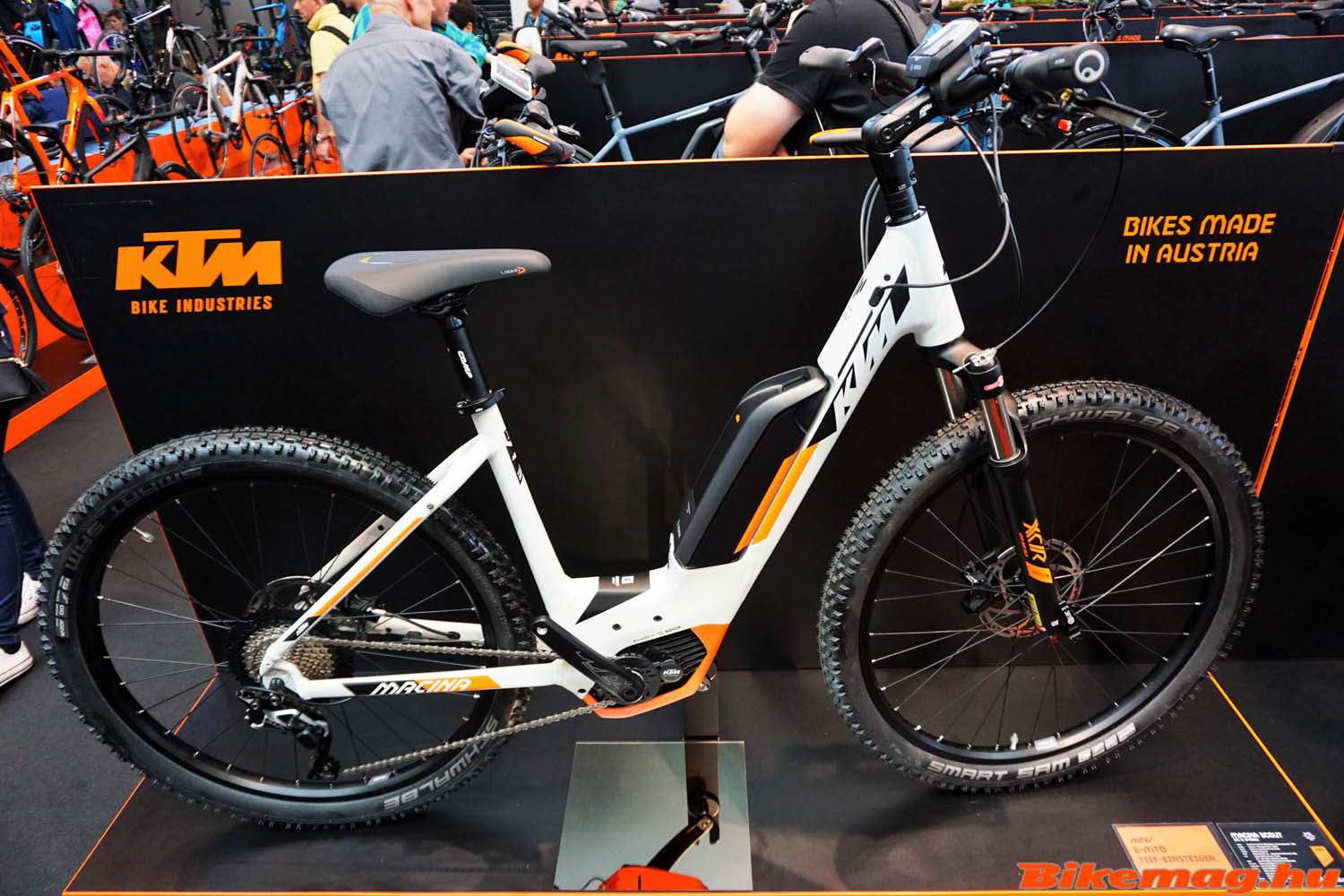
The Macina Scout model was not only found lined up among its siblings, but it was also on a podium at the front of the display area. It’s an interesting design with sturdy wheels and engine that allow off road riding. On the other hand its handlebar and light system suggest that it was designed as a trekking bike. So it’s a mule, conforming to the requirements of both applications.
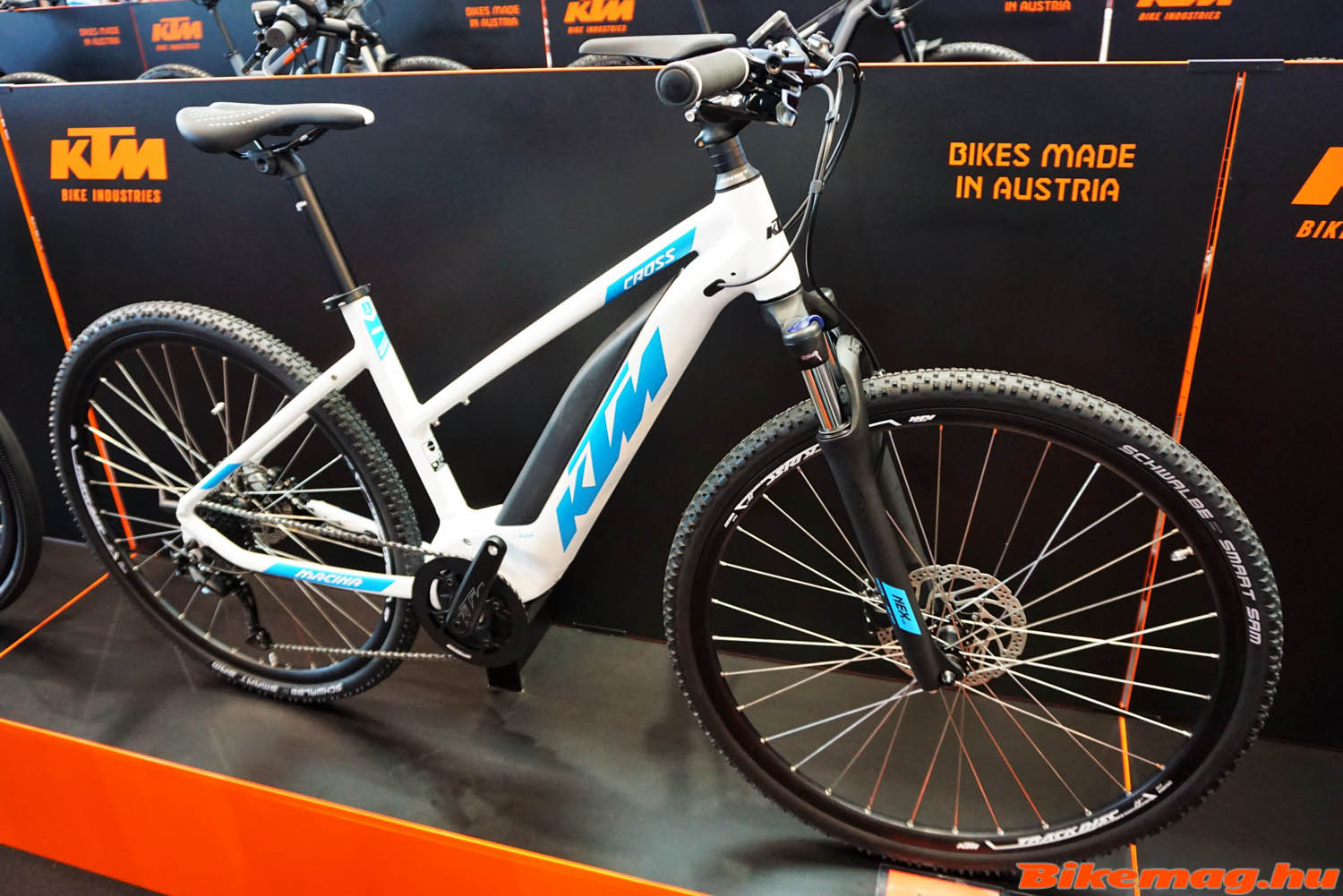
And we are still not at the end of the list of the new KTM e-bikes! The Macina Cross is similar to the Ride model, but as its name suggests, it is intended for the „cross” market segment.
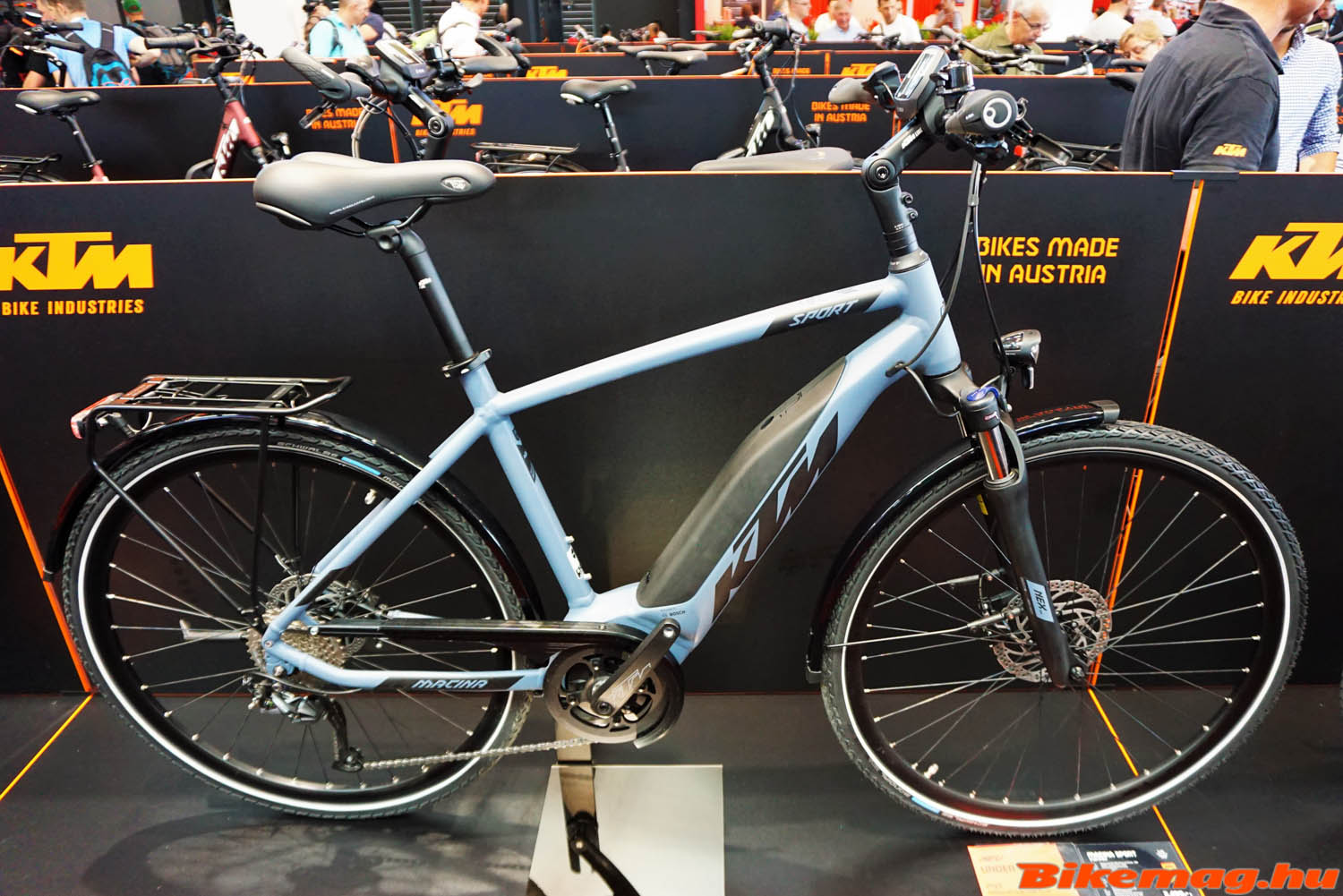
The Macina Sport utilizes the already mentioned integrated battery in the down tube, but as another variation on this theme, it is equipped with mudguards and luggage rack best suited to city or trekking bike application.
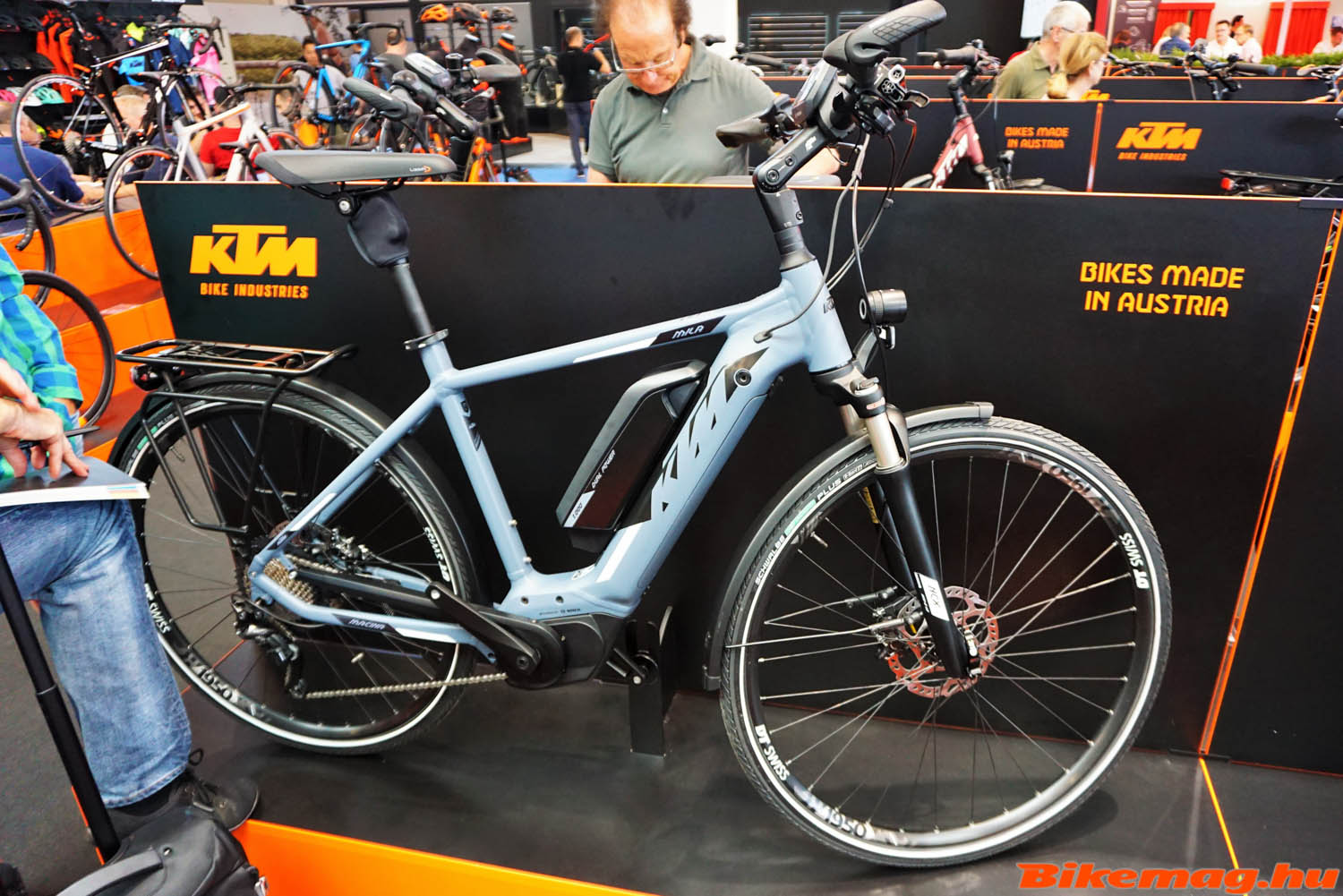
The Macina Mila is the true champion of comfortable cycling, equipped with a full-range urban equipment, in order to make it a perfect choice for those looking for e-bike for transport purposes.
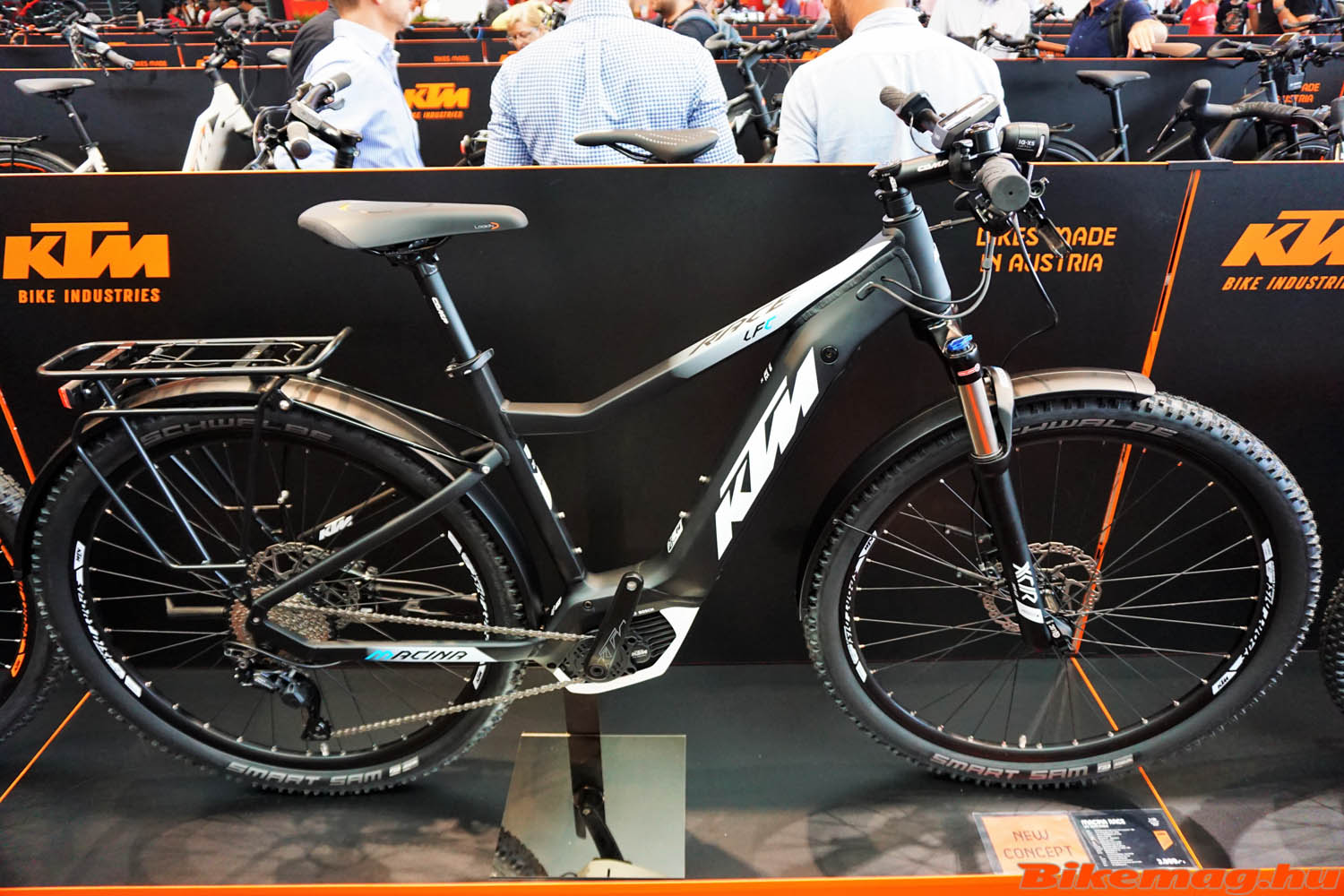
Finally, the Macina Race is an unusual construction from a Hungarian perspective: it features mudguards and a luggage rack, while it’s clearly intended as an e-mtb! The Macina Mila is likely to be used as a city bike by its owners in Western Europe, as it is not unusual to see mudguards on race-oriented MTB for fast city riding in Austria.

You can find the 2019 KTM machines at www.ktm-bikes.at, and make an inquiry at www.ktmteam.hu or at your nearest KTM dealer.
Új módszerekkel csábítják Magyarországra a külföldi kerékpáros turistákat

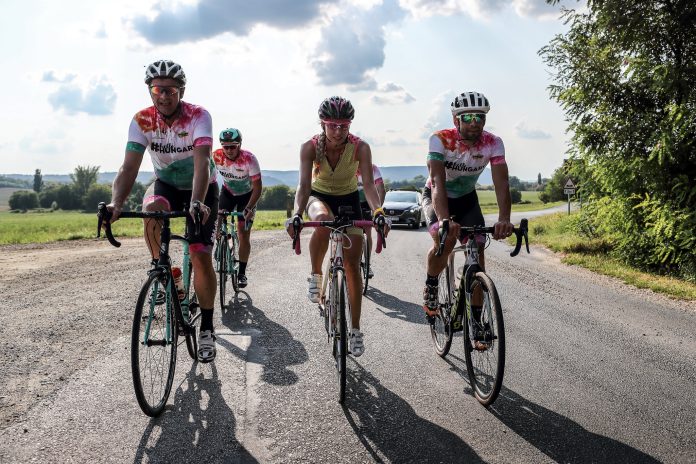
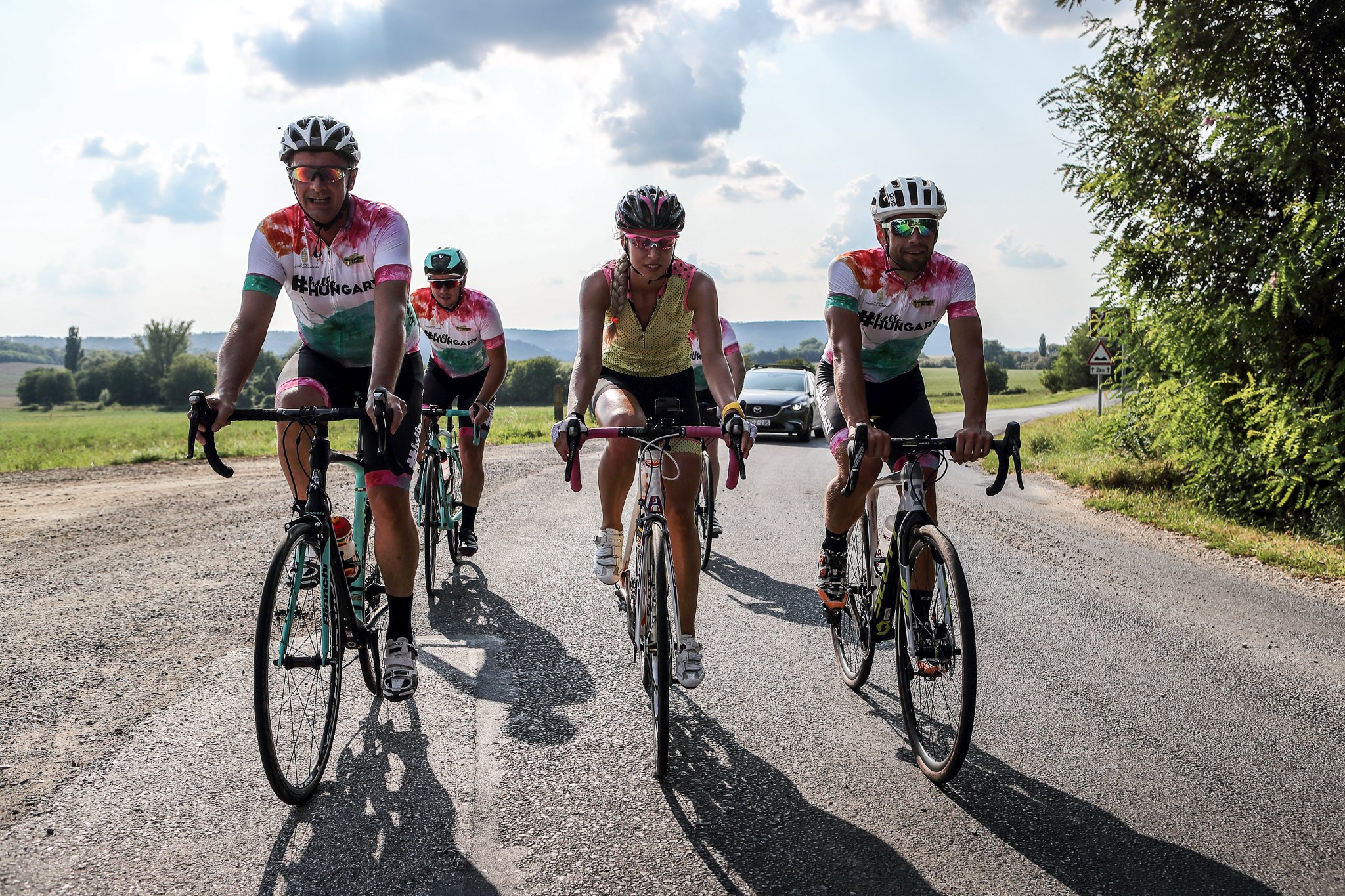
Az Ausztriában és Szlovéniában már jól bevált, hatékony, idehaza azonban még újszerűnek számító módszerekkel, a közösségi médiát is bevonva csábítaná Magyarországra a külföldi kerékpáros turistákat a Magyar Turisztikai Ügynökség.

„Érdemes a szomszédainktól tanulni, hiszen nyugati szomszédunknál például 2017 első félében soha nem látott turizmus-gazdasági rekordok dőltek meg a külföldiek által eltöltött vendégéjszakák terén” – mondta az MTI-nek Cseresnyés Péter, az Innovációs és Technológiai Minisztérium turizmusért is felelős államtitkára. Hozzátette: nyugatabbra már bevett gyakorlat, hogy study tourokat szerveznek külföldi szakújságírók számára, akik aztán különféle magazinokban fényképekkel illusztrált élménycikkekkel, saját tapasztalaton alapuló útleírásokkal vonzzák oda a turistákat.


A hazai turisztikai szakmában ugyan már alkalmazzák a tanulmányutakat az idegenforgalom fellendítésére, az újdonság az, hogy a Magyar Turisztikai Ügynökség tavaly nyitott egy egyre növekvő számú réteg, a biciklis turisták felé is, s azóta már összesen három study tourt szervezett külföldi kerékpáros szakújságíróknak. A médiában dolgozó szakemberek Magyarország kiemeltebb turisztikai desztinációival ismerkedhettek meg, mint például a balatoni régióval, a Duna-kanyarral vagy a Zalai-dombsággal.


Az első tapasztalatok egyértelműen pozitívak, a „8 nap alatt a vizek és a borok földjén” elnevezésű tavalyi tanulmányutat követően megjelent cikkek 200 ezer külföldi bringás turistához jutottak el, s mindezt negyedannyiért, mintha ugyanezeket a tájakat fizetett hirdetésekben mutatták volna be.


A study tourok sorozata idén Zalakaros környékének, illetve Muraföldének, majd a múlt héten a balatoni régiónak a bemutatásával folytatódott. Ez utóbbi egyik túráját maga Cseresnyés Péter államtitkár is végigkerékpározta. További újdonság, hogy ezúttal külföldről már nemcsak magazinok, hanem kerékpáros témájú online médiumok képviselői, illetve bloggerek is meghívást kaptak Magyarországra.


Cseresnyés Péter hangsúlyozta: az önkormányzatoknak érdemes az ilyen példa értékű, szervezett programokra pénzt áldozniuk annak érdekében, hogy hosszabb távon növeljék turisztikai bevételeiket.

Forrás: MTI
Fotók: Kaiser Erika, cikk: Pósfai Gyula

Mitas 2019: Ahead of the Game

Mitas 2019 - X-Road 33-as és már 38-as méretben is

The reigning cross-country world champion Jolanda Neff says that they are best tires she’s ever ridden. Presently two XCO World Cup professional teams are running Mitas tires, and despite the top-class status, the Czech brand still manages to offer outstanding value for money. It’s clearly a win-win scenario!

The Mitas brand is a member of the Trelleborg group, one of Europe’s leading tire consortium. They produce tires for many different applications, including large construction equipment, cars, motorcycles, bicycles or other special market segments. The Mitas brand focuses primarily on two-wheel vehicles, and covers a variety of sub-segments, such as kids bikes, sports vehicles and even wheelchairs. Plenty of tradition, experience and know-how have been accumulated since the start of tire production in the 1920’s. And since the Mitas products are not sourced from suppliers as with competing brands, but manufactured in factories owned by the brand from start to finish (located in several European countries such as Czech Republic, Slovenia, Serbia and in the United States), top quality is guaranteed. The former Rubena brand was reborn as Mitas in the spring 2015, and their fine bicycle tires are now available in shops nationwide.

2017 saw the launch of Mitas on world class pro competitions as the Czech brand began co-sponsoring the international Kross Racing Team. Two of biggest stars of MTB cross country racing, Maja Wloszczowska and Jolanda Neff began to ride Mitas tires and both ended up having a phenomenal season last year, crowned by the Swiss rider taking the XCO World Championship title. This immense success likely to have contributed to the decision of two further world-class teams, the Primaflor-Mondraker and a professional Polish team to race on Mitas products in 2018. So this year the Olympic bronze medalist Carlos Coloma, the ex-road UCI World Tour star Ondrej Cink and former World Cup winner Daniel McConnell all depend on the excellent traction and advanced compounds of the Mitas tires, and taking an active role in the development of the 2019 range.

Mitas 2019 – Jolanda Neff’s training bike with one of the new tire model

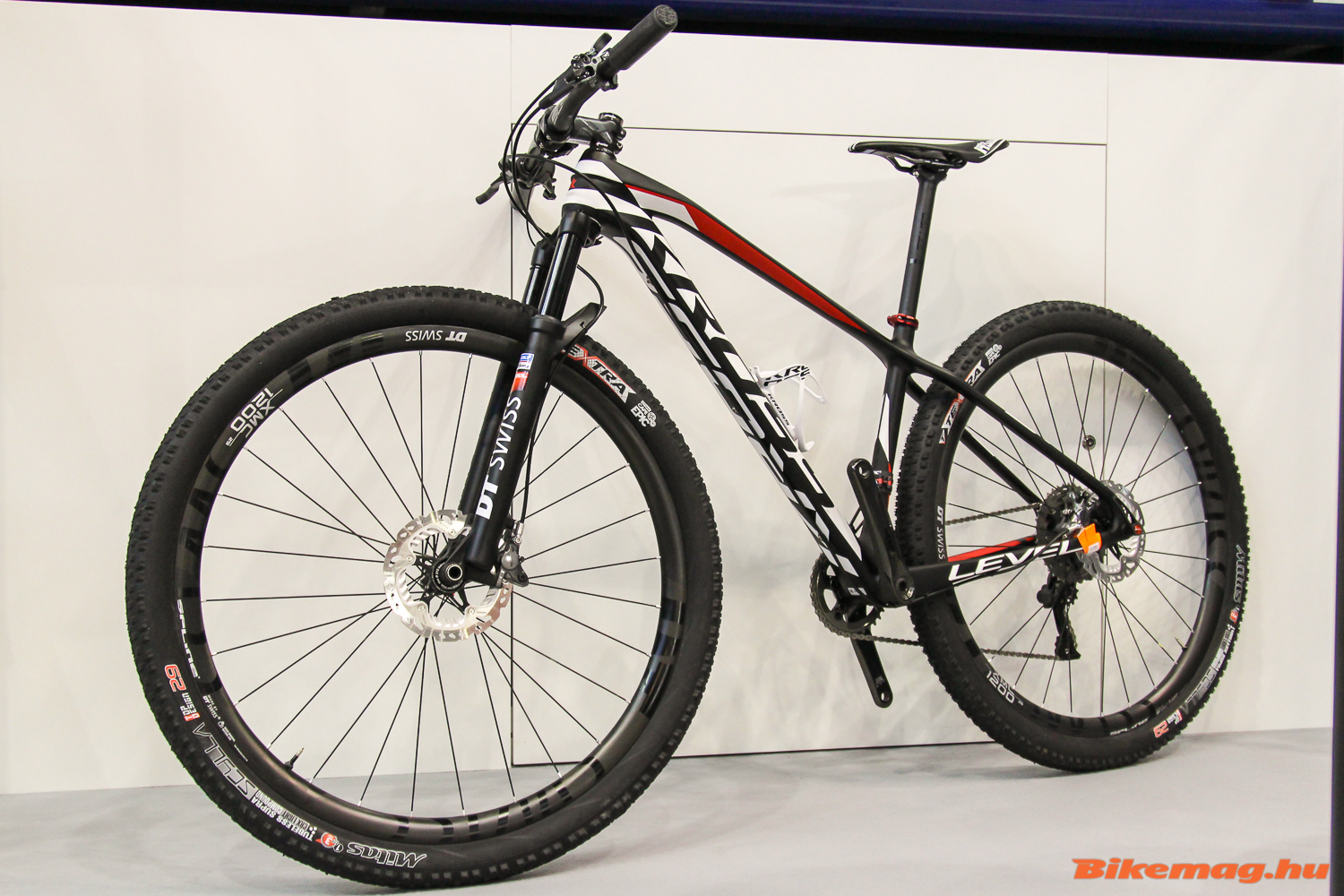
The model most commonly used by racers is the Scylla Top Design, which also assisted Maja Wloszczowska in winning in Val di Sole this year. It offers a universal application tread pattern that most MTB riders will mount in spring, and not take off until the end of the season. There is no need to replace it with a special tread design, since it performs well on virtually all types of terrain and weather conditions. The novelty for 2019 is an extra-wide 2.45″ (62 mm) version of the 29er size, aimed at reducing tire pressure while increasing comfort and grip. The weight of the tire is up by only 110 grams compared to the most popular 2.25″ size.

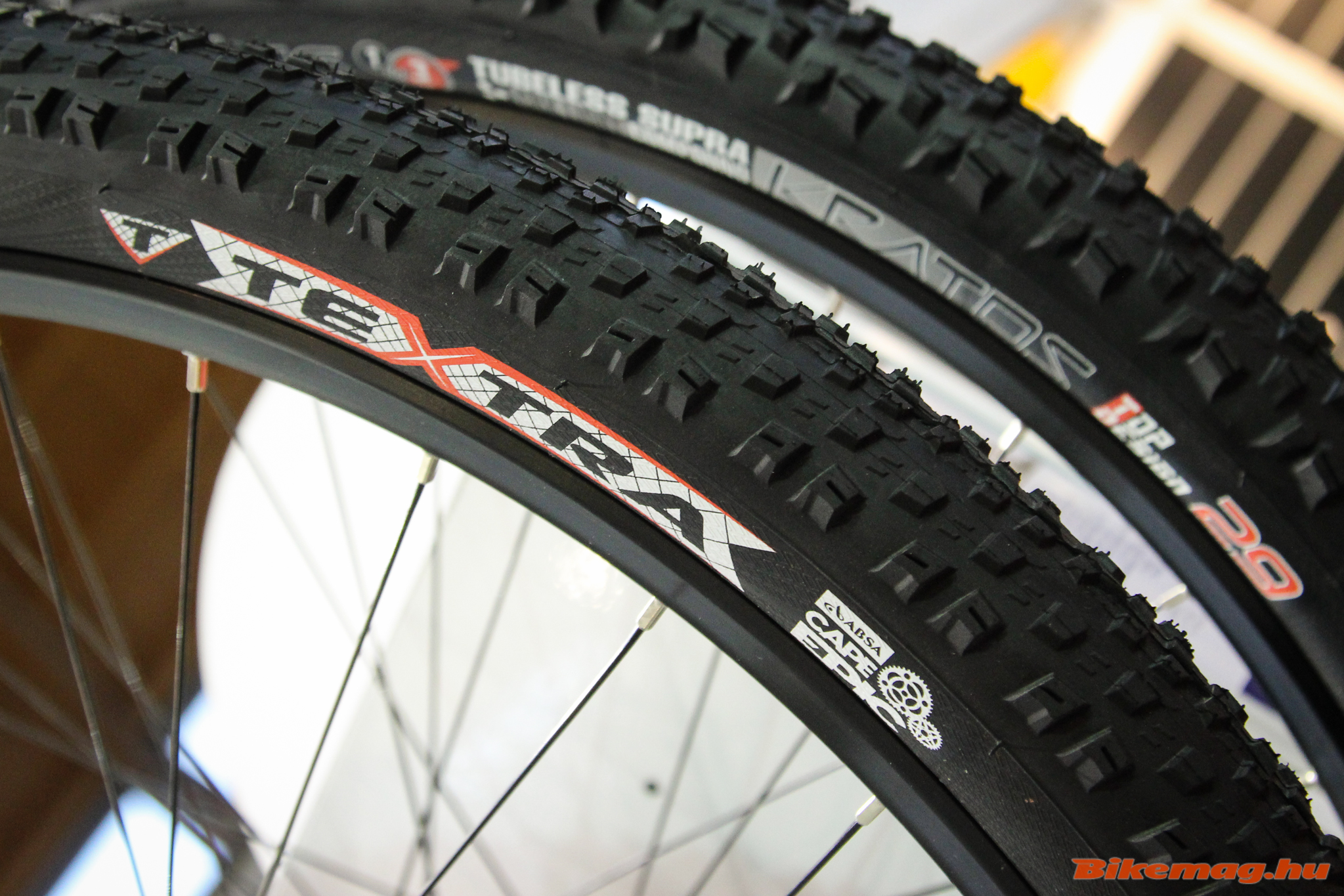
The Mitas Scylla with the reinforced Textra structure

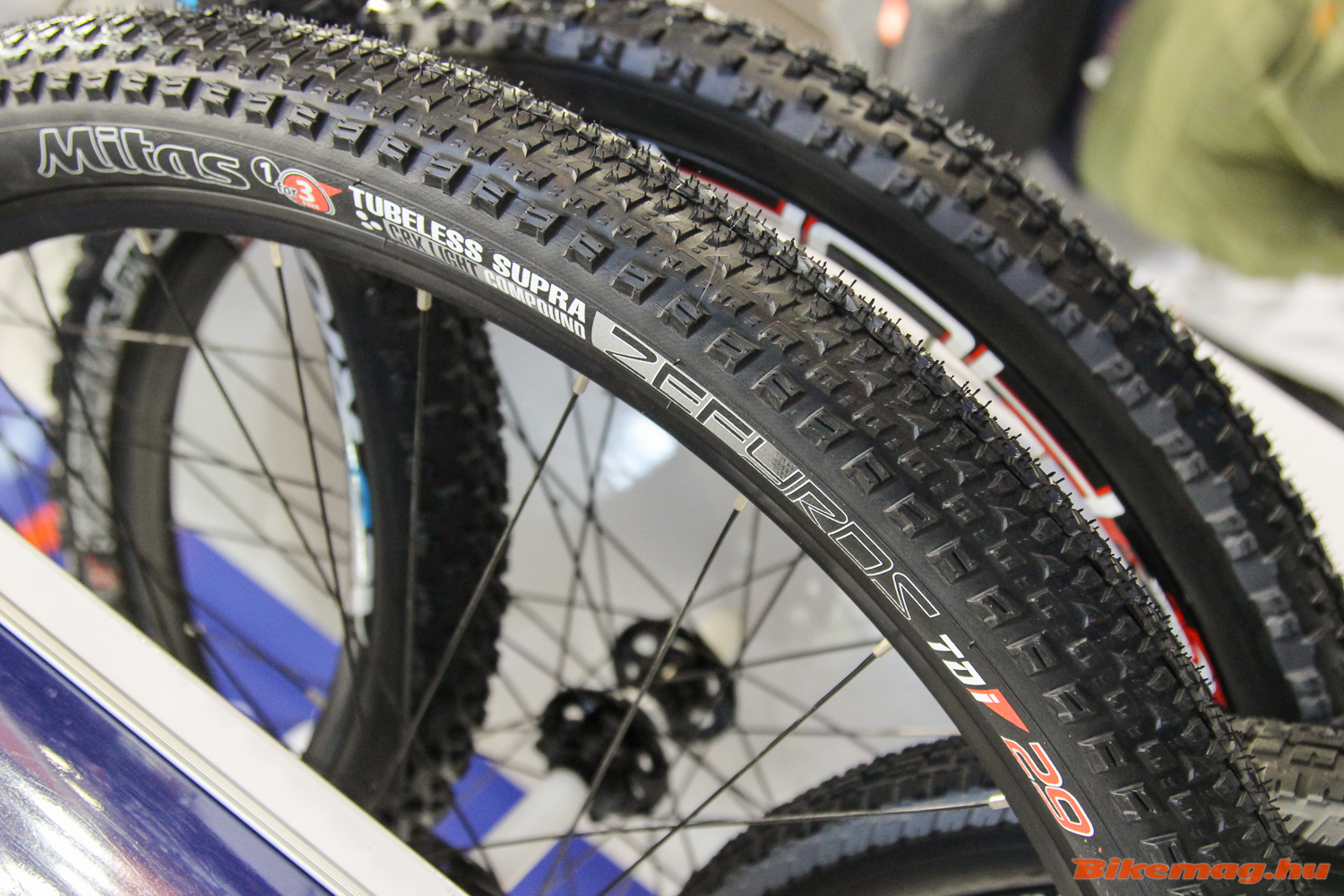
The Zefyros Top Design Innovated is the fastest XC tire model available, it is available for 650B and 29″ wheel sizes in 2.25″ width, with both Textra and Weltex side wall structure. This tread pattern is best suited for ragged woodland, and it is recommended for riding technically less demanding, fast trails.

Mitas 2019 – Zefyros TDi


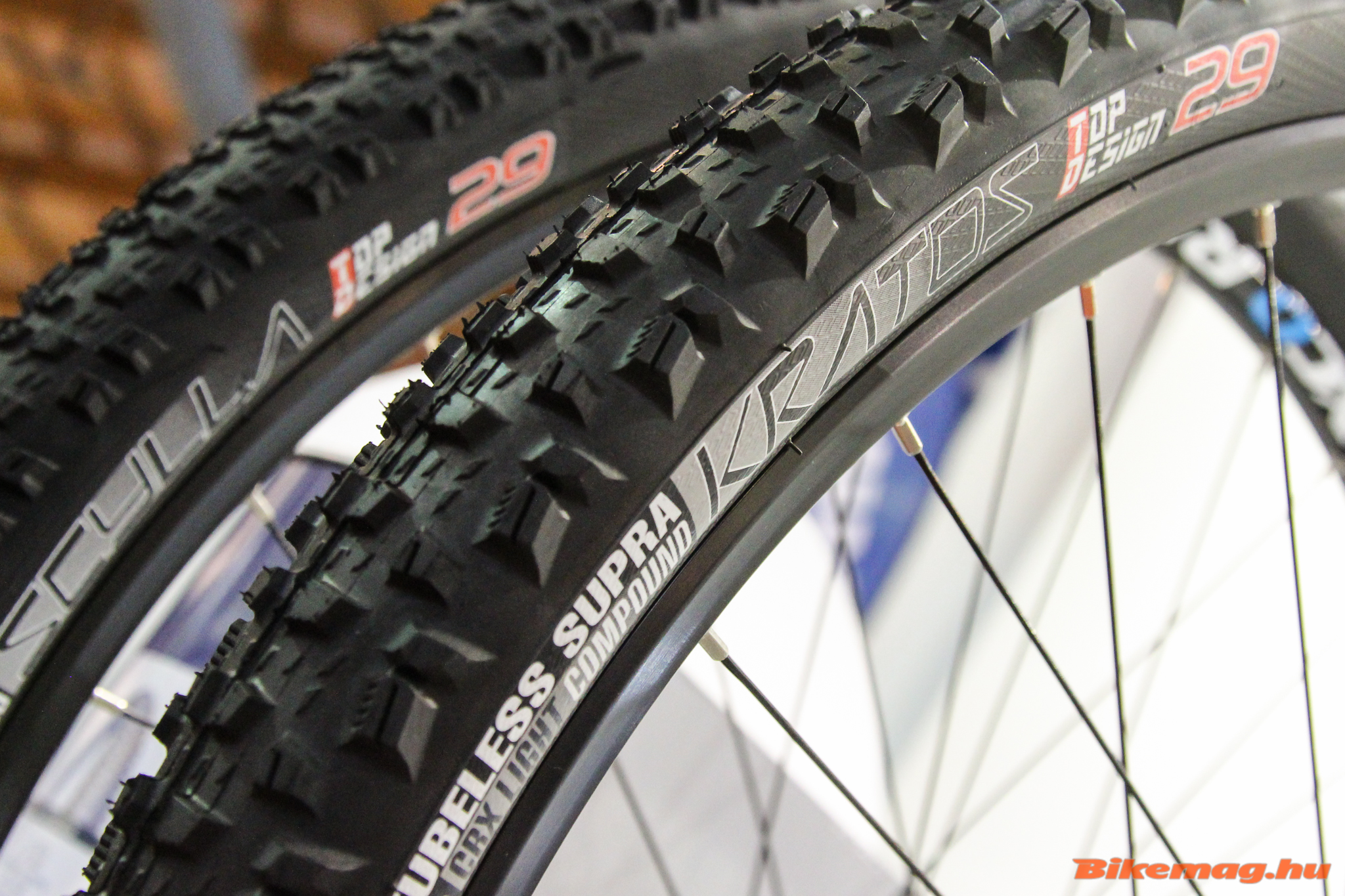
Kratos Top Design may be the best choice for technically challenging trails since the larger block tread sticks better to stones and roots. The ever-popular pattern does not change for 2019, it‘ll be available in 2.25″ width for both major MTB wheel sizes.

Mitas Kratos 2019

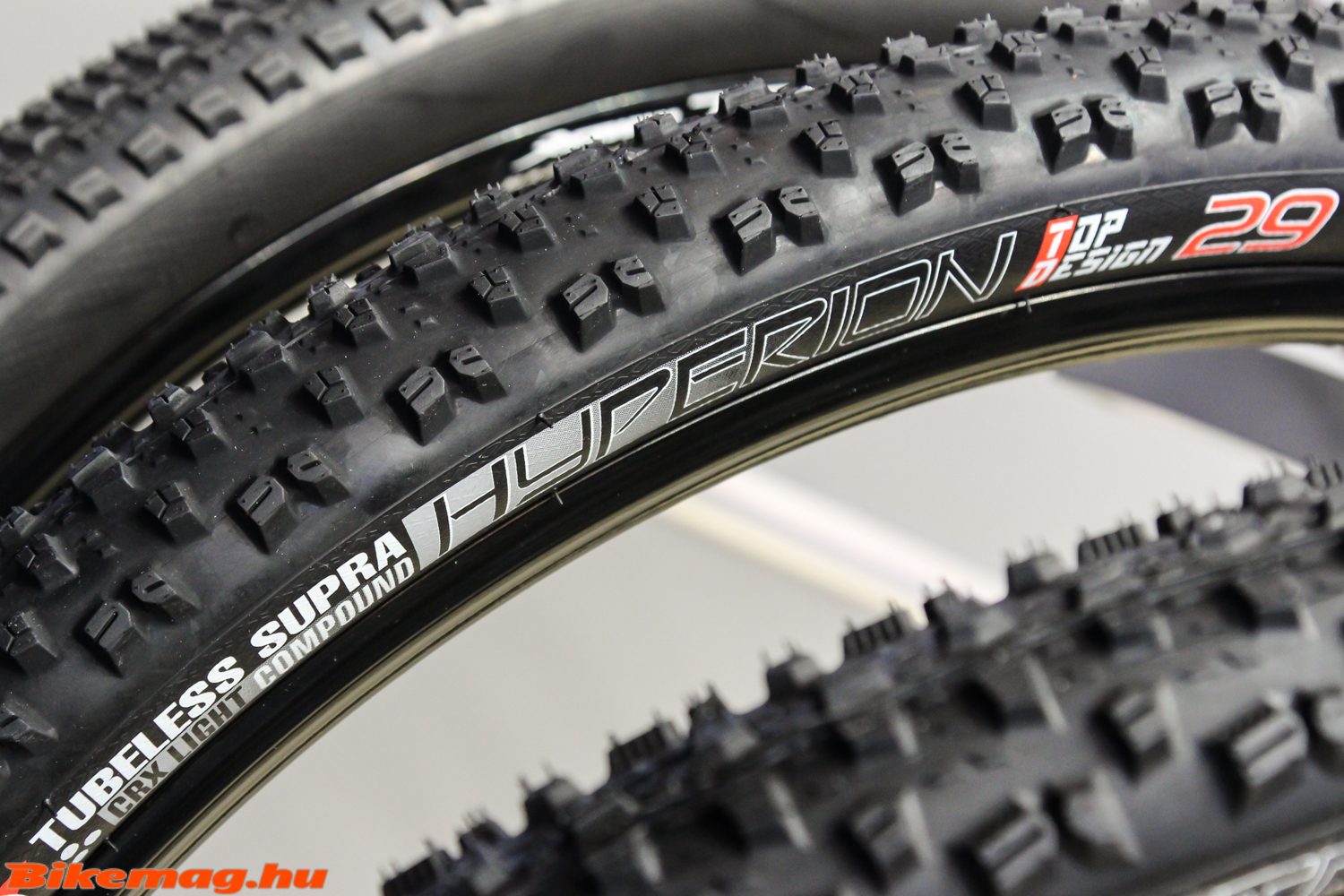
Last but not least, it is worth taking a look at the Hyperion Top Design tire, with helped Jolanda Neff win the world cup race in Albstad. Since the tire is well-sited to muddy conditions, she had a convincing advantage over her rivals. A top-class racer like Jolanda could take advantage of the grip provided by the special tread and the sticky rubber compound, thereby gaining a lot of time over her opponents on the descends.

Mitas Hyperion Top Design Tubeless Supra

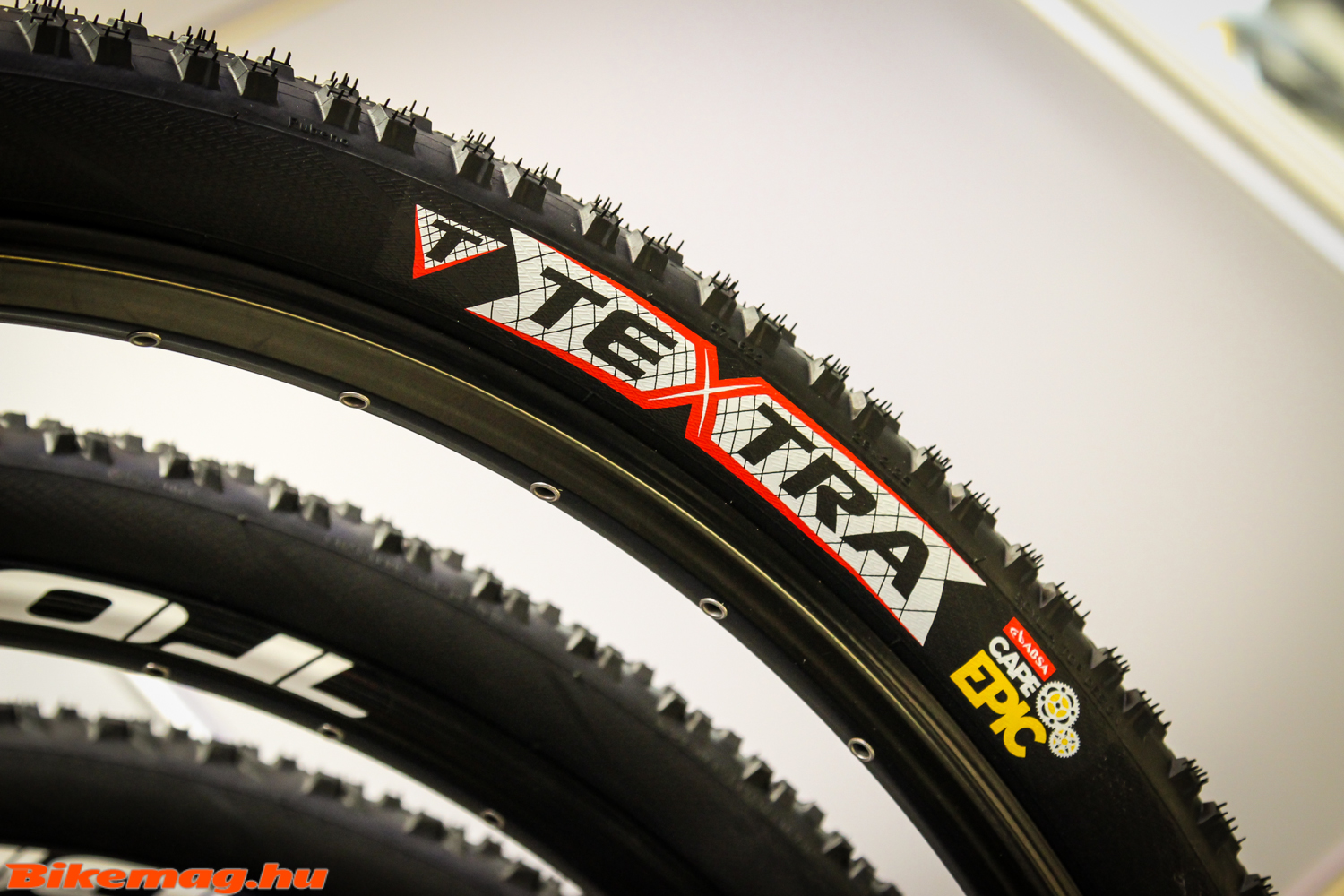
Speaking of technology, two different tire casing constructions are used at the highest-level of the range. Naturally both can be set up as tubeless. The Textra design is a dense layer of polymeric fibers making up the side walls providing excellent protection against cuts. Due to the outstanding elasticity and minimal weight of this technology, the rolling resistance is not increased, the ride character remains similar, and the weight gain is also negligible. The Textra tires are made from a CRX compound, and the tread utilizes a uniform compound.

The Weltex construction follows a similar principle as the Textra design, but it is specifically developed and recommended for the carbon rims. The bead of the rim is fully coated with high density polymer, eliminating any abrasive effect on the carbon fiber structure. The Weltex tires use the so-called “Gray Line” two-component compound, where the side knobs are made of a softer material for better traction.

The Mitas Textra tires proved their merit at the Cape Epic multi-stage MTB marathon

Apart from the above-mentioned professional MTB teams, Mitas is also the sponsor of major cycling competitions like the Nove Mésto na Morave UCI World Cup event, and the most-popular MTB stage race, the Cape Epic. Competitive Hungarian cyclist may also be familiar with the 4 Islands MTB stage race event in Croatia sponsored also by Mitas.

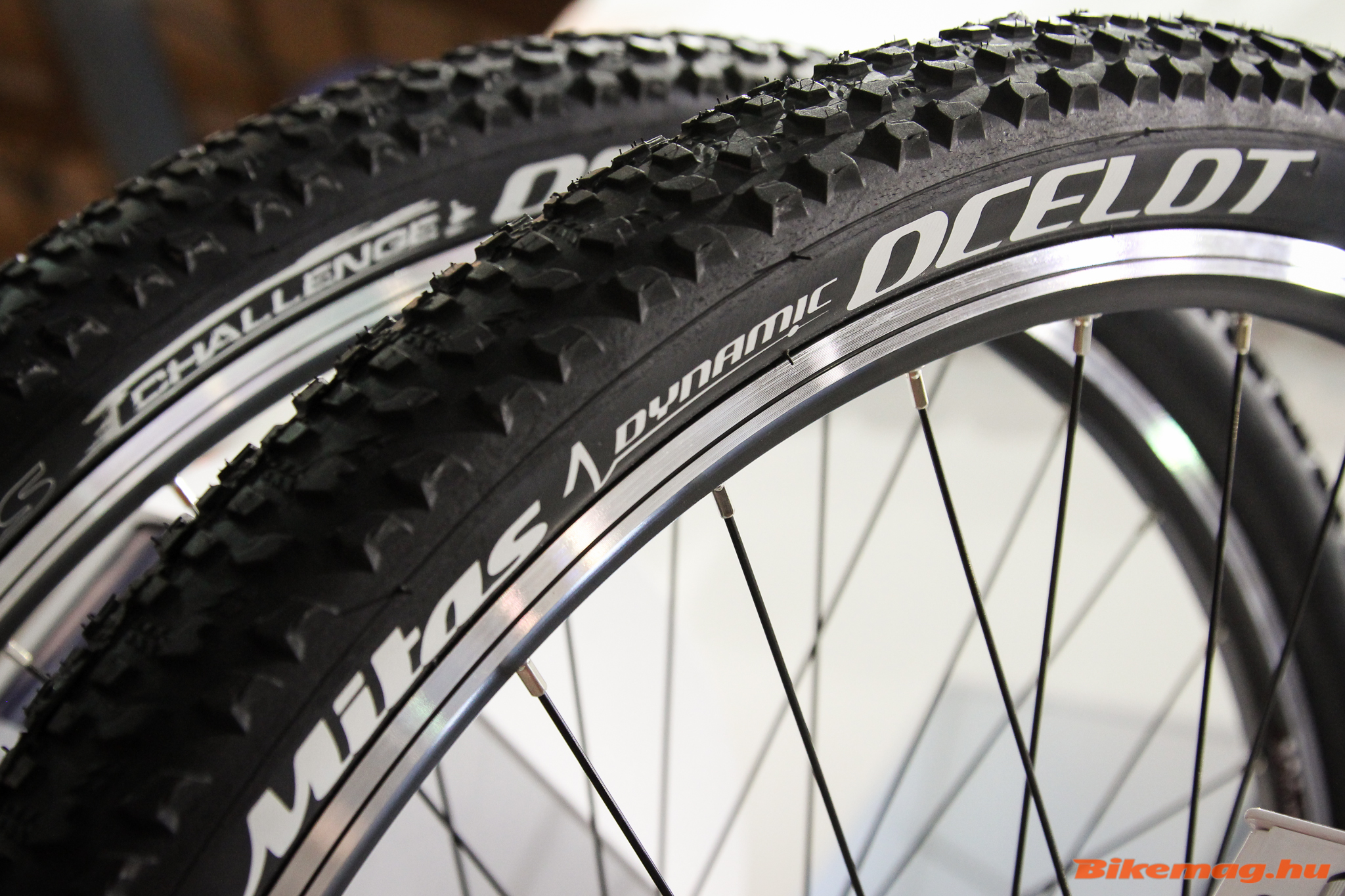
Mitas Ocelot Dynamic Line and Challenge Line

For those not requiring the benefits of the tubeless system, but find the extra weight of the steel beads overly heavy, the Mitas Ocelot Challenge Line might be the best option. We tested both the reasonably priced Aramid bead design as well as its similarly wired Dynamic Line version here at Bikemag. New for 2019 is the 27.5” × 2,35″ and the 29” × 2,35″ versions of the Ocelot Challenge Line which will soon be in the shops. Ocelot E-Protec was also introduced to the lineup bringing flat protection to a whole new level. Under the tread we find a 1.5 mm thick protection layer, and the side wall is also reinforced with an extra rubber layer from the edge to edge.

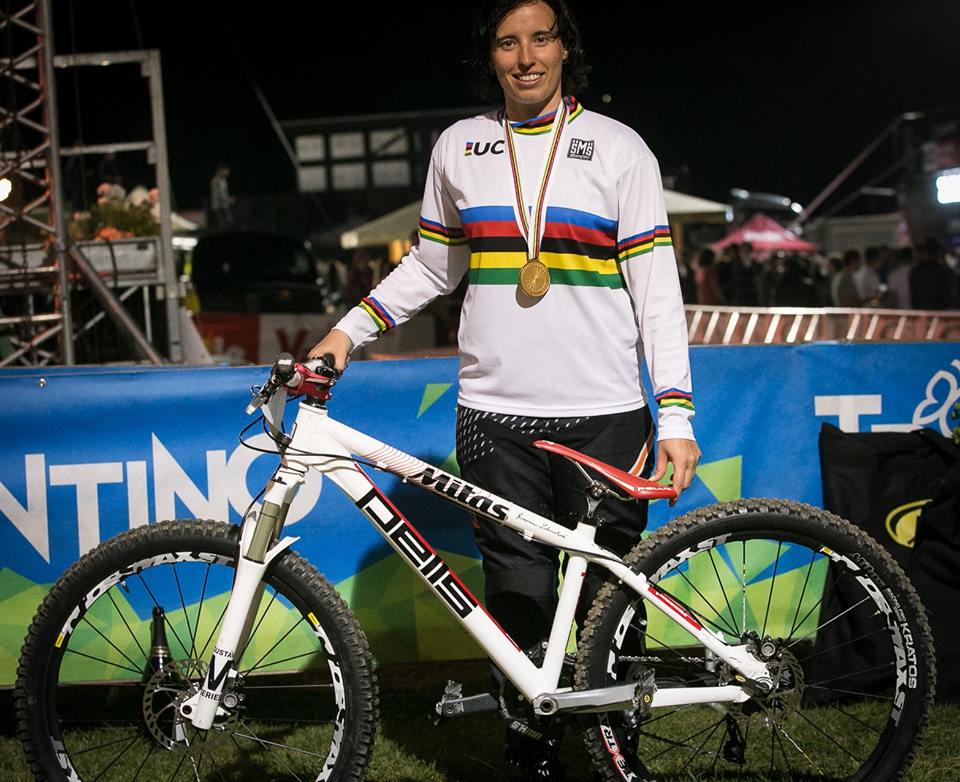
Mitas 2019 – Romana Labounkovám the UCI 4X world champion
The 2,45″ version of the well-proven Kratos model has also won some accolades, as Romana Labounková became 4x World Champion using this tire model. For tires designed for extreme use — such as the above-mentioned Kratos and DH-specific Higlander – a new Textra+ construction has been introduced to make tires even more resistant against flats.

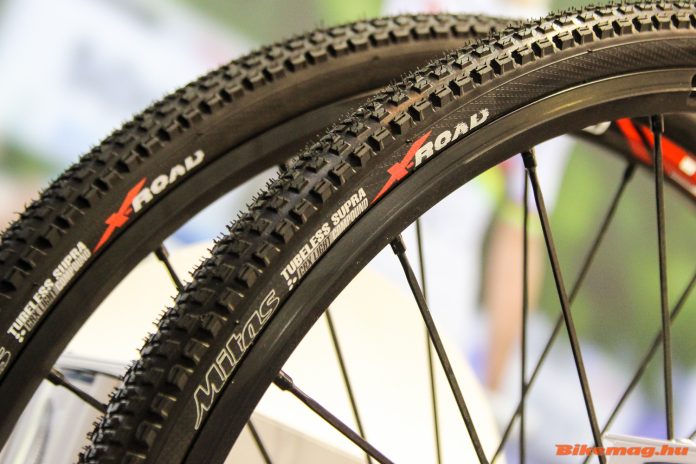
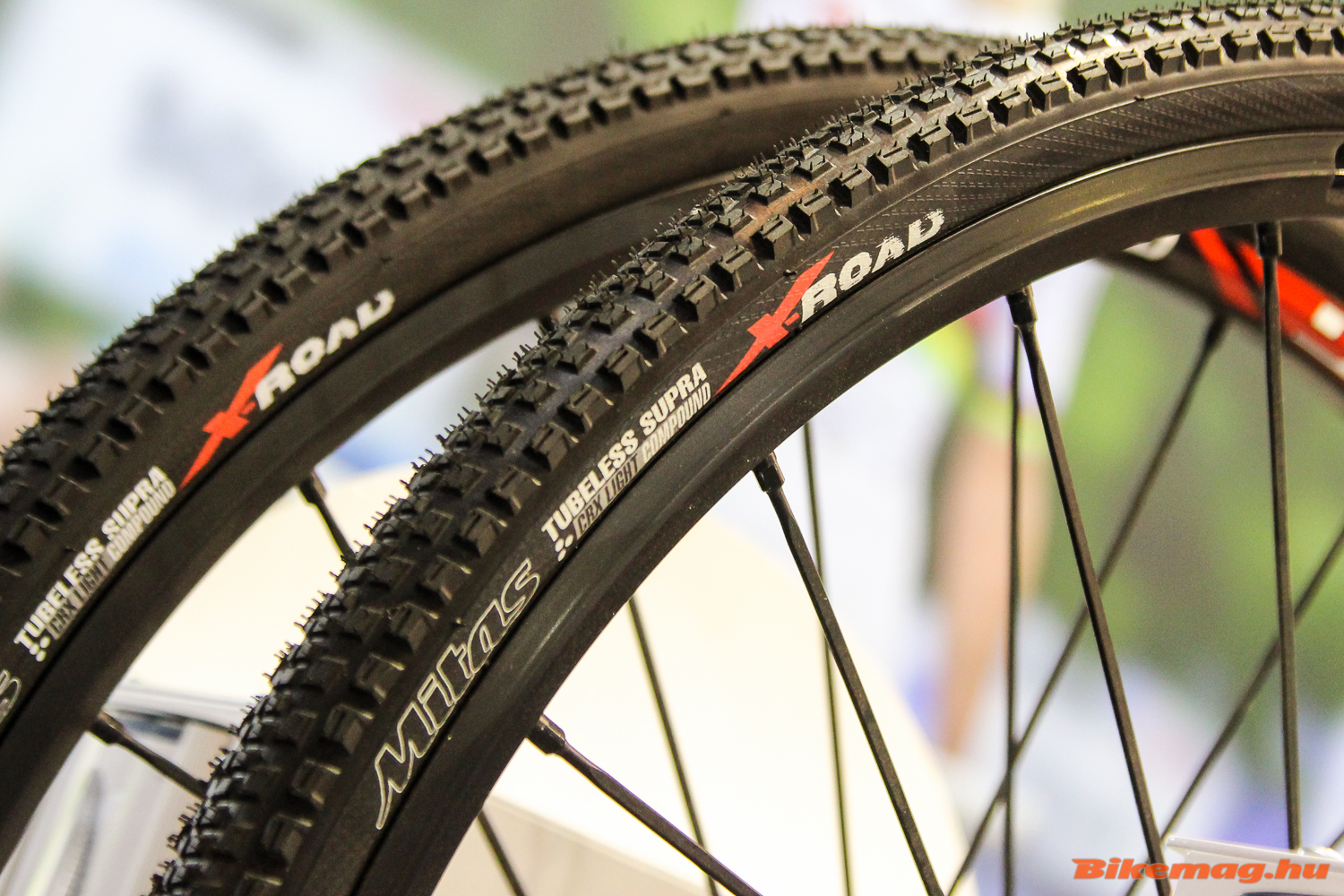
All of the tires developed for cyclocross racing were tested on our site, the Mitas X-Road, the Mitas X-Field and the Mitas X-Swamp all got good reviews. The lightweight tubeless tires conform to the UCI rules stating that CX competitions now have a maximum width limit of 33 mm. On the other hand, with the advent of gravel bikes, there is an increasing demand for wider 700c tires. This was the primary reason for Mitas introducing a 40mm version of the X-Road: according to the catalog info, it is officially “38c”, but on a wider gravel rim it’ll probably measure a full 40mm while only weighing 455g on the scales.

Mitas 2019 – the X-Road will come in both 33 and 38mm

The Mitas 2019 range offers an almost infinite choice for city and trekking bikes, including brand new models such as the e-bike compatible Electron, the Cityhopper in no less than four color options or the studded Gripper Ice designed for extreme icy and snowy winter conditions.

Mitas Gripper Ice

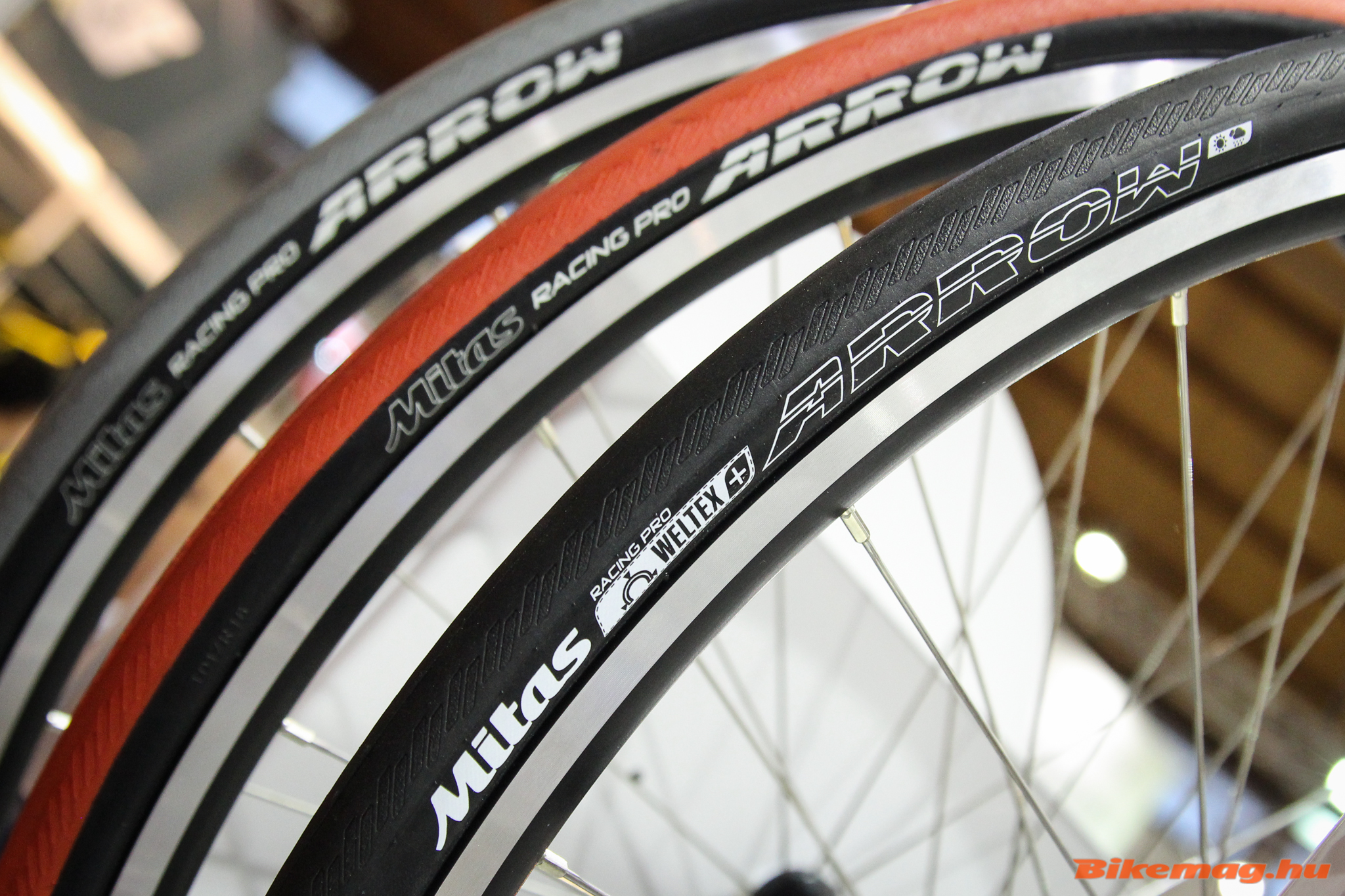
For the road-oriented tire range, the newly introduced Weltex+ technology needs mentioning. These models debuted last year and offer a layer of high-density polymer fibers — similar to those used successful MTB tires — from bead to bead, thus improving flat resistance while reducing the abrasive effect of the carbon rim on the tire’s sidewall. The Arrow model – specifically designed for racing – is available in 25 and 28 mm width, while the race-oriented Phoenix is ​​only available in a 23mm version. The Syrinx (in both 23 and 25mm) is designed to a training tire, available in wire-bead and folding Aramid variants. For the time being, none of Mitas road tires are offered as tubeless compatible, and we look forward to seeing when the Czech brand feels ready to make the leap into tubeless arena.

Mitas Arrow 2019

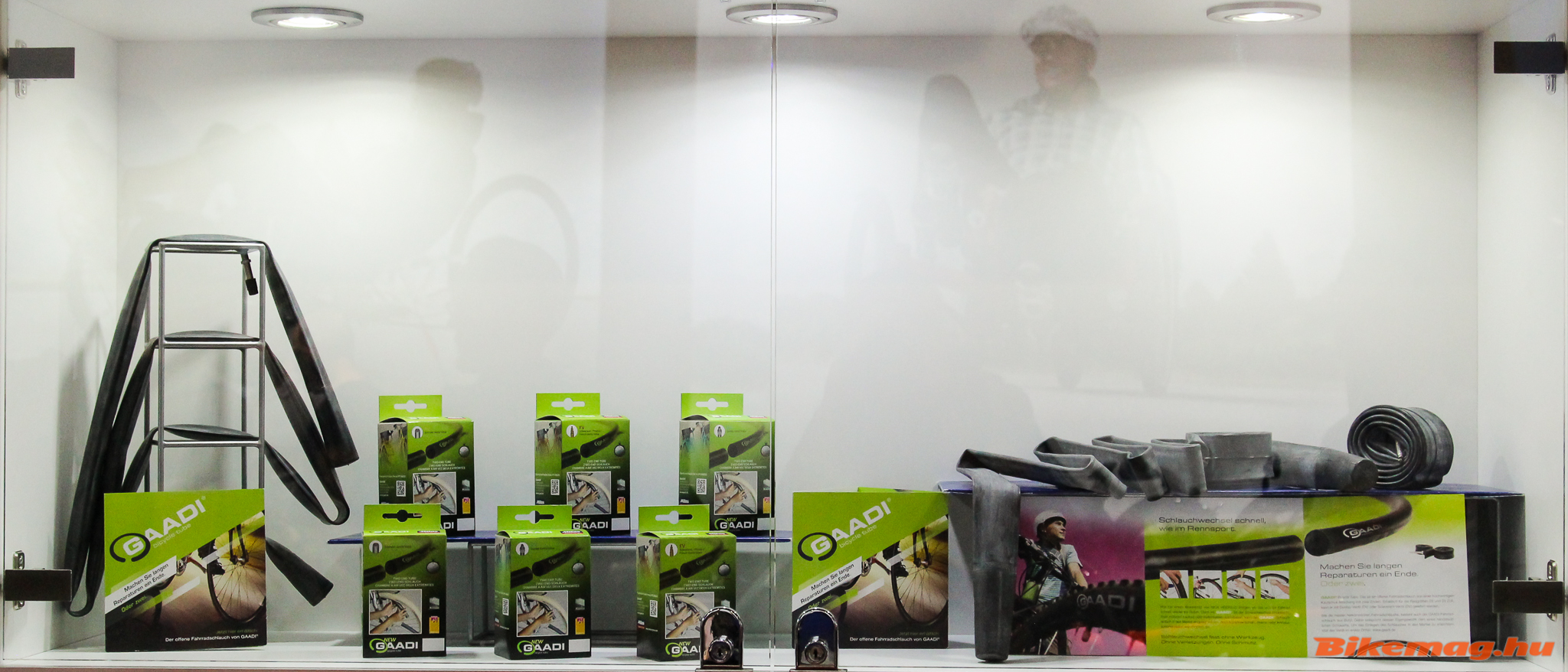
In addition to its tire selection, there is a wide choice of different sized Mitas bicycle inner tubes, equipped with either a special valve or pre-filled with a gel-based flat inhibitor. Our regular readers are probably familiar with the GAADI inner tubes, which can be replaced without removing the wheel. They offer a great advantage when doing roadside repairs, especially for hub geared urban bikes with fenders and rack or e-bikes with electric assistance. But since Mitas was one of the first tire manufacturers to do away with inner tubes, naturally several tubeless kits are also available for assembling a complete tube-free system.

Mitas GAADI range of interior

As this article demonstrates, Mitas respond quickly to the latest bike trends, with wider sized tires, the Czech brand is likely to win more and more customers. Their technology and know-how has been proven in many World Cup races, which is a clear sign that Mitas is on par with the German giants of the industry, while the cost of its top-class tires remain a pleasant surprise for the consumer.

The Choice of World Champions


Further information visit the Mitas Facebook page.
https://www.facebook.com/MitasHungary/

Az országúti maraton, amit nem szabad kihagyni! – Maraton Franja BTC City

Nehéz szavakba ölteni azt az élményt, amit a Maraton Franja BTC City-n éltünk át, egy tökéletesen szervezett verseny, hibátlan pályával és mindezt egy olyan országban, Szlovéniában, ahol a kerékpározás a legnépszerűbb sportágak közé tartozik.

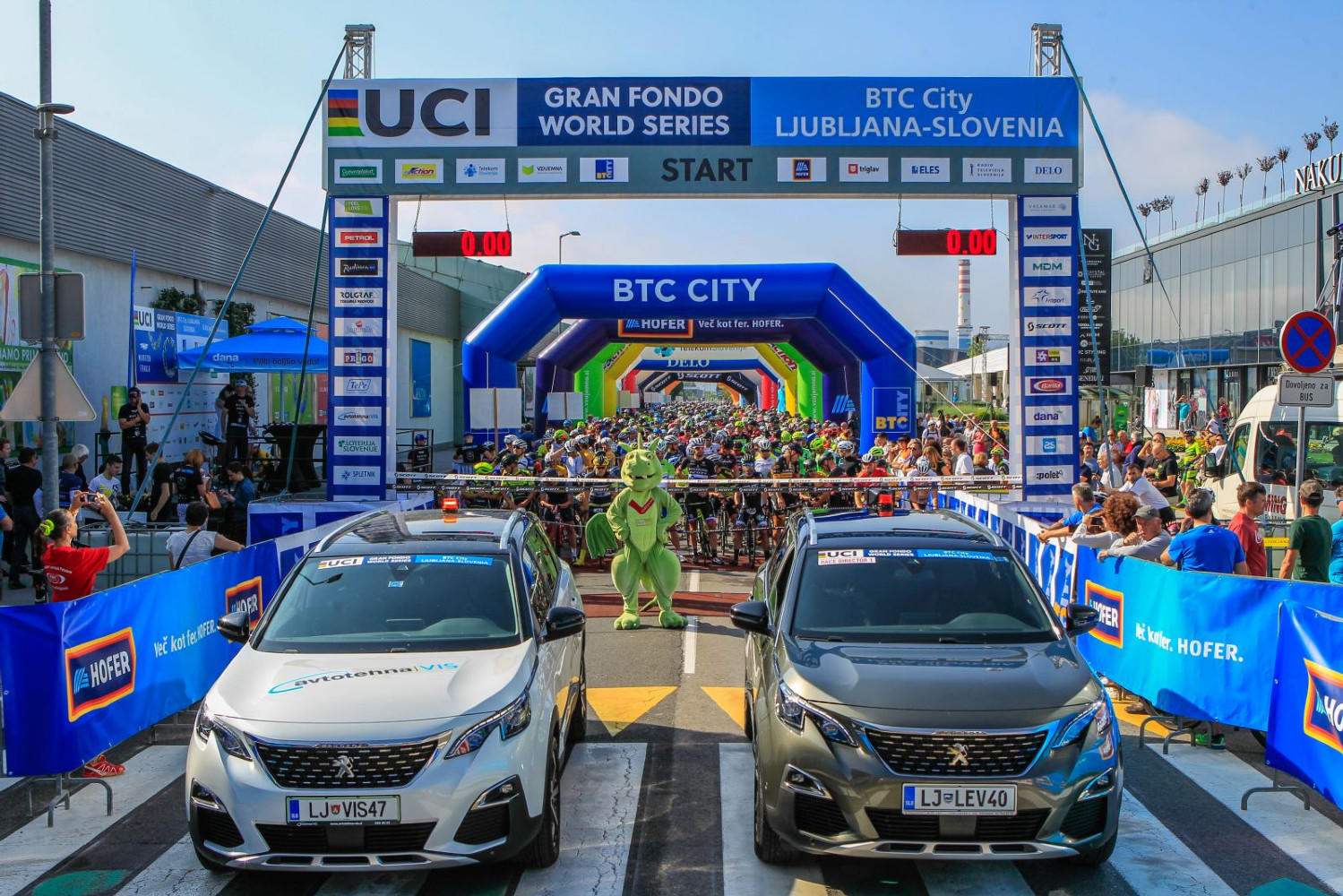
Tavasszal már bemutattuk déli szomszédunk legnagyobb országúti maratonját, mely egyébként az UCI Granfondo sorozatának is része, júniusban viszont ellátogattunk a háromnapos rendezvényre, hogy mi is átélhessük ezt a háromnapos bringás ünnepet Szlovénia fővárosában, Ljubljanában.

Fotó: Franja.org

Mivel úgy terveztük, hogy egyikünk az időfutamon is elindul, így péntek kora délután érkeztünk Ljubljanába, az út mindösszesen csak 4 óra volt Székesfehérvárról, pedig a szlovén-magyar határon éppen szélesítették az utat. A szállás elfoglalása után a rajthelyszínre (BTC City, innen indult az összes verseny) igyekeztünk, de egy nem várt esemény lassított le minket, a rajt előtt 2 órával már teljesen zárták az utat így a fél várost megkerülve értük el a rajtközpontot. Itt már sejtettük, hogy igazán komoly, profi versenyről lesz szó, nem véletlenül UCI minősítésű és a szlovén országos bajnokság egyben az amatőrök futama mellett. (Tanulság, jövőre korábban megyünk vagy hátulról közelítjük meg a rajthelyszínt).

Sajnos az időfutam nem jött össze, mert Niké váltófüle letörött bemelegítés közben, így nem tudunk beszámolni, hogy belülről milyen volt a verseny. Bár azt érdemes elmondani, hogy komoly felhőszakadás kísérte az időfutamot és estek keltek a versenyzők a kanyarokban (akárcsak Tour de Hongrie prológján), mondjuk azt, hogy a sors keze volt ez a „kis” technikai probléma. Egyébként volt magyar induló az időfutamon, az UCI versenyen Király Móni állt rajthoz, míg az amatőrök között Ányos Szilvia állt a dobogóra.

Fotó: Franja.org

Szombaton a gyerekversenyeket és a városnéző túrát kihagytuk, helyette a vasárnapi maraton hegyét jártuk be. Hihetetlenül gyönyörű Ljubljana és környéke, bár a hegyek nem magasak, de a táj egyértelműen alpesi, legelők, tehenek és a hozzájuk tartozó kellemes illat. Nem mellesleg az autósok is barátságosak, senki nem akart elütni, letolni minket az útról, néha már nekem volt kellemetlen, hogy ennyire vigyáznak ránk és feltartjuk a forgalmat.

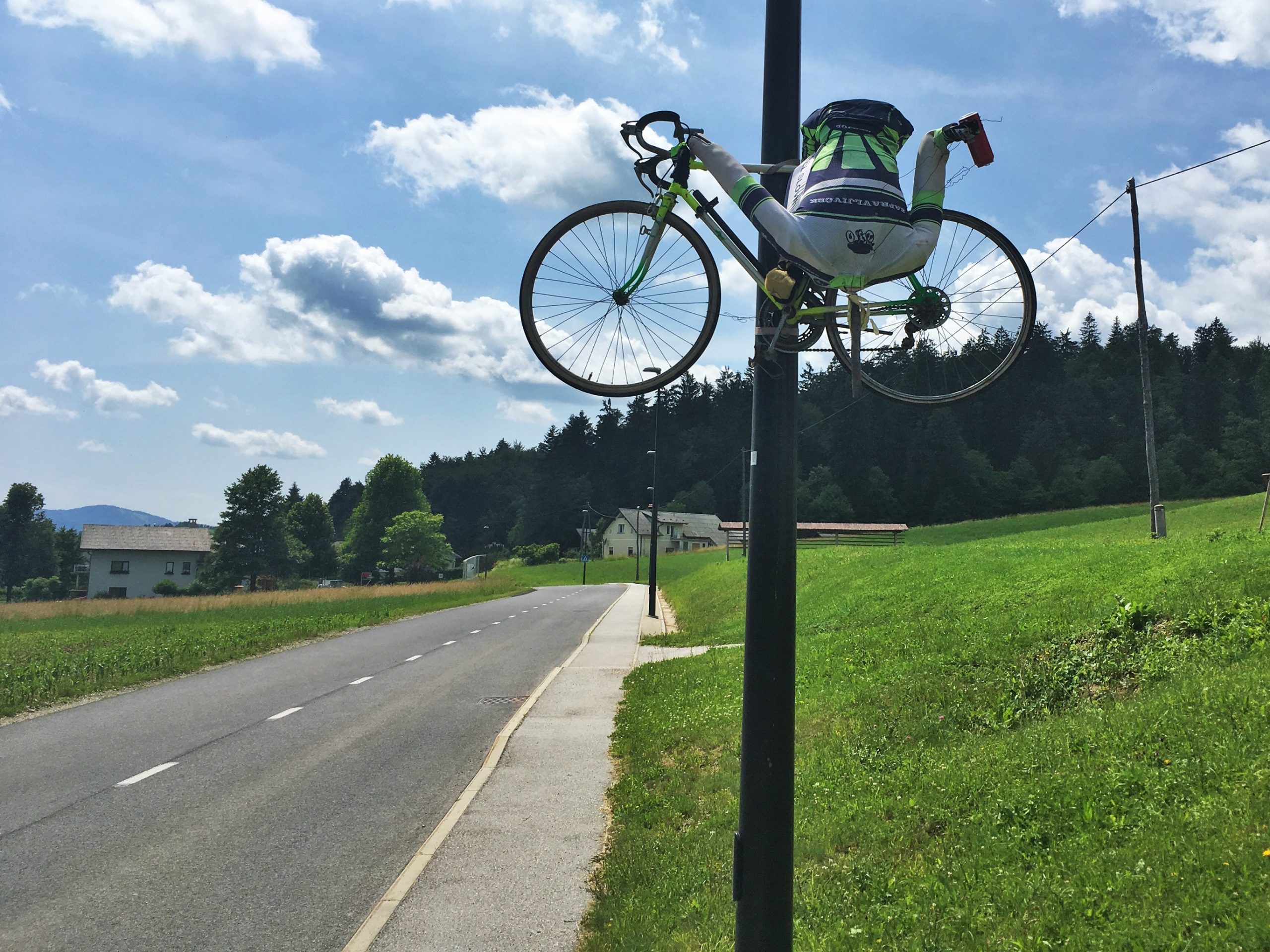
Nem tudjuk mit akar szimbolizálni. Lehet azt, hogyha túl gyorsan megyünk, feltekeredünk a villanyoszlopra 🙂

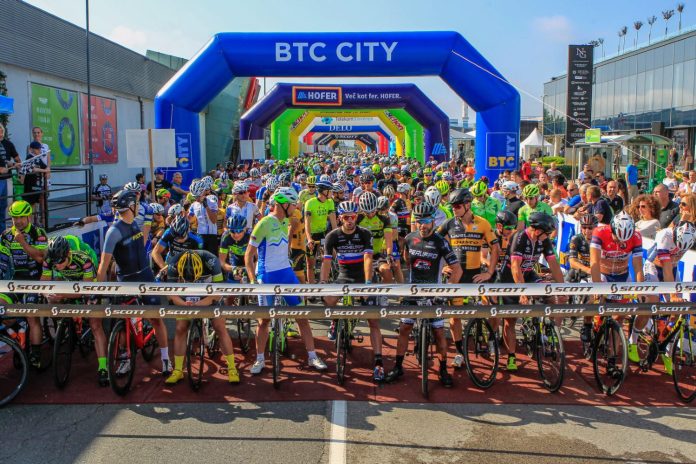
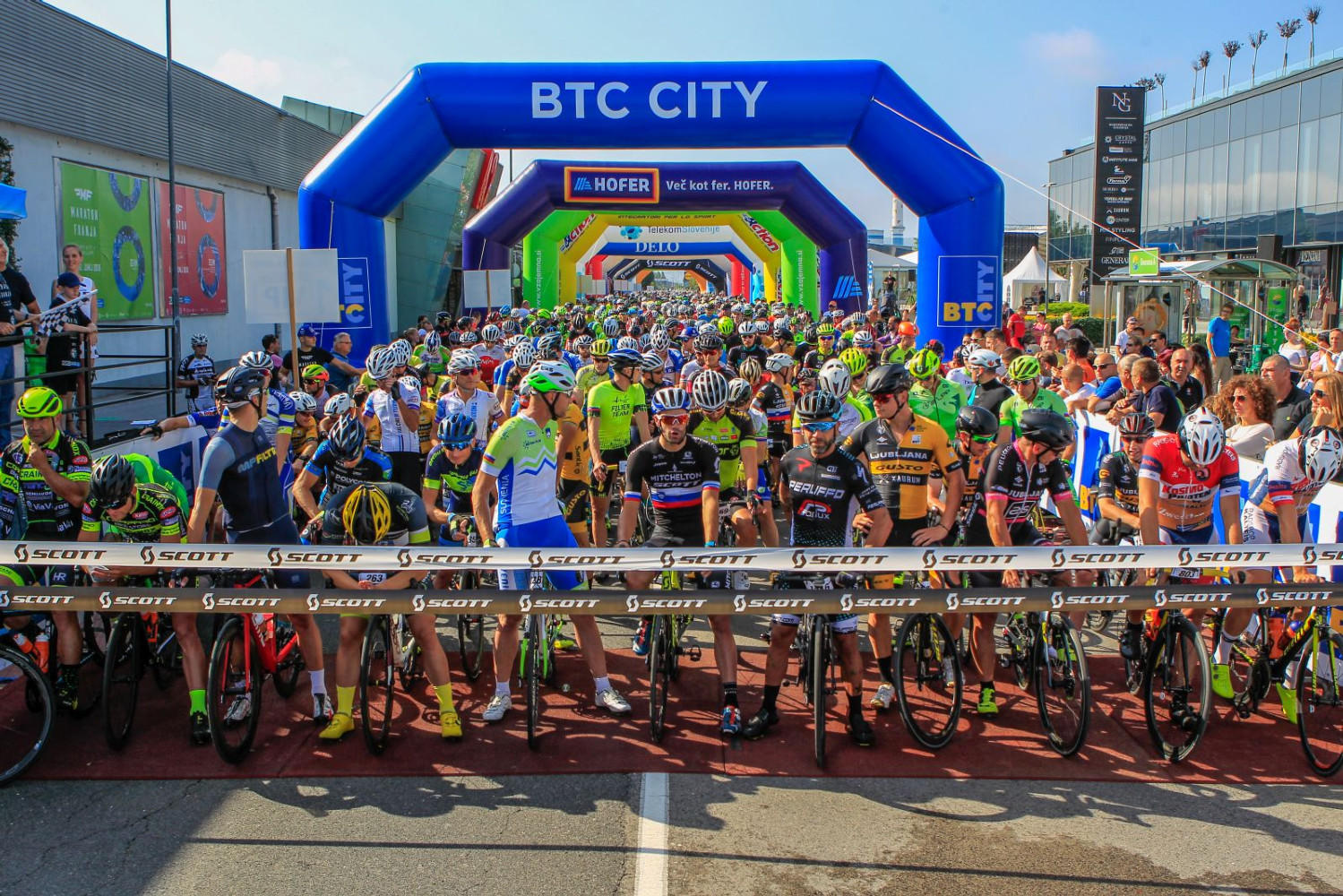
Különböző egészségügyi okokból vasárnap egyikünk sem volt fizikálisan a topon, de a várva várt Franja Maratont nem hagyhattuk ki. A pénteki tapasztaltok alapján úgy döntöttünk, hogy kicsit korábban megyünk ki a rajt helyszínére, ki tudja mennyire lesz dugó, tudunk-e majd parkolni, így a hosszú, 156 km-es táv rajtja előtt egy órával értünk, a saját rajtunk, 97 km-es táv, előtt 2 és fél órával értünk ki. Hát mi mondjak, meglepetés fogadott minket, semmi dugó, millió parkoló hely, amire a magyarázat nagyon egyszerű volt, BTC City egy bevásárló központ negyed Ljubljanában, ami vasárnap zárva van. Szóval volt időnk még bőven nézelődni a rajtunk előtt.

Ilyen kivetítőn lehetett nézni, hogy mi zajlik a pályán

Két dolog, amit kiemelnék a rajt előtti nézelődésből. Az egyik, ennyi rendőrmotorost még életemben nem láttam egy helyen, mondták, hogy jó lesz a biztosítás, de azt nem hittem volna, hogy ilyen mennyiségű motorost használnak hozzá. A másik, a magyar szemmel elsőre szigorúnak tűnő box rendszer, ami szerintem igen fontos egy ilyen rendezvénynél, mindenki az eredményei alapján vagy a licence alapján került besorolásra az adott boxba, amit a szervezők példásan ellenőriztek, ráadásul montival vagy trekkinggel csak hátulról szabadott indulni, ezzel elkerülve a felesleges veszélyforrást.

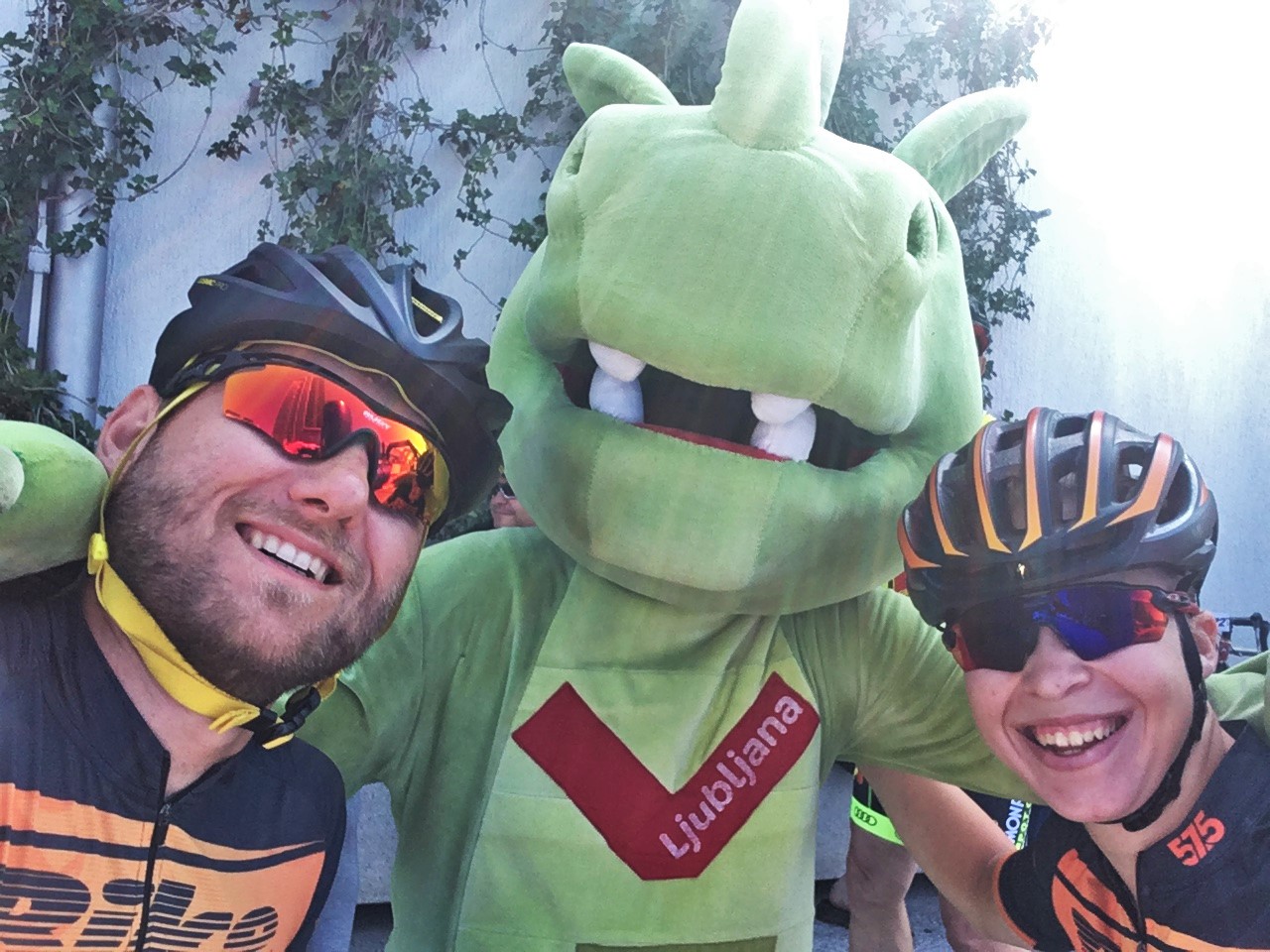
Elkapott minket a sárkány egy fotóra 🙂

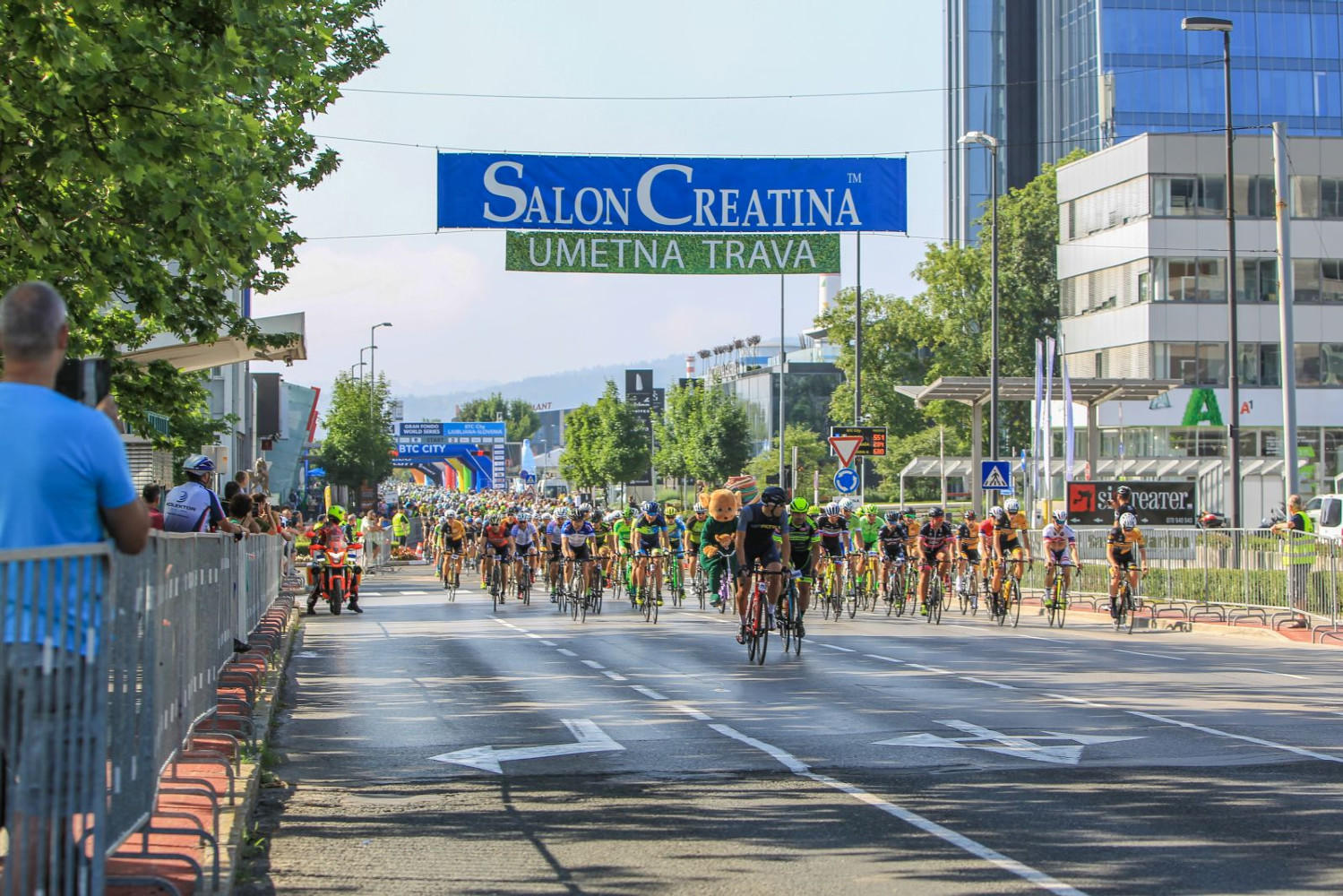
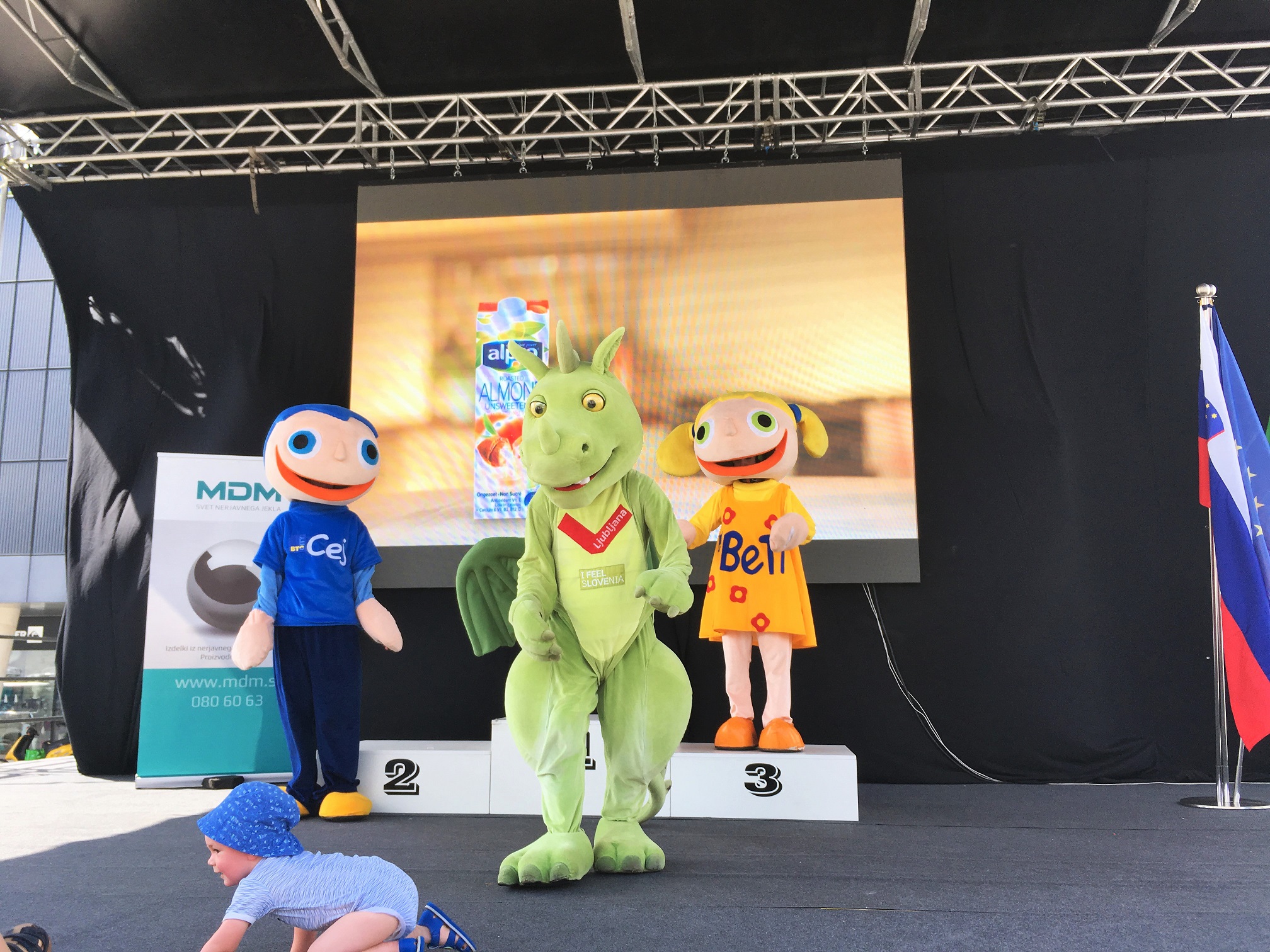
Nekünk szerencsénk volt, nem kellett sietnünk a rajtba beállással, mert a főszervező meghívott minket a VIP boxba és így a rajt előtt még pár perccel is a kabalaállattal fotózkodhattunk 🙂 . A rajt az esemény rangjához méltó volt, beszédek, szponzorok, már itt látszott, hogy valószínűleg jól szervezett esemény lesz. A rajt után pillanatok alatt 40 km/h óra fölött volt a tempó és ez még csak a lassú rajt volt, érezhető, hogy a szlovén amatőr bringások elég komoly erőt képviselnek. A széles főút teljesen zárva volt, sehol egy autó, még az útszélén sem (egyébként az egész verseny során nem volt nem a versenyhez tartozó jármű az úton), biztonságban hagyhattuk el a szlovén fővárost. Az éles rajt után még rákapcsoltak a srácok elöl és óriási tempóban száguldottunk el a hegy lábáig, ahol gyorsan eldőlt, hogy kik igazán az erősek. Itt mi is saját tempóra váltottunk és elengedtük az élmezőnyt. Maga a mászás is örök élmény marad, szerencsére nem volt meredek így nem az marad meg róla, hogy az életünkért kell küzdenünk, hanem a rengeteg szurkoló, zene a hegytetőn, hihetetlen emlék lesz mindörökre.

Fotó: Franja.org

A lejtő volt az egyetlen szakasz, ahol nem tökéletes minőségű aszfalton kellett bringáznunk, volt rajta néhol egy-egy repedés, persze a magyar viszonyokhoz képest még mindig átlagon felüli. Egy számomra vicces szituáció is előfordult lefelé, kb kétszer 20 méteren felmarták az utat a lejtő aljában és az egyiknél az egyik bringás leszállt és a vállán vitte végig a kerékpárját… mit csinált volna bizonyos hazai versenyeken? 🙂

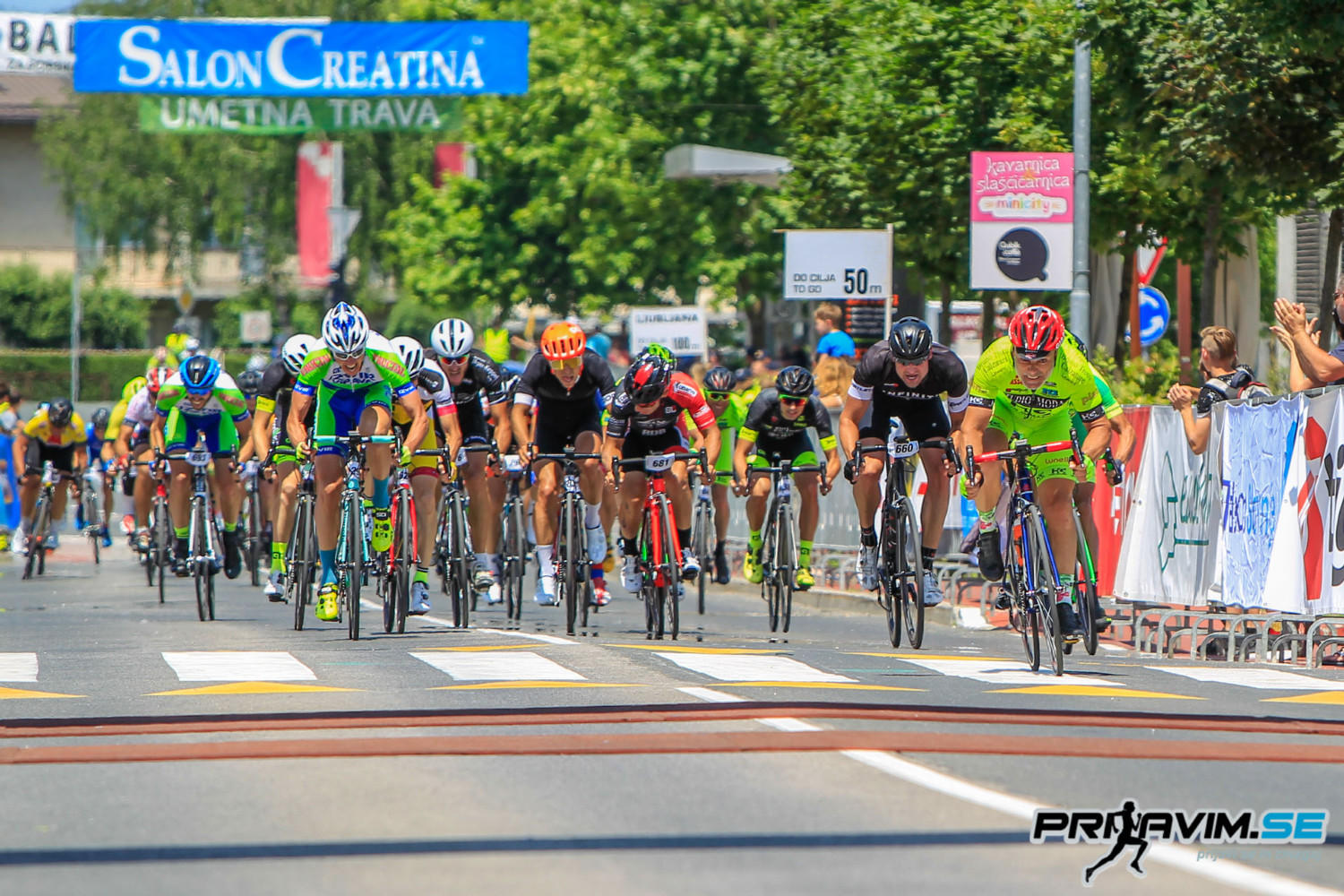
A síkon pár kilométer után egy óriási bollyá duzzadtunk, ami elég szép sebességgel halad, de mivel nem voltak nagyobb emelkedők már a célig, így lényegében csak kormányozni kellett a mezőnyben. Az ilyen létszámú versenyek hatalmas előnye, hogy ritkán maradunk egyedül, mindig van boly, ahol lehet kényelmesen bringázni, vagy versenyzőset játszani. Az élmezőny után lehettünk már jó pár perccel, de még nekünk is tökéletes útbiztosítás járt, sőt minden kisebb boly is külön motorost kapott, nem véletlenül láttunk annyi motorost a rajtnál.

Ljubljanába beérve autómentes utak fogadtak minket, az út teljes szélességét kihasználhattuk, olyan érzés fogott el, mintha valamelyik nagy körversenyen lennék. Bár a sokadik helyért mentünk, az utolsó kilométereken megindult a verseny a mi bolyunkban is, imádtam ahogy a körforgalmakban, kanyarokban száguldottunk a cél felé. Persze végül nem én nyertem a sprintet, de így is örökre megmarad ez az élmény.

Fotó: Franja.org

A célban megkaptuk a befutóérmet (UCI felirattal!), emellett volt innivaló, joghurt, tésztaparti meg minden, ami egy ilyen rendezvényen szokott lenni. Az eredményhirdetésnek is megadták a módját, óriási színpad a sátor mögött, kabalaállatok a gyerekeknek és profi szpíker, tipikusan az a hely, ahonnan nem akarunk azonnal hazamenekülni a verseny után…


Ahogy a címben is szerepel, a Franja Maraton BTC City az az országúti maraton, amit nem érdemes kihagyni, hihetetlenül jól szervezett (ilyen útbiztosítást még a Magyar Körversenyen sem láttam!) és a szlovén természeti adottságokkal és a kerékpársporthoz való hozzáállással párosítva garancia arra, hogy örök élmény lesz.
Egy biztos, jövőre mi újra ott leszünk!

További információk:
http://en.franja.org/homepage.html

Győzött a legerősebb: Manuel Belletti

Fotó: Tdh.hu

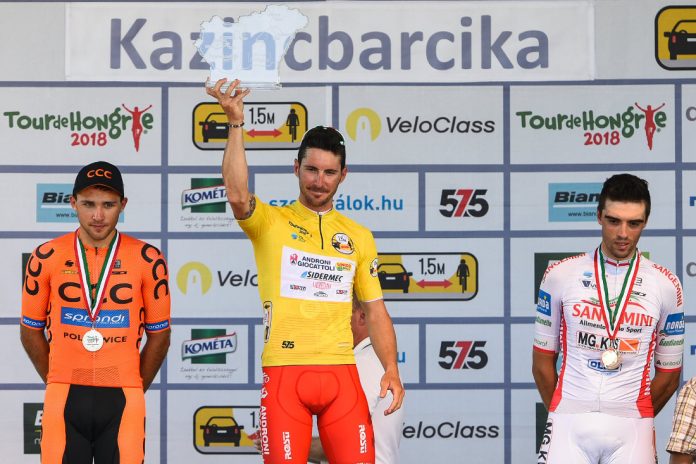
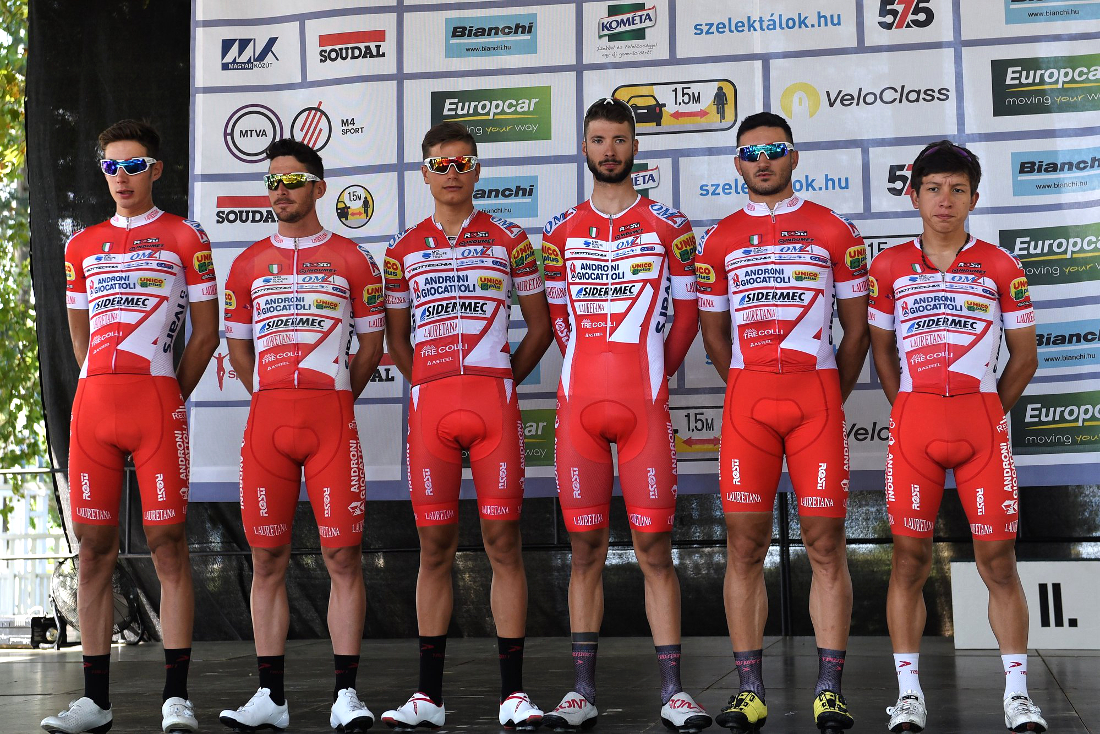
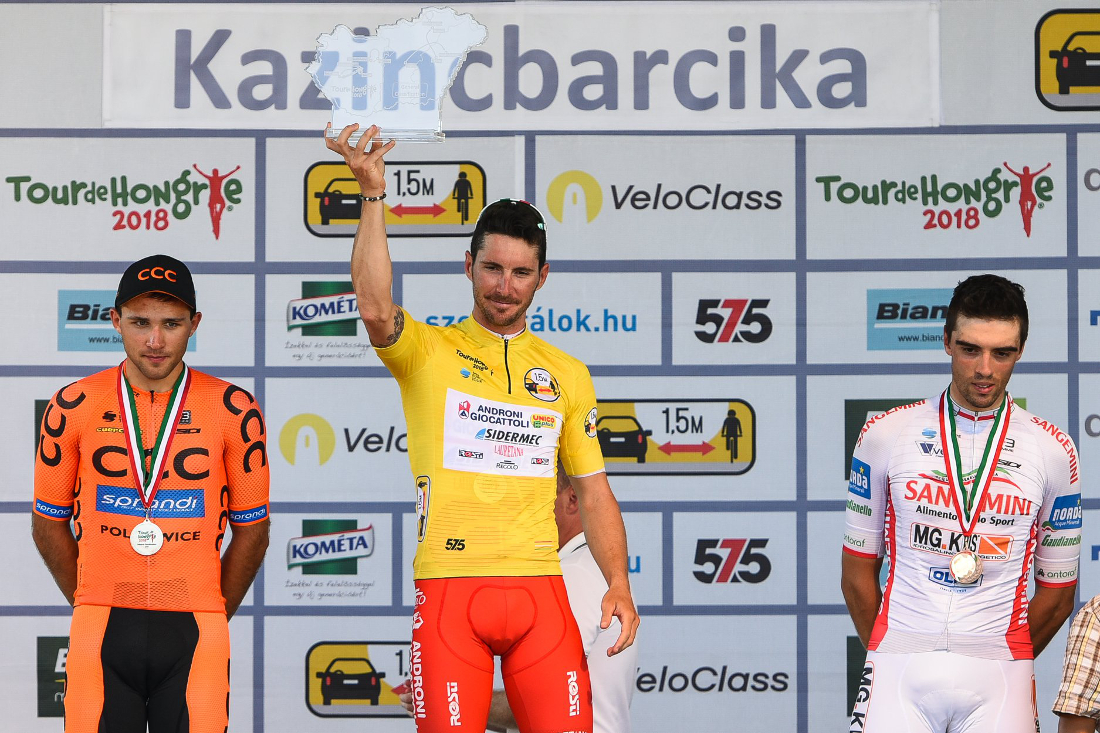
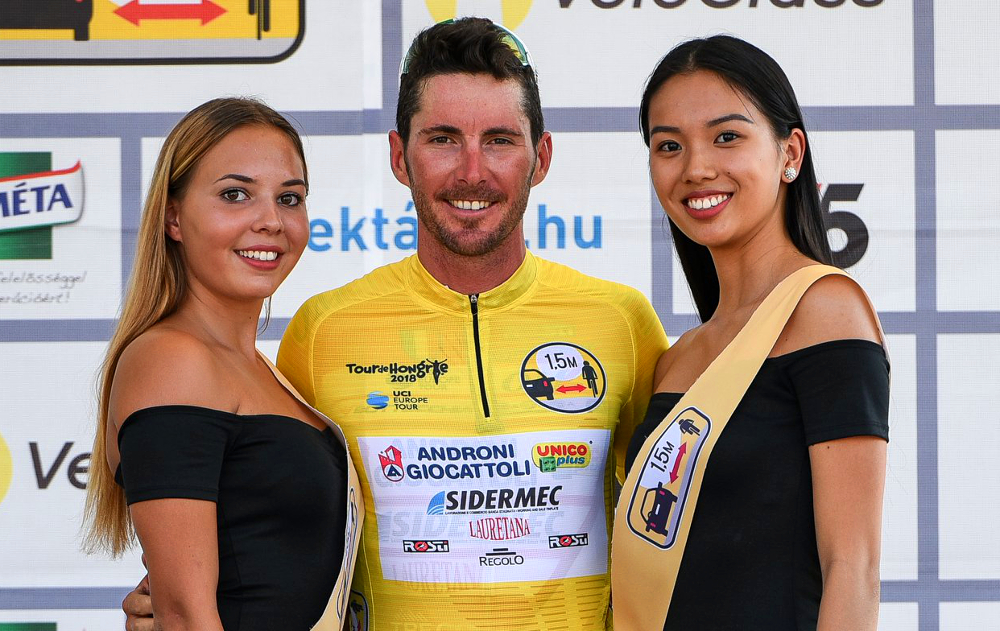
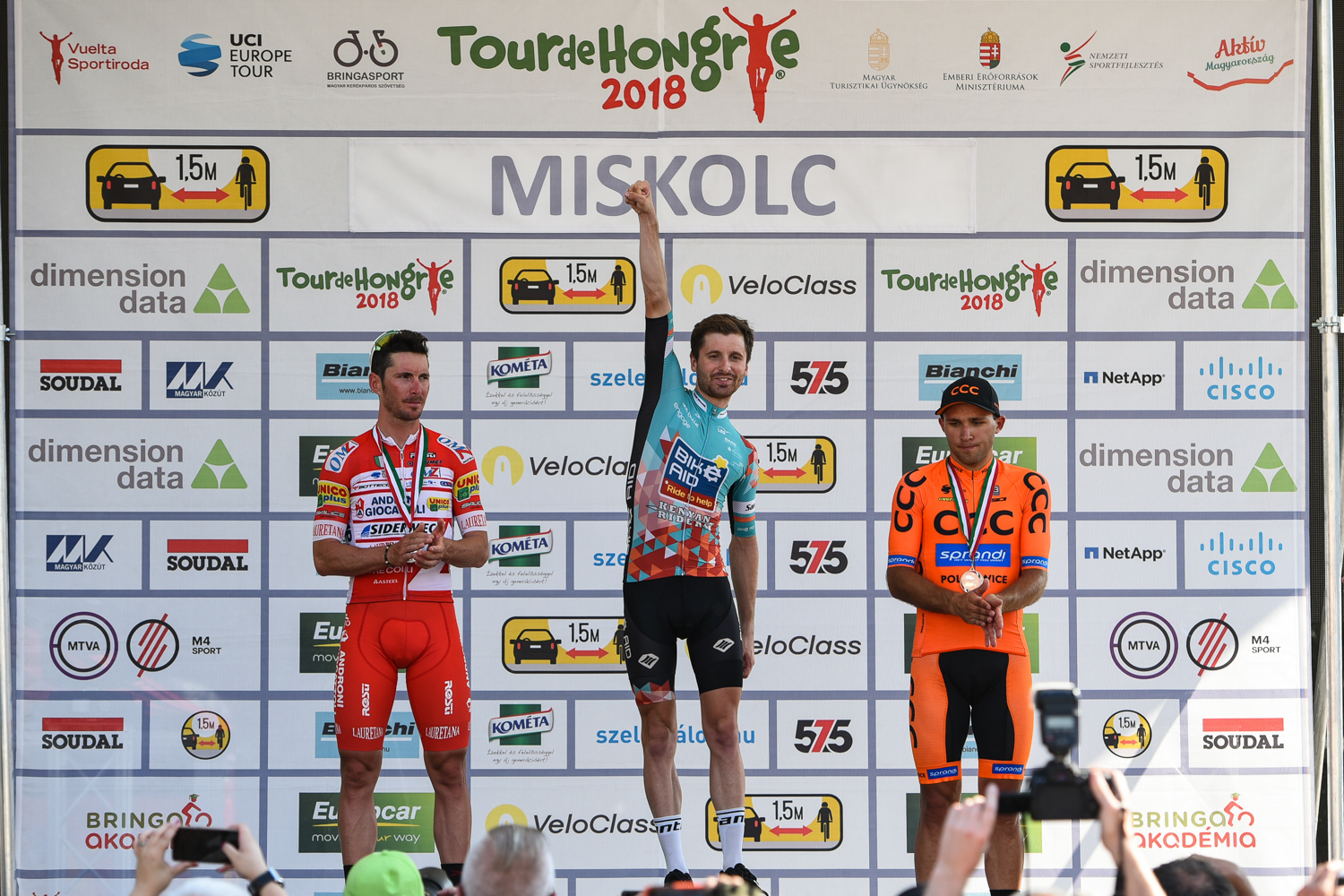
A harminckét esztendős Manuel Belletti meggyőző teljesítménnyel nyerte meg az UCI 2.1-es kategóriájú Magyar Körversenyt. Az Androni Giocattoli Sidermec 1-es rajtszámot viselő versenyzője a Tour de Hongrie során csupán az utolsó etapon nem került be a legjobb három közé, ennek egy bukás volt az oka. Az összetett versenyben a Szingapúr becenevet viselő Vasco Bergamaschi 1930-as diadala után másodszor született olasz győzelem.

Fotó: Tdh.hu

A 2018-as Tour de Hongrie versenyén három prokontinentális csapat (az olasz Androni mellett a lengyel CCC Sprandi Polkowice és az amerikai Team Novo Nordisk), három nemeti válogatott (a szerb, a román és a magyar), továbbá tizenhárom kontinentális profi klub vett részt.

Fotó: Tdh.hu

A 129 fős mezőnyből kiemelkedett Manuel Belletti, aki már az első szakaszon az összetett élére állt, s végül meg is szerezte az első helyet. A prológon, a siófoki 3,5 kilométeres egyéni időfutamon Belletti a harmadik legjobb időt tekerte, az első szakaszon, Keszthelyen megszerezte a szakaszgyőzelmet, Székesfehérváron a harmadik, Hajdúszoboszlón és Miskolcon pedig a második helyen ért célba. Csak a záró szakaszon, Kazincbarcikán maradt el a dobogós helyezést, de a ragyogóan hajrázó olasz itt is jó pozícióban volt a sprint előtt, ám a célegyenesre vezető kanyarban egy bukás történt előtte, így végül a 19. helyen gurult át a célvonalon.

Fotó: Tdh.hu

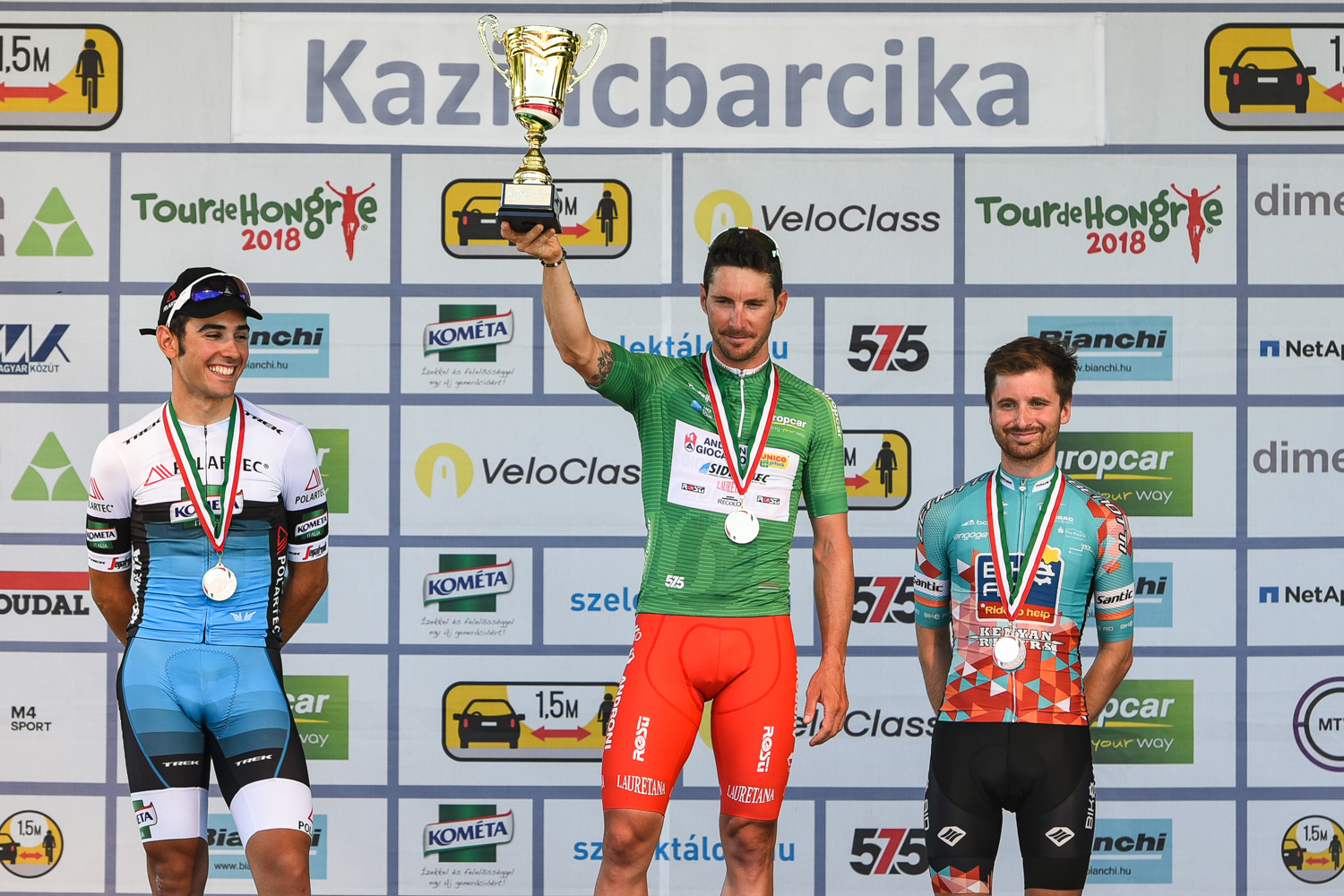
Egész hetes remek teljesítményéből természetesen kivették a részüket a csapattársak is – az olasz Marco Benfatto, Raffaello Bonusi, Fausto Masnada, Matteo Spreafico és a Costa Rica-i Kevin Rivera –, akik az első pillanattól kezdve sikeresen védték a sárga trikót. Sőt, Belletti a remek helyezéseknek köszönhetően a gyorsasági pontverseny legjobbjának járó zöld trikót is hazavihette.

Manuel Belletti 2008-ban, huszonhárom évesen az Androni csapatánál lépett a profik táborába, majd 2010-ben a Colnago-CSF Inox prokontinentális csapatához került. Ebben az évben érte el pályafutásának egyik legfényesebb győzelmét, megnyerte a Giro d’Italián a Porto Recanati és Cesenatico közötti 223 kilométeres szakaszt.

Fotó: Tdh.hu

2012-ben World Tour-csapathoz került, a francia AG2R La Mondiale együttesében két szezont töltött, aztán visszatért Olaszországba, ahol több prokontinentális klubban is megfordult. Összességében a negyedik szezonját tölti az Androni Giocattolinál.

Pályafutása során nyolc alkalommal vett részt a Giro d’Italián, de többször rajthoz állhatott a Milánó-San Remo és a Flandriai Körverseny klasszikusain is. Profi versenyeken összesen tizennégy győzelmet aratott. Mindemellett gyűjteményében nagyon fontos helyet kap magának a Tour de Hongrie-n szerzett trófea is.

Fotó: Tdh.hu

„Nagyon boldog vagyok! Több mint tíz éve szerepelhetek a profik között, de ez az első körverseny, amelyet meg tudtam nyerni, és ez számomra nagyon fontos – nyilatkozta Belletti a kazincbarcikai befutó után. – A csapat nagyon jó volt ezekben a napokban, mindenkinek köszönetet kell mondanom. A hozzám hasonló sprintereknek kevés esélyük van egy körverseny megnyerésére, ezért a Giro d’Ungheria mindig is a legszebb emlékeim közé tartozik majd!”

„Gratulálok az egész csapatnak, különösen Manuelnek, aki megérdemli ezt a sikert – tette hozzá Gianni Savio, az Androni Giocattoli Sidermec csapatvezetője. – Boldog vagyok, mert két évvel ezelőtt kölcsönös félreértések miatt az útjaink szétváltak, de most, hogy Manuel visszatért hozzánk, kitűnő szezont fut!”

Mali Skorpio Bike Review – A Scorpion you do not have to Fear!

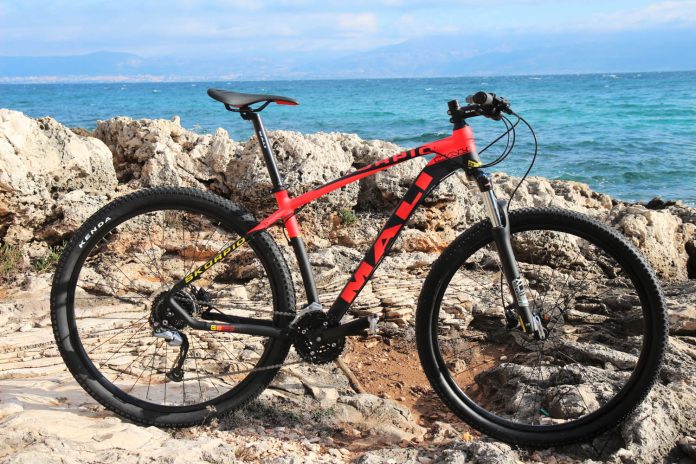
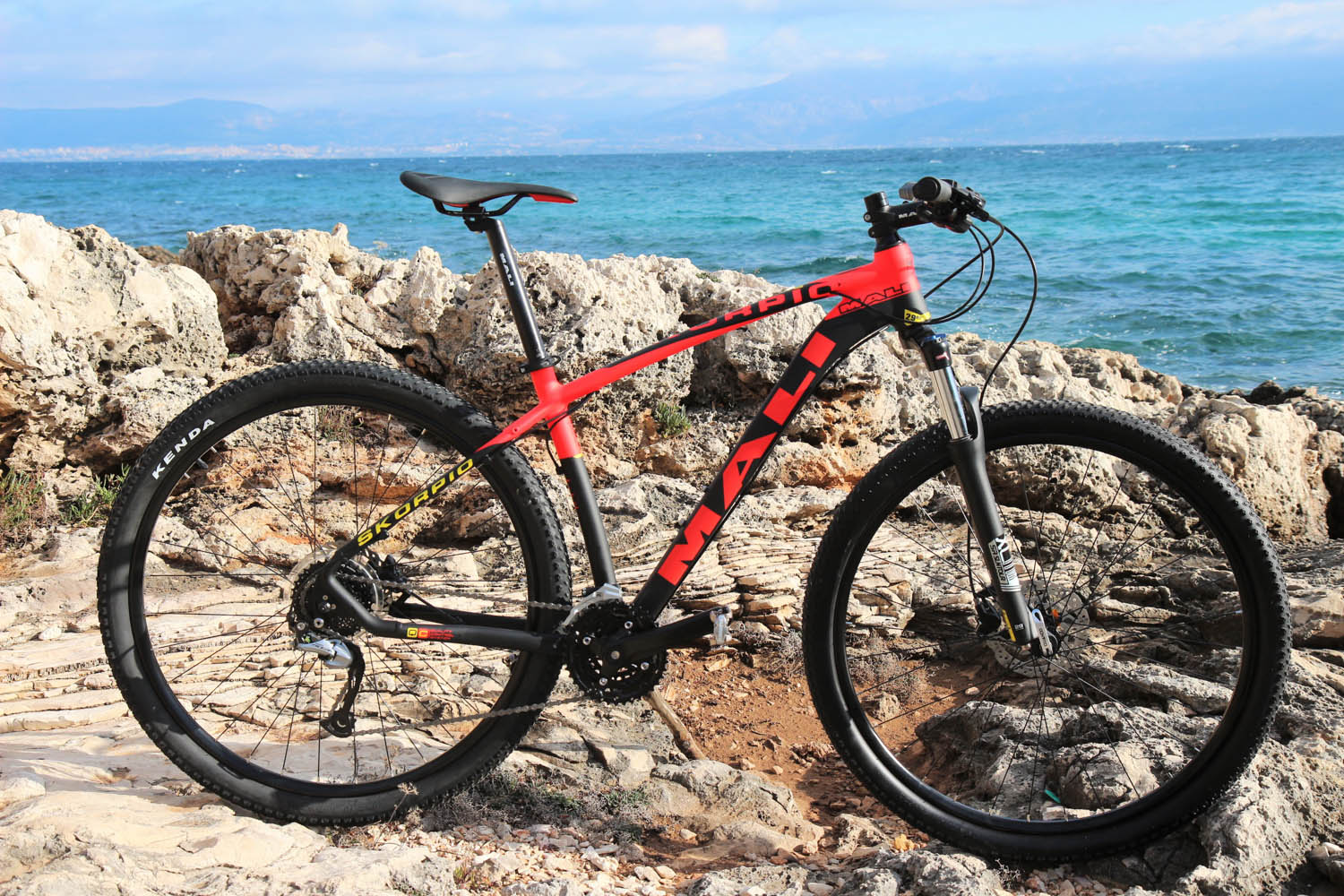
Mali is a domestic manufacturer with nearly three decades of manufacturing experience, the creator many popular bikes in the entry level category. The Mali Skorpio is such a model, a real gem offering a number of extra features for beginner mountain bikers at truly affordable price.

Mali did not start making bicycles just yesterday, throughout the last three decades it offered many legendary models. Older generation of Hungarian cyclist can surely list a handful from the top of their head: for example, the Mali road bike range featured the extremely popular Ironman model, a trustworthy companion, much in the hearts of many cyclist even today. years ago, as a beginner mountain biker, I did my research before purchasing the first serious machine, adding some Mali models to the list of potential models. In the end I did not end up owning any of them, so I had to wait until 2018 to actually give a Mali bike a proper test. It is the latest iteration of the ever-popular Skorpio model. I was not disappointed at all: it truly outperformed my expectations!


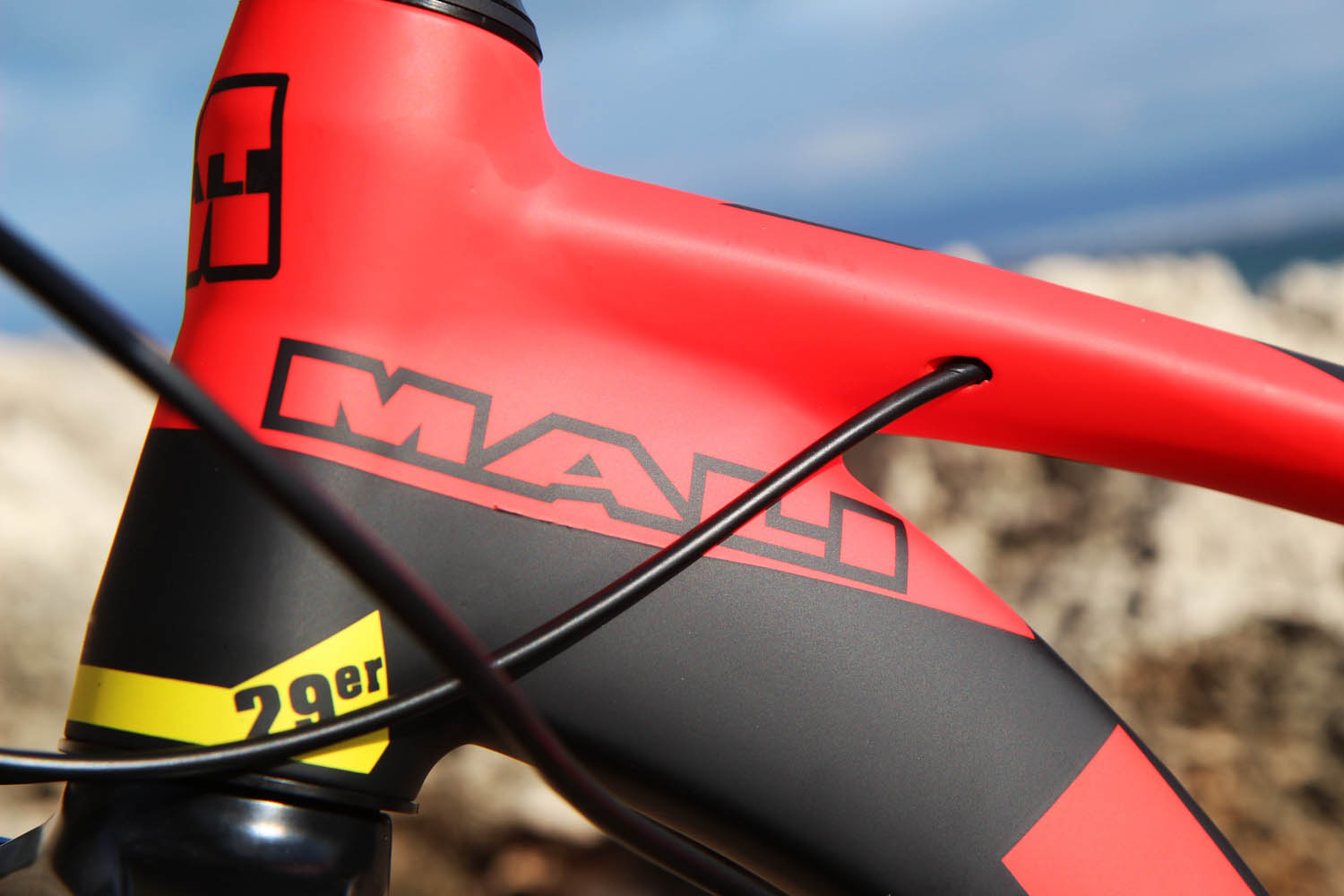
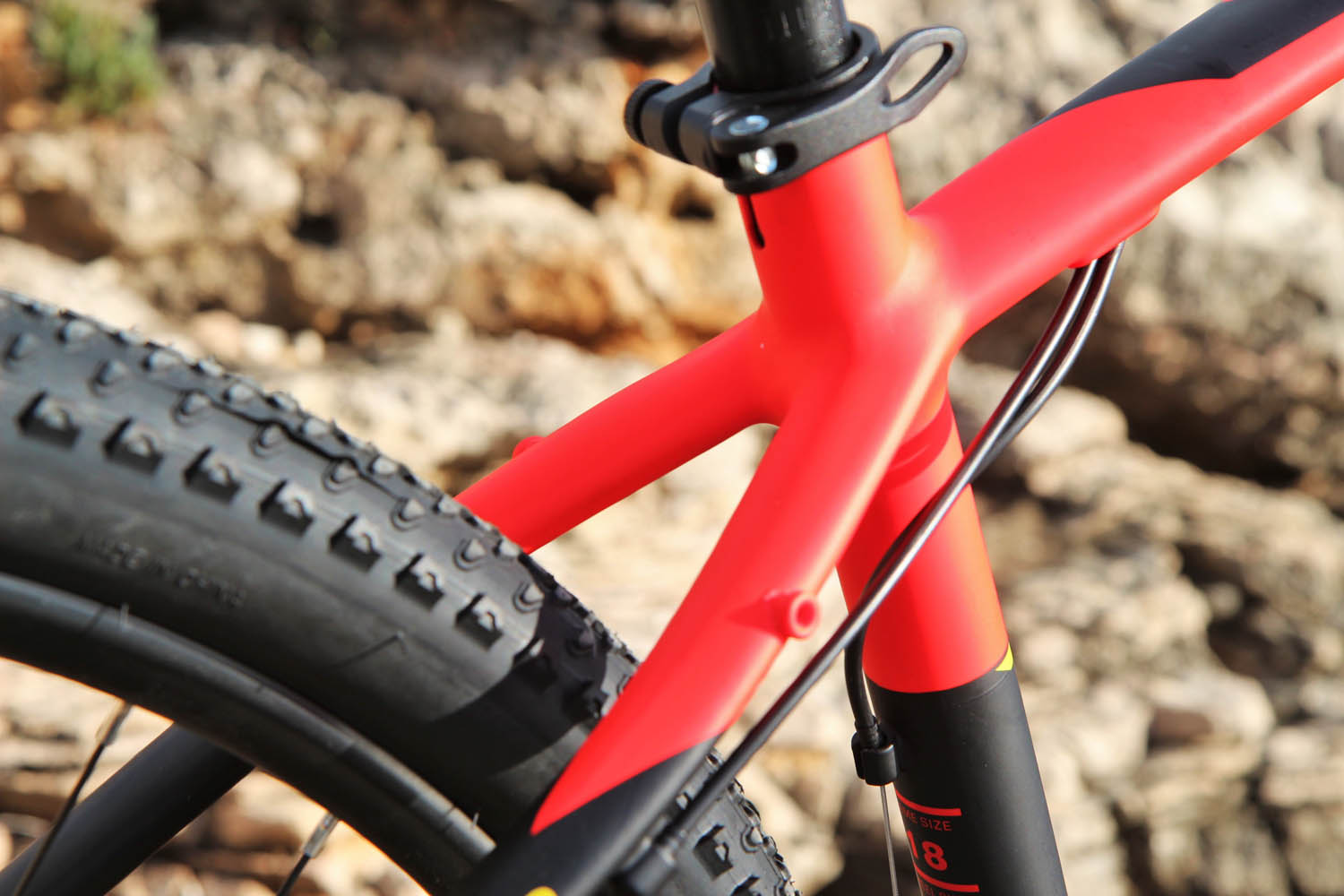
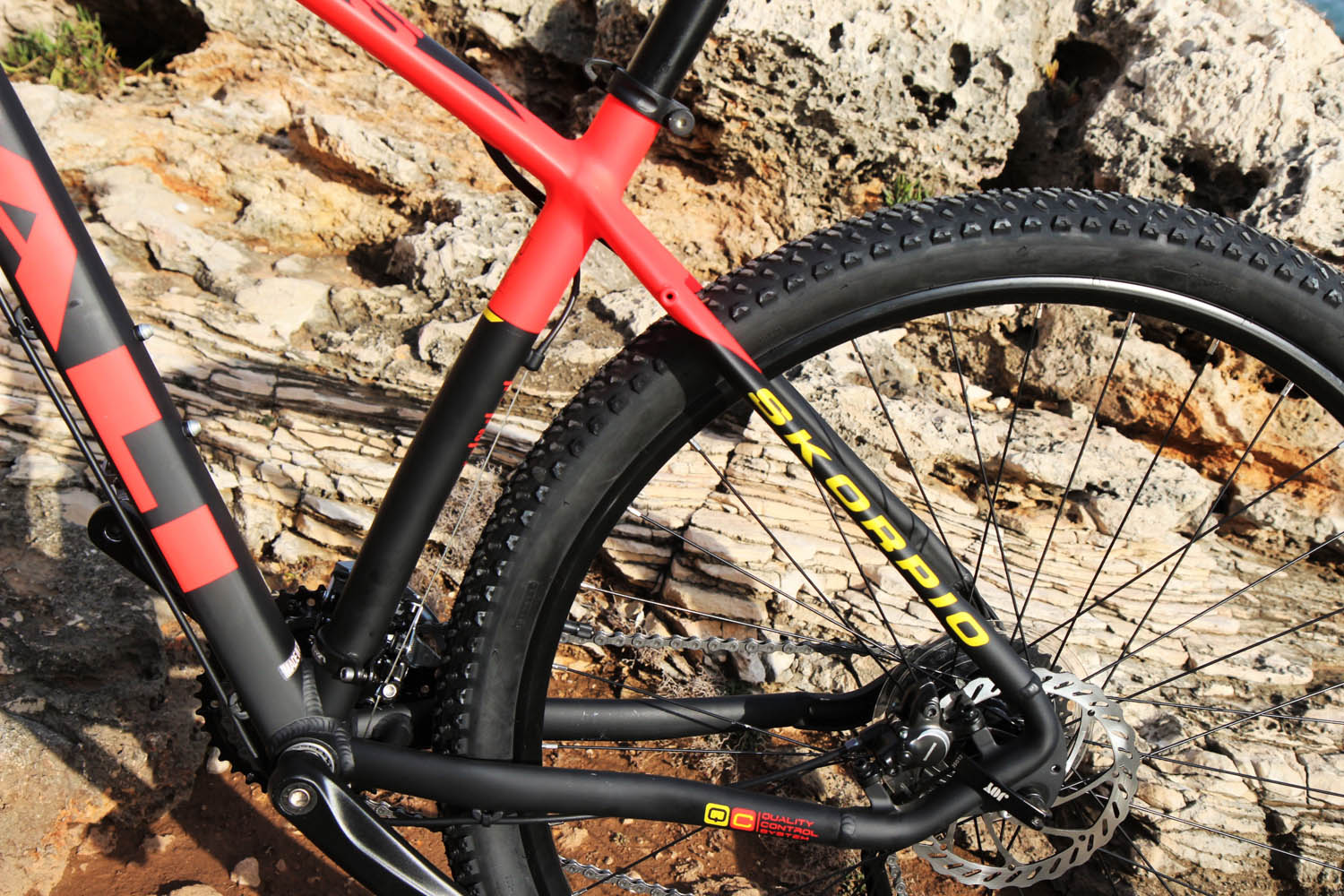
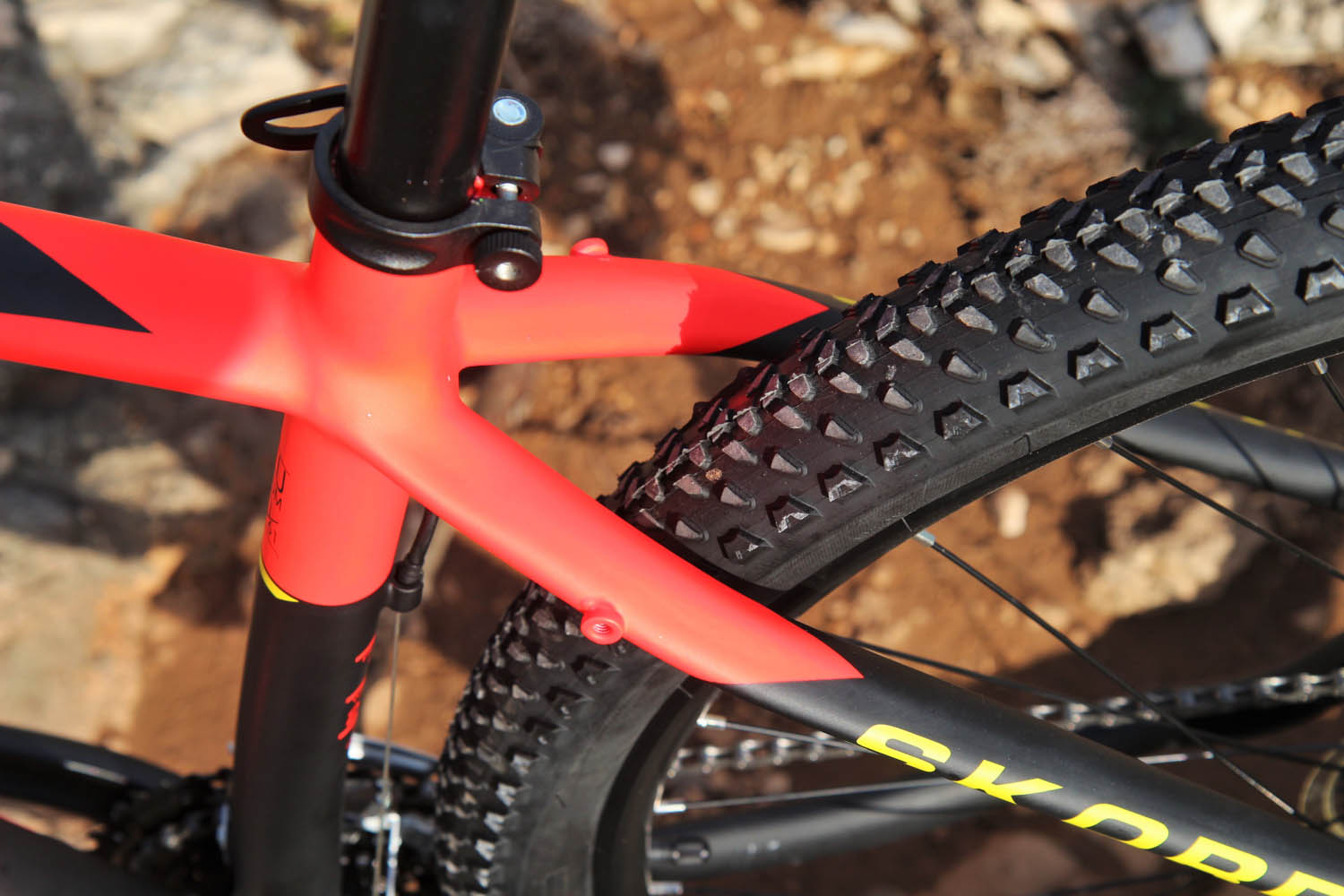
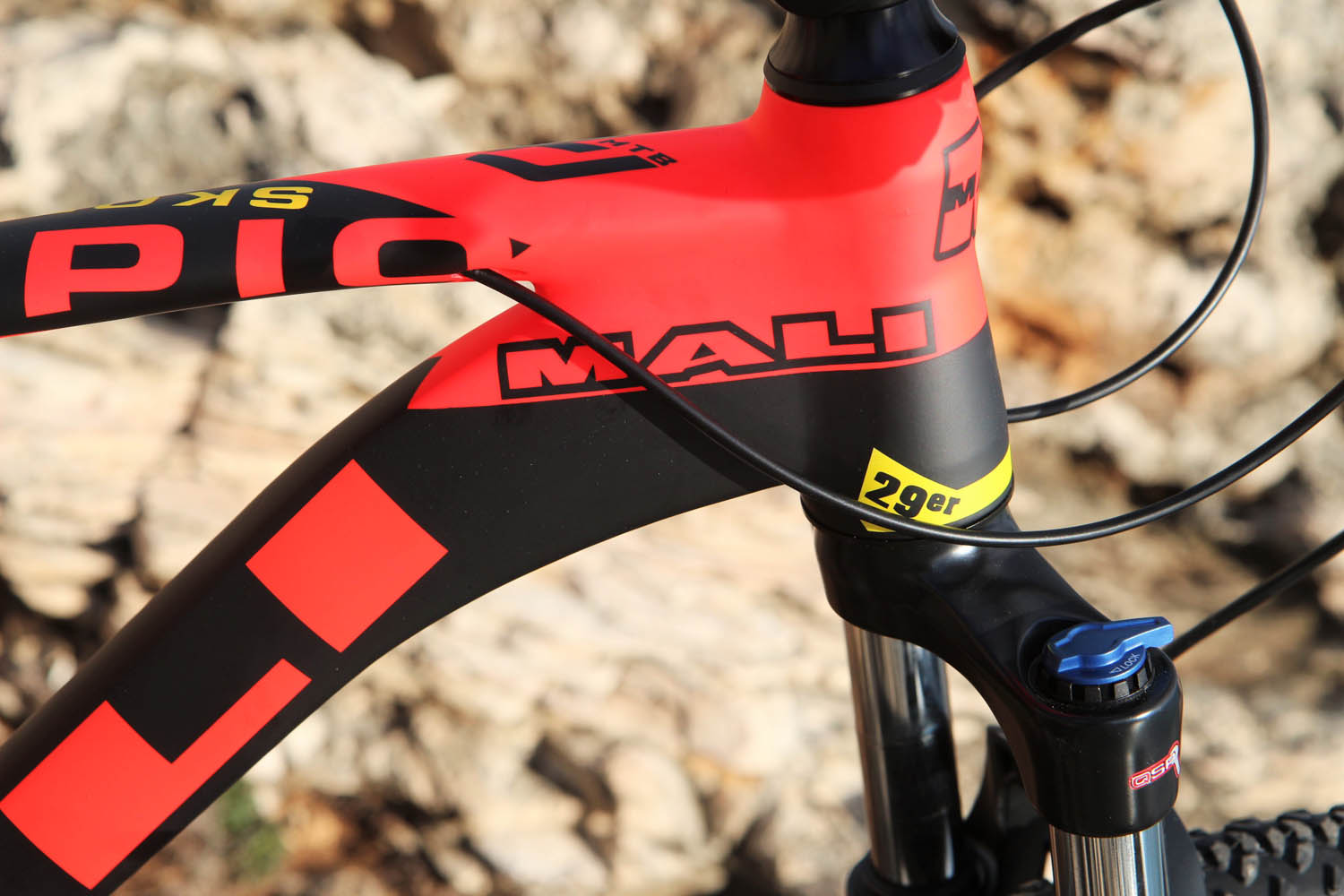
Compared to other bikes in the entry level category, Mali Skorpio has a nice frame design, and it’s not merely the vivid red color scheme that attracts attention. The Skorpio also excels in the technology aspect. Expert riders will quickly notice the smooth welds on the frame, which are pleasing to the eye, making the bicycle look as if it was made from carbon composite. In the past, only top-of-the-line aluminum models had this technology, making them the coarsely “stitched” look. It made them special, and it’s exactly the reason I fell in love with my former bike. The light, triple butted tubes get hydroformed shaping, which not contributes to the elegant appearance, but has a positive effect on its strength-to-weight ratio.


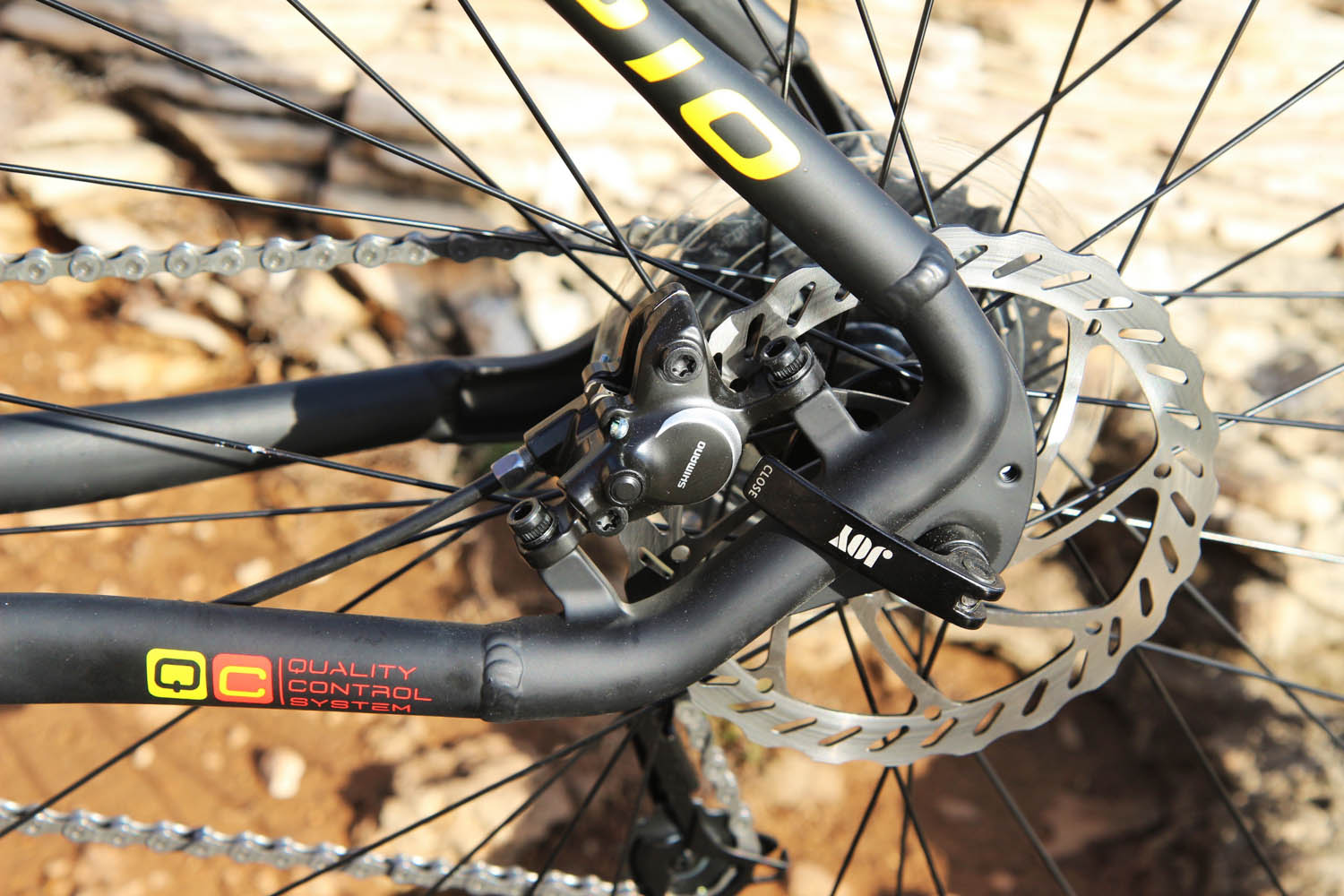
The internal shift cable routing plays a role in providing a clean appearance, and fortunately the rear brake hose runs outside, so you do not need to disassemble the hydraulic system in case you want to change something. The designers at Mali also took into consideration those doing bike touring, since the frame has eyelets for the luggage rack, and even heavy duty types can be used for self-sustained, multi-day cycling expeditions. The rear disc brake mount is inside the rear frame triangle providing more protection in case the bike is tipped over. For now, the Scorpio is available only in 18″ size, which was fortunately perfect for my 179cm height.

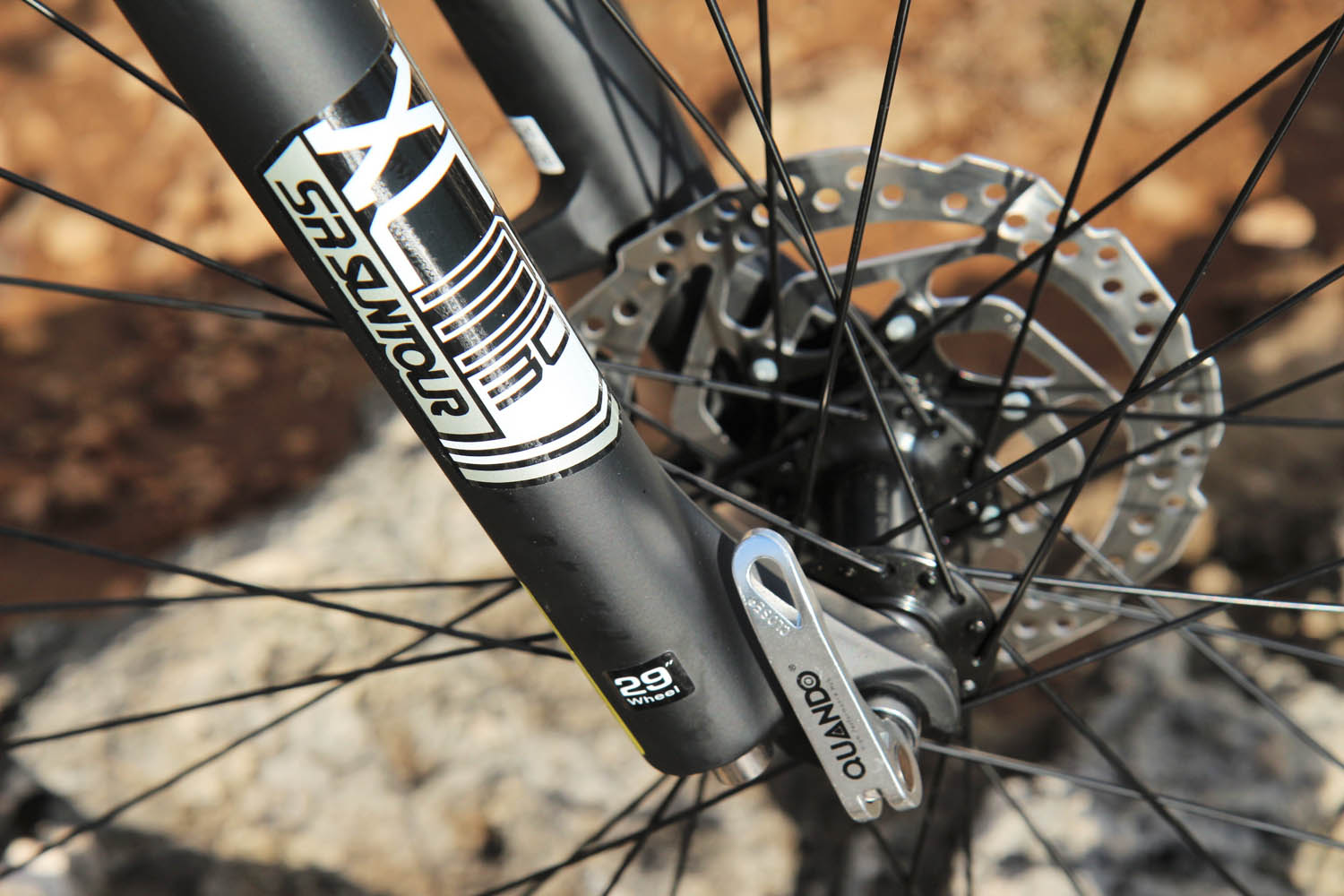
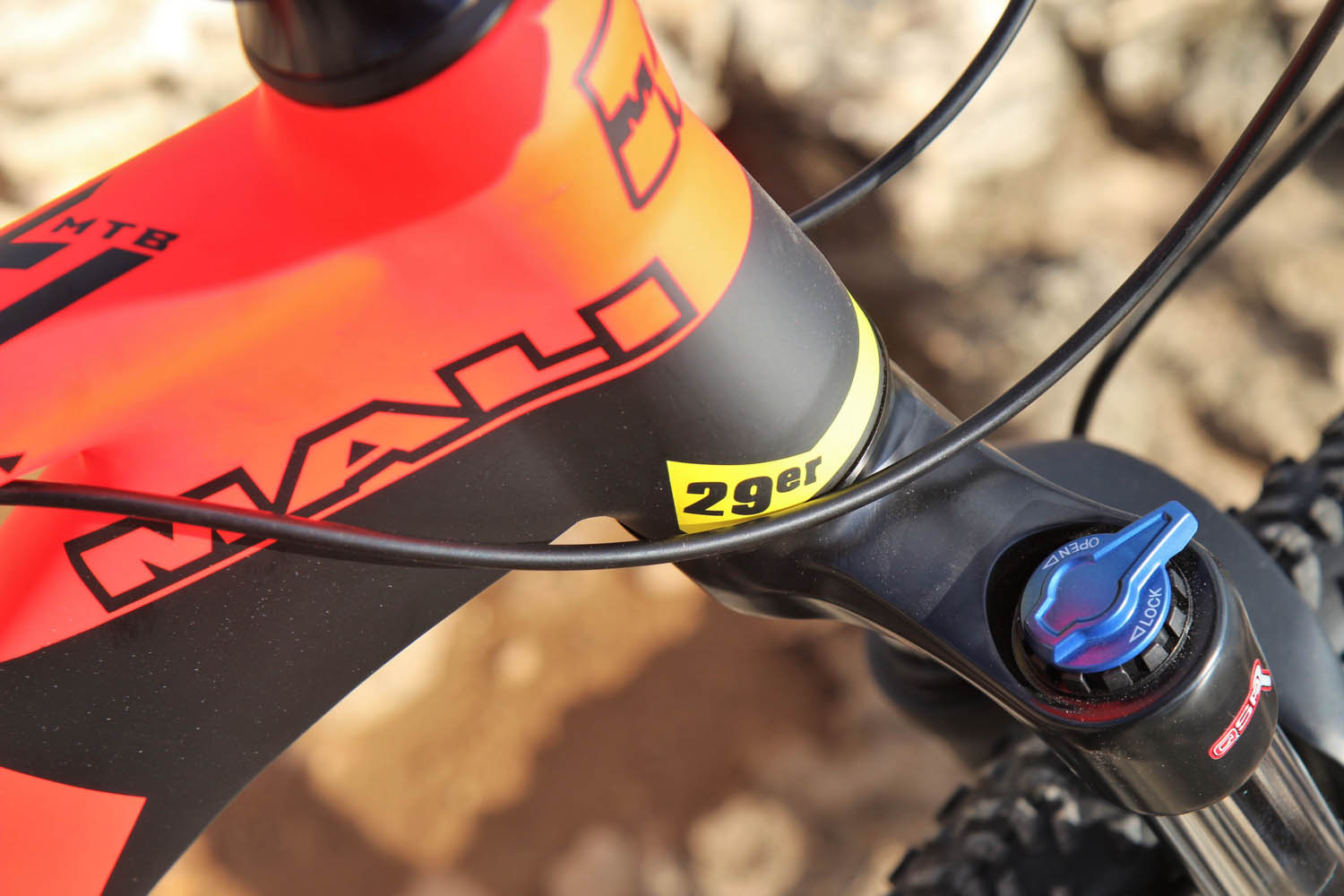
The front suspension was chosen in harmony with the price category: the Suntour XCM fork helps to increase the bike’s comfort and front wheel traction. As an extra feature, it has a mechanical lockout, so its motion can be completely tamed, which is good if you want to stand on the pedals while riding uphill.

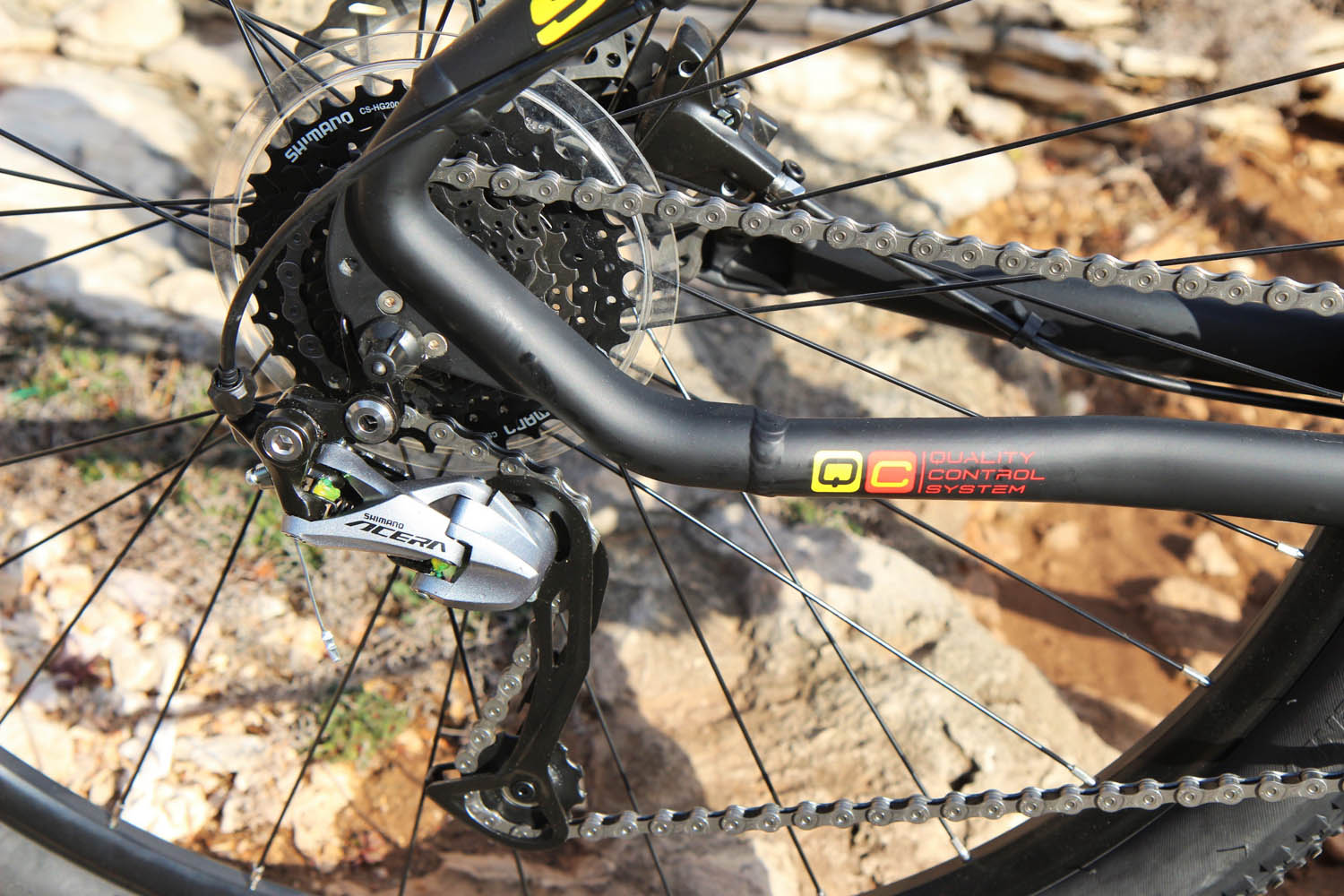
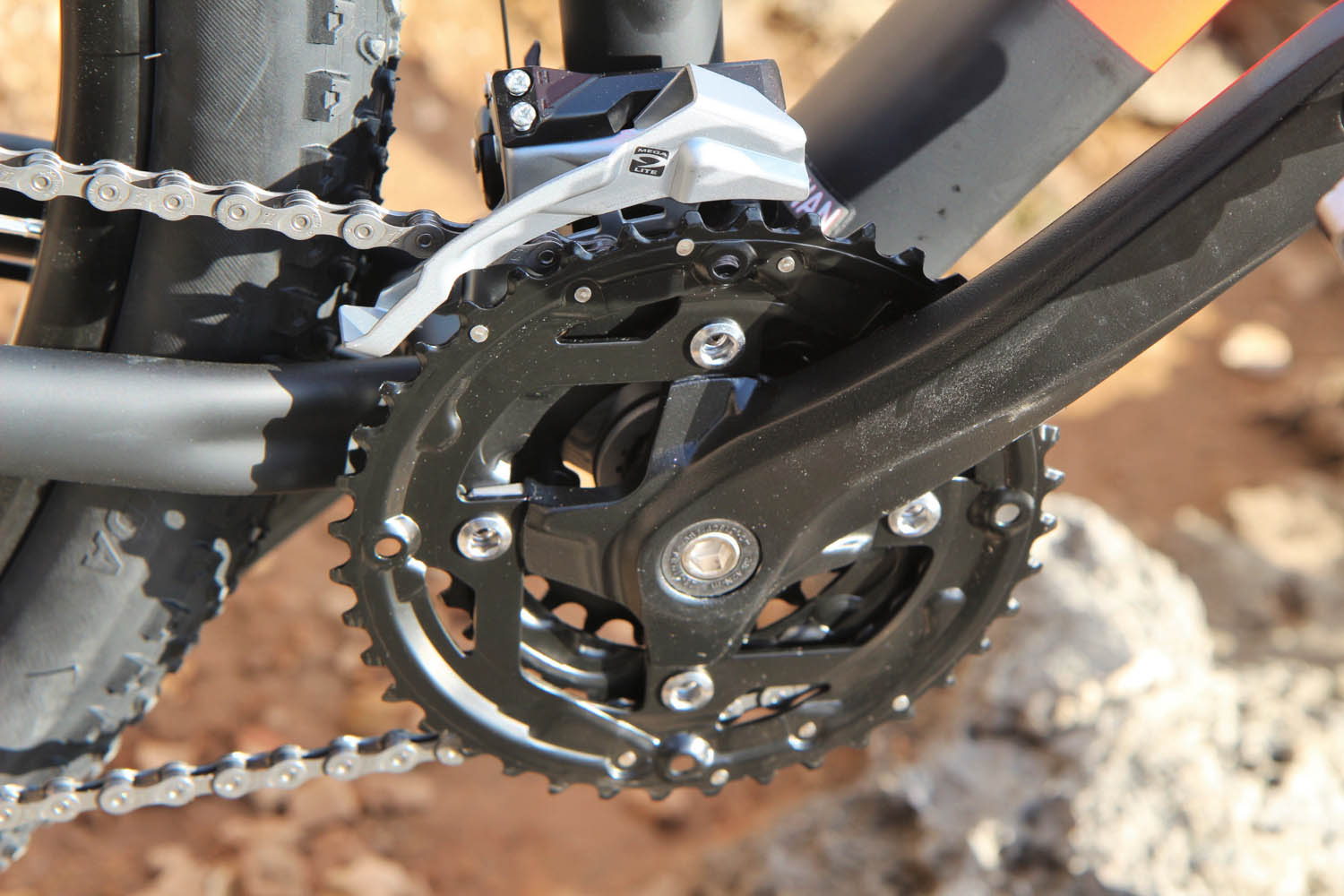
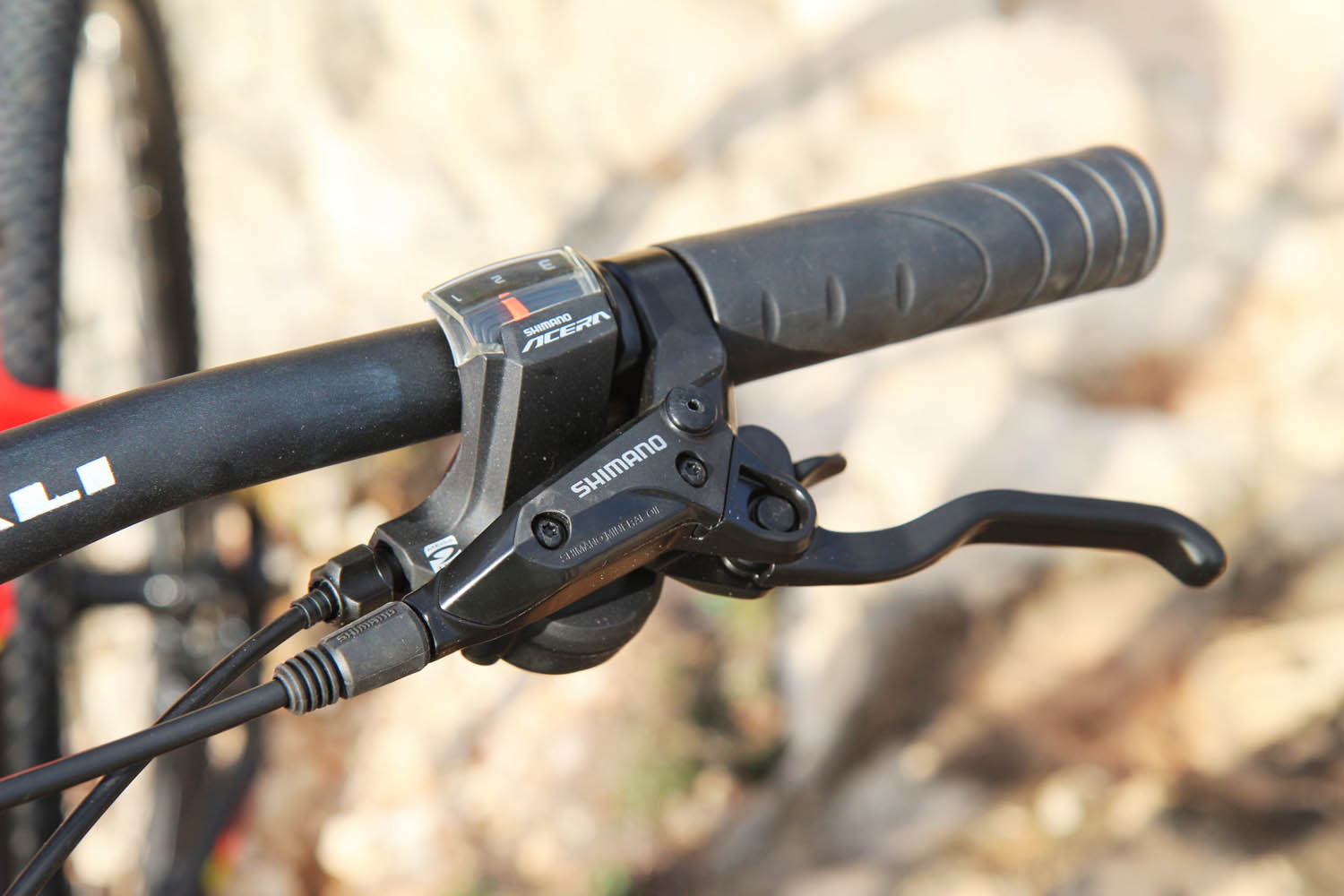
Apart from the crankset, the gear and the drive system is handled by the Shimano Acera group set. Mali made a wise choice as these components have come a long way, making them a surprisingly well-performing choice for entry-level bikes. For example the “Shadow- type” rear derailleur is almost on par with the mid-level Shimano rear mechs. The 3×9 speed system provides enough gear range for this bike, so even the slightly weaker than average will be able to climb the steeper slopes.

The brake is also a good choice from the manufacturer. Although the M315 model is not a top-of-the-class in the Shimano lineup, it still delivers good performance, well suited to the more gentle domestic terrain. If you want a bit more braking force, you can replace the front disc to a 180mm size.

The 29er double-wall rims are complemented by fast-rolling Kenda tires, which run very well on both asphalt and hard terrain, and they’re not embarrassed by variable conditions. Due to the large wheel size, the rider can easily roll over obstacles and take impacts from the road.

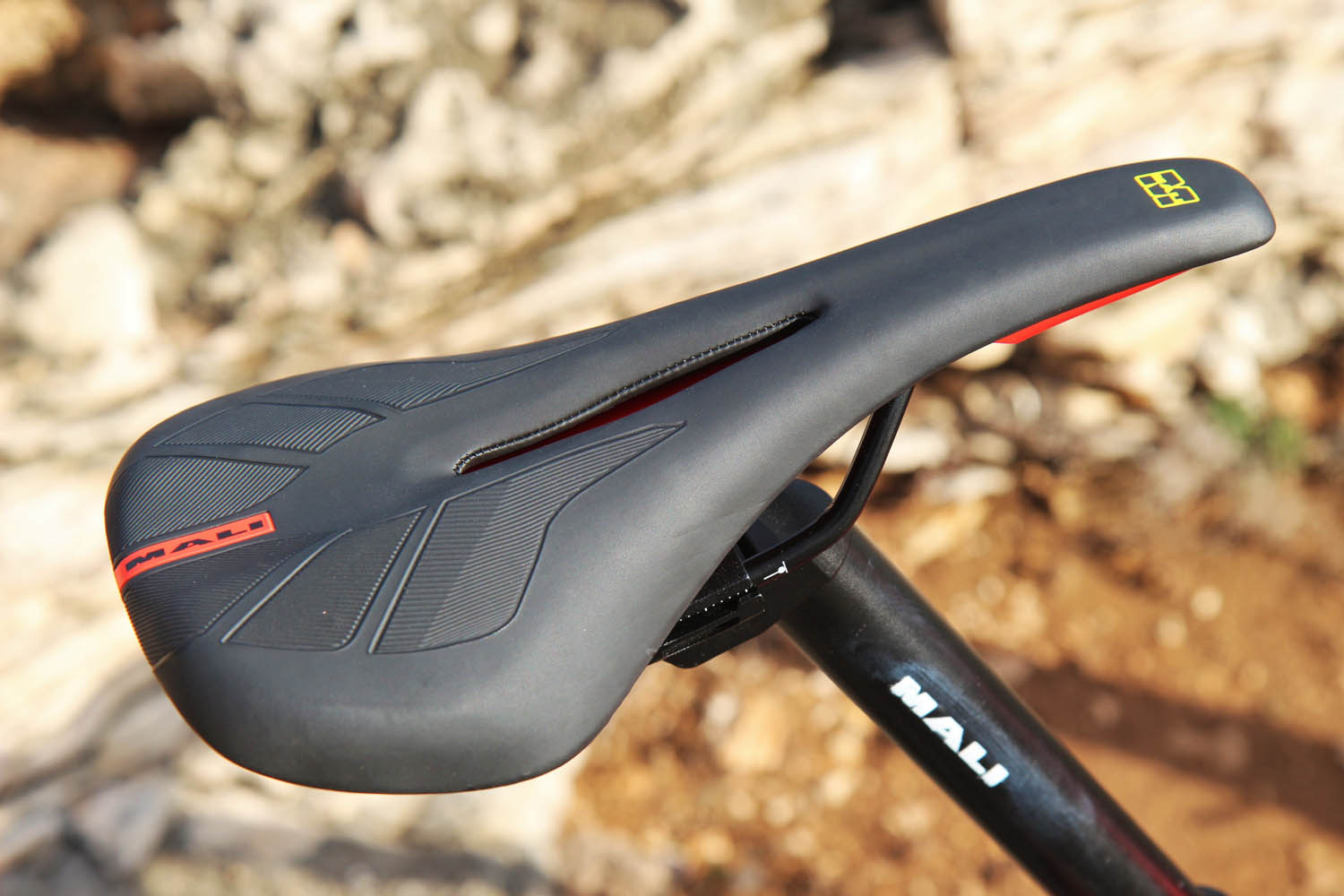
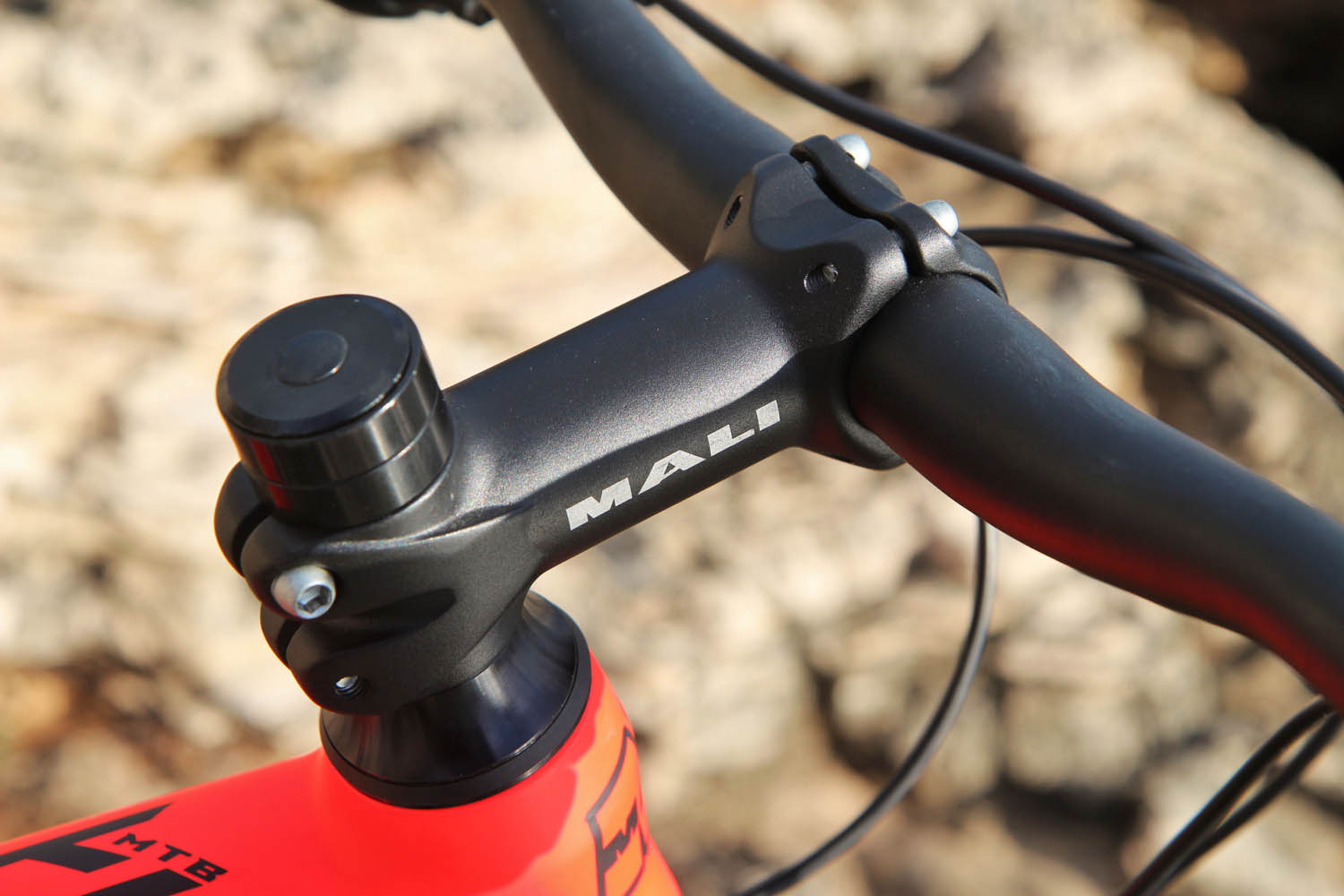
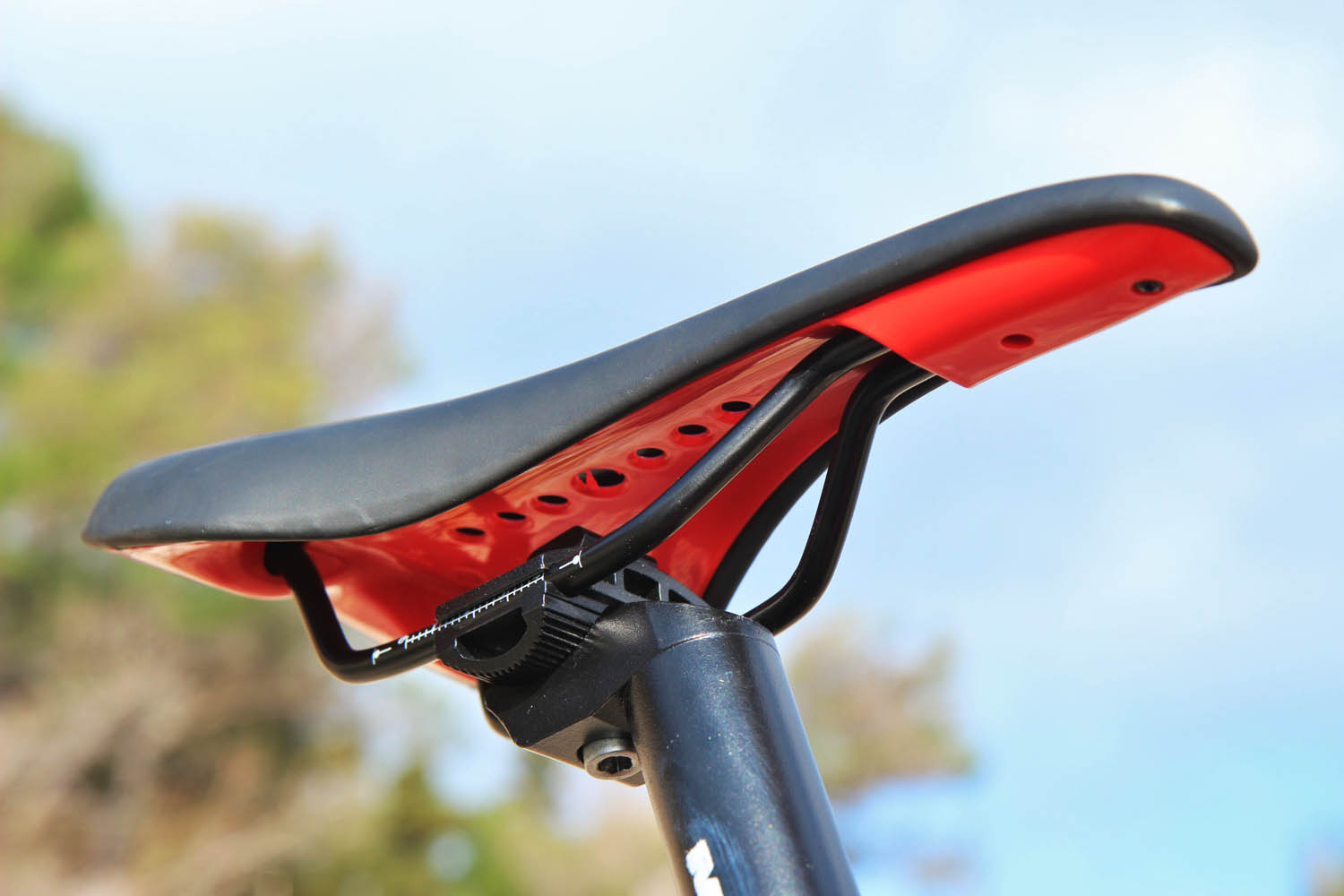
The accessories (handlebar, stem, saddle and seat tube) are all taken from Mali’s own brand, and we have no reason to complain about to any of them. They are standard industry offerings, the athletically pleasing saddle even features a pressure-relieving cutout.

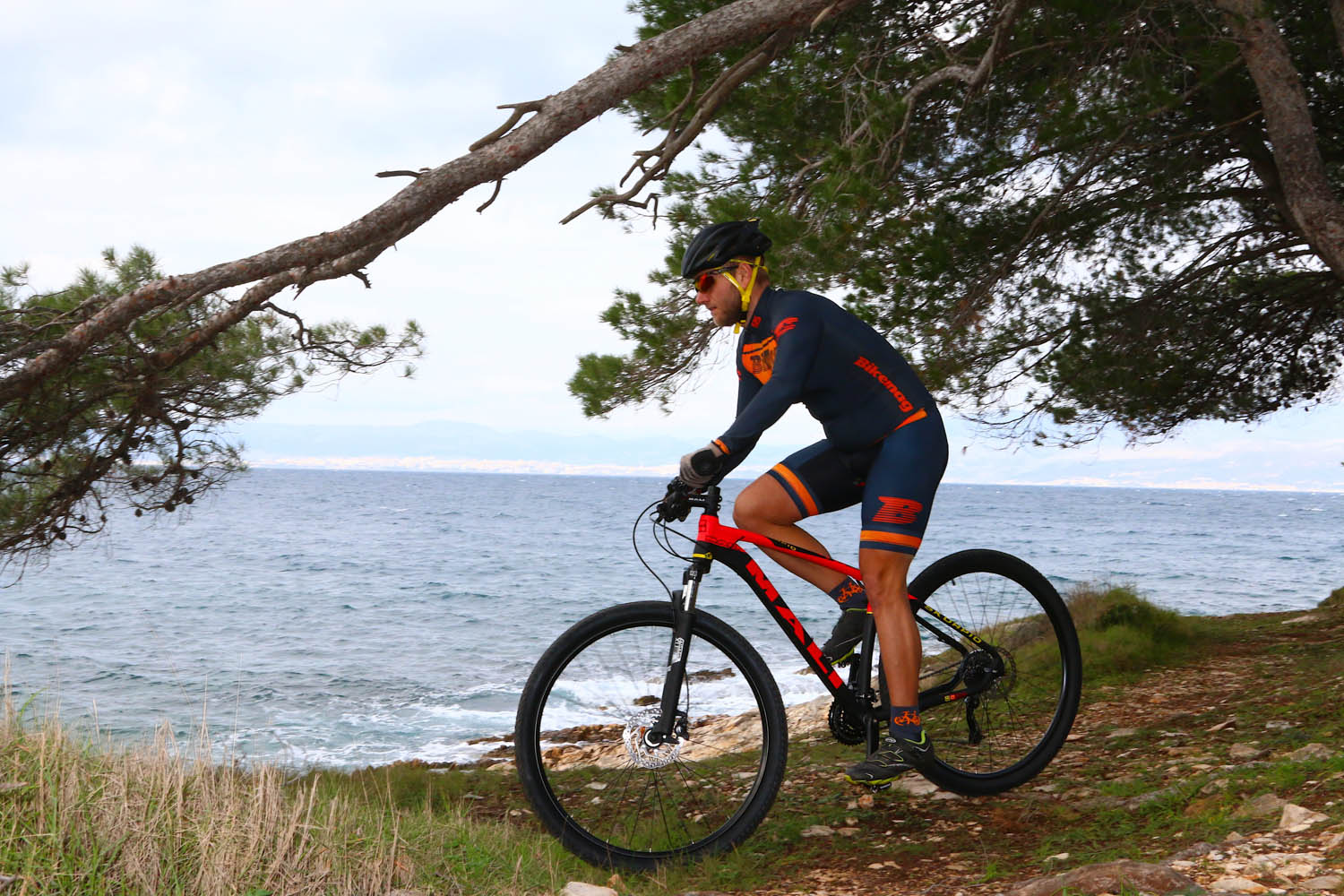
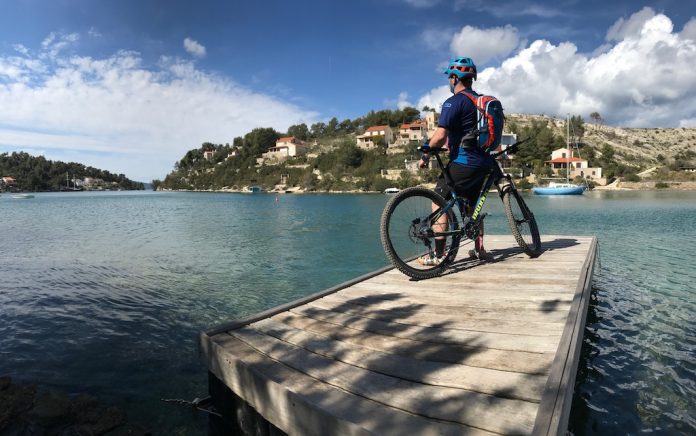
The first ride of the test is partly about getting accustomed with the exterior of the bicycle. From that point of view, the Skorpio had nothing to be ashamed of in the Brac test camp featuring bikes that cost several times more than this entry-level model from Mali. I particularly liked the vivid red color scheme and the smooth welds of the hydroformed frame which clearly furthers the quality of the bicycle. Setting up and fine tuning the Scorpio was a quick process, allowing me to quickly set out after raising the saddle and flipping the stem to a lower the bar to achieve a more familiar riding position.


As we started each test ride from a steep slope at the hotel, so the brakes immediately got a heavy load. It took just a couple of seconds for the Shimano brakes to bed in, after which I experienced no problem obeying the stop sign at the bottom of the slope. (So I managed to avoid a plunge into the sea… 🙂 The handling of the Skorpio was a pleasant experience, although the handlebar is a bit narrow by modern standard. Nevertheless, for fifteen years I used the same bar width, I evidently survived every bike adventure, so a narrow bar is not the end of the world! The shifting did a proper job, and I did not have to make any adjustments during the test. This entry-level group set has a small lag while taking the chain from one sprocket to another compared to the high-end offerings, on the other hand it costs way less which seems a fair compromise.


It was easy to ride the Skorpio both on trails and on asphalt, but weighing over 15kg, it surely does not behave like an elite racing model. It’s not intended for performance-oriented MTB riders, nevertheless it can be taken to MTB marathons, and most likely the result won’t be up to the bike as the rider. The saddle Mali proved is surprisingly comfortable, I could ride it all day long, so it’s a perfect choice for Skorpio. On the other hand the suspension fork could be improved on, the Suntour model struggled to perform on the rough rocky terrain in Brac. This bike could benefit from a more advanced fork.


Who would I recommend the Mali Scorpio? It’s ideal for those looking for a sophisticated looking MTB at an affordable prices, used primarily for bike touring on mixed terrain. It’s suitable for cyclist of larger statue, and it will withstand the heavy loads of multi-day bike touring. So if you are just getting familiar with the wonderful world of MTB riding, and you’re not intending to take part in competitions, or want to spend a lot of money on the first bicycle, the Scorpion should certainly be on your shopping list!

You can learn more about this bike by visiting dealer’s website.
Recommended retail price: 179,990 HUF

Specifications:

Frame: Hydroformed tubes, carbon-look smooth welds, triple-butted aluminum, hidden cable routing, 29″ wheel size
Fork: Suntour XCM 29″, 100mm travel, mechanical lockout
Size: 18″
Crankset: Prowheel Suolo 901
Chain: KMC, 9-speed
Bottom bracket:
FM FP-B902 sealed
Shift levers: Shimano Acera
Cassette (cogs): Shimano HG200, 11-32T
Front derailleur: Shimano Acera
Rear derailleur: Shimano Acera
Rims: Double wall Aluminum, 32H
Wheel hubs: Joytech Aluminum
Spokes: Stainless
Tires:
Kenda K1104A 29″x 2.10”
Brake system: Shimano M315 hydraulic disc, 160/160mm
Handlebar: Mali Aluminum
Stem: Mali Aluminum, 90mm
Headset: Integrated, Neco 1 1/8″
Grips: Mali
Saddle: Mali
Seat post: Aluminum, 27.2x250mm
Weight (actual): 15.06 kg

Manuel Belletti a Tour de Hongrie győztese, Nikodemus Holler duplázott

Fotó: Tdh.hu

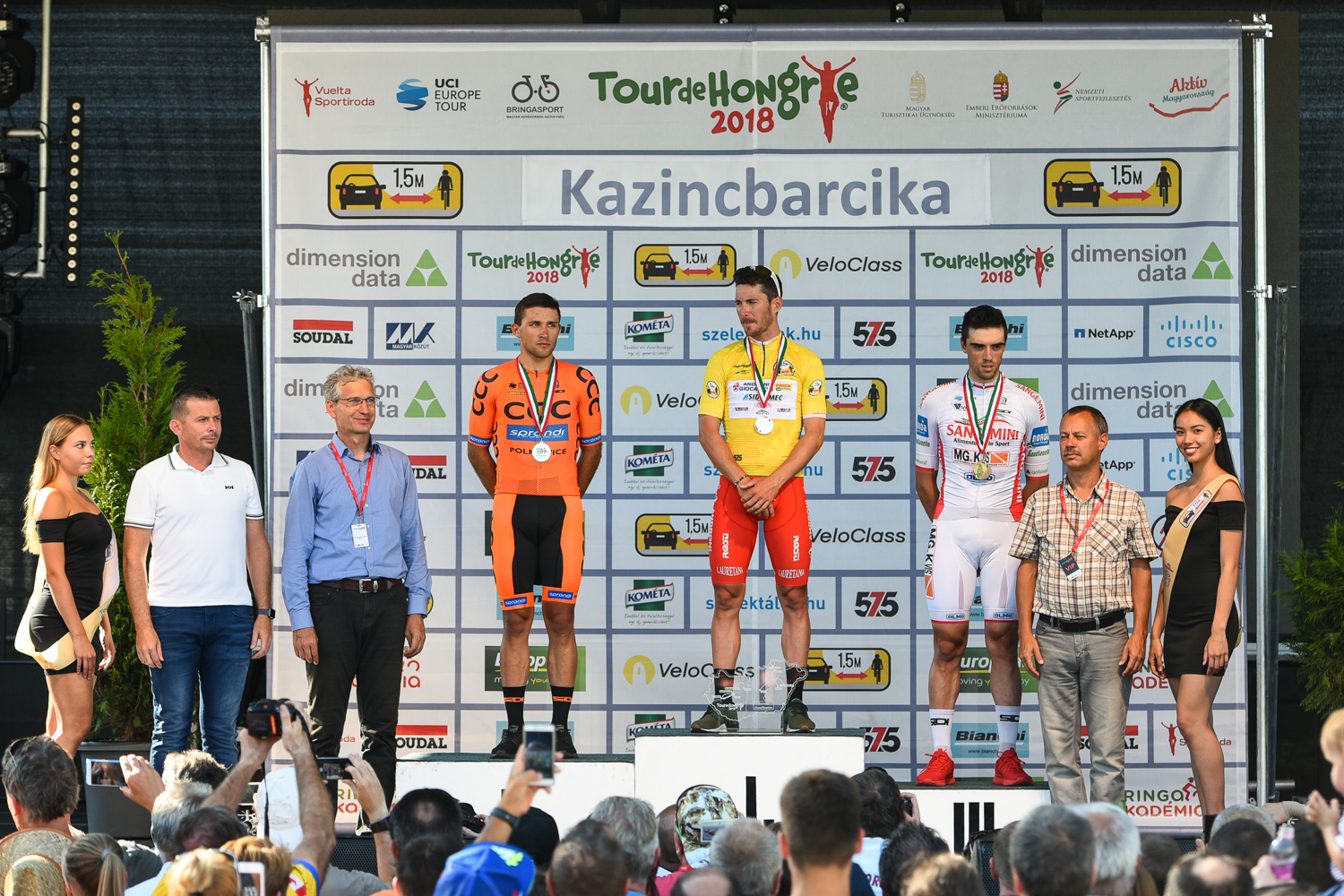
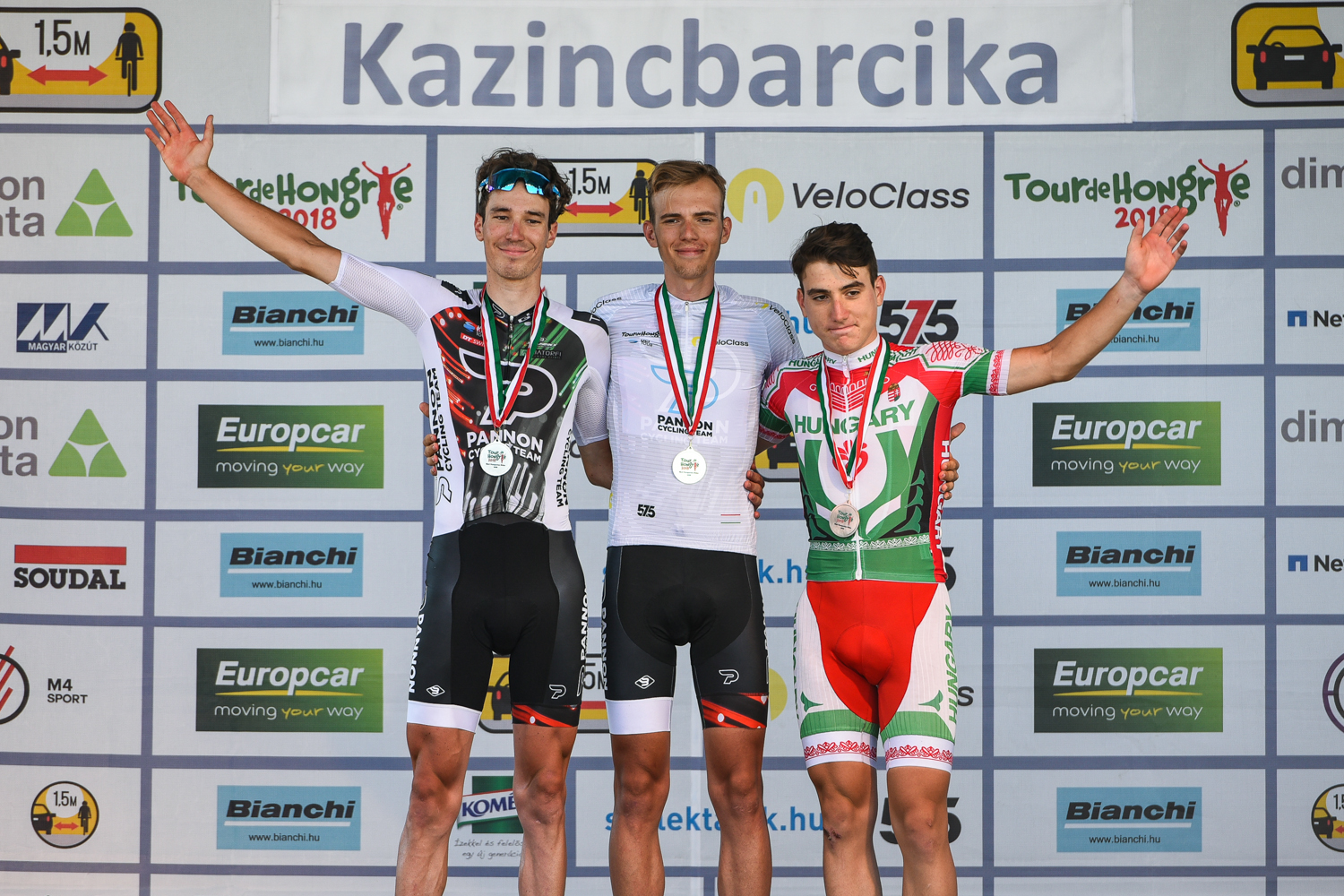
A német Nikodemus Holler Miskolc után Kazincbarcikán is szakaszt nyert, de az összetettben élen álló olasz Manuel Belletti végső győzelme nem forgott veszélyben, megérdemelten nyert a Magyar Körversenyen. A legjobb magyarnak járó fehér mez tulajdonosa Valter Attila lett, aki igazán megdolgozott ezért az elismerésért.

Fotó: Tdh.hu

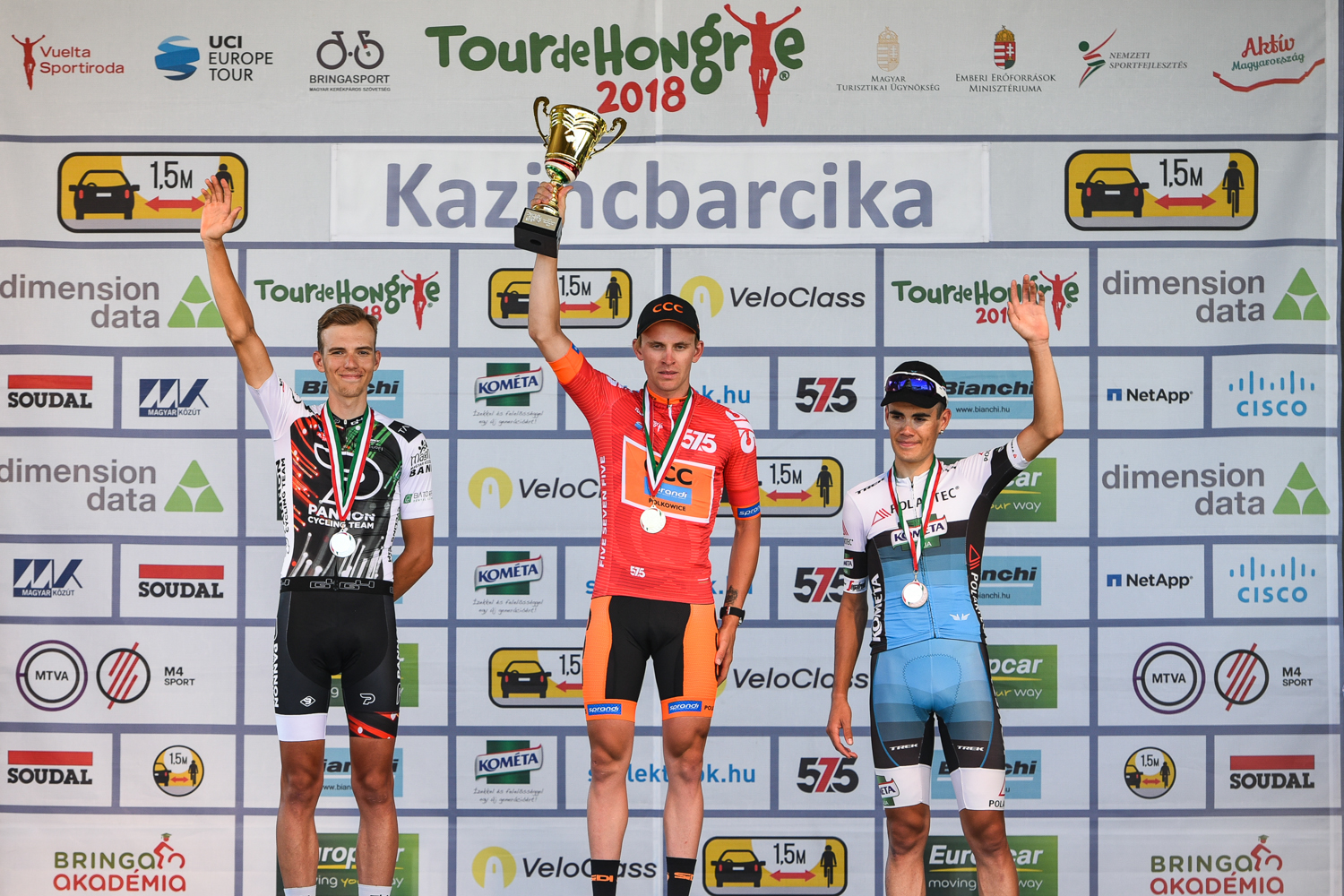
A legrövidebb etapon, a Kazincbarcikán és környékén kijelölt 128 kilométeres útvonalon három gyorsasági és két hegyi részhajrá várt a résztvevőkre. A színes mezek közül csak a piros volt igazán veszélyben, hiszen a CCC Sprandi Polkowice menője, Patryk Stosz mindössze egy ponttal vezetett Valter Attila előtt.

Fotó: Tdh.hu

A Pannon Cycling Team fiatal magyar versenyzője és csapata már az elmúlt napokban is remekelt, a Tour de Hongrie szinte minden napján igyekeztek a főszereplők közé kerülni, emlékezzünk csak Szatmáry András vagy Dina Dániel hosszú szökésére, Valter Attila és Dina Márton pedig megmutatta, ebben a magyar szinthez mérve igen erős mezőnyben is kitűnően helyt tudnak állni.

Fotó: Tdh.hu

Az együttes ismét nagyon sokat dolgozott első emberéért, Valter Attila pedig mindent megtett azért, hogy Stosz elé furakodjon, de a lengyel prokontinentális csapat visszavert minden támadást, Stosz megnyerte mindkét hegyi hajrát, s így megnyerte a hegyimenők különversenyét. Valter Attila a tavaly megszerzett harmadik hely után ezúttal második lett, s reményeink szerint ezt a számtani sorozatot jövőre folytatni fogja.

Fotó: Tdh.hu

Az összetett versenyben élen álló olasz Manuel Belletti sárga trikója tulajdonképpen egyetlen percre sem került veszélybe ezen a napon, harminc másodperces előnye túlságosan tekintélyes volt ahhoz, hogy egy ilyen, könnyűnek nevezhető szakaszon el tudják venni tőle.

Fotó: Tdh.hu

Csapata, az Androni Giocattoli Sidermec végig a riválisokon tartotta a szemét, de nem kockáztatott – egészen a hajráig. Akkor viszont felvezették a sprintet a sárga trikósnak, aki minden nap nagyon motivált volt a Tour de Hongrie során, Keszthelyen szakaszt nyert, a siófoki prológon és Székesfehérváron a harmadik, Hajdúszoboszlón és Miskolcon pedig a második helyen ért célba.

Fotó: Tdh.hu

Nem lenne könnyű olyan versenyzőt találni, aki egy körverseny valamennyi szakaszán a Top3-ba tudott volna kerülni, ez pedig egyértelműen jelzi: Belletti nagyon jó formában versenyzett, és teljes mértékben megérdemelten szerezte meg az összetett győzelmet.

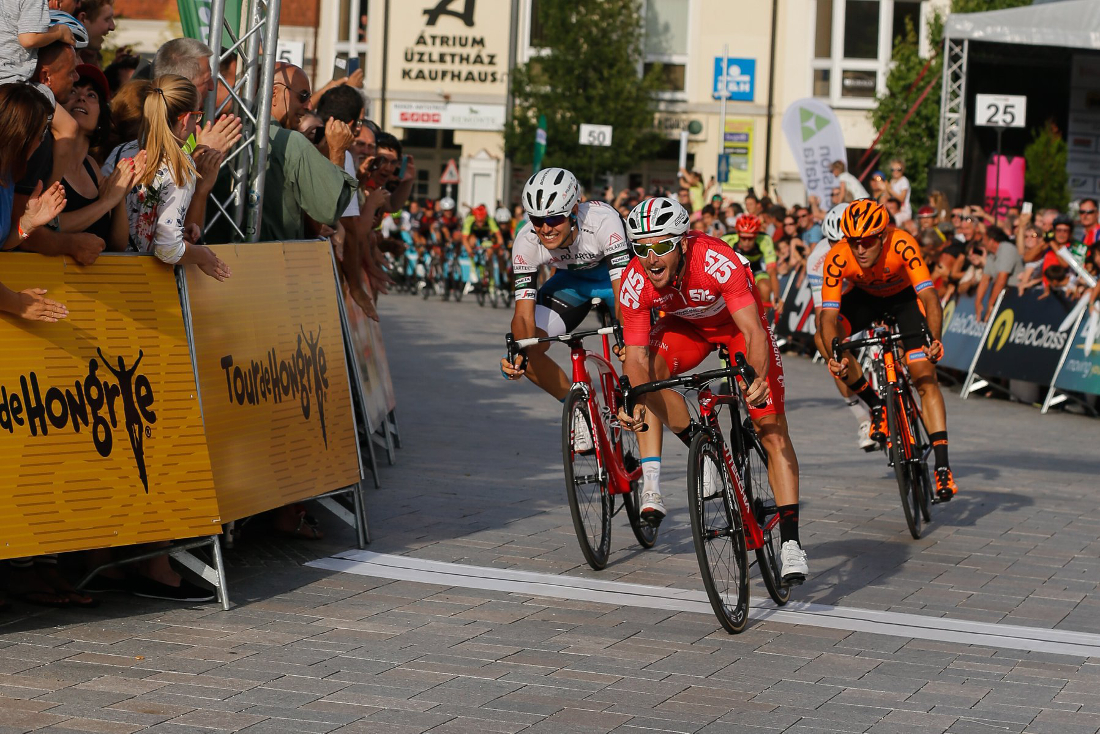
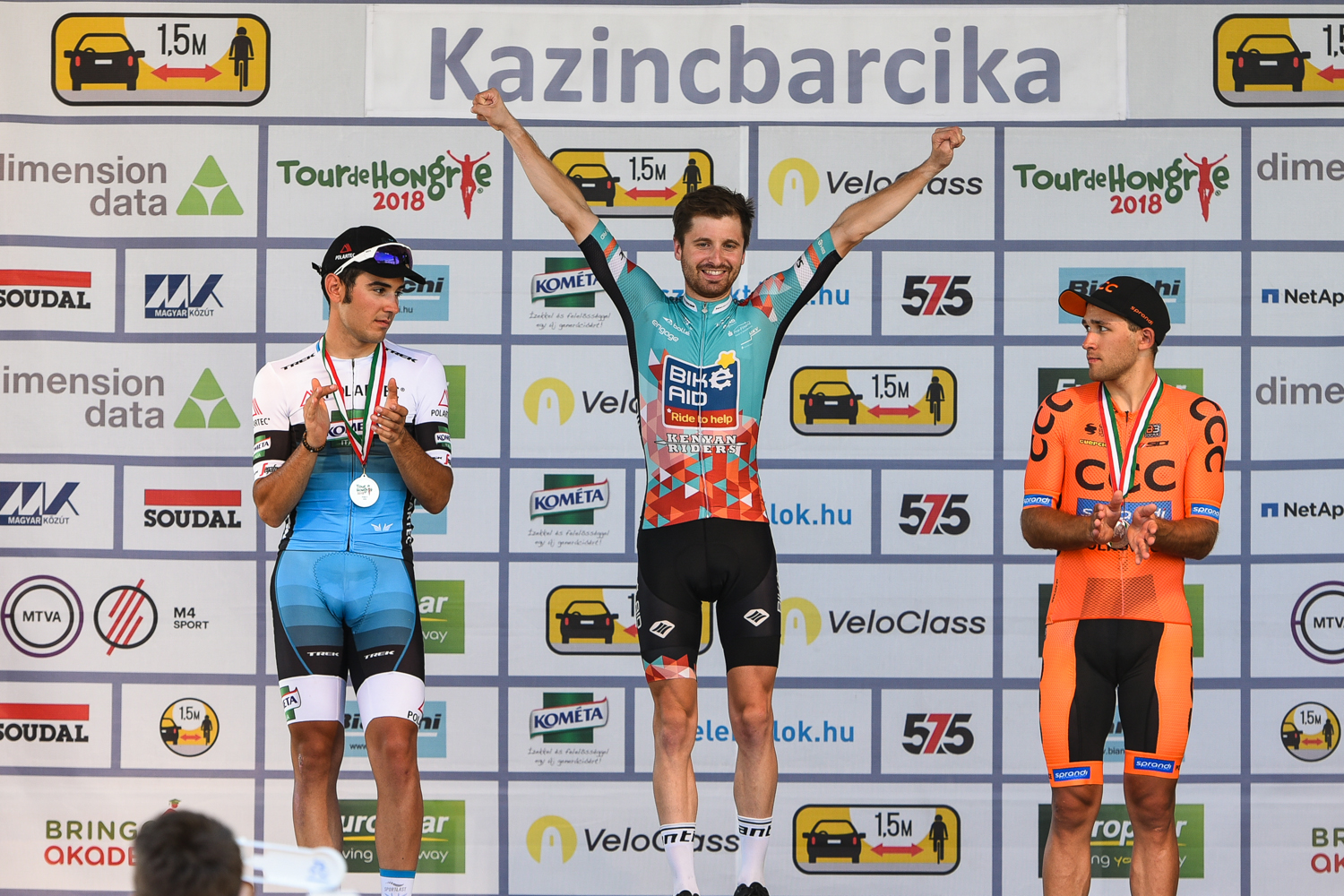
Csakhogy mindezt egy újabb szakaszgyőzelemmel akarta megkoronázni. Csapata remekül vezette fel neki a hajrát, de a célegyenes előtti kanyarban az élen történt egy bukás, ami Bellettit is feltartotta. A német Nikodemus Holler – aki egy nappal korábban pályafutásának addigi legszebb sikerét érte el a miskolci befutó megnyerésével – kitűnően élt a kínálkozó lehetőséggel, és az olasz Moshcettit és a lengyel Maleckit megelőzve két napon belül a második sprintet is megnyerte. A magyarok közül ezúttal Móricz Dániel (Kőbánya Cycling Team) és Karl Ádám (magyar válogatott) került be a Top10-be, előbbi a nyolcadik, utóbbi a kilencedik helyen végzett.

Fotó: Tdh.hu

„Fogalmam sincs, hogy ez hogyan sikerült – lelkendezett a szakaszgyőztes Holler. – A tegnapi győzelem számomra nem volt akkora meglepetés, de ez most igazi mezőnyhajrá volt, ami nem az én szakterületem. Néha nagyon okosnak és ügyesnek kell lenni, néha emellett szerencsésnek is. Nagyszerű dolog, hogy összejött két szakaszgyőzelem is egy olyan versenyen, amelyen nagyon komoly csapatok is indultak.“
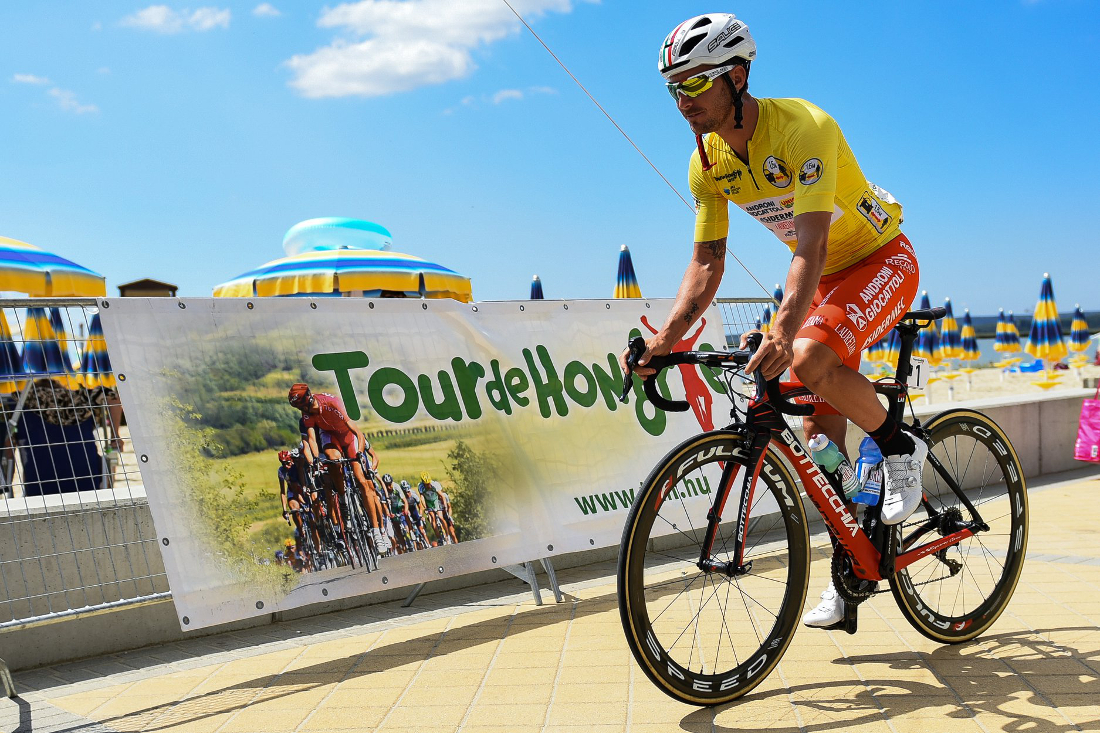
A befutó előtti három kilométeren történt bukás nem befolyásolja az összetett állását, aki elesett, az ilyenkor a győztes időeredményét viszi magával. Belletti a 19. helyen futott át a célvonalon, de ezúttal nem volt csalódott.

Belletti a pályafutása során nyert már szakaszt a Giro d’Italián is, nyolc Grand Touron vett részt, a magyarországi a tizennegyedik profi diadala, de amint kiderült, az egyik legkedvesebb is.

„Nagyon boldog vagyok, hiszen pályafutásom során először tudtam megnyerni egy többnapos verseny összetettjét – nyilatkozta Manuel Belletti, aki a sárga mellett a gyorsasági pontverseny legjobbjának járó zöld trikót is hazaviheti. – A mai szakasz egy kicsit nehezebb volt, mint vártuk, nem akartam kockára tenni a sárga trikót a végén.“

Manuel Belletti a Tour de Hongrie történetének második olasz győztese, 1930-ban a legendás Vasco Bergamaschi volt az első.

Fotó: Tdh.hu

Az összetett második helyén a lengyel Kamil Malecki, a harmadikon pedig az olasz Toto végzett, a magyarok közül pedig Valter Attila érte el a legjobb eredményt, a tizenötödik helyen végzett.

Fotó: Tdh.hu

„Gyakorlatilag hibátlan munkát végzett a csapatunk, pedig bőven volt nehézség. Mindent megtettünk, borzalmas tempóban érkeztünk a hajrákhoz, de talán kicsit rövidek voltak nekem ezek az emelkedők. Második lettem a piros trikóért zajló küzdelemben, sajnálom, jó lett volna a piros trikót hazavinni! Jövőre megpróbálom – kezdte Valter Attila, majd büszkén tette hozzá: – Azt hiszem, most csapatként is magasabb szintre léptünk, az ember magyarként arra vágyik, hogy egy ilyen erős csapat tagja lehessen. Biztos vagyok benne, hogy most az összes csapat megjegyzett magának bennünket, ezen a szinten is letettük a névjegyünket.“

Fotó: Tdh.hu

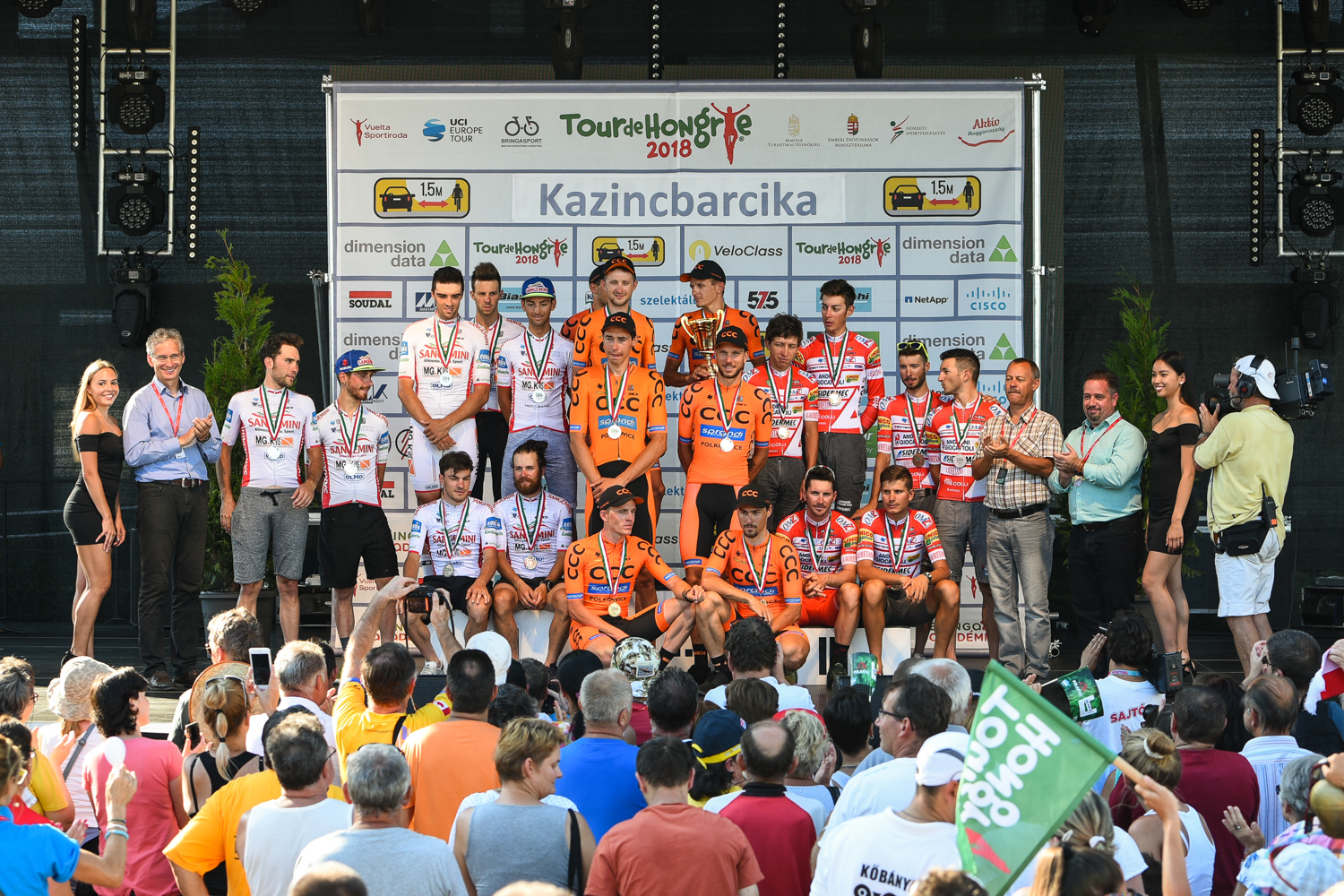
A csapatversenyben a lengyel CCC Sprandi Polkowice lett a legjobb, a magyarok közül pedig a Pannon Cycling Team érte el a legjobb eredményt.

A 39. Tour de Hongrie UCI 2.1-es kategóriájú versenyén négy kontinens huszonnyolc országából, tizenkilenc csapat színeiben 129 kerékpáros állt rajthoz, a magyar színeket három csapat – a Pannon Cycling Team, a Kőbánya Cycling Team és a magyar válogatott – képviselte, összesen tizennyolc versenyzővel. A hatnapos erőpróbát a világ 195 országában láthatták a televíziónézők.

EREDMÉNYEK
5. szakasz, Kazincbarcika–Kazincbarcika (128 km):
1. Nikodemus Holler (német, Bike Aid) 2:46:48
2. Matteo Moschetti (olasz, Polartec-Kometa) azonos idővel
3. Kamil Malecki (lengyel, CCC Sprandi Polkowice) a. i.
4. Luca Mozzato (olasz, Dimension Data for Qhubeka) a. i.
5. Attilio Viviani (olasz, Sangemini MG K Vis) a. i.
6. Matteo Draperi (olasz, Sangemini MG K Vis) a. i.
7. Michele Scartezzini (olasz, Sangemini MG K Vis) a. i.
8. Móricz Dániel (Kőbánya Cycling Team) a. i.
9. Karl Ádám (magyar válogatott) a. i.
19. Manuel Belletti (olasz, Androni Giocattoli Sidermec) a. i.

Az összetettben:
1. (sárga mezben) Manuel Belletti (olasz, Androni Giocattoli Sidermec) 19:21:07
2. Kamil Malecki (lengyel, CCC Sprandi Polkowice) 27 mp h.
3. Paolo Toto (olasz, Sangemini MG K Vis) 28 mp h.
4. Patrick Schelling (svájci, Vorarlberg Santic) 31 mp h.
5. Nikodemus Holler (német, Bike Aid) 45 mp h.
6. Leszek Plucinski (lengyel, CCC Sprandi Polkowice) 51 mp h.
15. Valter Attila (Pannon Cycling Team) 1:52 p h.
19. Dina Márton (Pannon Cycling Team) 2:20 p h.

A gyorsasági pontversenyben:
1. (zöld mezben) Manuel Belletti (olasz, Androni Giocattoli Sidermec) 29 pont
2. Matteo Moschetti (olasz, Polartec-Kometa) 22
3. Nikodemus Holler (német, Bike Aid) 20
12. Szatmáry András (Pannon Cycling Team) 5

A hegyi pontversenyben:
1. (piros mezben) Patryk Stosz (CCC Sprandi Polkowice) 26 pont
2. Valter Attila (Pannon Cycling Team) 21
3. Isaac Canton Serrano (spanyol, Polartec-Kometa) 13
6. Dina Márton (Pannon Cycling Team) 10
8. Szatmáry András (Pannon Cycling Team) 5

A legjobb magyar versenyző:
1. (fehér mezben) Valter Attila (Pannon Cycling Team) 19:22:59
2. Dina Márton (Pannon Cycling Team) 28 mp h.
3. Karl Ádám (magyar válogatott) 7:16 p h.

A teljes eredménylista: KLIKK IDE!

A 39. TOUR DE HONGRIE PROGRAMJA
Augusztus 14. (kedd): Prológ, egyéni időfutam, Siófok (3,5 km). Győztes: Patrick Schelling (svájci, Vorarlberg Santic). Sárga trikóban: Patrick Schelling (svájci, Vorarlberg Santic)

Augusztus 15. (szerda): 1. szakasz, Balatonalmádi–Keszthely (154 km). Győztes: Manuel Belletti (olasz, Androni Giocattoli Sidermec). Sárga trikóban: Manuel Belletti (olasz, Androni Giocattoli Sidermec)

Augusztus 16. (csütörtök): 2. szakasz, Velence–Székesfehérvár (190 km). Győztes: Matteo Moschetti (olasz, Polartec-Kometa). Sárga trikóban: Manuel Belletti (olasz, Androni Giocattoli Sidermec)

Augusztus 17. (péntek): 3. szakasz, Cegléd–Hajdúszoboszló (206 km). Győztes: Andrij Bratascsuk (ukrán, Team Novák). Sárga trikóban: Manuel Belletti (olasz, Androni Giocattoli Sidermec)

Augusztus 18. (szombat): 4. szakasz, Karcag–Miskolc (182 km). Győztes: Nikodemus Holler (német, Bike Aid). Sárga trikóban: Manuel Belletti (olasz, Androni Giocattoli Sidermec)

Augusztus 19. (vasárnap): 5. szakasz, Kazincbarcika–Kazincbarcika (128 km). Győztes: Nikodemus Holler (német, Bike Aid). Sárga trikóban: Manuel Belletti (olasz, Androni Giocattoli Sidermec)

Baddog Azawakh 30 Bike Review: It all up to the Small Details!

Magyar bringával Horvátországban

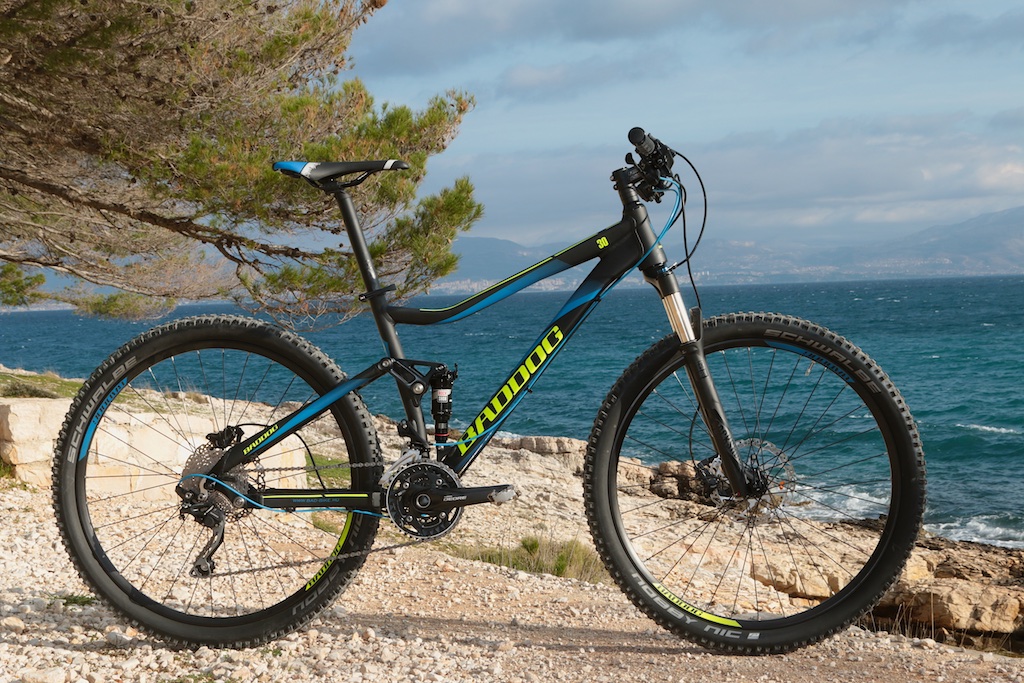
Last year we reviewed the top-of-the-line Baddog Azawakh 33, with a seven-figure price tag (in HUF!) and very exclusive equipment like the much thought after RS-1 suspension fork. This bike gained Bence’s approval, though he could not get along with its unusually steep head tube angle. Now, we borrowed the entry level Azawakh from the Hungarian brand’s ever-increasing MTB range, which cannot be accused of being a „basic model”. Re-testing the Azawakh seemed unnecessary at first, but I won’t take the point out of reivew if I say: it was well worth the effort!

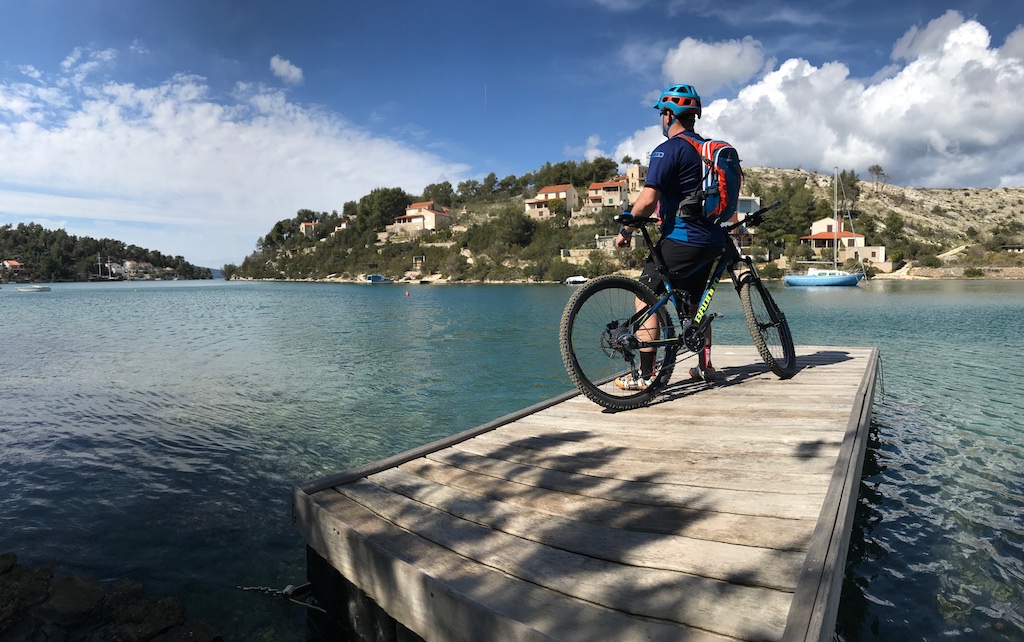
A Hungarian bike in Croatia

We have received many bikes previously built on the similar platform that we have already ridden and written about. This allowed us to try new equipment and components, but we rarely noticed major differences concerning the frame itself. Last year Bence was keen on trying out the exclusive, top-of-the-line RockShox RS-1 on the Azawakh, where the fork alone costs more than 600,000 HUF. Since Bence is the XC-specialist, it was his choice. (I’ll stay with the longer travel, more extreme bike and fork models when reviewing MTB equipment.)

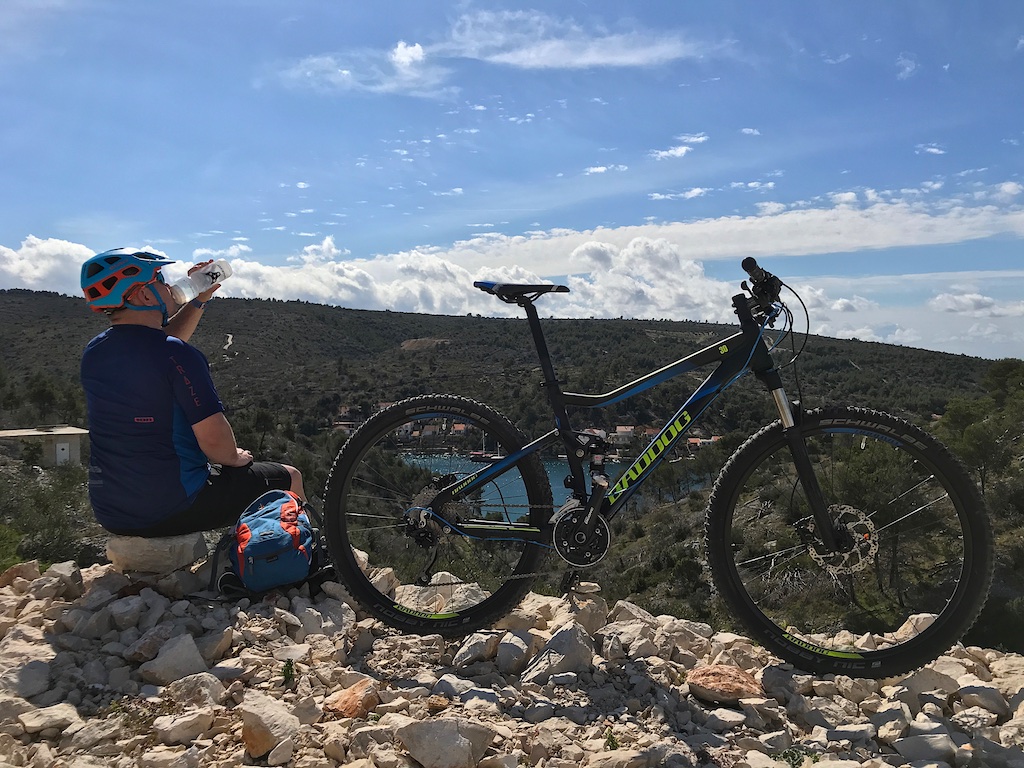
When travelling to the test camp on the island of Brac this early summer, we took the “little brother” of the previous Azawakh, the “30” model version, and it was agreed that this time I’ll give it a proper test ride. I suspected that the rear suspension will be to my liking, since it features a Horst-Link system, and I’ve always liked how these types of XC bike behave. However, what was really surprising about the bike was not the rear, but the front suspension: the rather basic, mid-level Rock Shox Recon fork made a huge a difference in the way the bike rode on proper trails. How can this be when this fork only costs about a tenth of the renowned RS-1? With the right mounting height, raising the front of the bike slightly, order was finally restored concerning frame geometry. The head tube angle became slacker, so the handling is way more manageable than with the top-level fork option!

It felt at home on rocky terrain

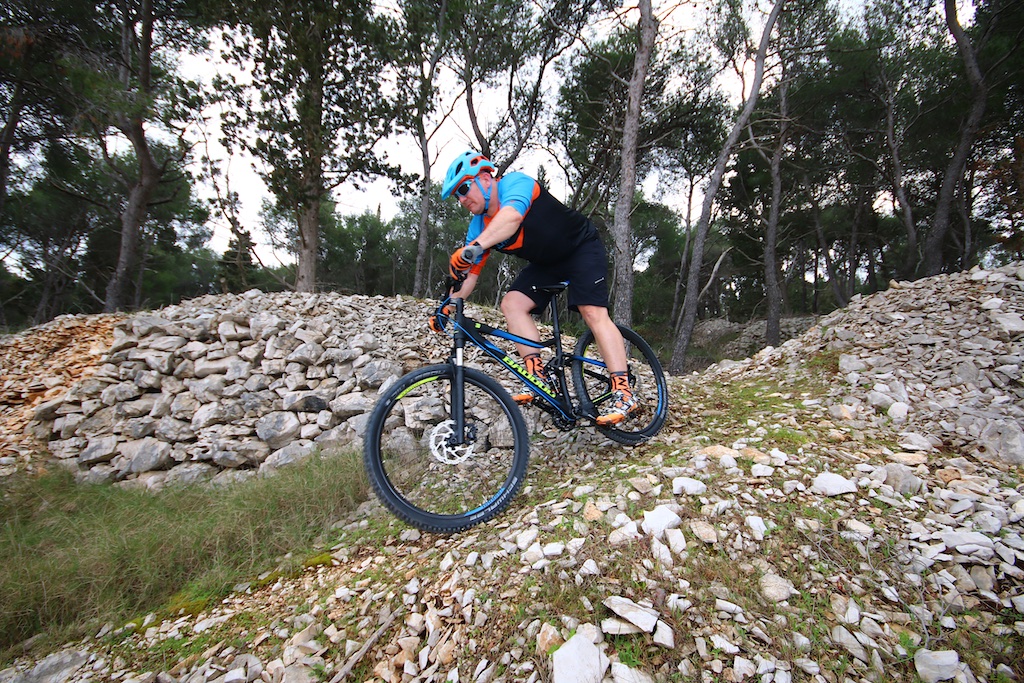
The Baddog Azawakh features a 100mm travel front and back, making it ideal for MTB marathon application and touring on bike trails. It can also handle more serious terrain, if one pushes its boundaries. These options were available to Brac, since the trails tend to be rough and rocky. For a trail or enduro bike there are way too many climbs, but with a shorter travel burly MTB, you can really enjoy this special terrain. On the other hand, these conditions demand the suspension to provide a plush, “magic carpet” ride. In the rear – in the place of the Monarch XX shock– we „only” get an “RT”, but this does not seem to affect the ride quality. The main disadvantage is that you have to manually lock it out on climbs. The front fork obviously did not move as nicely as the RS-1, but there was finally a proper balance between front and rear. As an additional bonus, the price of the “30” is also less than half of the top tier variant, a mere 465,000 HUF.

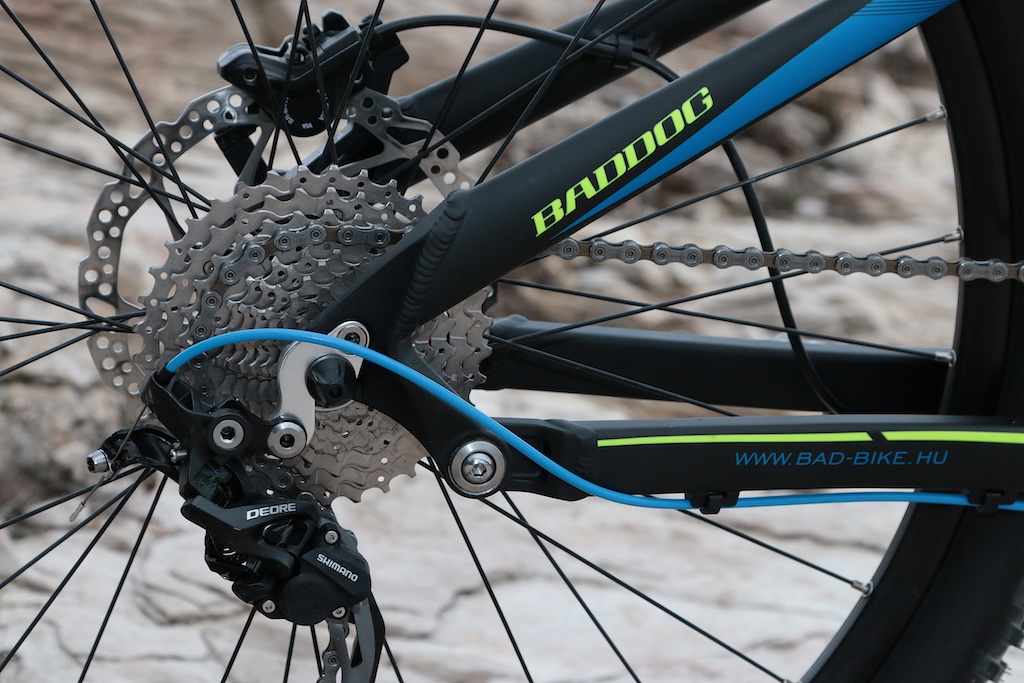
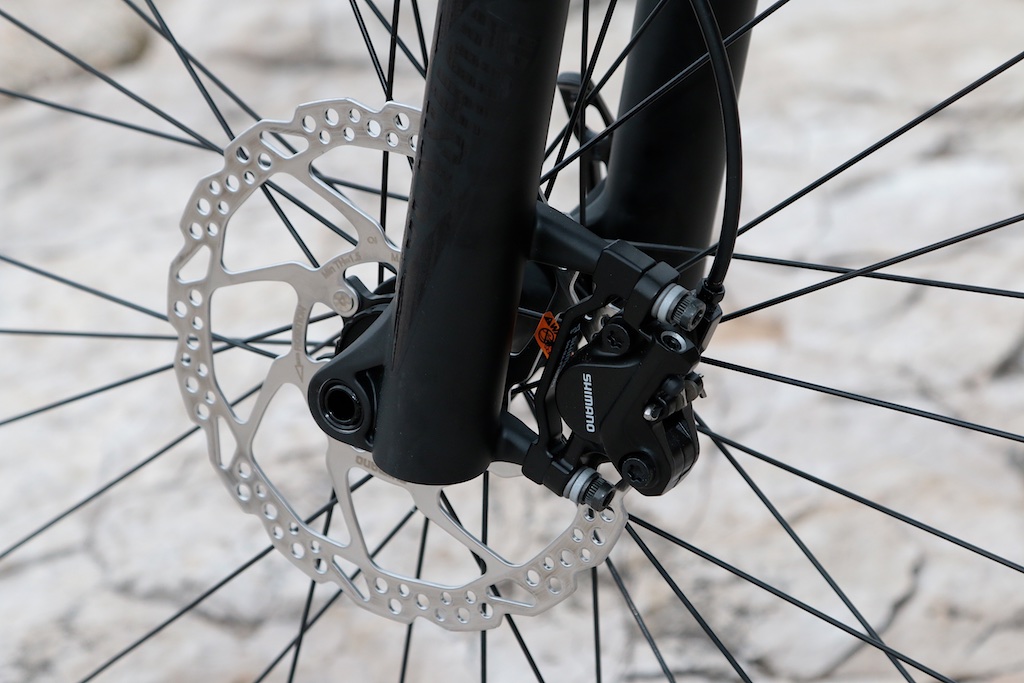
There is nothing to fault equipment-vise on the Azawakh 30. My only observation is that you do not necessary have to have a triple chain rings on modern MTB bikes. A double would be enough with a 38/24T front setup, since there is a lot of gear overlap in the 3×10 Deore system. Of course it works quite well, it’s hard to be disappointed by Shimano components. The brakes perform like a grip vise, luckily the manufacturer did not go over the top with a 203mm disc size. The 180 fits better, and it would be superfluous to oversize: you can easily stop anywhere from any tempo as you wish.

The manufacturer payed attention to the small details!

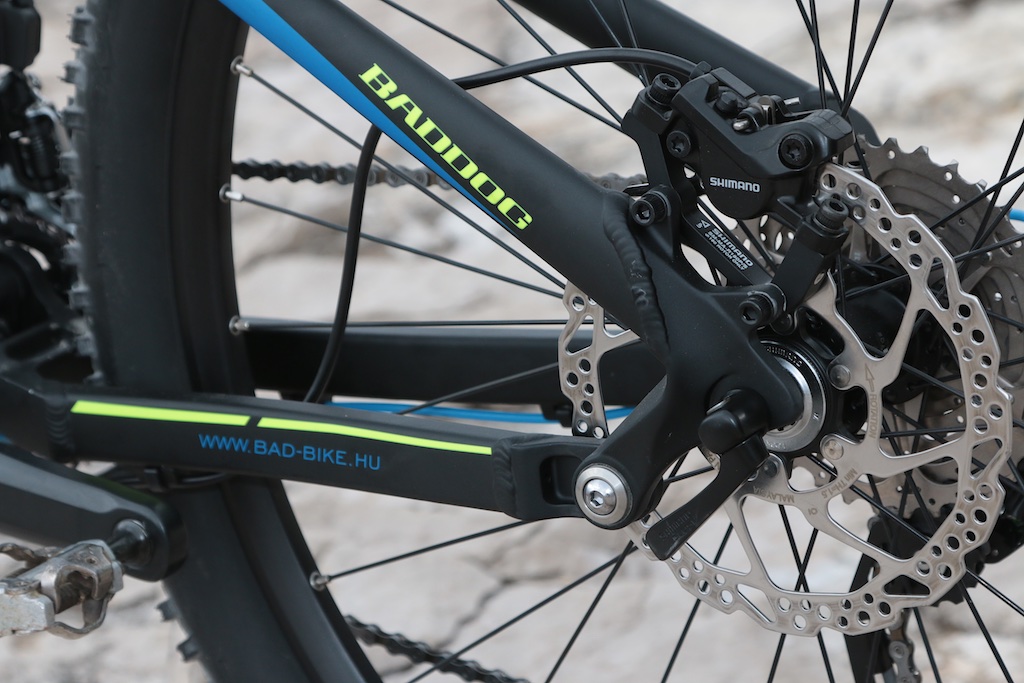
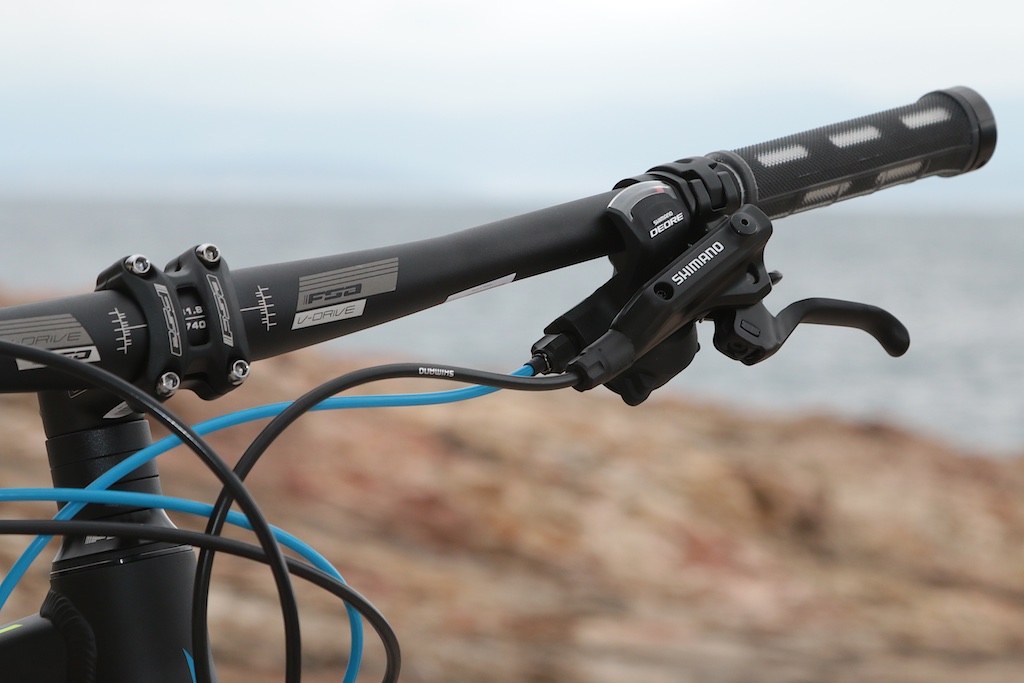
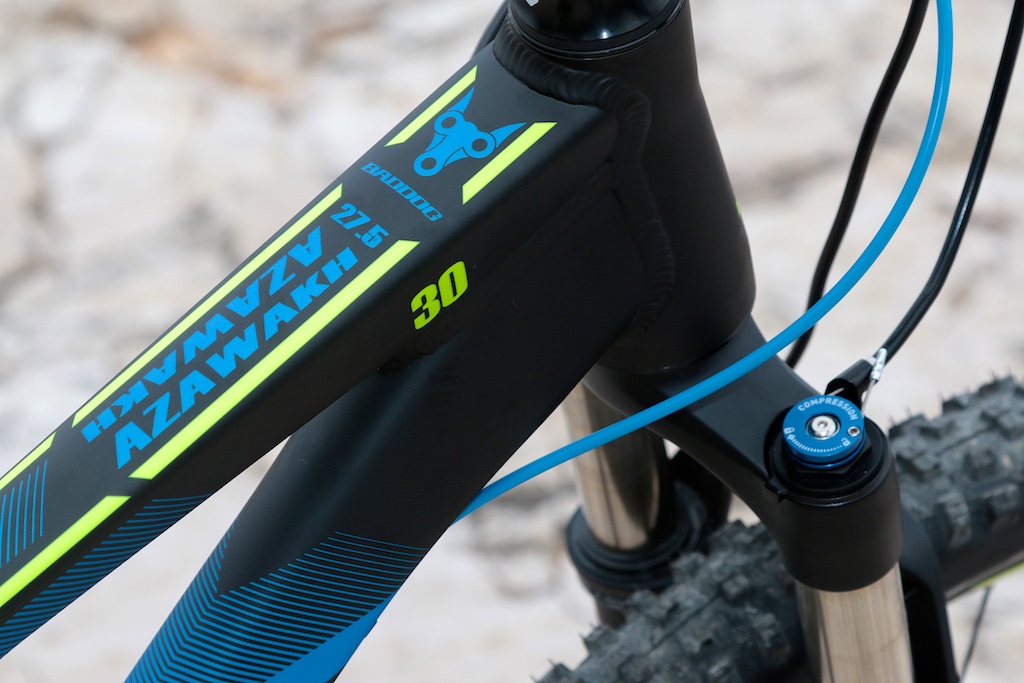
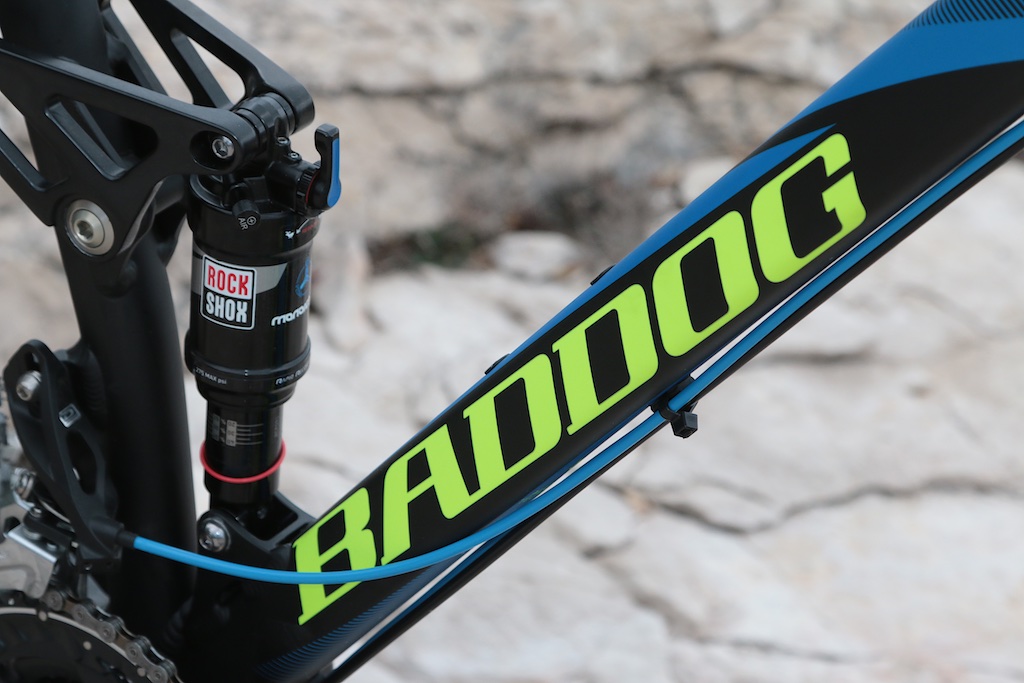
I like to point out that designers payed close attention to little things like matching frame stickers and cable housing. These latter run outside the frame, but anyone who has ever tried to route the cable through the frame, will consider this a blessing from heaven! Not to mention that the above-mentioned design “trick” makes the cables actually look good! The bike’s remaining accessories come from the venerable FSA, the hubs belong to the Deore group set, the rims are excellent DT-Swiss models with a Baddog sticker. The Schwalbe Nobby Nic tires are the icing on the cake! The 650B wheel size fit the Azawakh’s ride character, I did not miss the 29er feeling, even though I rode it mostly on rocky terrain.
Very convincing but up and downhill!

As I mentioned before, the geometry of the bike was put in place with the more simple front fork option, it was a pleasure to ride such a harmonious suspension setup. The rear suspension is very active which I truly love, so much that I often chose not to put it into lockout. I go slowly, and this makes the road even more plush. The Nobby Nic tires represent a good choice for this type of terrain: they were quite handy in the turns, and I experienced no problem with braking either. The 100 mm suspension travel is plenty for MTB marathon style of riding, or alternatively for performance-minded touring on rough terrain. The rear shock has a slightly different characteristic than the Recon fork, but they can easily be aligned with the correct adjustment. It could be said that the Monarch shock is superior to the Recon, it moves more smoothly than the fork, which one might be able to feel when we jumping on a rocky trail with great tempo. Nevertheless it is does not feel out of place, and only a very experience rider may notice the difference.
An excellent touring companion

Although the rear axle has only a quick release attachment, there seemed to be no problem with frame stiffness. This archaic technology tends to be quite rare in this category, but 650B wheel size does not put as much strain on the frame like a 29er, so thru-axles are not a must. Concerning shifting, it was interesting to see how much lighter the action the Deore system offers compared to the modern top-level XT or XTR components. It seems the “SRAM-effect” has not tricked down to the Deore level at Shimano. I loved the way the bike changed gears, and the 30 “speeds” always allowed to choose the ideal pedal cadence.

The suspension movement is very sophisticated

In the end, the reviewer has to take a stance on whether he would buy the buy the bike or not. Is it worth the cost? I say, yes, in fact, it offers an even better value that the previously tested top “33” model. I believe that someone who is looking for a RockShox RS-1 level bike is clearly not is the Azawakh „league”, on the other hand, this model variant will get you very good equipment, spot-on frame geometry and component choice in the 500,000 HUF price category. And one addition reason to choose this bike over another: Baddog is entirely a domestic product!

More information: https: //bad-bike.hu/termek/azawakh-30/

Recommended retail price: 465 000 Ft

Frame Material: 42 cm, 46 cm, 50 cm
Wheel Size: 27,5”
Nubmer of Gears: 30
Frame Material 6061 Aluminum Alloy
Fork Rockshox Recon Silver
Headset FSA Orbit 1,5”
Crankset Shimano Deore
Rear Derailleur Shimano Deore
Front Derailleur Shimano Deore
Rear Shifter Shimano Deore
Front Shifter Shimano Deore
Brake Shimano Deore
Cassette Shimano Deore
Front Hub Shimano Deore
Rear Hub Shimano Deore
Rims DT Swiss 466
Stem FSA Omega
Handlebar FSA XC, 740mm
Saddle Selle Italia X1
Tires Schwalbe Nobby Nic
Weight 14.8kg

Tour de Hongrie: Holler szakaszt nyert, Belletti növelte előnyét az összetettben

Fotó: Tdh.hu

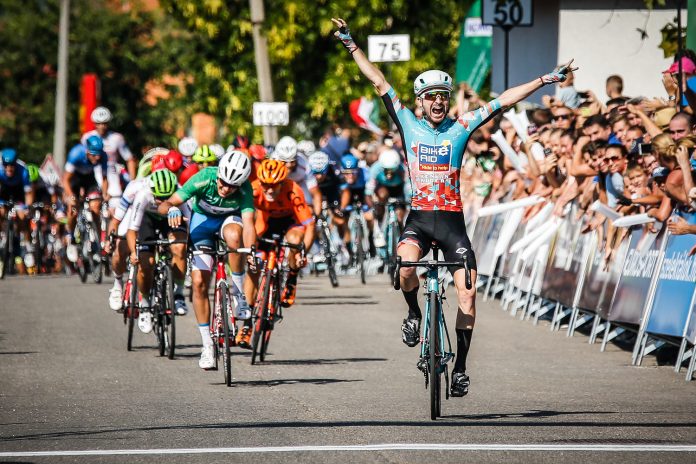
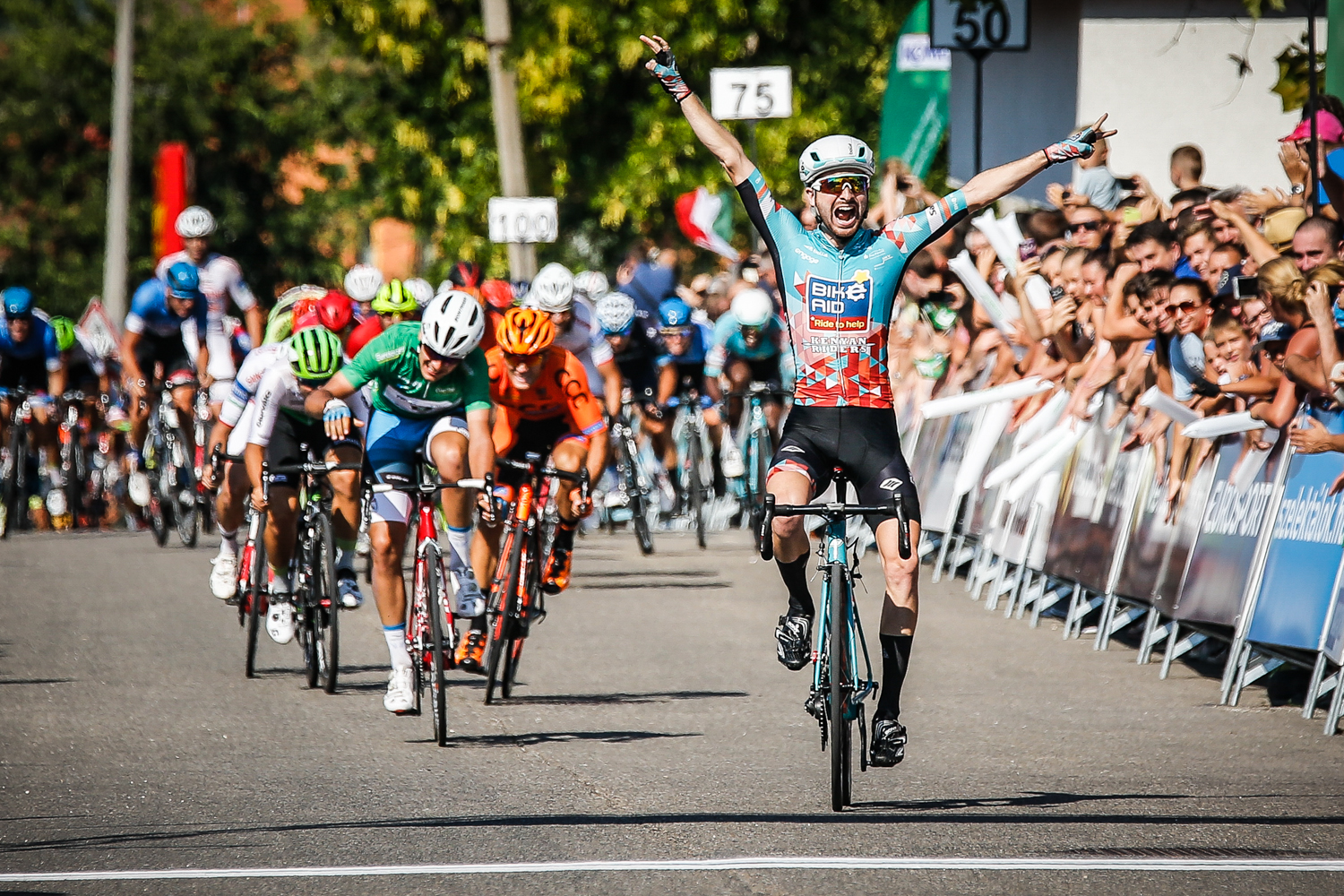
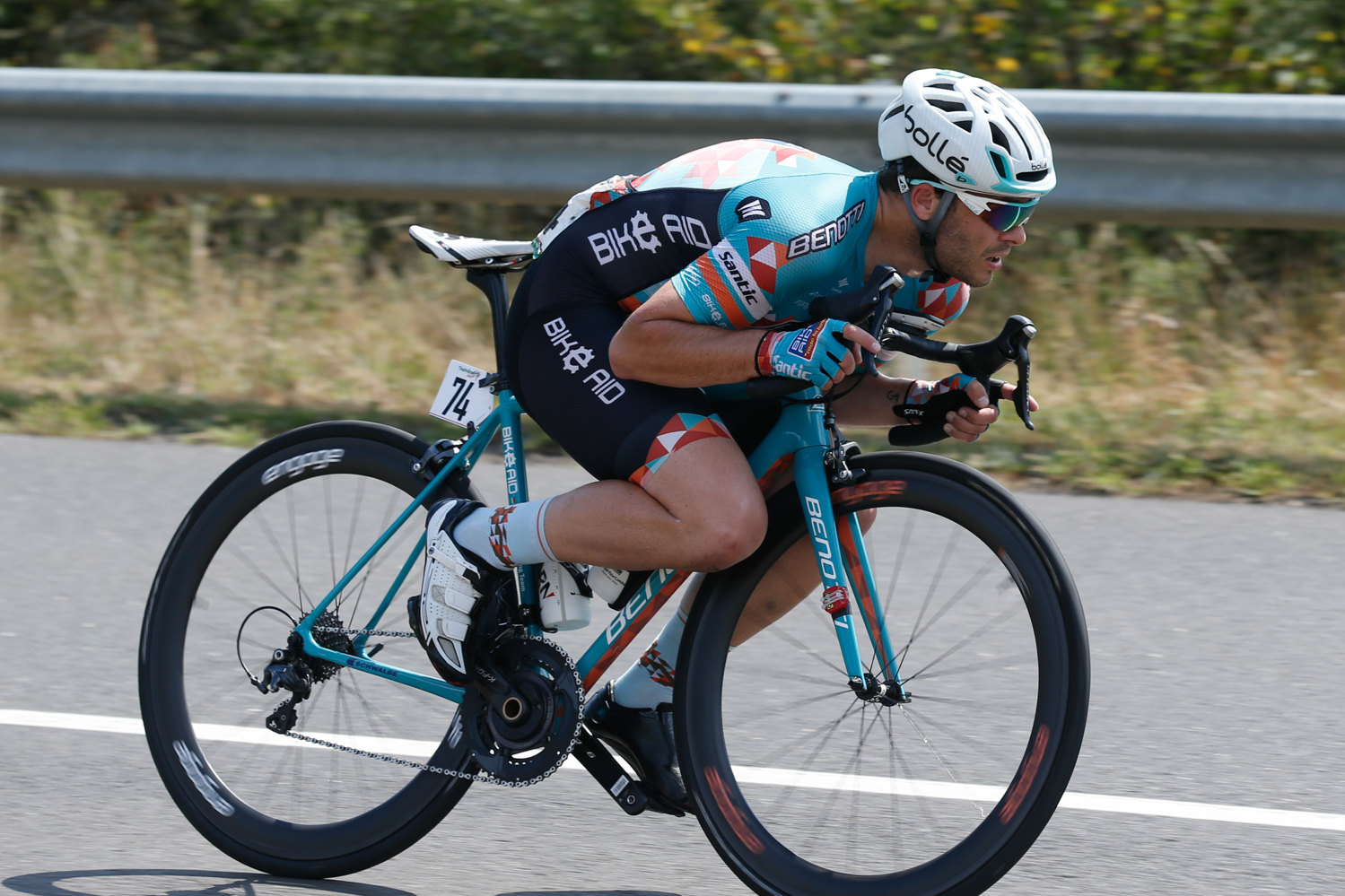
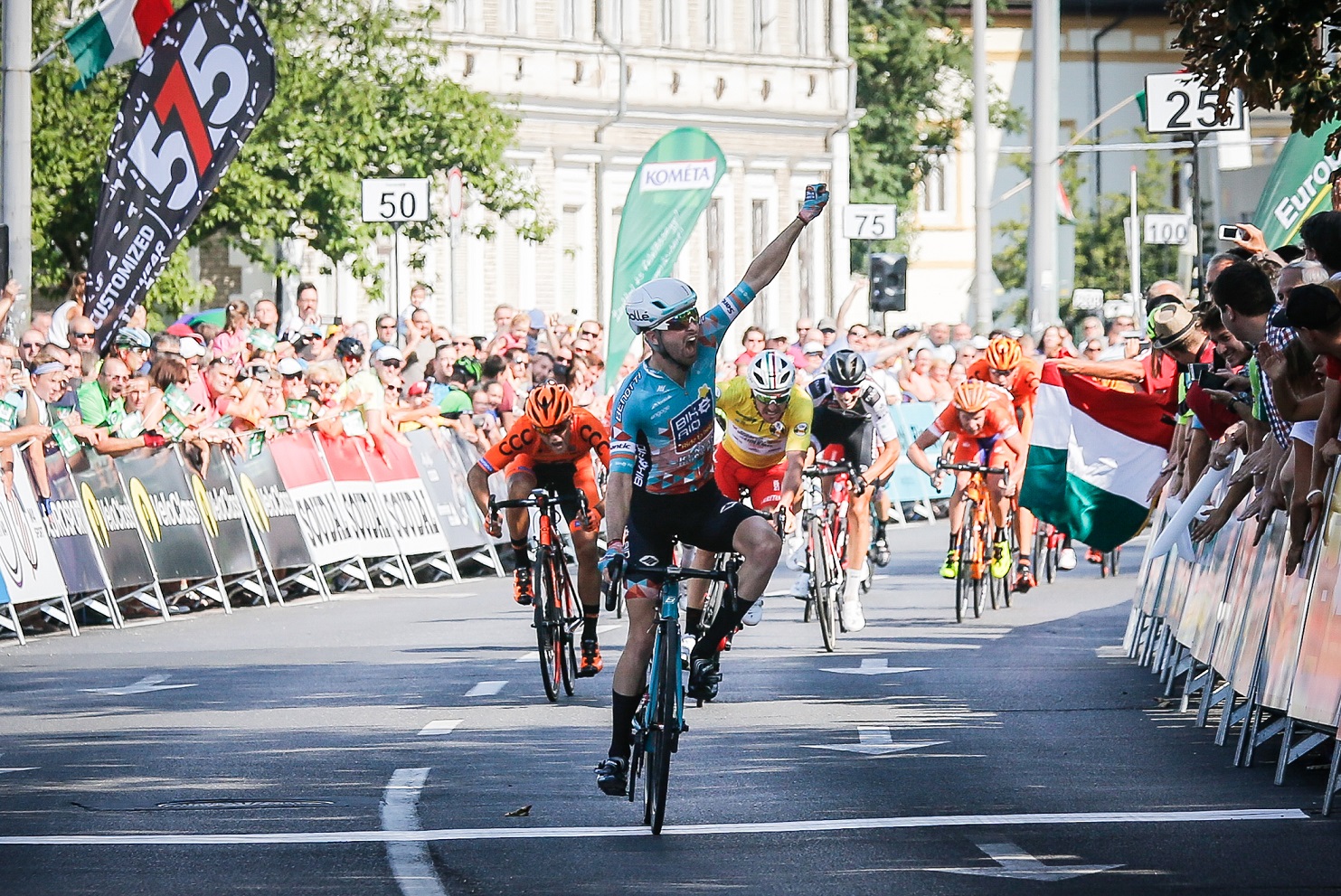
A hajrában indított szökés végén a német Nikodemus Holler nyerte a Tour de Hongrie negyedik szakaszát, megelőzve a sárga trikós Manuel Bellettit, aki megerősítette első helyét az összetett versenyben. A magyarok közül Valter Attila remekelt, aki ötödik lett ezen a napon.

Fotó: Tdh.hu

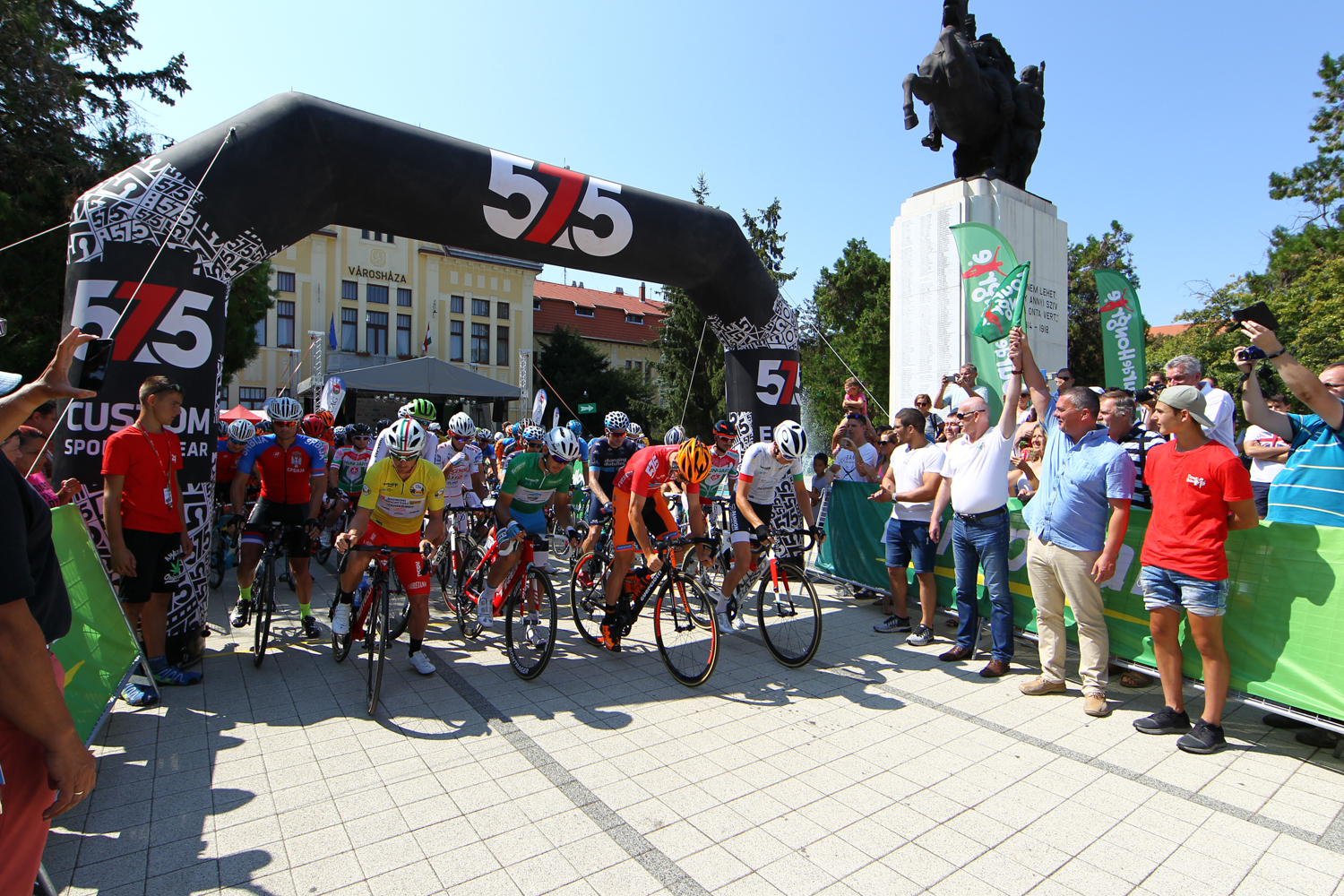
Karcagon Dobos László polgármester és a világbajnoki ezüstérmes cselgáncsozó, Tóth Krisztián indította útjára a Tour de Hongrie negyedik szakaszát. Összesen 182 kilométer és egy komoly emelkedő állt a versenyzők előtt, meglehetősen nagy hőségben.

Fotó: Tdh.hu

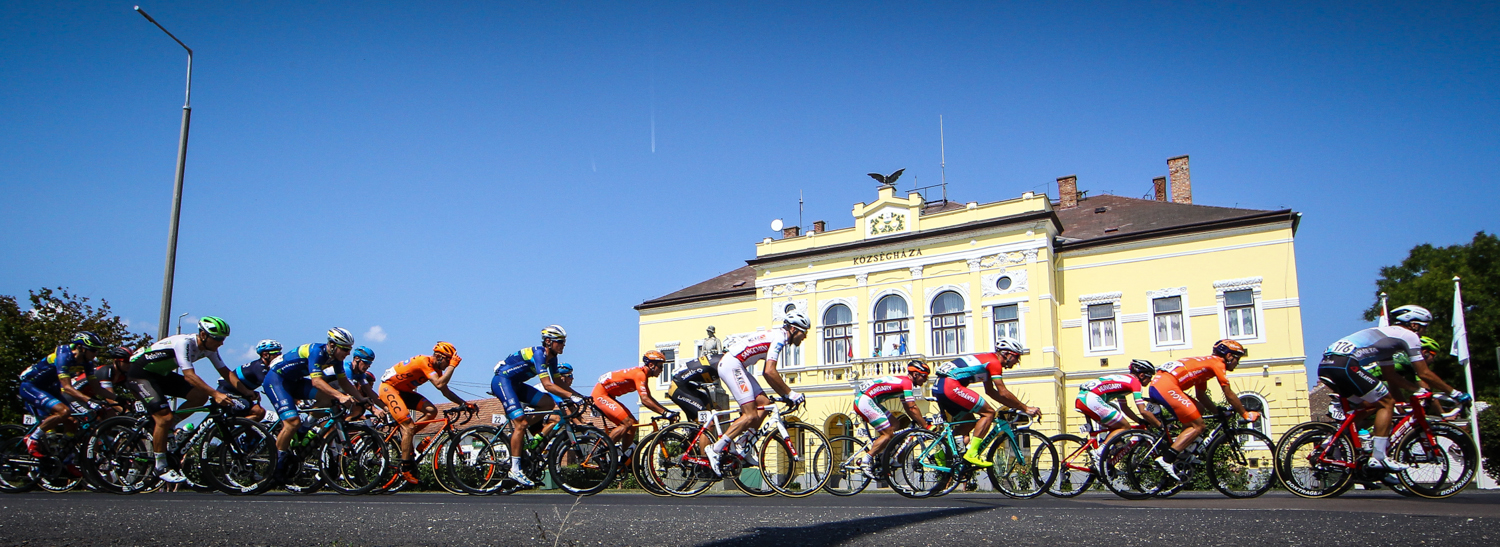
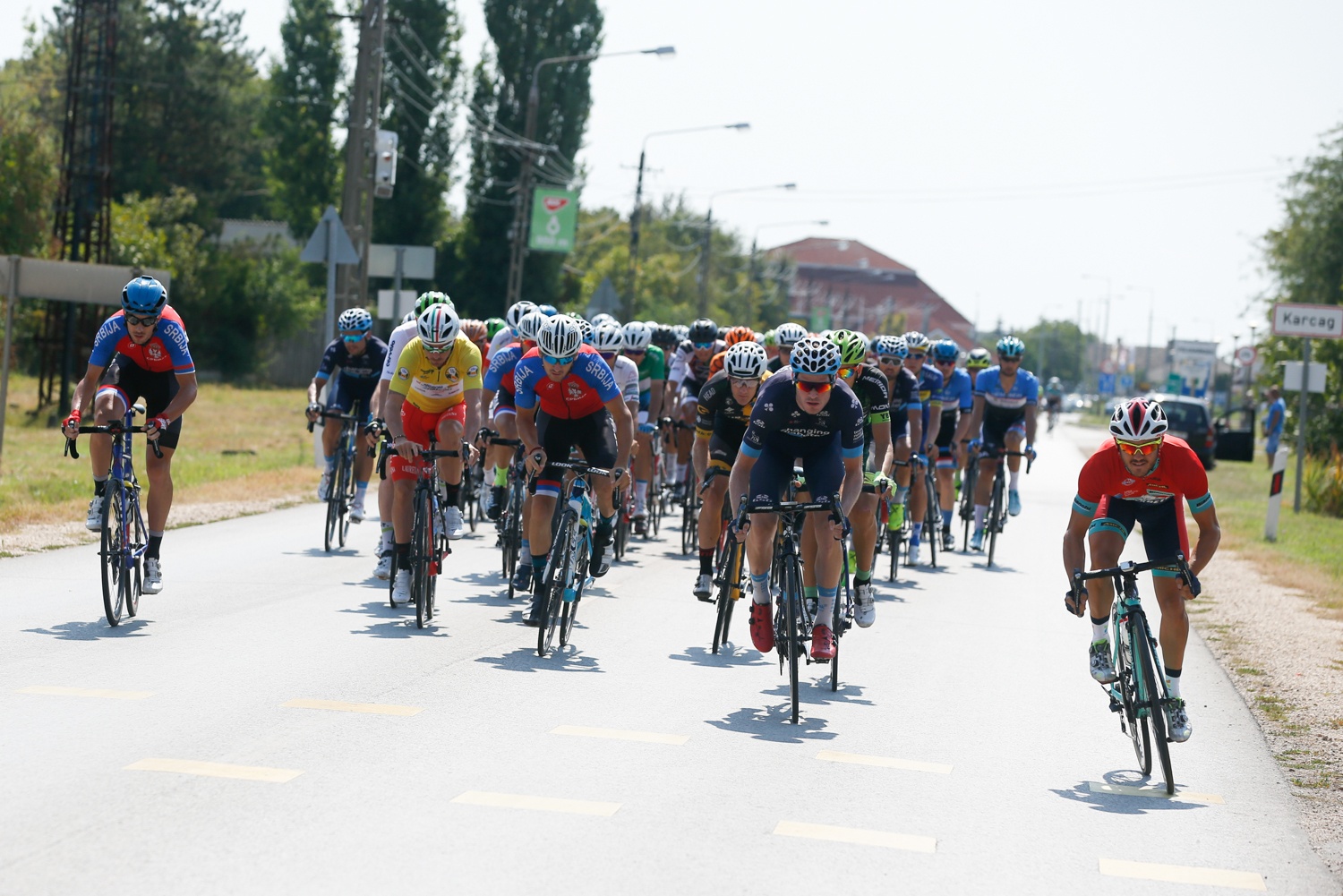
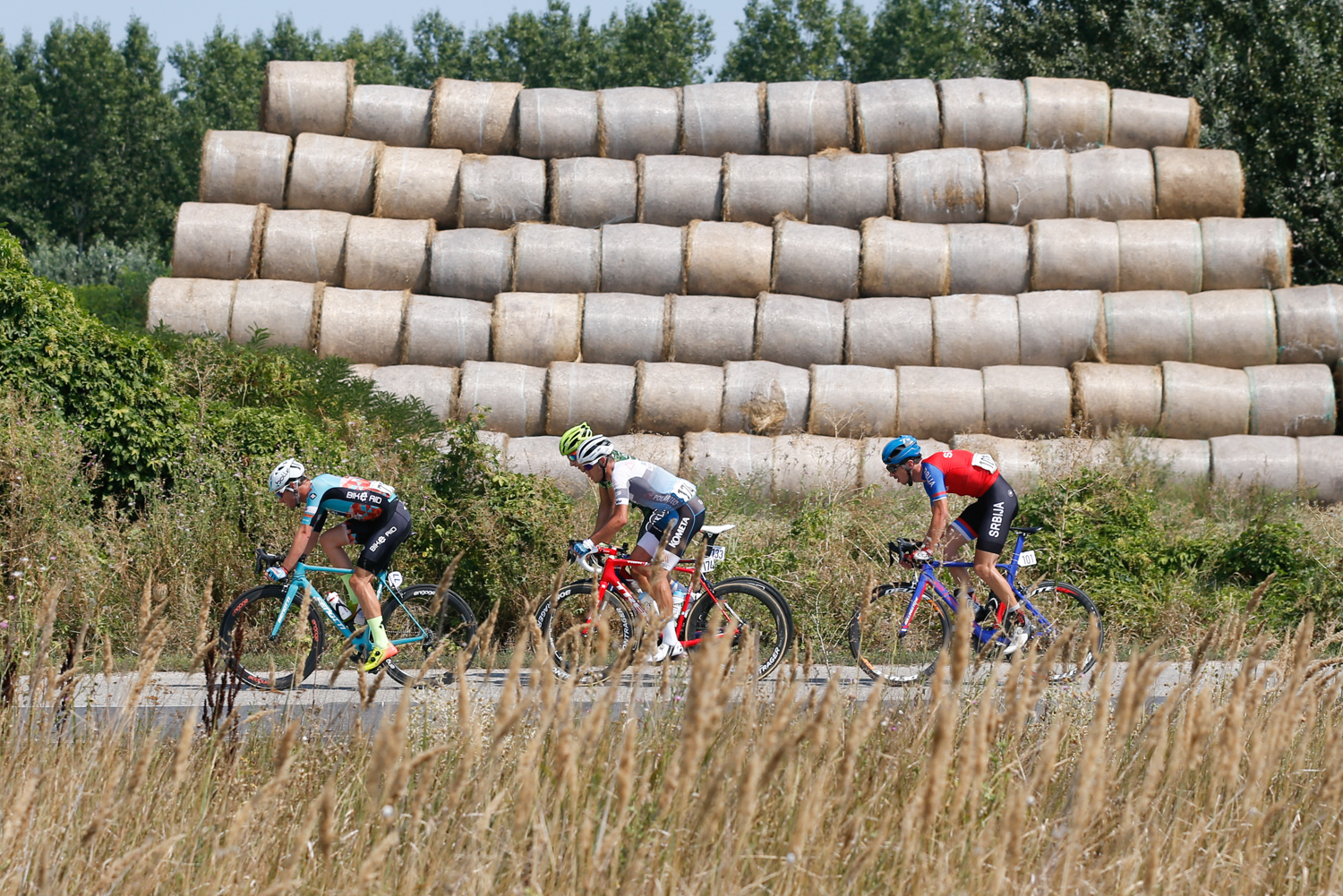
Ahogyan azzal előzetesen is számolni lehetett, a szakasz elején egymást érték a szökési kísérletek, Poroszló után, vagyis nagyjából az ötvenedik kilométernél a cseh Barta (Pardus Tufo Prostejov), a német Bichlmann (Bike Aid), a szerb válogatott Danilovics, a szlovákiai Oros Sámuel (Dukla Banská Bystrica) és a spanyol Serrano (Polartec-Kometa) lépett el a mezőnytől. Az ötösfogat négy és fél percig hizlalhatta előnyét, de Hejőkeresztúrhoz érve közeledni kezdett a mezőny, amely a miskolci részhajrá után, a bükkszentkereszti emelkedő előtt utolérte a szökevényeket.

Fotó: Tdh.hu

A nagyjából 600 méternyi szintemelkedést jelentő hegymenet szétzilálta a mezőnyt, a hegytetőre Valter Attila (Pannon Cycling Team) érkezett elsőként. A hosszú lejtmenetben ő próbált meg ellépni a többiektől, de a sprintre érkezve az őt üldöző bolyok közül kettő is összezárt, a másodikban megérkezett az olasz Belletti is, aki a sárga trikót viselhette ezen a szakaszon is.

Fotó: Tdh.hu

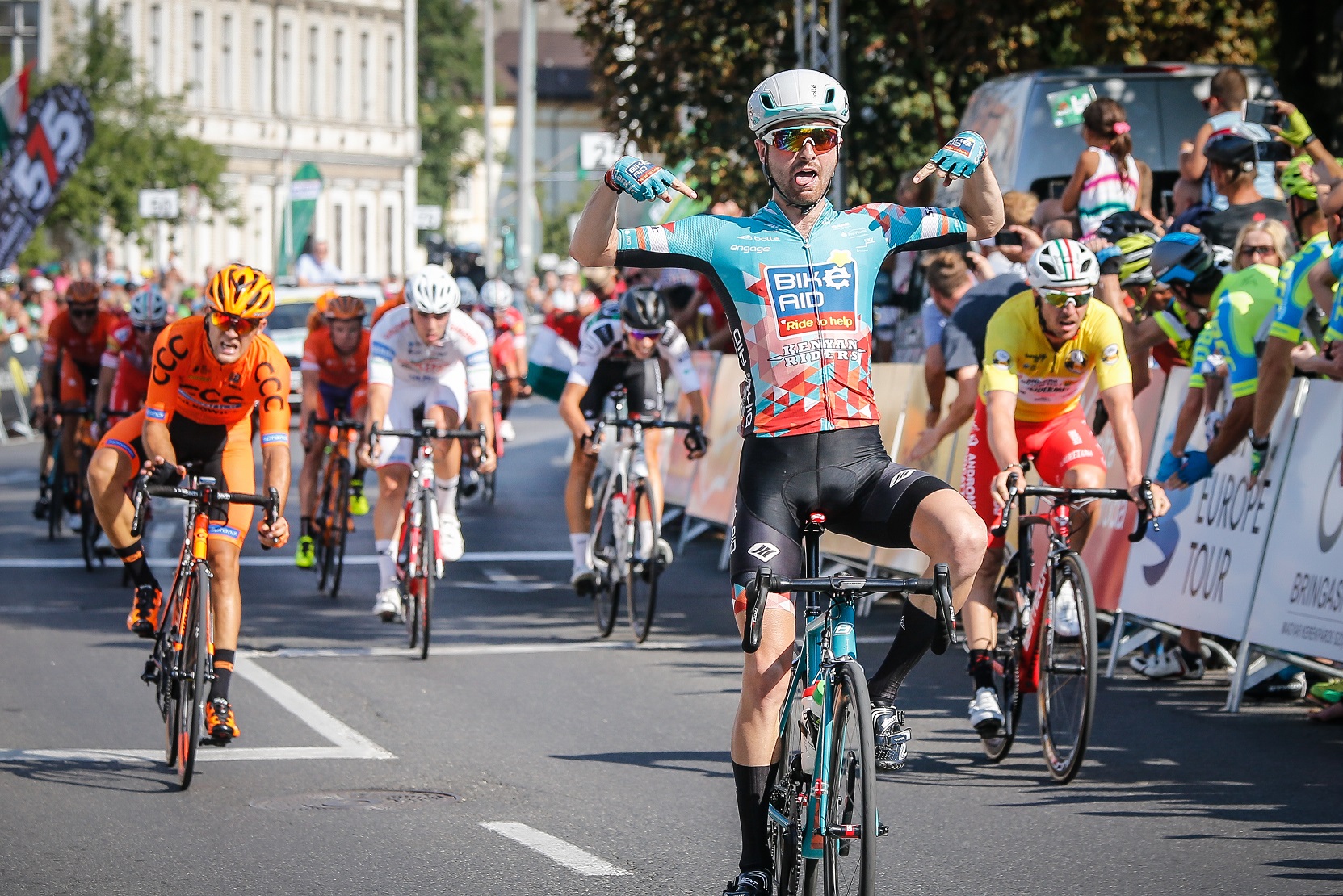
A tizenöt fős élboly együtt érkezett a befutóhoz, Belletti számított a csoportból a legjobb sprinternek, de a német Nikodemus Holler (Bike Aid) meglepő támadást indított ötszáz méterrel a cél előtt, s éppen annyi előnyt tudott szerezni, amennyi már elegendő volt számára a szakaszgyőzelemhez.

Fotó: Tdh.hu

A huszonhét esztendős német kerékpáros tavaly megnyerte a Kameruni Körversenyt, de a miskolci pályafutásának eddigi legnagyobb sikere. „Nagyon tetszett ez a szakasz, bár őszintén szólva nem vagyok egy igazi hegyi menő. A hajrára tizenöten maradtunk elöl, szerencsére gyorsan tudtam kanyarodni, egy kis előnyt tudtam szerezni, nagyon örülök, hogy végül meg tudtam nyerni ezt az etapot. Nagy siker a csapatom számára, hogy sikerült szakaszt nyernünk a Magyar Körversenyen!“

Fotó: Tdh.hu

A második helyen Belletti futott be, aki ekkor még bosszankodott, de az eredményhirdetésnél már mosolyogni is tudott, elvégre megerősítette első helyét az összetettben, immár fél perccel vezet, s jó esélye van rá, hogy vasárnap megnyerje a 2018-as Tour de Hongrie-t.

Belletti megőrizte a legjobb sprinternek járó zöld mezt is, ahogyan a lengyel Stosz is tovább viselheti a legjobb hegyimenőt illető piros trikót, igaz, mindössze egy pont az előnye a bükkszentkereszti első kategóriás hajrát megnyerő Valter Attilával szemben.

A legjobb magyarnak járó fehér mezt szombati remeklésének köszönhetően Valter Attila vehette át klubtársától, Dina Mártontól.

Valter Tibor az eredményhirdetés előtt azzal a kéréssel fordult a magyar válogatott szövetségi kapitányához, a gratuláló Dér Zsolthoz, hogy „tanítsa meg nyerni“.

„Szomorú ezt mondani, de csak fejben dől el“ – értékelt az MTI kérésére Valter Attila, aki megemlítette: tavaly is hasonló létszámú versenyzővel érkezett meg a sprintre, de akkor nem érezte úgy, hogy érdemes próbálkoznia.

„Az idén már nem hagytam annyiban, próbáltam a helyemet tartani és minél előrébb jutni. A győztes srác nagyon ügyesen csinálta, elkanyarodott ötszáznál. Lehet, hogy nekem is ezt kellett volna tennem, hisz bátraké a szerencse – fejtette ki a 20 esztendős bringás. – Tanulok ebből az esetből, biztos, hogy egyszer-kétszer nekem is összejön majd ilyen győzelem.“

Fotó: Tdh.hu

EREDMÉNYEK
4. szakasz, Karcag–Miskolc (182 km):
1. Nikodemus Holler (német, Bike Aid) 4:08:44
2. Manuel Belletti (olasz, Androni Giocattoli Sidermec) azonos idővel
3. Kamil Malecki (lengyel, CCC Sprandi Polkowice) a. i.
4. Paolo Toto (olasz, Sangemini MG K Vis) a. i.
5. Valter Attila (Pannon Cycling Team) a. i.
6. Olekszandr Prevar (ukrán, Team Novák) a. i.

Az összetettben:
1. (sárga mezben) Manuel Belletti (olasz, Androni Giocattoli Sidermec) 16:34:19
2. Paolo Toto (olasz, Sangemini MG K Vis) 30 mp h.
3. Patrick Schelling (svájci, Vorarlberg Santic) 32 mp h.
4. Kamil Malecki (lengyel, CCC Sprandi Polkowice) 36 mp h.
5. Leszek Plucinski (lengyel, CCC Sprandi Polkowice) 51 mp h.
6. Olekszandr Prevar (ukrán, Team Novák) 52 mp h.
15. Valter Attila (Pannon Cycling Team) 1:52 p h.
19. Dina Márton (Pannon Cycling Team) 2:20 p h.

A gyorsasági pontversenyben:
1. (zöld mezben) Manuel Belletti (olasz, Androni Giocattoli Sidermec)
A hegyi pontversenyben:
1. (piros mezben) Patryk Stosz (CCC Sprandi Polkowice)
A legjobb magyar versenyző:
1. (fehér mezben) Valter Attila (Pannon Cycling Team)

A teljes tájékoztató eredménylista: KLIKK IDE!

Következik!
Az utolsó nap következik! A Kazincbarcikán és környékén kijelölt 128 kilométeres útvonal még tartogat két emelkedőt, de ez nem okoz különösebb gondot a mezőny tagjainak. Körversenyeken az utolsó napon „nem illik“ támadni, valószínűleg már csak kevesen hiszik, hogy nem zárult még le a sárga trikóért folytatott csata.
Rajt: 2018. augusztus 19. vasárnap, 12:30, Kazincbarcika, Fő tér
Várható befutó: 15:39, Kazincbarcika, Fő tér
Kinek kedvez: ez a szakasz sprintbefutót ígér, de a sárga trikós csapatának várhatóan nagyot kell majd dolgoznia, hogy kontroll alatt tartsa a mezőnyt.

Várható útlezárások
A Tour de Hongrie 5. szakasza során Kazincbarcika és Kazincbarcika között 128 kilométert tesz meg a mezőny, amely 12:30-kor indul útjára Kazincbarcikán, a Fő térről. A karaván a Múcsony, Edelény, Szendrő, Szalonna, Perkupa, Szin, Szinpetri, Jósvafő, Aggtelek, Trizs, Ragály, Zubogy, Felsőkelecsény, Felsőnyárád, Sajókaza, Szuhakálló útvonalon jut el a kazincbarcikai célig. Az útvonal egyes szakaszain teljes útlezárás, máshol rövid ideig tartó mozgó útzár óvja a versenyzők biztonságát. A városokban várható zárásokról a csatolt dokumentumokból tájékozódhatnak. Az esetleges kényelmetlenségekért a közlekedők megértését kérik a szervezők!

A 39. TOUR DE HONGRIE PROGRAMJA
Augusztus 14. (kedd): Prológ, egyéni időfutam, Siófok (3,5 km). Győztes: Patrick Schelling (svájci, Vorarlberg Santic). Sárga trikóban: Patrick Schelling (svájci, Vorarlberg Santic)

Augusztus 15. (szerda): 1. szakasz, Balatonalmádi–Keszthely (154 km). Győztes: Manuel Belletti (olasz, Androni Giocattoli Sidermec). Sárga trikóban: Manuel Belletti (olasz, Androni Giocattoli Sidermec)

Augusztus 16. (csütörtök): 2. szakasz, Velence–Székesfehérvár (190 km). Győztes: Matteo Moschetti (olasz, Polartec-Kometa). Sárga trikóban: Manuel Belletti (olasz, Androni Giocattoli Sidermec)

Augusztus 17. (péntek): 3. szakasz, Cegléd–Hajdúszoboszló (206 km). Győztes: Andrij Bratascsuk (ukrán, Team Novák). Sárga trikóban: Manuel Belletti (olasz, Androni Giocattoli Sidermec)

Augusztus 18. (szombat): 4. szakasz, Karcag–Miskolc (182 km). Győztes: Nikodemus Holler (német, Bike Aid). Sárga trikóban: Manuel Belletti (olasz, Androni Giocattoli Sidermec)

Augusztus 19. (vasárnap): 5. szakasz, Kazincbarcika–Kazincbarcika (128 km). Rajt: 12:30. Várható befutó: 15:30

Wilier 2019 Bikes – Premium level at Super Prices!

At this year’s Eurobike, it was difficult not to notice the spectacular range of bikes at the Wilier booth. One could not stop admiring their fine machines: the traditional Italian brand not only showed impressive design, but excelled in technical content as well. To teas the reader, Wilier developed their best TT road racer ever, as well as a new top-of-the-range road bike, along with premium e-road, carbon gravel and MTB models.

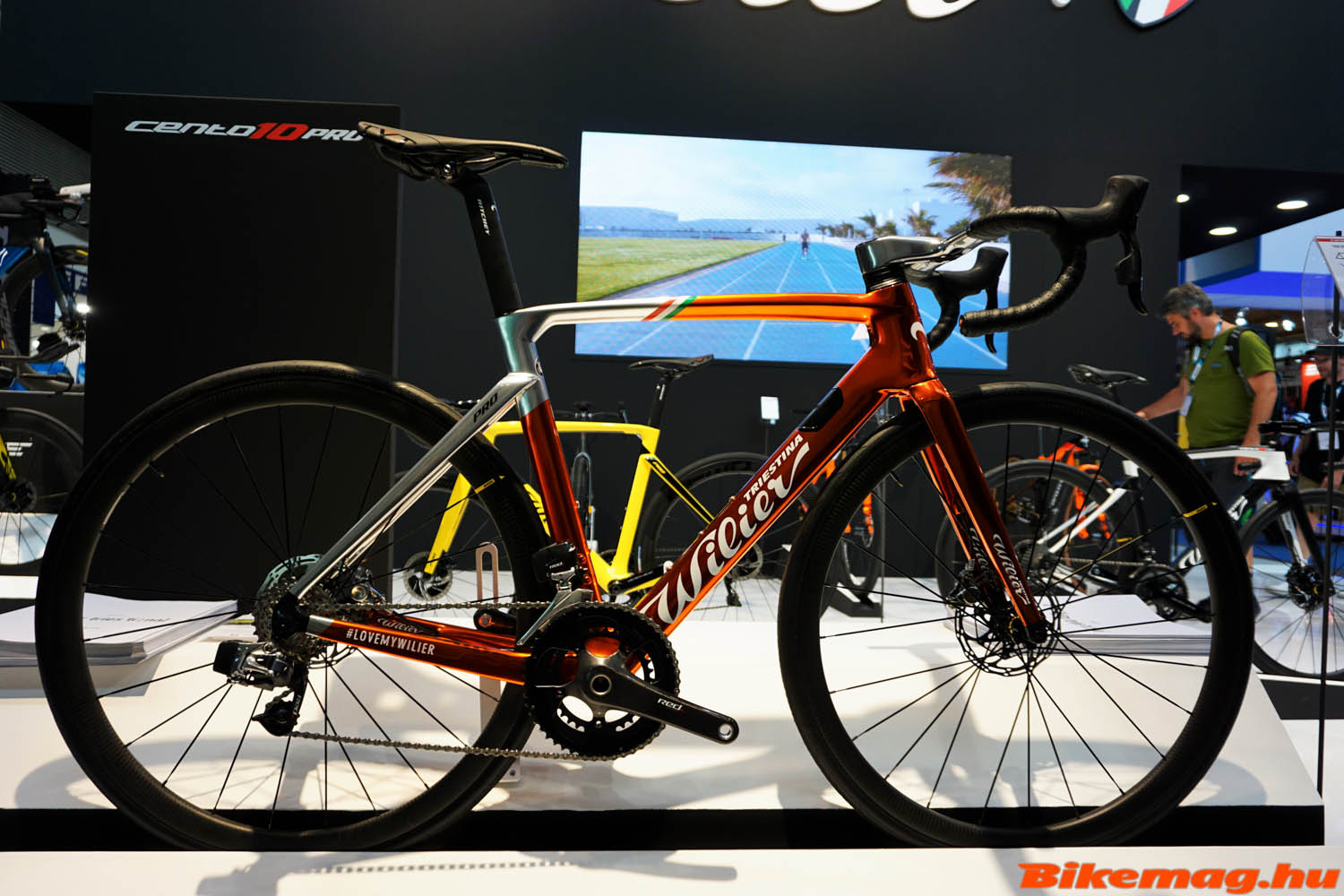
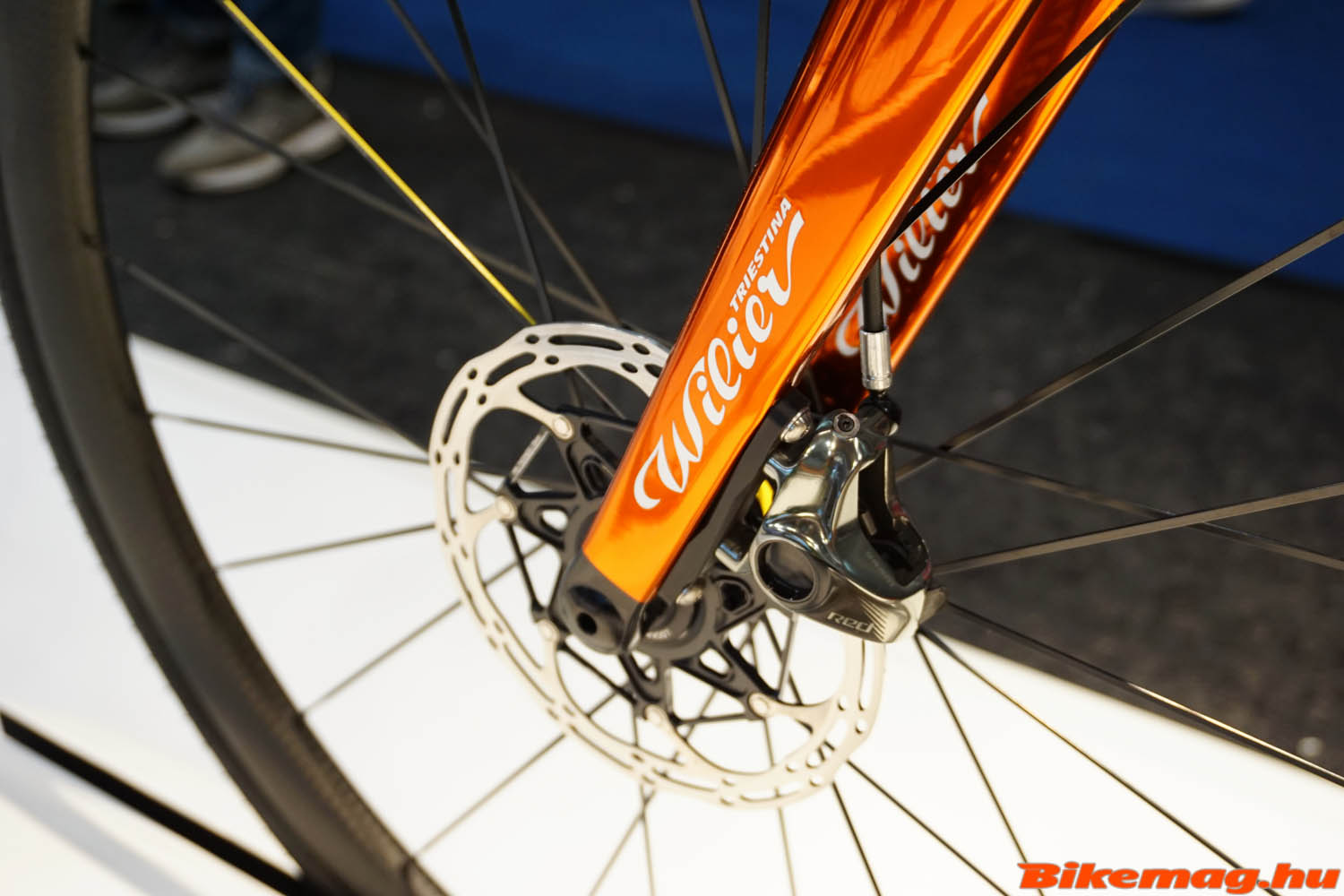
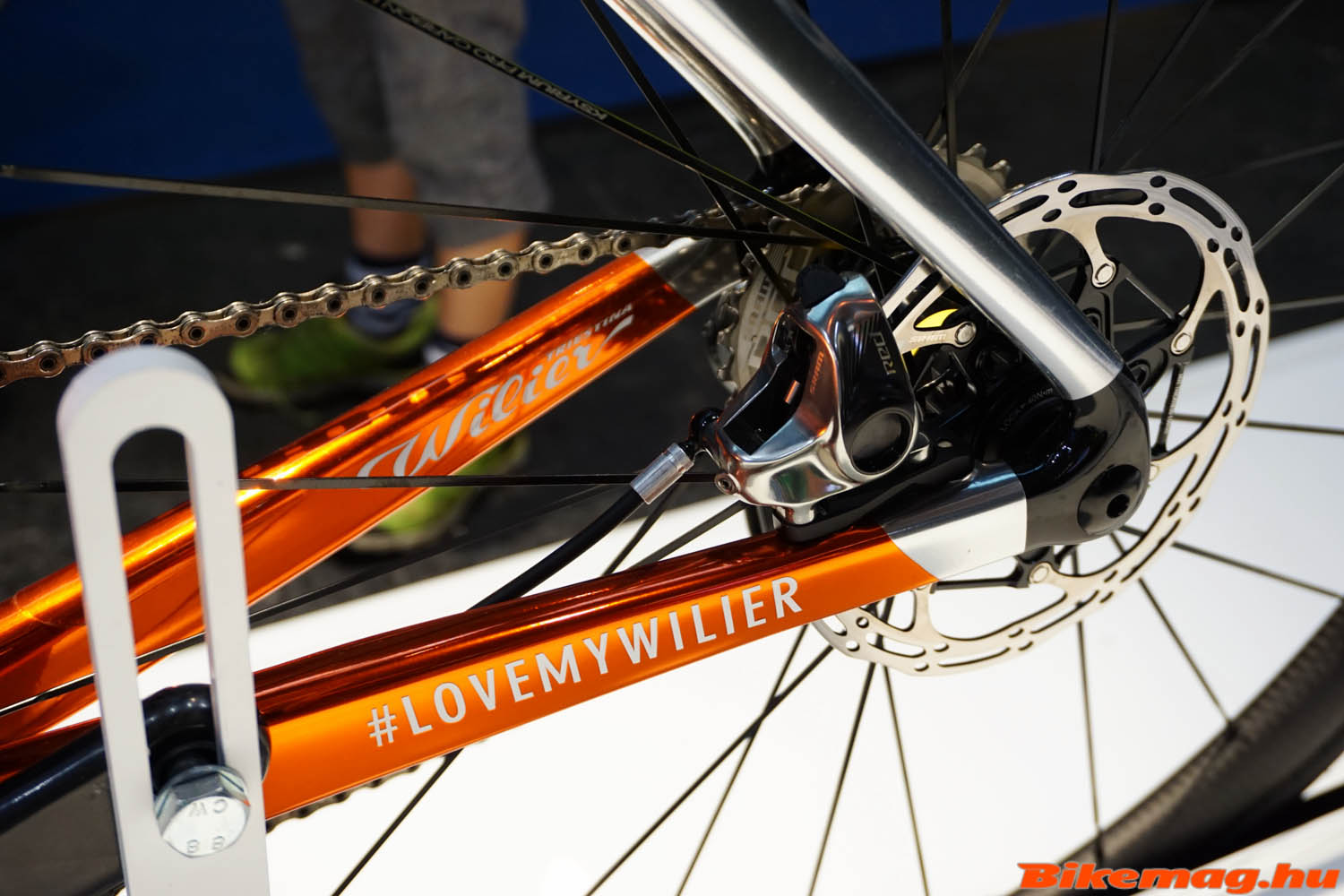
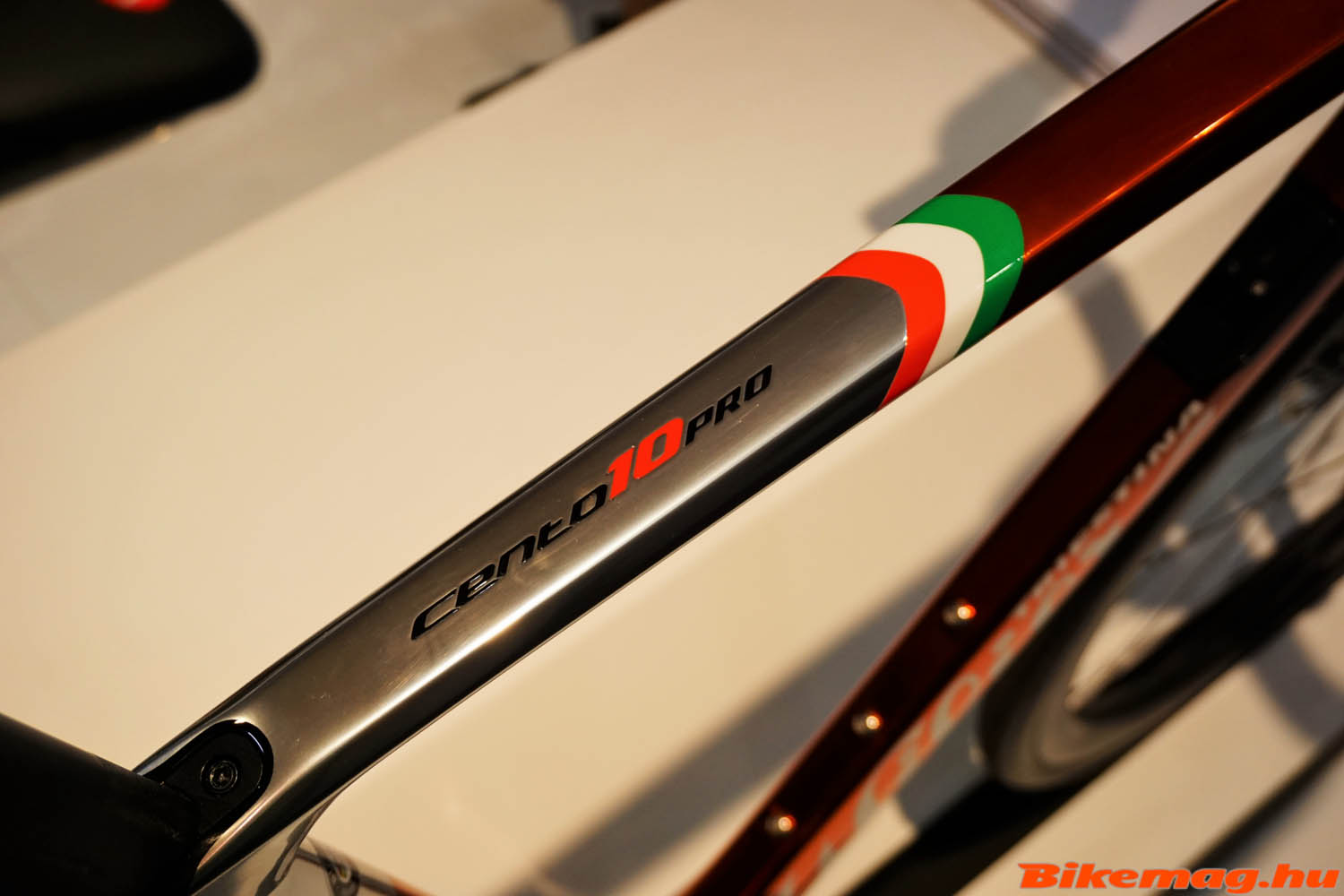
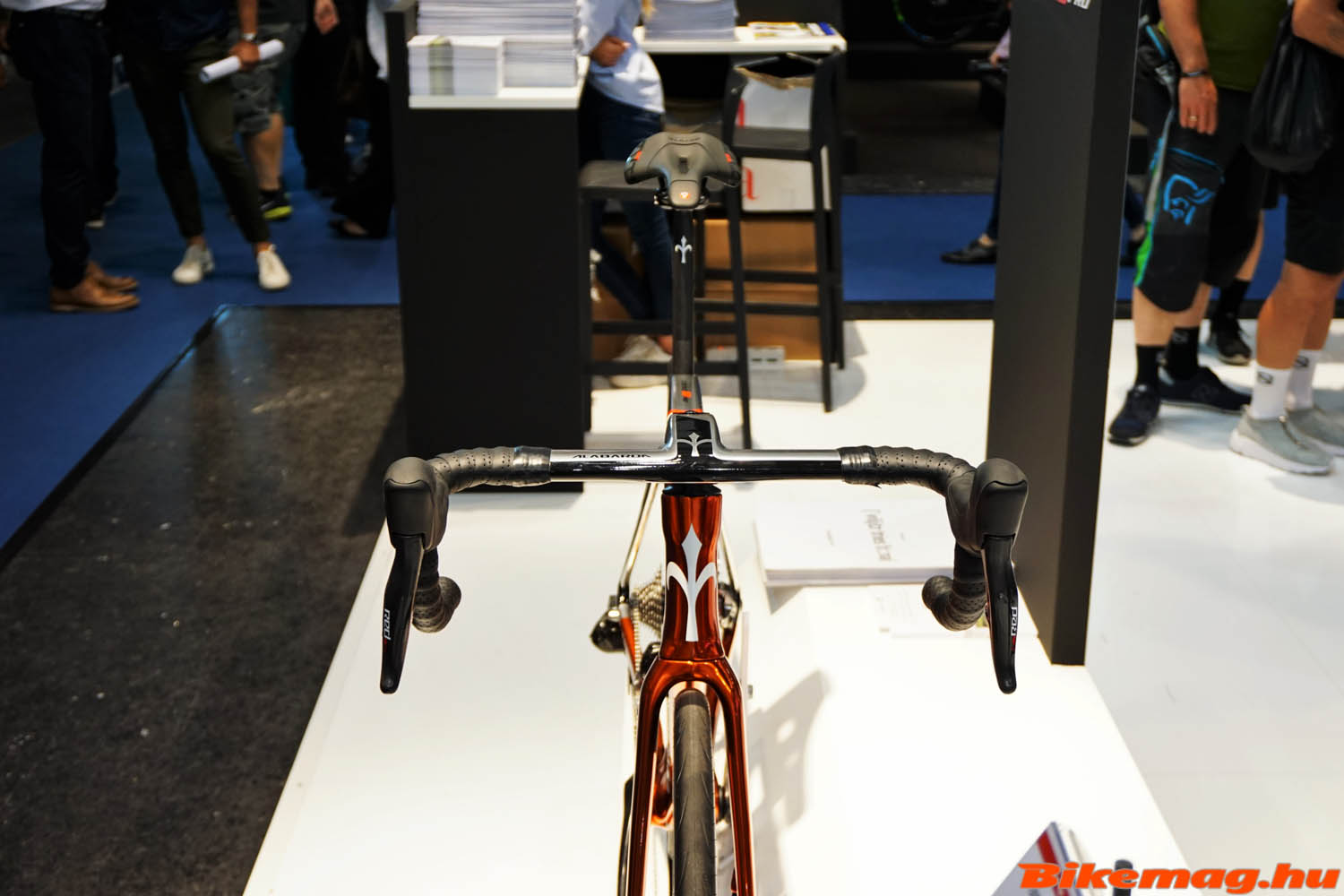
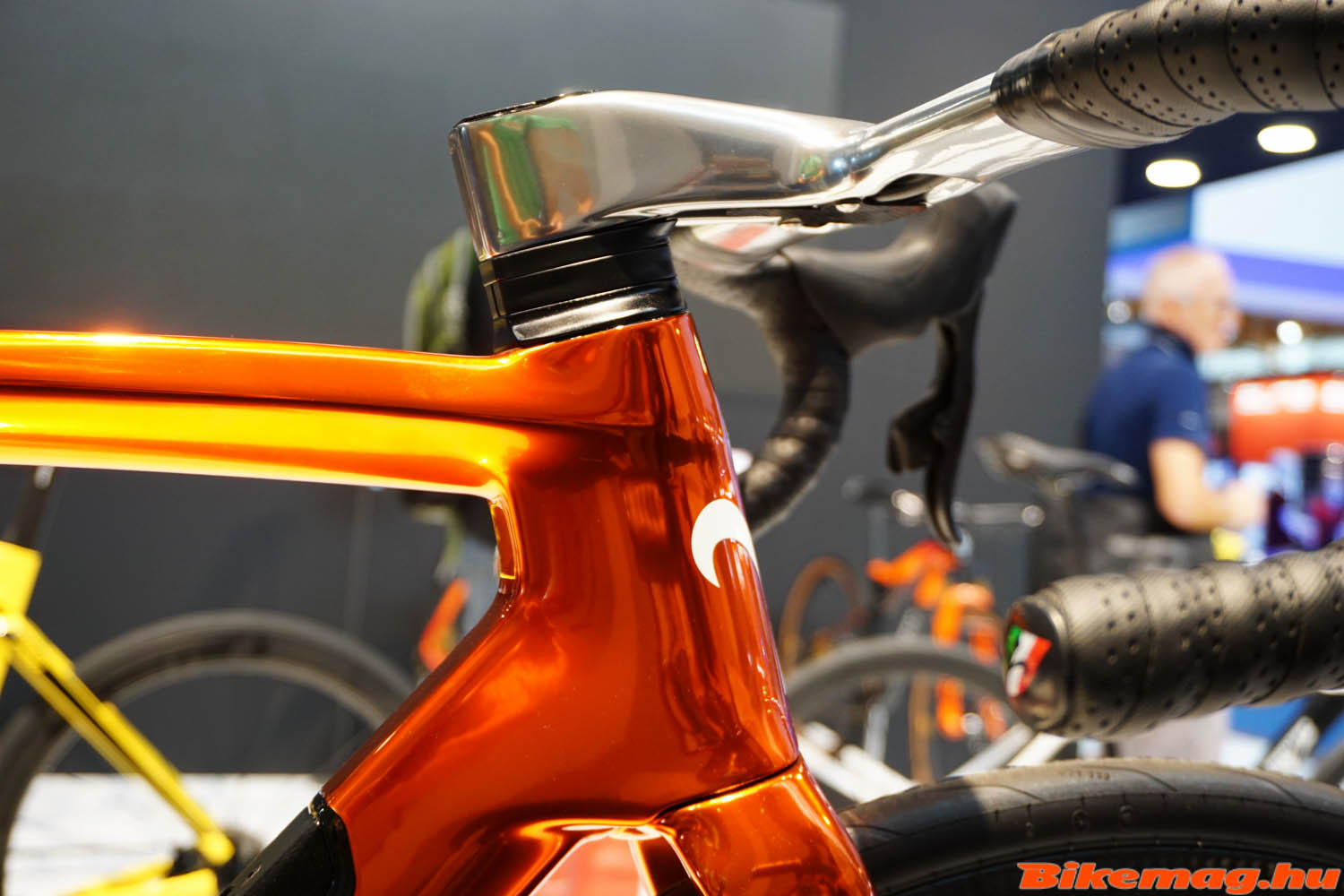
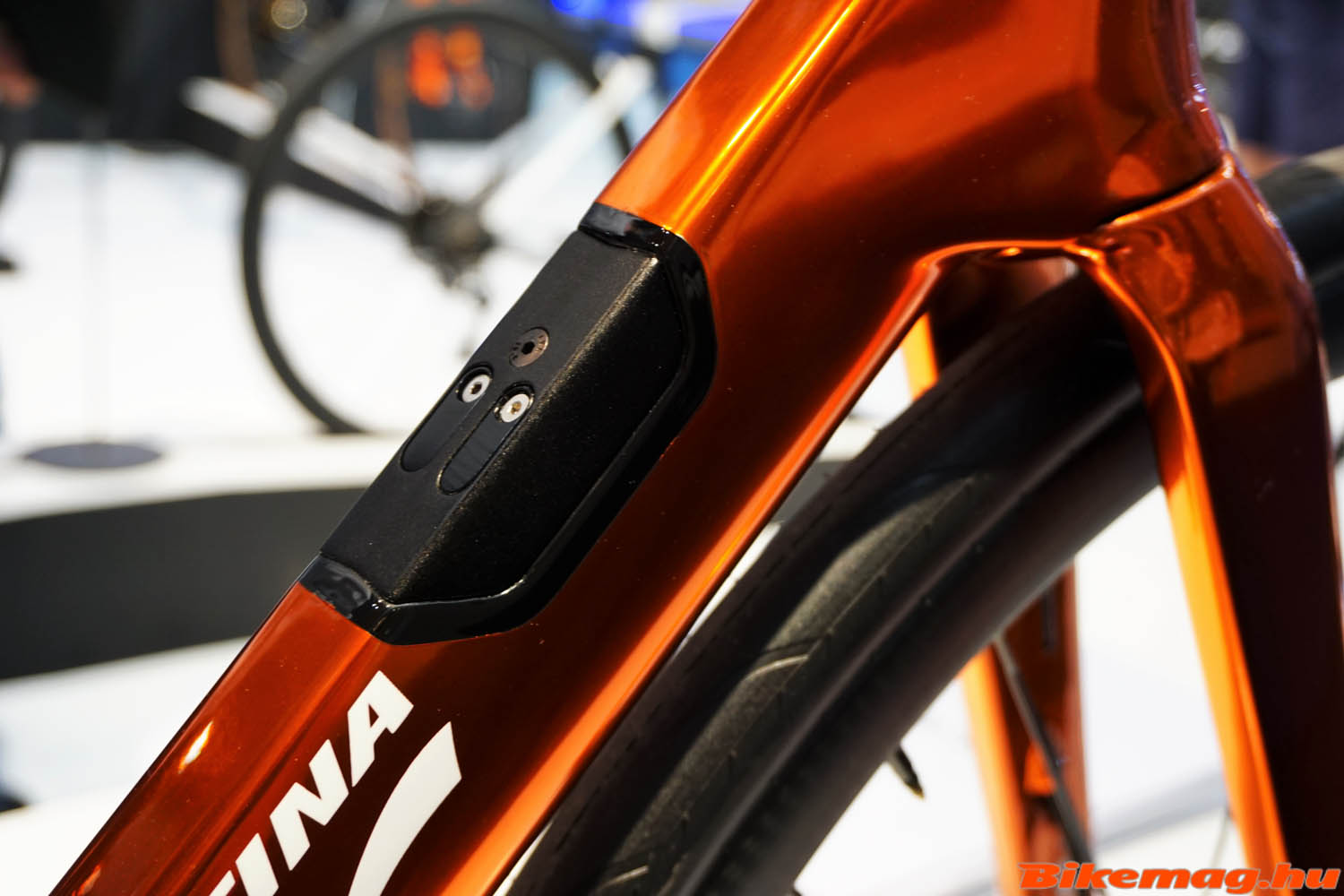
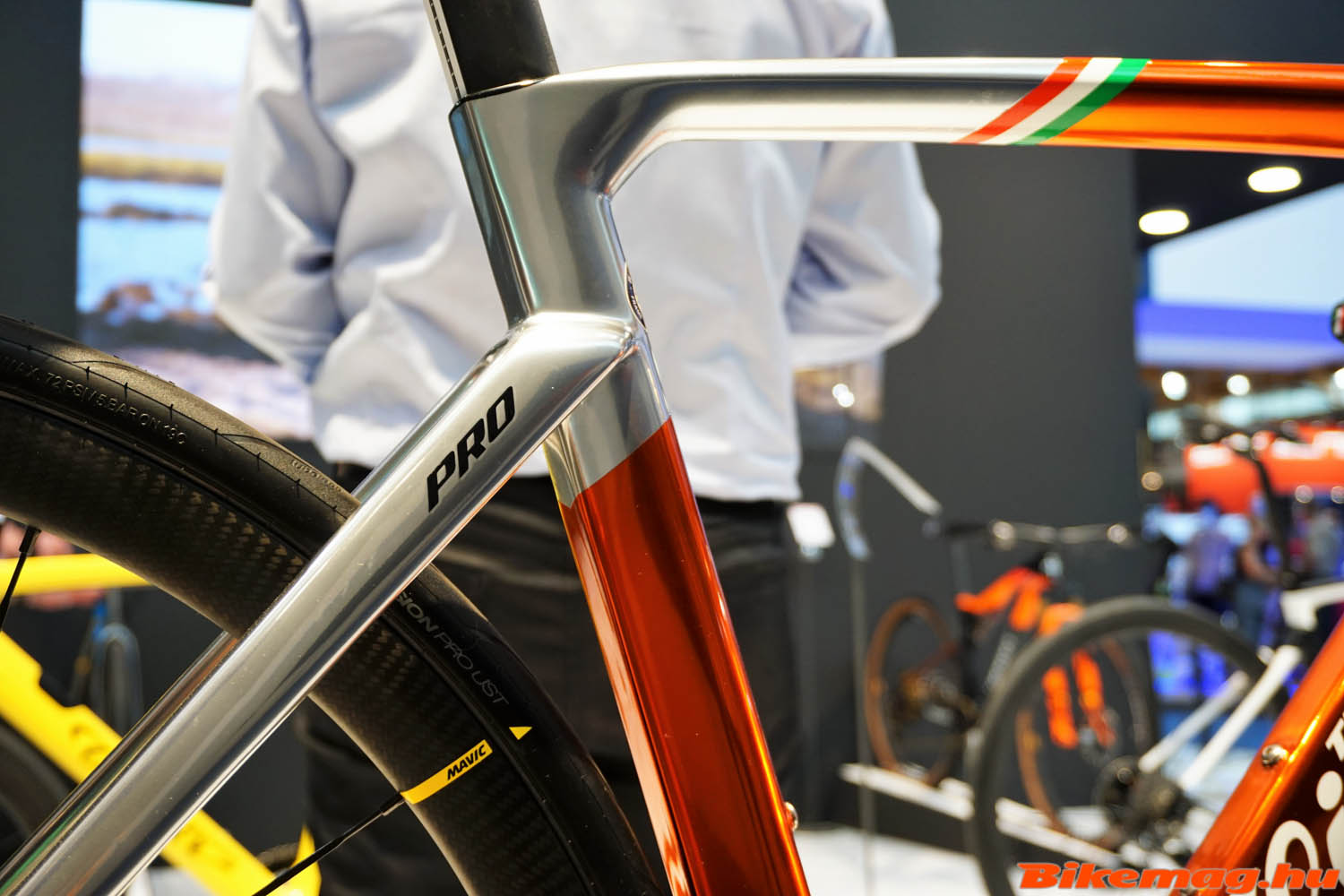
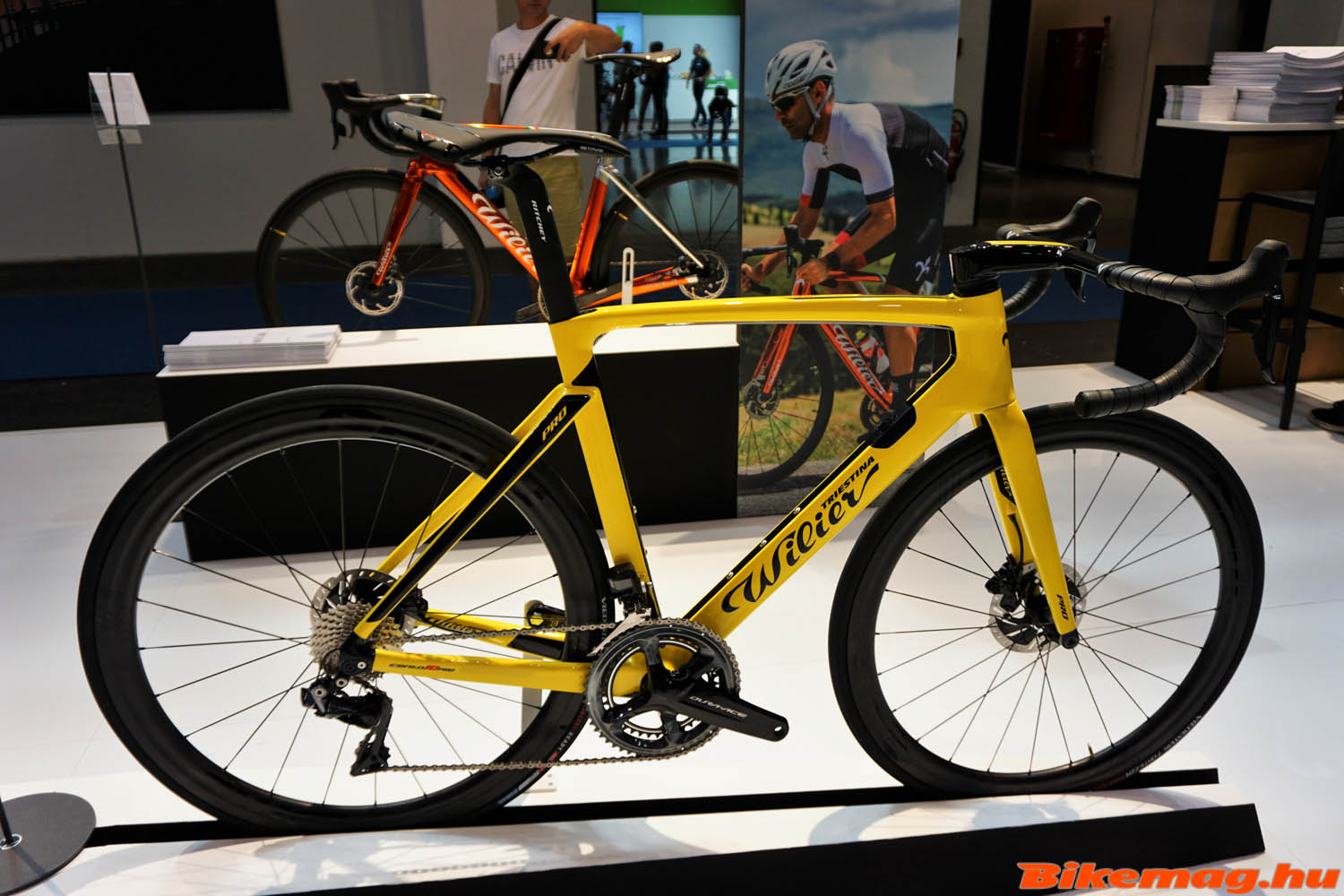
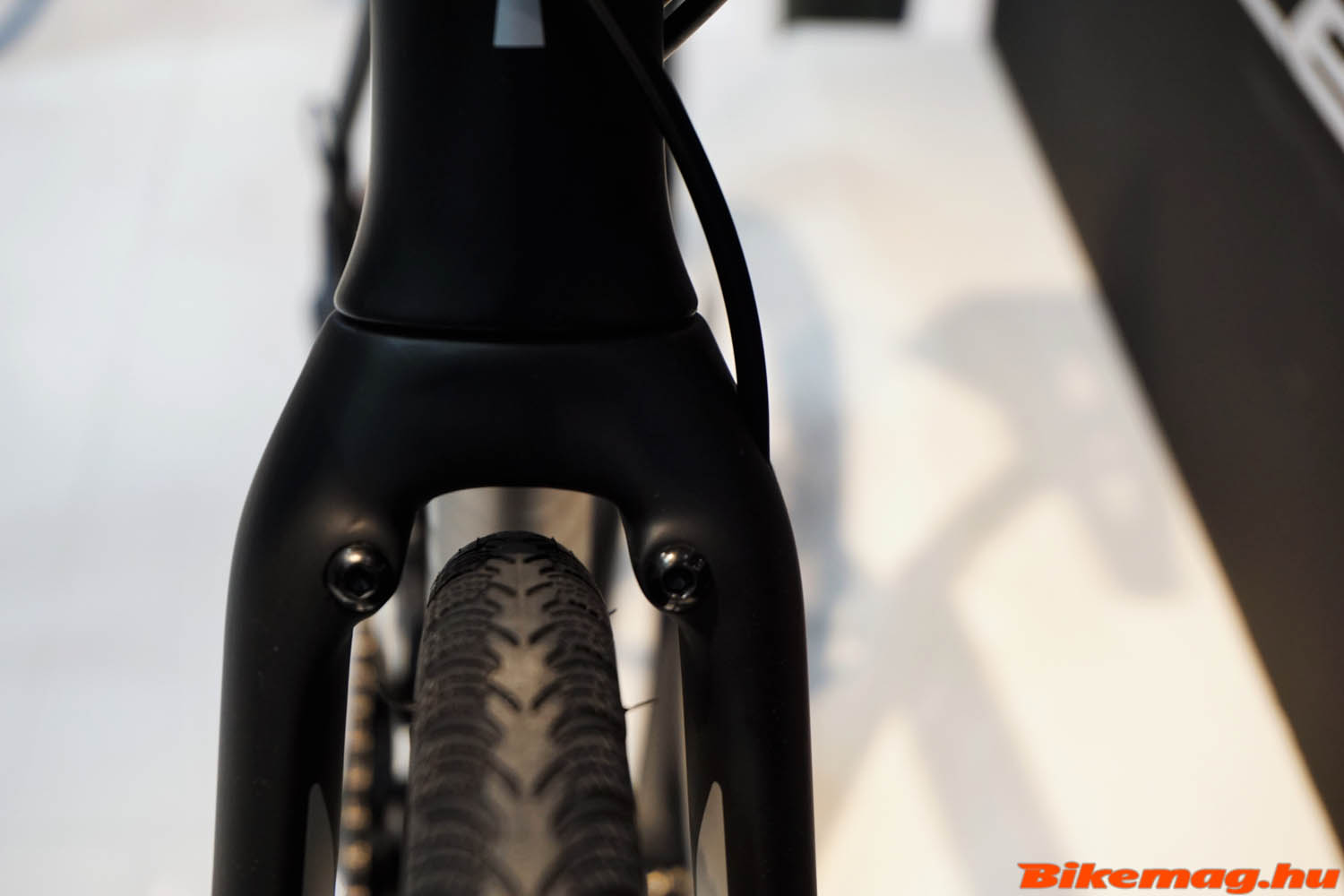
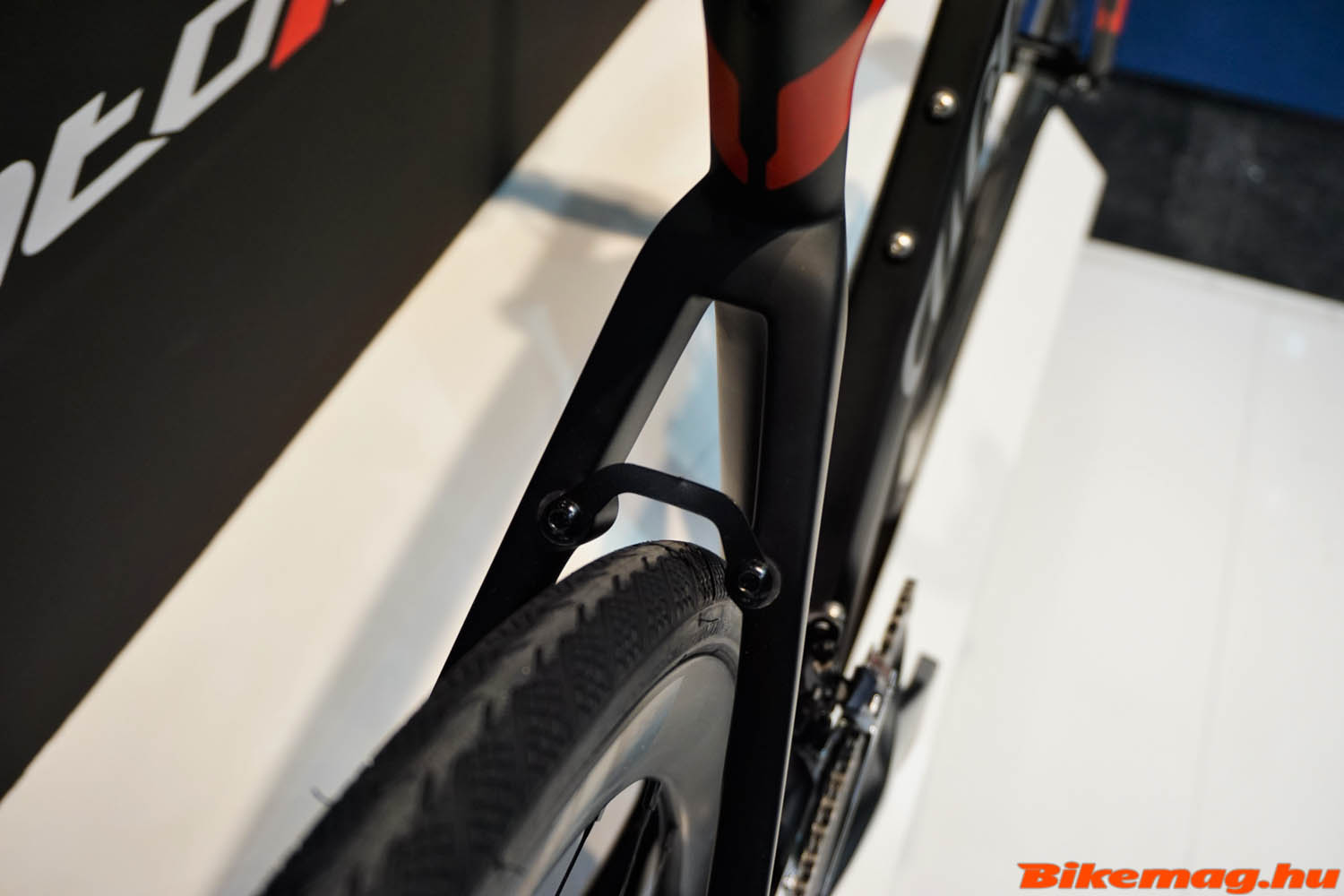
The Wilier Cento10PRO has everything that would please an avid roadie: it’s aerodynamic, efficient, has lightweight frame, and a clean and eye-catching design to give it an incredible and distinct look. At the exhibition it was impossible not to admire the stunning “Ramato” color scheme, which proved to be the perfect decorating element for the Wilier stand. It’s typically the bike that you cannot take your eyes off. The Cento10PRO is in the aerodynamic road bike category, developed from the successful Cento10AIR. The Italian manufacturer managed to increase the lateral stiffness of the frame by 6%, and the new model is disc brake compatible. The “disc” solution Wilier employed for the Cento10PRO involves offering mounts for both disc and rim brakes, and likewise the wheel attachment can be thru-axle or traditional quick release. So you can choose whichever braking and wheel system you want on the bike. Wilier is clearly not forcing disc brakes on road cyclists for 2019. According to modern road bike trends, tires up to 30mm exterior width can be fitted in the Cento10PRO, a welcome feature if you prefer wider tires over the narrower tread options.

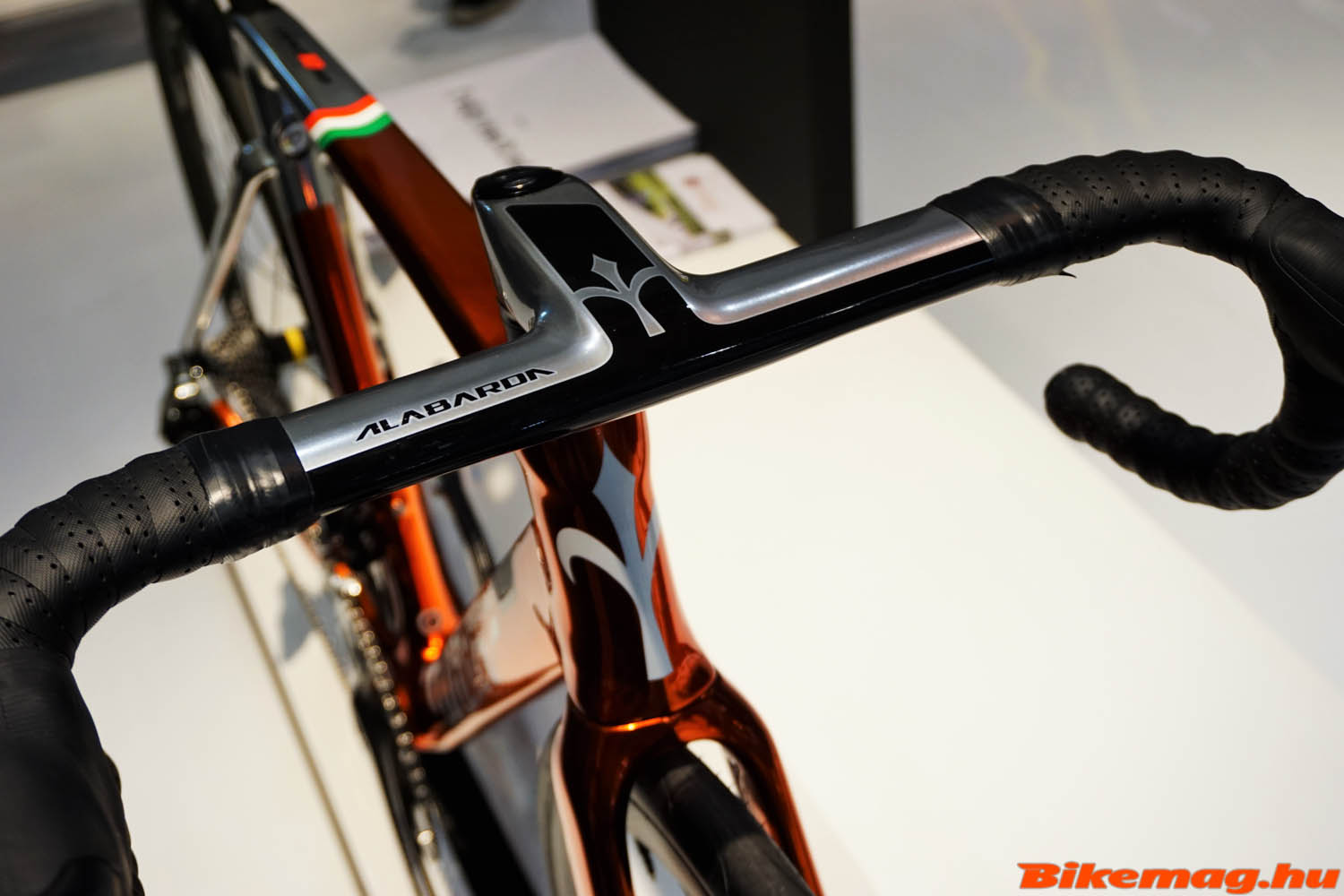
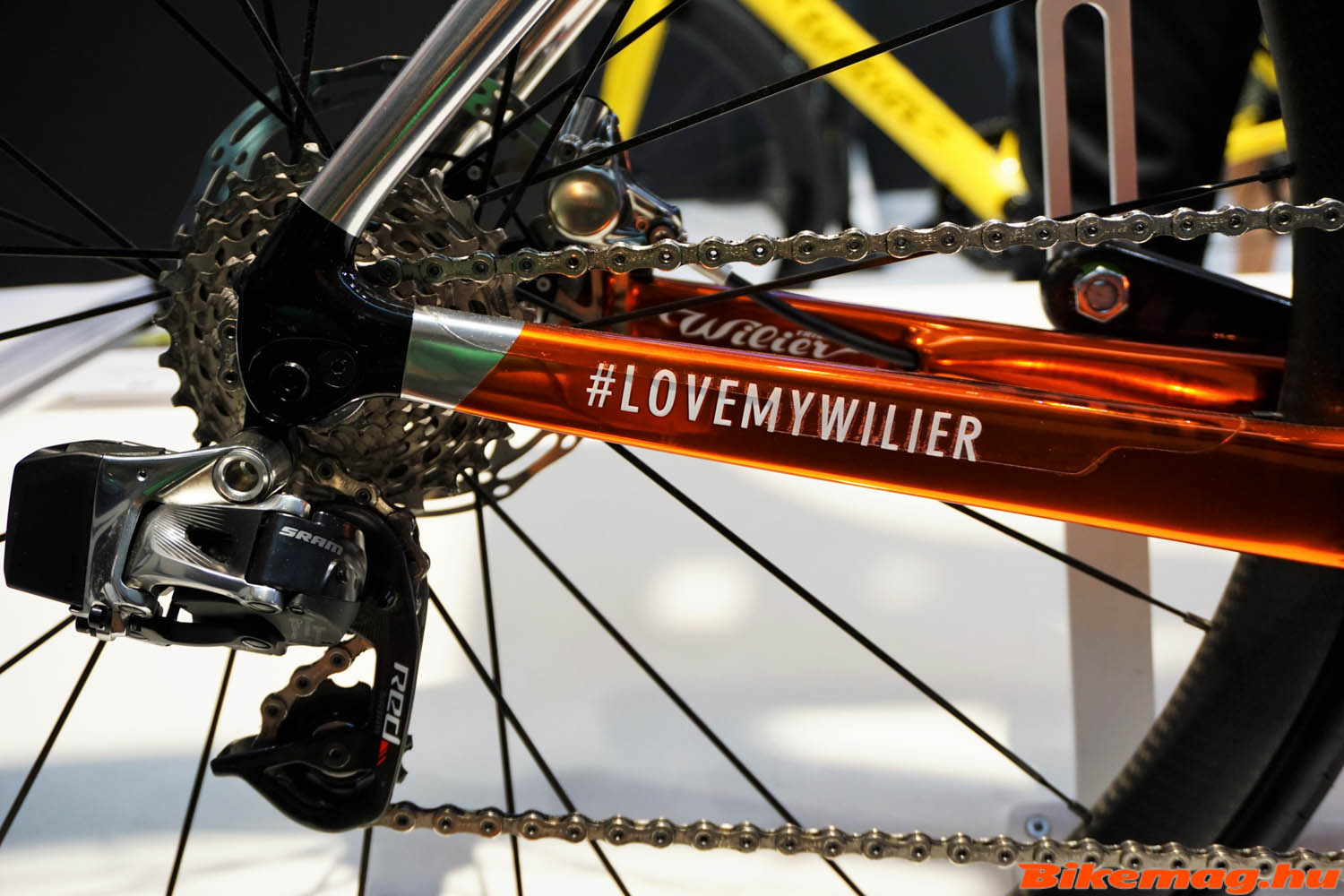
Although the Ramato Cento10PRO model variant was equipped with the wireless SRAM eTap group set — making it difficult to demonstrate that wires run all the way through the frame –, on the yellow color Di2 Dura Ace version shows how the cables disappear from the shift and brake lever into the Alabarda handlebar, only to reemerge at the front/rear derailleurs and the brakes. The cable routing is completely hidden in the frame, not to be seen at all either by our eyes or the passing airstream.

Another important feature of Wilier Cento10PRO is what the Italian manufacturer calls NACA Algorithm, an advanced technology they employ at the frame design process. It helps to optimize tubes size and shape in order to minimize the bicycle’s air resistance.

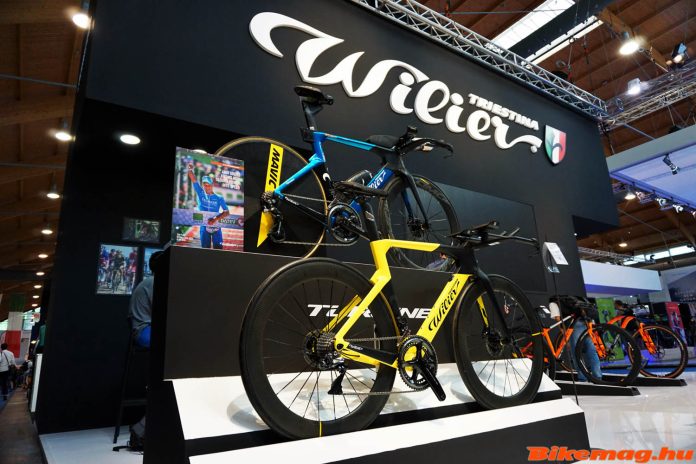
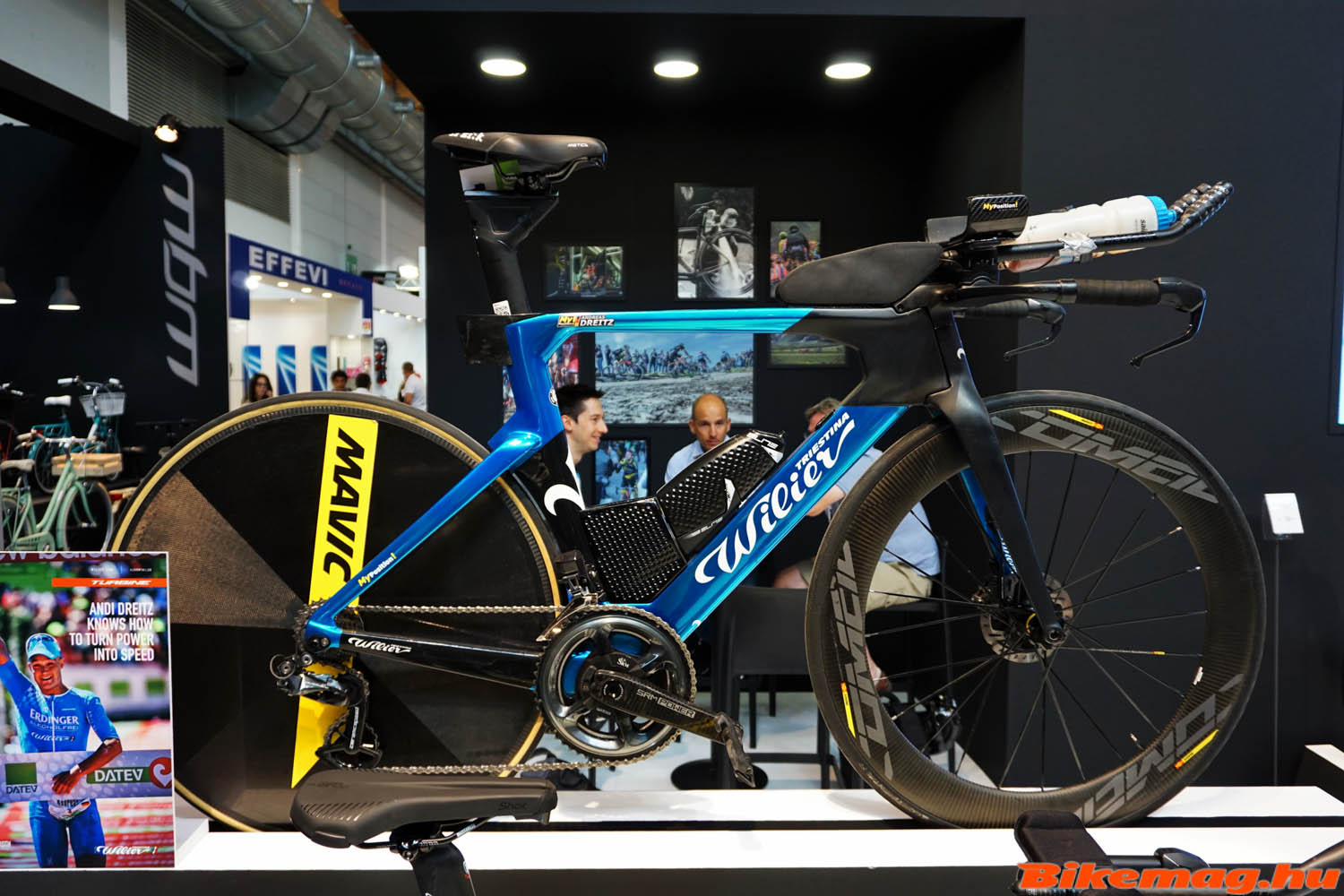
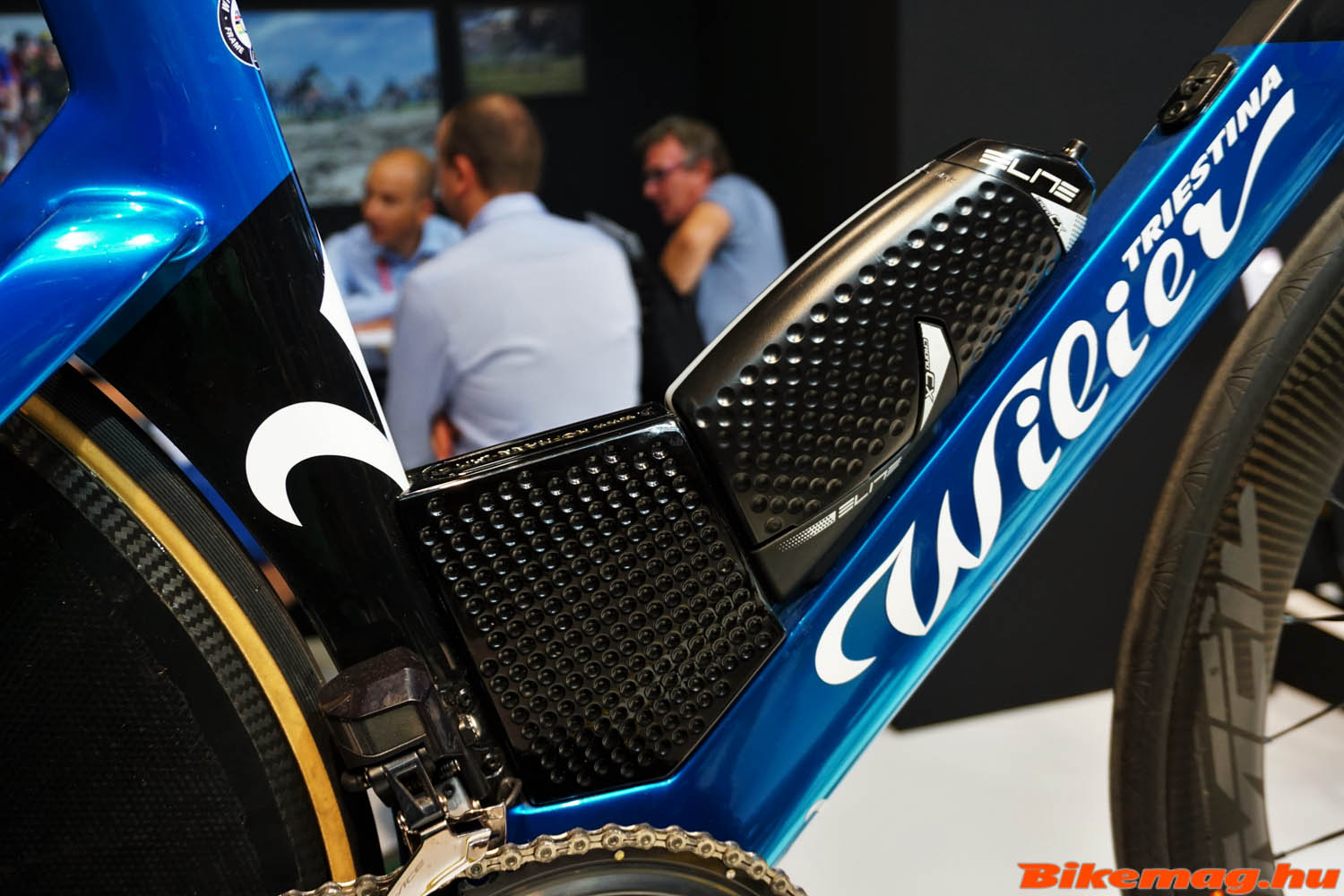
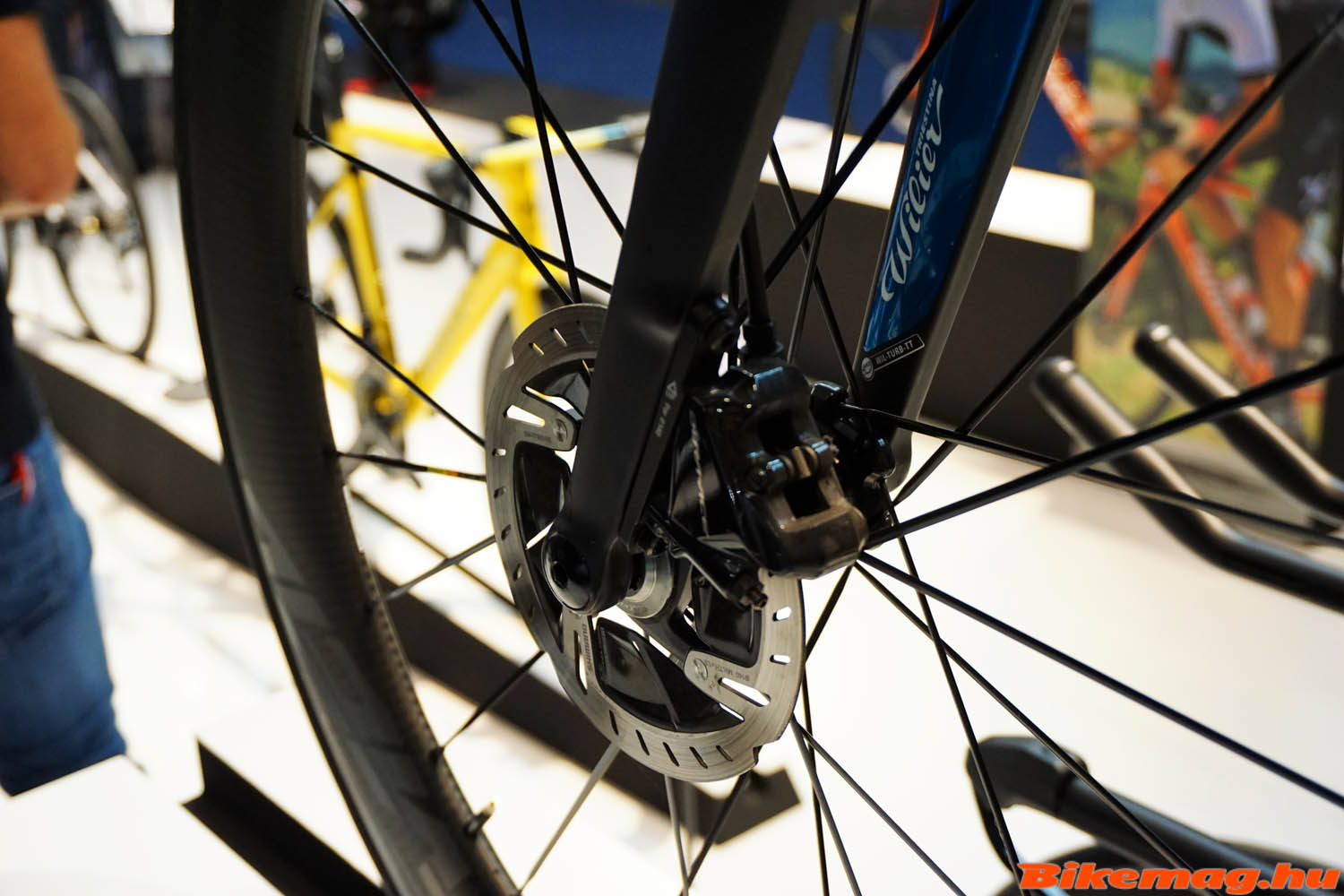
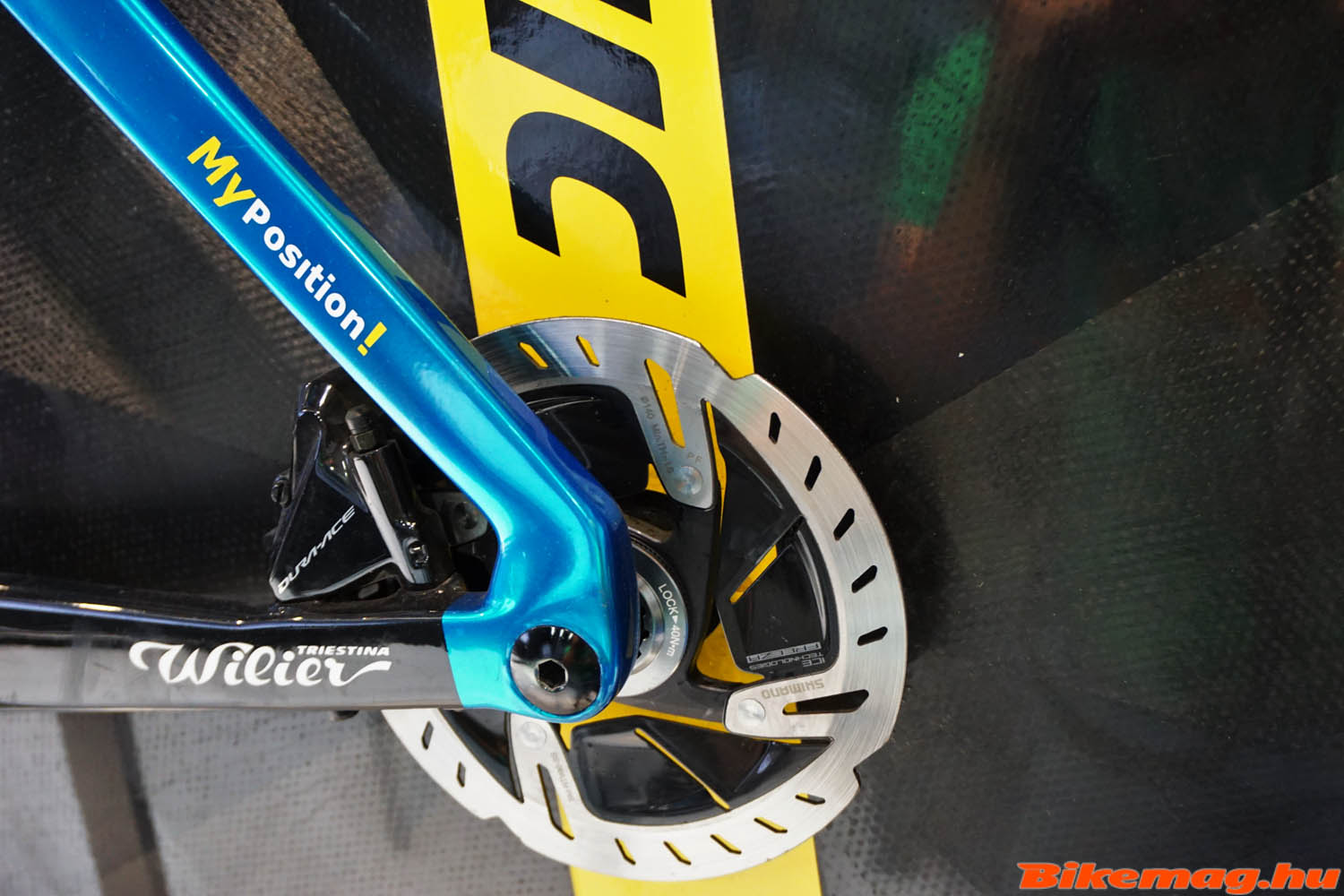
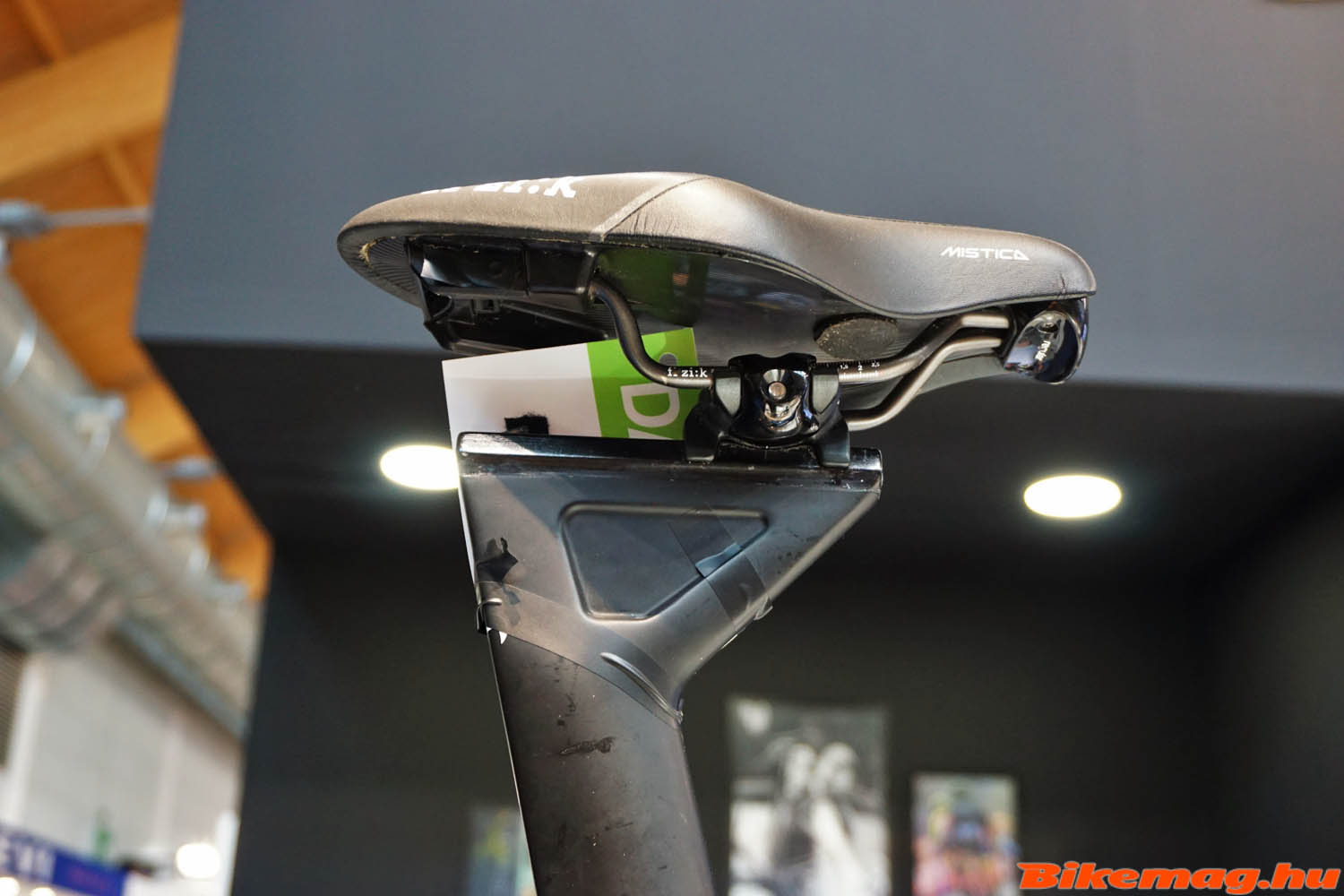
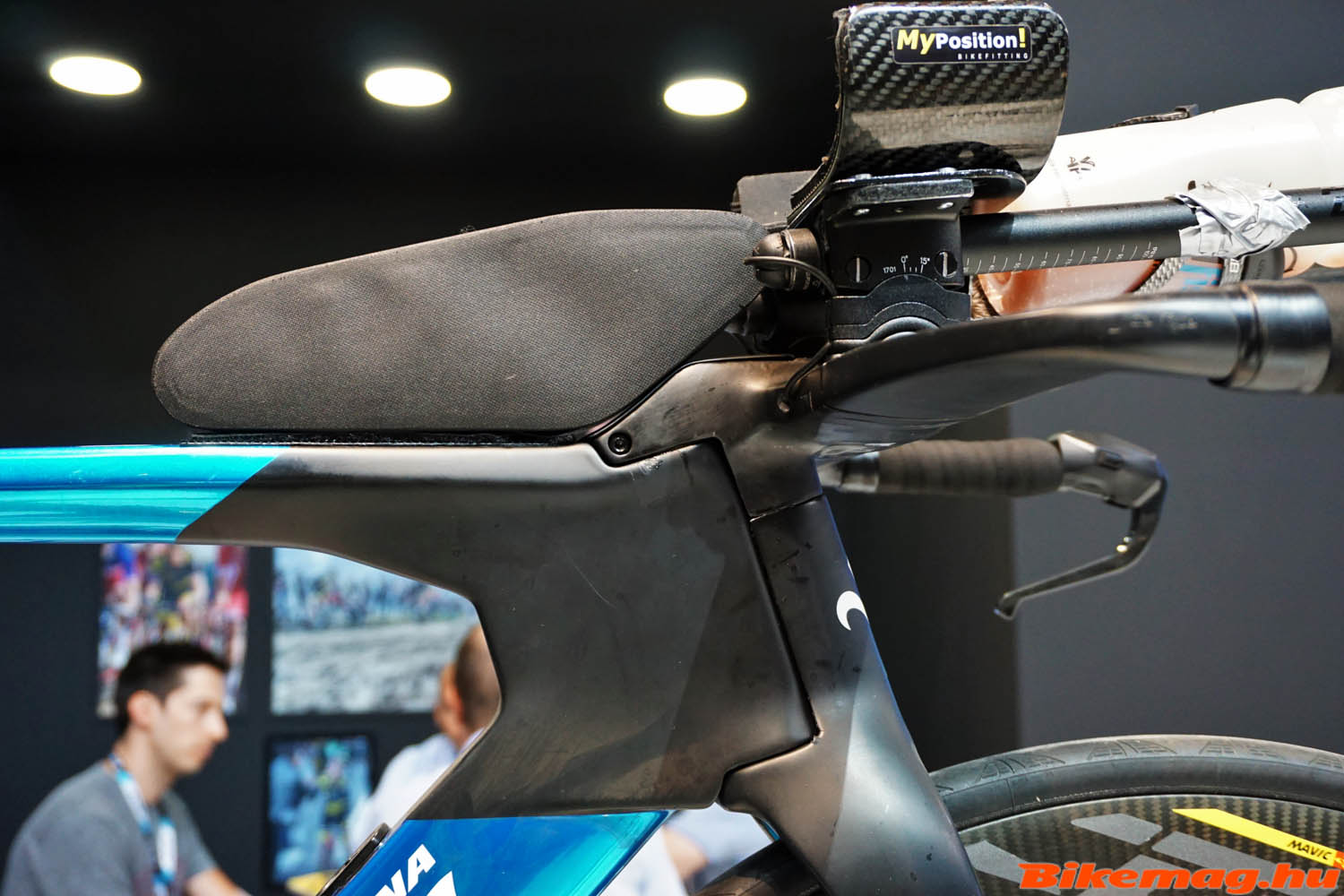
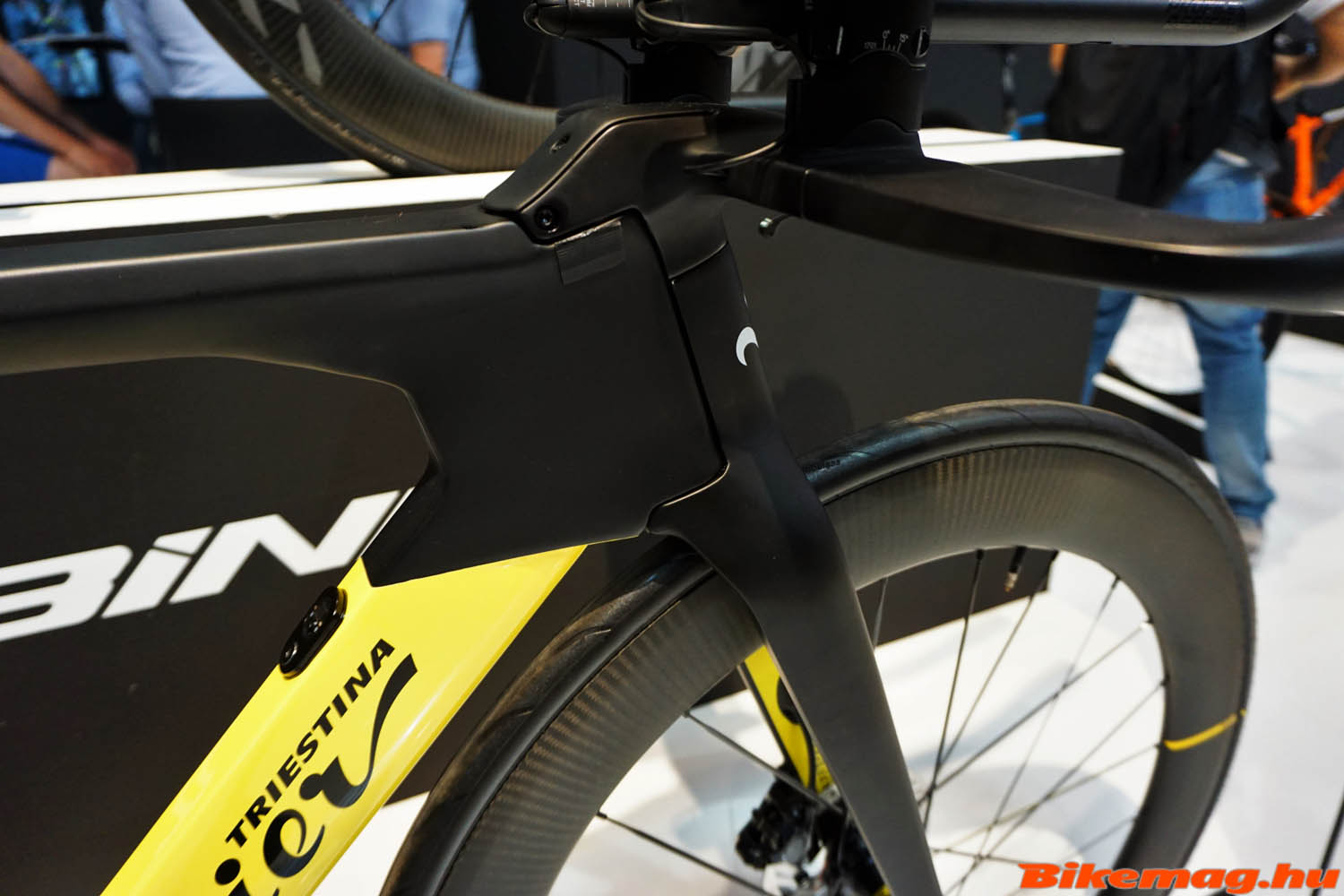
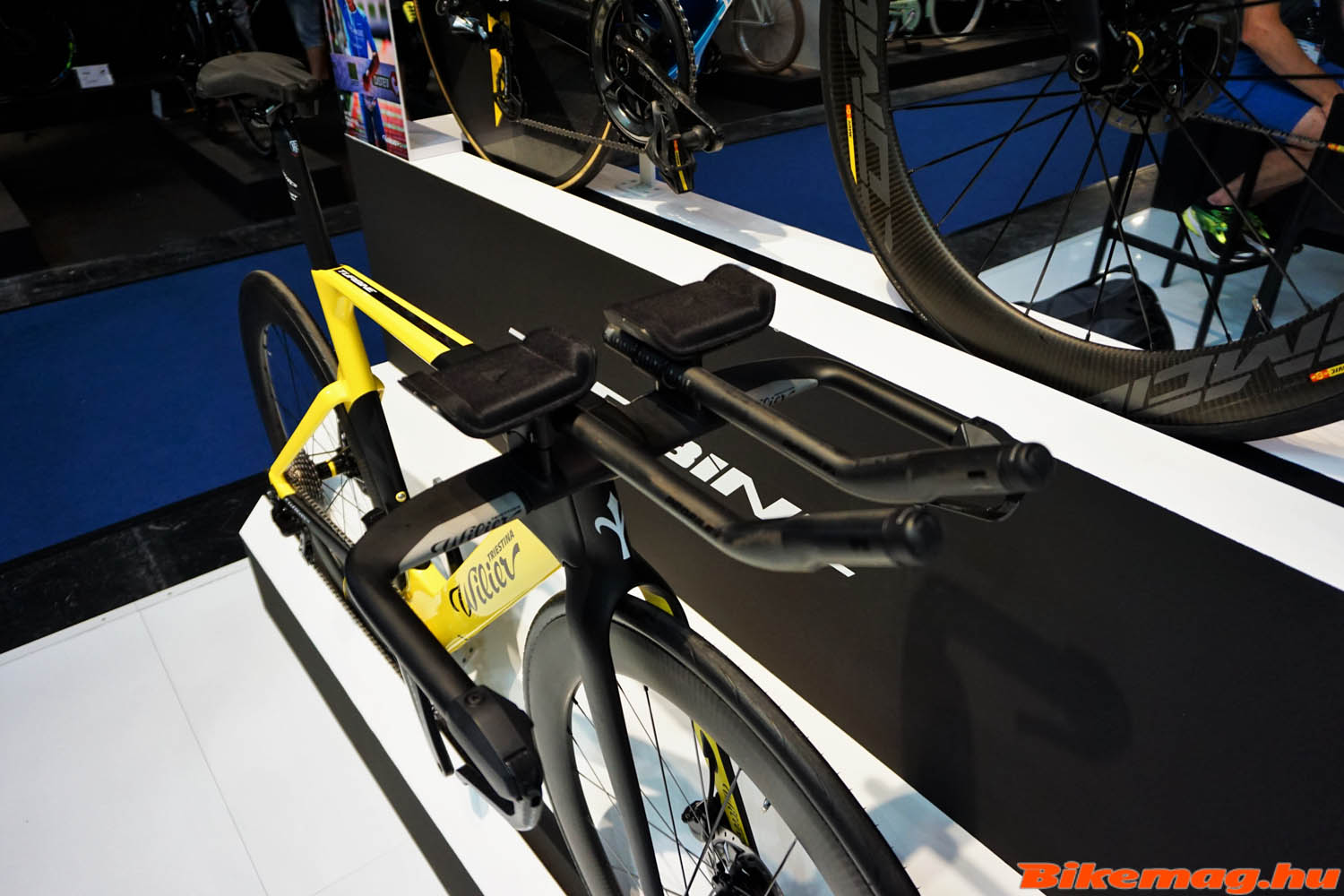
A new triathlon/TT bike will be launched by Wilier in 2019, which bears the model name “Turbine”. This bike has been developed by the long standing Italian manufacturer along four main principles; aerodynamics, breaking efficiency, wide range adjustment and easy transport. These were the most important points of design, and just as Cento10PRO, the Turbine is also designed using NACA technology to make the rider as fast as possible in a time trial. Disc brakes were needed for two reasons. For one, rim brakes in this special road bike type tend to have sub-optimal power due to the aerodynamic restraints, moreover the majority of these brakes are notoriously difficult to adjust. Disc brakes are the perfect solution to these problems according to Wilier. The other reason for employing disc brakes is that they are simply more aerodynamic by allowing the fork blades to move away from the wheels thereby reducing air turbulence.
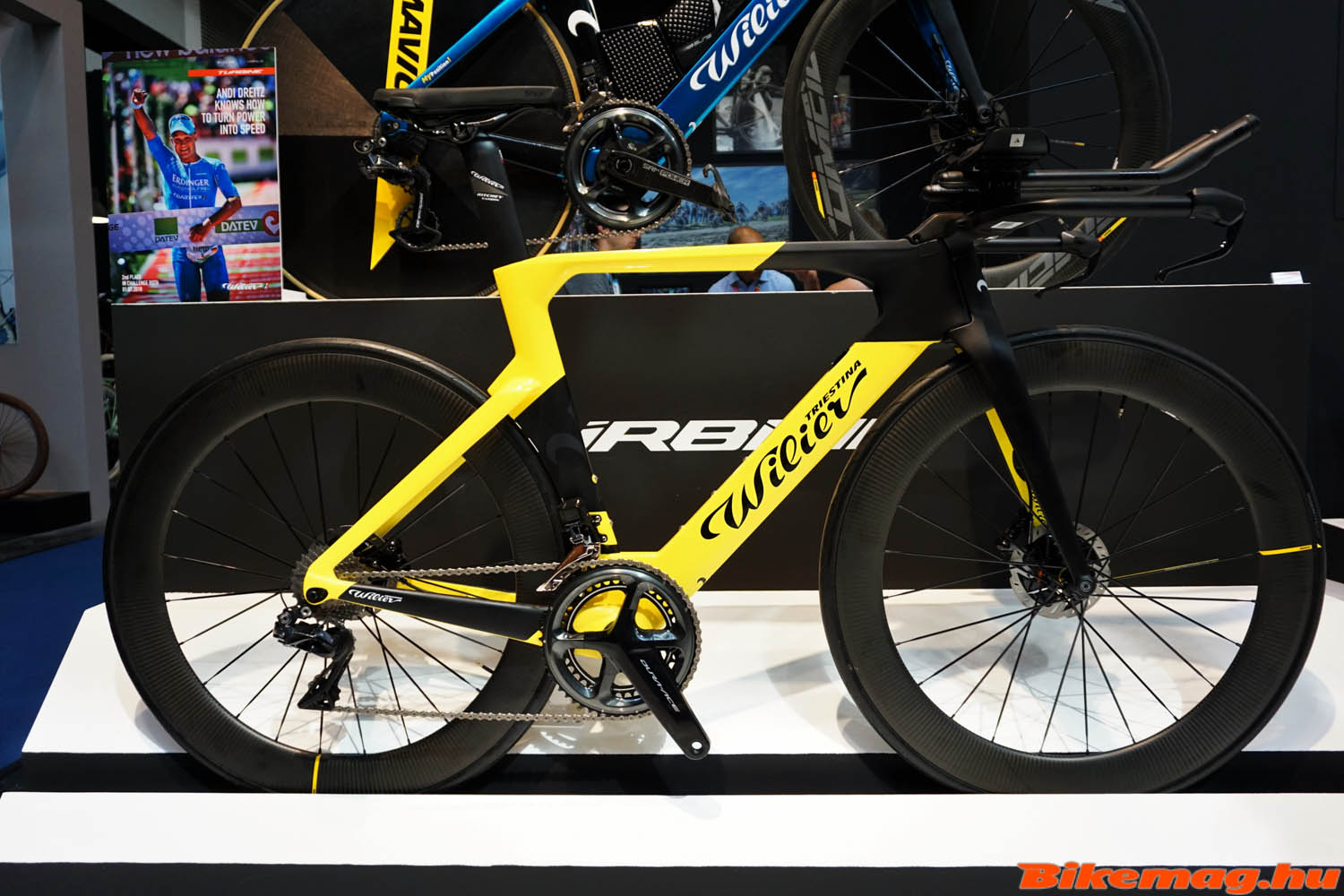
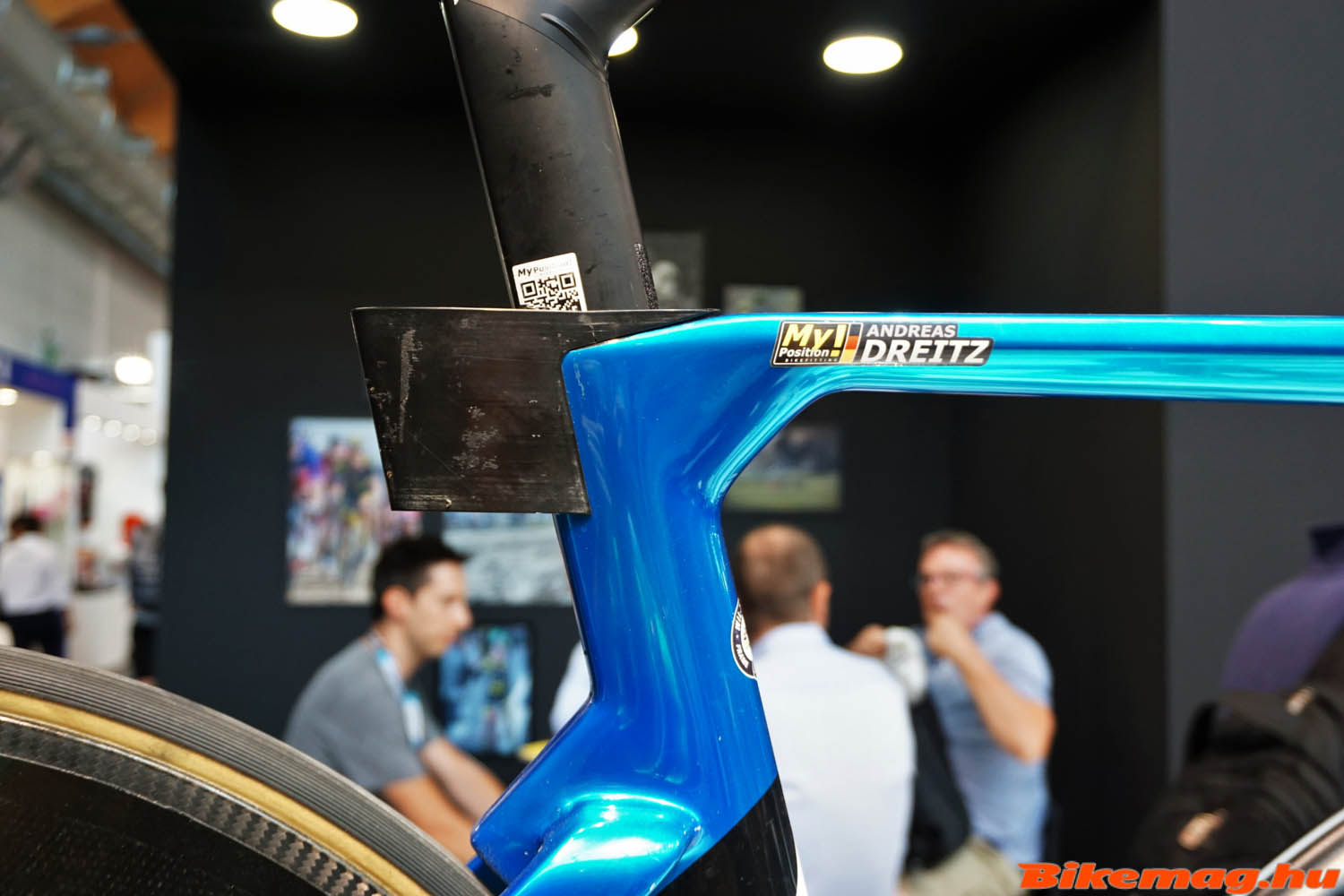
The Turbine can be set up for a wide range of body positions, which makes them quite versatile in both in triathlon races and in road time trials. From the two bikes exhibited at Eurobike, one belongs to the 2017 Ironman winner triathlete Andreas Dreitz.

The handlebar and stem is integrated with the fork, and as added bonus, the complete unit can be disassembled during transportation without having to disengage the cables. So everything can stay in its original setting, a great asset if you travel a lot like triathlon racers tend to do.


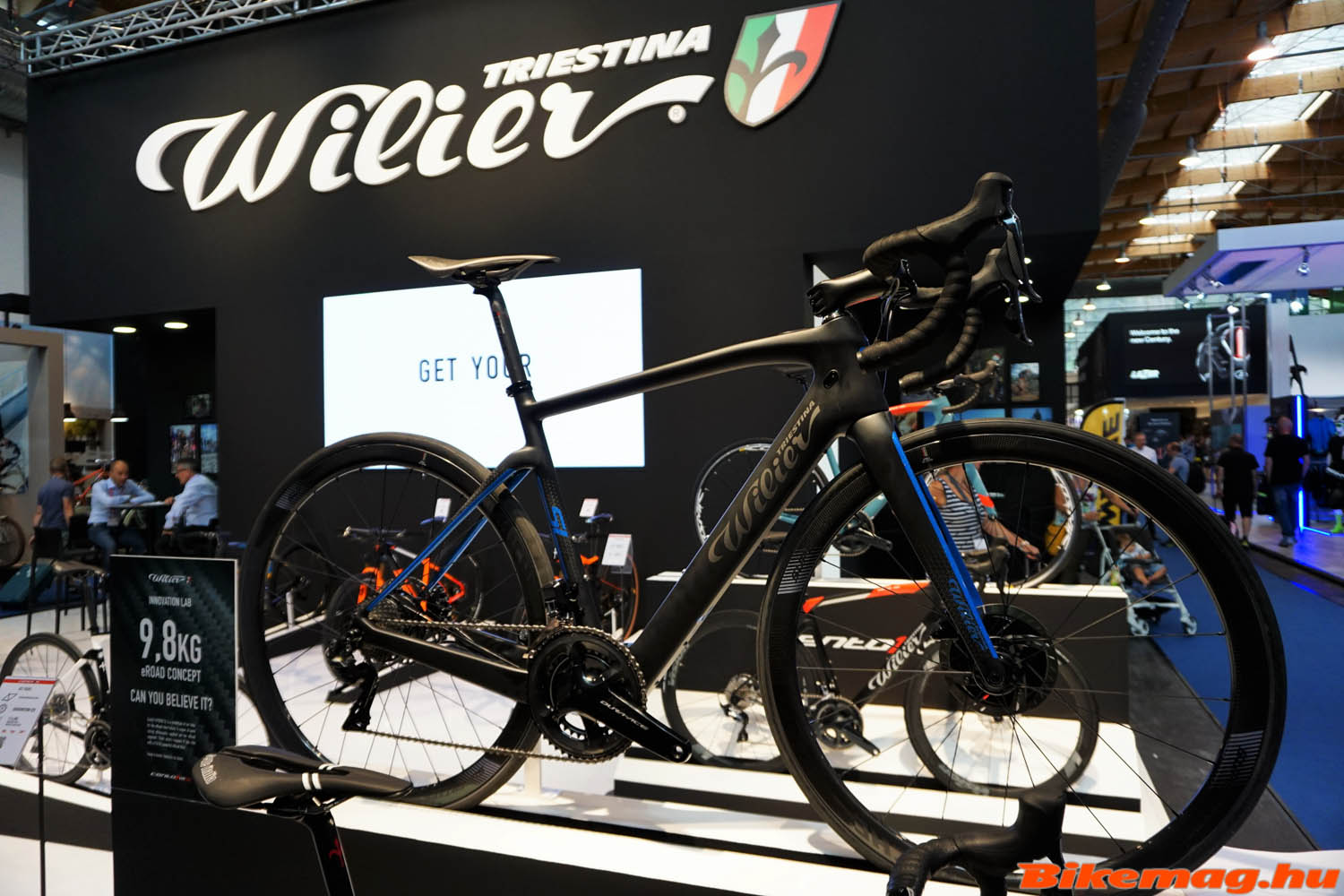
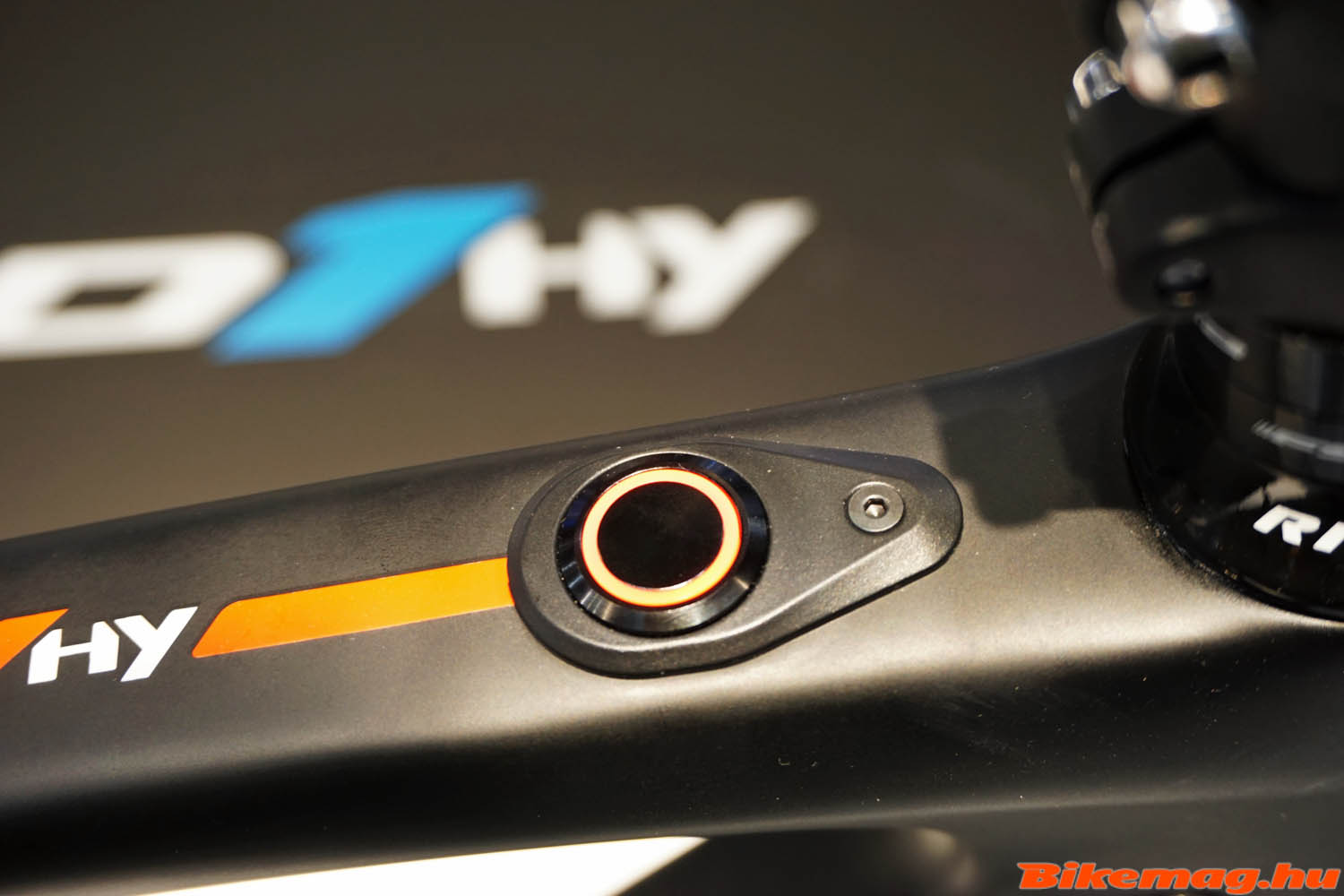
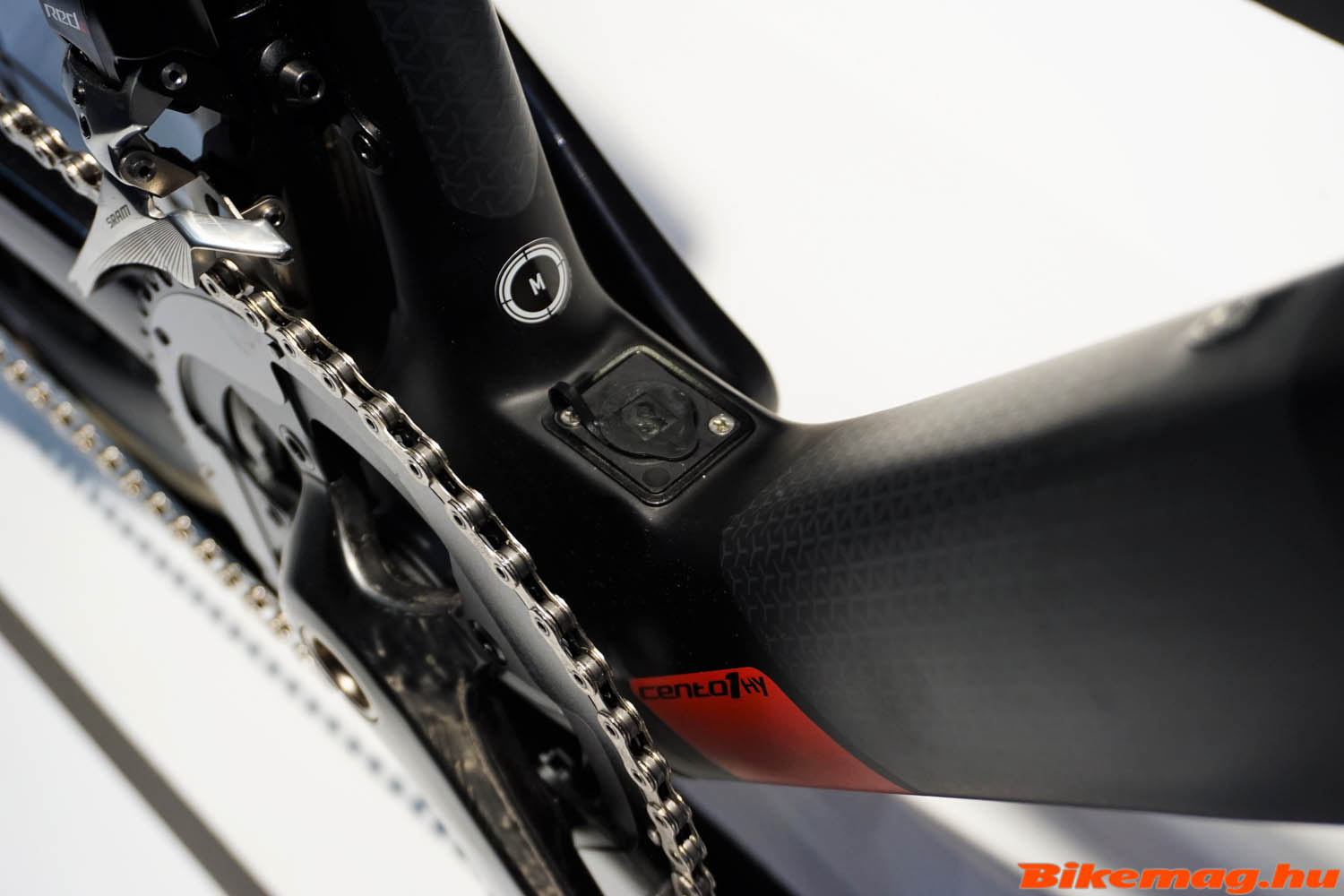
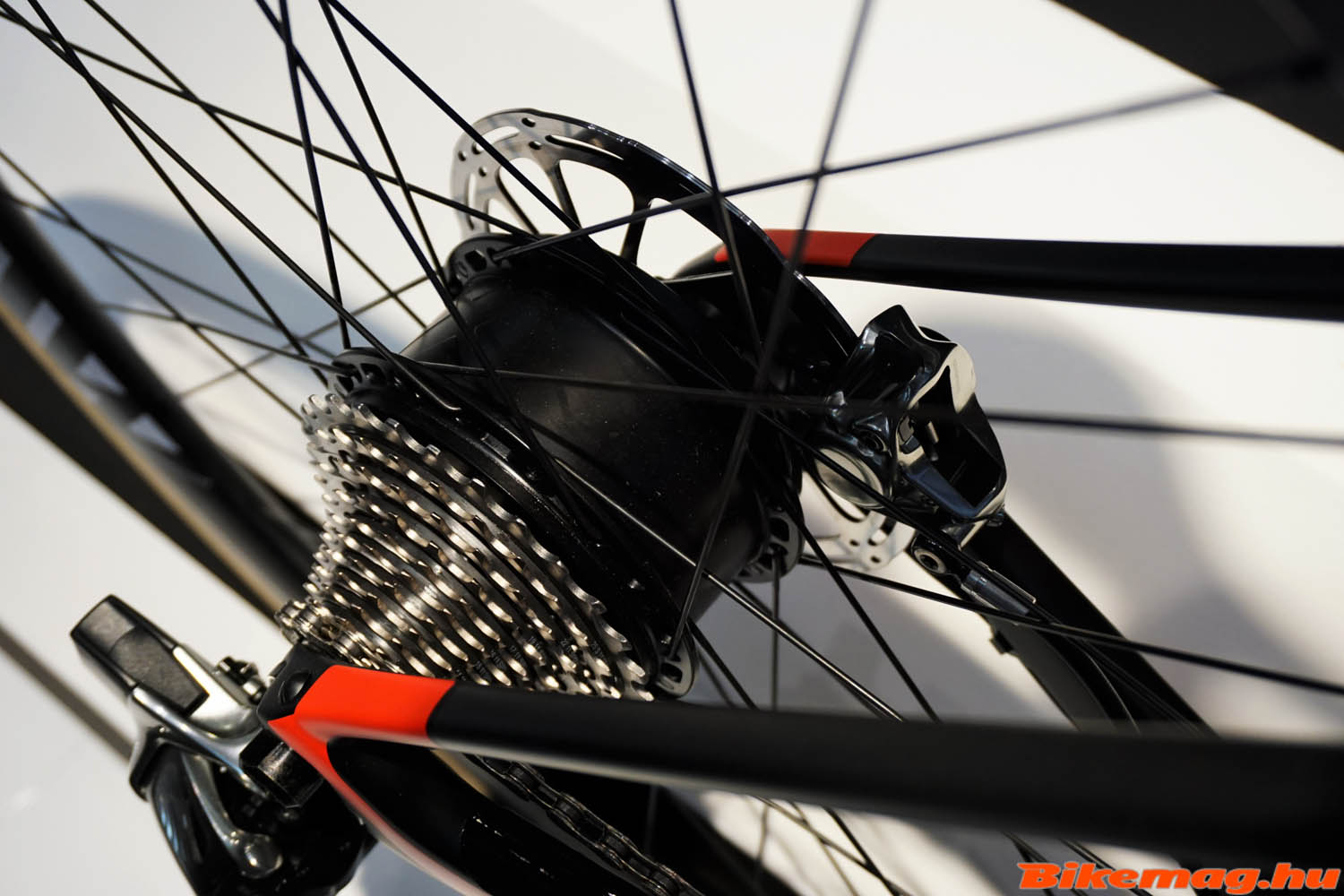
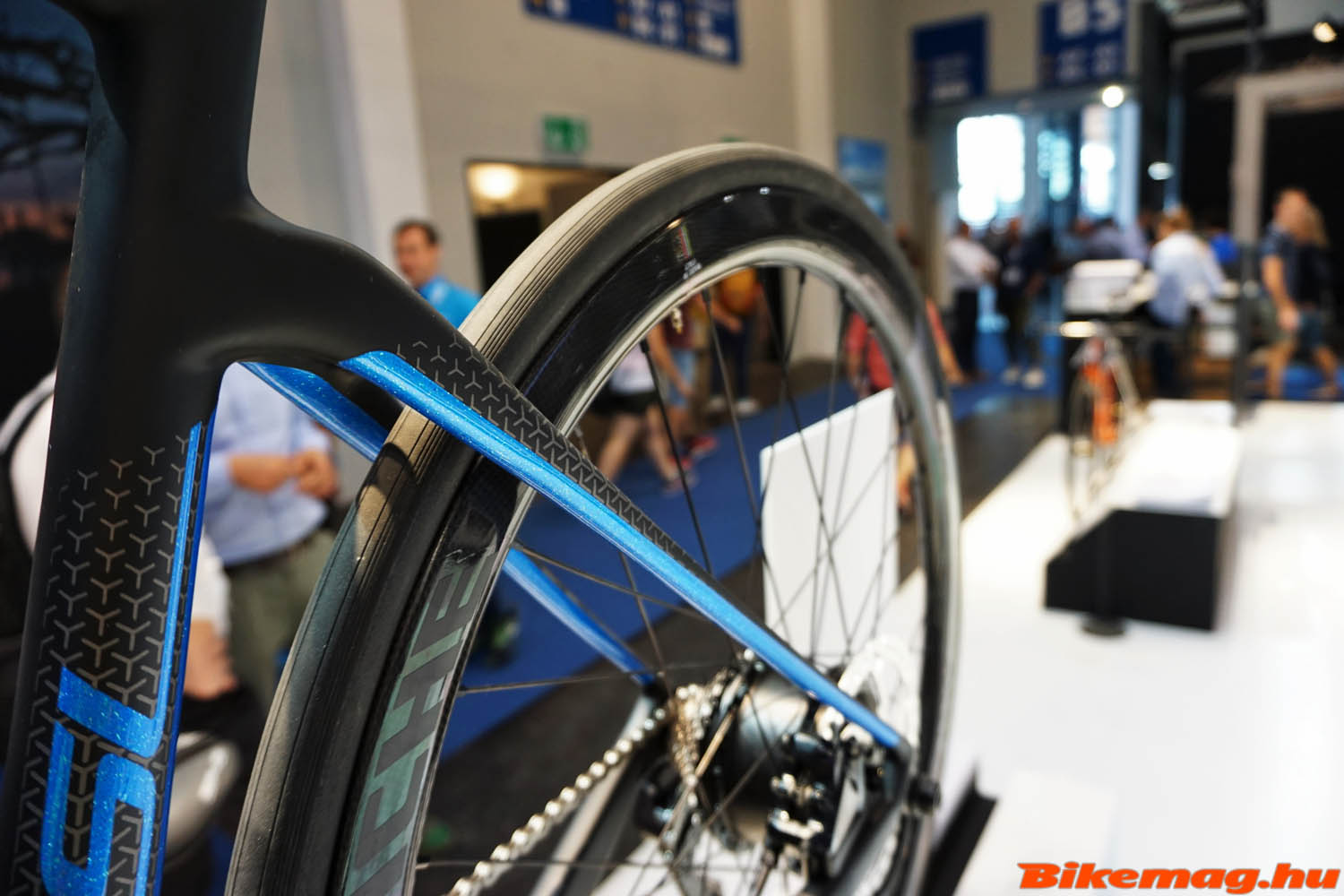
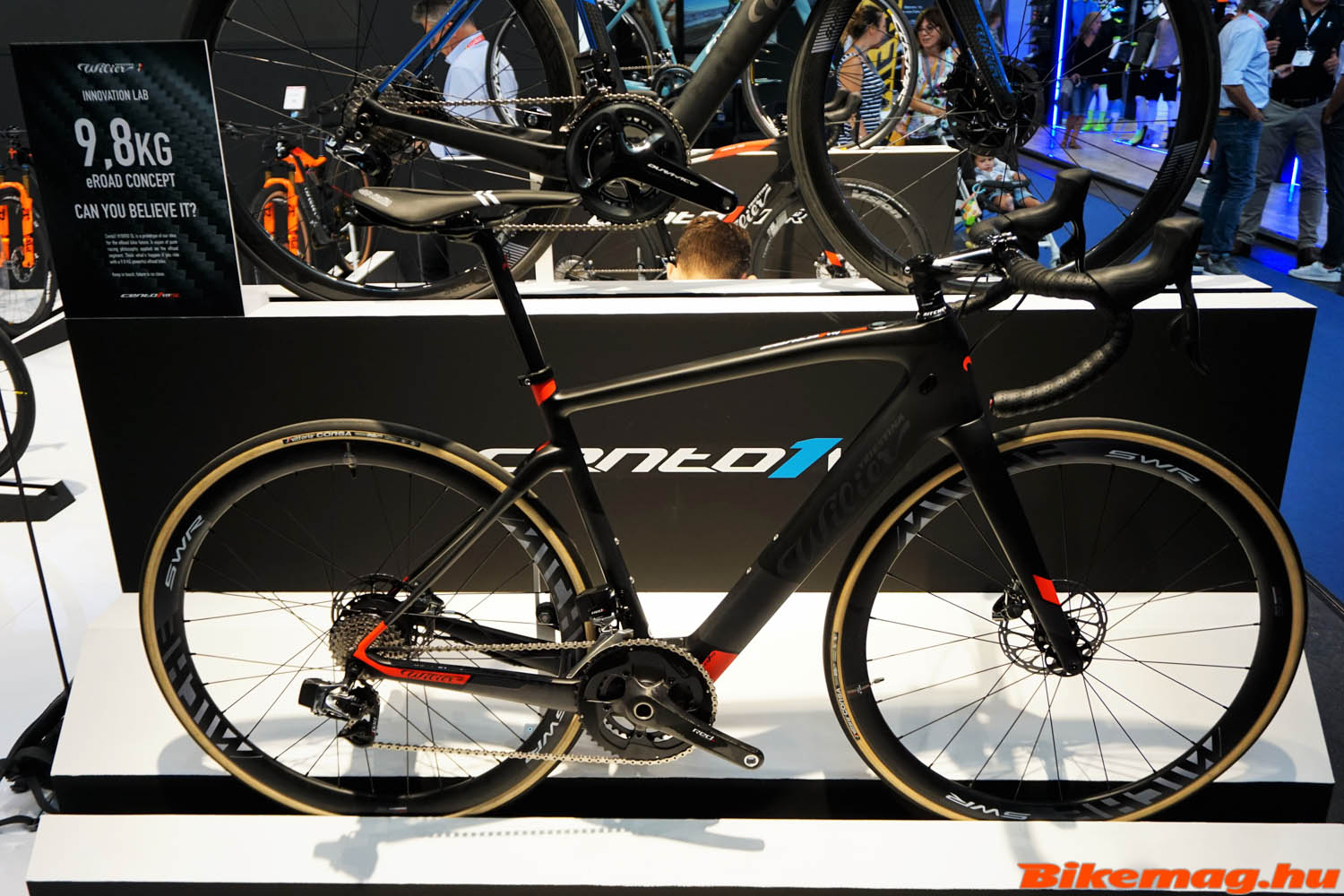
Wilier also created the lightest E-road bike for 2019. The Cento1Hybrid comes in just under 12 kilograms on the scales, the battery is fully integrated into the frame making it almost invisible, and the motor is located in the wheel hub. As we have come expect from Wilier, the Cento1Hybrid pedelec e-bike is far from traditional, providing some novel features. One of these is a “smart” system that can communicate with the mobile phone, which, for example, can be set up to monitor the riders heart rate and if the value reaches the preset level, the motor drive is activated. The flashing buttons on the top tube can be used to turn the system on or off, or change between different “intelligent” modes.

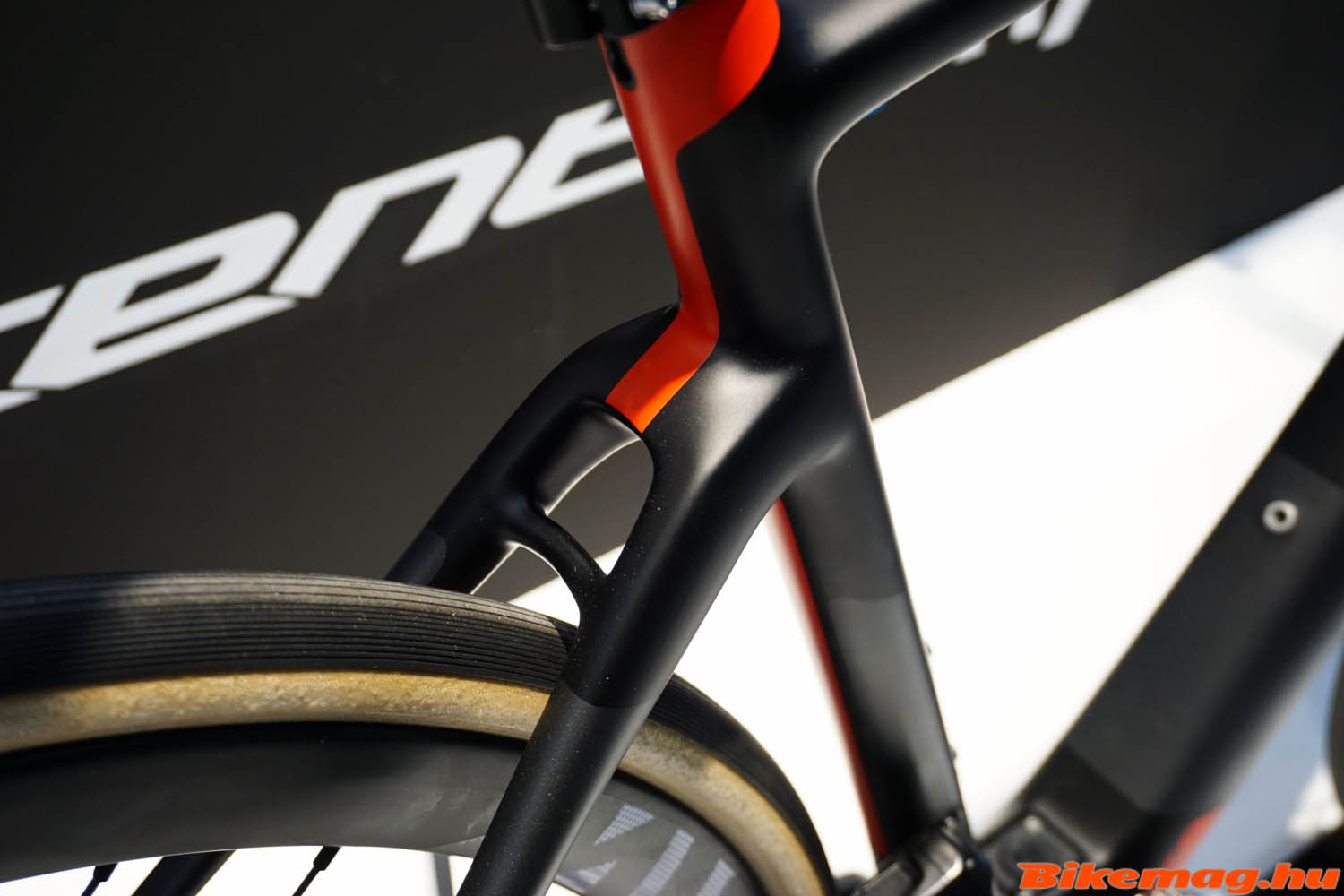
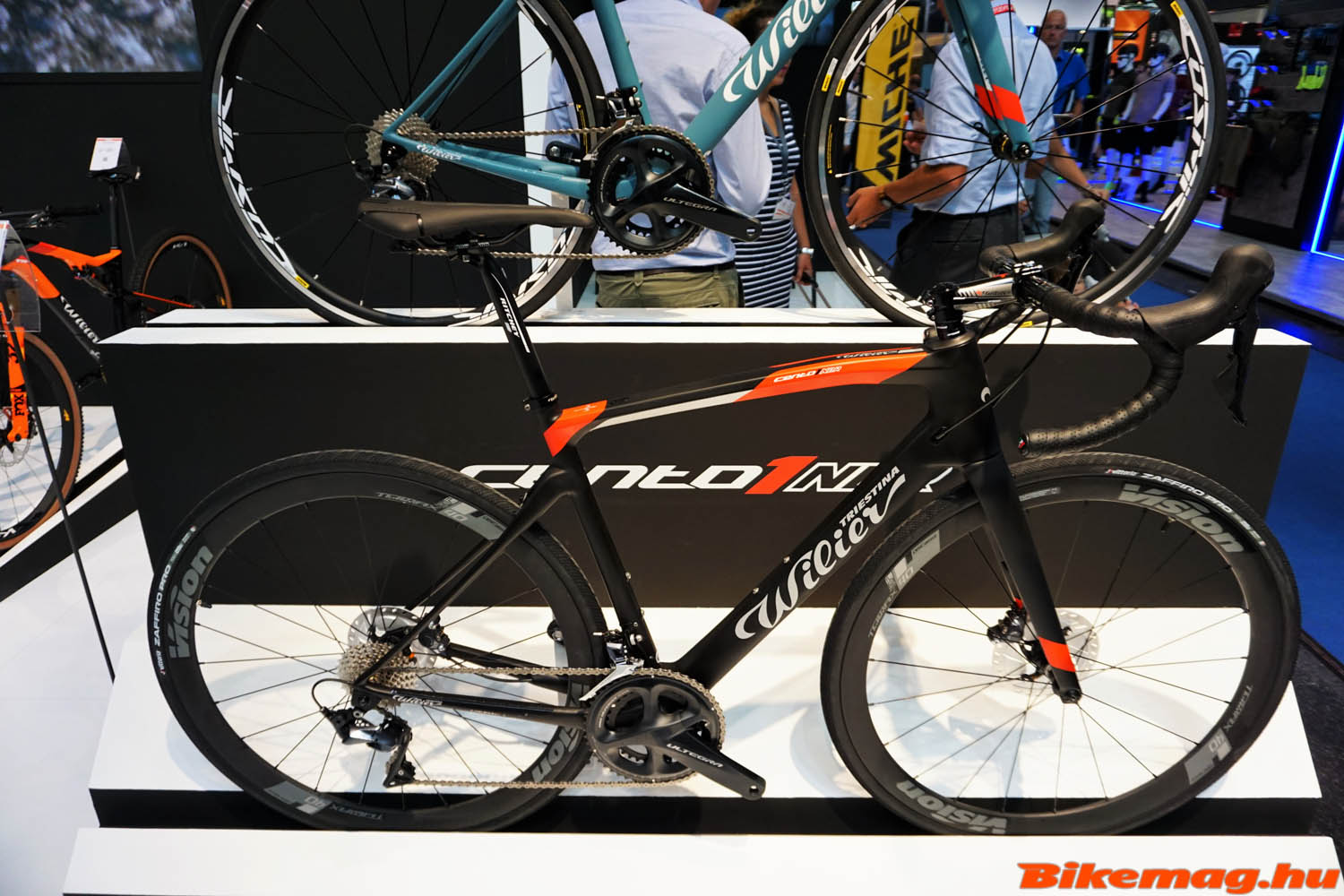
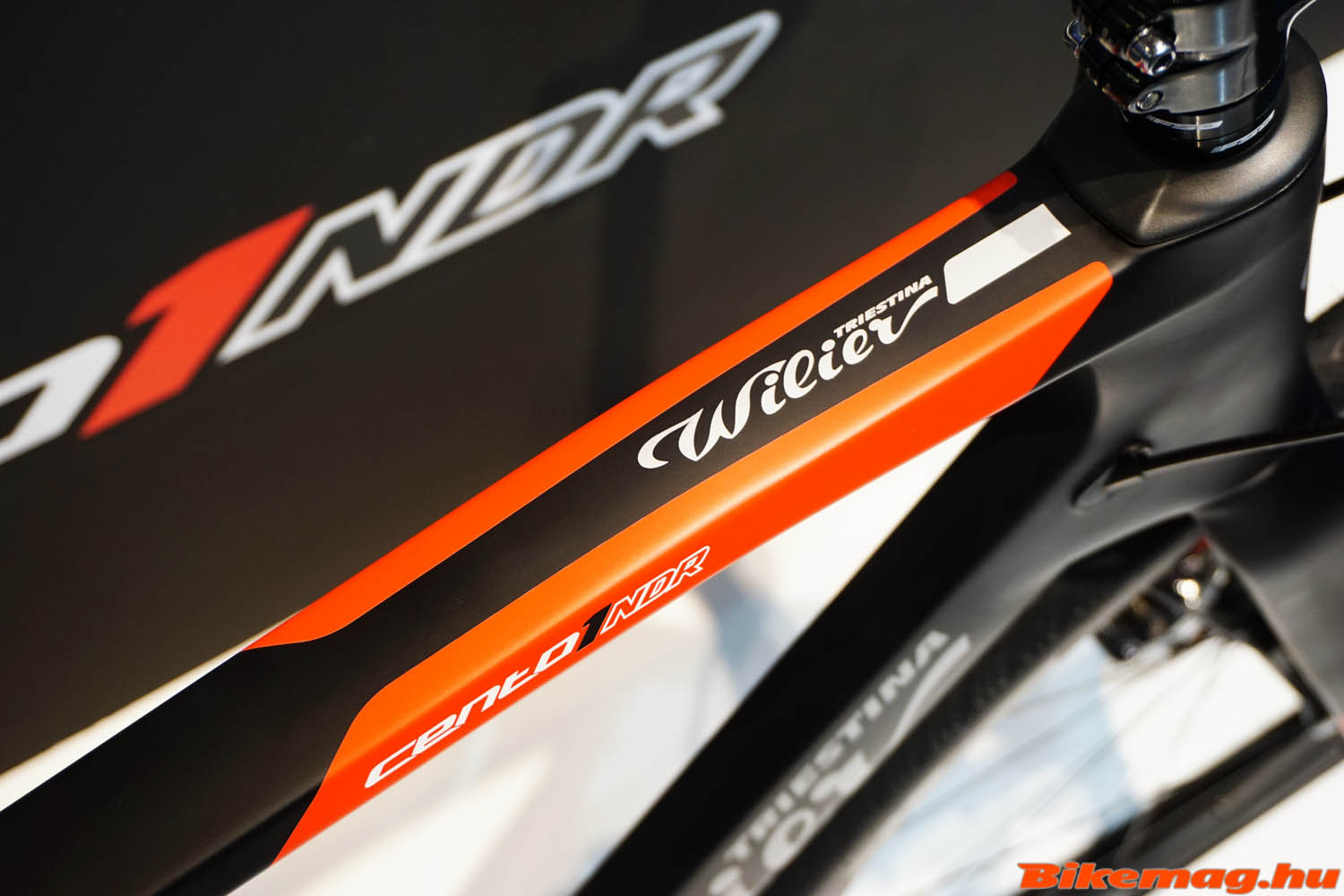
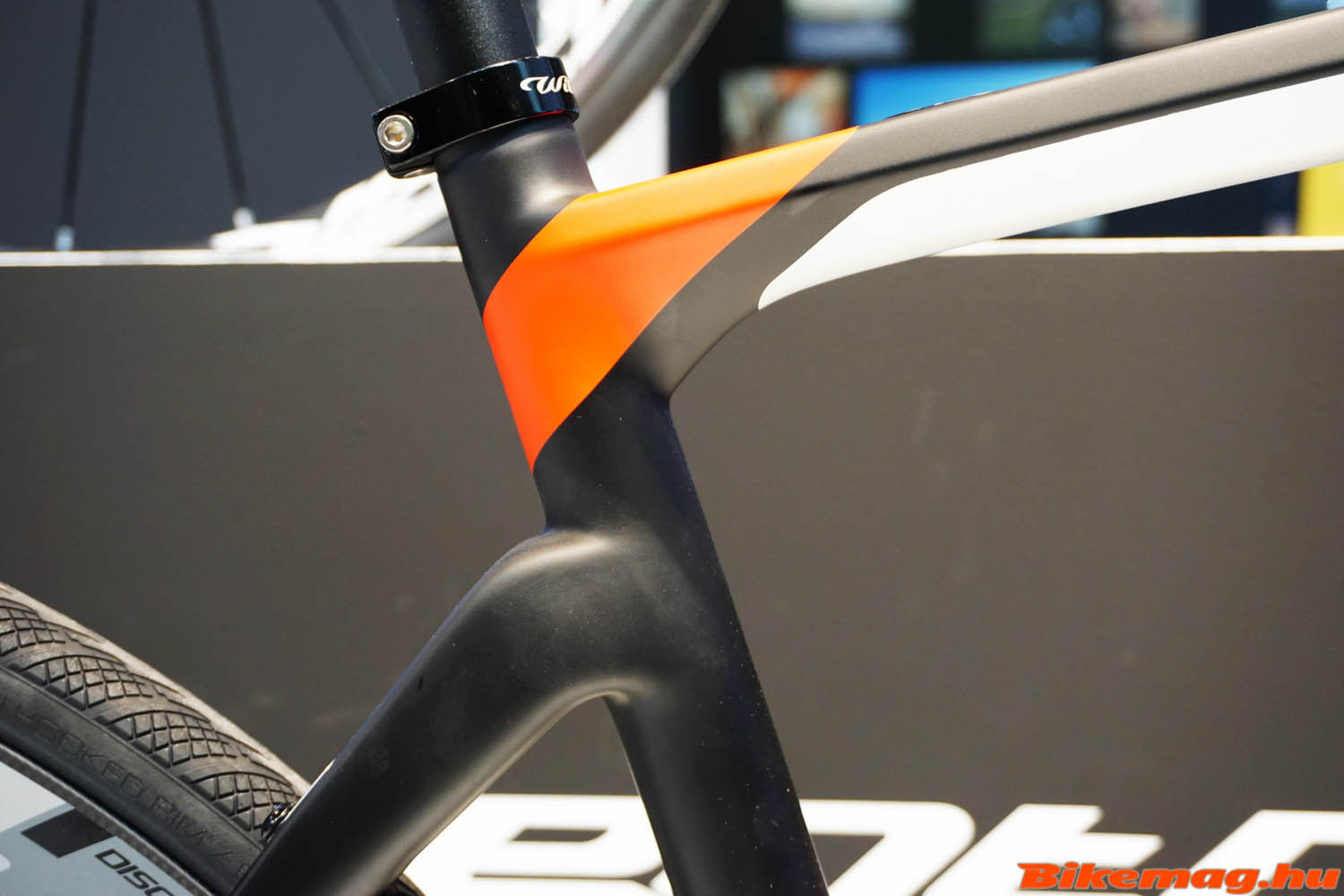
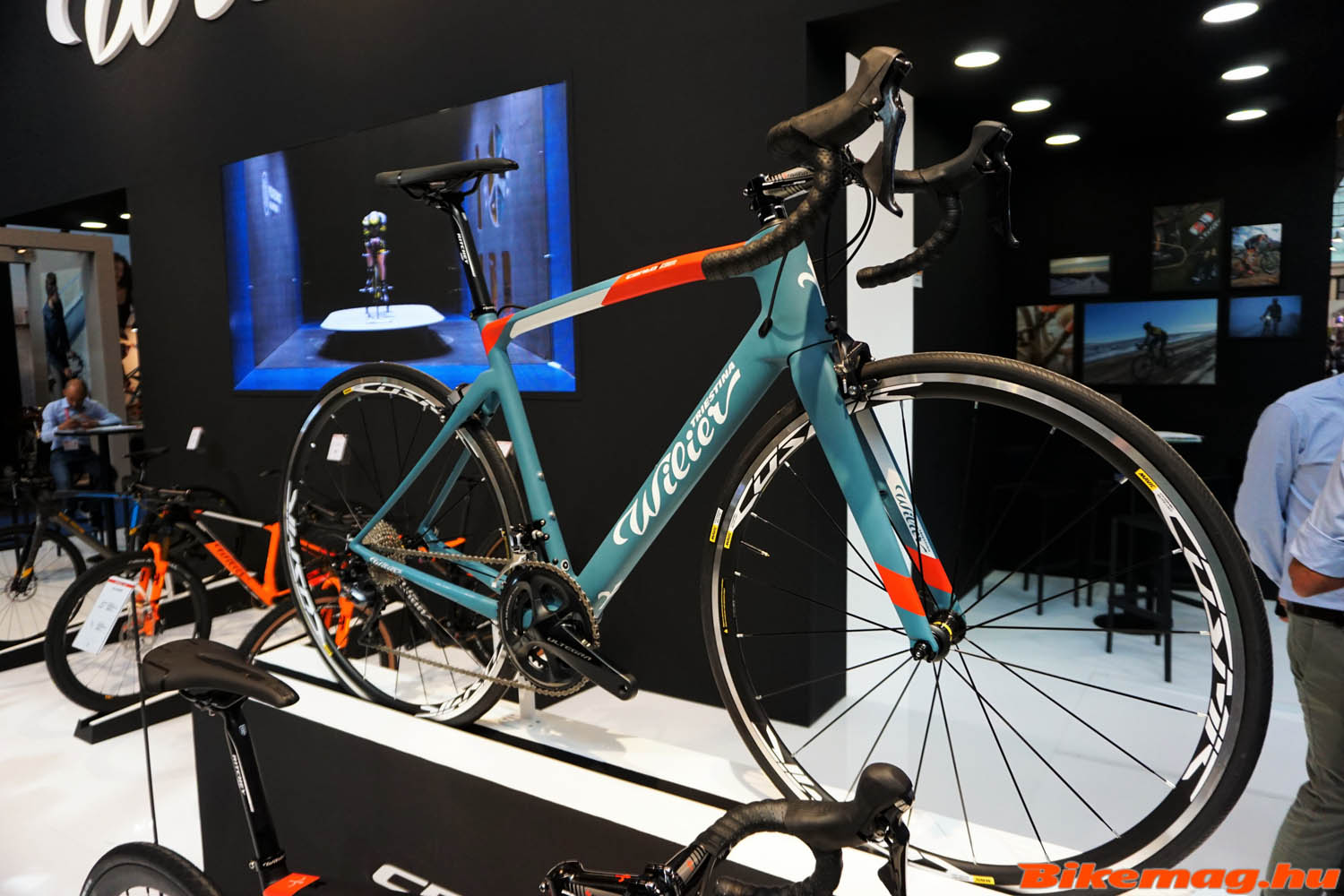
The 2019 Wilier bike collection, the new Cento1NDR represents the “comfort” version of the Cento1AIR. It offers a convenient solution to those who do not favor competitive racing frame geometry, moreover it will be available at a lower cost than the Cento10NDR or the Cento1AIR. Just like the Cento10NDR and Cento10PRO, the buyer can choose whether to use the bike with a disc brakes or with a traditional rim brake system. The rider also expect a huge tire clearance in the Cento1NDR. No data is supplied by the manufacturer, nevertheless a lot of rubber can be fitted into the frame, hence enhancing comfort and safe handling.

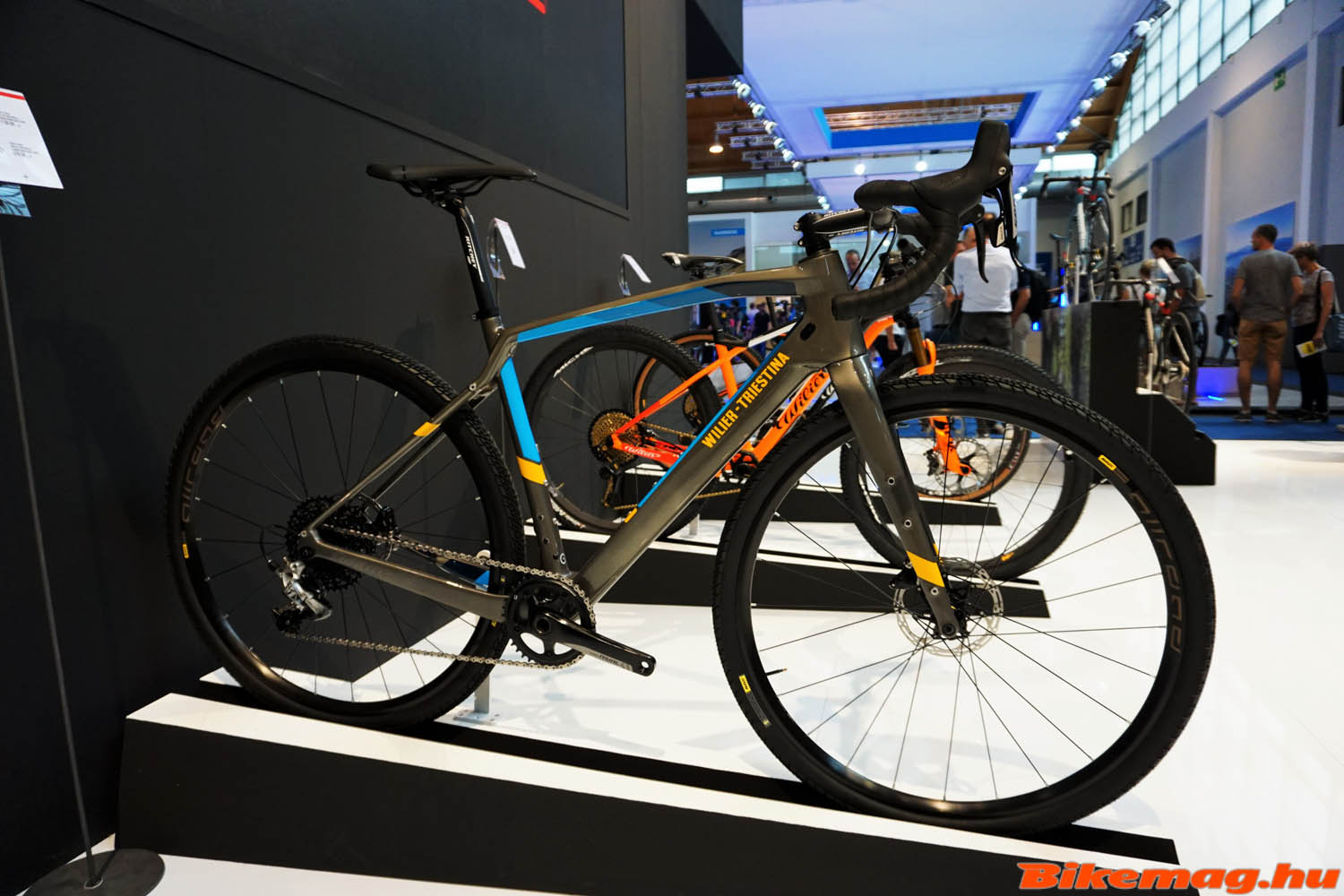
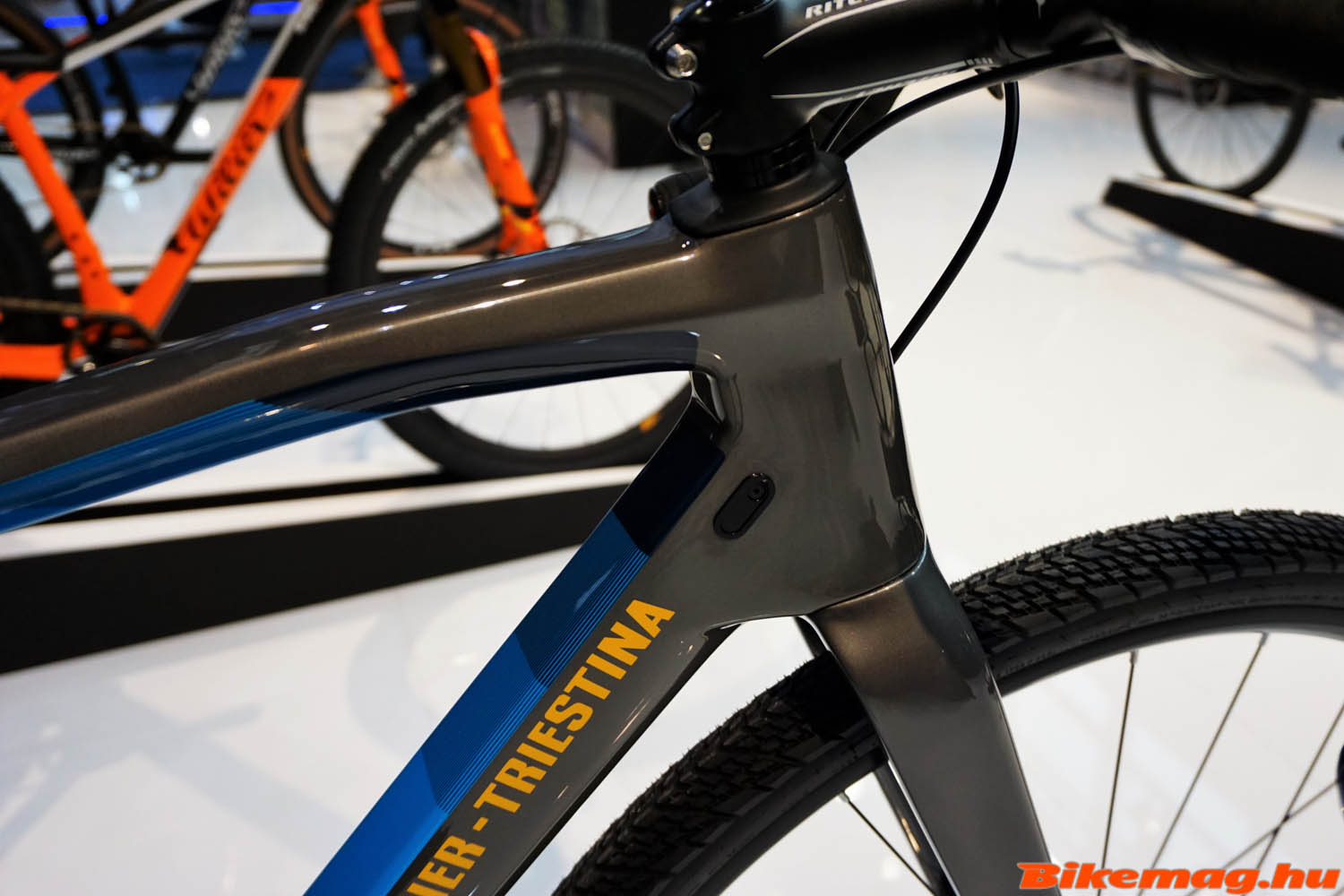
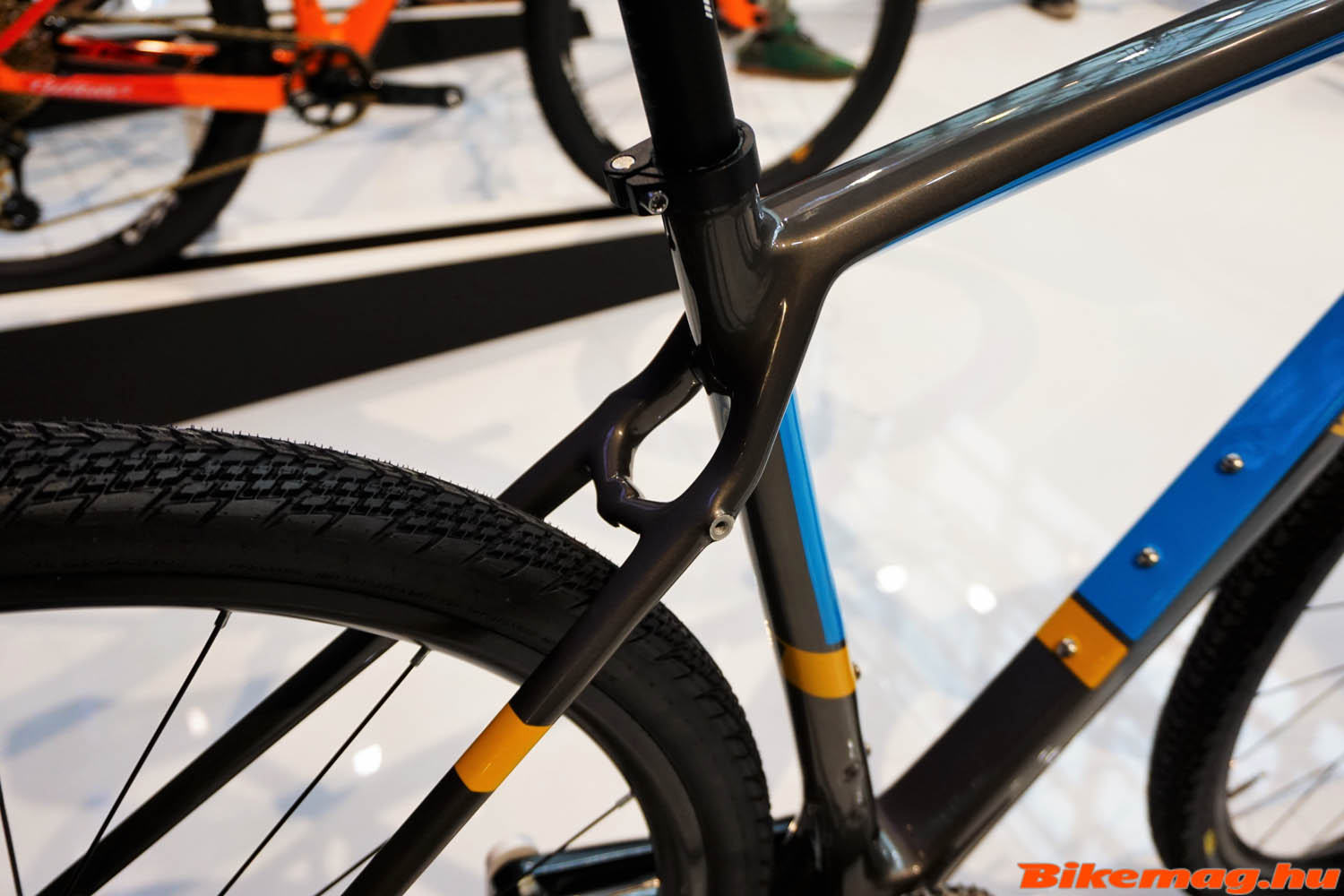
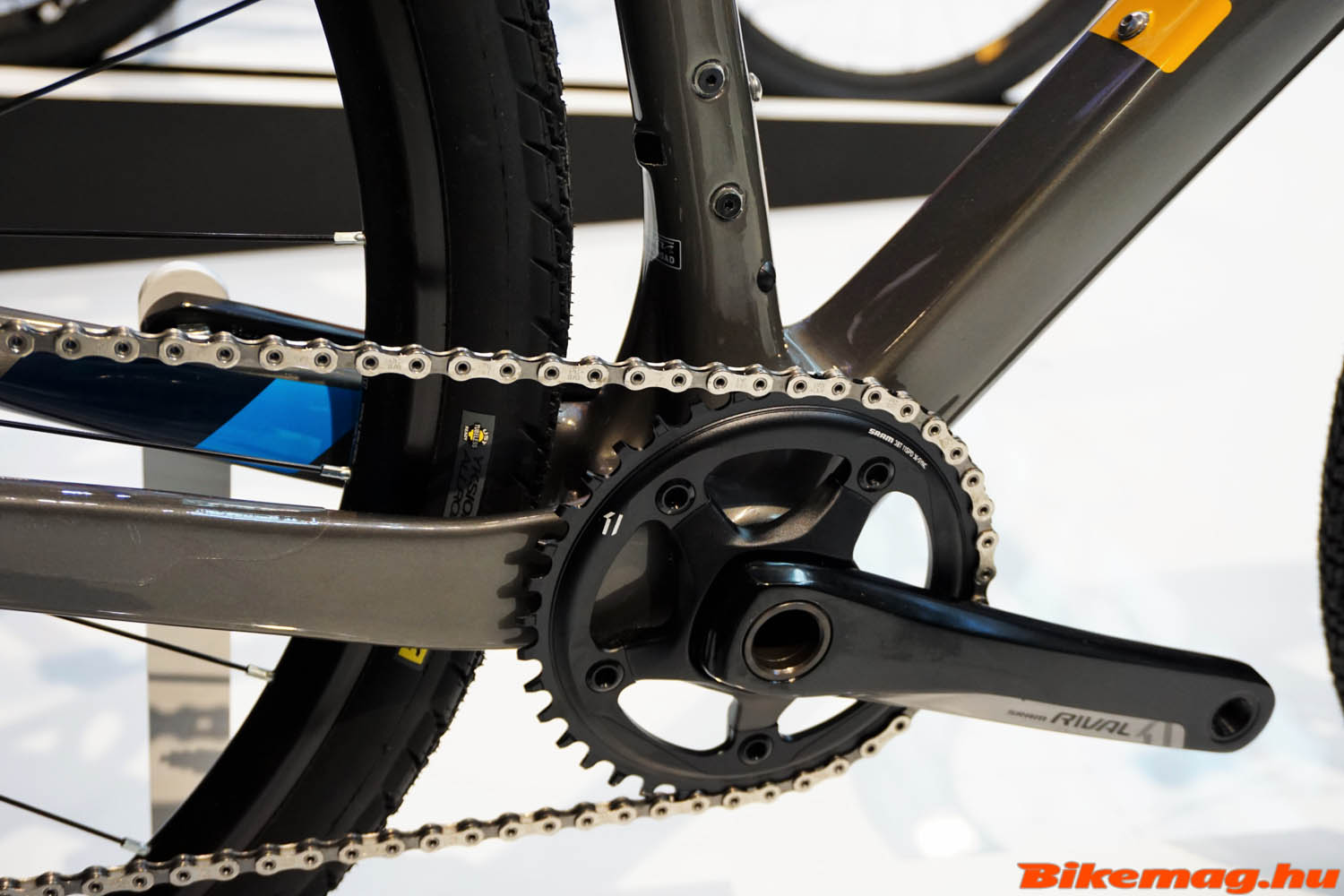
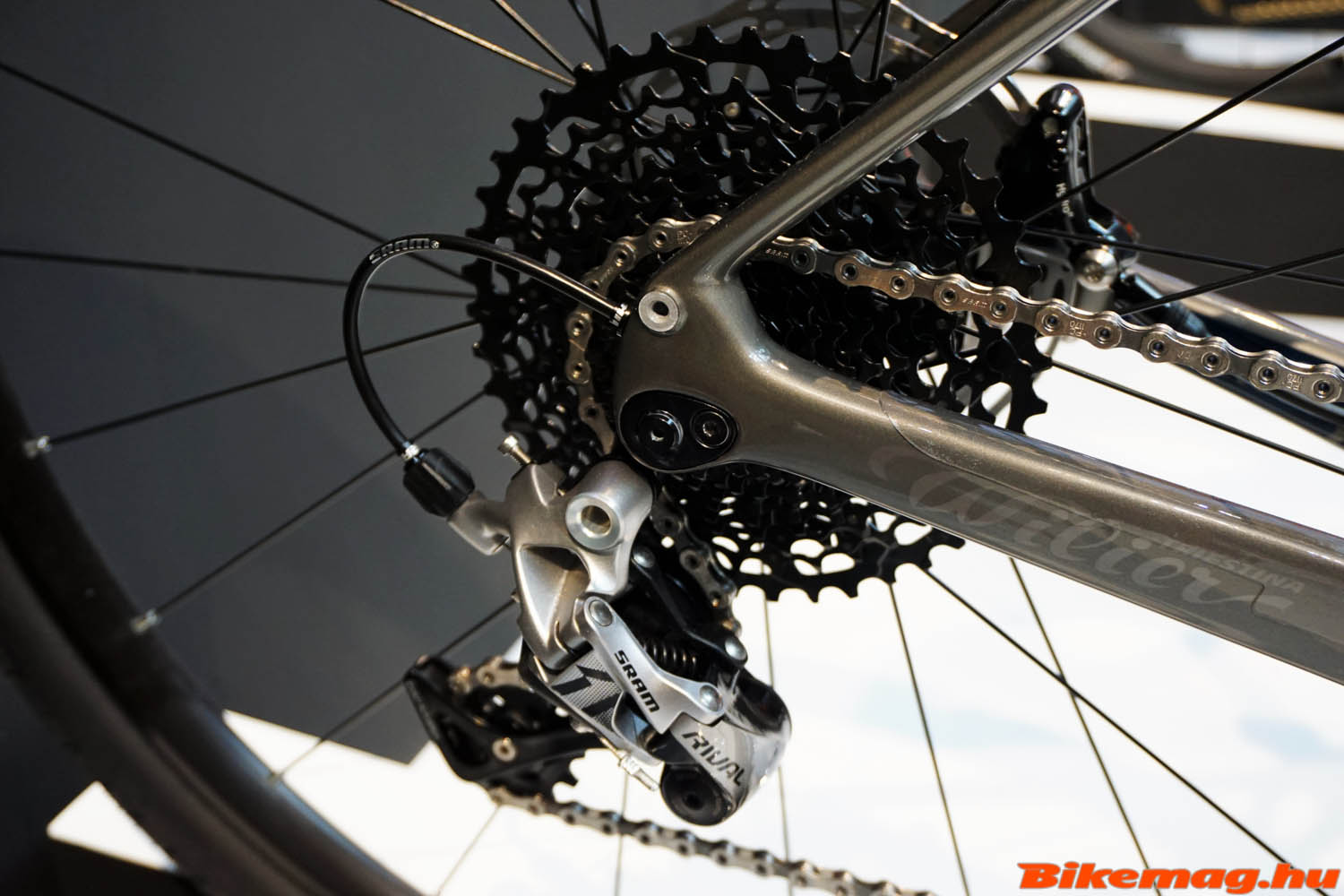
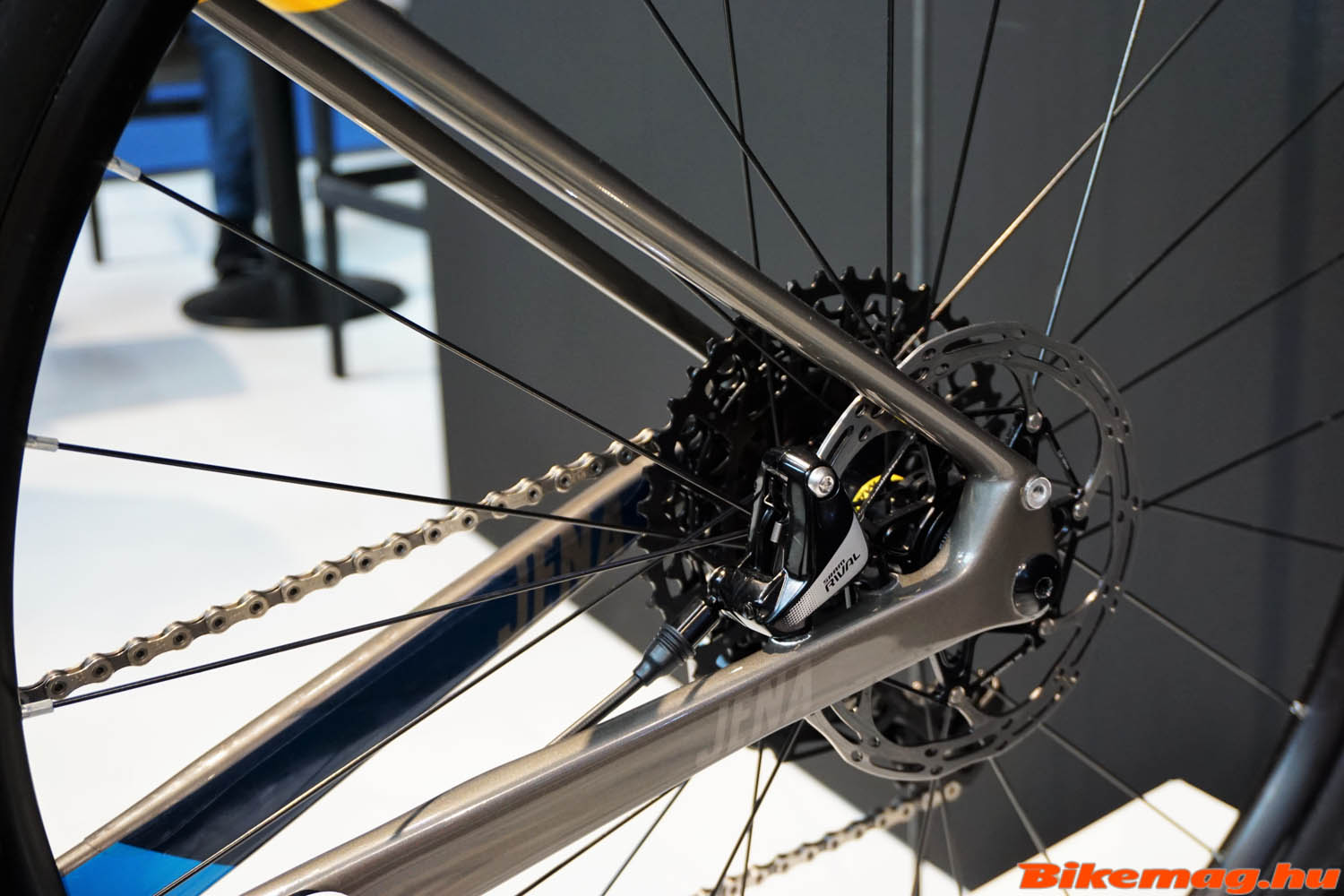
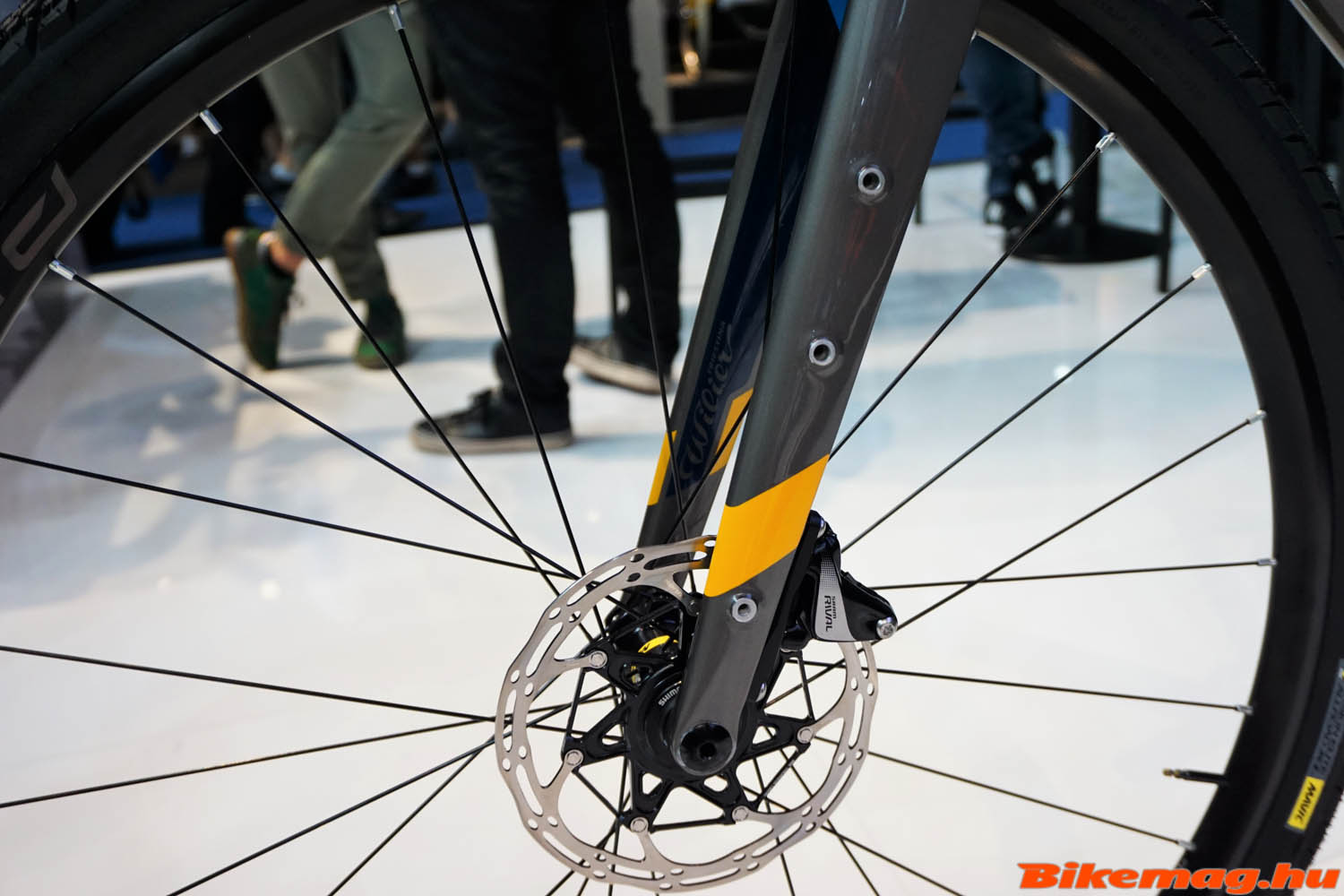
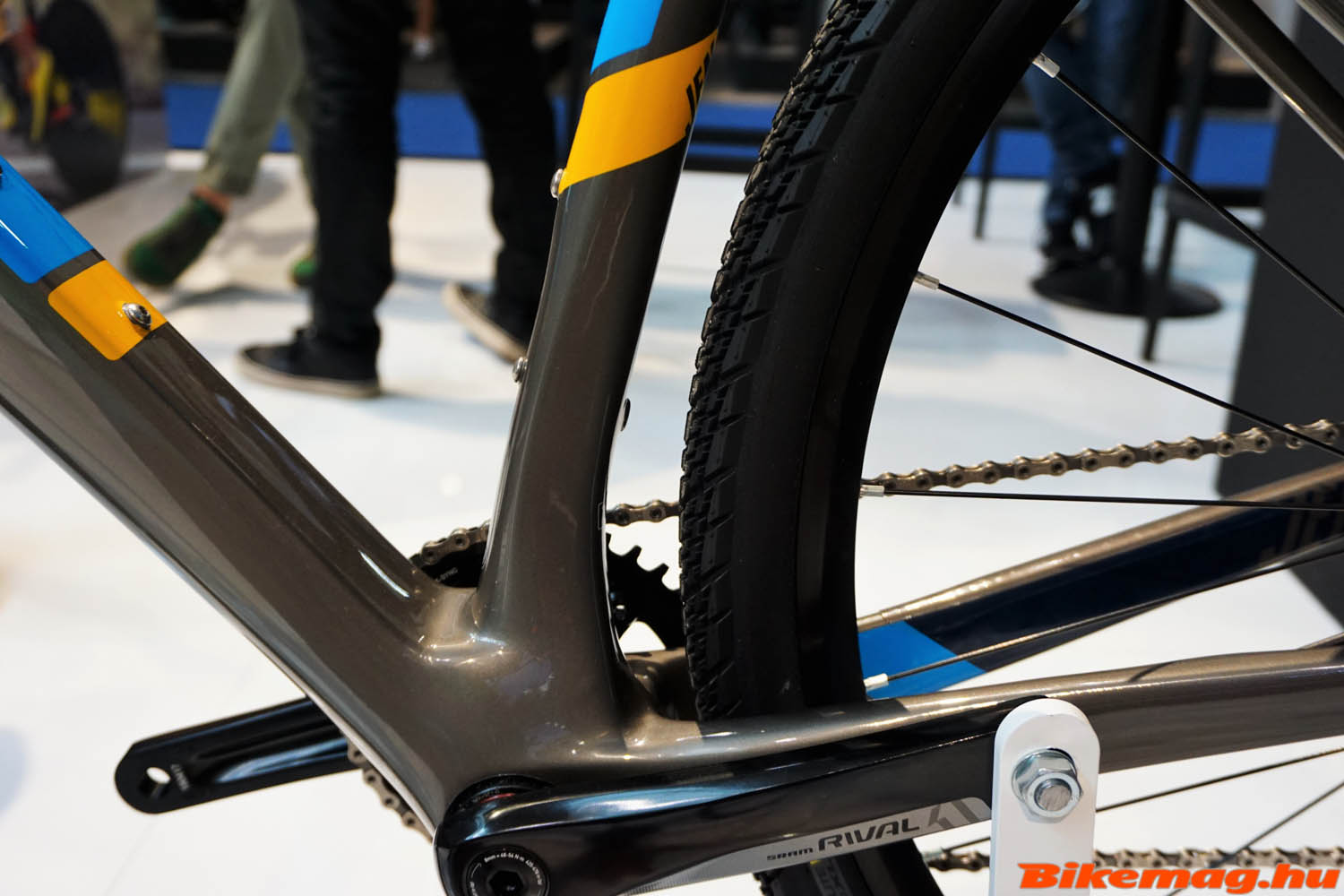
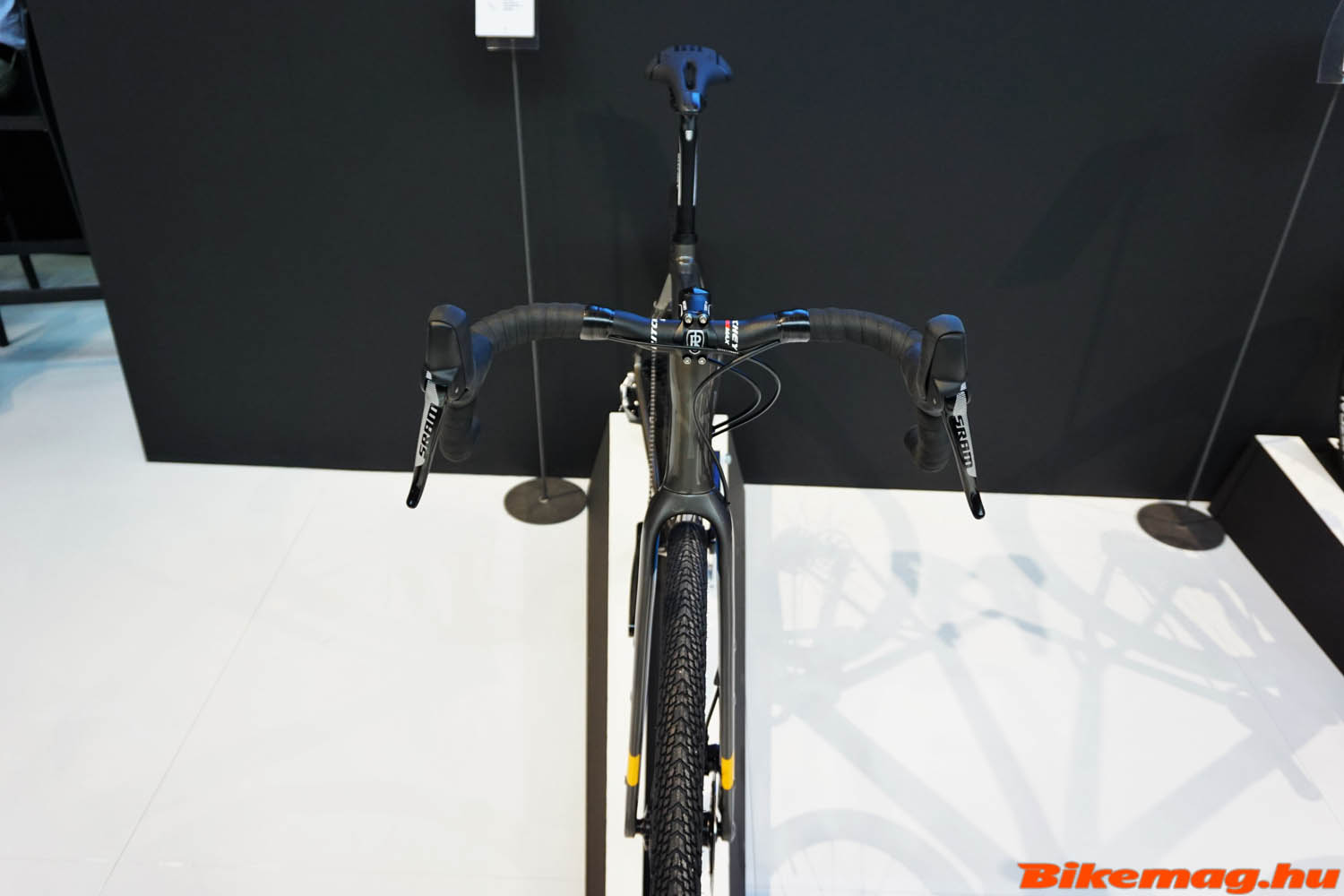
The popularity of gravel bikes is snowballing worldwide, so Wilier will further expand its range with tailor-made bicycle for drop bar off-road riding. There is a new “gravel” type model utilizing a carbon frame called Jena, complementing the already available metal-based Wilier “gravel-grinders” on the market. The Italians are renowned for producing bikes with a high-profile appearance and they have been faithful to this in the case of the off-road range: the single chain ring, 650b and 700 wheel compatible disc brakes models will surely appeal to of fans of Wilier gravel bikes.

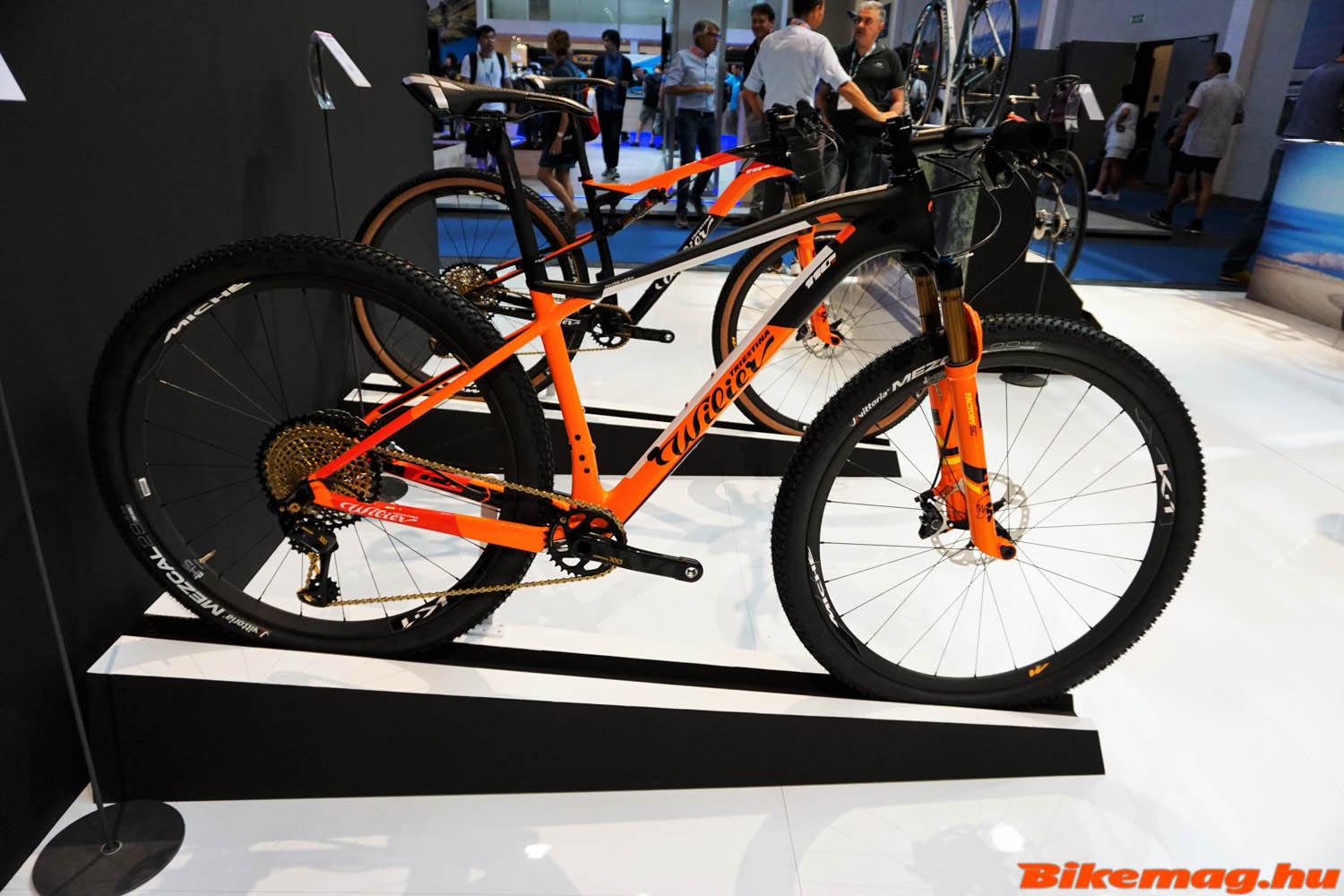
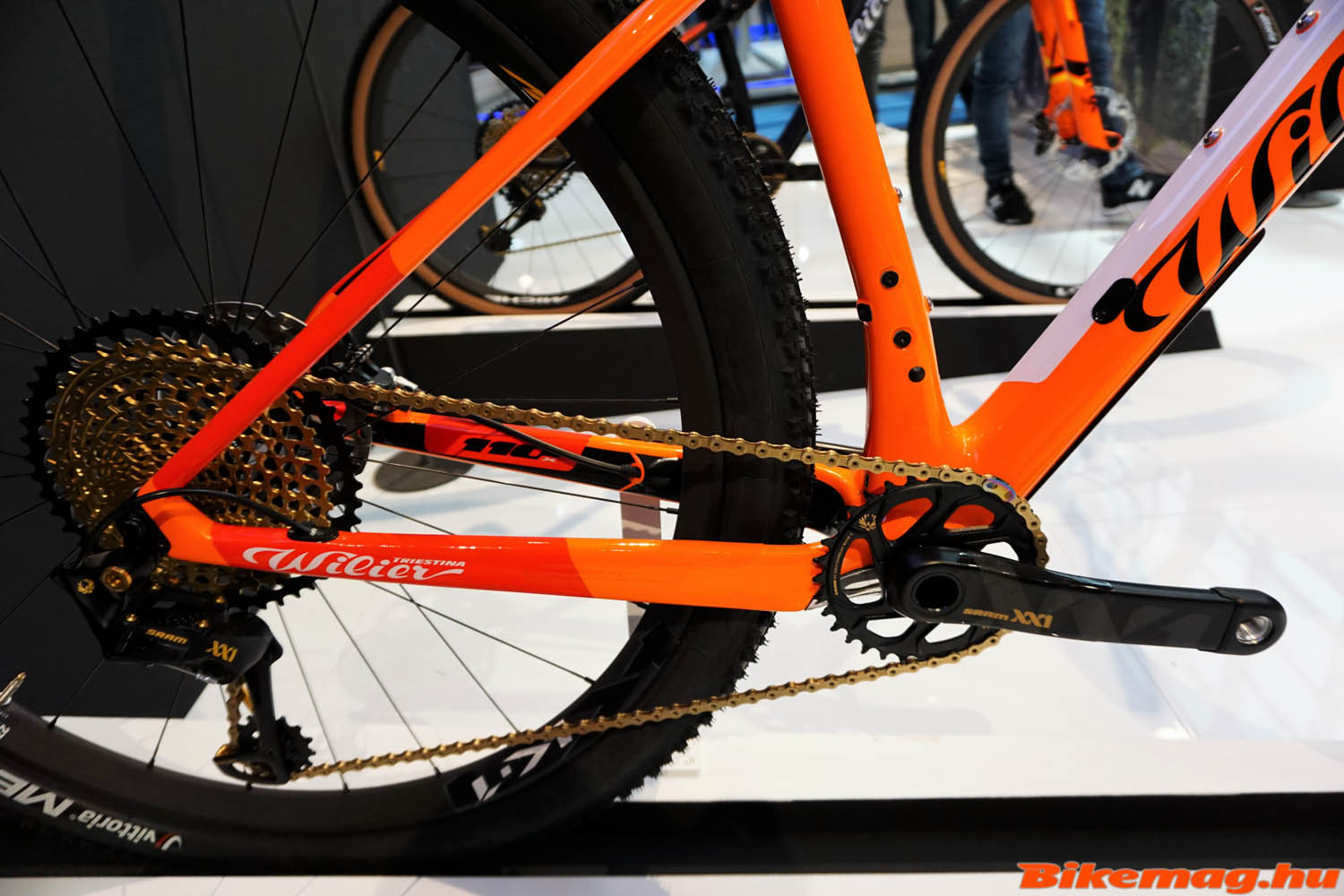
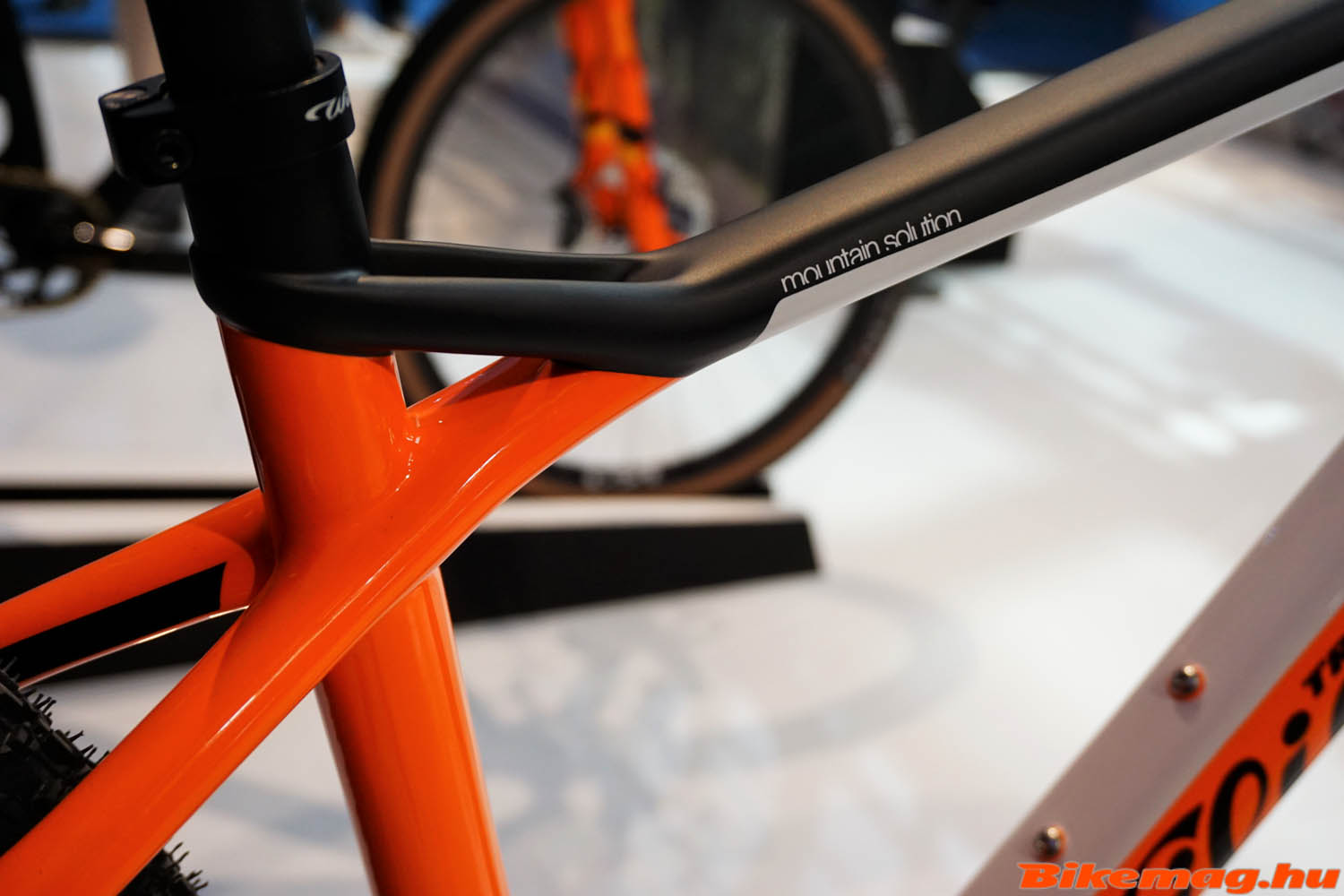
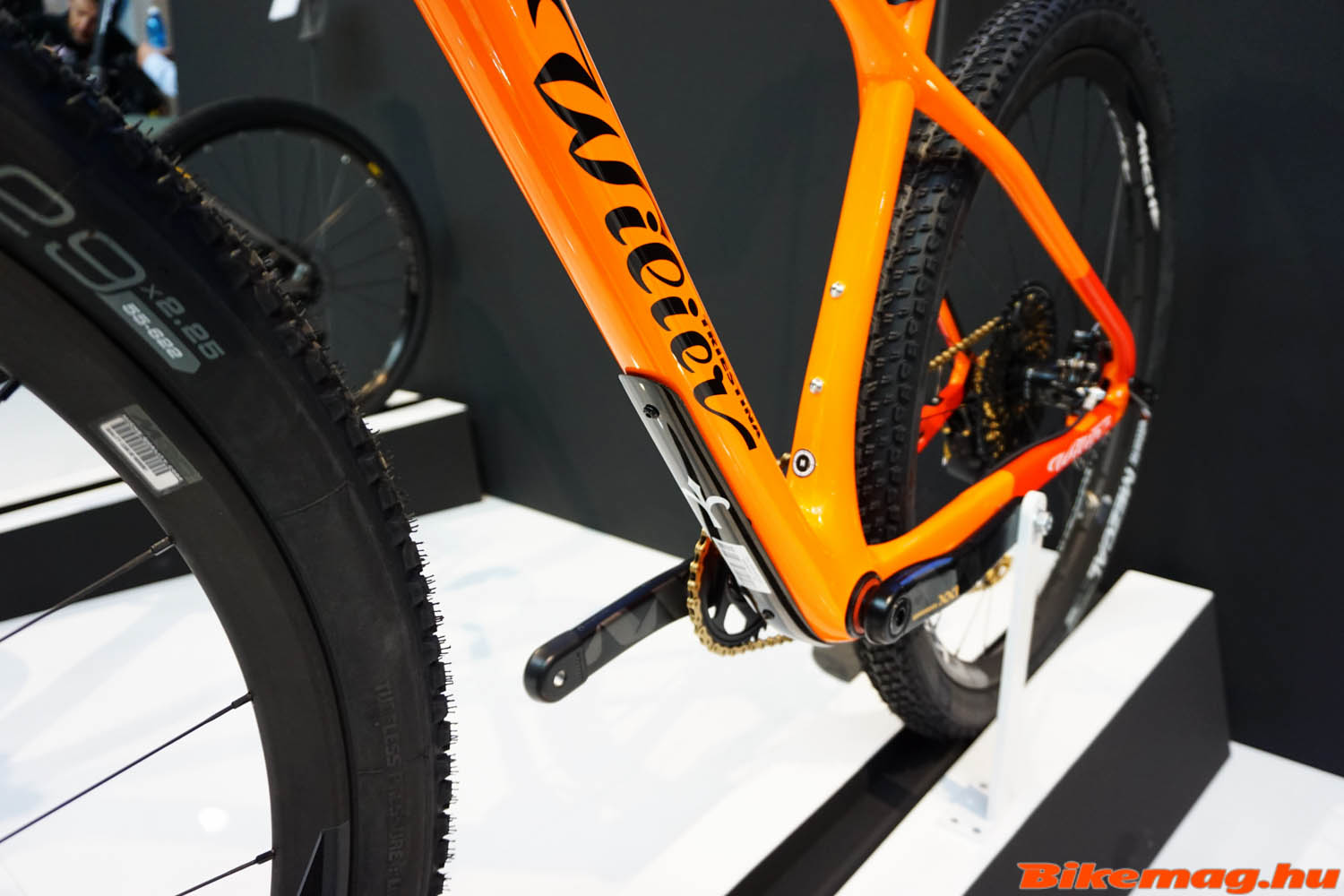
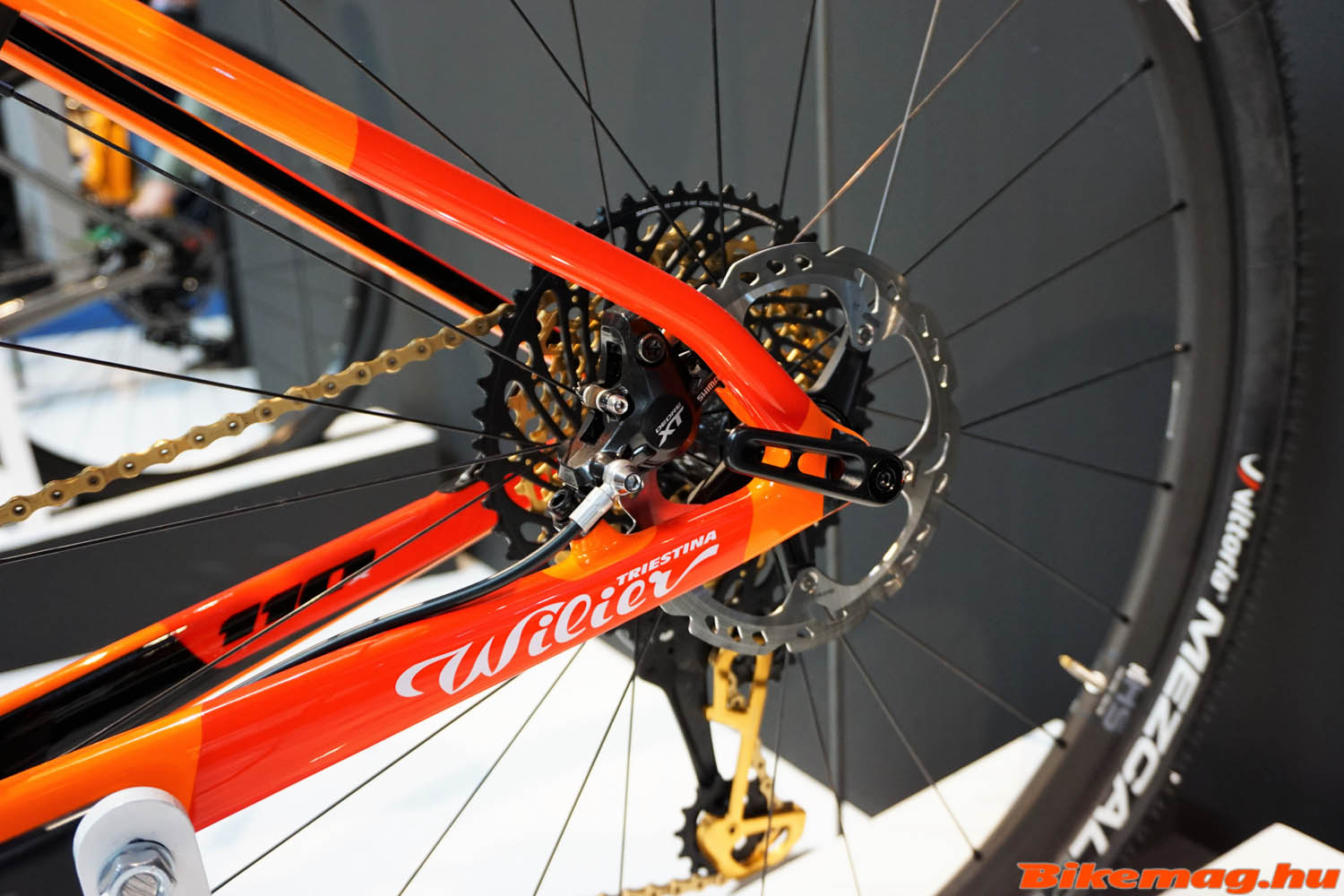
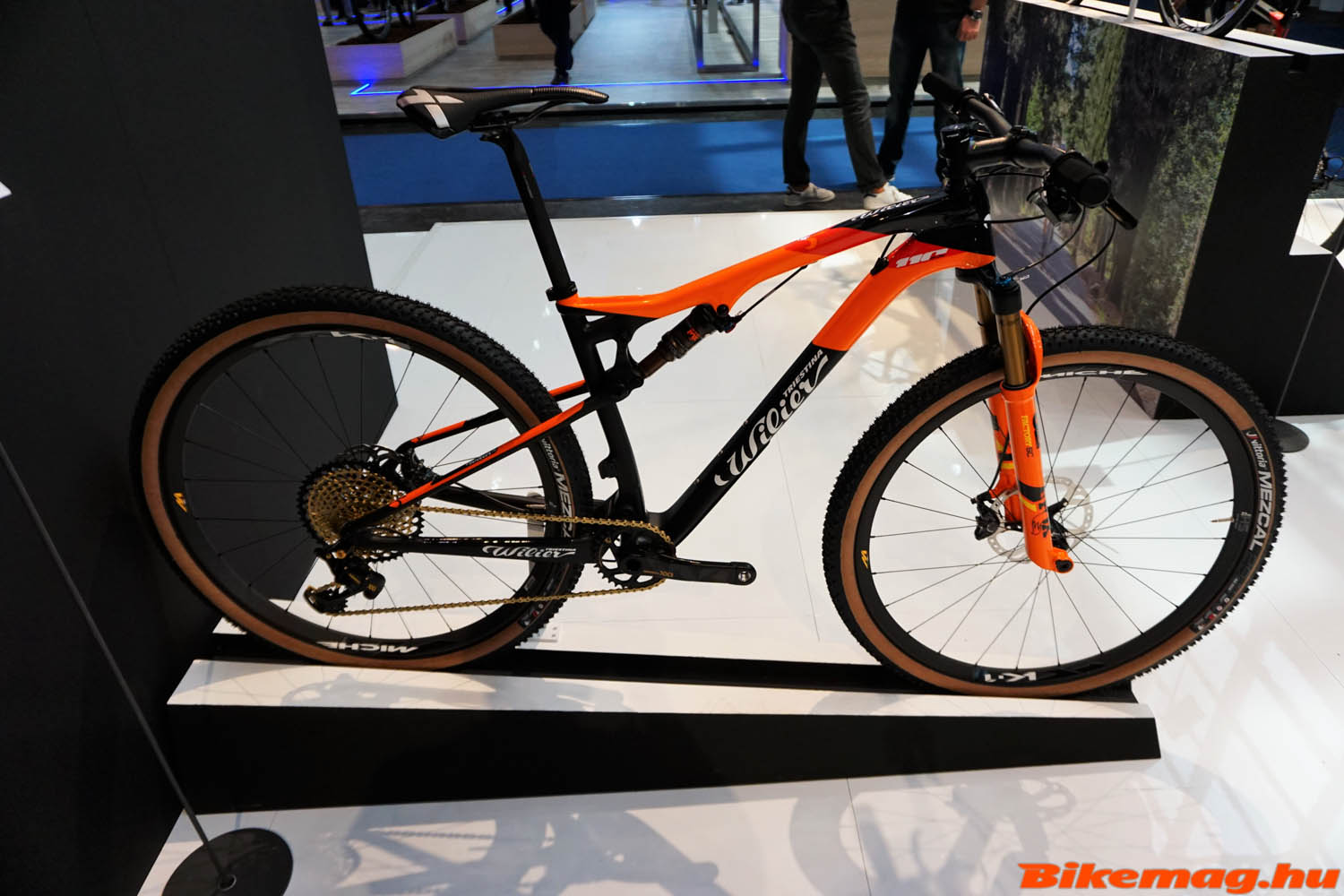
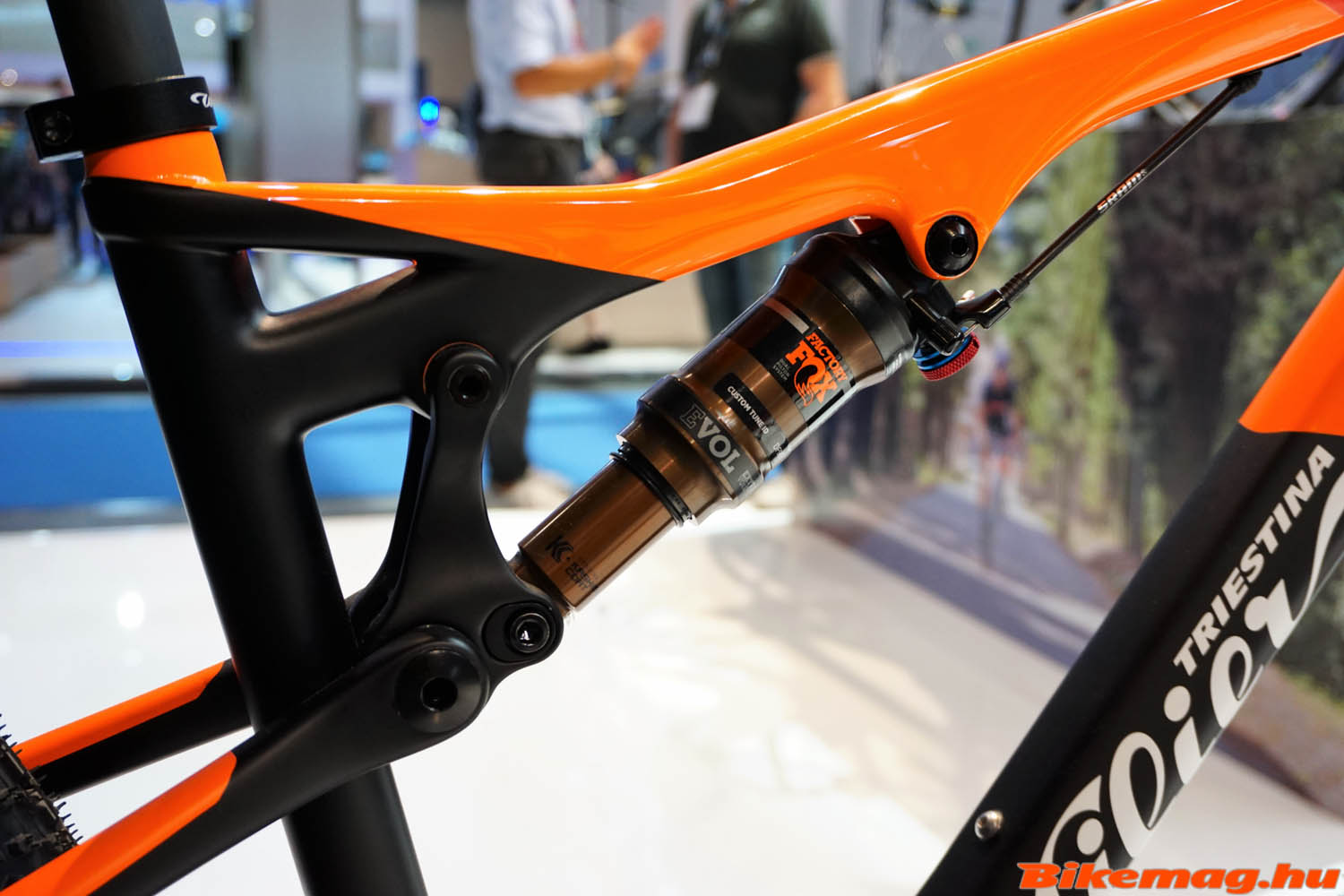
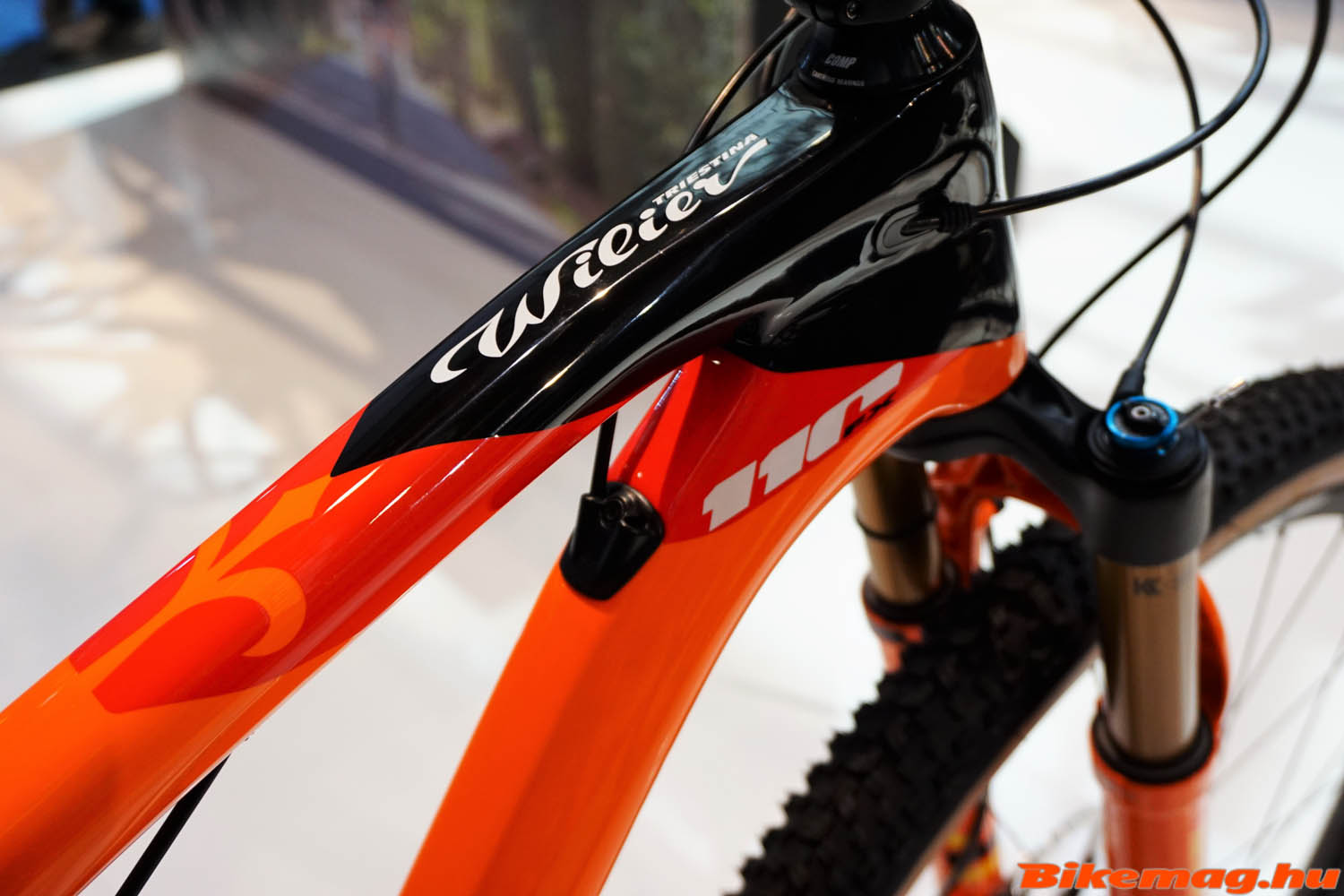
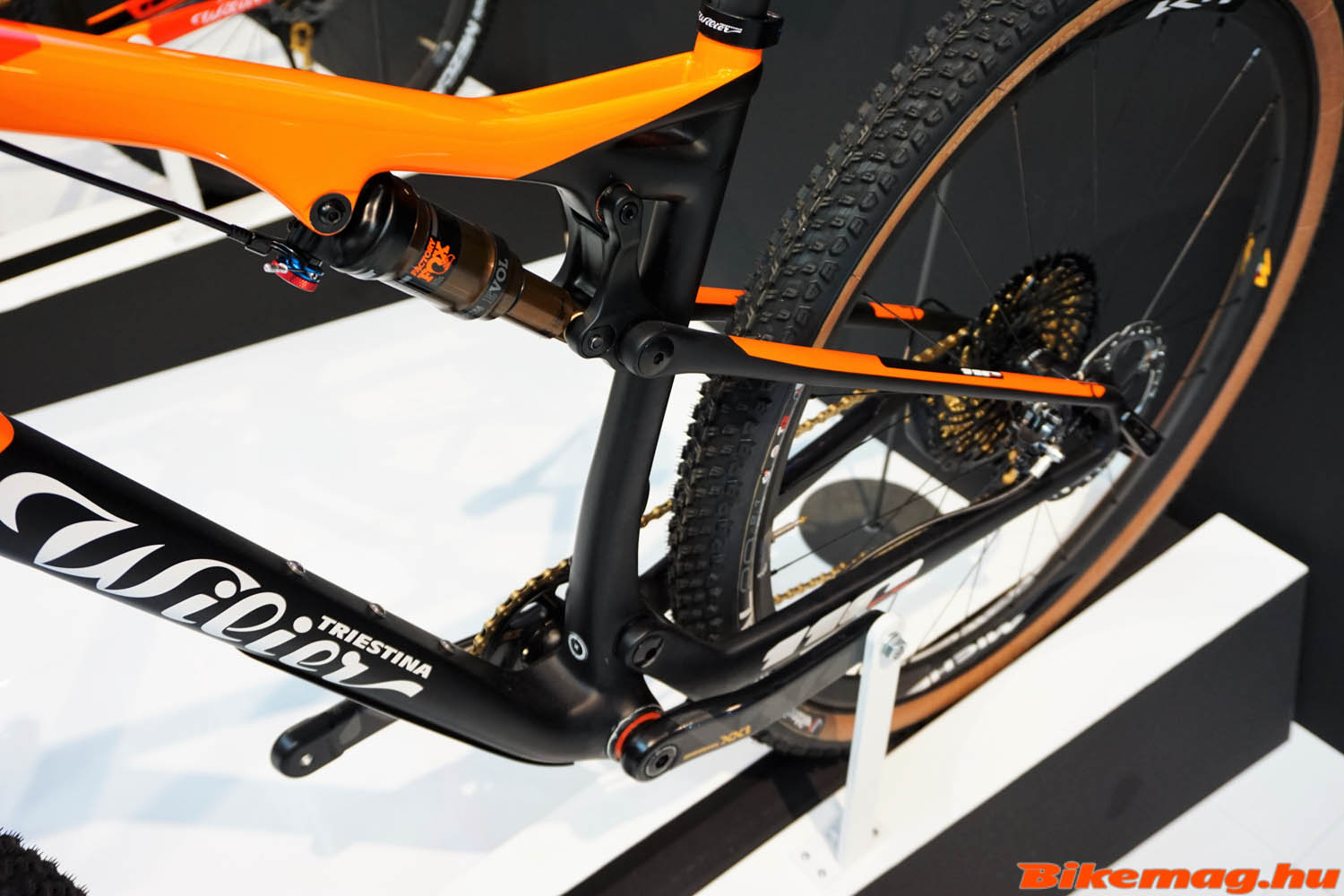
There are two new bikes in the Italian brands mountain bike range in 2019, which have debuted in this year’s Cape Epic Marathon in fine fashion. Massimo Debertolis and Ondrej Fojtik won the event overall on the Wilier 110X and its full suspension sibling, the 110FX. These models will form the peak of the MTB range in 2019, both models at the exhibition were fitted with a 1 × 12 drive system, but seen on the pictures, they can be equipped with conventional double chain ring group sets as well. In addition, both bikes are compatible with the BOOST standard, so there will be no problems with the rigidity of the wheels and the chain stay length. It is evident that Wilier takes the MTB segment very seriously, and they treat it as equal to the mode traditional road bike range. One thing to keep in mind when considering purchasing a modern MTB: Wilier can make them look as stunning as their on-road siblings!

The 2019 Wilier models are available now, they can be inspected, admired and ordered at Biondo Bike. As a special bonus, the prices at Biondo are on average 20% less than the official European retail cost.

More information and pricing is available from the Hungarian exclusive distributor’s website: http://wilier-kerekpar.biondobike.hu/