Home Blog Page 375

Topeak DeFender TX szett – SárVédelem

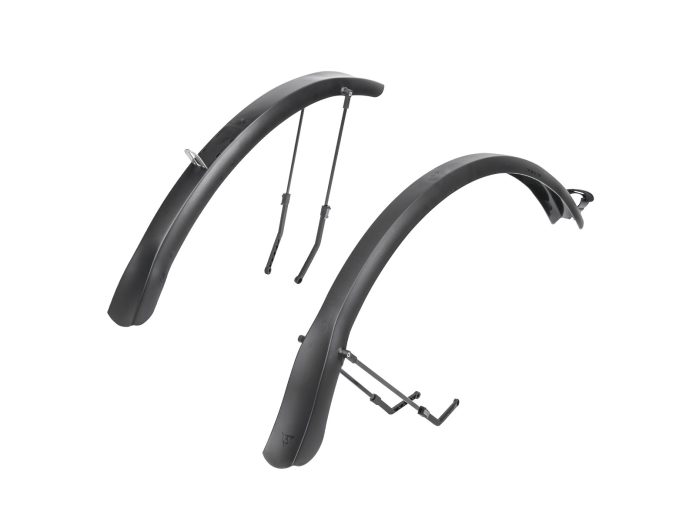
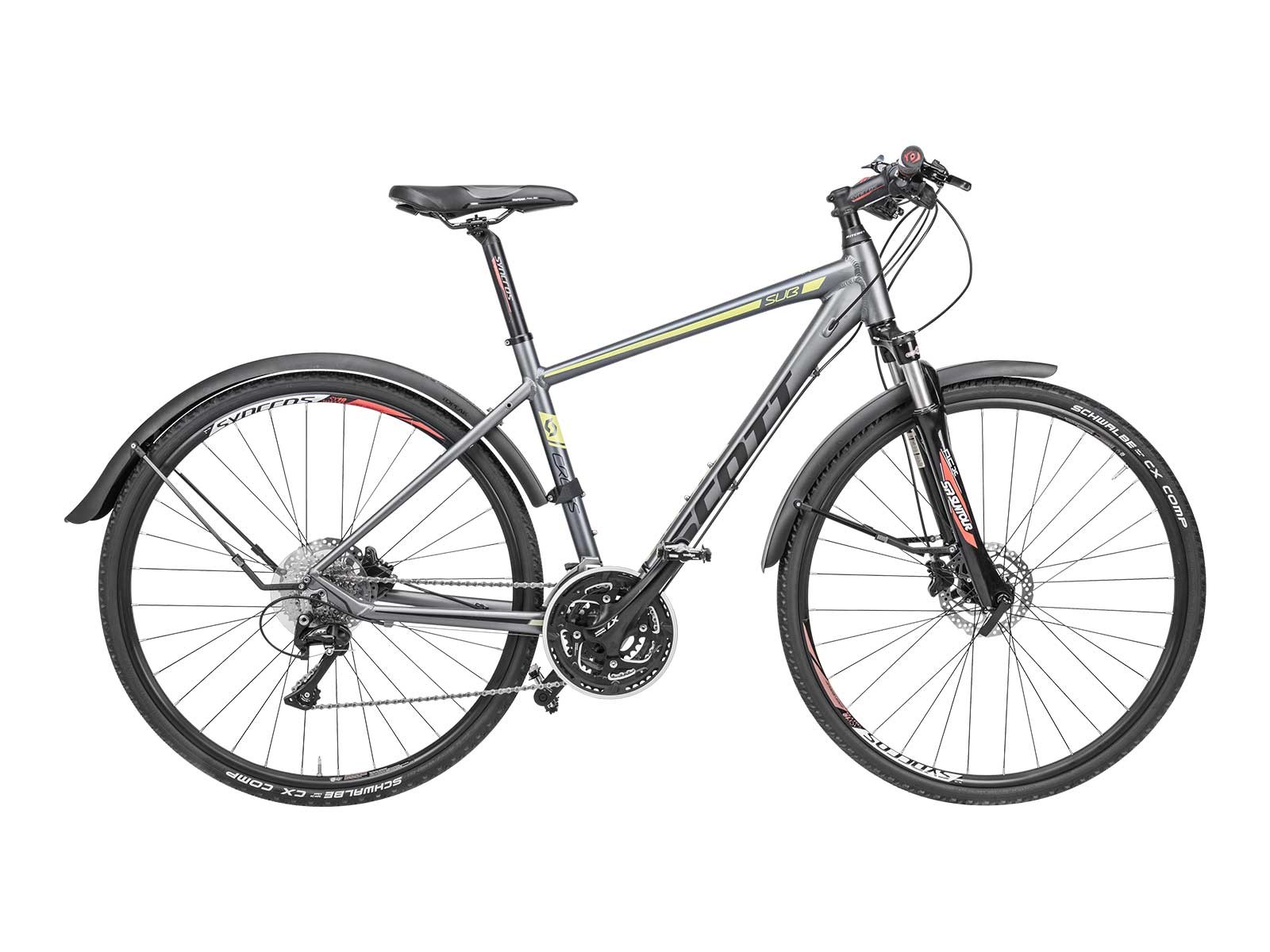
A Topeak újdonsága a manapság hazai körökben igen népszerű cross trekking kerékpárok használóit célozza, könnyed ám hatékony védelmet ígérve a kerék által felvert szennyeződésekkel szemben. A Topeak DeFender TX szettként kapható, tartalmazza az első és hátsó sárvédőt is.

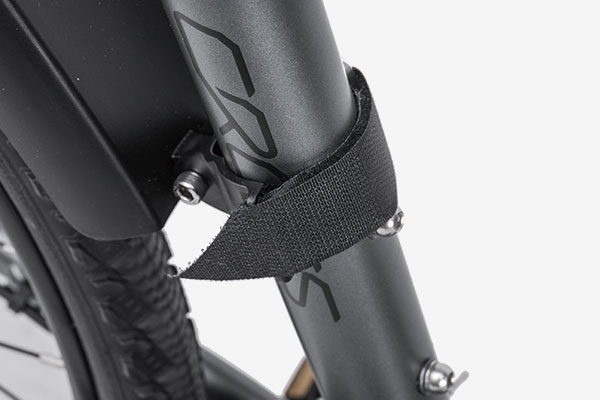
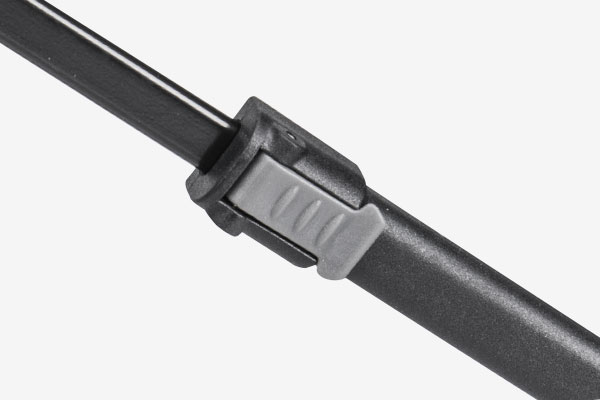
Kialakítása révén precízen beállíthatjuk az idális kerékkövetési ívet, nem kell mást tennünk, mint az alumínim tartópálcák gyorscsatlakozóját oldani és máris lehetőségünk van helyes pozícióba állítani. 28″-os kerékmérethez passzol, s egészen 44mm széles külsőkig használható. Rögzítése elöl történhet a tárcsafékkonzolhoz vagy a villán kialakított furatokhoz, hátul pedig a nyeregvázcsőhöz tépőzárral, illetve a támvillák és láncvillák találkozásánál lévő rögzítési pontokhoz.

Belső oldala polírozott, hogy minél kevésbé tudjon megtapadni rajta a szennyeződés. Anyaga rendkívül ellenálló műanyag, így vélhetőleg a tartósságávál sem lesz gond, bár erre a Topeak jól csengő neve szintén garancia. A gyártó palettája minden felhasználási területre kínál megoldást, sőt olyan területekre is, ahová mások nem kifejezetten merészkedtek. Korábbi cikkenikből lehet tájékozódni felőlük.


Technikai adatok:

Anyag: ütésálló műanyag és alumínium
Súly: első 192 gramm / hátsó 245 gramm
Méretek: első 56,8 x 13,7 x 8,4 cm / hátsó 77,8 x 26,5 x 8,6cm

Ajánlott fogyasztói ára: 13 270 Forint

A hazai oldal linkje, ahol üzletkeresővel megtalálhatjuk a legközelebbi Topeak kereskedőt.

How are Decathlon bikes made? – A visit to the B’twin Village

There are various assumptions circulating in the cycling community concerning bikes sold in Decathlon. Some believe they are only department store junk, others have a very positive opinion about the bikes and related gear. Based on our experience reviewing some of the “rigs”, we now tend to associate with the latter camp. Despite the favorable impressions, the staff at Bikemag still had some reservations about how these bike models were created. Are they actually devised by Decathlon or purchased as finished products from factories in the Far-East? To answer this and other related questions, we were invited to the B’twin Village in Lille, where bikes sold in Decathlon are designed and assembled.

Hungarian cyclists are probably familiar with the bike selection found at the Decathlon stores. According to our reader survey, most are aware with the B’twin brand, which also figures in the name of the French headquarter. (By the way, this year sees the launch of new brand names at Decathlon, but that’s a story of a future installment of this series.)

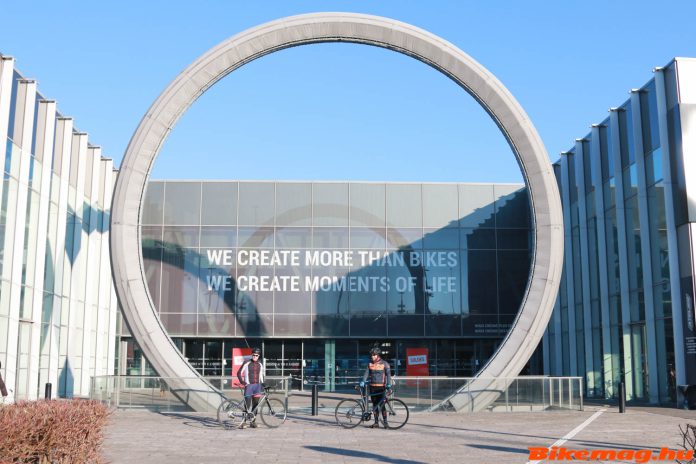
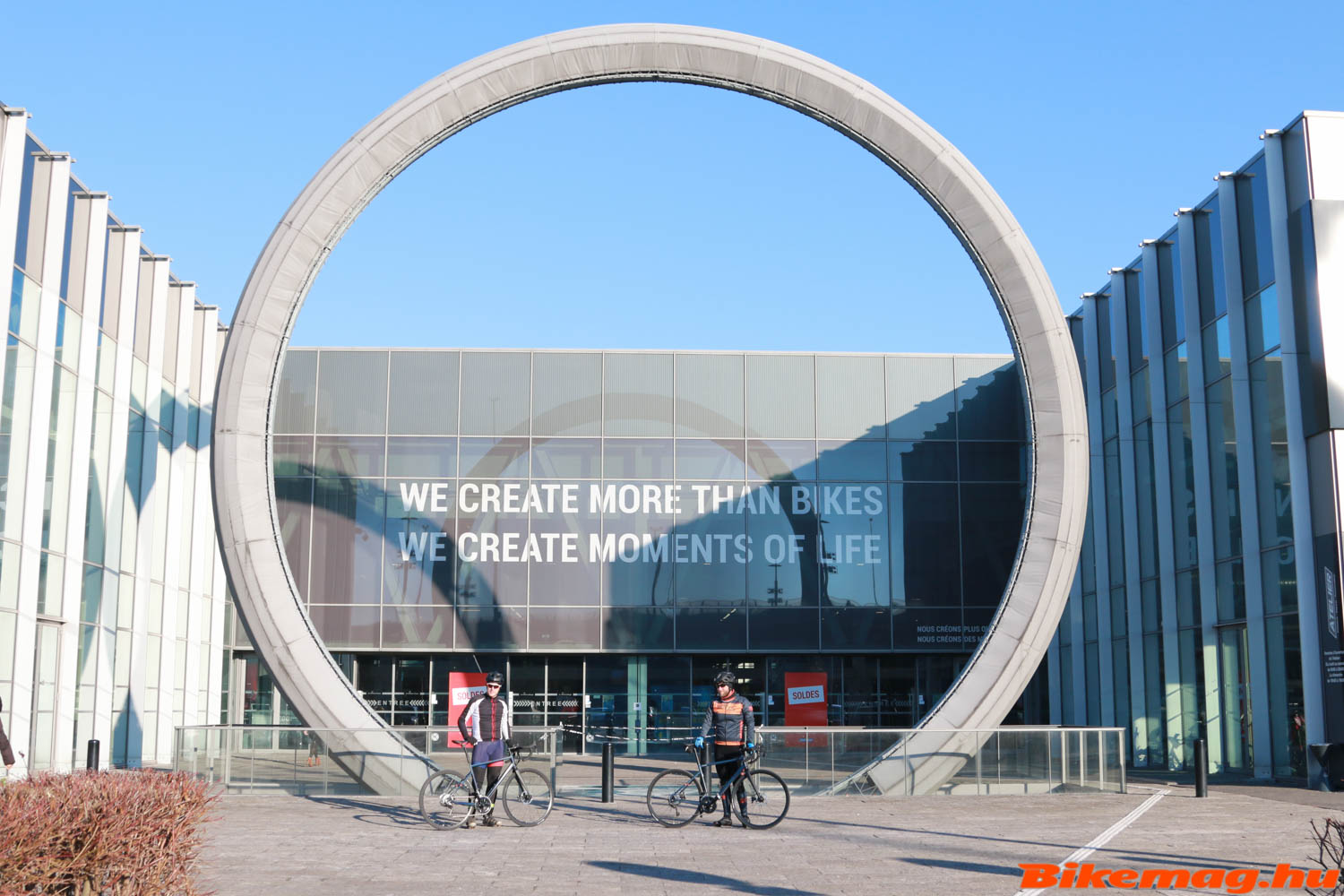
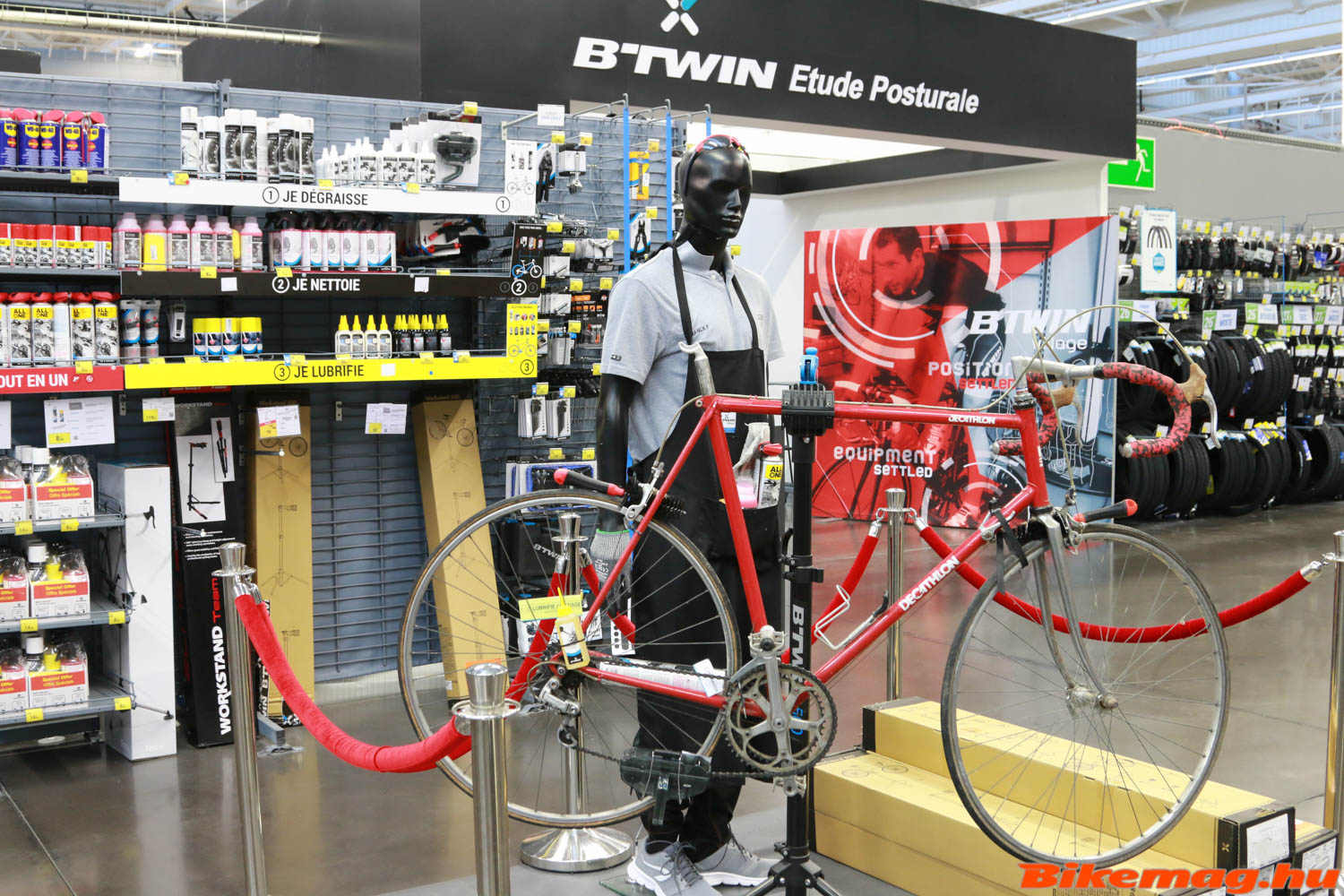
B’twin Village in Lille, France is actually a huge Decathlon store carrying predominantly products related to cycling and triathlon. The other portion of the one-time tobacco factory houses the testing facilities and the offices of the biking division. This is where the design of bikes and accessories are carried out.

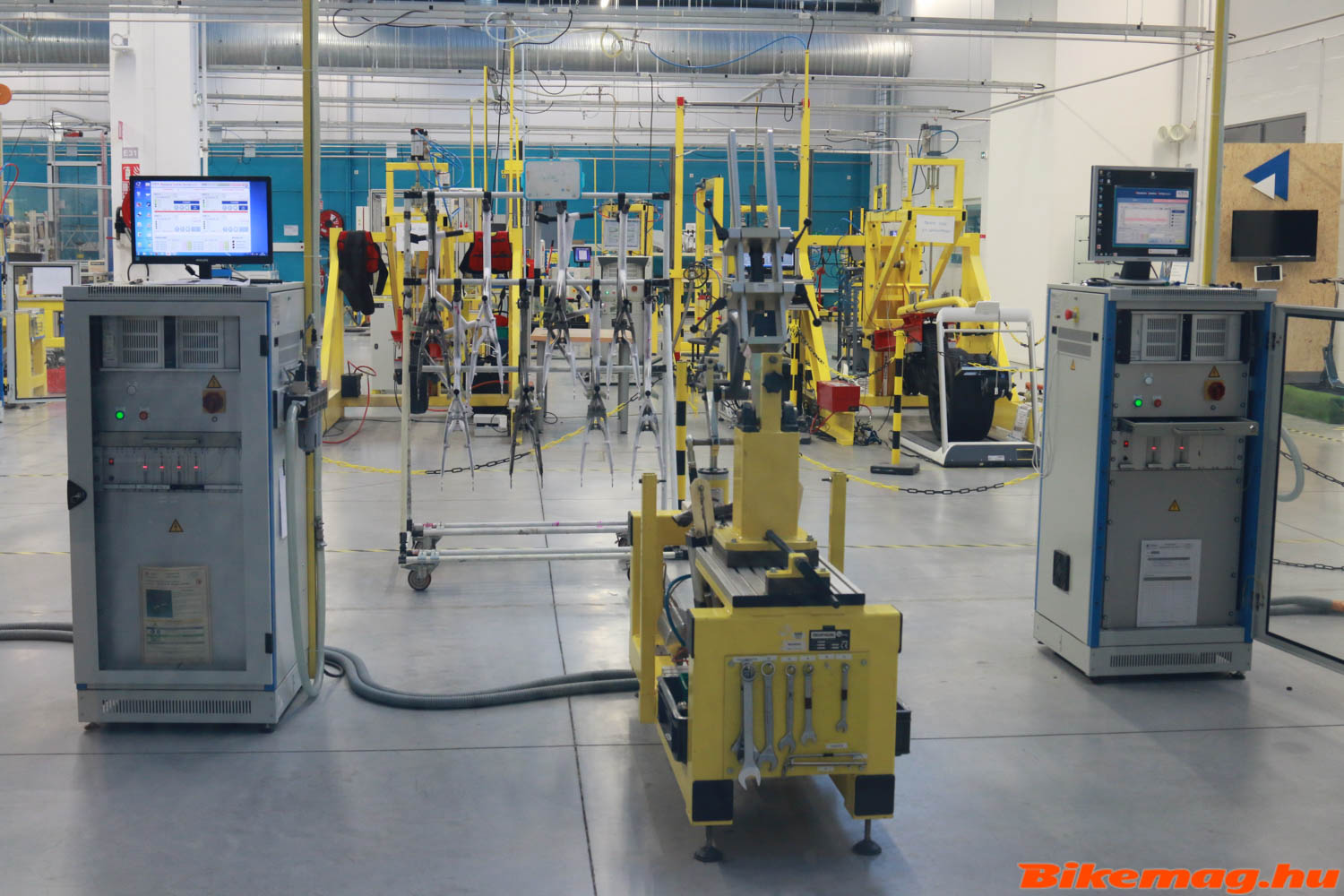
Bikes and accessories are tested on location


To be honest – knowing all too well the workings of the bike industry -, I had a hard time believing what the marketing department at Decathlon states: “Our products are designed in house.” It makes little sense to design bikes and accessories, when the almost identical items can be ordered form a myriad of manufactures from the Far-East. The suppliers are ready to print any logo on their goods, and the whole bike industry is based on this exact model of commerce. Nevertheless – Decathlon assured us – most of the bike range is designed by their engineers, merely the low-priced segment of their offerings are sourced in the conventional fashion.

This topic has been on the agenda on many occasions with the management of the Hungarian division of Decathlon. I was still expecting to see a different story in Lille than we were presented within the local offices. When we arrived in France, first we were invited to a dinner with a senior executive of the B’twin Village who holds a Hungarian nationality. He job is to manage the cross country and orienteering runners division at the Decathlon headquarters. Naturally the topics we discussed covered many aspects of the sports gear market, in the course of which we had a chance to ask the very same questions that were bugging us all along. Knowing well that he is well-versed in the Decathlon marketing strategy and the company philosophy of the French sporting brand, this was a chance we couldn’t blunder.

We were presented with the ways his division operates, and how the range of products are developed. To cite an example: a compass used for sports orienteering was designed by his colleagues, who then travelled to China to finish the project in cooperation with the local manufacturing partners. They came home with several product prototypes from which the team selected the ones which are not sold in Decathlon stores all over Europe. Although he only oversees of the cross country and orienteering division, to the best of his knowledge all divisions operate the same way. All products on the shelves in Decathlon have some added value, and higher end merchandises regularly gets full in-house design.

The next day – as it was a Sunday – instead of visiting the headquarters, we were invited to visit the Velofolies bike exhibition in the nearby Kortrijk, Belgium. Two of the most recent addition to the Decathlon bike range were introduced at this well-known event. In the afternoon we had a chance to test ride the new bikes, so a report can be expected in the near future. There we met the head of the bike division at Decathlon, and learned a lot more about the brand’s goals and strategies.

Decathlon has been selling bikes for decades!

It was only at the end of our stay in Lille that we finally managed to get inside the B’twin Village. The cycling mega store didn’t grab my interest, on the other hand the testing facilities and R&D department proved to be a great revelation. Undoubtedly Decathlon has the largest range of bikes and accessories of any sporting specialist in Europe, and this location presents all currently available goods from each and every market. Yet I’m surrounded by bikes in my job, so the magnitude of merchandise is not something to write home about. So I was quickly off to the other side of the premises where bikes and accessories were conceived…

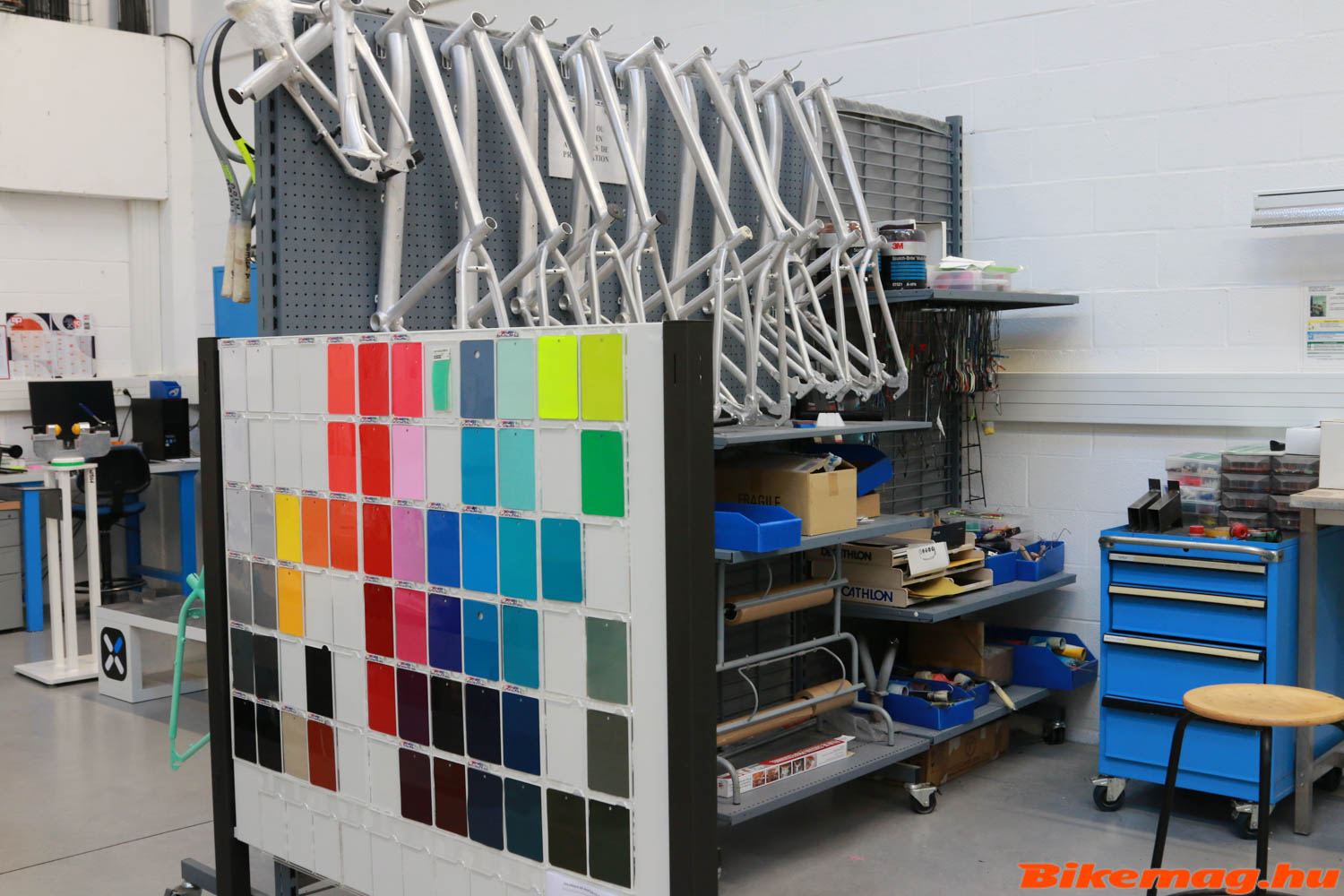
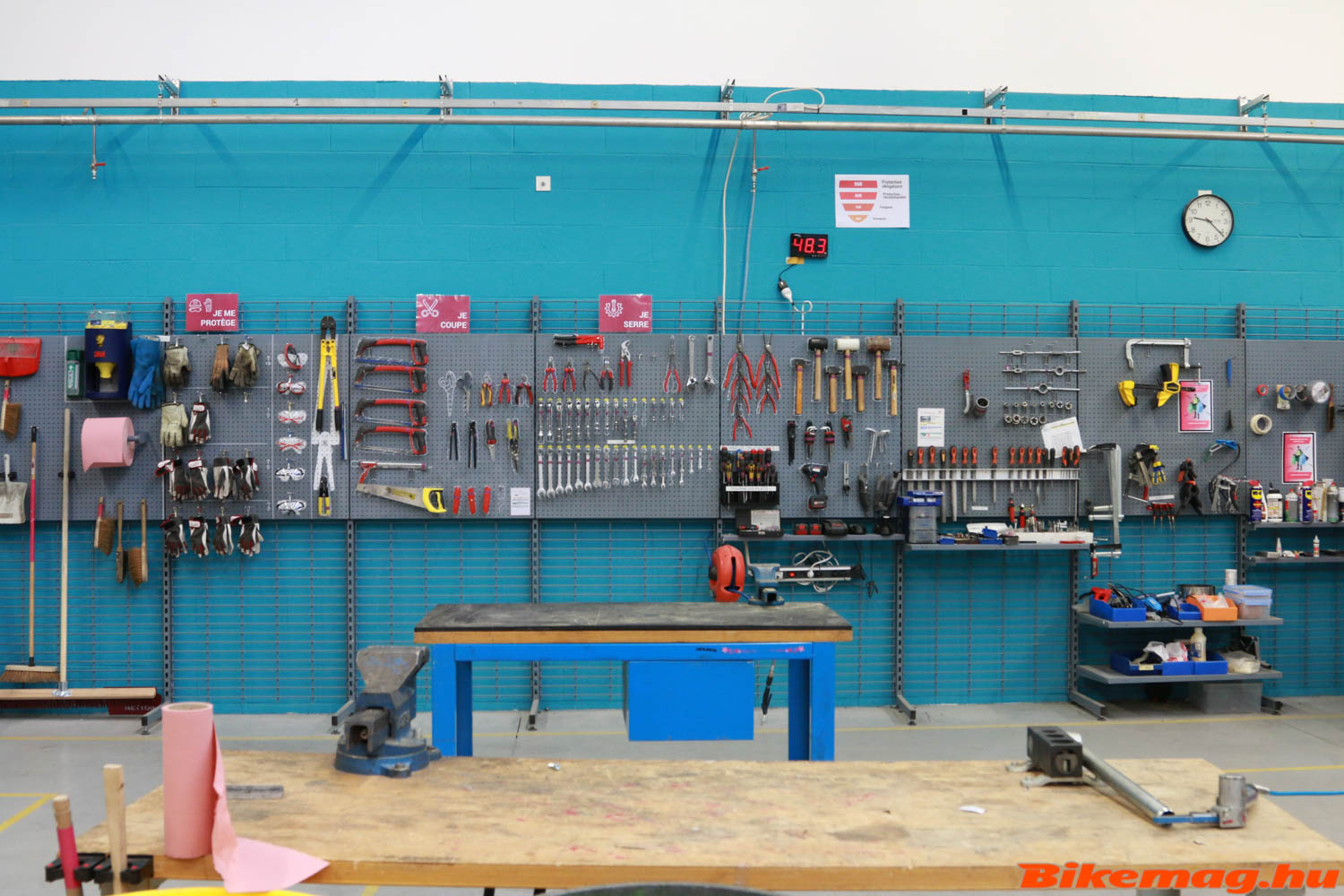
This is where the prototype bikes are assembled

As the secret vaults of Decathlon headquarters were opened, I realized that all we told about in-house design is in fact a reality. The specious offices were full of staff – especially women –, and we could get a glimpse of how a new product was born. I have visited headquarters of several large bike brands, where only a fraction of employees carried out all duties including marketing and PR. Of course a chain of stores should have more tasks to deal with, than a conventional bike brand with no more than a few concept stores. Still, the activity at B’twin Village was staggering!

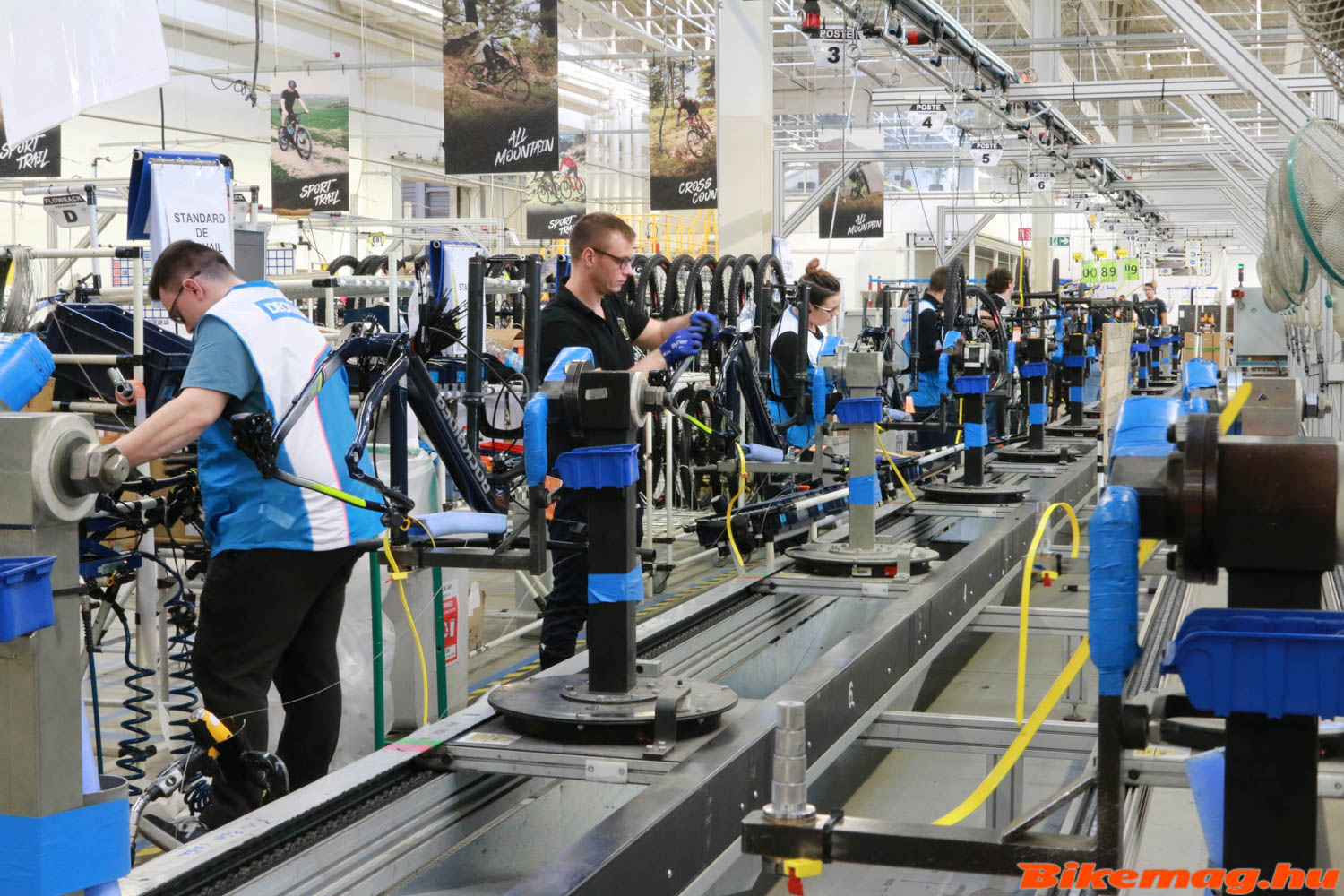
A complete Van Rysel bike is assembled by a single employee!

I also had a chance to visit the testing laboratory where failure tests are conducted on bikes and parts. I have seen many such facilities at various bike brands, and have to say that Decathlon has one of the highest level of testing infrastructure I have ever witnessed! Each and every product they put on the shelves are tested for several qualities. It’s usually done at the prototype stage, but random quality control testing is also carried out on the laboratory. The staff was willing to answer my questions related to the technical aspects of testing, making it obvious that this facility has a genuine purpose, – or to paraphrase – the development of the products are done by experts and not by the marketing team. (In the series dealing with Decathlon I’ll dwell on this topic, and show how some of the bikes and products are created.)

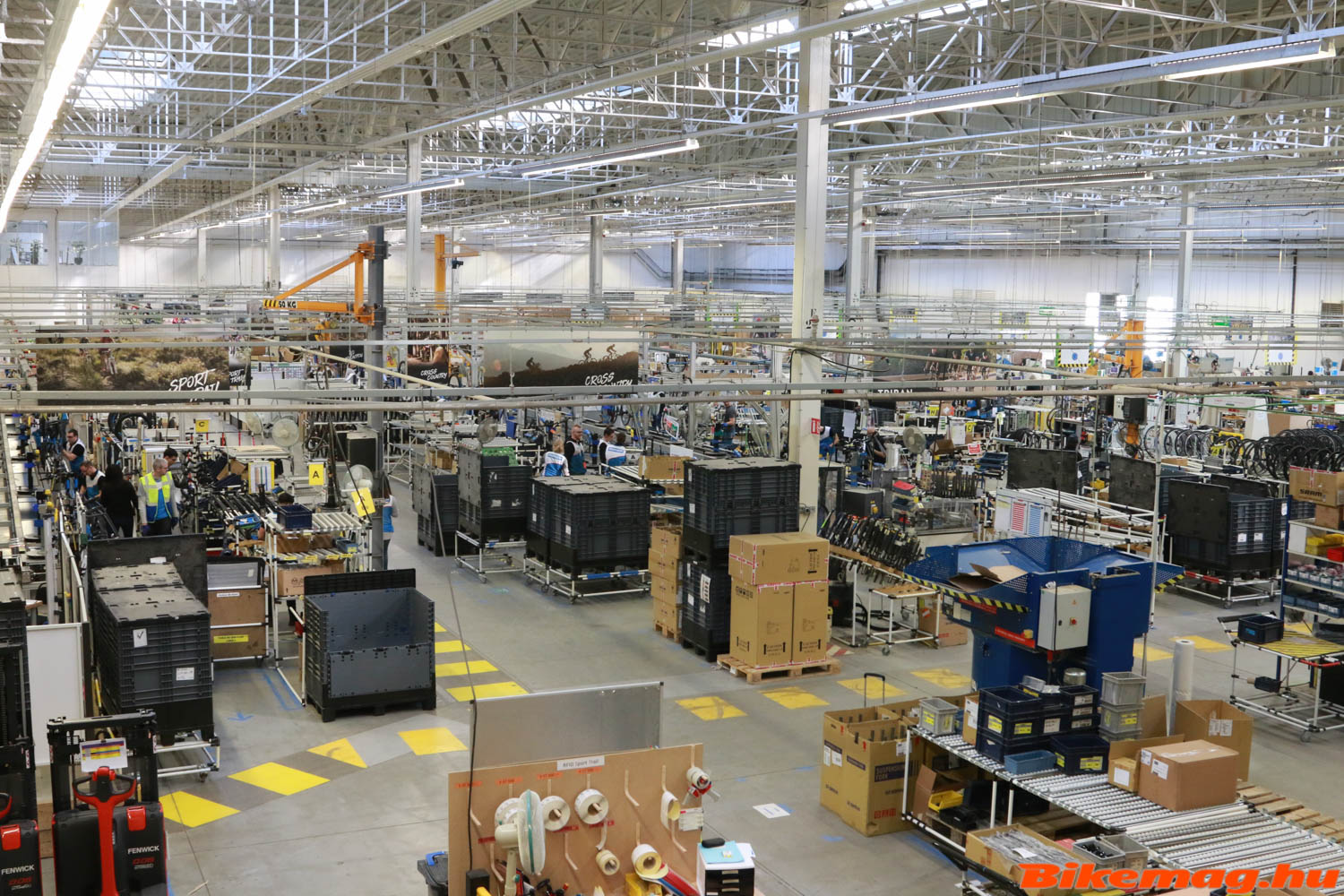
Behind the B’twin Village we find a bike assembly line Decathlon runs to create finished bikes. (There are further locations in many parts of Europe where bikes are assembled.) An the plant I was stunned to see the unique production method where each and every bike was being assembled from start to finished by one worker. At factory assembly lines, one worker carries out only one part of the process: in Lille, the emphasis is clearly on quality and workmanship. This is true for most high-end bikes sold at Decathlon. Although production time is greatly increased, the employee carrying out the assembly is responsible for bike as a whole. Another advantage of this fabrication method is that incidental problems surface quicker, so the management can make changes in production before a larger batch of bikes are finished.

During our three days in Lille, we had a chance to see and experience many aspects of Decathlon’s operations. We witnessed how the bikes are designed, tested, assembled and presented in the stores. The mentality I saw is quite different compared to both international bike brands and businesses in Hungary. It seems employees enjoy working at Decathlon, and their work environment reflect this impression. (Incidentally the company has been voted “Best workplace” for many years running in Hungary!)

As an economist, I’m baffled by some of the production techniques I witnessed in Lille. They are certainly not the most effective ways of making bikes, but I seem to work for the given workforce and environment. Neither the price, not the quality of the finished product suggest that there is anything to fault with Decathlon’s business strategy. Moreover, now we know for sure that their bikes are designed and built by competent people, who pay great attention to the rider’s needs and expectations.

I hope this write-up serves to dispel some of the misconceptions regarding bikes and accessories offered by Decathlon. We plan to continue the series by giving more insight into how bikes are designed. In addition I’ll report on the new bicycle brands Decathlon introduced in 2019, as well as giving my impressions of the bikes I had a chance to test ride.

10000-en voltak az I bike Budapest bringás felvonuláson, minden főpolgármester-jelölt kerékpáros vállalásokat tett

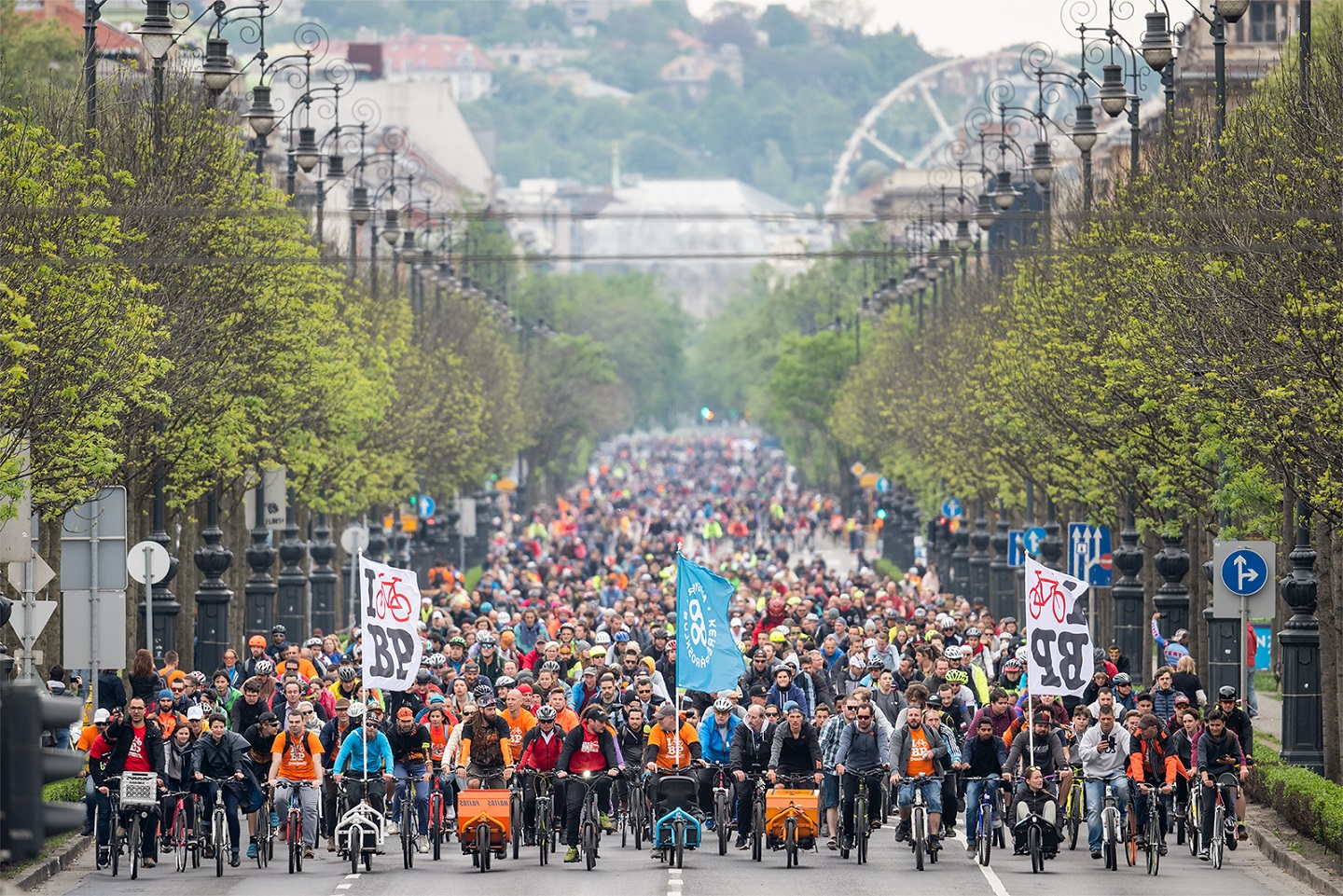
A Rendőrség becslése szerint 10000-en voltak az eső ellenére a vasárnapi I bike Budapest bringás felvonuláson, amit a 2024-ig szükséges kerékpáros fejlesztésekért tartottak. A Kerékpárosklub 12+1 pontban foglalta össze, mit kéne tennie a következő főpolgármesternek ahhoz, hogy a Budapest kielégítse a lakói kerékpározás iránti igényét, aminek eredményeként azok is kerékpárral közlekedhetnének, akik még nem teszik. A felvonulás előtt Tarlós István, Karácsony Gergely és Puzsér Róbert is számonkérhető, pozitív választ küldött a szervezetnek, bár nem azonos mértékben tettek vállalásokat. Az I bike Budapest felvonuláson azt mondták, még egy választás előtt sem volt pártokon átívelő független támogatása a kerékpáros városfejlesztésnek.

Fotó: Soós Bertalan – Magyar Kerékpárosklub

A város tucatnyi pontjáról, de még az agglomerációból és Pozsonyból is szervezett csoportok indultak a felvonulásra, amelynek célja az volt, hogy egy napra megmutassa, milyen jó hely lehetne a bringás Budapest. A felvonuláson lezárt utakon tekertek át 10000-en Budapest legszebb, egyben leginkább fejlesztésre szoruló pontjain. Rövidített útvonalon tekertek a kisgyerekes családok, több helyen utcazenészek várták a menetet. A menet a Margitszigetről indult, négy híd, Óbuda, a rakpartok, az Alagút, a Lánchíd és az Andrássy út érintésével a Városligetben bringaemeléssel ért véget.

A felvonulás előtt a Kerékpárosklub 12 és egy pontot állított össze az önkormányzati választásokra, olyan fejlesztéseket sorolva, melyekre a következő 5 éves ciklusban mindenképp szükség lesz a város bringázhatóbbá tételéhez. Tarlós István, Karácsony Gergely és Puzsér Róbert is támogatásáról biztosította a programot, bár eltérő mértékben.

A Kerékpárosklub példanélkülinek tartja, hogy civil felkérésre politikai oldaltól függetlenül, számonkérhető vállalásokat tettek a főpolgármester-jelöltek. A kerékpáros közlekedés fejlesztése pártokon felül álló közérdek, amit jól mutat, hogy minden párt jelöltje konkrét ígéreteket tett a következő önkormányzati ciklusra vonatkozóan – mondták a szervezők.

A Kerékpárosklub honlapján, ahol mindhárom jelölt válaszát el lehet olvasni: https://kerekparosklub.hu/ibikebudapest/bringazhatobudapest_12pont_fopolgarmesterjelolt_valasz

Az új bringások Budapestje

A felvonulást a magyar biciklis mozgalmat 11 éve támogató Hollandia nagykövete nyitotta meg. René van Hell azt mondta, mindig örömmel tölti el ennyi embert látni ahogy a kerékpározás szabadságát élvezi.

Kürti Gábor, a Magyar Kerékpárosklub elnöke kiemelte a közösség támogatását, akik nélkül nem lehetne elérni a kerékpározás fejlesztését.

„Megnyitottuk a város máskor barátságtalan útjait jövőbeli használói előtt, azok előtt a gyerekek, iskolások, idősek, nők, messziről ingázók vagy még bizonytalanok előtt, akiknek 12+1 pontunk megvalósulásával megsokszorozódna a számuk, miközben a már bringázókat is kényelmesebb utak várnák. Azok is jól járnának, akik sosem ülnek biciklire, mert ahol jó bringázni, ott jó élni!” – mondta nyitóbeszédében Halász Áron, a Kerékpárosklub elnökhelyettese és az esemény főszervezője.

A 2024-ig szükséges fejlesztések 12+1 pontja a következő:

  • A belváros összekötése a külvárosokkal.

–          Dél-Pest, és Kőbánya hiányzó kapcsolatainak pótlása kerékpársávval a Baross utcán és az Üllői úton, kerékpáros fejlesztéssel a Kerepesi út, Jászberényi út, Soroksári út, Kőbányai út, Gyáli út mentén.

–          A Hűvösvölgybe vezető kerékpárút modernizálása.

–          A dunaparti Eurovelo 6 érje el a nyugat-európai szakaszok komfortját, és legyen alkalmas a tömeges használatra.

  • Épüljön kerékpárút a pesti alsó rakparton!
  • Lánchíd átadása az akadálytalan tömegközlekedés, kerékpáros, gyalogos, motoros közlekedés és taxik számára, kerékpársávval a hídfőkben és a József Attila utcán
  • Kétoldali kerékpársáv a Bajcsy Zsilinszky úton
  • Lakóövezetek tehermentesítése a 30-as zónák és lakó-pihenő övezetek kiterjesztésével, forgalomlassító és csillapító módon.
  • Kerékpáros tengely kialakítása a Váci úti irodafolyosón a Nyugati tér és a Duna Plaza között
  • Petőfi-híd felújítása kerékpársávokkal
  • Érjen össze a Bartók Béla út két végén már megépült kerékpársáv!
  • Induljon kerékpártároló-építési program! Új kerékpártárolók a legjobban hiányzó, népszerű úticéloknál, közintézményeknél, tömegközlekedési átszállóhelyeknél. Kisebb bürokráciát és ingyenes köztérhasználatot a lakossági kezdeményezéseknek!
  • Hatékonyabb karbantartást: Több forrást, gyorsabb intézkedést, tartós javításokat a lakossági panaszok kezelésére, kerékpárutak lezárásánál tájékoztatás és terelőutak kijelölése.
  • Népszerűsítés és oktatás: Induljanak pozitív hangvételű szemléletformáló és oktató kampányok, épüljenek új tanpályák gyerekeknek
  • Felhasználóbarát Bubit: Jobb minőségű kerékpárokat, 21. századi ügyintézést, lakossági promóciót, az állomások sűrítését, bővítését kérjük.

+1: Kerékpárral is biztonságos Nagykörutat és Rákóczi utat!

Jövő héten kezdődik Bringázz a Munkába! kampány 

A Magyar Kerékpárosklub szervezésében, az Innovációs és Technológiai Minisztérium támogatásával május 6-án országszerte bringás reggelikkel indul a Bringázz a Munkába! kampány. A játékban egy mobilapplikációval lehet mérni a munkába tekerést, a résztvevők között értékes nyereményeket sorsolnak ki. A kampánnyal a bringára váltásra szeretnének bíztatni mindenkit, hiszen ez a legegyszerűbb, leggyorsabb és legszabadabb közlekedési eszköz, amivel egy tárgyalást sem lehet lekésni.

A kampányról több infót lehet elérni a http://facebook.com/bringazzamunkaba oldalon, bringazzamunkaba.hu oldalon a @bringazzamunkaba Instagramon.

– 12+1 pontunk és a főpolgármester-jelöltek levelei itt olvashatóak: https://kerekparosklub.hu/ibikebudapest/bringazhatobudapest_12pont_fopolgarmesterjelolt_valasz

Liege-Baston-Liege: Fuglsang egy hét alatt 3 dobogós helyet szerzett a tavaszi klasszikusokon

Jakob Fuglsang élete legnagyobb sikerét aratta az idei Liege-Bastogne-Liege-en. Az Amstel Gold Race és a Fleche Wallonne dobogós helyezései után végre felállhatott a dobogó legfelső fokára egy tavaszi klasszikuson.


Az időjárás idén nem fogadta kegyeibe a 105. Liege-Bastogne-Liege indulóit, kellemetlen hűvös, esős idő és megváltozott pálya várta a versenyzőket. Ahogy lenni szokott az éles rajt után azonnal megkezdődtek a próbálkozások, végül egy 8 fős csoport – Julien Bernard (Trek-Segafredo), Tobias Ludvigsson (Groupama-FDJ), Andrea Pasqualon (Wanty-Groupe Gobert), Lilian Calmejane (Total Direct Énergie), Jérémy Maison (Arkéa-Samsic), Kevin Deltombe (Sport Vlaanderen-Balosie), Kenny Molly (Wallonie-Bruxelles) és Mathijs Paasschens (Wallonie-Bruxelles) – tudott ellépni a főmezőnytől. A legnagyobb előnyük 9 perc is volt, de pechükre a Deceuninck-Quick-Step csapata diktálta a tempót hátul, mely hosszútávon a szökés vesztét okozta.

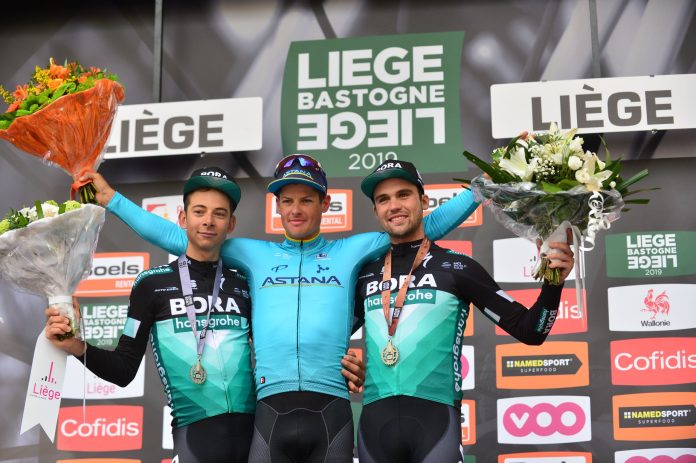
A kellemetlen körülményeket és az időjárást a világbajnok, Alejandro Valverde (Movistar) és Dan Martin (UAE Team Emirates) sem bírta, mindketten feladták a versenyt és beszálltak az autóba. Az elmenés megfogása után többen próbálkoztak szökéssel, de túl távol nem engedte őket a főmezőny. Végül kb. 20 km-rel a cél előtt Jakob Fuglsang (Astana) indult meg és csak ketten, Michael Woods (EF Education First) és Davide Formolo (Bora-hansgrohe), tudtak vele tartani, de csak egy ideig, mert hosszútávon egyikük sem bírta az idei Amstel Gold Race 3. és Fleche Wallonne 2. helyezettjével a tempót, aki a maradék távot egyedül tette meg óriási solo győzelmet bemutatva. A második helyet Davide Formolo szerezte meg 27 másodperc hátránnyal, míg harmadikként Maximilian Schachmann (Bora-hansgrohe) gurult át a célvonalon.

Ezzel a győzelmével Fuglsang élete első tavaszi klasszikusát nyerte és nem mellesleg egy hét alatt a harmadik dobogós helyezését gyűjtötte be.

Eredmények:

1 Jakob Fuglsang (Den) Astana Pro Team 6:37:37
2 Davide Formolo (Ita) Bora-Hansgrohe 0:00:27
3 Maximilian Schachmann (Ger) Bora-Hansgrohe 0:00:57
4 Adam Yates (GBr) Mitchelton-Scott
5 Michael Woods (Can) EF Education First
6 David Gaudu (Fra) Groupama-FDJ
7 Mikel Landa (Spa) Movistar Team
8 Vincenzo Nibali (Ita) Bahrain-Merida 0:01:00
9 Dylan Teuns (Bel) Bahrain-Merida 0:01:05
10 Wout Poels (Ned) Team Sky 0:01:26

A nőknél óriási győzelmet aratott az időfutam világbajnok, Annemiek van Vleuten (Mitchelton-Scott), az utolsó 30 km-t egyedül teljesítette és végül demoralizáló előnnyel, 1 perc 39 másodperccel ért be a második helyezett Floortje Mackaij (Team Sunweb) előtt és 1 perc 43 másodperccel a 3. Demi Vollering (Parkhotel Valkenburg) előtt.

Eredmények:

1 Annemiek van Vleuten (Ned) Mitchelton-Scott Women 3:42:10
2 Floortje Mackaij (Ned) Team Sunweb Women 0:01:39
3 Demi Vollering (Ned) Parkhotel Valkenburg 0:01:43
4 Soraya Paladin (Ita) Ale Cipollini
5 Lucinda Brand (Ned) Team Sunweb Women
6 Katarzyna Niewiadoma (Pol) Canyon-SRAM
7 Elizabeth Deignan (GBr) Trek-Segafredo Women
8 Alena Amialiusik (Blr) Canyon-SRAM
9 Elisa Longo Borghini (Ita) Trek-Segafredo Women
10 Cecilie Uttrup Ludwig (Den) Bigla Pro Cycling Team

Rudy Project Defender review: Eye protection at its best!

Defender is Rudy Project answer to the up-to-date trends in sports eyewear. It not only embodies the attributes of contemporary fashion, but matches the design with advanced of eye protection technology.
Reviewing shades is an eminently subjective affair. Comfort, fit, vision is entirely personal, not to mention taste. The sole indisputable attributes of the eyewear are the technical parameters. Unfortunately these say very little about how they are likely to serve the given individual: will it work, or just end up in the back of the drawer. Subsequently whatever comes out of this write-up reflects my experience with the Rudy Project Defender and may or may not be transferable.
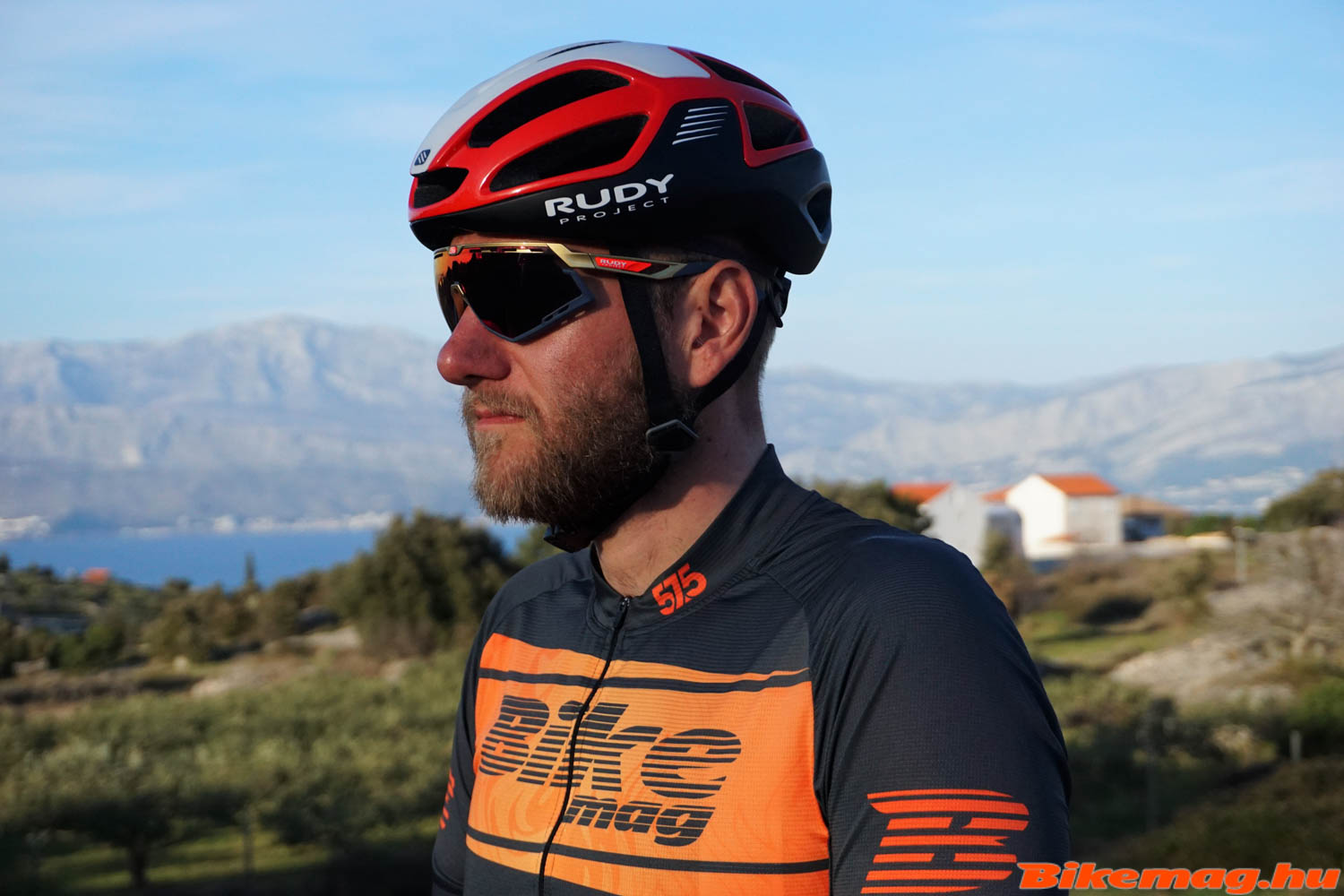
With this caveat set in ink, let’s begin the review by how I became acquainted with these shades. I first saw the new Rudy Project model last autumn and was baffled with its retro-modern design. Although it embodies the modern trends in eyewear, it’s also quite distinct, inspired by a retro-modern style. (Bikemag reported on the new 2019 Rudy Project range last November: https://bikemag.hu/english/rudy-project-2019-many-new-helmet-and-eyewear-offerings)
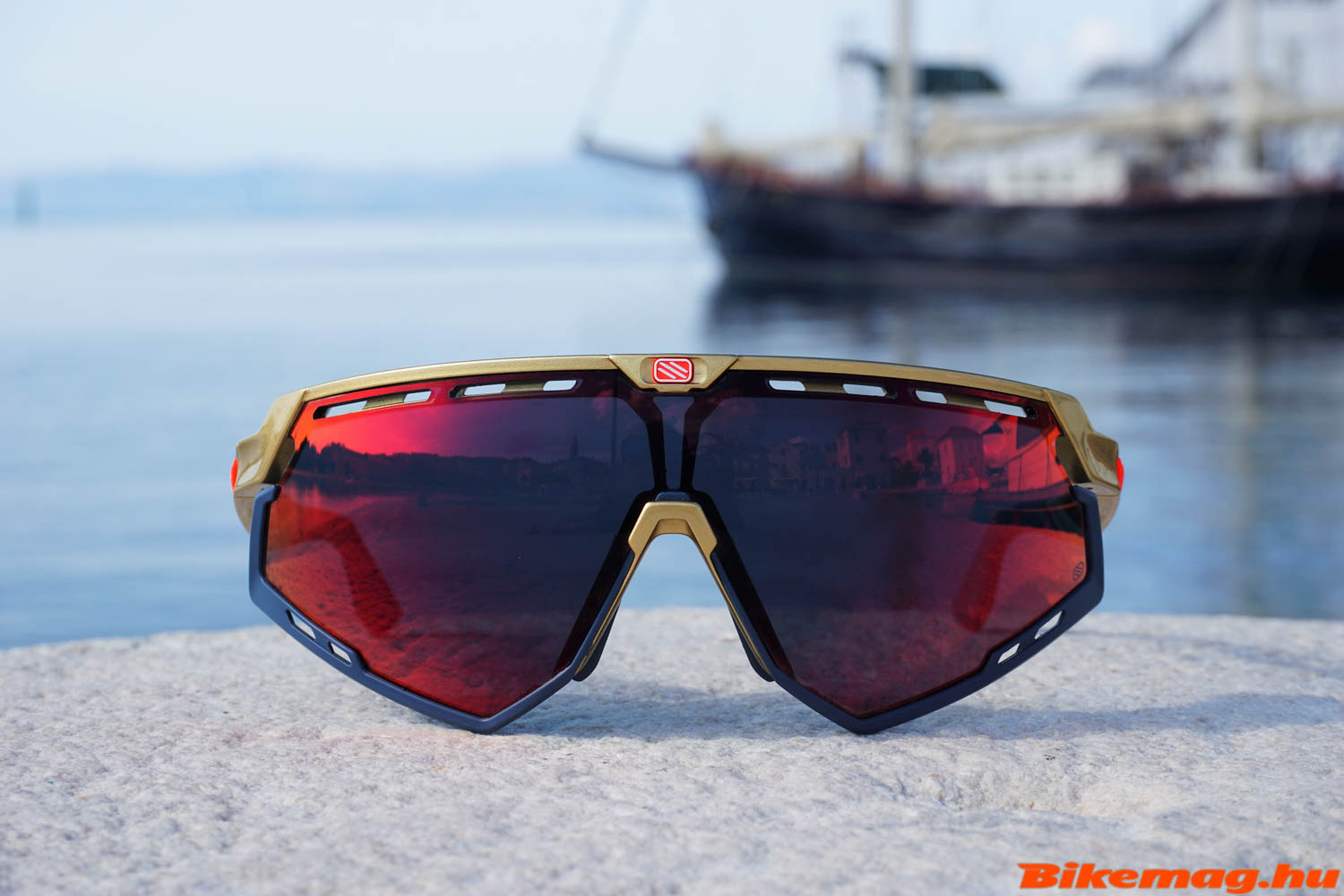
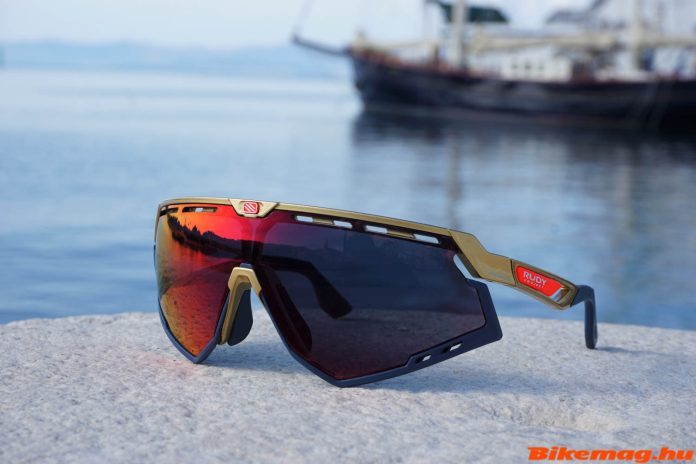
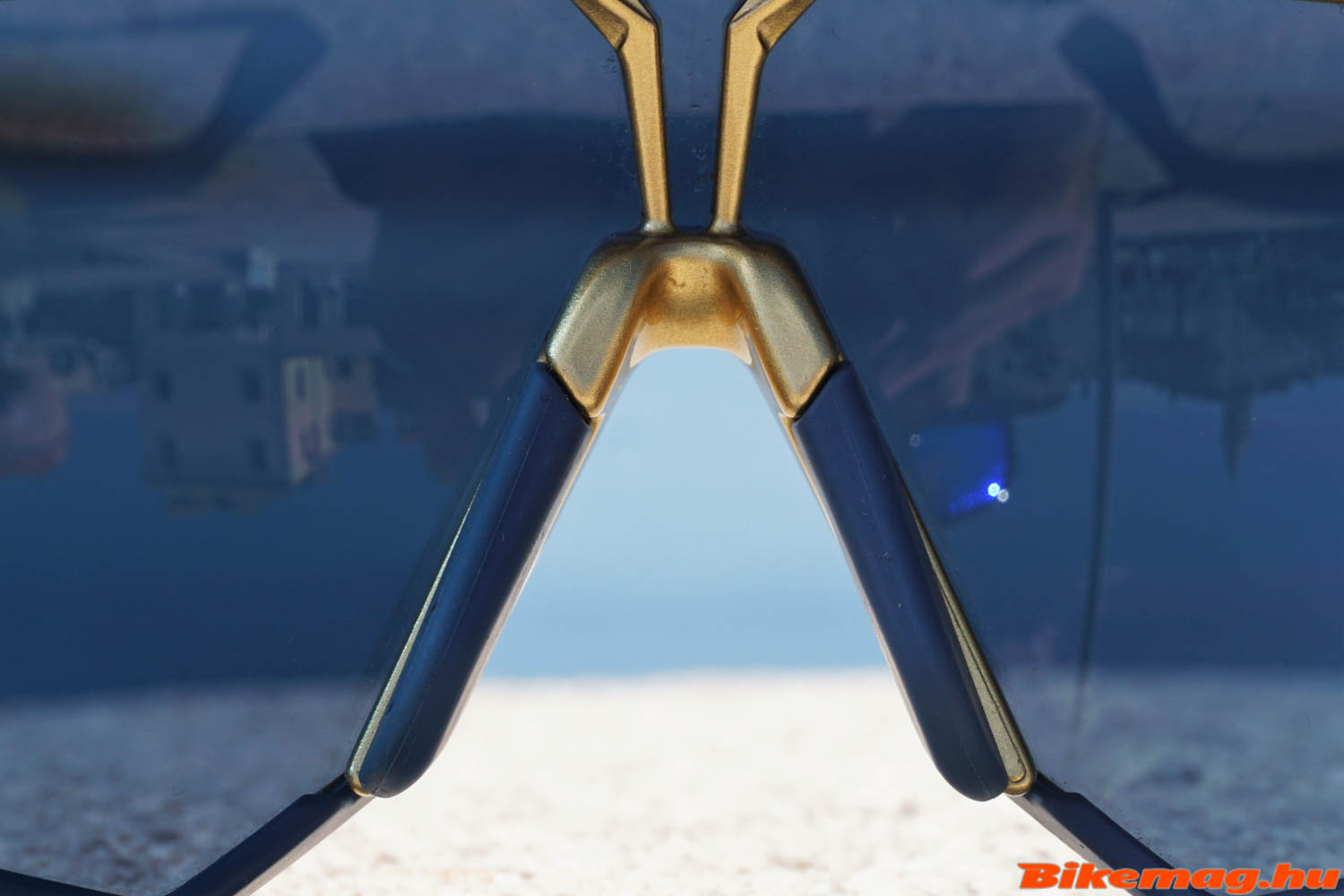
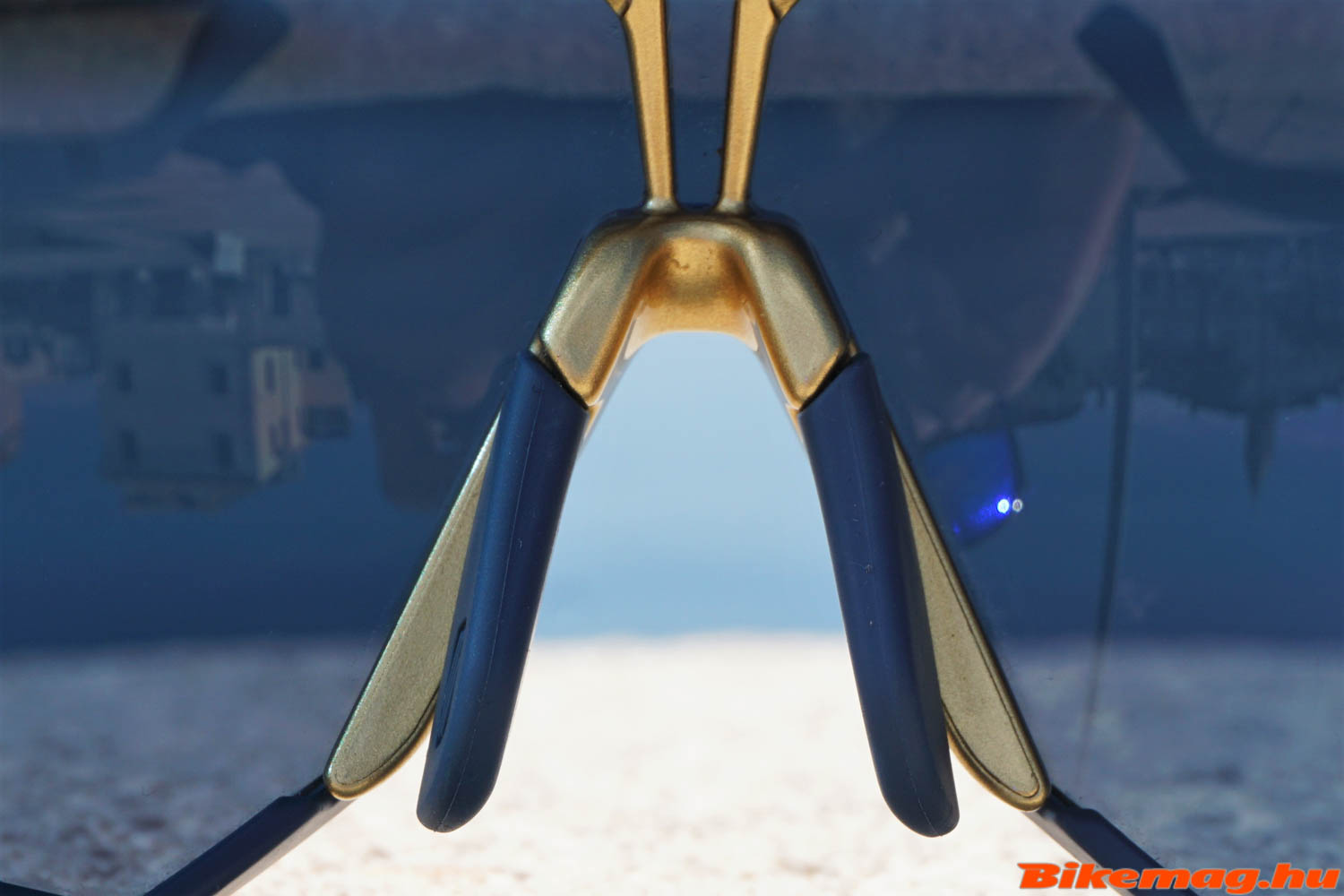
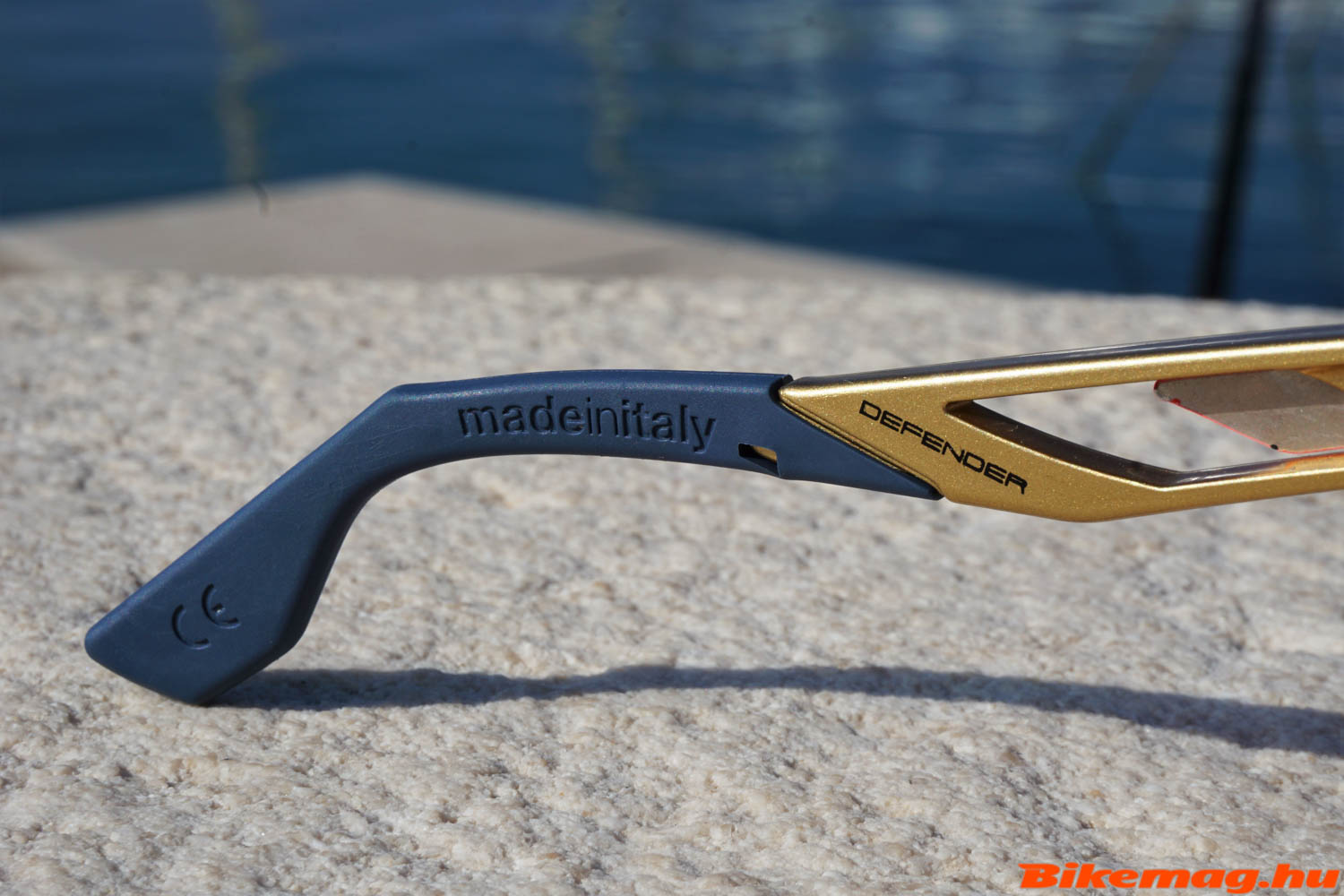
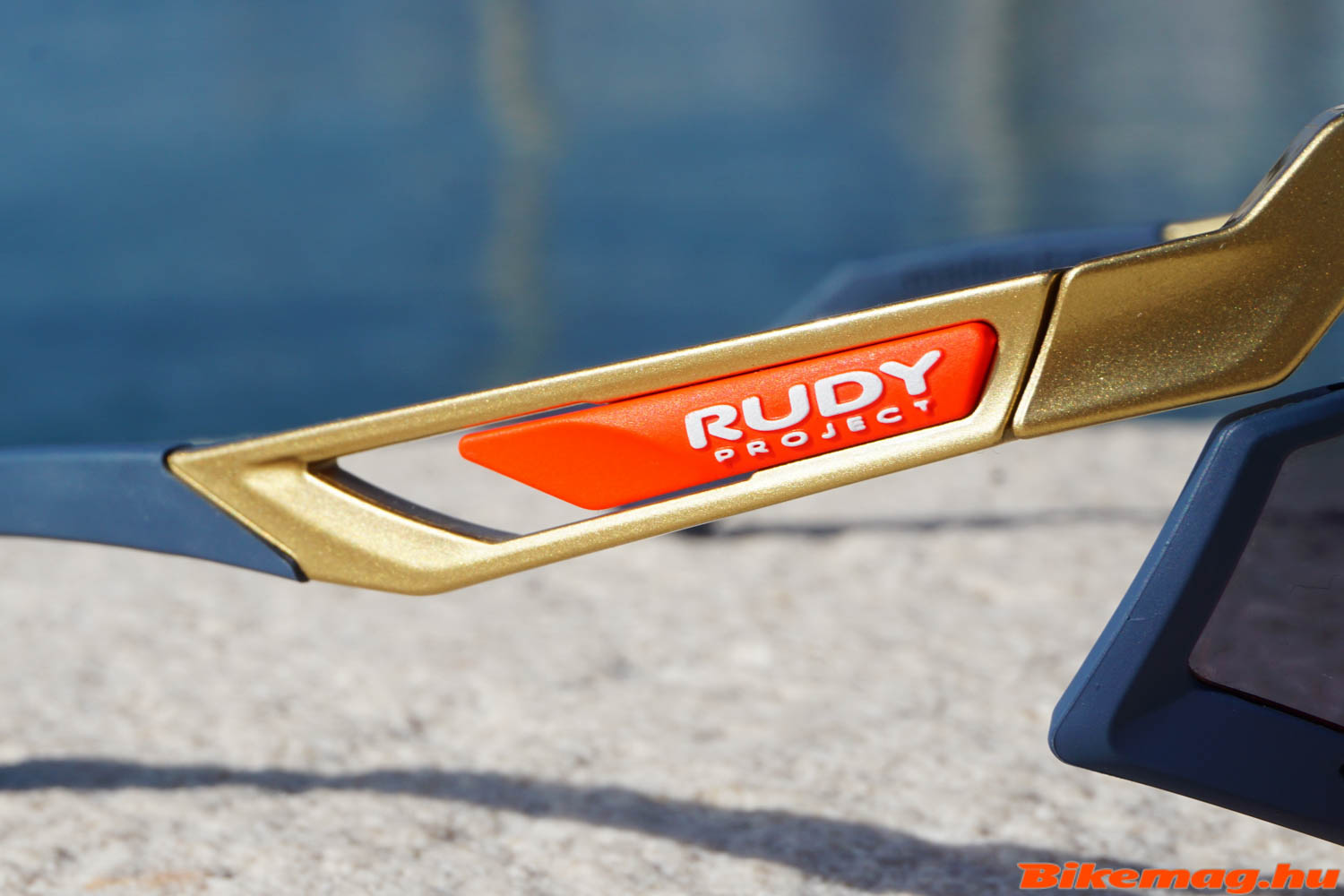
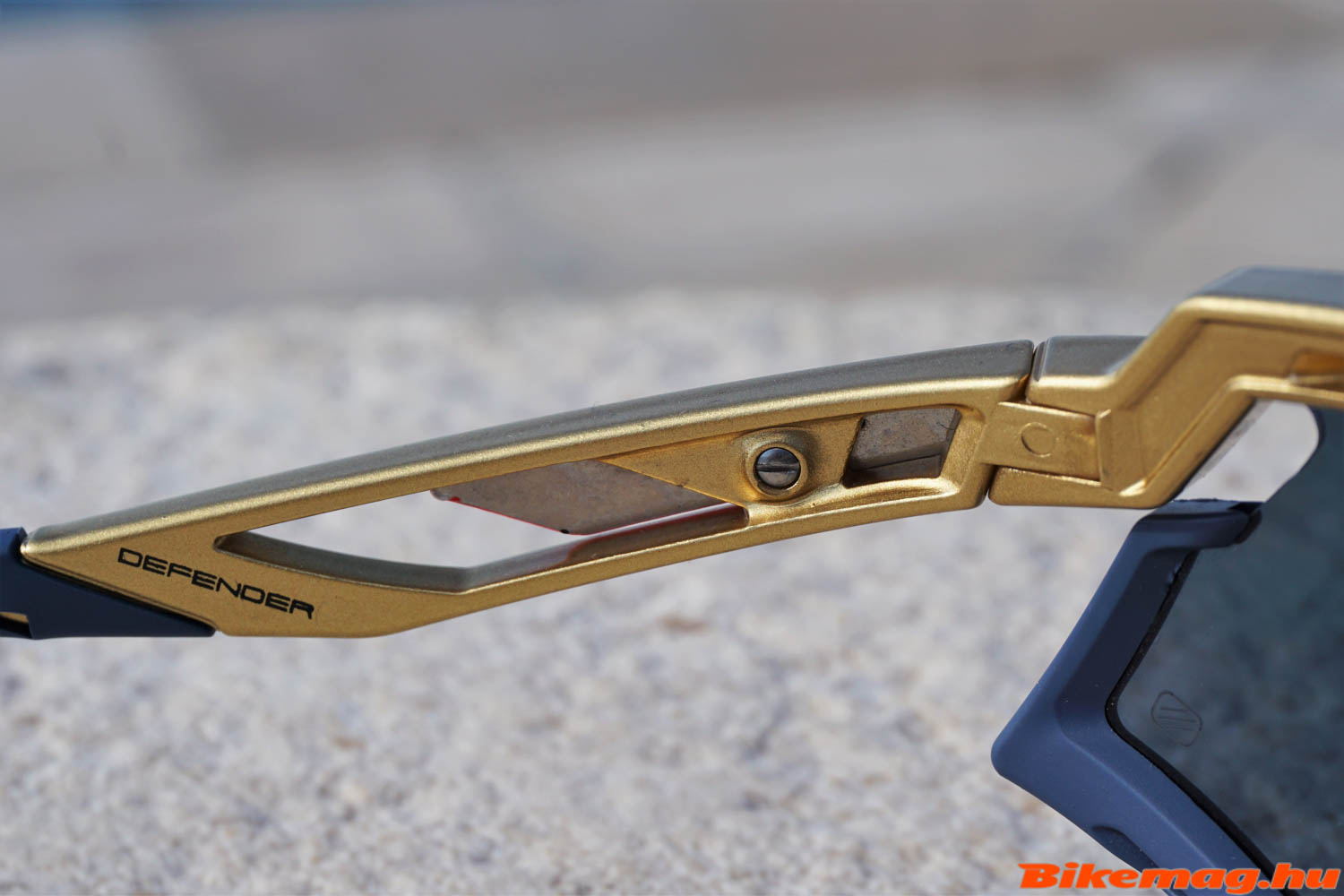
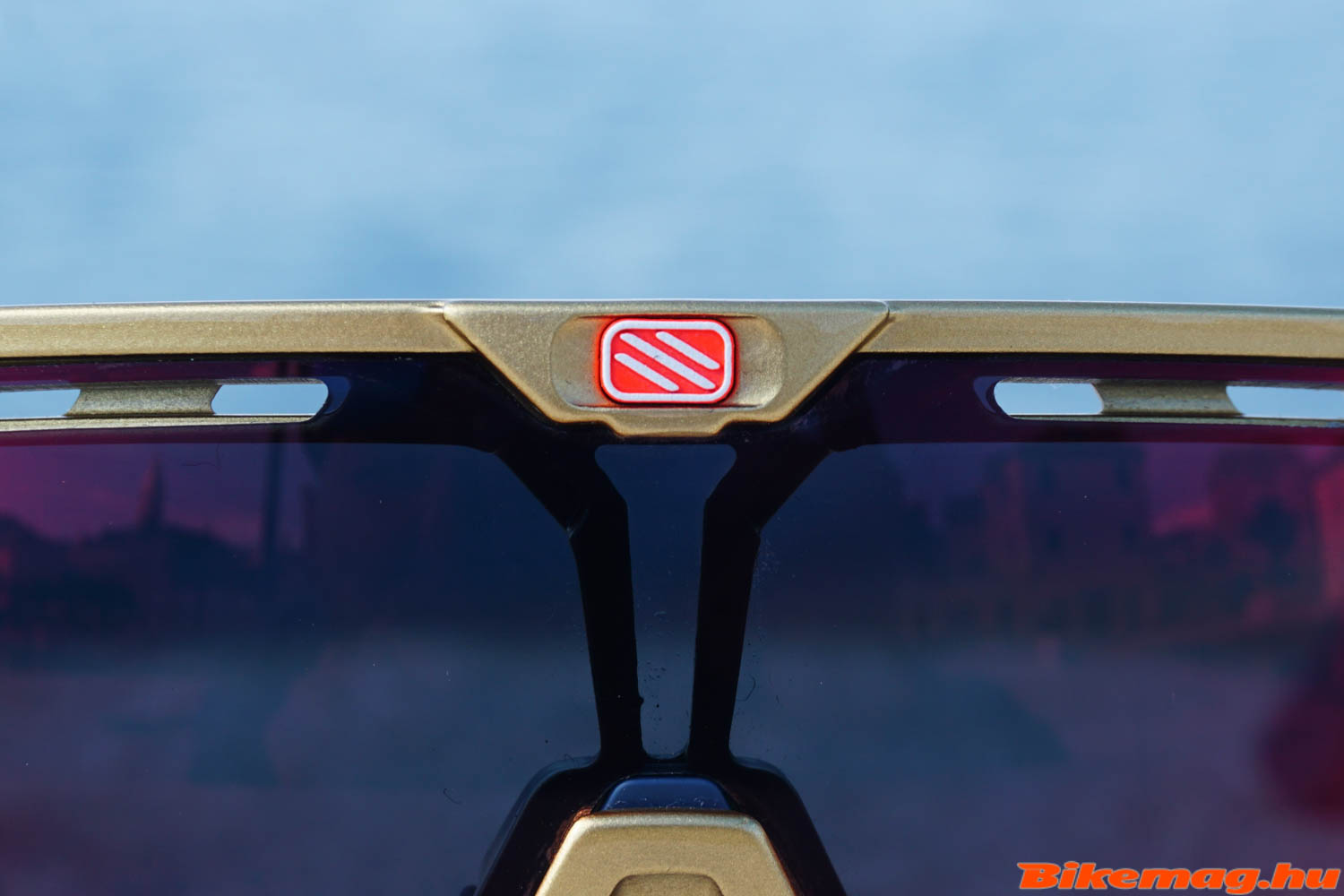
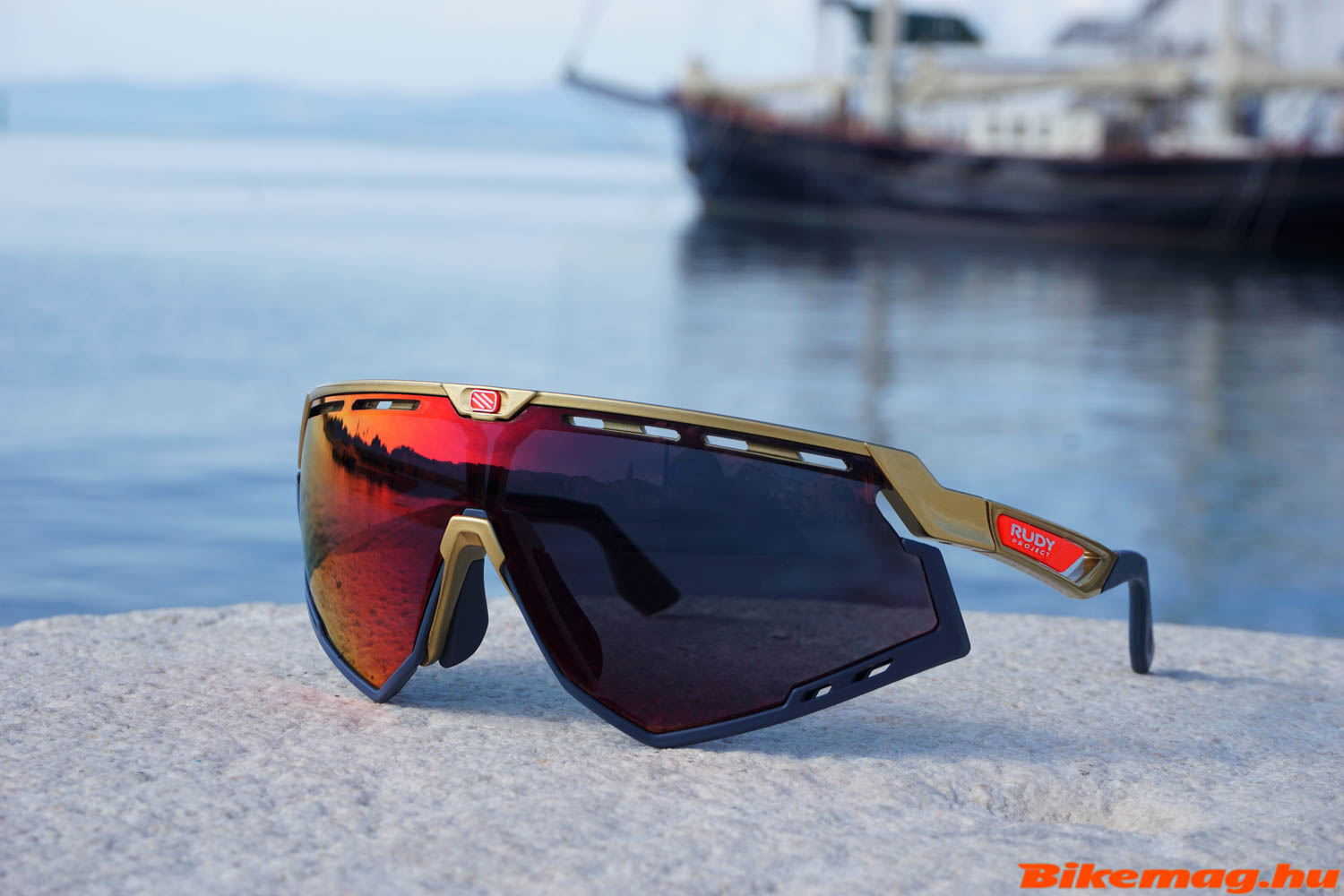
I was obviously exulted to have received a pair of these new shades to review, moreover I was offered the most garish of all the design variants: the exact same one chosen by the Bahrain-Merida World Tour team. It features a gold color frame and red Multilaser lens paired with blue rubber temples. Despite being a brand new 2019 model, the Defender is available with a wide array of frame configuration and lenses choice. The latter includes the photochromatic ImpactX2, the iconic smoke black and a multitude of Multilaser variants.
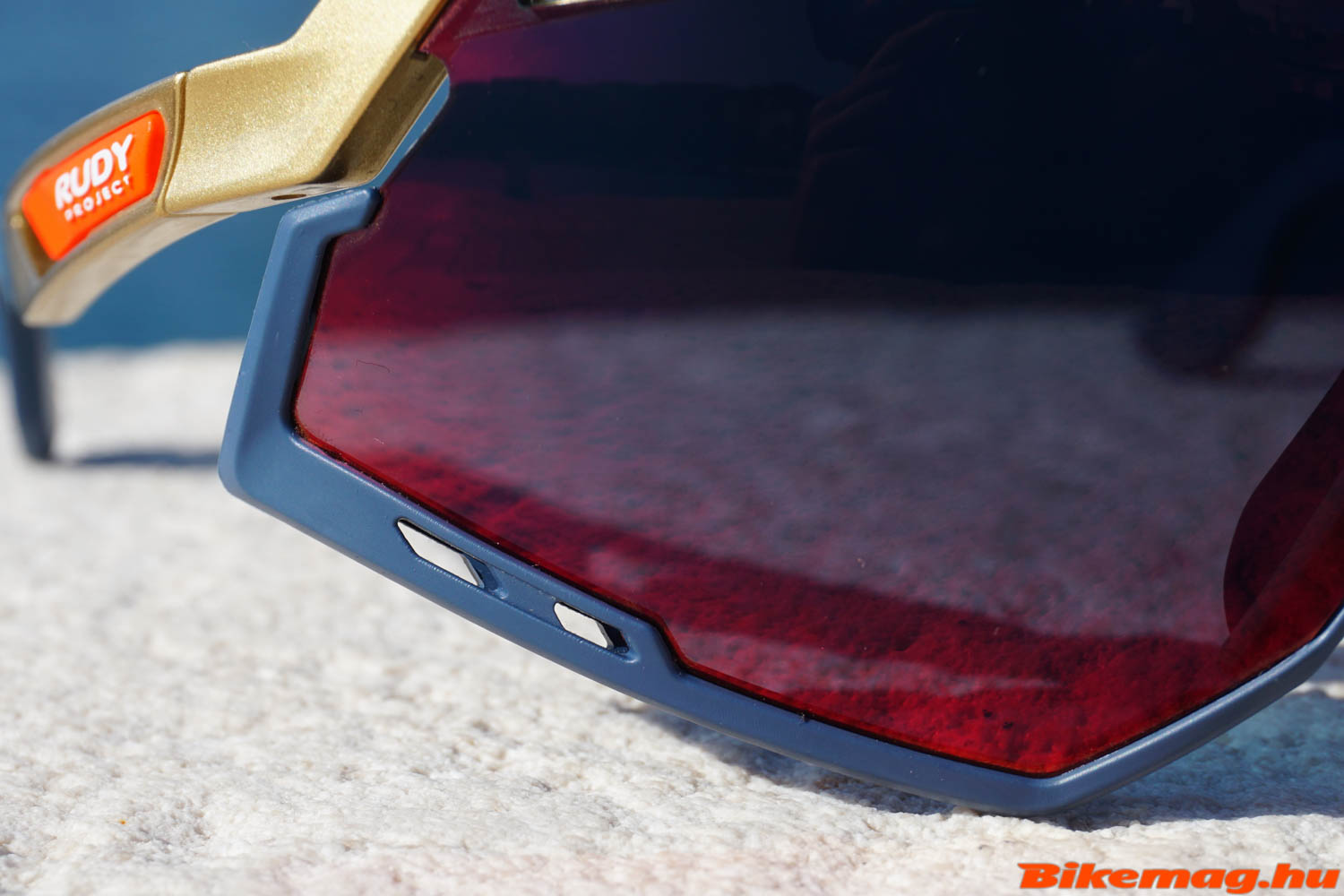
Those who are familiar with Rudy Project’s 30 year history on the sport eyewear market, the Defender’s main architecture may ring a bell. In its rich and successful past, Rudy offered several iconic shade designs, among which the legendary Agressor bears more than a passing resemblance to the Defender. Present tends often reach back to designs of the 1990’s, so the nod to the Agressor is absolutely in line with current fashion trends. Naturally only the shapes and lines follow tradition, the technology is up-to-the-minute, absolutely at the forefront of what science can offer.

The frame of the basic Defender version is made from Grilamid plastic. Being light, flexible and shockproof, it’s the most ideal material for this application. The premium version of these shades features a hi-tech Graphene composite frame, which is stronger than diamond and lighter than carbon. Of course this raises the price tag by some margin. The lenses on the Defender on test have received the so-called Bumper technology: a protective rubber coating at the crease of the optic. This feature provides effective security for the lens while highlighting the design architecture.
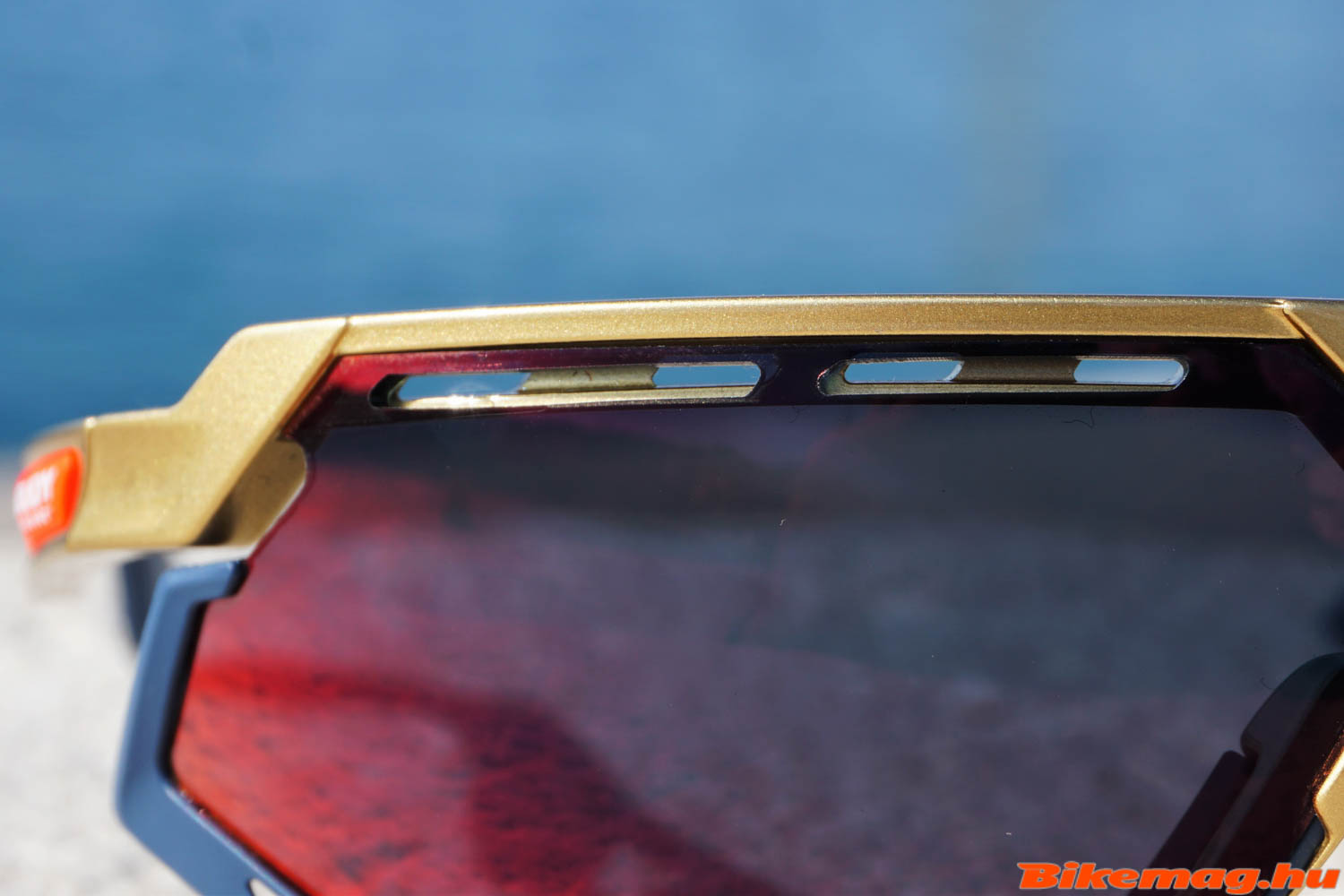
Both the nose and the ear temples are fully adjustable in all three dimensions, assuring perfect fit for as many head shapes and sizes as possible. In fact the same Defender can accommodate narrow and wide nose and head. The temples have a special coating which prevents slippage even when wet: a welcome feature for endurance sports like cycling. The lenses have integrated ventilation openings, which both increase comfort and help to avoid fogging.

Just as with most high-end Rudy Project offerings, the Defender can also be taken apart to the last component, so everything can be replaced and serviced. This also makes customizing the shades a reality. The user can mix and match the myriad of available options and colors, as well as choosing from the vast array of optics.

Did the Defender work in practice? I might be the absolute stock user, since only minute adjustments were needed in terms of fit. I have a relatively wide face, paired with a large nose, but tweaks can be made in any direction. Others who tried these shades could also make then fit with ease. This is probably the most important feature of Rudy eyewear. And when you complement the flexibility of fit with such vast experience in optical technology, the result is the best pair of sports eyewear that you’ll ever own!
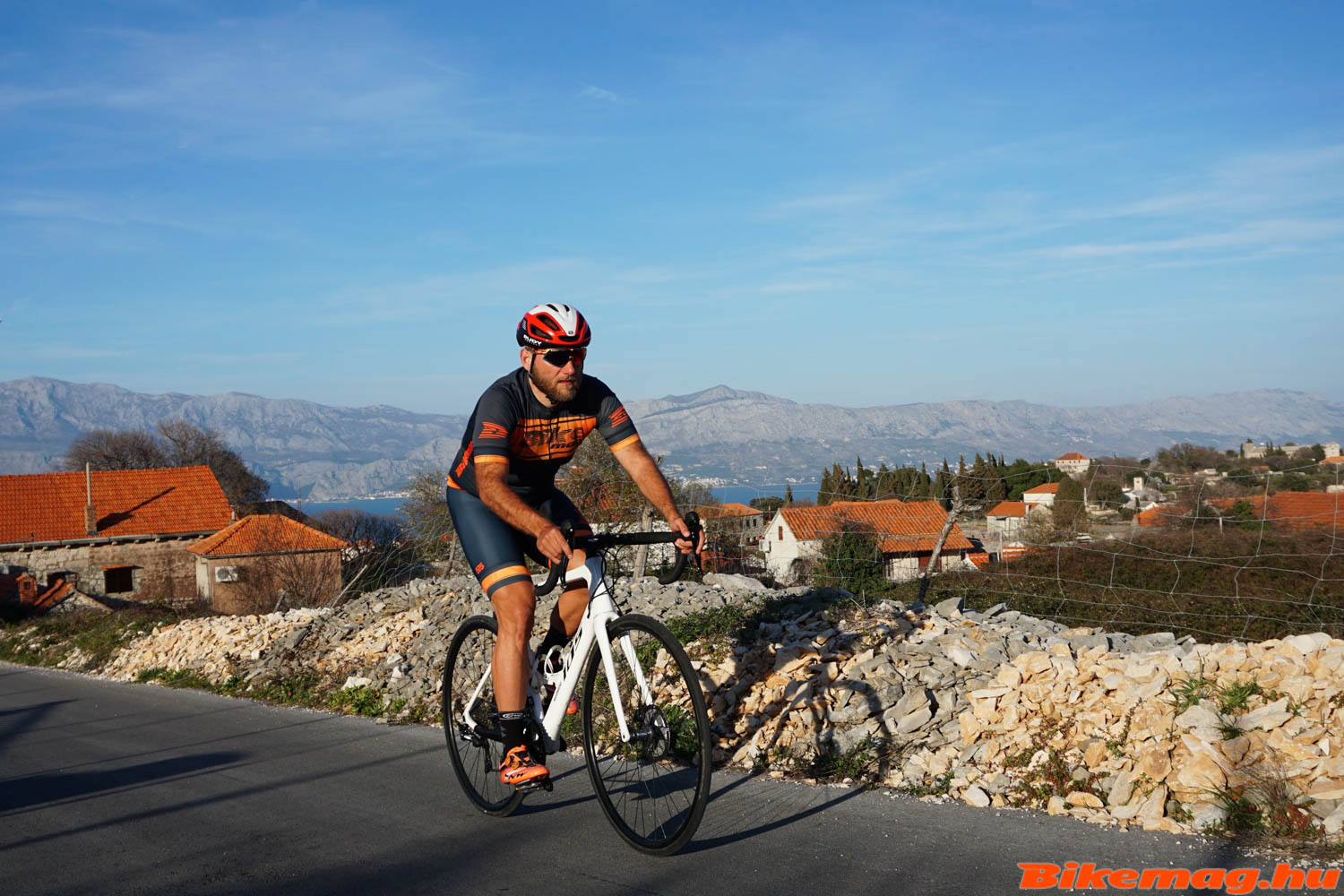
I received the Defender in late winter, so I had a chance to try it in both cold-and-wet conditions as well as in blazing sun on the island of Brac. The latter was a good test of the ventilation, as temperatures rose above 30 degree at midday. Since the lens covers a large area around the eyes, I was a bit worried about overheating in the heat and getting all fogged up in cold/wet weather. These concerns proved mostly unfounded. At typical cycling speeds ventilation is more than adequate, and flying down the hills I was glad to have the extra protection such a large optic can offer. At slower speed – especially on gradients over 10% with the sun shining straight into the Defender – I did experience some overheating. Of course these shades are not specially built for maximum ventilation like the Tralyx we tested earlier, but they still fared well in typical conditions. Fogging was similarly dealt with by the large number of openings at the top of the lenses, hence the movement of air paired with the anti-fog coating prevented any moisture buildup on the lens surface.
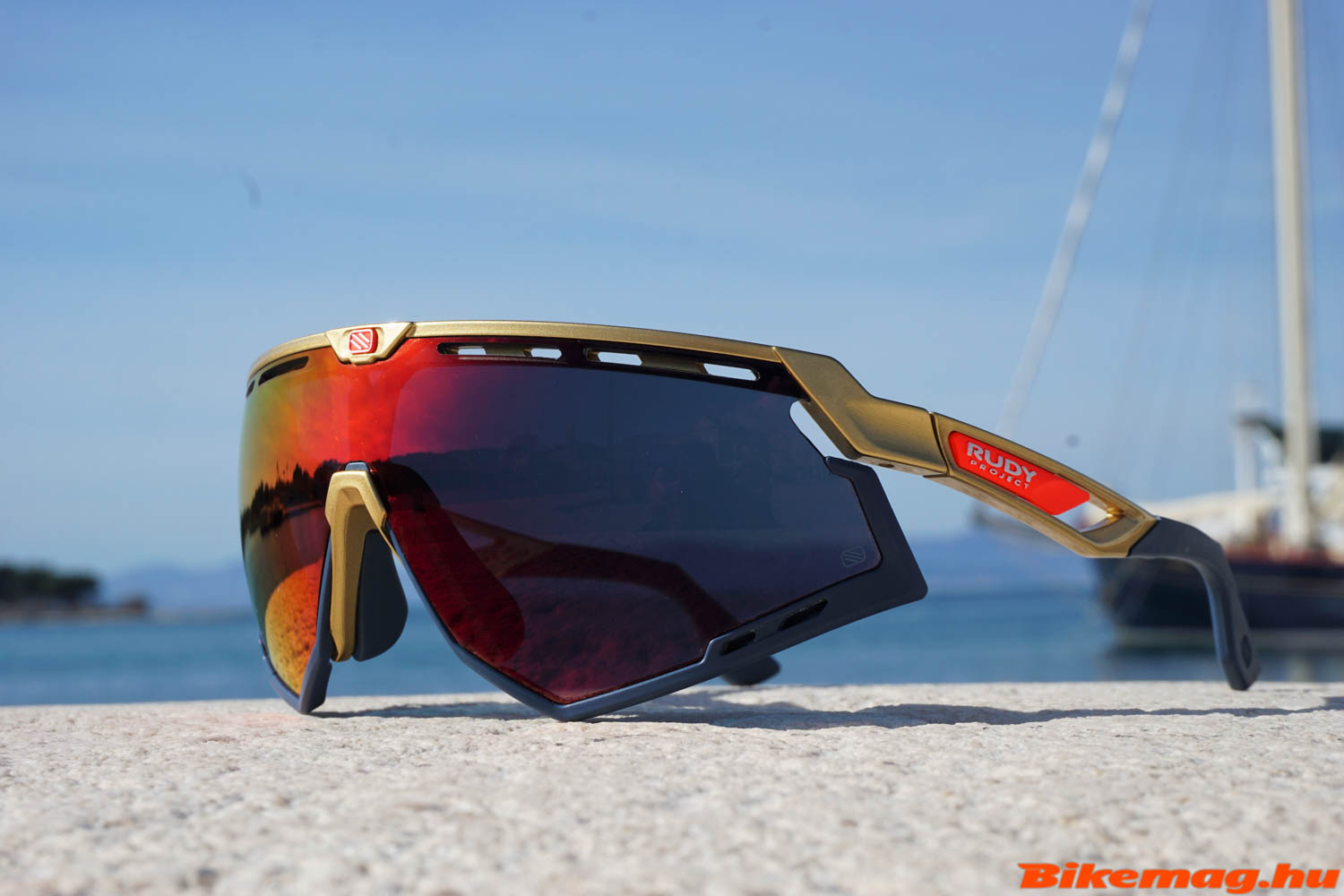
The lenses demonstrated the usual topnotch performance we have come to expect from this Italian sport eyewear specialist. Rudy designers are maximalist when it comes to optics: the optics are crystal clear, distortion-free, offering the most realistic view of the world. As I mentioned earlier, this model is equipped with the Multilaser lens, and I had the chance to test the red, the blue and the orange color variant. The red proved to provide the best color temperature and light absorption for my taste. Other than personal preference, the choice of color will depend on the prevalent light conditions, the season and other factors. The Defender is also available with photocromatic lens for those who would rather not swap optics or taking the trouble to select a custom setup. In addition, the Defender allows for several types of a prescription solutions as usual from Rudy Project.
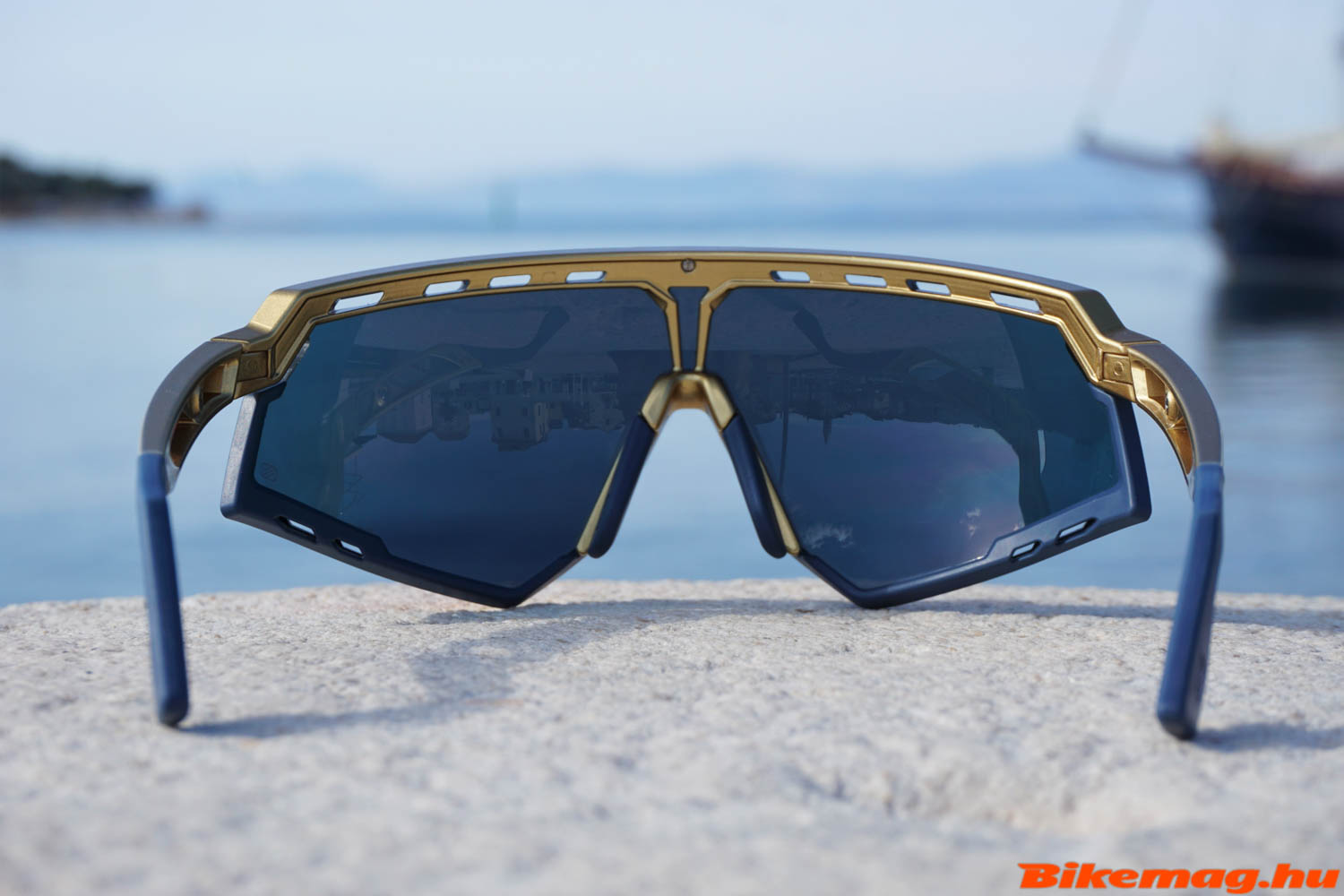
Up until now I haven’t written much about the design, though most consider this aspect the strongest side of the Defender. I’m a tad worried that in a few years’ time I’ll view the aesthetics somewhat differently. The retro-modern architecture marked by the large lens and futuristic “wings” are absolutely in fashion at the moment, and truly embrace this design. I love wearing the Defender, which is an important characteristic of sports eyewear. Apart from the trendy shape, this Rudy Project model offers much more: excellent comfort and great optics to boot!

The Rudy Project Defender bears a high price tag that matching its value. The HUF 59,900 cost buys you a top-of-the-line shades from one of the most renowned eyewear specialist on the market. Moreover, you’ll have to deal with the begrudging stare of onlookers!

For more information please visit the manufacturer’s website.

Rudy Project can be purchased from the Rudy Project Magyarország webshop, or in person at their store, where the expert staff will answer all your queries, as well as providing assistance concerning the choice of prescription solutions.

https://www.rudyproject.hu/

https://www.rudyproject.hu/bemutatoterem

Egy autó ütötte el a Drapac csapat tulajdonosának fiát, melynek következtében a kerékpáros meghalt

A 30 éves Damion Drapac egy helyi kerékpárversenyen vett részt Melbourne-ben, amikor egy autó elütötte, a baleset következtében a versenyző a helyszínen az életét vesztette.

Melbourne külvárosában április 25-én rendezték az Anzac Day Classic kerékpárversenyt, ahol a Cannondale – Drapac csapat tulajdonosának fia, Damion Drapac is részt vett. A verseny során a kerékpáros egy idő után egyedül maradt és szemből ütközött egy ellentétes irányba haladó autóval. A sérülési olyan súlyosak voltak, hogy a helyszínen meghalt. (A baleset pontos részleteit még vizsgálják – szerk.)

Damion Drapac a 2000-es évek végén a kontinentális besorolású Drapac-Porsche csapatában versenyzett, majd a versenyzői karrierjét befejezve orvosi diplomát szerzett. Az egyetem után már csak amatőr versenyeken vett részt, számos győzelem és dobogós helyezés fűződik a nevéhez a helyi kerékpárversenyeken, ebben a hónapban második lett a Jack McDonough Memorial versenyen.
Ahead: Handsfree on helmets

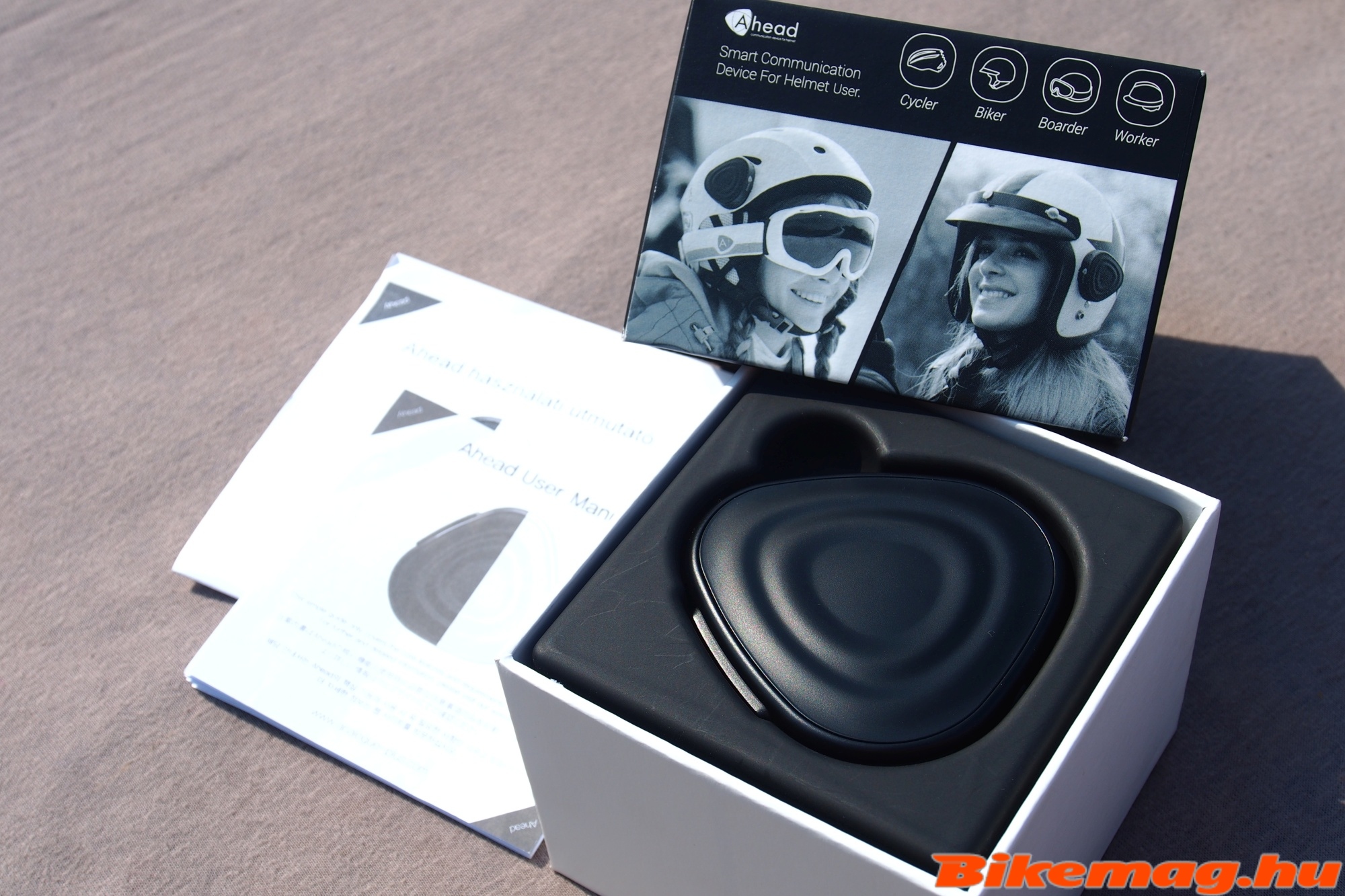
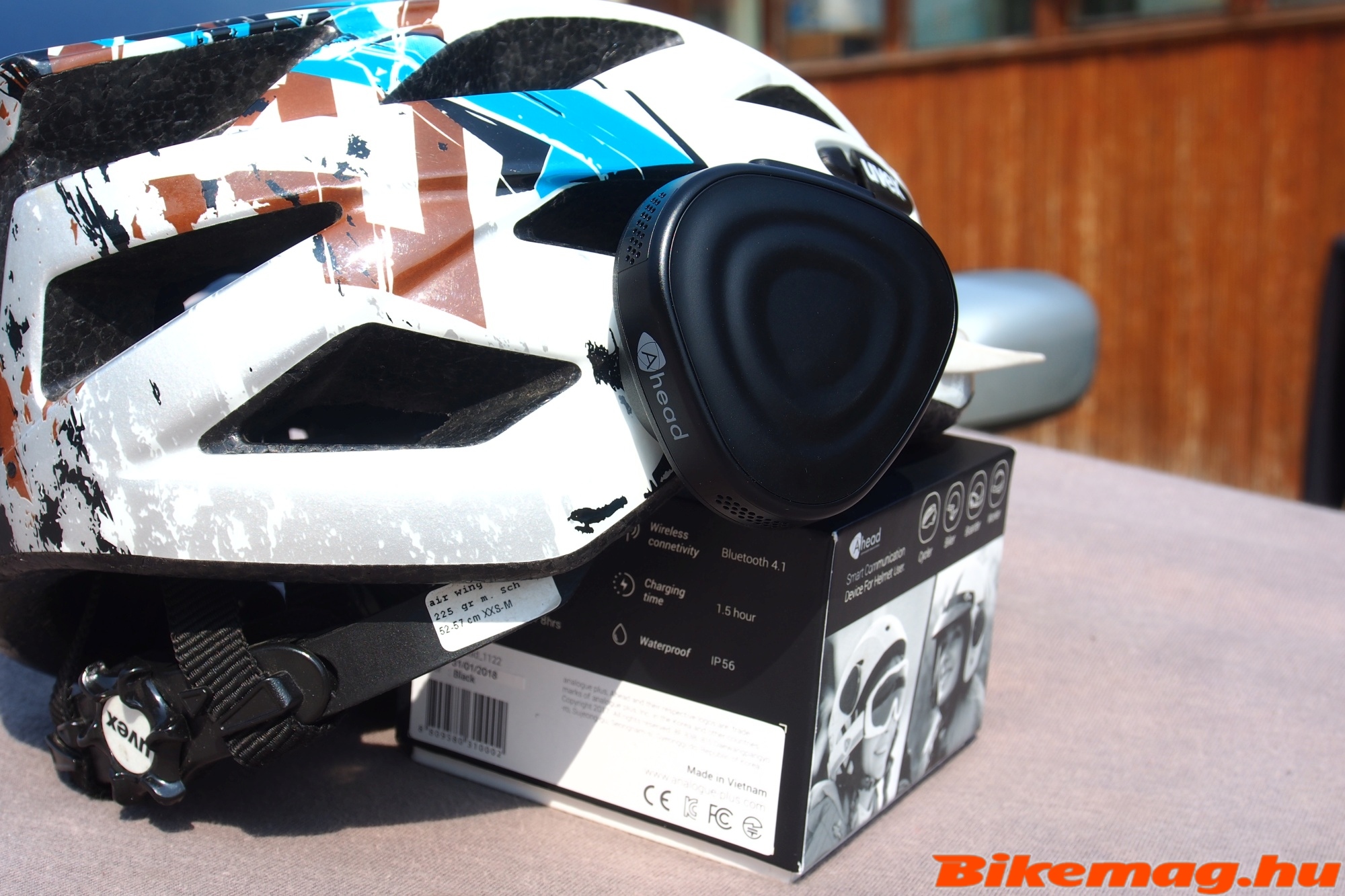
I received a small black box from the editors of Bikemag. The message read: please test the contents! I opened it and found an even smaller triangular shaped device, which turned out to be a premium quality smart headset. The brochure revealed that this device will enable any helmet to be upgraded to a “smart” headgear. So let’s see how it performs for the cyclist!

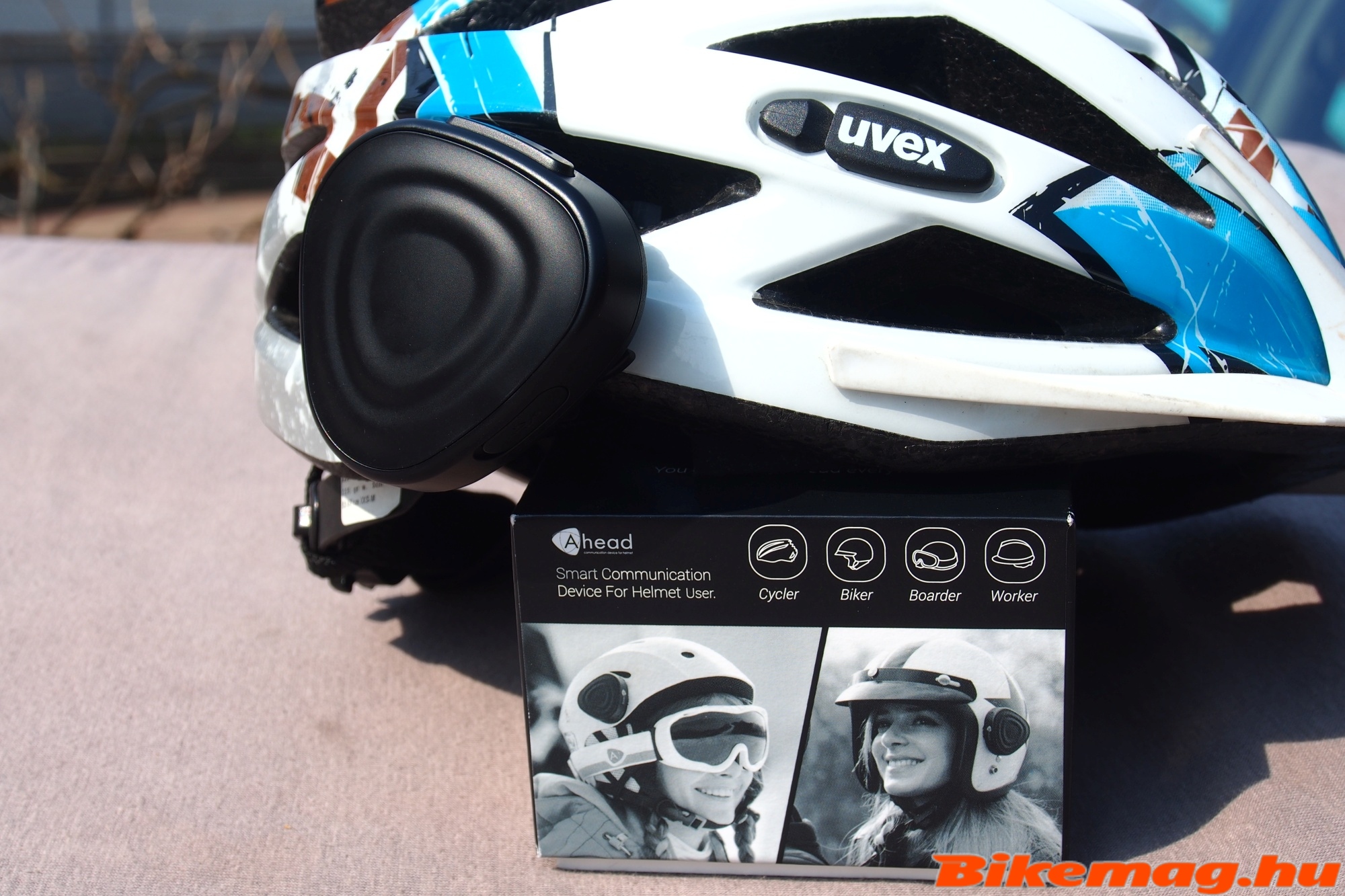
In the age of smartphones and smart accessories it’s little wonder to see a helmet which claims to be “smart”. The device I found in the box is called Ahead, it’s essentially a handsfree headset which when mounted to a helmet, promising not only to free up our hands, but allows unobstructed perception of the surrounding sounds. This latter feature sets it apart from the myriad of headset devices on the market, along with practical mounting on – for example – a bike helmet. The technical solution is innovative, the Ahead employs an oscillator instead of a conventional loudspeaker. Thus the technology bears little resemblance to a boom box or a headphone, as it uses the skin of the helmet as a membrane. Yes, your trusted helmet becomes a speaker, mixing external sounds with the ones your smart device is sending you!

The manufacturer describes the Ahead as follows:

“The device snaps onto any helmet and connects to the smartphone. It keeps the rider safe while allowing to stay in touch. One can make phone calls, listen to music, turn-by-turn navigate, track activities or use the device as a walkie-talkie. At the same time it doesn’t filter sounds from outside. The only exception is wind noise, which it by-passes by employing narrow angle microphones and special algorithm.”

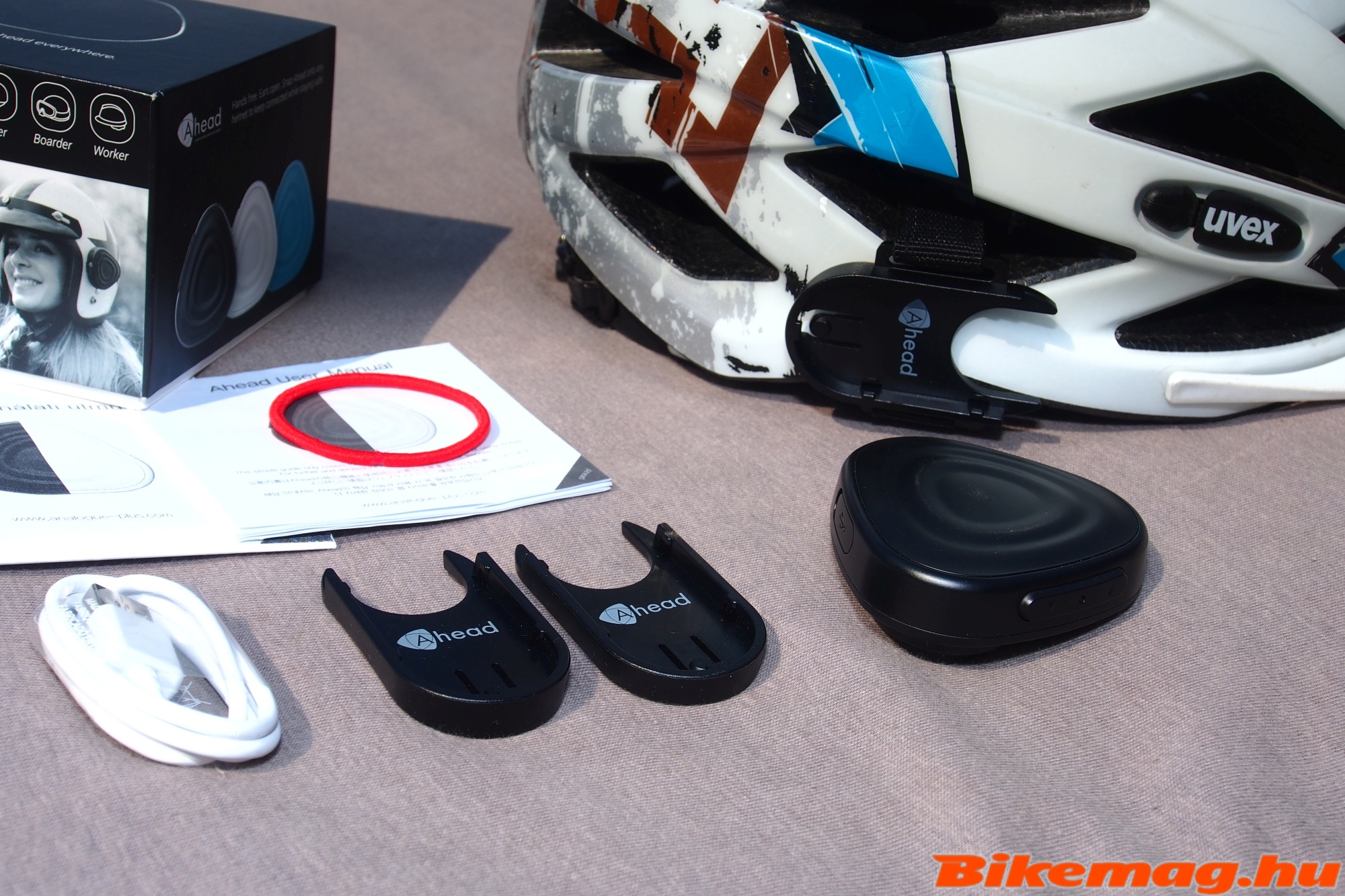
Looking at the contents of the packaging, we find a number of useful accessories, for example several types of brackets for various smooth surfaces, a micro USB cable for charging and last but not least, a user guide in Hungarian. All we have to do is find which of the brackets fits our helmet, and attach it using glue to the appropriate location specified in the instructions. Once the device is snapped into the bracket, it’s automatically turned on. During the first use, the Ahead has to be paired with our smartphone, from then on this steps becomes spontaneous. The connection is wireless using Bluetooth 4.1 protocol. I found the link quite stable, and we also get an audible and a visual feedback from the status. To receive a call, the rider has to touch the surface of the device. This can be done with gloves, since the sensor is basically the complete device. The same touch puts the music to pause, and serves as a restart. To turn the Ahead off, it has to be removed from the bracket. Things couldn’t be simpler!

On my first ride I managed to talk on the phone for over 20 minutes. While this was a good test for the Ahead, I’d rather not make business calls while out riding. Other than this mini conference call, I listened also to some of my favorite tracks while bombing on the trails. Both functions worked perfectly, operation of the device was ergonomically adequate, and the audio quality was decent. I can also attest to the fact that outside sounds were also audible while making calls and listening to music. For those riders who must be accessible all the time, the Ahead is a godsend invention. It’s especially useful in city traffic, where you have no chance to stop and take a call. There are very few quiet spots and we’re always in hurry. Maybe scooter riders should be the primary target audience, since they are not out of breath while speeding through traffic!

After the ride, I also experimented with the Ahead device in the office environment. As it can be seen on the video clip included in this review, the Ahead device can be mounted to other surfaces than helmets. Provided it’s light and thin enough, it’ll act as a loudspeaker membrane, serving as a handsfree speakerphone.

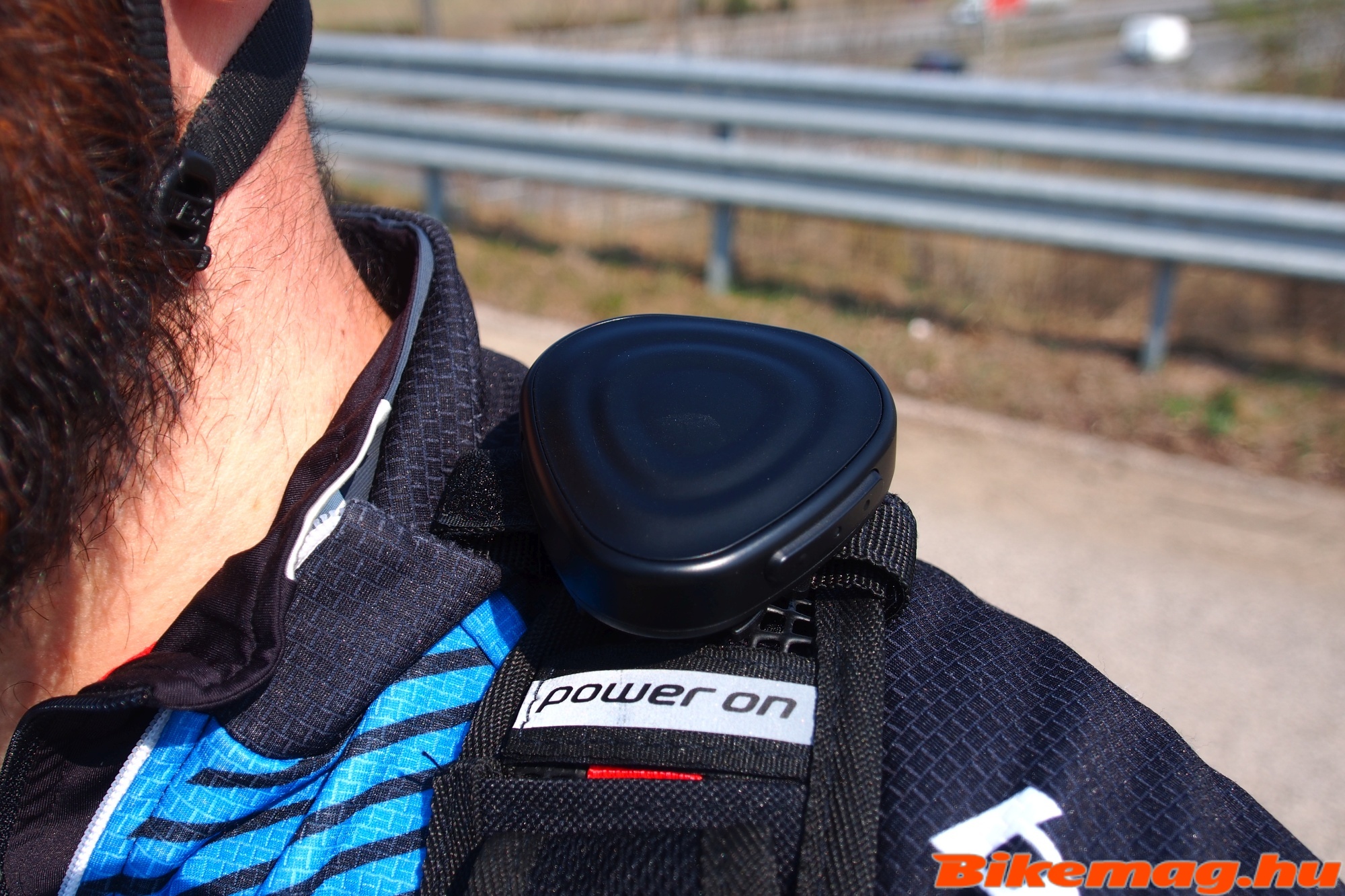
Attaching the Ahead device to the straps of the backpack could be another possible application, but unfortunately it doesn’t offer sufficient resonance to provide the necessary volume for outdoor use. Furthermore a fall with the bike will likely to damage the device.

Despite my previous precaution, the construction is quite durable. It received an IP56 rating, so it can withstand both knocks and water. As it is tiny and weights a mere 70 grams, the likelihood of dropping the Ahead is high, on the other hand, it should survive such a mishap. I haven’t talked about battery life, which is 3 days in standby mode, and 8 hours with continuous use with a single charge. Quite handy!

It’s also important to stress that helmet manufacturers have diverse recommendations concerning mounting of accessories. Some brands forbid attaching any equipment on the helmet, other makers sell models with integrated camera mounts. So the rider must follow the guidelines found in the instruction manual of the helmet. We are not in the position to lay down any recommendations pro or con, nonetheless advise users to consider the consequences these accessories might bring about in case of a serious fall!

From the perspective of a cyclist, the Ahead handsfree set is not the perfect solution, and it’s rather pricey. On the other hand, it’s likely to be a very convenient product for a scooter rider, since the alternatives are mostly wired devices costing about the same amount.

The Ahead device is available in three colors from this supplier.

https://techpoint.hu/termekkategoria/innovativ/mobiltelefon-kiegeszito/kihangosito/

Mozgásvilág Tesztnap – Minigaléria!

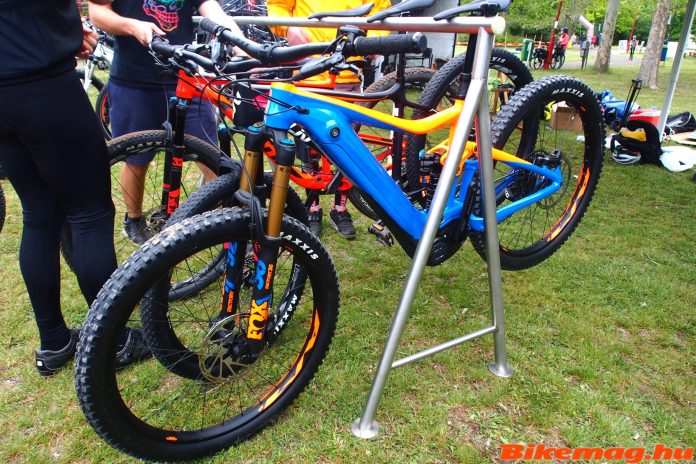
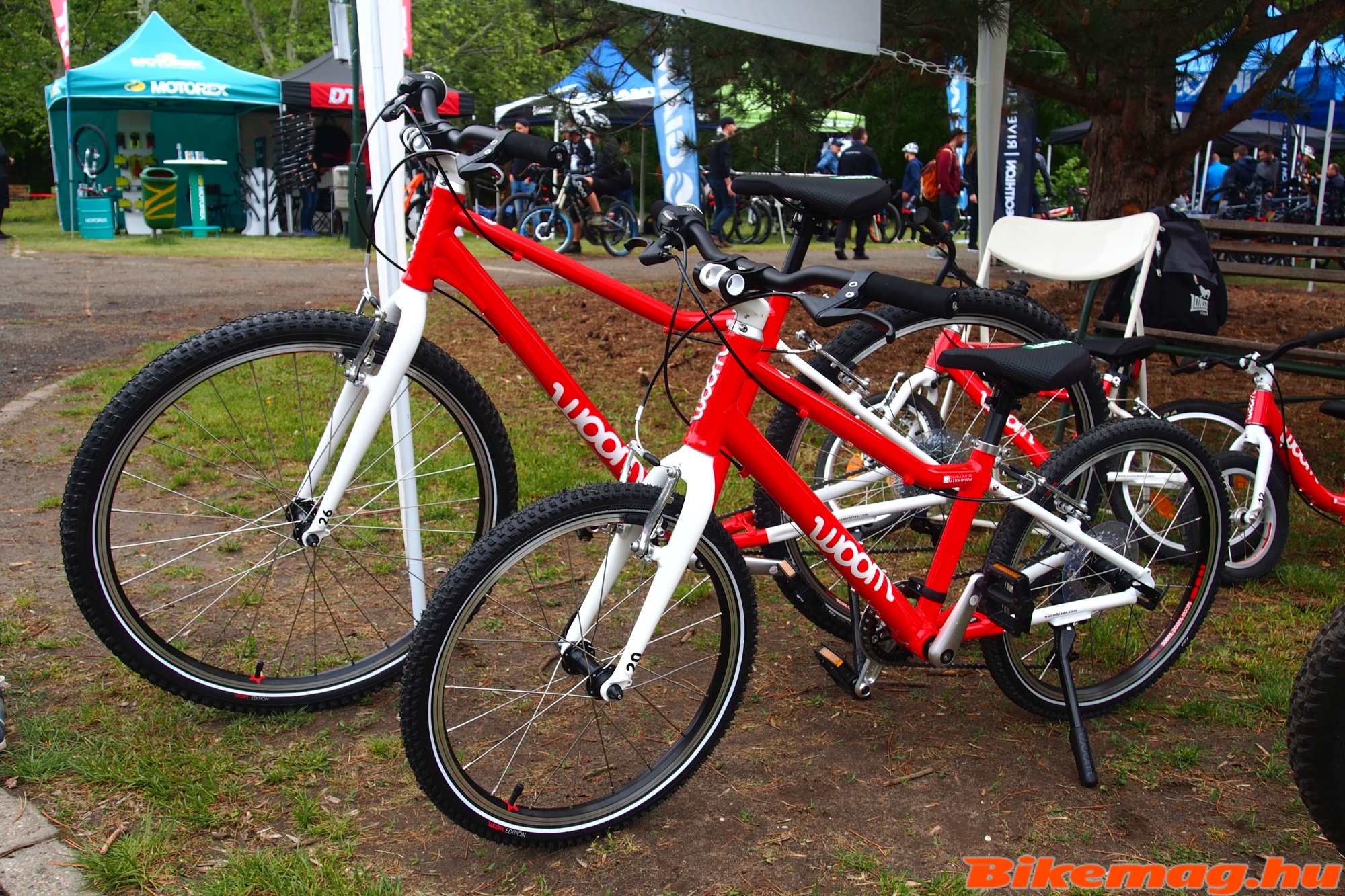
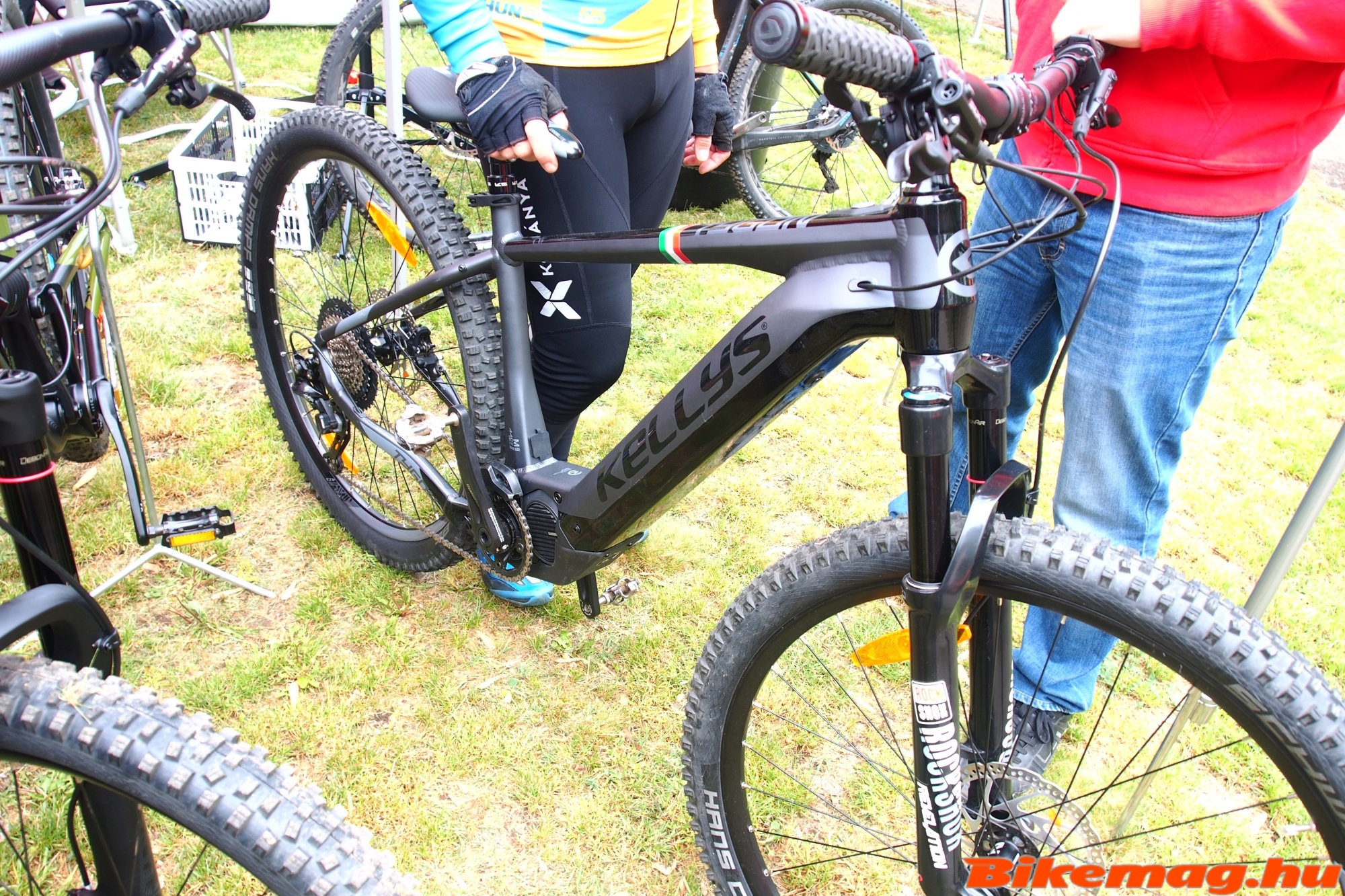
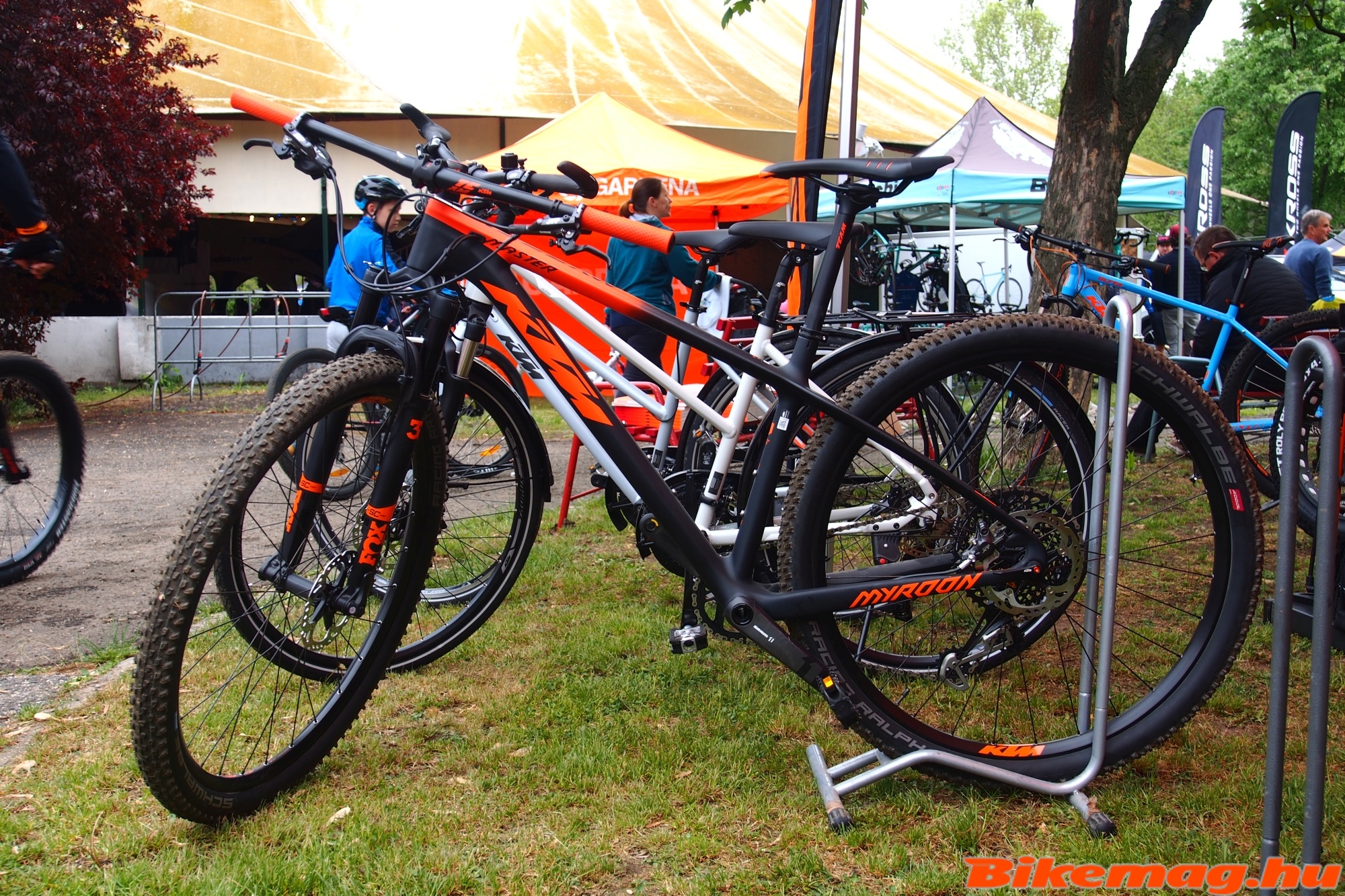
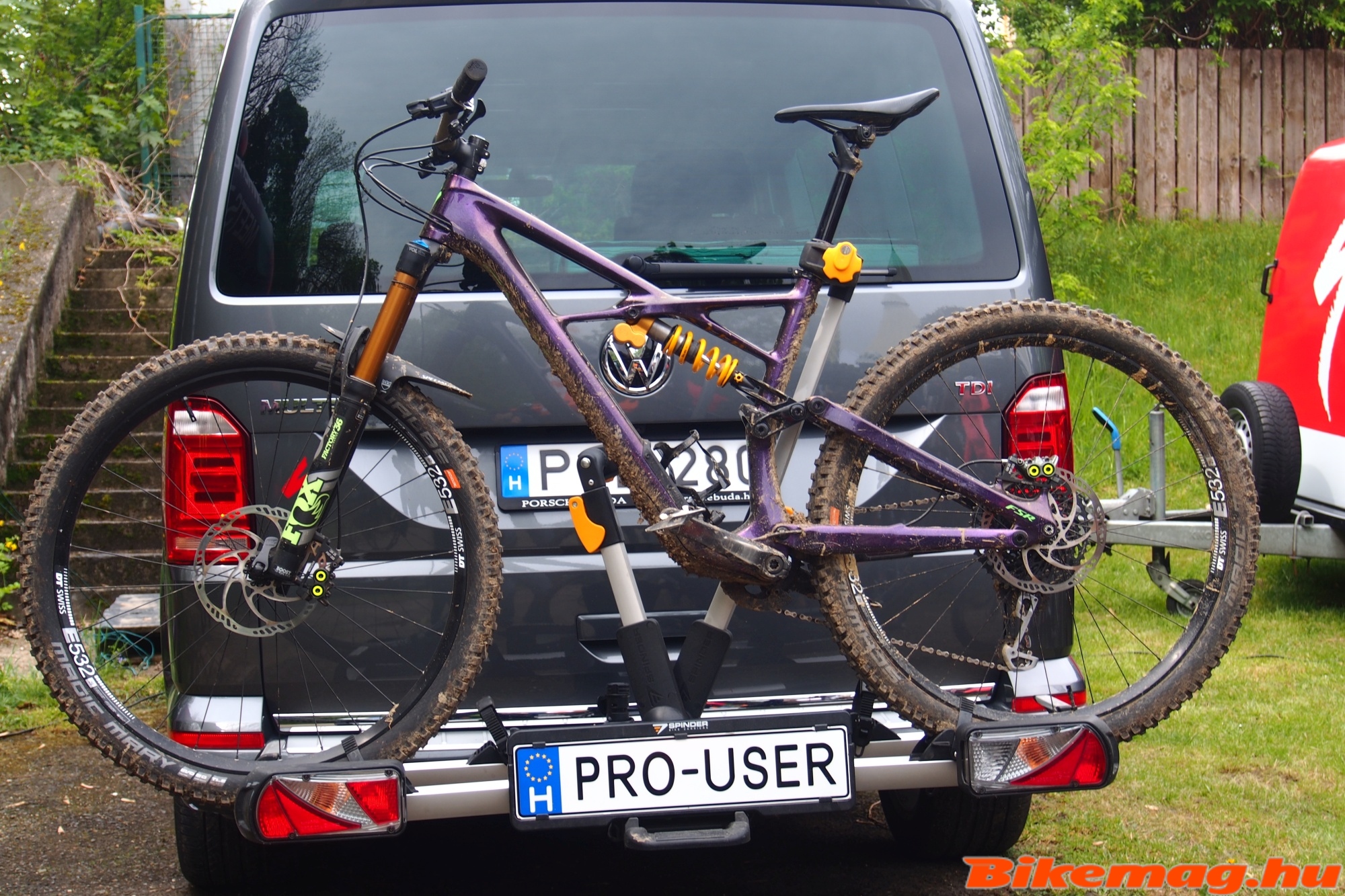
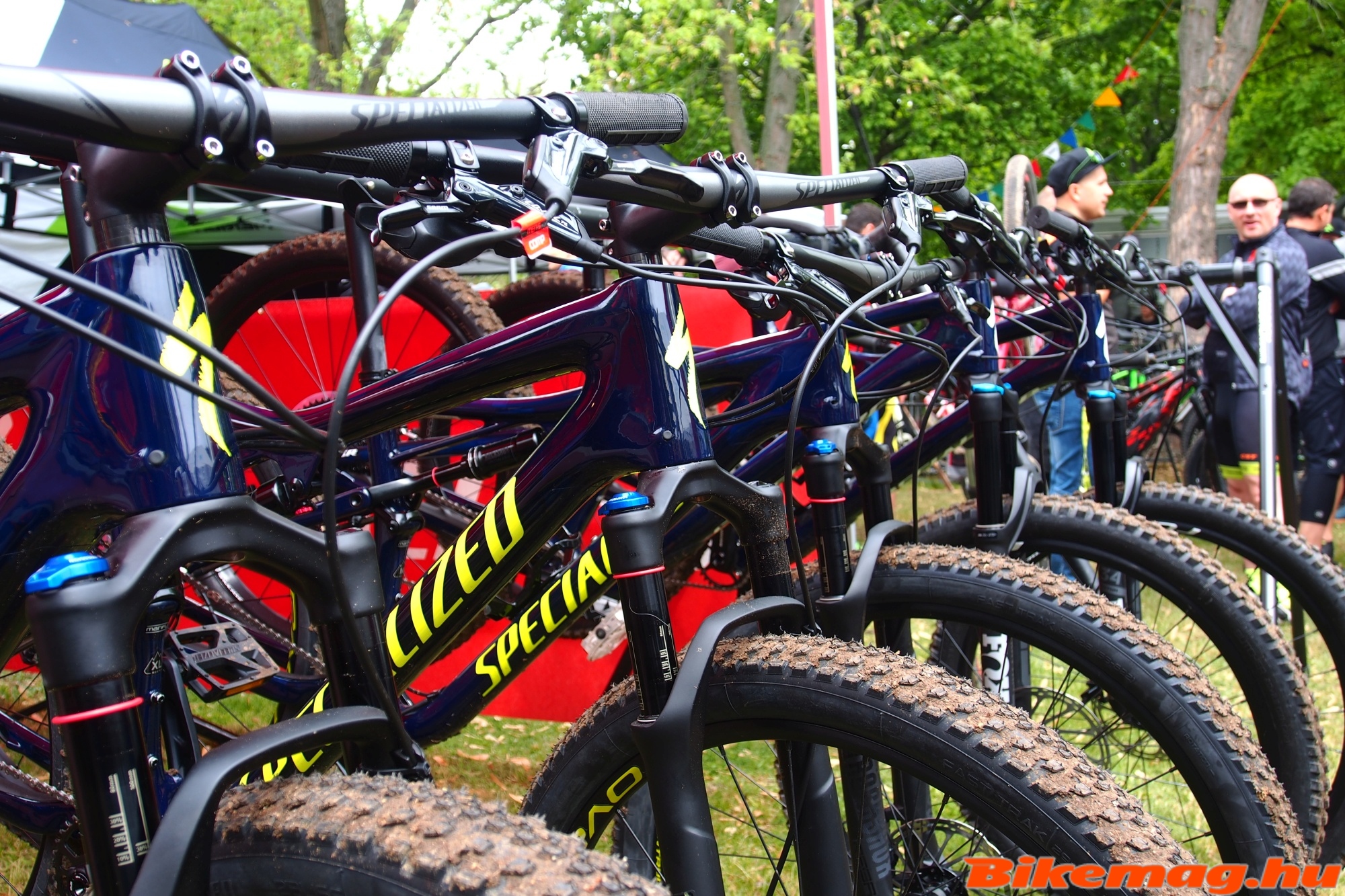
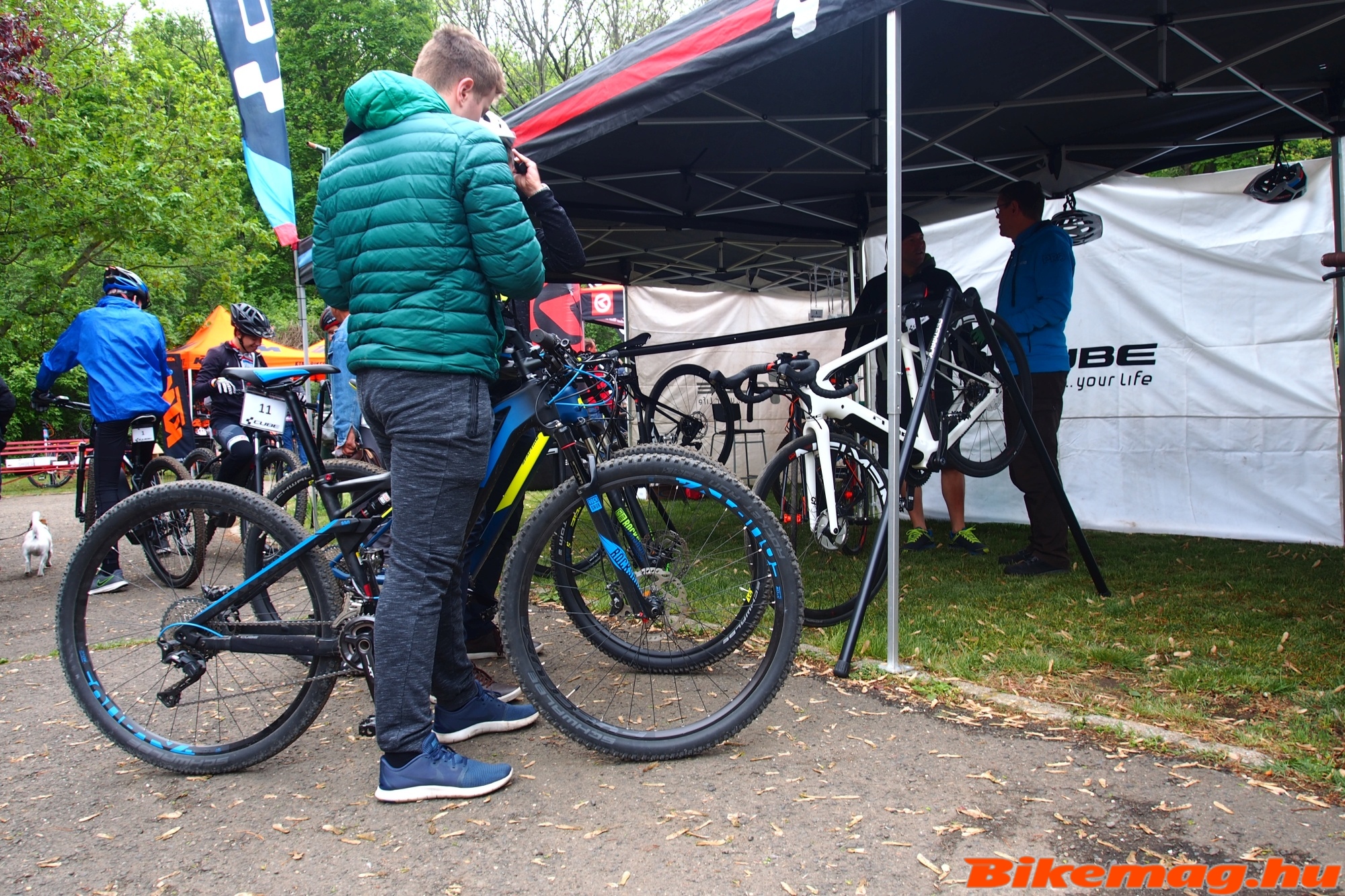
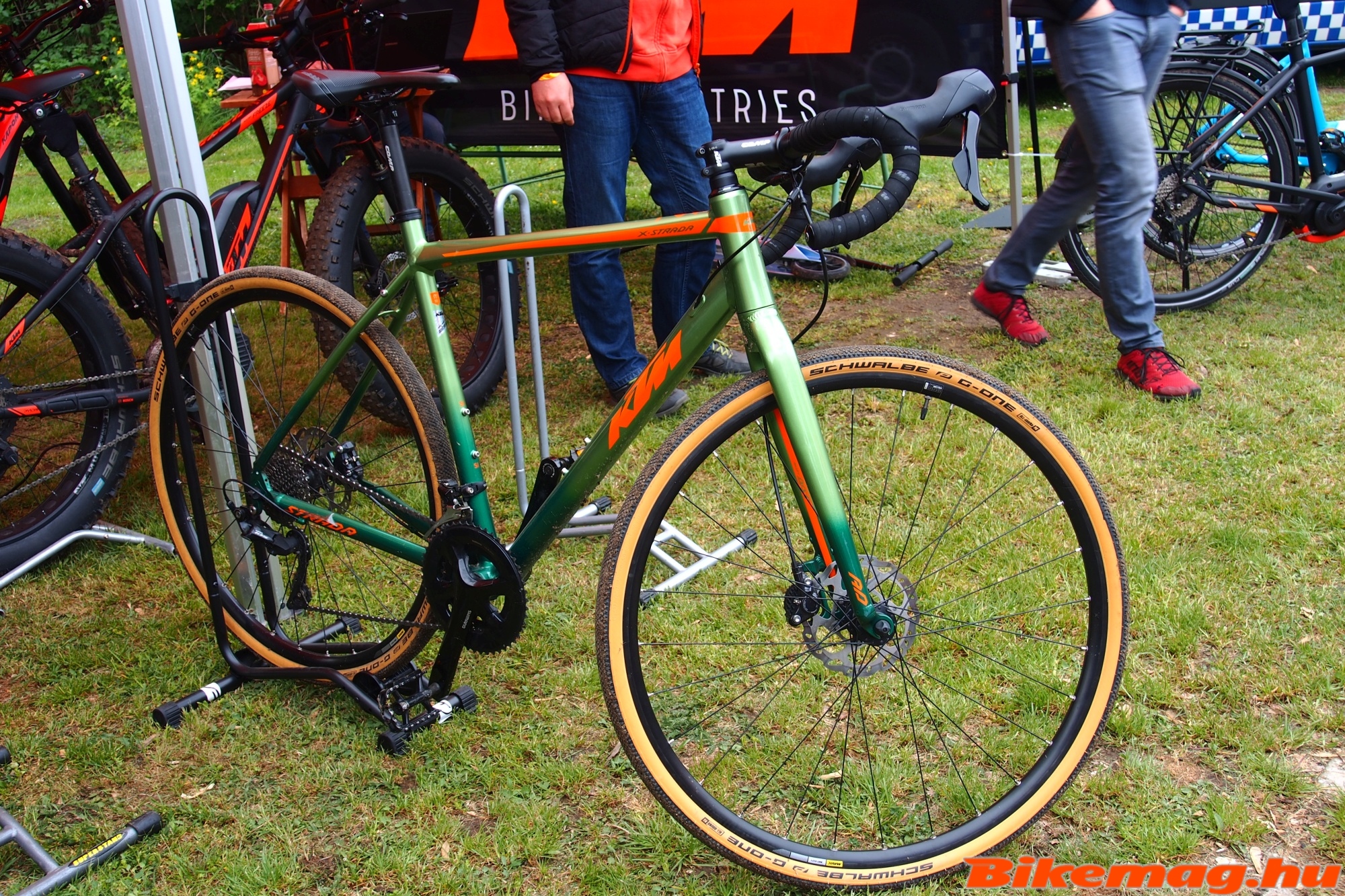
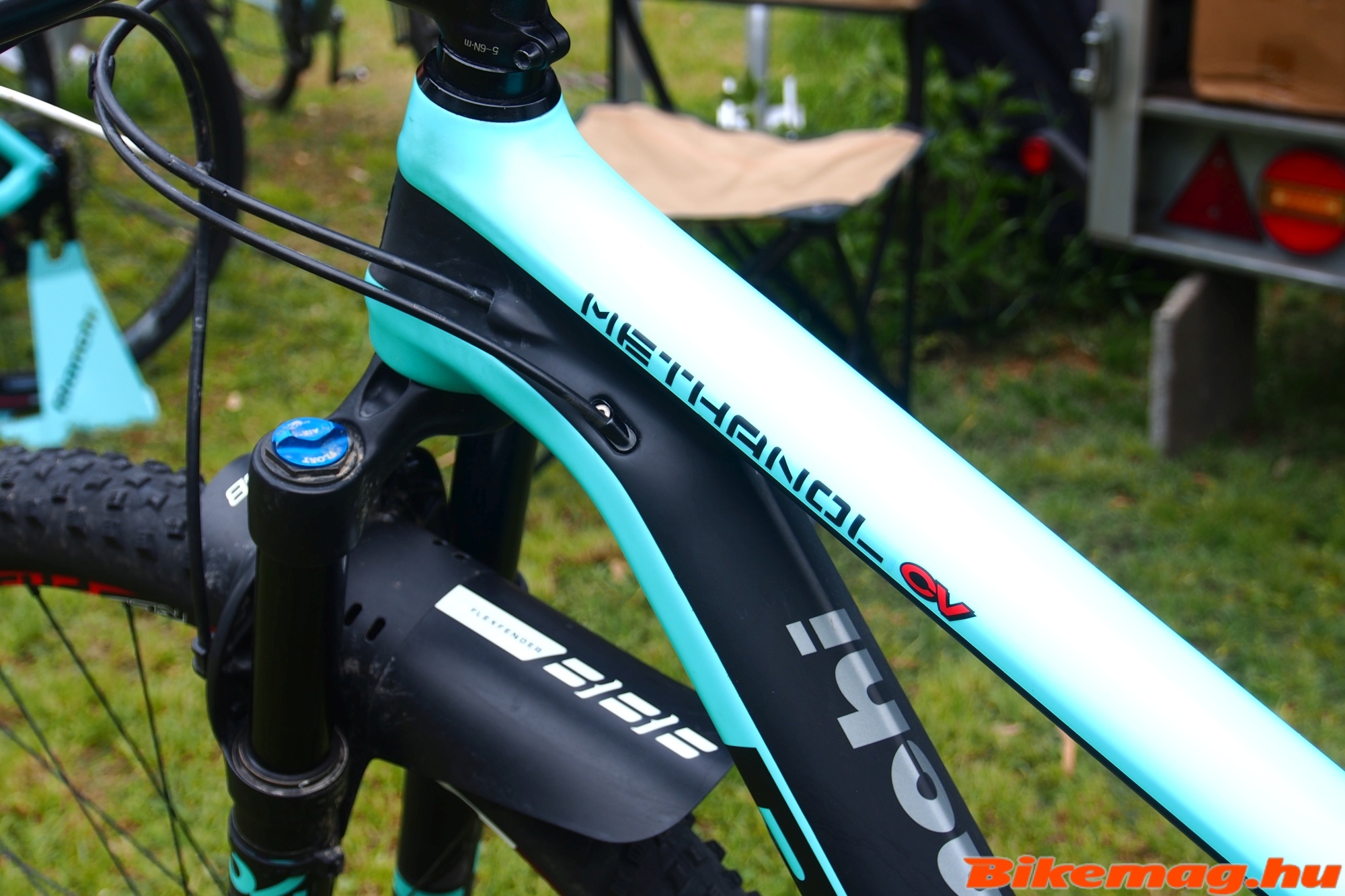
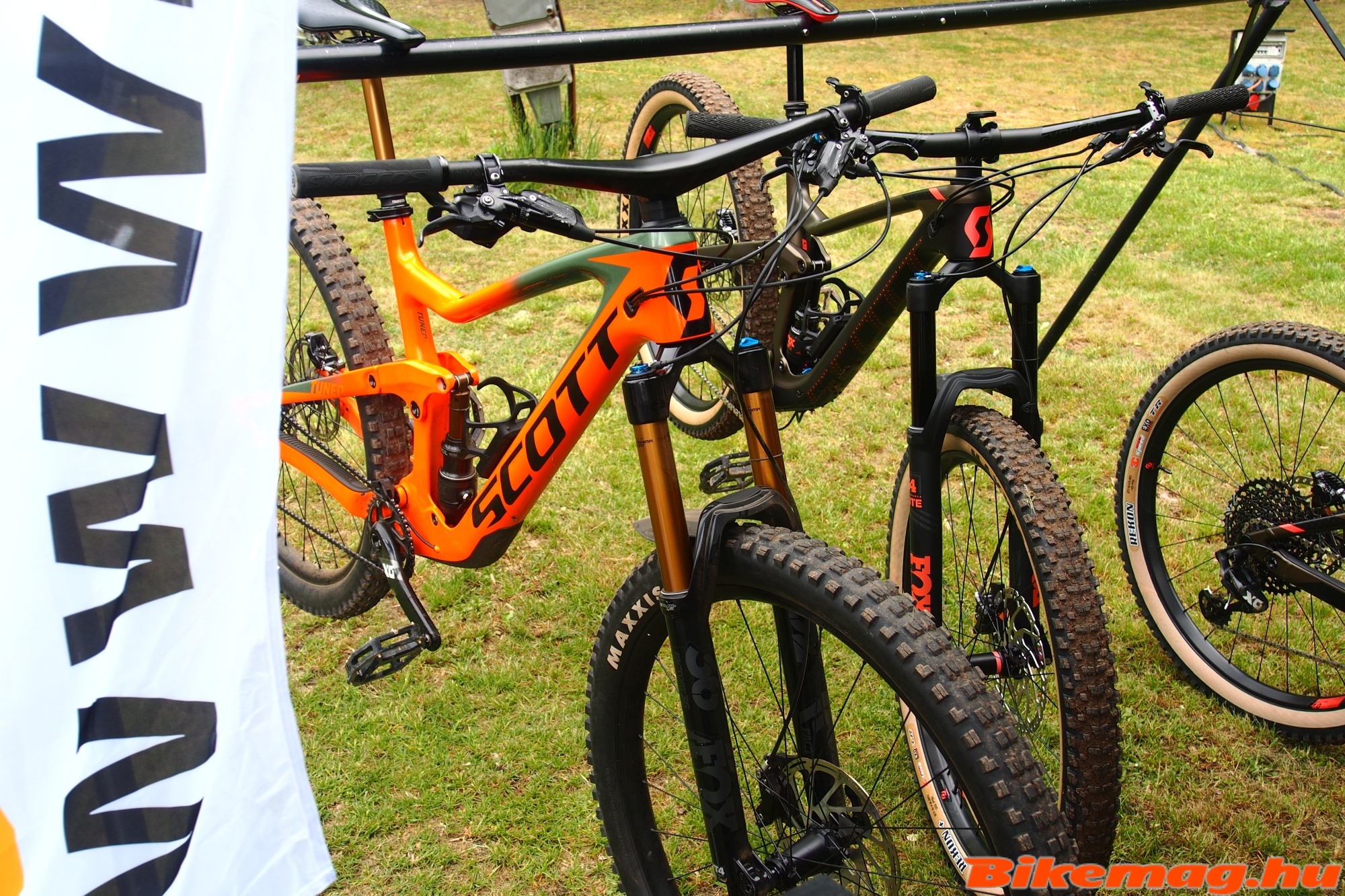
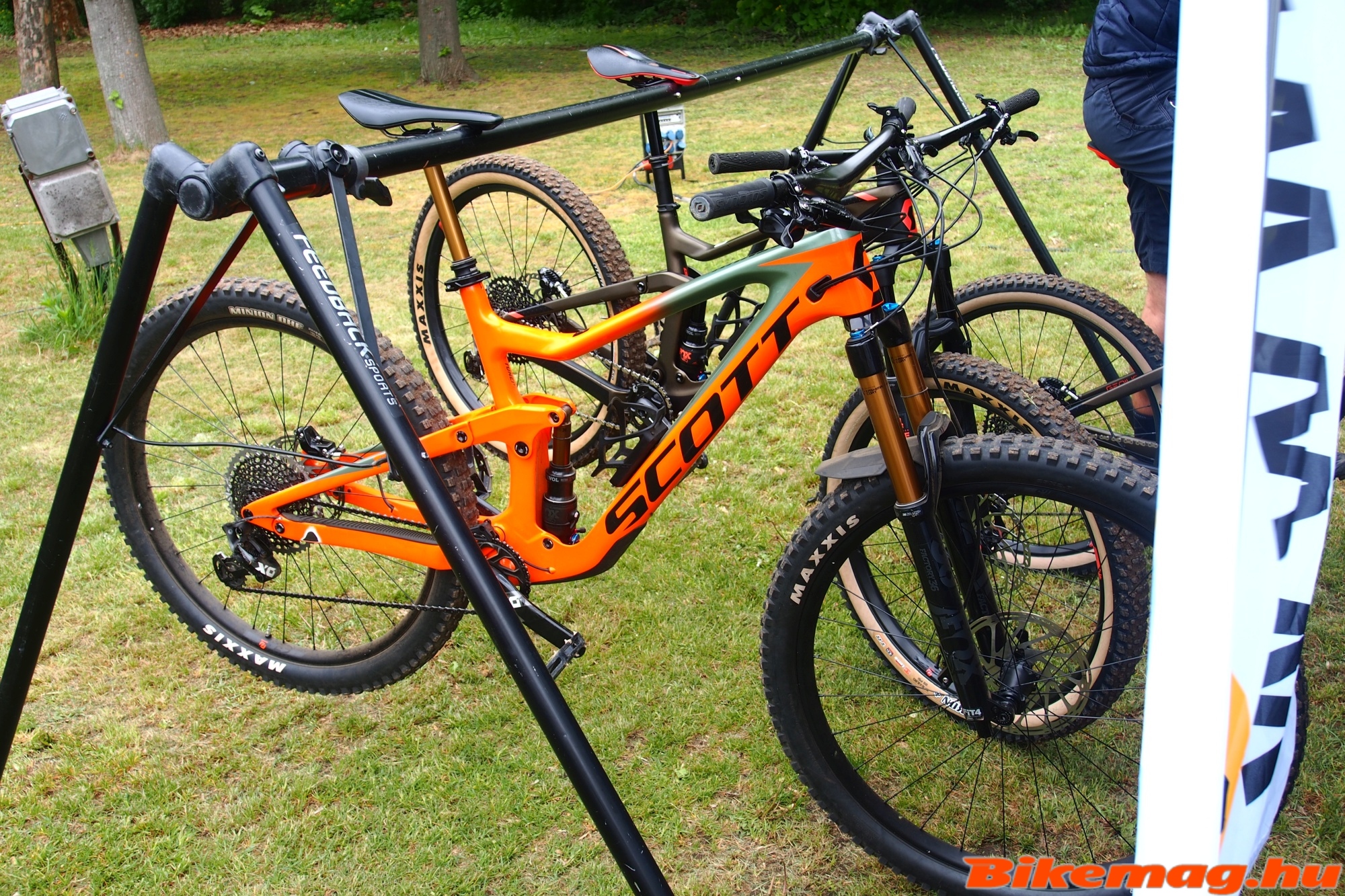
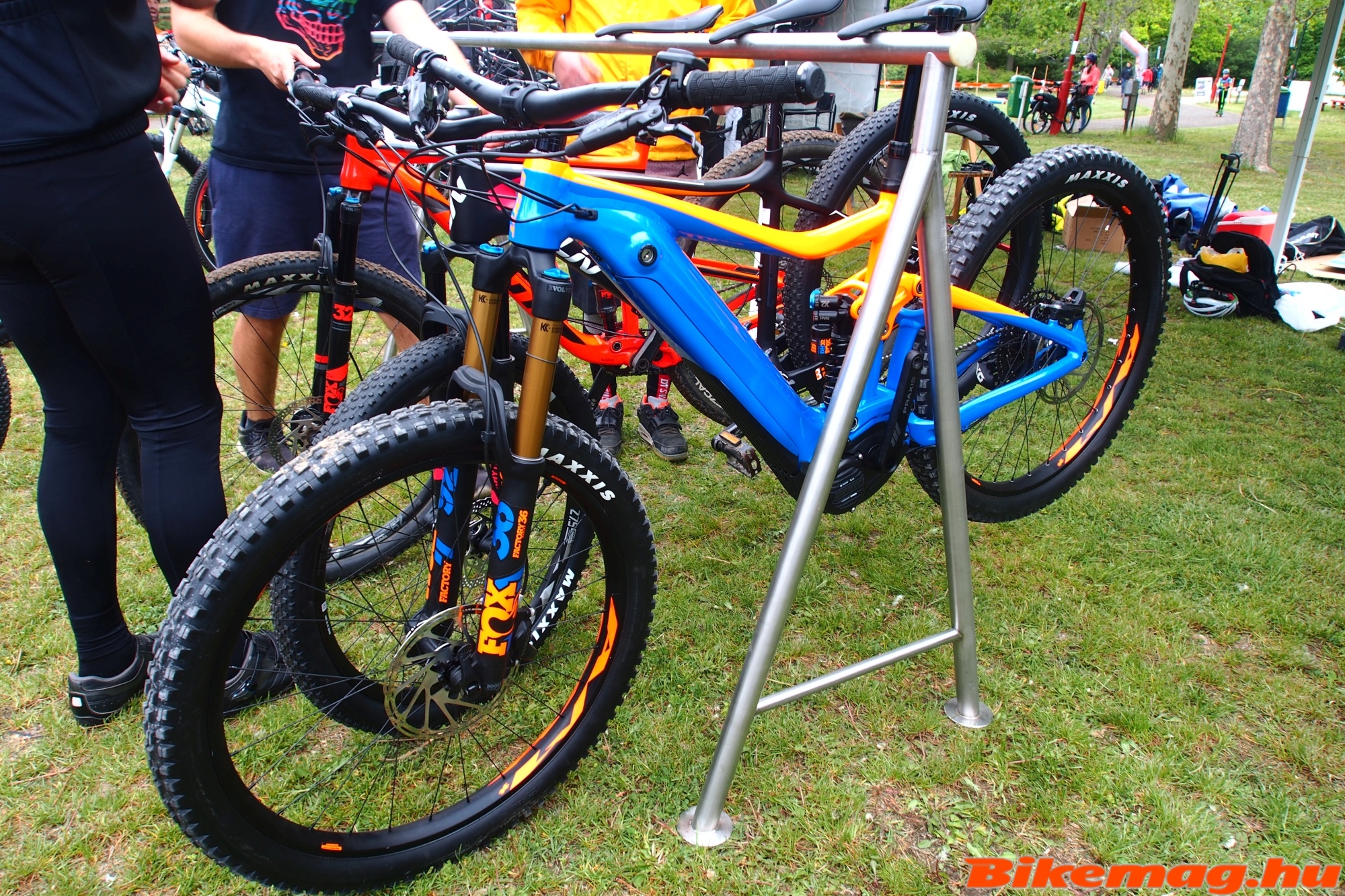
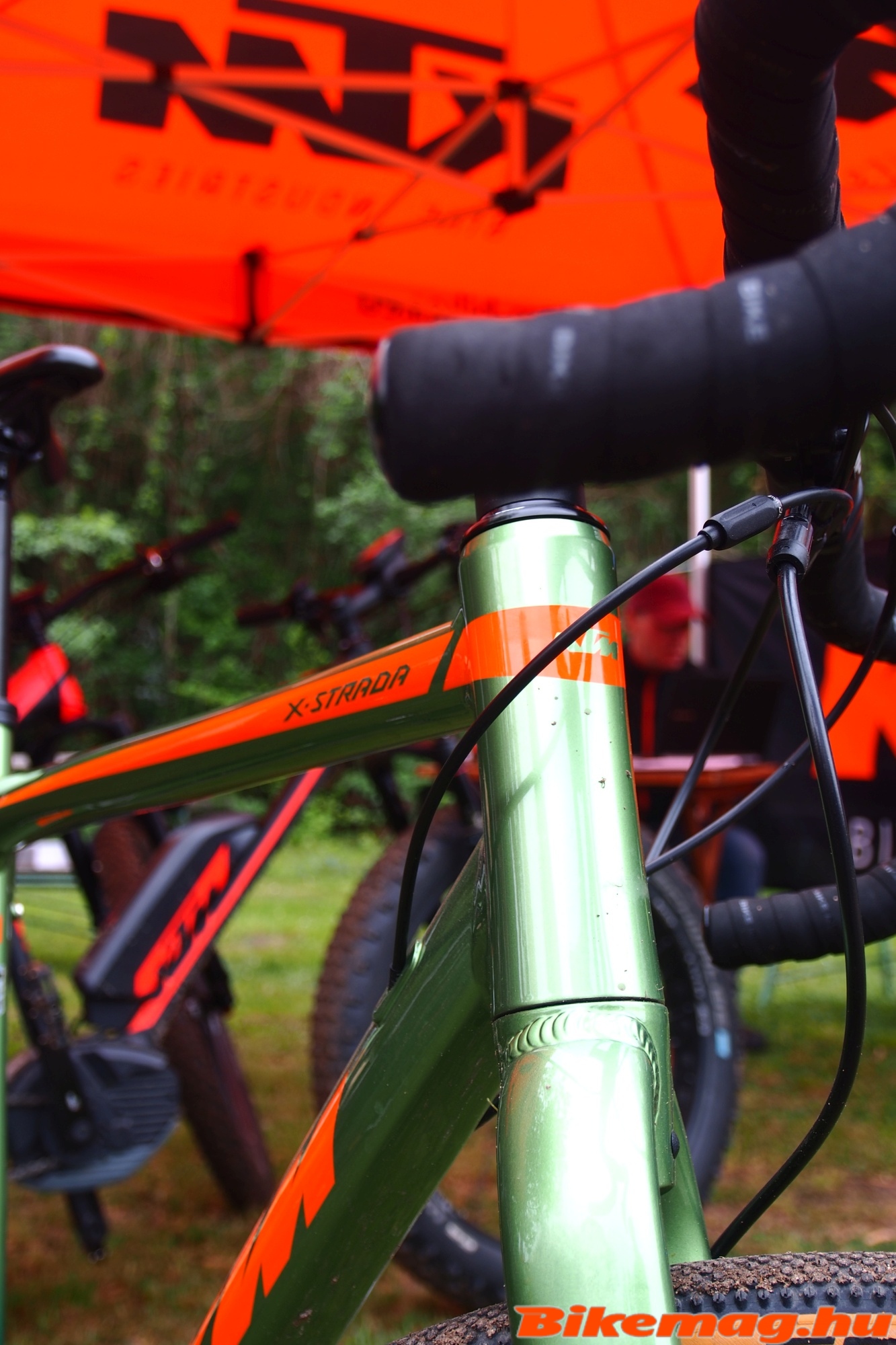
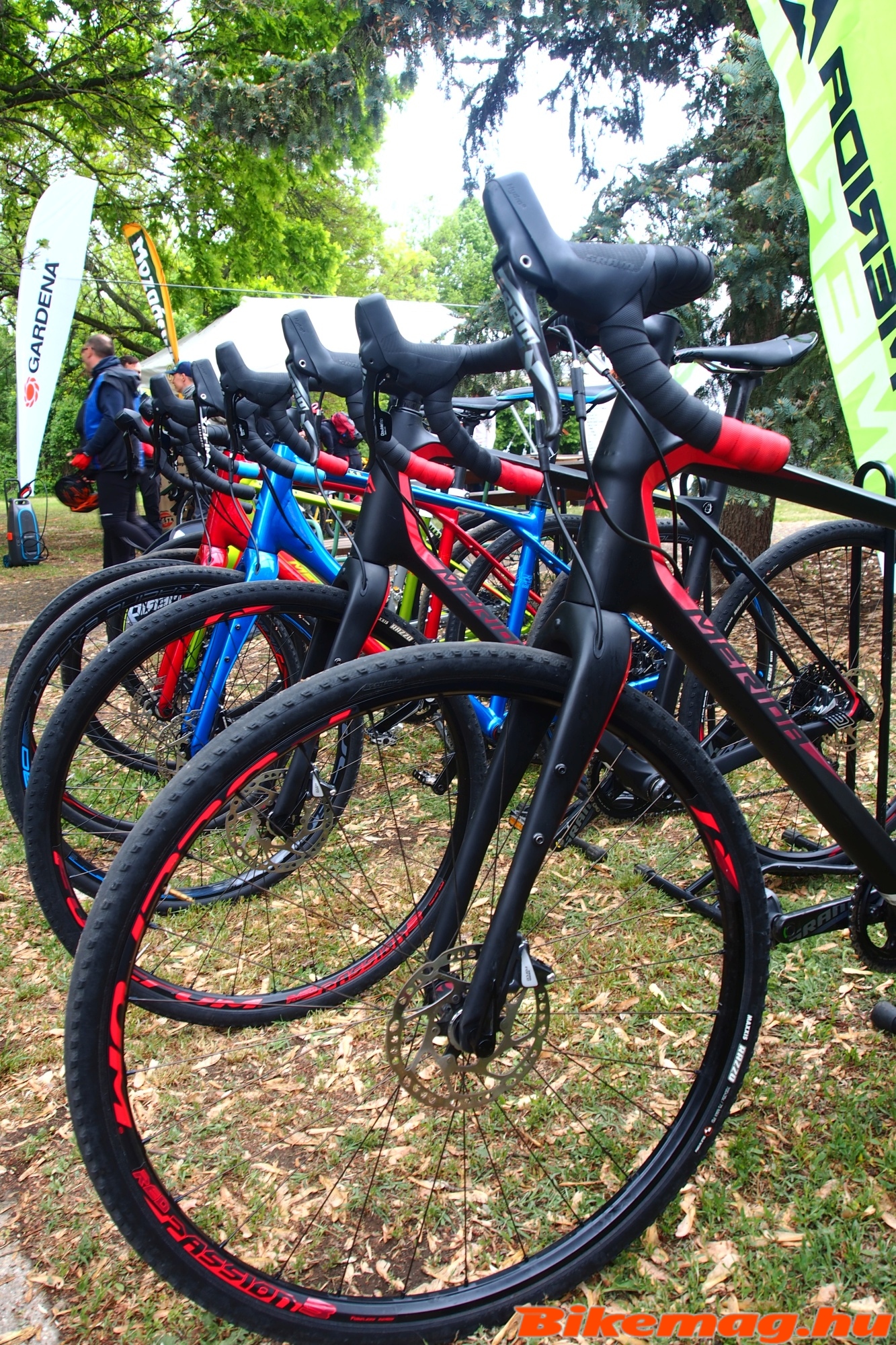
Mai nap 10:00-tól várja a bátor érdeklődőket a Mozgásvilág tesztnap a Kamaraerdőben, ahol a kerékpárok krémjét és a futócipők habját lehet élesben kipróbálni! Nekünk csak egy rövid időnk volt „beszaladni”, de engedjétek meg, hogy egy mini-galériával kedveskedjünk Nektek, hátha megjön a kedv az ebéd ledolgozására.


Megkezdődött az érdemi munka a balatoni kerékpározásért

A BalatonBike365 fantázianevű átfogó fejlesztéssorozat legfőbb célja, hogy egész évben, az év 365 napján vonzóvá tegye a térséget, igazi egységként mutassa be a Balatont a túrakerékpározók számára, akiket 2020 őszére már telefonos applikáció is segít a tó körüli élmények felkutatásában. 

A 2019. április 26-án, Keszthelyen tartott sajtónyilvános projektindító esemény nem hagyományos nyitórendezvény volt, sokkal inkább egy olyan interaktív work-shop, amely lehetőséget teremtett a projekt minden érintettjének, hogy érdemben is megkezdhessék a párbeszédet, majd az operatív munkát a Balaton kerékpáros-turisztikai fejlesztése érdekében.

„A legfontosabb, hogy ez a projekt egységként tekint a Balatonra, és teljesen önálló turisztikai desztinációként kívánja bemutatni azt a kerékpárosok számára, beleértve annak természeti szépségeit, épített örökségét, valamint a környező települések turisztikai attrakcióit, vagy épp vendéglátását.” – mondta Dr. Princzinger Péter, a Magyar Kerékpáros Szövetség elnöke. Az elnök szerint látható, vonzó, elérhető, minőségi és könnyen megosztható élményeket kell kínálnunk.

A közös munka a benne résztvevők széles összefogásával indult idén februárban, amikor tizenhárom országos szakmai szervezet rögzítette együttműködési szándékát a fenti célok elérésében. Ezután létrejött a támogatási szerződés, majd a nyitórendezvény. A projekt a beszerzések előkészítésével, bejárásokkal, valamint a releváns kutatások lebonyolításával és kiértékelésével folytatódik, ezután a megfelelő infrastruktúra kialakítása következik.

Az 1,2 milliárd forintból megvalósuló bringás fejlesztés többek között túraútvonalak kijelölésével, táblázásával, kerékpáros pihenők kialakításával, három kiemelt szolgáltató pont létrehozásával és külön telefonos applikáció segítségével szögezi fel a Balatont a hazai és külföldi kerékpáros turisták térképére.

Vasárnap rangos hegyikerékpáros versenyt rendeznek Nagykanizsán

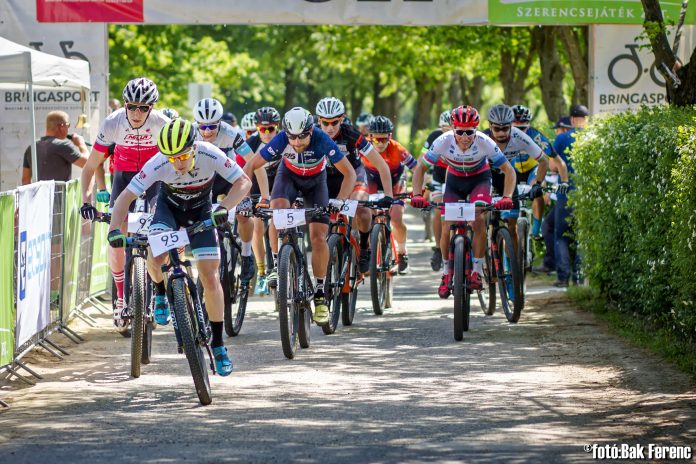
Közel 300 hegyikerékpáros versenyző veszi ismét birtokba április 28-án vasárnap a nagykanizsai mountain-bike parkot. A nemzetközi kerékpáros szövetség (UCI) által jegyzett nemzetközi C2-es minősítésű olimpai-krossz (XCO) versenyen nem csak az ország – ifi és felnőtt korosztályú – legjobb bringásai indulnak majd, de számos külföldi versenyző is ellátogat, hogy értékes olimpiai kvalifikációs pontokat próbáljon szerezni.

Rajtvonalhoz áll majd hazánk legmagasabban jegyezett mountain-bike versenyzője, Parti András is, aki közösségi oldalán osztotta meg, hogyan készül a kanizsai versenyre. Az egy évvel ezelőtti tavaszi kanizsai megmérettetés címvédője három olimpiával a háta mögött, a sorozatban negyedik olimpiai részvételéhez gyűjti immáron a kvalifikációs pontokat. Nagykanizsán tovább gyarapíthatja esélyeit, hogy kijusson pályafutása negyedik olimpiájára.


A verseny színvonala tehát a magasan kvalifikált versenyzők részvétele miatt garantált. Érdemes kilátogatni a versenyre, nem csupán a szurkolás, de a kanizsai mountain-bike park csodálatos természeti környezete miatt is. A pálya látványos szakaszai csupán pár perc séta távolságra találhatóak egymástól, a Csónakázó-tó szomszédsága pedig ideális kikapcsolódást biztosít minden korosztálynak, tehát annak is érdemes ellátogatnia, aki egy családi hétvégével kötné össze a verseny megtekintését.

A délelőtti korosztályos futamok után a nemzetközi minősítésű profi Elit kategória futama 14:00-kor rajtol el, az éremátadó ceremóniát pedig 17:00-kor rendezik a Csónakázó-tó melletti versenyközpontban.
A Szerencsejáték Zrt. főtámogatásával szervezett futamról minden részletes információ megtalálható a verseny hivatalos honlapján: www.xcokanizsa.com