

The market for Chinese carbon framesets is continuously evolving. Between the flagship framesets costing several thousand dollars and open-mold or replica frames, there are some alternatives with an excellent price-to-value ratio. These are less well-known and less coveted products, but below you can read about a frameset from a very likeable Chinese brand.
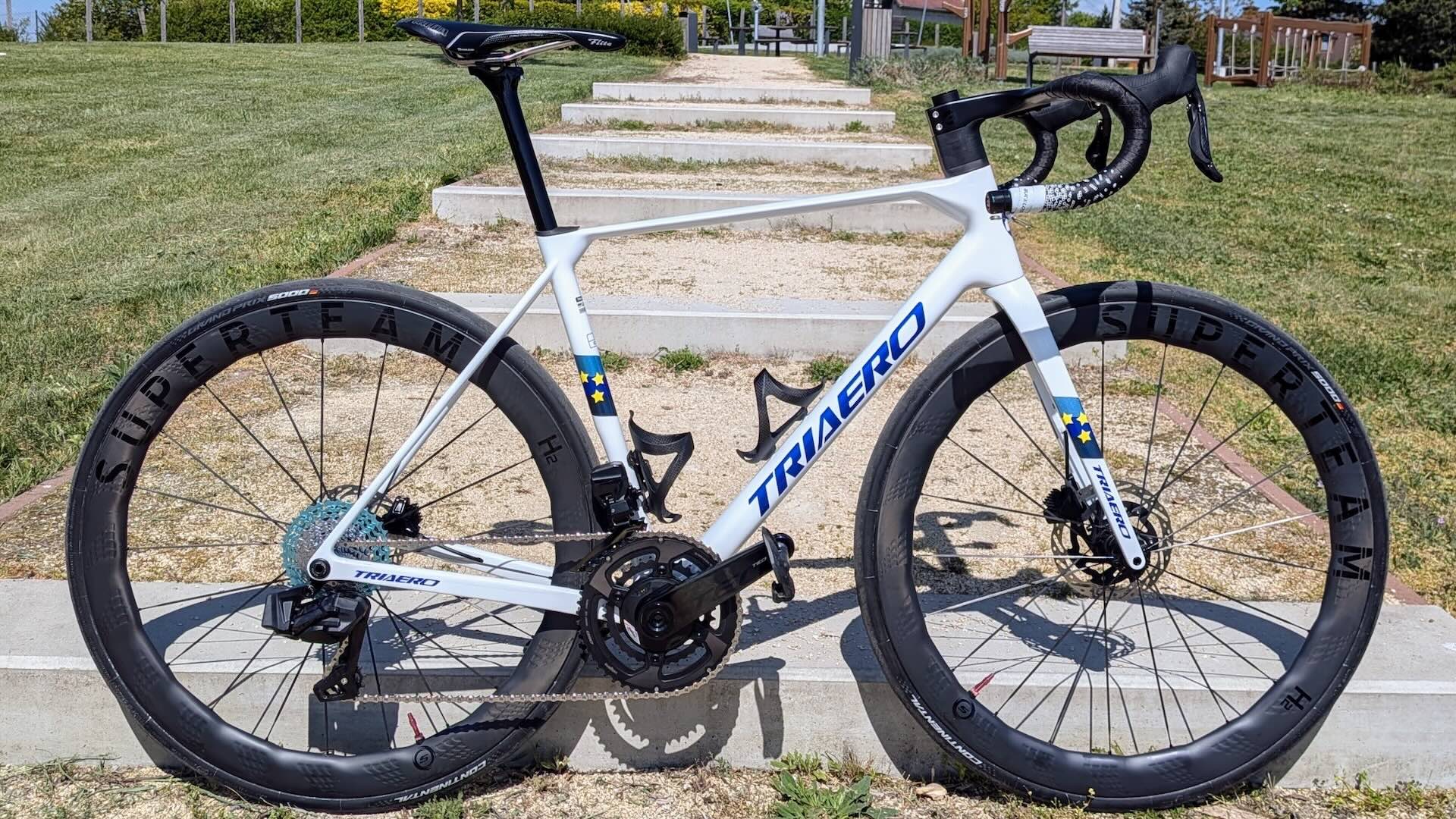
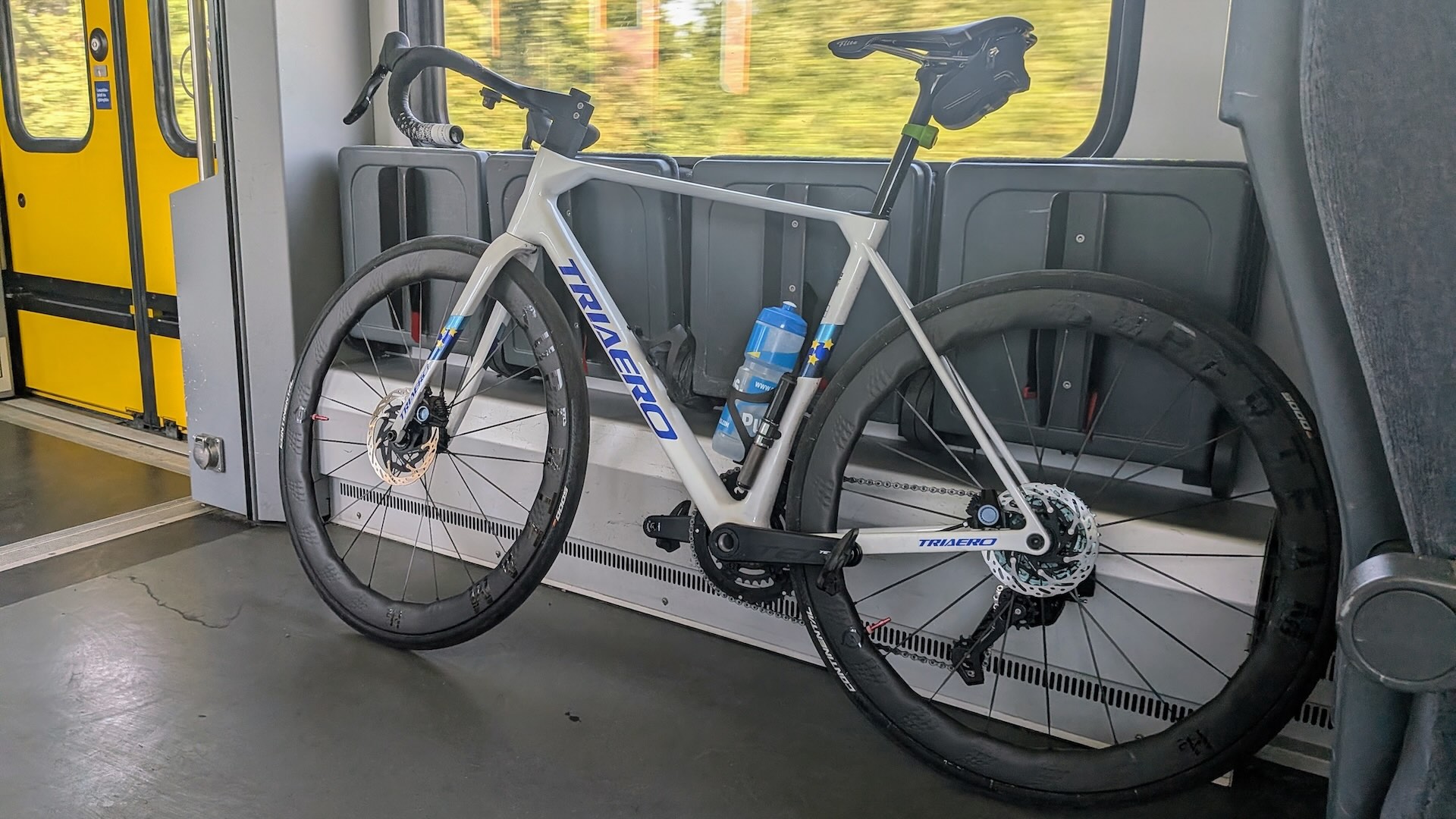
The project bike was completed in the spring. Its main goal was to be built using major components from Chinese brands. It was also intended to show where the Chinese cycling industry stands in 2026. The foundation of the bike is the Triaero Flyee frameset, and I can share very positive experiences with it.
ICAN: A Remarkable Manufacturer
ICAN is a Chinese manufacturer specializing in carbon bicycle components, founded in 2009. Their product range includes frames and framesets, wheelsets, integrated handlebars, and various accessories.
According to the manufacturer, ICAN employs around 200 people and produces approximately 1,700 frames and 2,000 complete wheelsets every month. Part of this production consists of OEM products manufactured for other brands.
Triaero is their own bicycle brand. Under this name, they not only produce framesets, but also sell complete road, gravel and MTB bikes, as well as fat bikes, which are quite rare on the market.
Beneath the paint: Materials used in the Flyee frameset
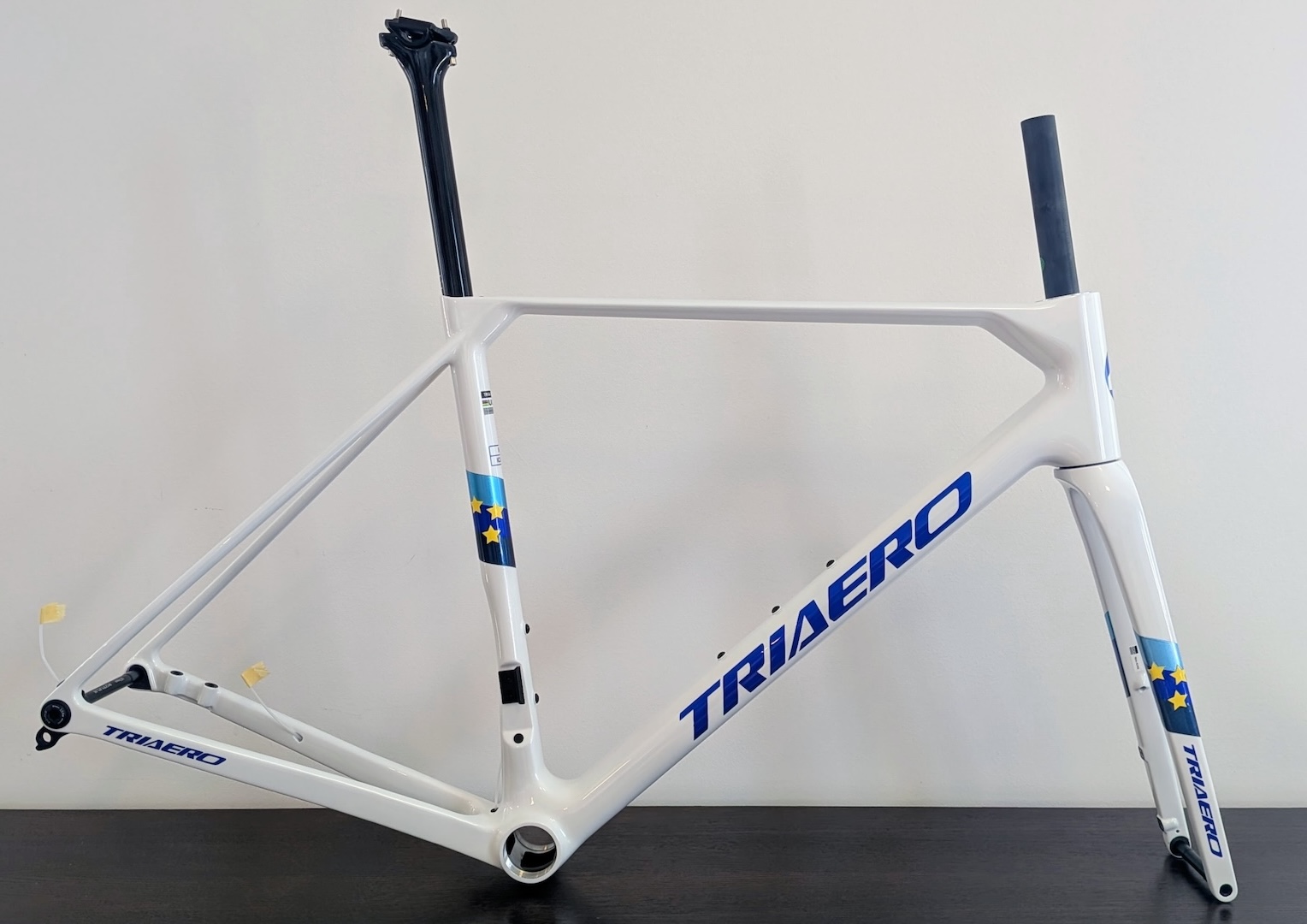
The Flyee is Triaero’s current flagship road frameset. The manufacturer doesn’t follow today’s aero trends, instead designing a frame with a more classical and elegant shape. However, its real strength lies in the carefully selected carbon fibres.
They combine three different carbon fibres from the Japanese manufacturer Toray in this frameset. T700 is more flexible and forgiving, but also heavier. T800 sits in the middle, while T1000 provides greater stiffness with fewer layers of carbon, resulting in lower weight.
The layering and combination of the three different carbon fibres helps improve the flexibility of the fork and seatstays, while making the bottom bracket area and the chainstays stiffer.
Marketing versus reality: Is T1000 a promise of quality?
T800 and especially T1000 are often used for marketing purposes as a promise of quality. However, if you come across a frameset labelled as „full T1000”, be suspicious! T1000 alone is not suitable for building a bicycle frame, as it would result in a very uncomfortable and fragile construction.
In reality, T1000 is mainly used for local reinforcement, for example to improve pedalling efficiency. The Flyee frameset is built mainly from T700 and T800 carbon fibres, while the A9 uses only these two materials and the A22 is made entirely from T700, just like the Blade-R cockpit developed for the Flyee frameset.
Details matter
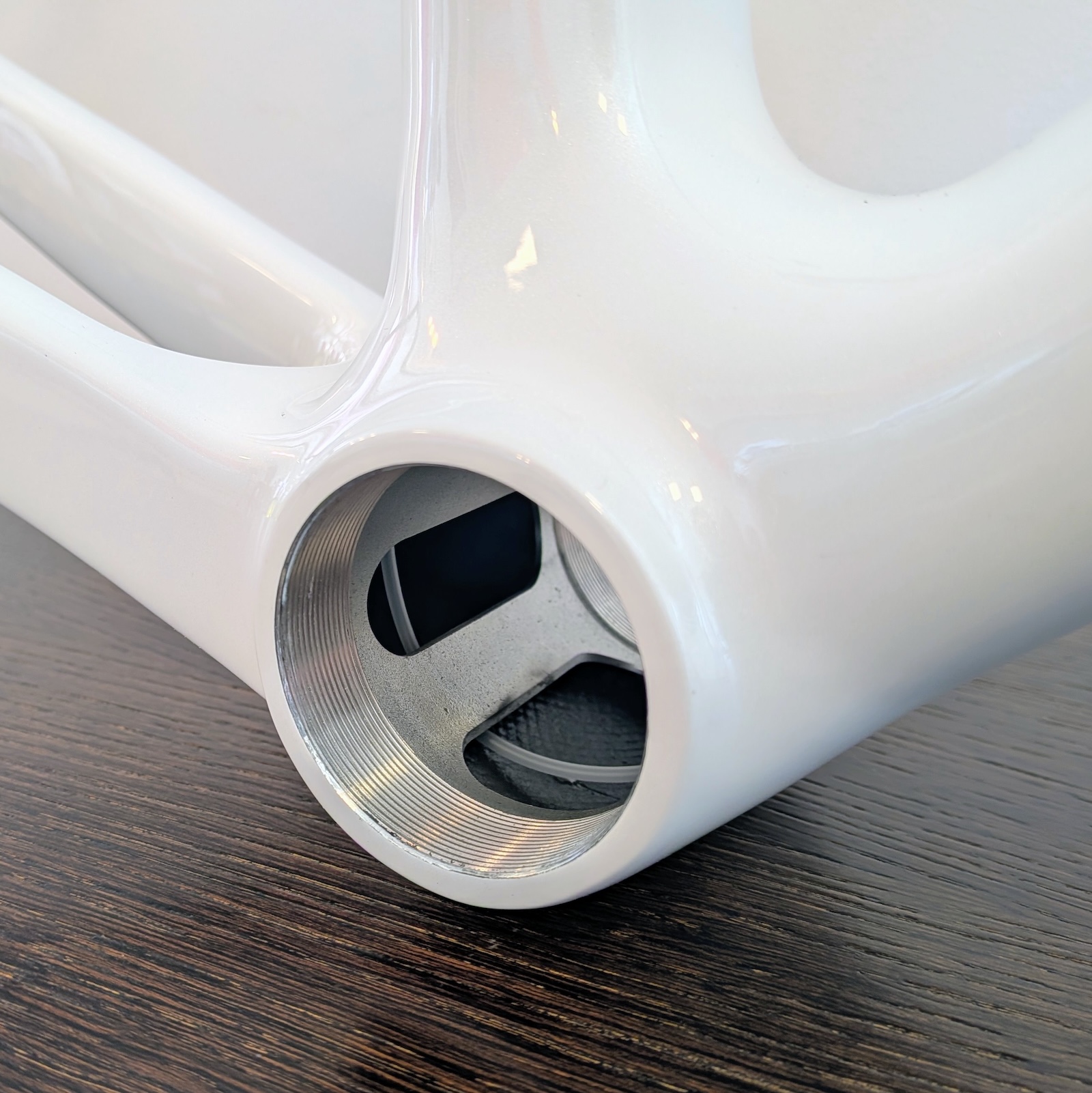
The T47 bottom bracket standard is gaining popularity for a good reason. The Flyee uses the 85.5 mm wide internal version with a bonded aluminium sleeve inside the frame. Press-fit bottom brackets require more precise frame machining, which is why manufacturers are returning to threaded solutions. The T47 standard also allows the use of larger bearings. The result is better performance and longer bearing life with integrated cranksets using larger-diameter spindles.
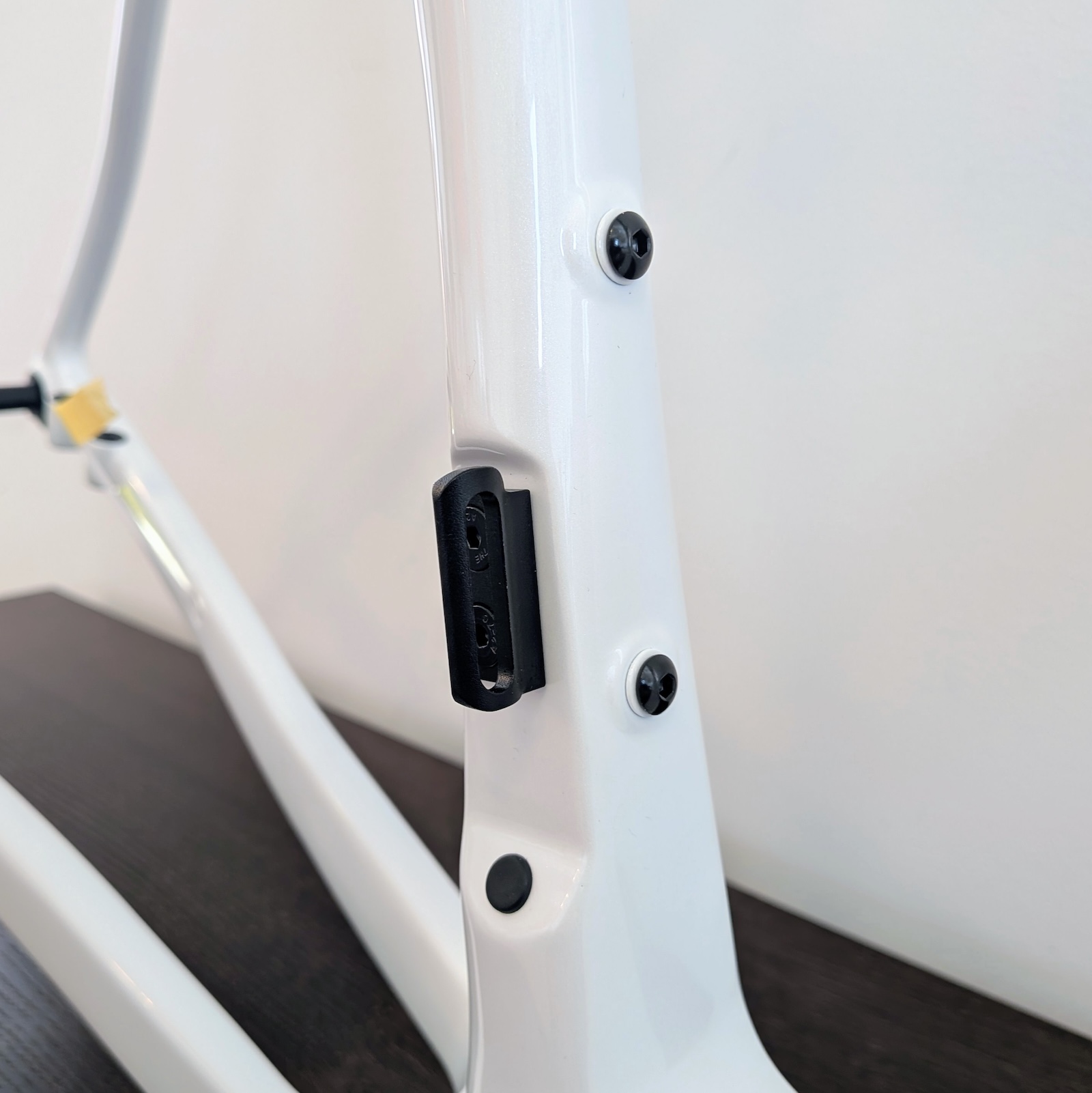
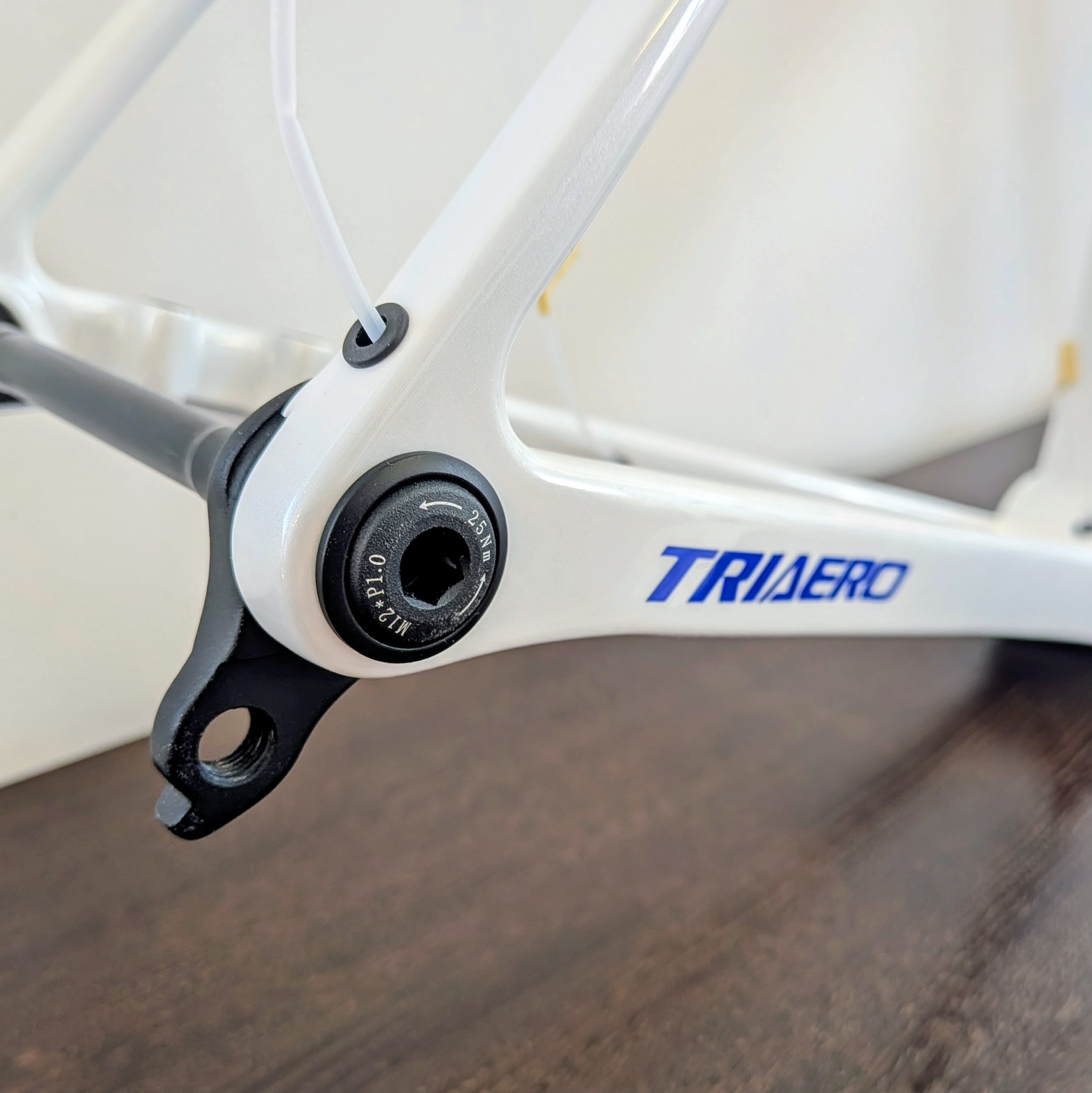
The Universal Derailleur Hanger (UDH) is a very practical solution. It eliminates the chaos in this area. Its advantage is obvious: if your bike falls over and the hanger bends or breaks, you can find a replacement in almost any bike shop.
The thru-axle frameset is compatible with a 160 mm front rotor and a 140 mm rear rotor. The headset uses 1-1/2″ bearings at both the top and bottom. Tyre clearance is up to 32 mm, in line with modern trends. The cabling is fully internal, and the frameset is also compatible with mechanical shifting.
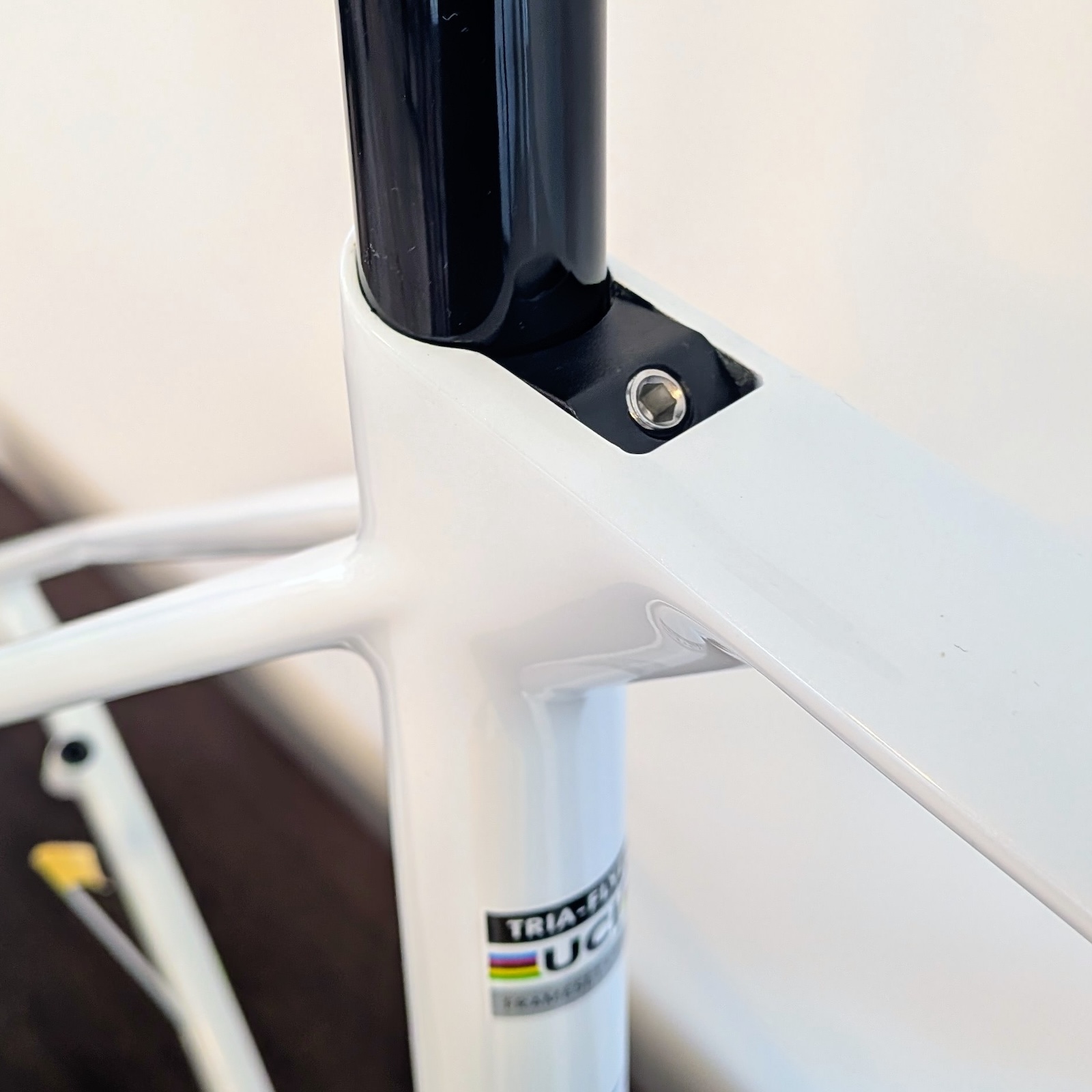
Nowadays, almost every road frame comes with a proprietary D-shaped seatpost, but the traditional 27.2 mm round version used on the Flyee is much more advantageous for an amateur rider. The frameset includes a zero-offset carbon seatpost, which contributes significantly to the comfort of the frameset and to my overall satisfaction.
Three-digit weight for a three-digit price
According to the manufacturer’s specifications, both the frame weight and the price of the frameset are under 900 – in grams and US dollars, respectively. Naturally, the weight varies depending on the colour. I weighed my white frame at 939 grams, including the UDH, front derailleur mount and bottle cage bolts. The uncut fork weighed 369 grams on my scale.
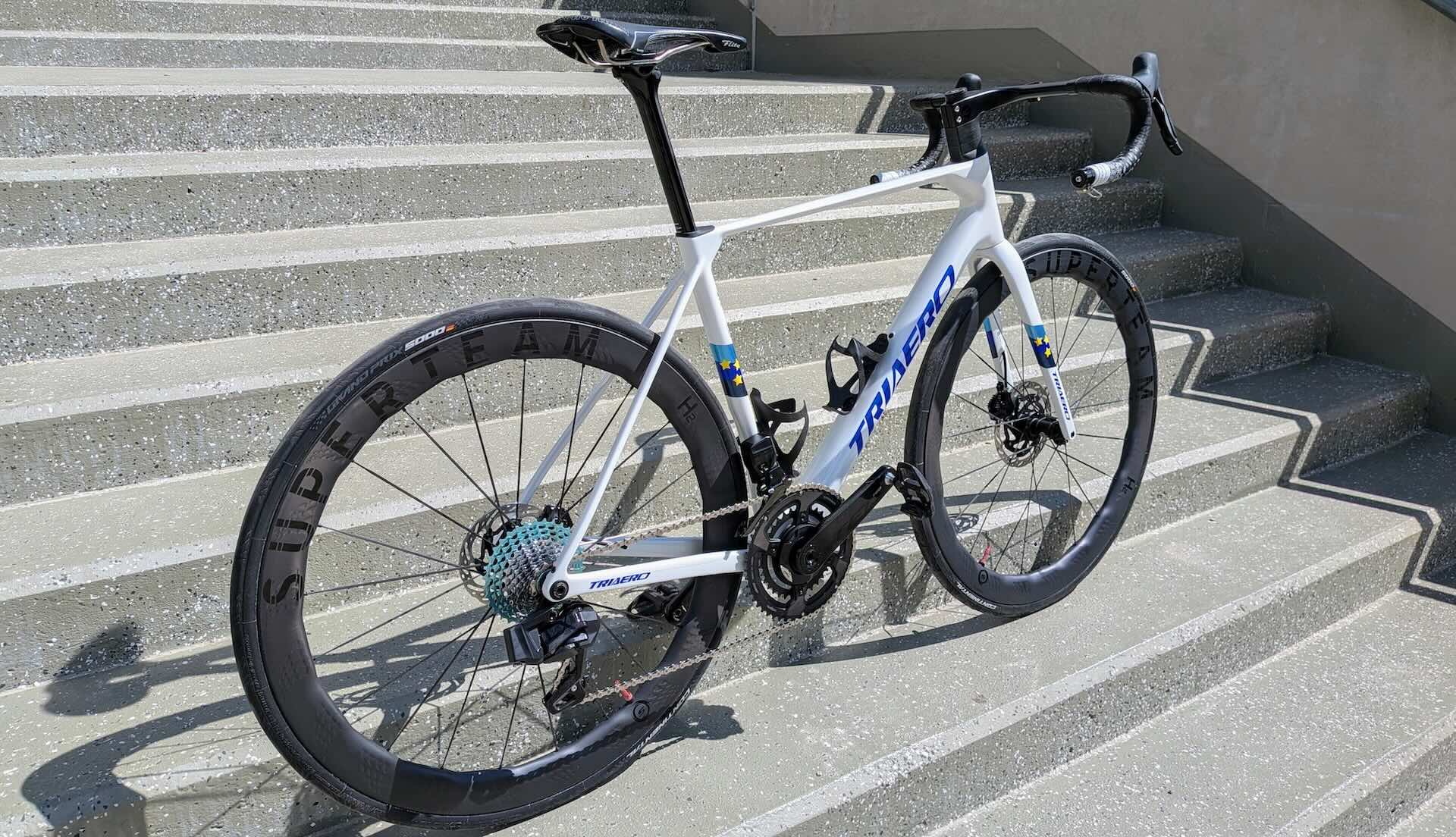 The frameset includes two thru-axles, a pair of headset bearings, and an expander plug with a top cap. However, no foam sleeve is supplied for the brake hose. The carbon seatpost is also included, but the cockpit must be purchased separately. The price of the frameset is US$899, including shipping costs and import duties.
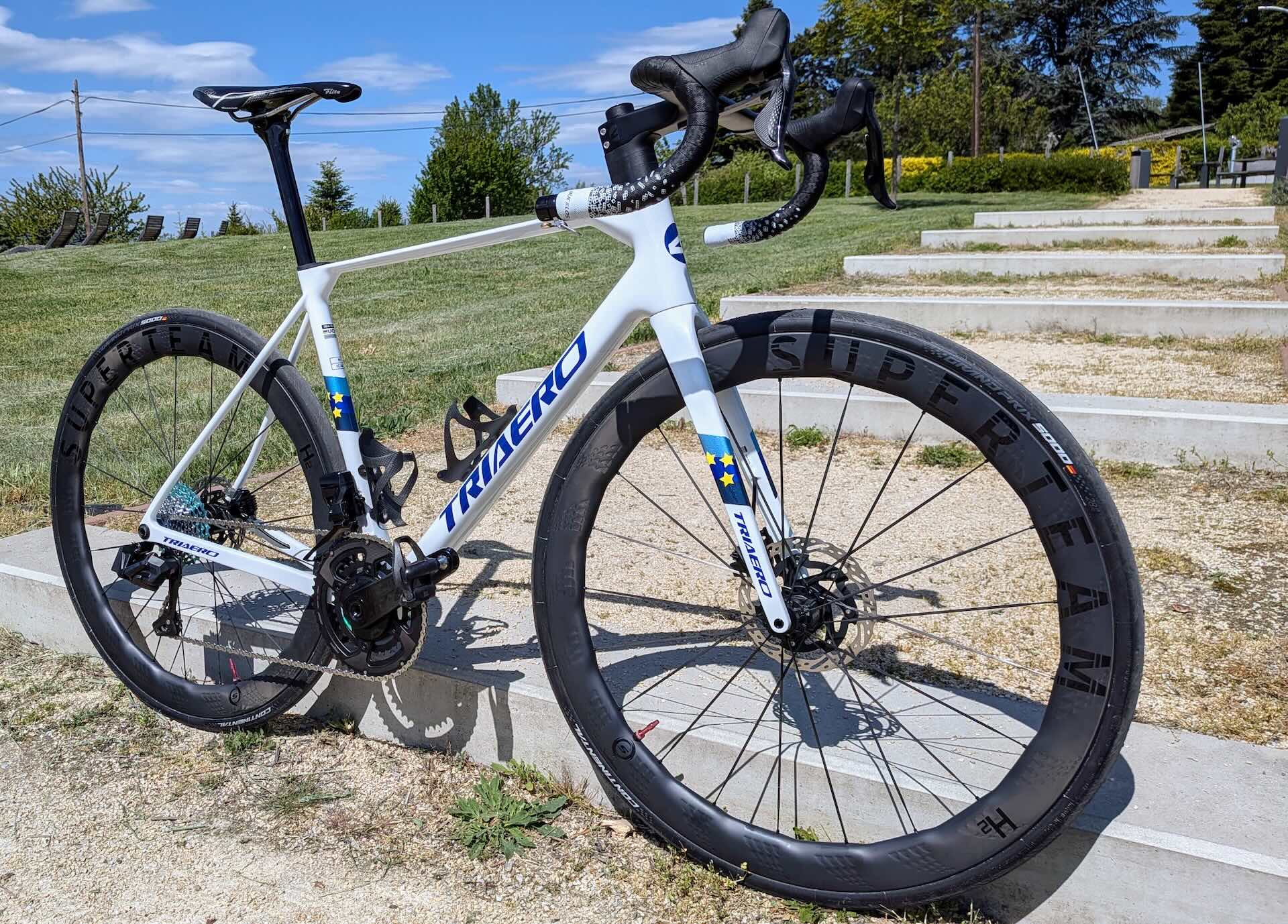 Selling the cockpit separately may also have a psychological reason, as it keeps the price in the three-digit range. On the other hand, we have the option of choosing ICAN’s carbon stem for US$75 and pairing it with any handlebar we like. The matching cockpit for the frameset is the Blade-R, which we will be reviewing separately soon.
What do we get for our money?
If we look at some of the most popular framesets in the professional peloton, such as the S-Works Tarmac SL9 or the Colnago Y1RS, they typically cost between US$5,000 and US$7,000. You can also buy a high-end Chinese frameset for as much as US$3,500 – the Seka Spear, for example, belongs in this category.
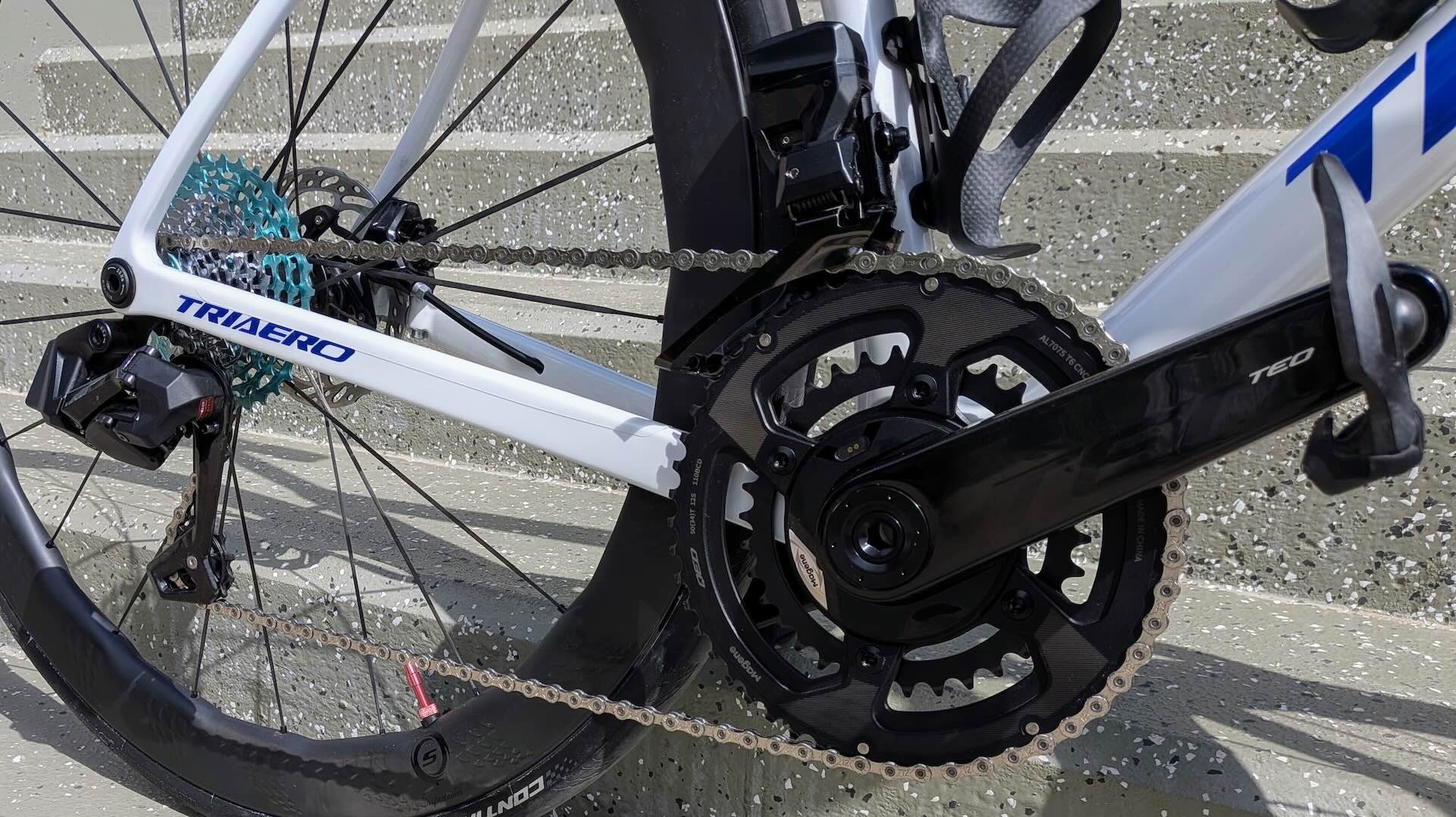 The other extreme is the world of AliExpress. There, you can buy a replica of the highly coveted S-Works or Colnago Y1RS frameset of questionable origin for under US$1,000, including shipping. However, it makes much more sense to spend that money on a frameset that doesn’t try to imitate Pogačar’s or Remco’s bike.
The Triaero name may not be the most attractive, but behind it there is real engineering, carefully selected materials, solid manufacturing and proper quality control. The Flyee frameset is also UCI compliant, which indicates a certain level of quality, even if you never intend to race it.
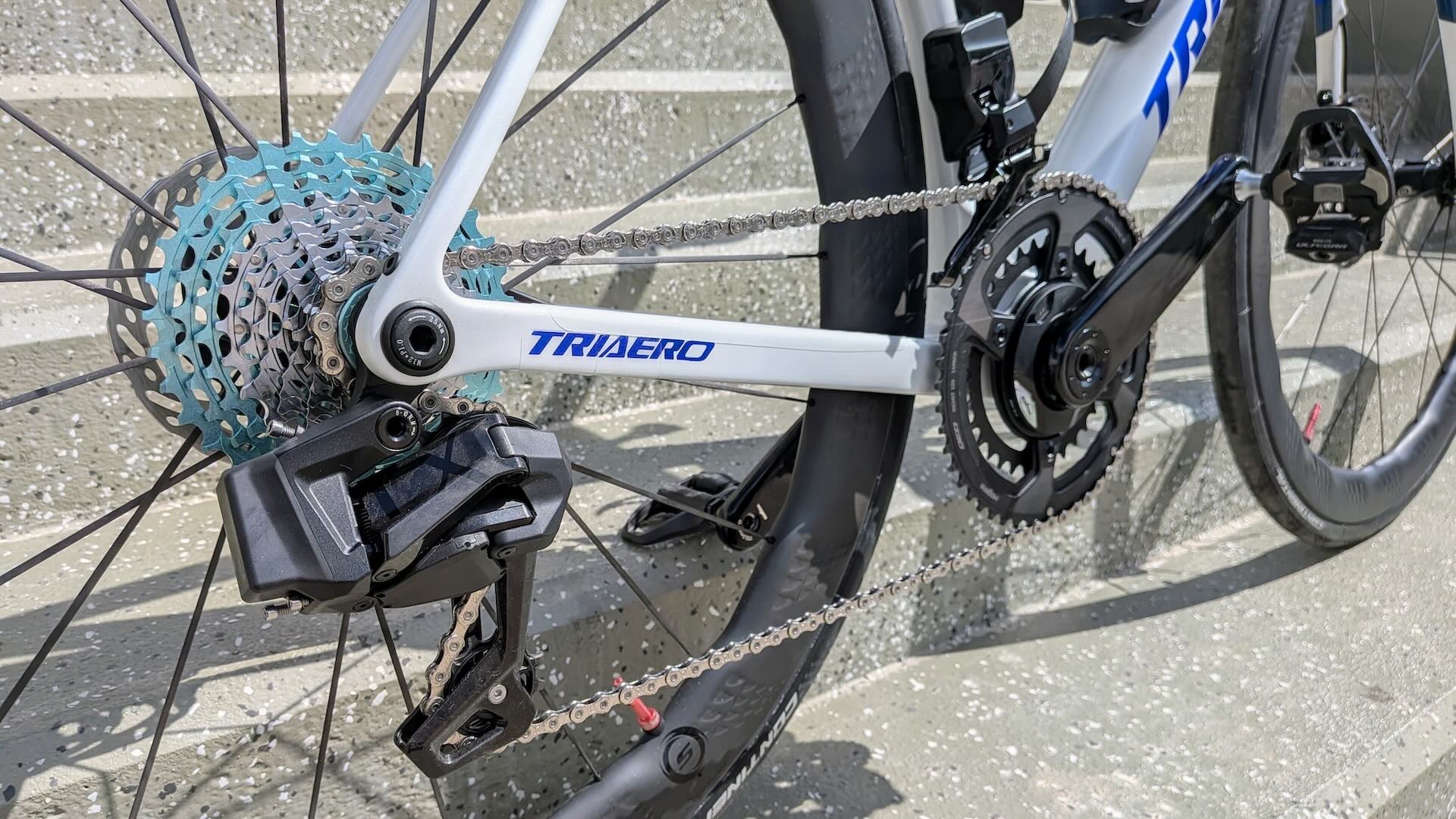 What’s more, the Flyee is not only a good alternative because it is relatively light. It also offers modern standards, a well-thought-out design and surprisingly high everyday usability. The end result is something you’ll be happy to get on every single time.
Things to watch out for during the build
I inspected the frameset before the build. The brake mount surfaces are faced before painting. However, after the masking was removed, some paint buildup remained along the edges. This wasn’t a major issue, and I removed the excess with a sharp hobby knife.
I also test-fitted the T47 bottom bracket cups. There was some dirt in one of the threads, but I cleaned it out with a toothpick, a toothbrush and brake cleaner. After greasing the threads, the bottom bracket cup threaded in without any issues.
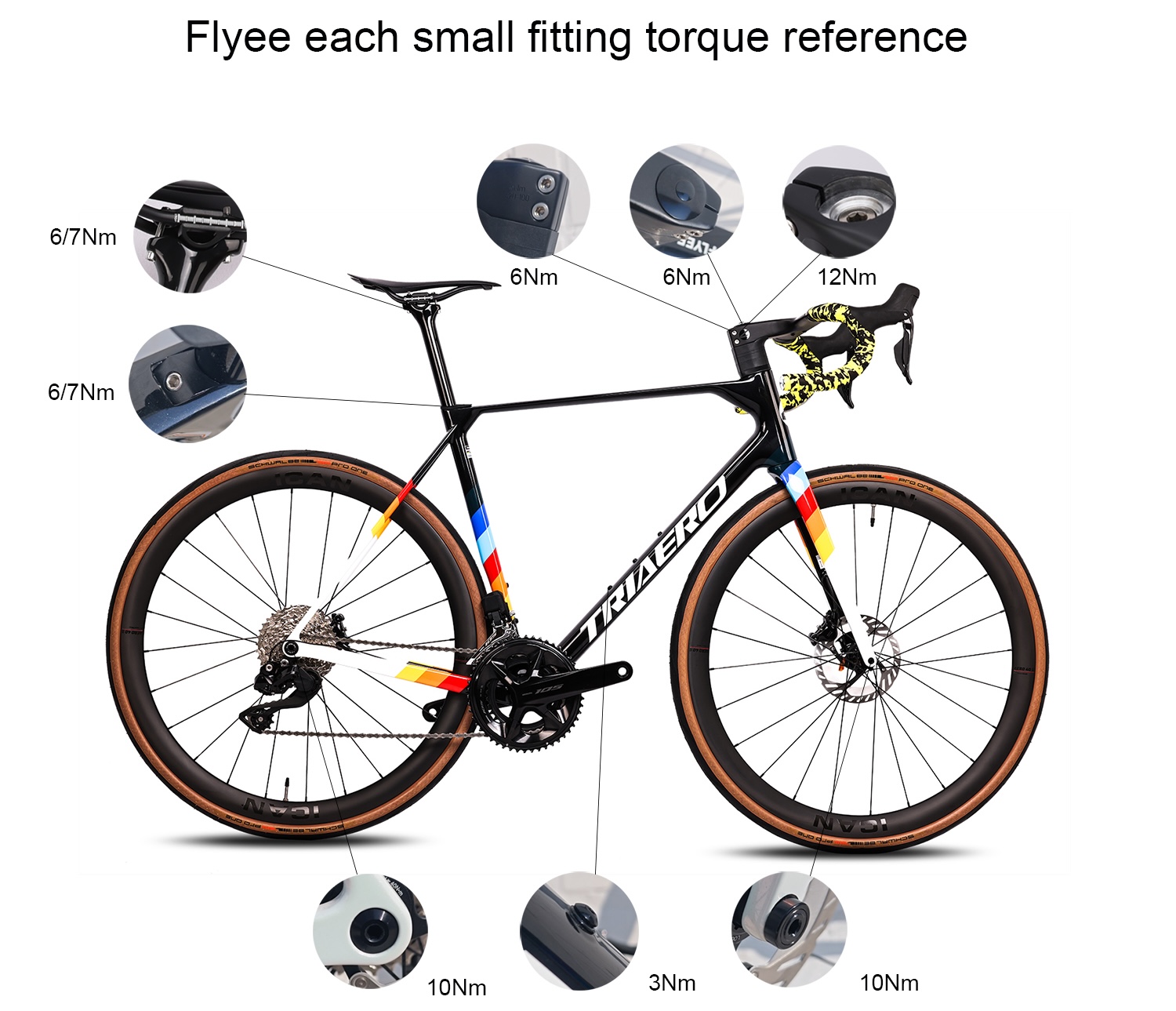
Based on my experience, the steerer should be cut about 7 mm below the top of the stem after assembling the front end with the desired number of spacers. The expander plug also has a certain height, and the supplied top cap is not flat either. Otherwise, the top cap may bottom out on the expander plug, preventing proper headset preload.
It’s worth getting a torque wrench for the build and using it throughout the assembly. I struggled with the headset coming loose because the stem kept creeping up the steerer by a tiny amount. Using a torque wrench solves this problem. I’d also recommend buying a longer expander plug right away. It’s an inexpensive upgrade, but definitely worth it.
How does the Flyee perform in the real world?
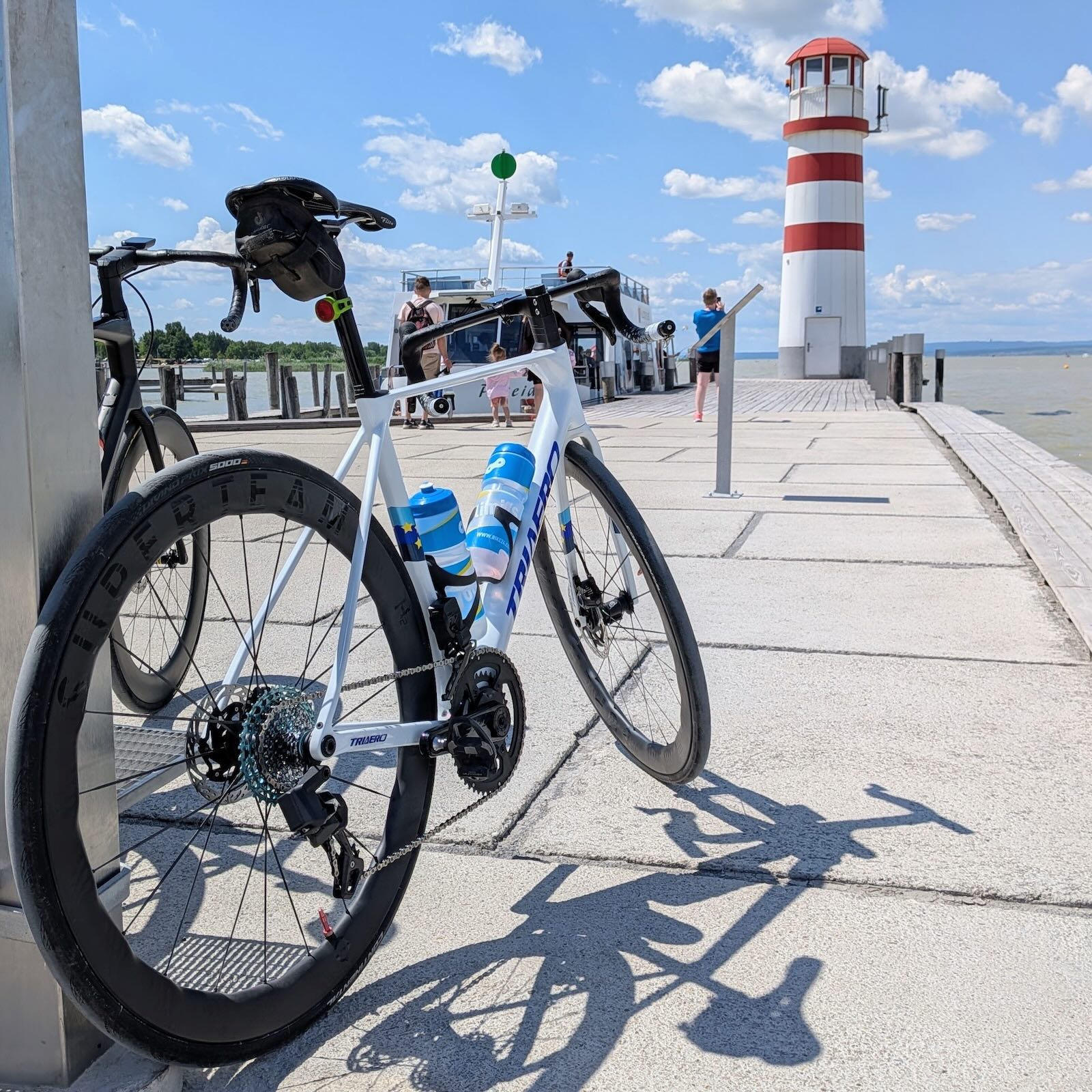
By the time this review was published, I had covered 1,500 km on the bike built around the Flyee frameset. This included an 80 km mountain ride with almost 1,000 metres of climbing, as well as a sub-five-hour ride around Lake Neusiedl.
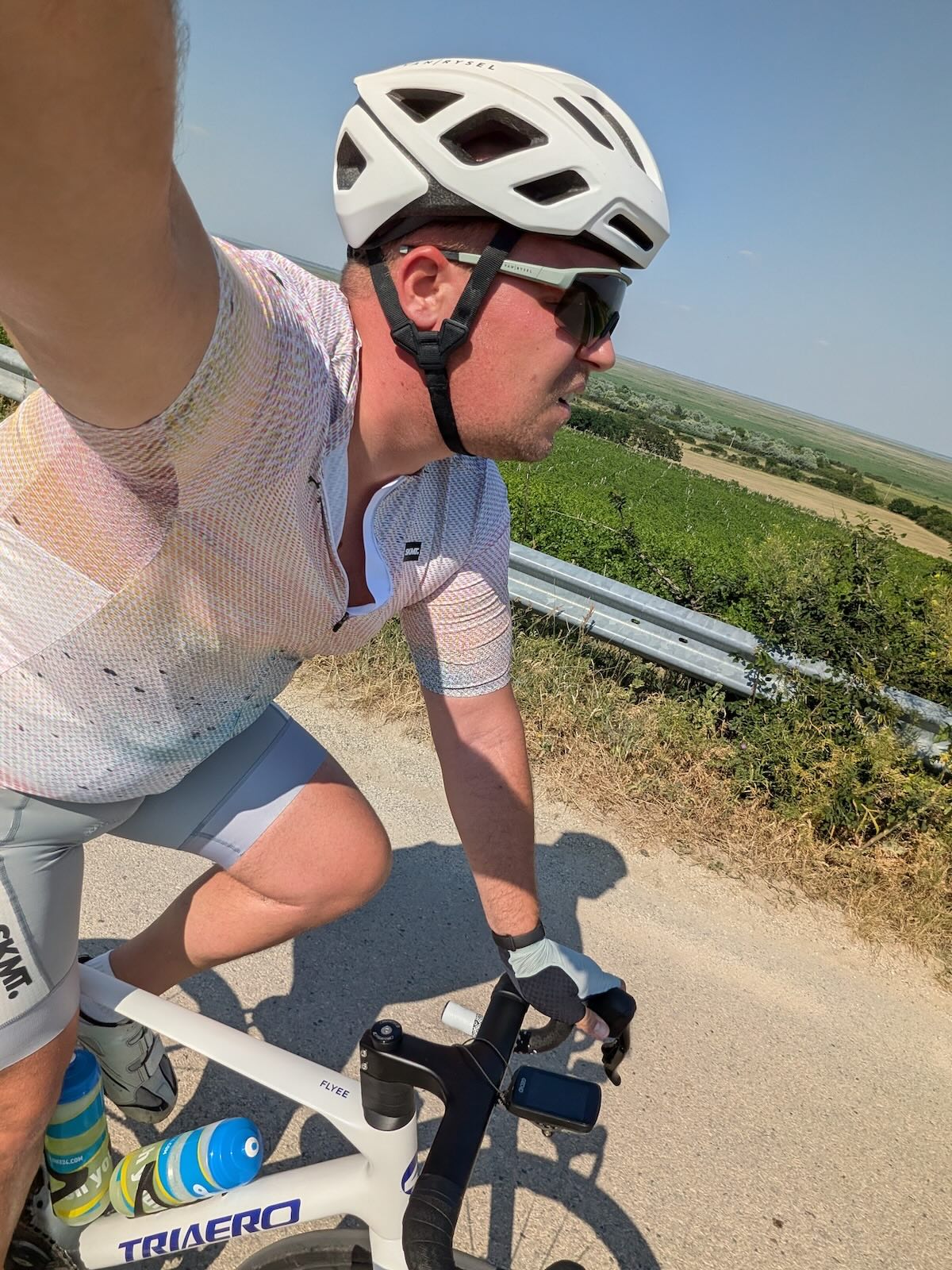
The first thing I noticed was how comfortable the bike felt on poor-quality roads. I can say this with confidence because I had previously used the same Superteam wheelset on my Van Rysel NCR CF with the same tyres, the same tyre pressure and the same saddle. That means the difference comes from the frame, fork, cockpit and seatpost.
It took some time to get used to the geometry at first, as the handlebar is lower and the seatpost has no offset. On the other hand, the bottom bracket sits lower than on the Van Rysel NCR CF, and the wheelbase is also shorter, resulting in a much sportier geometry.
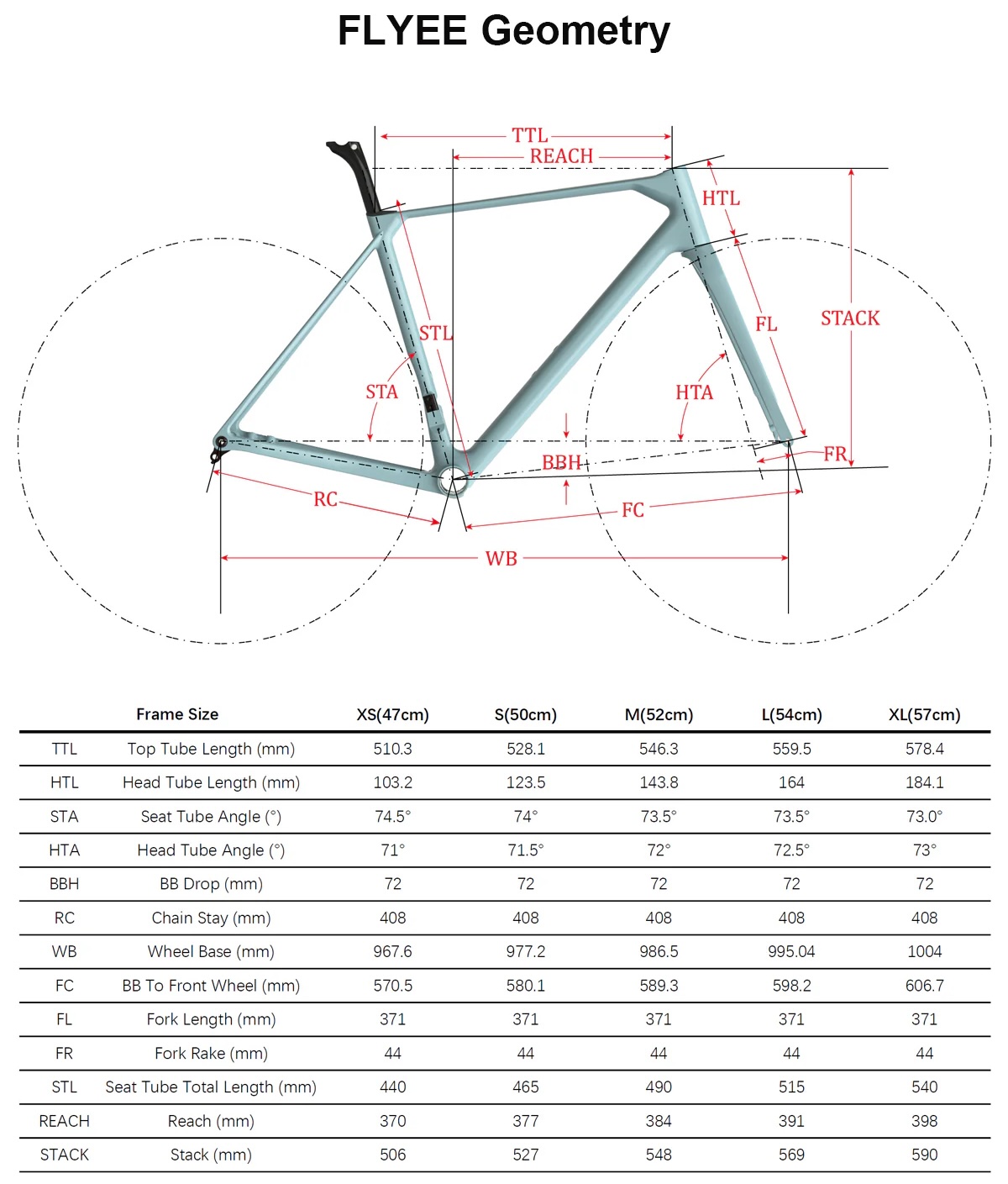 I followed my own logic when choosing the frame size. I chose the 52/M Flyee based on the reach and stem dimensions of my size M Van Rysel (392.6 + 90 mm compared to 384 + 100 mm). According to the manufacturer, this size is recommended for riders up to 176 cm tall, while the 54/L is recommended between 175 and 182 cm. Despite that, at 179 cm I find the bike fits me perfectly.
Ride dynamics and handling
With the compact Blade-R cockpit, featuring a short reach and measuring just 400 mm wide at the tops (420 × 100 mm), the handling feels very much like a sports car. The bike responds directly to every input, resulting in exceptional agility, especially on winding descents.
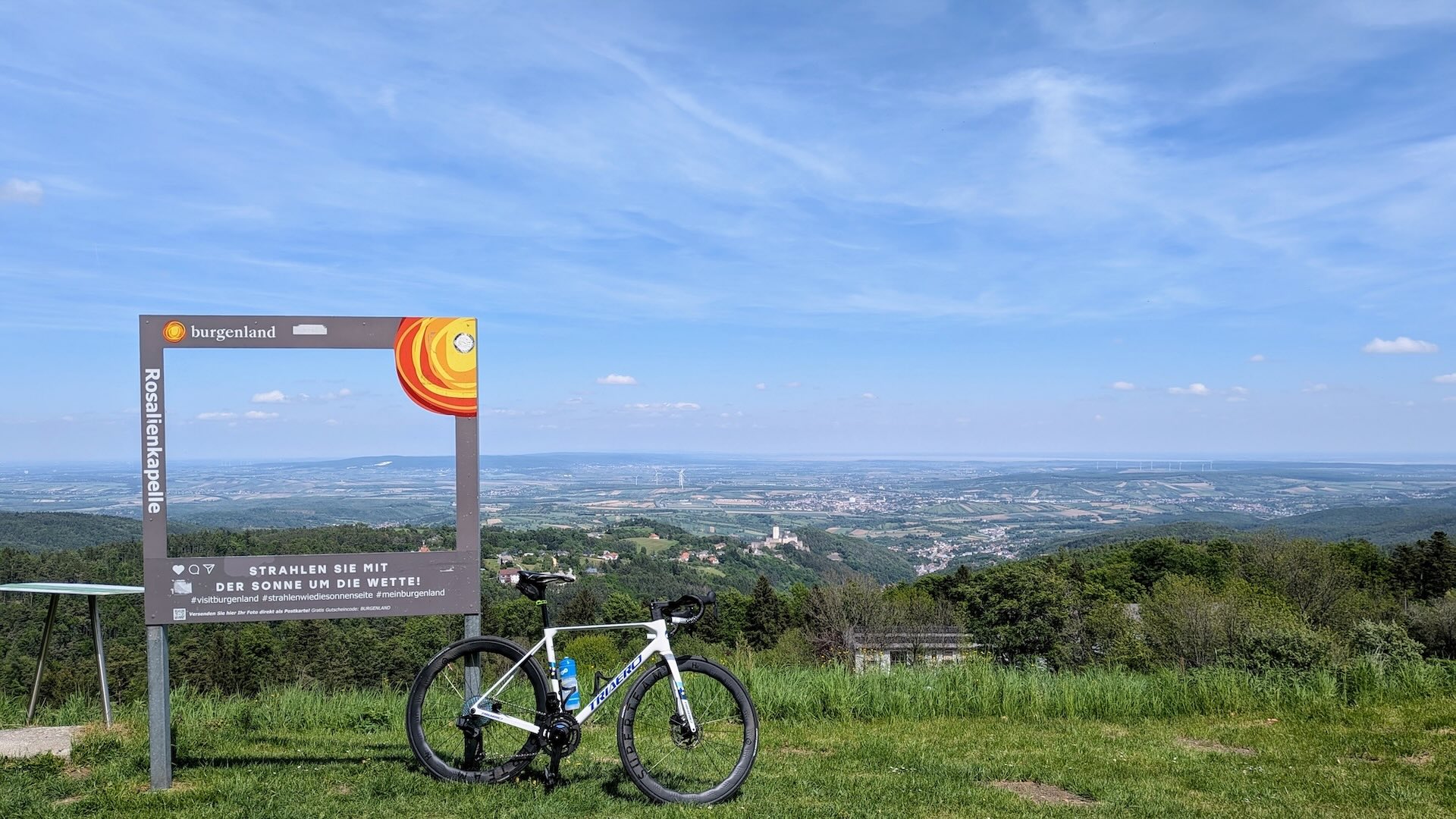
Agility isn’t only an advantage on mountain descents. I always felt my Van Rysel was slow through corners. Now it’s a different story. Within reasonable limits, I simply don’t feel the need to brake before entering a corner. I just lean the bike over, and it takes the corner with ease.
The Flyee excels in more than just cornering. I also found it very efficient in crosswinds and quartering headwinds. This is probably the result of the stable geometry, the cockpit and my riding position working together. Whatever the reason, the bike remains remarkably confidence-inspiring even in these conditions.
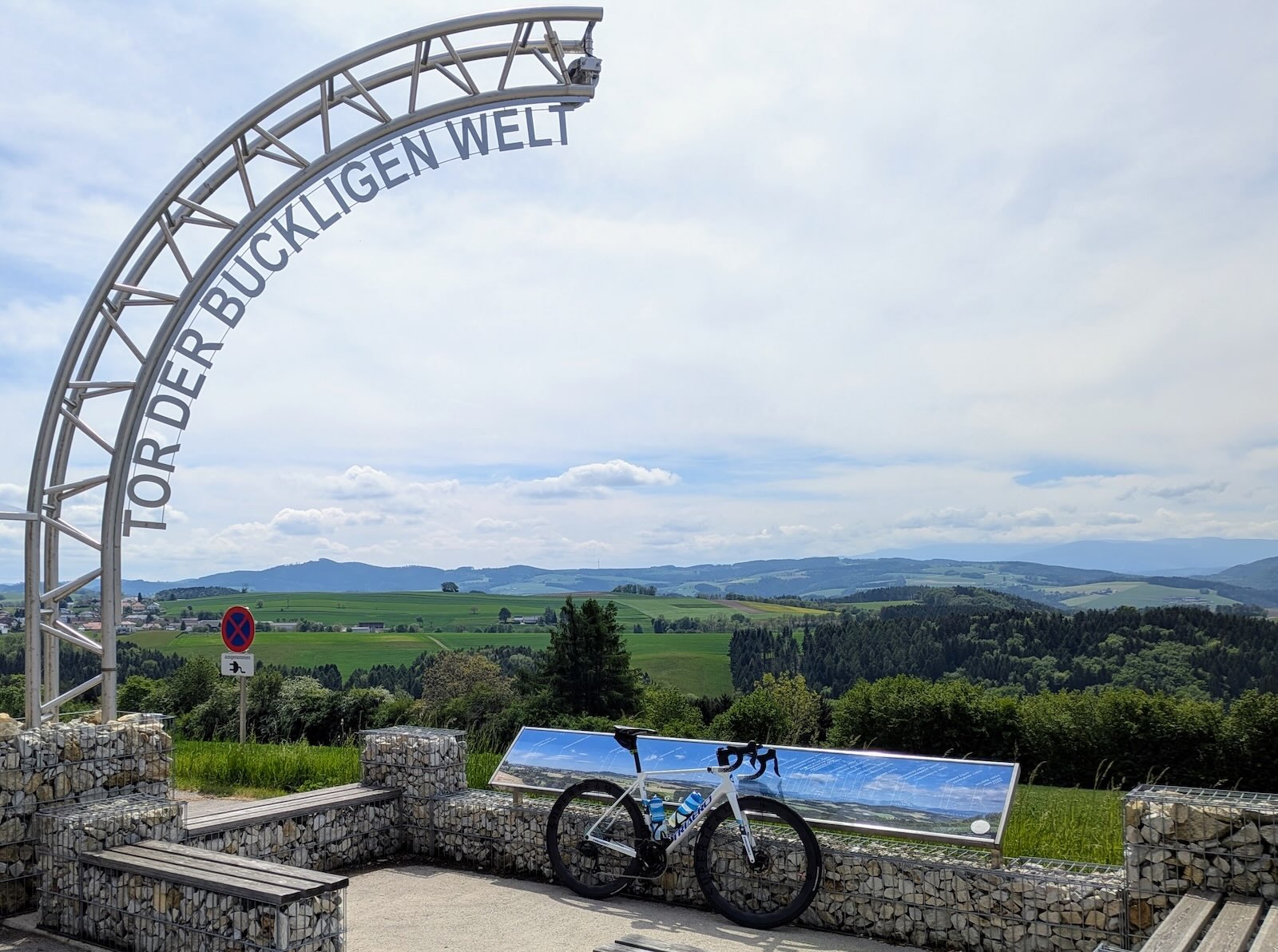
The stiffness of the bottom bracket area is also very good. I’m not saying there aren’t stiffer framesets, just as there are more advanced carbon fibres than Toray T1000. However, the bottom bracket feels very similar in stiffness to the Van Rysel NCR CF, despite the Flyee frame weighing only three-quarters as much.
Of course, the Flyee isn’t without its flaws
Two things slightly spoil the overall impression. One of them is the headset. The two headset bearings, the expander plug and the top cap are included with the frameset, while the plastic spacers and the compression ring come with the cockpit. These plastic parts aren’t finished particularly well. For example, the plastic bearing cover is noticeably off-centre.
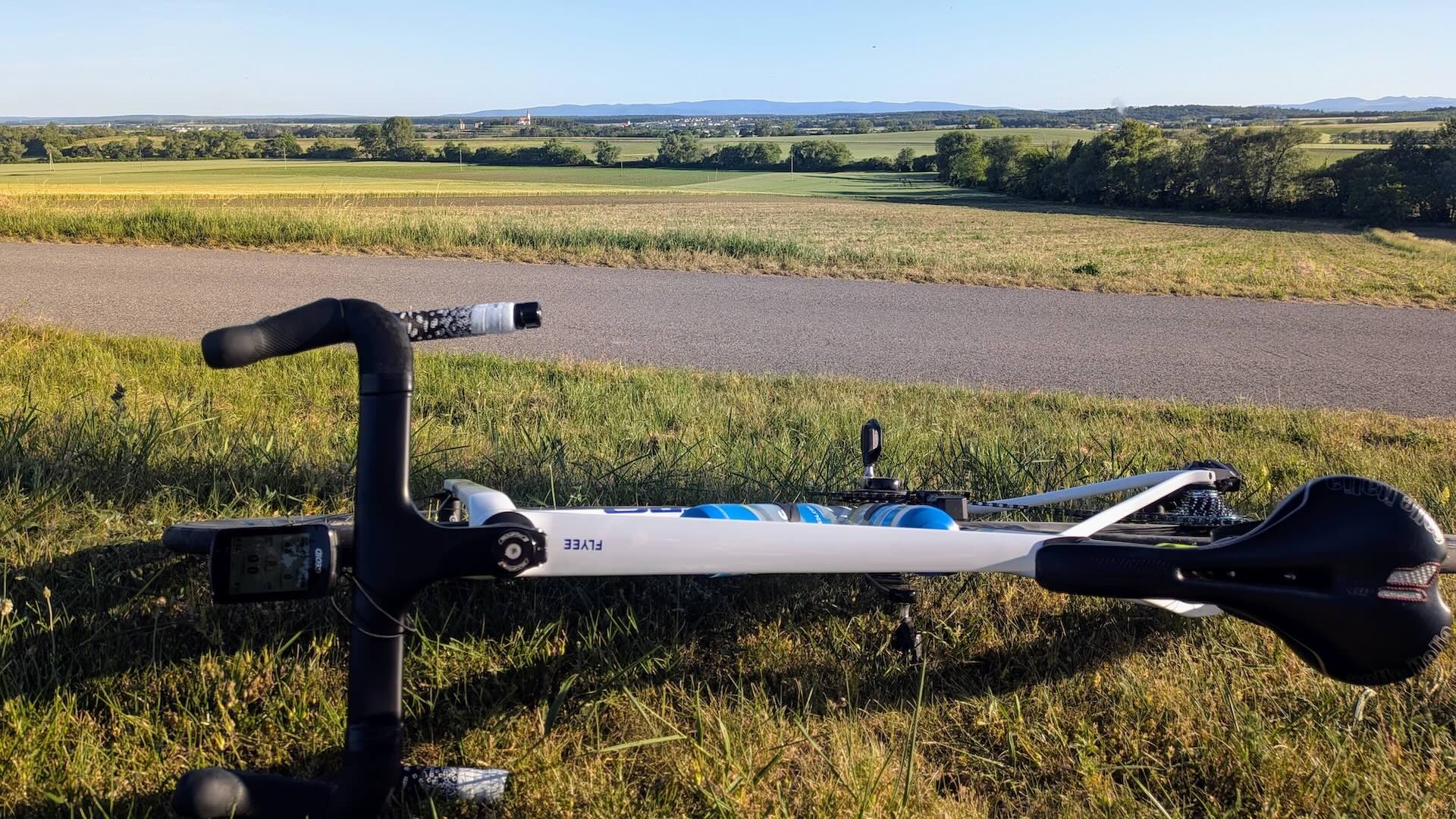
The system is prone to developing a small amount of play, resulting in slight movement in the headset. I expect that replacing the expander plug with a longer one will solve the problem in the long term, and then everything will be perfect.
The wedge-type seatpost clamp gave me a bit of a scare. However, this could probably have been avoided if the frame had been masked more carefully before painting. The paint cracked along the edge of the wedge pocket and the top tube in a hidden area. At the time, I was still well below the recommended 6–7 Nm tightening torque.
This hasn’t caused any problems, and I could even sand away the excess paint hidden under the clamp to inspect the area properly. However, I’ve ridden around 600–700 km since then without a single creak or any other issue, and the seatpost has remained perfectly secure.
Verdict
The Flyee has become a bike that I genuinely enjoy riding every day. At first, the race-oriented geometry wasn’t particularly comfortable. However, once my body adapted to it, I was left with only the advantages. The comfort provided by its ability to smooth out poor road surfaces is far more valuable to me than any aerodynamic benefit.
The bike’s cornering ability turned out to be something I hadn’t expected at all. It tempts me to push my own limits in every fast corner and on every winding descent. The testing is far from over. I’ll be writing about the Blade-R cockpit, the Magene TEO power meter crankset and the Wheeltop EDS TX groupset, where I’ll share my long-term experiences.
The Flyee frameset is certainly an alternative worth considering for riders looking to build a performance-oriented road bike on a sensible budget. It may not have a prestigious brand name on the downtube, but in return you get genuine usability and everyday riding enjoyment for your money. Ultimately, that’s what really matters if your bike is meant to be ridden rather than simply admired.
Further articles in this project:
Superteam S-All Carbon Ultra H2 review: Premium Chinese Carbon Wheelset
A New Challenger in Electronic Shifting: Inside the WheelTop EDS Platform and TX Road Groupset
The Chinese road bike project – How Does a €3,300 Build Perform in 2026?
ICAN Triaero Blade-R integrated cockpit test – The missing link of the Flyee frameset
WheelTop EDS TX review – A Competitive Chinese Road Groupset?

