Home Blog Page 362

Kross Evado 10.0 teszt – Cross bringa a felsőházból

A lengyelországi Przasnysz-ban működő Kross komoly lépcsőket mászott meg az elmúlt évtizedben, ennek éles lenyomatát hagyva a hazai piacon is, hiszen erős trekking és cross-trekking kínálatuk és korrekt árazásuk hamar megkedveltette magát a nagyközönséggel. Az Evado paletta a kezdő igényektől egészen a kompromisszummentes felszereltségű kerékpárokig terjed, nemrég ez utóbbi próbált nálam szerencsét.

A kerékpár váza Aluminium Lite fantázianevű 6061-es ötvözetből készül. Ez kényelmesebb, kifáradásra kevésbé hajlamos alapanyag, változó falvastagságának köszönhetően pedig ideális merevség-tömeg arány érhető el vele.  Szemnek tetsző kialakításokkal dobták fel a műfajra inkább jellemző sablonos formavilágot, néhány finom törés egész más színben tünteti fel az Evado vázát. Megmunkálása teljesen korrekt, a legtöbb illesztési ponton el vannak dolgozva a hegesztések, fejcsöve tapered kialakítású. Bowdenezése minőségi, Jagwire márkát használnak, elvezetése vázban történik.


Felszereltségét tekintve egy teljes Shimano XT T8000-es szettet (az első átdobót és az agyakat leszámítva, mert azok Deore-ok) és Rock Shox Paragon villát felvonultató bringát vehettem górcső alá, vagyis a kategóriában szinte az elérhető legjobbat. A villa becsúszója RS hőskorszakából maradt aranyszínű felületkezelést kapta, mozgása a kategóriához mérten teljesen elfogadható, bár némi finomhangolásra még szükség lett volna, hogy a csillapítása is megfelelően legyen belőve. 65mm rugóút több, mint elég a könnyed erdei túrákra is.


Kiegészítői többnyire „saját márkás” kipróbált darabok, főképp kényelmesre hangoltak: a stucni meredekebb dőlésszögű, a kormány emelt, nyerge a Selle Royal égisze alatt futó zselétöltetű Lookin Sport. A komfortosra hangolt bringához mérten talán túl sportos, de ez nyilván alkati kérdés is. A markolat kényelmes, de a saját tapasztaltok szerint a felfogatás megoldása miatt nem túl tartós, véleményem szerint kifejezetten érzékeny pontja, így egy szerencsétlen eldőléstől is elpattanhat a műanyag bilincs. Sokkal szívesebben látnék rajta egy fém bilincsel rögzülő, vagy akár márkásabb darabot.


Kerekeinek alapja a Shimano Deore golyós-kónuszos agyain nyugszik, színezett fekete küllővel szerelve, saját gyártású duplafalú felnibe fűzve. A gördülésért a Schwalbe Marathon Mondial gumiabroncs felel, mely nem mondható sem könnyű, sem jól guruló darabnak, de vegyes felhasználásra stabil tartást garantál, s defektállóságára sem lehet panasz. Amiért fekete pont jár ezen az árszinten, az a felni szegecselésének elhagyása, ez ugyanis segítené a tárcsafékek által keltett plusz erők elosztását és nem a felni anyagát terhelnék ezzel.


A kiváló konfigurációval megáldott bringa a kategória csúcsát jelenti mind felszereltségben, mind árképzésben. Ám meg kell hagyni, hogy a gyártók közül csak kevesen merészkednek el idáig, ezért ha valaki a montis világból érkezve már ott hozzászokott az XT szett működési minőségéhez, valószínűleg itt sem szeretne kompromisszumot kötni, vagy lejjebb adni a lécet. Az én ízlésemhez képest hosszabb(110mm) kormányszár nem tetszett, ehelyett már a boltban egy rövidebbet szereltetnék fel, 90-100mm méretűt legfeljebb, ezzel kicsit agilisabb irányba eltolva az irányítás hangolását. Az összeszerelés minőségét tekintve még lehetne a lengyel gyáregység hatékonyságán fejleszteni, de mire a végfelhasználó kezébe kerül a kerékpár, addigra ezeket a kisebb figyelmetlenségeket a szakboltok javítják. Itt érdemes megjegyezni, hogy kerékpárt a kerékpárboltból, mert a finomhangolás mindig is ezen üzletek feladata volt.
A kerékpár igényli, hogy egy becsületes üzembehelyező szerelő kezei közül kerüljön ki, ezt a gondoskodást viszont sokévnyi precíz működéssel fogja meghálálni. Ami a cross-trekking besorolás előnye, az maga a hátránya is: teljesen univerzális, pont annyira érzi jól magát aszfaltozott utakon, mind egy döngölt talajú erdei ösvényen, viszont nem ez a bringa lesz a KOM-ok megdöntésének királya. Szóval kapunk egy olyan magas színvonalúan felszerelt kerékpárt, amivel a következő 10 évben nem lesz okunk szégyenkezni, de ha a financiális kérdés is kardinális, akkor érdemes lehet fontolóra venni az Evado 9.0-ás kistesót, mert ára pont százezer forinttal kedvezőbb, miközben csak néhány elemében „butítottak” rajta, de a felhasználási területet nézve még mindig a bőven szint feletti kategóriát képviseli.


Ajánlott fogyasztói ára: 479 900 Forint


A termék közvetlen linkje ide kattintva érhető el.

Specifikáció:
További képek:

Giro d’Italia: olasz szakaszgyőztes, olasz rózsaszínű trikós

Először örülhettek felhőtlenül az olaszok a 102. Giro d’Italia-n, hiszen hazai szakaszgyőztest ünnepelhettek a 6. szakaszon, ráadásul a maglia rosa, azaz a rózsaszínű trikó is olasz bringásra került. Nem mellesleg az első szökés ért ma haza.

Cassino és San Giovanni Rotondo között 238 kilométert kellett teljesíteni az idei Giro egyik leghosszabb szakaszán, ami dimbes-dombos tájon haladt végig, a cél előtt egy lankás heggyel, aminek nem nagyon volt 5%-osnál meredekebb része. A profil nagyon kedvezett a szökésnek, és formálódott is egy nagyobb csoport, amit ezúttal szabadjára engedett a peloton. A mezőnyben történt egy bukás az elején, amiben benne volt a rózsaszínű trikós és néhány összetett favorit is, de ennek nyilván semmi köze nem volt ahhoz, hogy végül több mint 7 perc hátrányban ért ma célba az esélyesek csoportja.

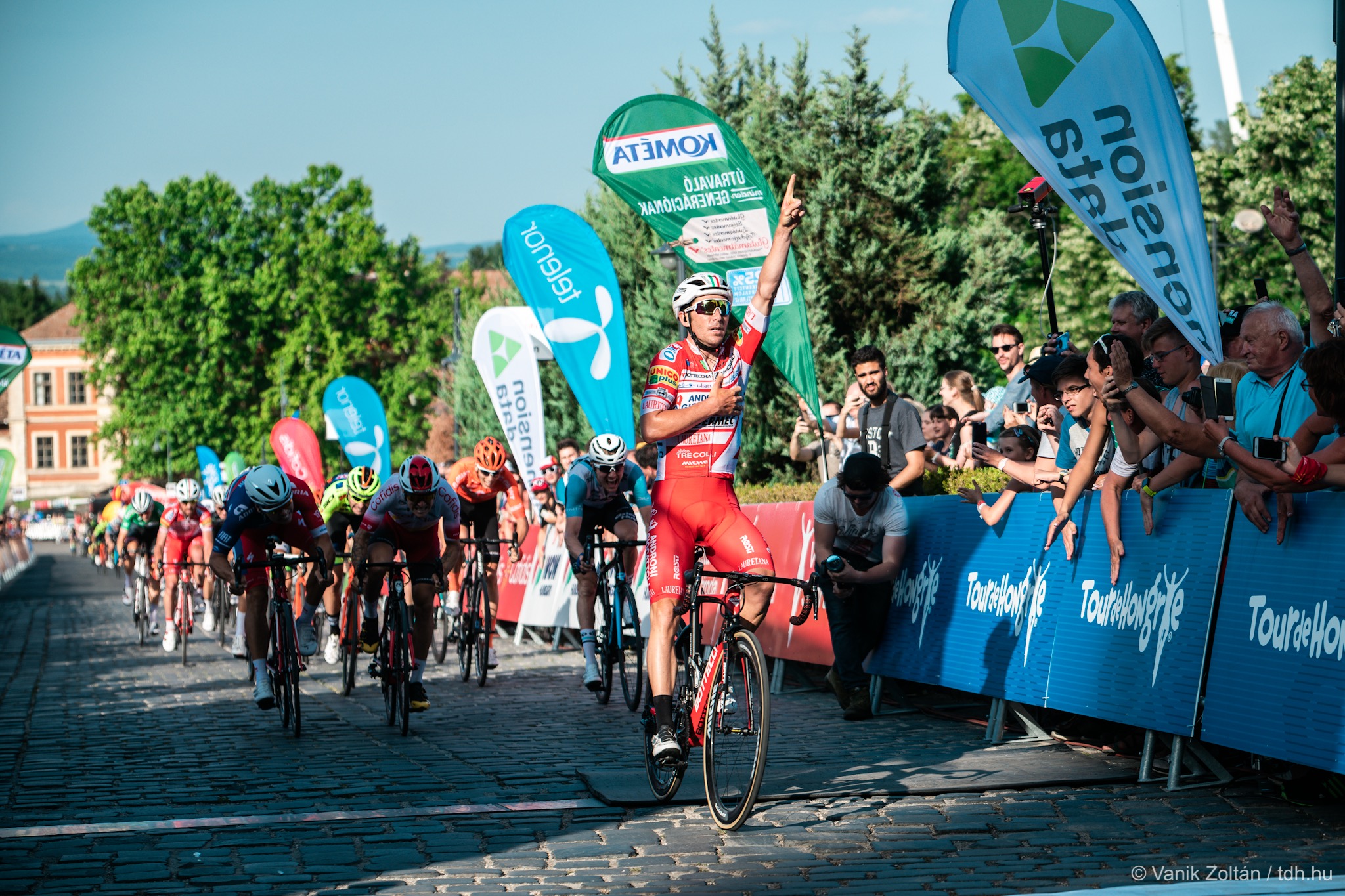
Elöl a célhoz közeli 2. kategóriás emelkedő szelektívnek bizonyult, itt hagyta faképnél szökevénytársait Fausto Masnada (Androni) és Valerio Conti (UAE). Látszólag nem akart kialakulni köztük az összhang, pedig abszolút volt értelme összedolgozni, Continak rózsaszínű trikót érhetett a hazaérés, Masnada pedig a szakaszsikerben reménykedhetett. Színpadias gesztusok ide vagy oda, mégis sikerült megőrizni a nagyjából végig félperces előnyt a korábbi szökevénytársakkal szemben, Masnada pedig simán nyerte a szakaszt. A rózsaszín trikót Conti vette át, és az elmenés tagjai közül többen is beelőzték Roglicot.
Giro d’Italia 6. szakasz eredménye:

1 Fausto Masnada (Ita) Androni Giocattoli-Sidermec 5:45:01
2 Valerio Conti (Ita) UAE Team Emirates 0:00:05
3 José Rojas (Spa) Movistar Team 0:00:38
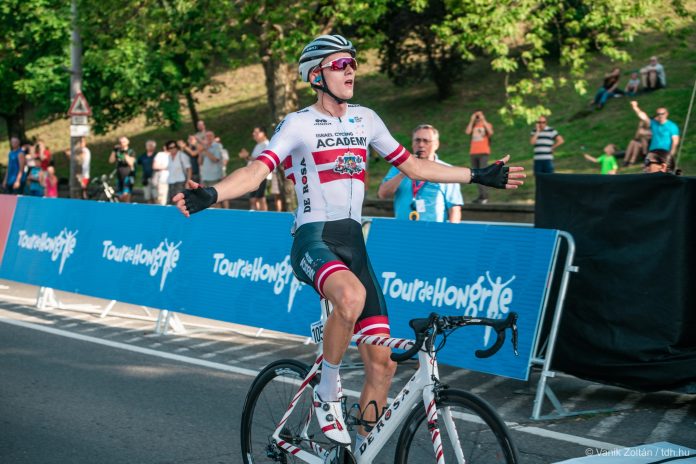
4 Ruben Plaza (Spa) Israel Cycling Academy
5 Giovanni Carboni (Ita) Bardiani CSF 0:00:43
6 Pieter Serry (Bel) Deceuninck-QuickStep 0:00:54
7 Valentin Madouas (Fra) Groupama-FDJ
8 Nans Peters (Fra) AG2R La Mondiale 0:00:57
9 Andrey Amador (CRc) Movistar Team
10 Amaro Antunes (Por) CCC Team

Összetett állás:

1 Valerio Conti (Ita) UAE Team Emirates 25:22:00
2 Giovanni Carboni (Ita) Bardiani CSF 0:01:41
3 Nans Peters (Fra) AG2R La Mondiale 0:02:09
4 José Rojas (Spa) Movistar Team 0:02:12
5 Valentin Madouas (Fra) Groupama-FDJ 0:02:19
6 Amaro Antunes (Por) CCC Team 0:02:45
7 Fausto Masnada (Ita) Androni Giocattoli-Sidermec 0:03:14
8 Pieter Serry (Bel) Deceuninck-QuickStep 0:03:25
9 Andrey Amador (CRc) Movistar Team 0:03:27
10 Sam Oomen (Ned) Team Sunweb 0:04:57
11 Primoz Roglic (Slo) Team Jumbo-Visma 0:05:24
12 Nicola Conci (Ita) Trek-Segafredo 0:05:49
13 Simon Yates (GBr) Mitchelton-Scott 0:05:59
14 Vincenzo Nibali (Ita) Bahrain-Merida 0:06:03
15 Miguel Angel Lopez (Col) Astana Pro Team 0:06:08
16 Diego Ulissi (Ita) UAE Team Emirates
17 Rafal Majka (Pol) Bora-Hansgrohe 0:06:13
18 Bauke Mollema (Ned) Trek-Segafredo 0:06:19
19 Damiano Caruso (Ita) Bahrain-Merida 0:06:20
20 Bob Jungels (Lux) Deceuninck-QuickStep 0:06:26

Kusztor Péter is támogatja a cukorbeteg gyermekekért rajtoló Balaton Maraton váltóversenyt

Jótékony célt szolgál idén az I. Balaton Maraton Váltó, amely 2019. június 1-jén Balatonföldvárról indul. Kusztor Péter, a Team Novo Nordisk pro-kontinentális csapat magyar versenyzője azért állt a kezdeményezés élére, mert maga is cukorbetegséggel küzd, a szervezők pedig a verseny nevezési díjából befolyó összeget diabéteszes gyermekek és családjuk támogatására fordítják.

Kusztor Péter

„Magyarországon évente közel 300 gyermeknél diagnosztizálnak cukorbetegséget! Értük tekerünk június 1-én, a Balaton Maraton Váltón. Jelentkezz 5 fős csapatoddal, bringázz a Balaton csodás tájain és segítsd Kusztor Péterrel együtt a cukorbeteg gyermeket. Első Balaton Maraton Kerékpáros Váltóverseny. 2019. június 1. Balatonföldvár. Részletek: www.balatonbike365.hu” – hangzik a verseny rádió szpotjában.

A szervezők jó hangulatú, igazi csapatépítő sporteseményt kínálnak a résztvevő, kb. 200 csapatnak, akik közül az első 10 jelentkezőnek a Magyar Kerékpáros Szövetség támogatásával a regisztráció ingyenes. A további, átlagosan 5 fős csapatok számára a részvétel 4.000 Ft/fő, amelyből a cukorbeteg gyermekek és családjuk megsegítésén munkálkodó Menta Pro Alapítványt támogatja a rendezvény.

Nevezz családdal, barátokkal, munkatársakkal, sporttársakkal együtt. Tekerjétek körbe a Balatont és segítsetek közösen.

További részletek az eseményt bemutató cikkünkben és a Tour de Pelso honlapján.

Jelentkezz MOST!

tourdepelso.hu

„…nem is nagyon biztos, hogy Magyarországon vennék ebike-ot”-nyilatkozta Sebestyén Balázs

Nagyon ritkán előfordul, hogy egy PR cikket kellene írnod, aztán mégis beleviszel más témát, érzelmeket, mert érzékeny témáról van szó. Így lett ezzel az egész elektromos kerékpár témával is. 2010 óta követem az elektromos kerékpárok piacát, és sajnos az elmúlt 9 év sem volt elegendő ahhoz, hogy ne legyünk ebben a témában is „turbómagyarok”….

A napokban megjelent egy Facebook poszt az általunk már többször bemutatott, és a hazai vásárlók által is közkedvelt Radwelt MichiKnopf oldalán, amiben a népszerű rádiós műsorvezető látható vadonatúj Flyer Uproc 6-osa mögött állva. A bolt sokszor oszt meg képet azokról a vásárlókról akik náluk találták meg álmaik bringáját, de most elszabadult a pokol, hiszen egy hazai bringások által is ismert „celeb” állt a képen. És bizony a poszt alatti komment áradat tipikus példája lett a hazai mentalitásnak. Ahogy a BMW-s lenézi a Suzukist, ahogy az ájfonos lenézi az androidost, a „böhömsuvos” a tömegközlekedőket, a motoros a robogóst, úgy nézik le még mindig rengetegen az ebike vásárlókat.

„Csak a csaj-csávók járnak elektromos bringával!!! A férfiak országúti biciklivel csapatják!!! ”
„…az összes e-bikeos igazi PUHA PÖC…kivétel a nők és esetleg akinek valami betegsége van/volt stb”
Bringa boltban motort?
„Magas sarkú+ kis kosárka nem jár gyárilag az elektromos bringához?”
„Miért nem Magyarországon veszi a bringáját? Valami jó magyar boltban?”
„E-Mtb?? Már a létezése is sértő.”

Több, mint 200 e-bringa a boltban, és további 300 raktáron

És még sokáig folytathatnám a korlátolt kommenteket, melyek viszont hűen tükrözik a hazai fejekben kialakult képet az elektromos kerékpárok térhódításáról. Nem tudom a lovaskocsis korszak végén az autókat is ennyien szidták-e, hiszen nem éltem még, de egy valamivel, a számokkal nem lehet vitatkozni. Ausztriában tavaly a 457.000 eladott kerékpárból 150.000 darab már pedelec volt, és ez a szám idén vélhetően 200.000 körül fog alakulni. Itthon nagyjából 1300-1500 ebike fogy el egy évben, de ismerve a hazai béreket és lehetőségeket, ez sem rossz adat. A legnagyobb hazai kerékpárgyárban lassan már csak ebike fog készülni, hiszen arra van igény tőlünk nyugatra. Tehát egy globális trendről beszélünk, ami nagy mértékben hozzájárul ahhoz, hogy egyes márkák egyáltalán életben maradtak a beszakadó hegyikerékpár és hagyományos kerékpár eladások miatt.

Tőlünk nyugatra már megszokott a rendszám az s-pedelec bringákon

Érdekes módon az országútis nem szólja meg a downhillest, hogy te felvonózol miközben én feltekerek, a csomagos túrázó nem szólja meg a mellette elsuhanó országútist, hogy jaaaa, hát egy 6 kg-os géppel könnyű, és valahogy nem szóljuk meg a heti 30 órát edzőket sem, hogy mekkora csalás már ilyen izmokkal gyorsan menni! Miért nem lehet elfogadni, hogy ez is egy ága a kerékpározásnak? Érdekes módon tőlünk nyugatra ha nem is hiányoznak ezek a kommentek, de a töredéke mint nálunk. Az elektromos kerékpárral közlekedők nem akarnak versenyezni a hagyományos bringásokkal, nem akarnak többnek látszani, vagy csalni, egyszerűen csak ezt az ágát választották a tekerésnek. Hogy időhiány, edzetlenség, túlsúly, életkor, vagy trendeknek való megfelelés miatt? Nem teljesen mindegy nektek, köpködőknek? Ideje lenne már ezt a rossz szokást elfelejteni, hiszen kerékpáros mindkét tábor képviselője. És most hogy magamra húztam a kommentek áradatát, most vélhetően megteszem ezt a hazai kereskedők haragjával is. De aki ismer, az tudja, hogy bátran felvállalom a véleményemet.

Miért? Azért mert sok komment érkezett arra is, hogy miért nem itthon vette, miért nem hazai kereskedőt támogatott a vásárlásával, stb. Már az „ebike forum” nevű facebook csoportban kifejtett véleményem után is voltak kereskedők akik privátban megkerestek, hiszen Balázs a reggeli rádióműsorában is elmesélte a bringavásárlását hozzátéve, hogy „nem is nagyon biztos, hogy Magyarországon vennék ebike-ot….alakul, vannak jó boltok, de az igazi szakértelem, az szerintem fényévekre van tőlünk. Ausztriában van egy klassz kis bolt, ahol remek magyarul beszélő szakemberek szolgálják ki az embert”. (A podcastban 1:27:45-től hallható.)

Ki a hibás ebben? A Radwelt MichiKnopf, aki az elmúlt időszakban 600.000 EUR-s (közel 200.000.000 Ft-os) beruházást hajtott végre azért, hogy a raktározási és logisztikai képességei javuljanak, webes fejlesztéseket hajtott végre, növelte a szerviz szolgáltatásainak színvonalát, és növelték az ügyfélszolgálat kapacitását is? Azért hibásak mert eladóik négy nyelven képesek társalgási szinten kommunikálni, az online megkeresésekre/megrendelésekre pedig néhány órán belül reagálnak? Hogy a legnagyobb márkák (KTM, CUBE, Trek, Merida, Focus, Flyer) modelljei mellett megjelentek az s-pedelec, azaz 45 km/h-s tempóra is képes gépek, és még cargo (teherszállító) ebike-ok is készleten vannak?


Vagy inkább azok a boltok és alkalmazottak a hibásak, akiket már felkeresett a népszerű rádiós, és nem tudták az igényeinek megfelelően kiszolgálni? Igen, sokszor probléma itthon, hogy a vállalkozás tulajdonosának az értékesítési tudása/attitűdje jelentősen eltér a boltban éppen szolgálatot teljesítő eladóétól, de ettől még a keserű szájíz ugyanúgy megmarad. Nyilván nem minden kerékpárboltos ilyen, de úgy gondolom lenne még hová fejlődni a dologban, és ha másra nem is, arra mindenképpen jó volt ez a poszt, hogy felszínre kerüljenek a dolgok. Sokan megvádolták őket azzal is, hogy egy szimpla fizetett reklámról volt szó a rádiós és a bolt között, de aki veszi a fáradtságot és végiglapozza a timeline-t, az láthatja, hogy sok vevővel készül közös kép, csak nem mindenki számít itthon ekkora celebnek…

Ha montit keresel, akkor is tudsz választani…

Tény az is, hogy míg az ebike-ok térhódítása jelentős mértékben visszavetette a hagyományos kerékpárok iránti érdeklődést, a Radwelt MichiKnopf-nál sikerült megőrizni az országúti- és mountainbike vonal töretlenségét. Köszönhető ez annak, hogy csapatuk jórészt olyanokból tevődik össze, akik aktívan űzik ezt a sportot, életvitelük és hivatásuk is egyben.

Országúti választék (a) felső szinten

Érdekes adat, hogy a tavalyi évben Belgiumban értékesítettek legnagyobb arányban pedelec kerékpárokat (45%), második Hollandia (40%), míg harmadik helyen Ausztria áll (33%). A Radweltnél jelenleg 50%-os a ráta, tehát minden második eladott kerékpár ebike. Így talán érthető, honnan az a tapasztalati és szakmai előny, amiről Sebestyén Balázs is beszélt rádióműsorában.

Szóval érdemes lenne egyrészt objektíven nézni a történetet, félrerakva a vélt vagy valós félelmeket, az elektromos bringával közlekedőket pedig egyszerűen a helyükön kezelni, és elismerni mint a kétkerekű közlekedés egyenrangú partnereit! Igen tudom, ennek a cikknek arról kellett volna szólnia, hogy mekkora választék van a határtól pár kilométerre Mattersburgban, és mennyire profi csapat várja a hazai érdeklődőket, de remélem ettől még annak is lesz elegendő hírértéke, hogy ezeket a sorokat megosztottam veletek.

www.radwelt.co.at
További nformációk magyar nyelven: 0043 660 2849-555

(X)

Giro d’Italia: egészségtelen gyógyetap az 5. napon

A 102. Giro d’Italia 5. szakasza a maga 140 kilométeres hosszával gyógyetapnak ígérkezett három kétszáz fölötti nap után, de az eső és a hideg gondoskodott róla, hogy senkinek ne essen jól és ne érezze pihenésnek a holnapi 238 kilométeres táv előtt.

A Frascati és Terracina közötti távon jórészt egy ötfős szökés haladt elöl, akik közül a belga Louis Vervaeke (Sunweb) ment tovább egyedül, de nem volt kérdés, hogy a végjátékra utoléri a mezőny. A szakasz amúgy eseménytelenül telt, s hogy a hajrás se legyen „izgalmas”, a zsűri a célvonalon történt első áthaladásra állapította meg az összetettbe számító időeredményeket. Az összetett menőknek így nem kellett pozícióharcot vívni az utolsó 10 kilométere, ami még egy kört jelentett Terracina városában.

Azzal, hogy nem erősködtek elöl a favoritok csapatai és az esőben sokan kockáztatni sem akartak, tulajdonképpen még az utolsó 10 kilométeren sem gyorsultak fel az események, a mezőny kettészakadt és az első csoportban simán előre tudta vinni az emberét minden csapat 2 kilométerre a céltól is. Ekkor kezdődött csak pozícióharc, aminek az utolsó 500 méteren éppen az olaszok kedvence, Elia Viviani (Deceuninck-Quick Step) esett áldozatul. A sprintet Fernando Gaviria (UAE Team) nyitotta, de a ciklámen trikós Pascal Ackermann (Bora-Hansgrohe) még úgy is le tudta kerülni, hogy egy ponton fékeznie kellett előtte.

A német fiú így az idei Giro első duplázója, olasz győzelem pedig továbbra sincs. Az utolsó 10 kilométer neutralizációjának köszönhetően az összetettben nem is történhetett változás, a szlovén Primoz Roglic őrzi a rózsaszínű trikót. Az előzetesen egyik legnagyobb riválisaként induló holland Tom Dumoulin (Sunweb) sajnos a tegnapi sérülése után ma feladta a Girót.

Giro d’Italia 5. szakasz eredménye:

1 Pascal Ackermann (Ger) Bora-Hansgrohe 3:27:05
2 Fernando Gaviria (Col) UAE Team Emirates
3 Arnaud Demare (Fra) Groupama-FDJ
4 Caleb Ewan (Aus) Lotto Soudal
5 Matteo Moschetti (Ita) Trek-Segafredo
6 Ryan Gibbons (RSA) Dimension Data
7 Paolo Simion (Ita) Bardiani CSF
8 Jenthe Biermans (Bel) Katusha-Alpecin
9 Giovanni Lonardi (Ita) Nippo-Vini Fantini-Faizane
10 Manuel Belletti (Ita) Androni Giocattoli-Sidermec

Összetett állás:

1 Primoz Roglic (Slo) Team Jumbo-Visma 19:46:25
2 Simon Yates (GBr) Mitchelton-Scott 0:00:35
3 Vincenzo Nibali (Ita) Bahrain-Merida 0:00:39
4 Miguel Angel Lopez (Col) Astana Pro Team 0:00:44
5 Diego Ulissi (Ita) UAE Team Emirates
6 Rafal Majka (Pol) Bora-Hansgrohe 0:00:49
7 Bauke Mollema (Ned) Trek-Segafredo 0:00:55
8 Damiano Caruso (Ita) Bahrain-Merida 0:00:56
9 Bob Jungels (Lux) Deceuninck-QuickStep 0:01:02
10 Davide Formolo (Ita) Bora-Hansgrohe 0:01:06


Giant NeosGPS bike computer review: Tracking you wherever you ride!

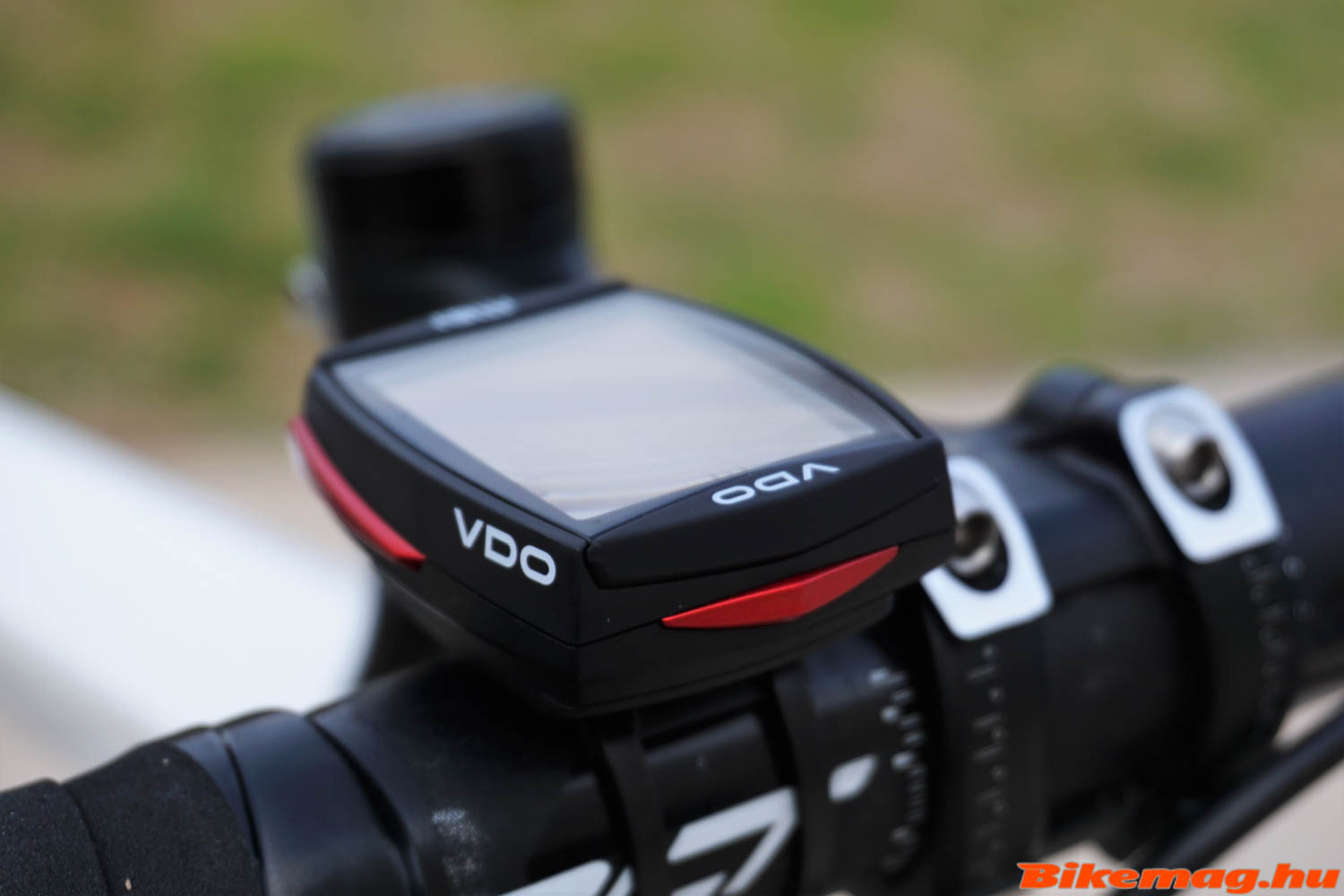
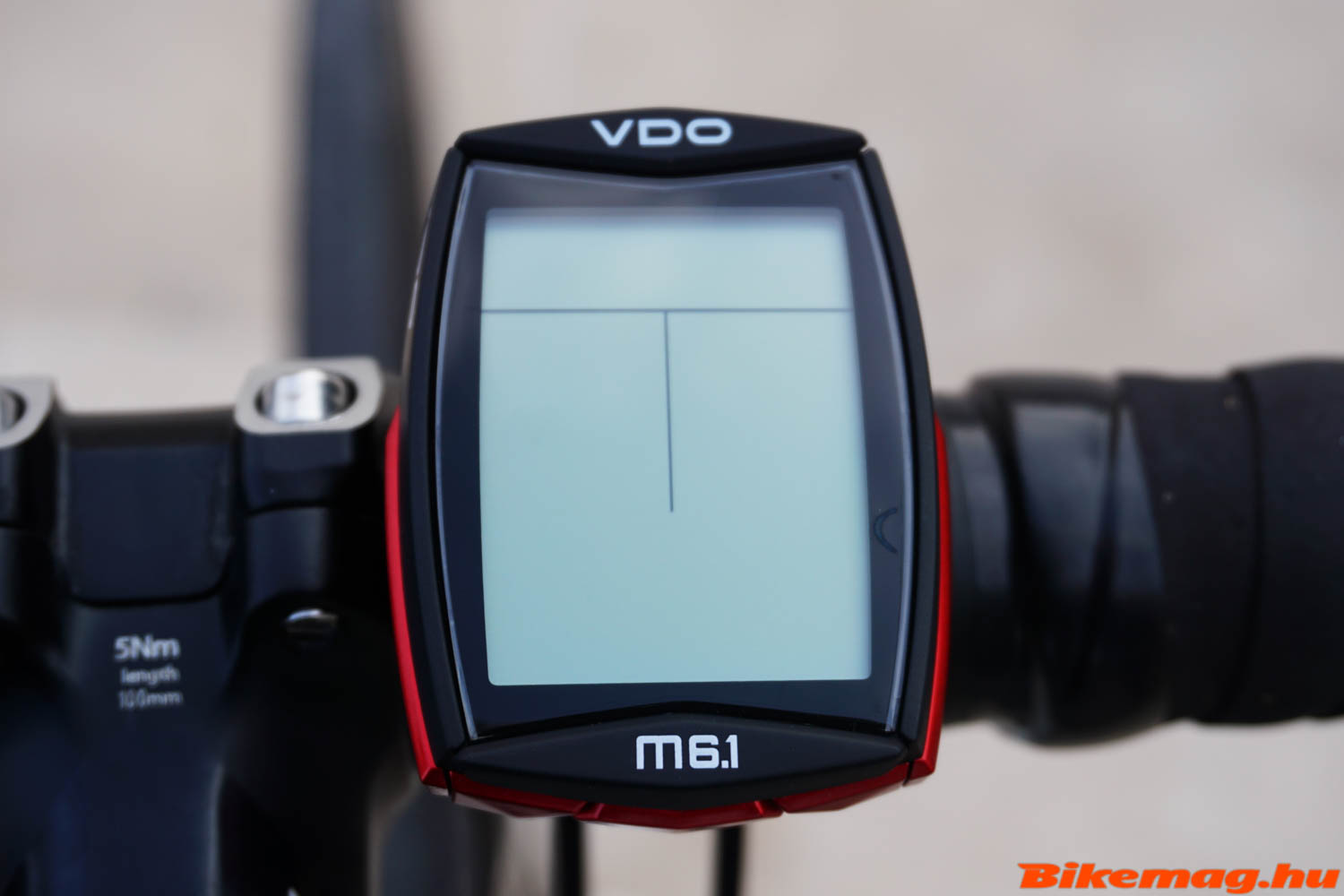
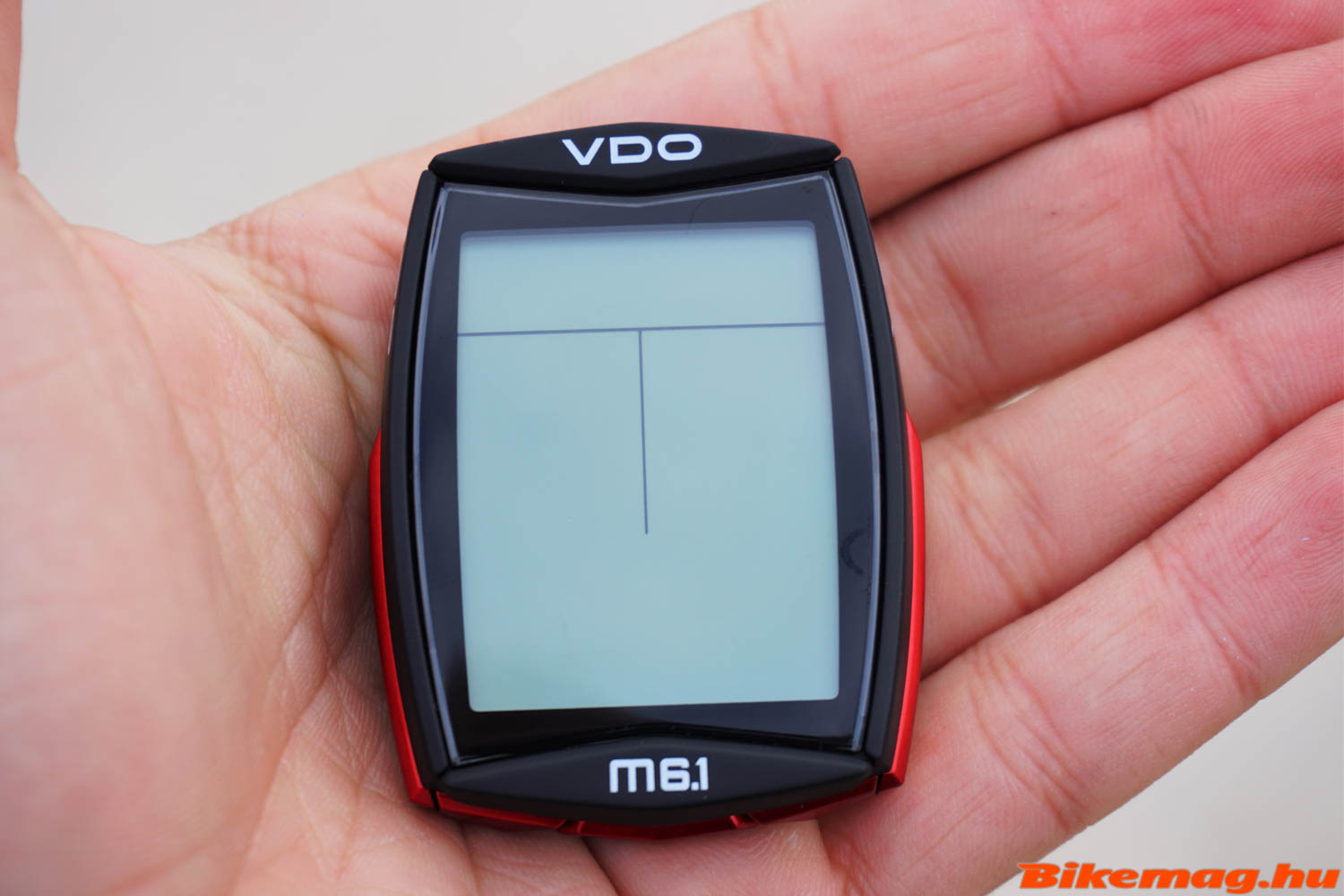
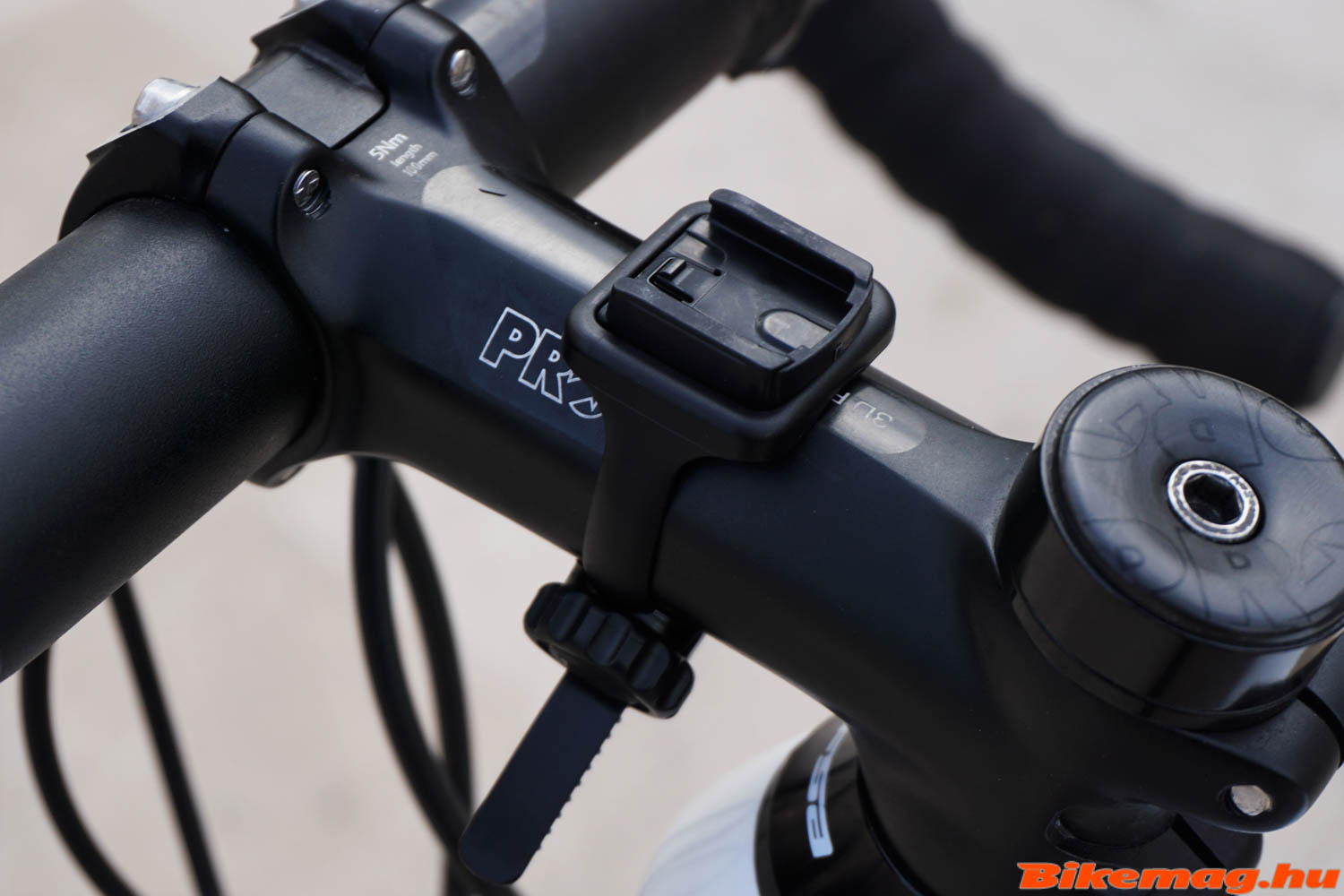
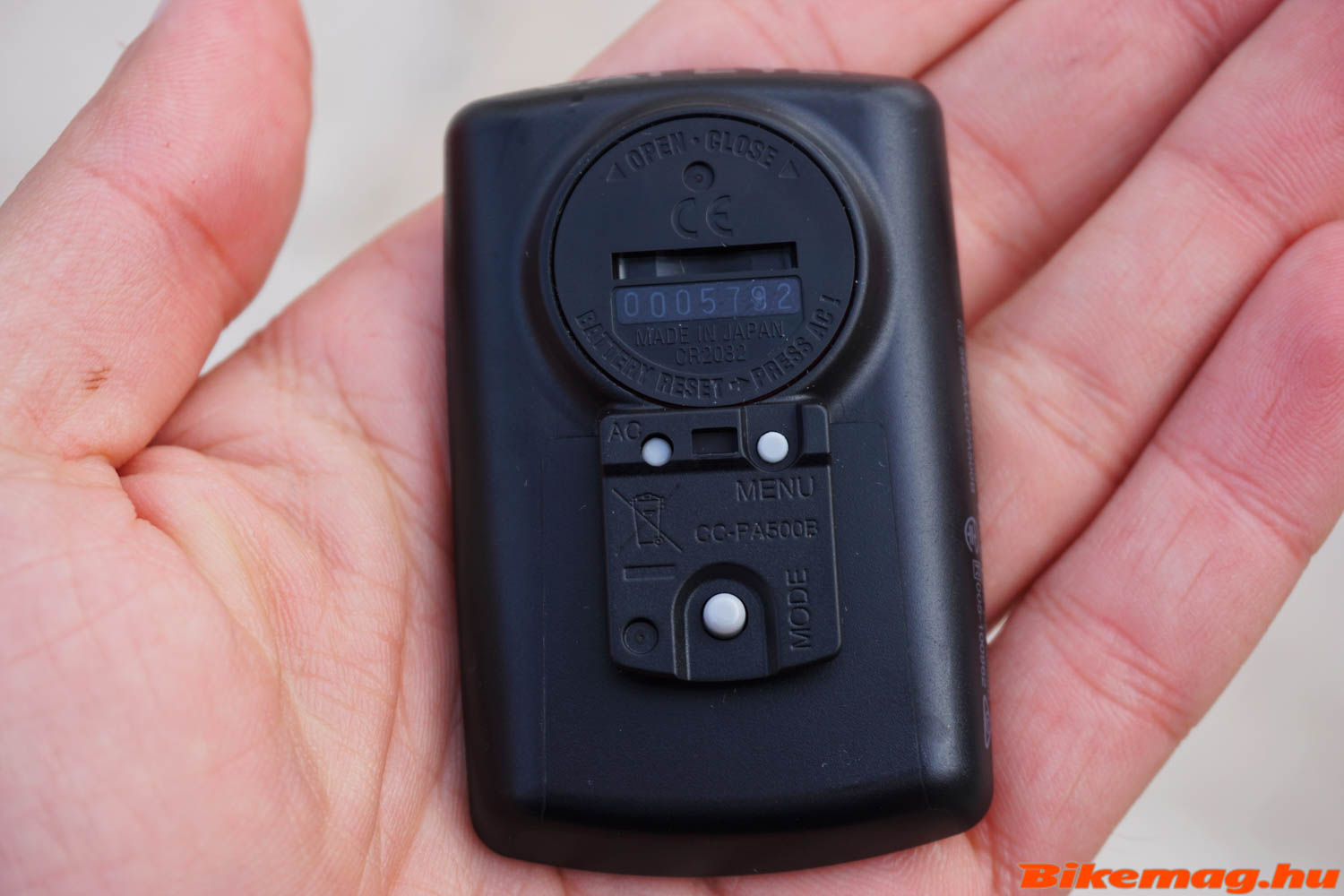
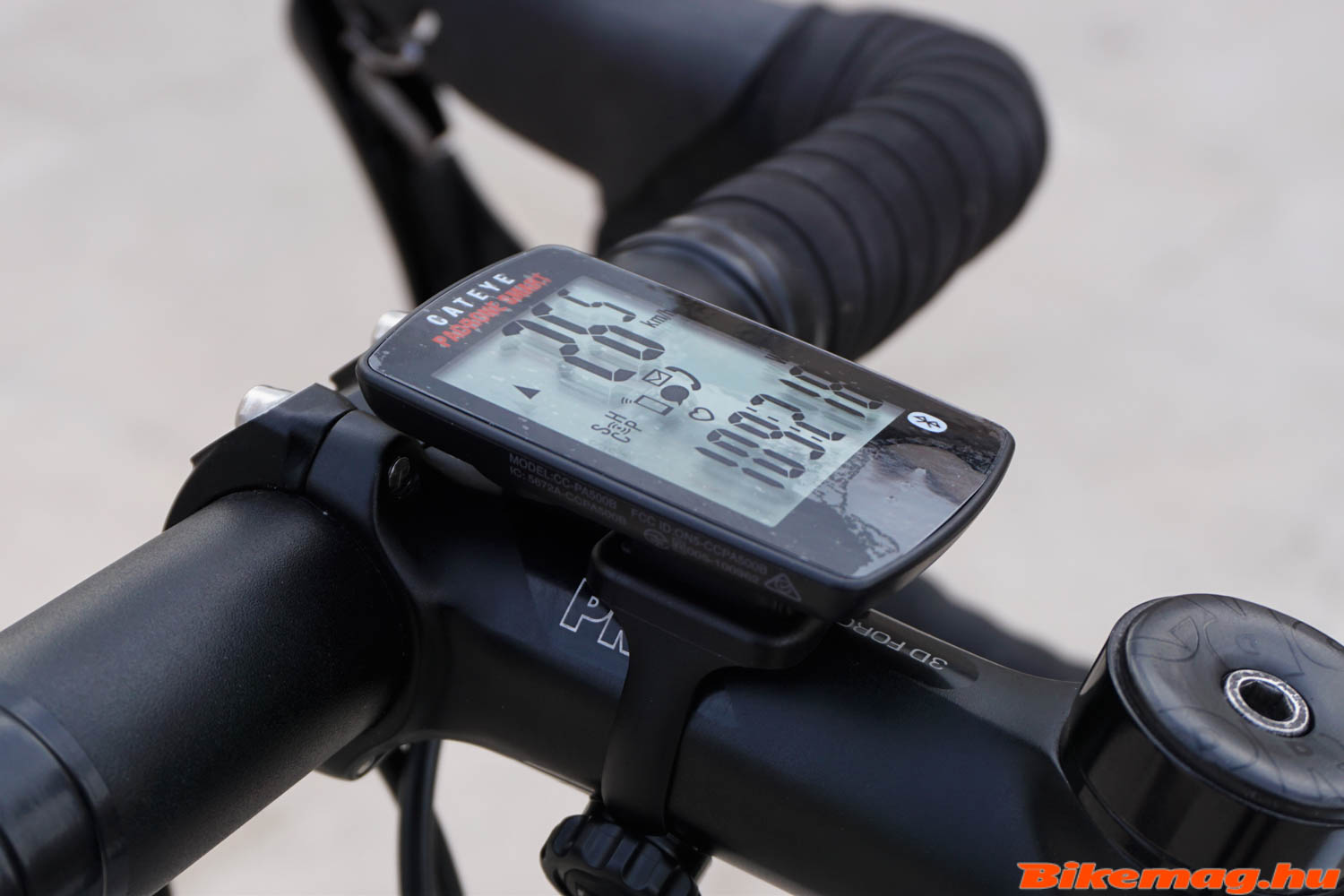
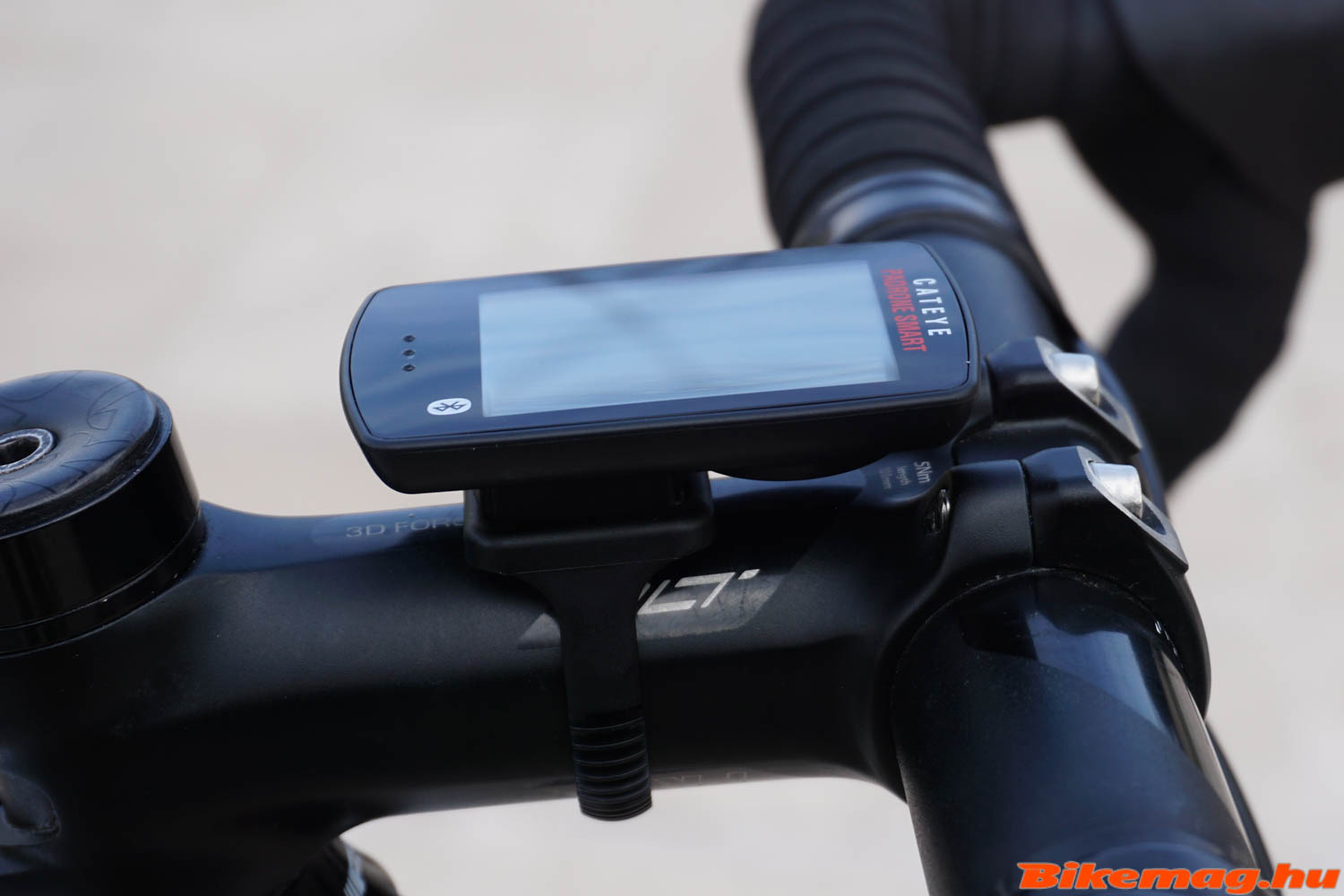
Cycling cannot avoid the wide-spread use of gadget in our everyday life. This trend defines our era. There are many who enjoy the benefits provided by the technology, the abundance of detailed information regarding the ride, others are satisfied with basic data that they can easily interpret. Giant’s new GPS-based bike computer manages to satisfy both crowds: the NeosGPS is easy to use, the amount of data available can be tailored to the needs of the rider, while there is plenty of “reserve” to be conjured from the microprocessor.

Opening the NeosGPS’s packaging we find a relatively large device with a 2” LCD display, along with all the accessories needed for attaching the unit to various places on the handlebar. There is an USB charging cable, an instruction manual and the warranty papers are supplemented by a quick activation guide. This would be the ideal point to sever this review into two sections: one for the novice, who needs basic information from this bike computer, and the experienced cyclist following a training schedule. We’ll mostly concentrate on the former, for the rest of the readers I’d recommend downloading the detailed instruction manual which lists all the functions and possibilities offered by the NeosGPS.

So this review is intended for those who who’d just like to enjoy their time on the bike while getting some feedback on the parameters of the ride. If you’re this person, all you have to do is click the unit into the bracket and receive data without sophisticated setup procedures or press any buttons on the unit.

Nevertheless, there is still an initial setup that has to be carried out in order to use the NeosGPS. Before making the very first ride, the device has to be connected to a computer in order to charge up the integrated battery. The manufacturer promises 16 hours of operation for a single charge, which can be regarded as quite good. The second step is to install the Giant NeosTrack app onto our smart phone (available for both Android and iOS platforms), then the NeosGPS needs to be paired with the phone using Bluetooth 4.0 connection. This Bluetooth Low Energy communication is also employed when connecting other devices to the NeosGPS, such as a heart rate strap or a cadence sensor. Once we’re done with the pairing, it’s a good idea to update the firmware, and provide the user information.

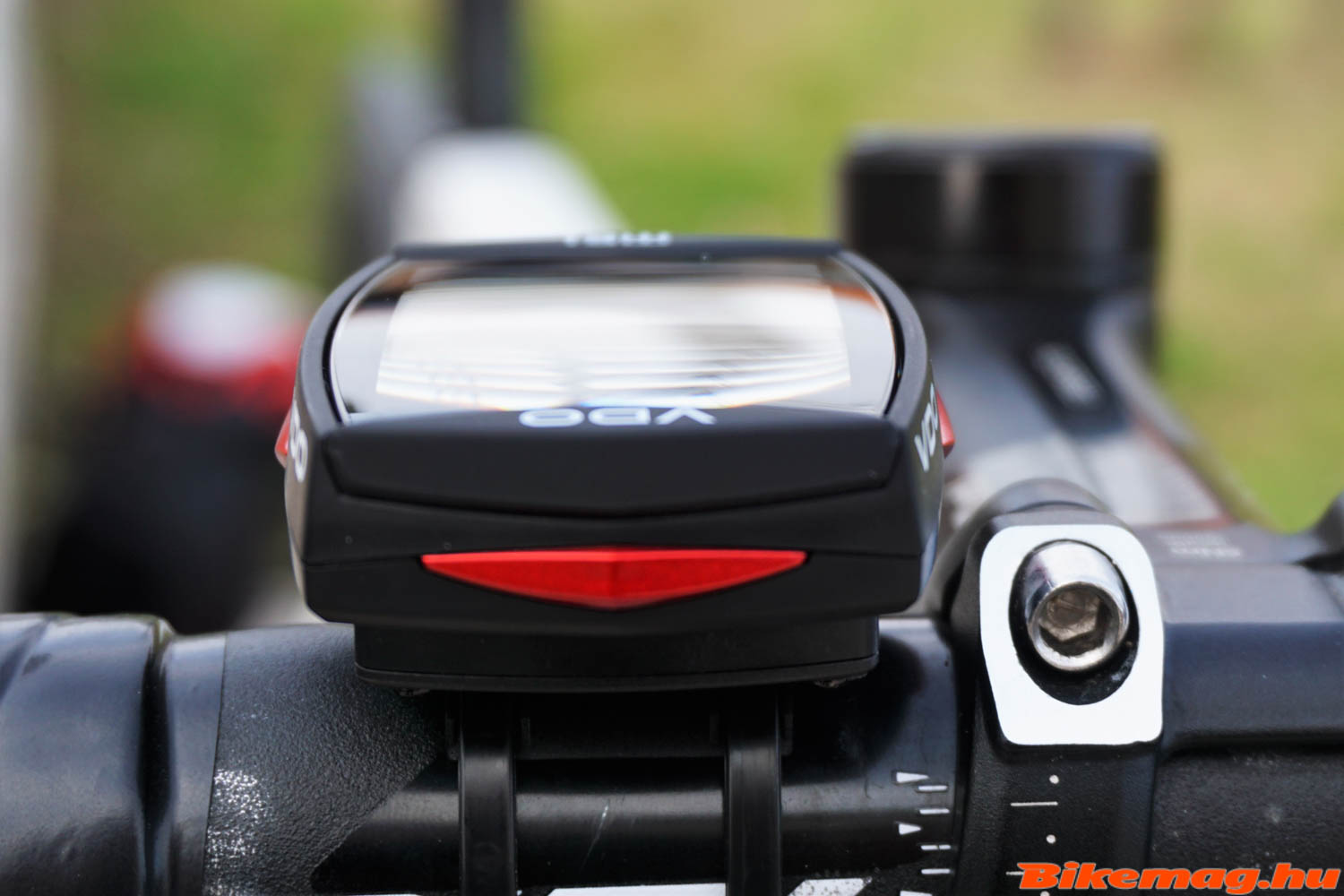
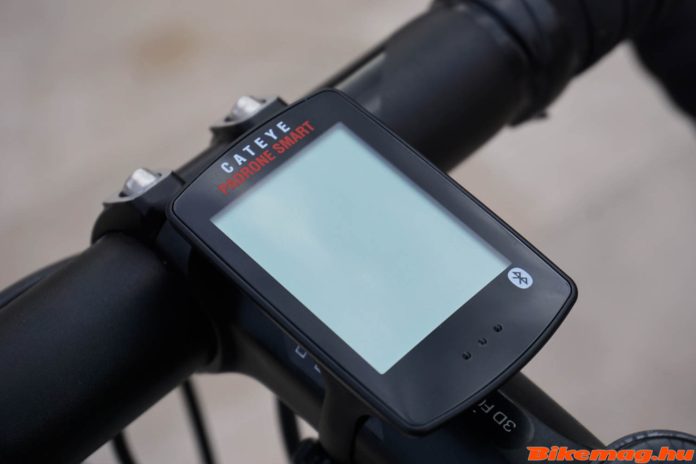
The seamlessly legible display contains 5 pieces of data at one time, and 4 further screens can be accessed based on our needs. This is done using the “custom page” function in the menu. All the information provided by the unit is well-differentiated in logical groups. Actual speed is the largest is size, complemented by such essential information like average and maximum speed. The barometric altitude measurement is displayed over the blue background. Within this data group we find altitude gain or loss (in distance as well as a percentage), and the thermometer. In the field below, we receive information coming from the optional external sensors, like heart rate and cadence. At the bottom is the ride distance, the calories expanded and all its data variants. At the very top there are some self-intuitive icons regarding signal, the status of the connection, which also lets the rider know of any incoming messages or calls from the phone.

Once done with the initial setup, we can choose which bike we’re to ride. Yes, the unit can handle two bikes with individual custom settings for each. Finally we’re ready to ride! If the device is on the move, we’re asked if we’d like to record the ride data. By selecting “record”, we’ll be able to track our route in detail once we’re arrived back home. There are also myriads of possibilities to analyze the vast amount of data related to the ride. The latter can of course be uploaded to Strava or Training Peaks, opening a whole new dimension to training and performance analysis, as well as tracking long-term trends. The collected data can also be accessed while riding for on-the-spot assessment.

According to my observations the speed display is relatively accurate: there is very little difference when compared to a conventional bike computer with a wheel-based sensor. So it’s safe to say that the GPS tracking built into the device is precise. If the rider wants to make full use of the barometric altitude measurement, there is a finicky setup procedure to be dealt with before the ride. Fortunately this can be carried out on the phone as well as the device. I haven’t yet mentioned the buttons on the NeosGPS: there are three large rubberized controls on the side making navigating in the menu quite easy. Operating the device in gloves is not a problem. The designers made serious steps to protect the unit: it has an IPX7 rating for water resistance making it absolutely reliable in wet conditions.

Attentive readers might notice some similarity between the Giant NeosGPS and those offered under the Bryton brand name. Little wonder, as the Bryton manufactures this unit according to Giant’s design. There are just as many difference as similarities, especially if we consider the ergonomics and software running inside the NeosGPS. Concerning value for money, this bike computer model is in line with those offered by Bryton, and both offer a higher level of return for your hard earned cash than models from competing brands.

If the functions offered by the NeosGPS is not sufficient for your needs, you can find a more sophisticated model from Giant called NeosTrack. We’ve posted a review of this device (in English as well as Hungarian), and it’s one of our all-time favorite GPS bike computers.

The Giant devices mentioned are available from Progress Cycle, the recommended retail price of the NeosGPS in this test is HUF 24,990.
https://www.giant-bicycles.com/hu/giant-neos-gps-computer

Giro d’Italia: kegyetlen befutó a 4. szakasz végén

Nehéz háromnapos blokk végén egy elképesztően nehéz befutó – röviden így lehet jellemezni a Giro d’Italia negyedik szakaszát, melynek végén az egyik összetett topfavorit győzelmi esélyei is elszálltak.

Vasárnap 205, tegnap 220, ma pedig emelve a tétet, Orbetello és Frascati között 235 kilométert kellett teljesíteni, s bár a szintrajz távolról sem emlékeztetett hegyes etapra, 2300 méter szint azért összejött a mai nap során. A befutó pedig egy 2,5 kilométeres, átlagban 5%-os emelkedőn lett kijelölve. Ha nem történik semmi különös, ez akkor is bőven elég lett volna mindenki hócipőjébe…

A 235-ből 223 kilométert töltöttek elöl a mai nap szökevényei, Marco Frapporti (Androni), Mirco Maestri (Bardiani) és Damiano Cima (Nippo-Vini Fantini) közül utóbbi kicsit korábban leszakadt, mielőtt a mezőny utolérte volna az elmenést. Az utolsó 10 kilométeren óriási pozícióharc kezdődött, hiszen az utolsó 5 kilométeren egy lejtőt követően a 2,5 kilométeres emelkedőre a szakaszgyőzelemért küzdők és az összetett esélyesek is legelöl akartak helyezkedni.

Be is következett, amitől mindenki tartott, bukás 6 kilométerrel a cél előtt, ráadásul a mezőny elején. Egy kis csoport maradt csak elöl, az összetett menők közül csak a rózsaszínű trikós Primoz Roglic  (Jumbo-Visma) és a tegnap időt veszítő, fehér trikóra hajtó Richard Carapaz (Movistar) helyezkedett jól. Az Emirates csapata rögtön meglátta az esélyt, hogy ha leszakítják az elöl maradt sprintereket, Diego Ulissi szakaszt nyerhet és brutális tempót hajtottak a domb lábától kezdve.

Sikerült is leszakítani – Caleb Ewan-en (Lotto-Soudal) kívül – mindenkit, azonban volt egy pillanatnyi megtorpanás az utolsó 500 méter környékén, és ezt nem Ulissi, hanem Carapaz használta ki, mindent egy lapra feltéve támadott a legjobbkor. 235 kilométer után, az UAE felvezetésétől már amúgy is savas lábakkal még 300 méter sprint várt rá emelkedőn.  Ewan 10 másodperc hezitálást követően reagált, de hiába érte utol majdnem az ecuadorit, a „majdnem” semmit nem ért az eredménylistákon, Carapaz vehette át a győzelmi trófeát.

A nap vesztese a korábbi győztes, Tom Dumoulin (Sunweb) volt, aki a térdén megsérült a bukásban és 4 perc hátránnyal ért célba, amivel összetett győzelmi esélyei elszálltak. Még ha versenyben is marad, valószínűleg áttervezi a naptárát a Tour de France fényében, remélhetően nem szenvedett súlyos sérülést. A többiek közül is többen elszórtak másodperceket, érdemes végignézni az eredménylistát.

Giro d’Italia 4. szakasz eredménye:

1 Richard Carapaz (Ecu) Movistar Team 5:58:17
2 Caleb Ewan (Aus) Lotto Soudal
3 Diego Ulissi (Ita) UAE Team Emirates
4 Pascal Ackermann (Ger) Bora-Hansgrohe 0:00:02
5 Florian Senechal (Fra) Deceuninck-QuickStep
6 Primoz Roglic (Slo) Jumbo-Visma
7 Valerio Conti (Ita) UAE Team Emirates
8 Miguel Angel Lopez (Col) Astana Pro Team 0:00:18
9 Arnaud Démare (Fra) Groupama-FDJ
10 Simon Yates (GBr) Mitchelton-Scott

11. MAJKA Rafał – BORA – Hansgrohe +0:18
12. MOLLEMA Bauke – Trek – Segafredo +0:18
13. FORMOLO Davide – BORA – Hansgrohe +0:18
15. NIBALI Vincenzo – Bahrain Merida +0:18
17. VUILLERMOZ Alexis – AG2R La Mondiale +0:18
18. ZAKARIN Ilnur – Team Katusha – Alpecin +0:18
19. GEOGHEGAN HART Tao – Team INEOS +0:18
32. LANDA Mikel – Movistar Team +0:44
98. DUMOULIN Tom – Team Sunweb +4:04

Összetett állás:

1 Primoz Roglic (Slo) Jumbo-Visma 18:19:20
2 Simon Yates (GBr) Mitchelton-Scott 0:00:35
3 Vincenzo Nibali (Ita) Bahrain-Merida 0:00:39
4 Miguel Angel Lopez (Col) Astana Pro Team 0:00:44
5 Diego Ulissi (Ita) UAE Team Emirates
6 Rafal Majka (Pol) Bora-Hansgrohe 0:00:49
7 Bauke Mollema (Ned) Trek-Segafredo 0:00:55
8 Damiano Caruso (Ita) Bahrain-Merida 0:00:56
9 Bob Jungels (Lux) Deceuninck-QuickStep 0:01:02
10 Davide Formolo (Ita) Bora-Hansgrohe 0:01:06


SHIMANO GRX BRINGS WORLD’S FIRST DEDICATED GRAVEL/ADVENTURE COMPONENT SERIES

Featuring multiple options including double and single drivetrains, mechanical or electronic shifting, 11 and 10-speed drivetrains, dropper post integration and wide or close-range gear ratios dedicated to every style of gravel and adventure riding.

Following a comprehensive research, testing and development process, bringing together global feedback from riders on trails, bridleways, pavement and paths at all levels of competitiveness, Shimano introduces a new component series known as GRX; the world’s first dedicated family of gravel/adventure components built for both fast riding and assured capability on loose surfaces.

GRX offers RX800, RX600 or RX400-series components with 1×11, 2×11 and 2×10 drivetrains and mechanical and Di2 electronic shifting options, allowing riders to tailor their mixed surface riding experience and explore beyond their usual limits to pursue a wide range of terrain.

Developing the series took Shimano’s development team well outside traditional confines to create a platform that addresses riders’ needs now and into the future. Be it gravel riding, modern adventure road riding, bikepacking, or fulfilling the needs of discerning cyclocross racers, SHIMANO GRX provides options ranging from gravel-tuned gearing ratios to custom ergonomics, from dropper post integration to gravel-specific GRX wheels with wider rim profiles.

The components

Diving into the detail, GRX includes three crankset options – 1×11, 2×11 or 2×10-speed – plus front and rear derailleurs, disc brake calipers with an in-line brake lever option, and left and right STI hydraulic levers, coming in either Di2 shifting or mechanical shifting options.

These components employ Shimano’s class-leading drivetrain technologies from both the road and mountain bike side to deliver the hallmark shifting precision and stability for which the company is known. With GRX the net result is a smooth and quiet-running drivetrain that is specially tuned for the unique characteristics of gravel terrain, riding positions and gravel bicycle designs.

For simplicity, Shimano GRX recommends using Shimano MTB (Deore XT, SLX or Deore) or Road (Ultegra, 105, Tiagra) cassettes and chains that already exist in the Shimano lineup. In addition to the category-leading Shimano GRX 800 series, there are also more affordable 11-speed components, a 600-series crank and set of shifters, which can be mixed seamlessly with 800-series parts, and 10-speed cranksets, derailleurs and shifter/brakesets. This means that you can create everything from a light-weight racing-level GRX stead at the premium level to a leisure-riding GRX workhorse at the more economical level.

GRX Cranksets: The GRX cranksets are built for tackling different riding terrains and riding styles, all coming with a +2.5mm chainline for increased tire and frame clearance. GRX single ring cranksets offer the simplicity of shifting only on the rear cassette (options include RX800/600 40T cassettes or the RX800 42T cassette) and are delivered with Shimano’s Dynamic Chain Engagement tooth profile on the front chainring to offer increased chain retention over bumpy ground. Meanwhile the GRX double chainring RX810 crankset employs a 17-tooth gap which, at 48-31T, is the company’s widest-ever gear ratio. Together with the additional RX600-11/10 46-30T options, the double cranksets give big enough gear ratios for tackling the steepest climbs and pinning the steepest descents.

GRX crankset weights: 1×11: FC-RX810-1: 655g, FC-RX600-1: 753g. 2×11: FC-RX810-2: 722g, FC-RX600-11: 816g, FC-RX600-10: 819g

GRX Front derailleurs (FD): Complementing the cranksets, the Di2 (FD-RX815) or Mechanical (FD-RX810/RX400) front derailleurs are built with 2.5mm more outbound clearance for wider tires (up to 42mm) to cope with riding on rough roads. This means GRX front derailleurs must be combined with Shimano GRX +2.5mm cranksets. Both RX800-series mechanical and Di2 front derailleurs are built to accommodate Shimano’s widest 17T front chainring 48-31T gear ratio whilst the FD-RX400 10-speed derailleur accommodates the 16T chainrings found on the RX600 46-30T 10-speed cranksets. All front derailleurs provide Shimano’s legendary front shifting performance. Shimano Di2 FD’s can be perfectly adjusted using Shimano’s simple and integrated controls whilst mechanical FD’s bring an extremely light front shifting feeling with an ergonomic power curve, toggle link construction for more cable routing options and an integrated cable tension bolt for precise and easy adjustments.

GRX front derailleur weights: FD-RX815-F: 131g, FD-RX810-F: 94g, FD-RX400: 95g

GRX Rear derailleurs (RD): Adopting the technology introduced in 2018’s RX rear derailleur, the GRX Di2 RDs (RD-RX815/RX817) or mechanical RDs (RD-RX810/RX812/RX600) are designed for silent, smooth and reliable shifting on rough terrain with a chain stabilizing system known as SHADOW RD+ to manage ‘chain chatter’, minimize unnecessary derailleur arm movement and provide uninterrupted shifting performance. GRX comes with the choice of four derailleurs depending on which cassette and gear shifting operation you choose. Riders using an Ultegra, 105 or Tiagra level 11-30/34T cassette will need to use the short cage Di2 RD-RX815 or mechanical RD-RX810 rear derailleur, whilst riders choosing a Deore XT, SLX or Deore level 11-40/42 cassette will need to use the longer cage Di2 RD-RX817 or mechanical RD-RX812 RD, both of which come with a pull ratio similar to Shimano’s road derailleurs.

GRX rear derailleur weights: Di2: RD-RX815/RD-RX817: 288/322g. Mechanical: RD-RX810/RD-RX812: 251/264g

GRX STI levers: GRX shifting comes courtesy of dedicated gravel-specific ergonomic levers (Di2: ST-RX815 or Mechanical: ST-RX810/RX600/RX400, ST-RX810-LA) featuring an 18mm higher axis point, curved brake lever profile and anti-slip textured finish which can be gripped with assurance over rough terrain.

To integrate the use of dropper posts in gravel riding, SHIMANO created the GRX mechanical ST-RX810-LA left hydraulic disc brake lever that, when used with a 1×11 drivetrain, can control a dropper post whilst also keeping the cockpit tidy. The integrated cable pulling system has a 9mm lever throw to operate dropper posts with cable heads at the shift lever. SHIMANO GRX also includes 1×11-specific RX800 and RX600-series left side hydraulic disc brake levers with no dropper or shift internals, including the 1×11 Di2 left-hand lever (ST-RX15), which comes with three buttons (two side buttons and a hood top button) for operating ancillary functions such as lights or 3rd party computers.

GRX STI shift/brake lever weights: ST-RX815-L/R Di2: 565g, ST-RX810-LA Left side dropper post lever: TBDg, ST-RX600-L/R: 611g, ST-RX400-L/R (10-speed): 613g

GRX Braking systems: A primary concern of gravel riders is having enough brake power to control speed on steep and sudden descents. That’s why, at the top tier of the GRX family, one variant of the RX800-series brake levers (ST-RX815) offer Servo Wave technology coming from Shimano’s mountain bike brakes. This provides a stronger braking feeling with greater modulation options for more aggressive riding. If you prefer the RX810 non-Servo Wave version, or the RX600 and RX400-series levers, they still provide an excellent level of disc brake stopping power, akin to Ultegra, 105 or Tiagra road disc brakes respectively.

An additional braking option comes with an inline hydraulic sub-brake lever (BL-RX812-L/R) which connects to the main hydraulic line running to the front and/or the rear caliper. The sub-brake lever is designed to be mounted on the handlebar next to the stem offering options for braking when riding with hands on the tops.

GRX hydraulic disc sub-brake lever weight: BL-RX812L/R: TBDg

The GRX calipers (BR-RX810/400) echo the design of Shimano’s flatmount road calipers to deliver powerful brake performance, taking features like one-way bleeding and ICE TECHNOLOGIES heat-dissipating finned brake pads and rotors to offer efficient cooling and long-lasting brake performance.

GRX calipers: BR-RX810: TBDg, BR-RX400: 143g

Gravel-specific Wheelset:

To complete the experience, Shimano tips its cap to the experimental spirit of gravel with two gravel/adventure-inspired 12mm E-THRU axle wheel sets (WH-RX570-TL-F12/R12). The 700c or 650b (non-Boost) tubeless-ready wheelsets offer an optimal balance between weight, stiffness and gravel durability, bringing a wider 21.6mm inner rim width (comparable with MTB XC wheels) and an off-set rim height of 22mm.

GRX wheelsets: WH-RX570 700c: 1600g/pair, WH-RX570 650b: 1540g/pair

Overall, with the multiple options and specifications available, GRX has a broad appeal and a broad message to riders of all disciplines.

Rudy Project Spectrum helmet review: Made for the pros

2019 brought about a striking change in design at Rudy Project. Similarly to the Italian brand’s renowned eyewear collection, their helmet range also receives a complete revamp, characterized by new shapes, cleaner lines and trendy contours. A fine example of this trend is the new Spectrum model, which can be spotted at top-level bike races on the heads of the Bahrain-Merida pro riders.

The current crop of Rudy Project helmets all bear this new design concept. The peaked shapes are substituted by more rounded, flowing lines, making these helmets are not only more fashionable and trendy in appearance, but offer noticeable aerodynamic advantages by the same token. The change in design has certainly not abated the technical and functional aspect of the new models, the new Rudy Project helmet collection continues to place the highest emphasis on protection and comfort.

Three-piece outer shell construction

The Spectrum helmet is the top-of-the-line model, rests next to the Racemaster in the Rudy Project lineup. It’s a tad less expensive to boot, at the same time offering virtually the same level of technology and performance. Both of these helmet models are worn by the professional riders in the Bahrain-Merida World Tour team as well as many other top athletes. Riders usually have a choice between the two slightly different designs: from the race footage we gather that Vincenzo Nibali and his teammates reach for the Spectrum at the start line.

RSR10 adjustable retention system

The new helmet model contains all of Rudy Project’s current technological features. The Spectrum has one additional chief enhancement, namely the three-piece outer shell construction. Since the rest of the trademark technologies are well-known, let’s begin with this striking novelty! In essence, this new helmet has virtually no surface with “bare” EPS foam. This is done for good reason as sunlight tends to disintegrate the foam core, moreover it’s easily damaged by impacts as well. So it’s essential to cover the helmet from the outside. Most manufacturers try to save costs by leaving the bottom section of the EPS core uncovered, and experience shows, that sooner or later this part of the helmets gets badly scuffed. Even transporting the helmet causes some abrasion. This cannot happen with the Spectrum, since it’s not only completely covered, the protective outer shell folds back under the brim to cover the underside and the some of the internals.

The retention system caresses the head complemented by the Free Padd padding

In addition to providing a high level of protection for the rider, the Spectrum was designed to be as comfortable as possible. This includes proper ventilation complemented by a snug but cozy fit all around the head. A high level of comfort is something we’ve come to expect from the Italian brand, a testament of the endeavor to create the best fitting bike helmet for most head shapes. The Spectrum model offers a well-proven 3-dimensional adjustable retention system, which is easy to use, requiring only a single hand movement. The so-called RSR10 ratchet mechanism operates the internal height adjustment, the steps are fine allowing most users to nippily achieve the perfect fit. It’s important to note that both the retention system and the Spectrum’s design are fully compatible with longer hair styles, such as a pony tail. We’ve tried it and it works great!

The “Divider Pro” side buckles are also easy to adjust, but for my head size and shape they were spot on out of the box. This can be said of the new helmet as such: I just put it on and immediately felt an ideal fit for my head shape.

Air Frame system


Most modern road cycling helmets these days tend not to have as many vents as before: instead, designers try to boost ventilation by tailoring the internal design. The Spectrum is a perfect embodiment of this trend, while it features only 15 external openings, it offers a level of ventilation that only fully open helmets could previously achieve. If we take a look at the internal design of the helmet, we see a number of air channels running front to back, sucking cold air in and blowing hot air out at the rear.

An additional comfort enhancing feature is the Airframe system. The novelty in the so-called Adaptive Air Frame Band technology is that padding at the forehead is not attached directly to the EPS foam, instead it sits on a netted sub frame serving as the retention system. Thus, air entering the helmet provides cooling for the padding, it dries the moisture the pads pick up from the skin. This system also prevents sweat from dripping into the eyes, which is welcome relief for any cyclist during a hot ride. The sweatiest riders like myself still experience a small amount of perspiration drip, but most will be well protected from salty fluid entering the eyes. Of course the faster you go, the more effective the drying effect is – at least this is what I try to tell myself in order to spur my legs to pedal quicker!

An insect net is also included, but it’s optional!

Since I have been talking about padding, I have to mention that the customer gets two complete sets, one containing an insect net and one comes without. I favor he one with no net, since it provides slightly better cooling. So comfort-wise, for my rather short hair, I prefer sans-protection, but others with long and dense hair might experience more problems with insects and would like the added protection.

A place to hold your eyewear – this is something you can expect from a brand which specializes in sport optics!

Although the manufacturer does not list a sunglass holder as a feature of the Spectrum, the rear vents function perfectly for such duties. The Defender eyewear model I was testing at the same time fit perfectly. I need this feature, since I often have to do other chores when I go out riding, then the glasses have to go somewhere and the helmet has been proven to be the safest of all places.

As I have mentioned previously, the Spectrum offers great comfort for my head shape and size. Previously I have experienced fit problems with Rudy Project helmets, however this model proved to be quite a revelation. The manufacturer has not only made changes to the external design of the current helmet models, but the internals seem to have been transformed as well. I believe older generation of helmets were most suited to narrower, longer head shapes, and mine is very far from this.

The same can be said for ventilation. I have tried everything to make my head overheat: I climbed some very steep slopes under scorching sun, and I never felt I want to take the Spectrum off. It may not be the best ventilated bike helmet on the market, but it’s certainly above average in this respect, and good enough even for the warm summer days. On the other hand, helmets which are designed for maximal cooling rarely do a proper job at reducing the aerodynamic drag. Last but not least, the design is not only trendy, but I think it looks great!

Fortunately I cannot report on the safety aspect of the Spectrum. Presumably Rudy Project has done everything in its power to design a safe helmet for bike riders, and the Spectrum has passed all four of the most strident testing protocols. Besides the one in this review, there is four other color variations to choose from: LEAD/TURQUOISE, TITANIUM STEALTH, WHITE/BLACK and YELLOW FLUO/BLACK. I prefer the RED/BLACK I’ve been testing, but each to its own, and you’ll almost guaranteed to find your favorite Spectrum variant.

The Rudy Project Spectrum is a helmet designed for professional riders, and as such, it’s not excessively costly. I believe other helmets models worn in the World Tour are all more expensive than the Spectrum. It’s a fine example of what modern bike head protection technology can offer!

For more information click here!

All Rudy Project helmets can be found on the Rudy Project Magyarország home page, moreover you can check them out in person at their concept store.

Gepida Ruga Pro 29 – Középszintű integráció

A Gepida Ruga Pro 29″ középszinten hoz a szemnek kedves integrált akkumulátort, így viszonylag kedvező árával és a kerékpár szívében dolgozó legerősebb Bosch motorral könnyen felkerülhet a listánkra, ha merevfarú pedelecben gondolkozunk.

A váz legfontosabb jellemzője azon felül, hogy 6061-es ötvözetből készül az, hogy az 500Wh akkumulátort ügyesen csomagolták az alsócsőbe. Aprónak nem mondható figyelmesség a gyártó részéről, hogy a motort igényes védőlemezzel látták el, így védve az egyik legértékesebb részegységét a rendszernek. A bowdenezések természetesen belül futnak, ez manapság már nem is igazán kérdéses egy ilyen kaliberű járgánynál.

A Bosch Performance Line CX motor bemutatása már-már rutinszerű, de egész biztos vagyok benne sokaknak megvan az, hogy 75Nm csúcsnyomatékot képes leadni, s maximálisan 300%-nyi rásegítést garantál 4 módban. EU-s szabályozások miatt teljesítménye névlegesen 250W. Hatótáv szempontjából elég sok paraméter befolyásolja, de a Bosch készített egy nagyon jópofa kalkulátort, amit IDE kattintva próbálhatsz ki. A vezérlőegység feladatát ezúttal a Purion látja el, mely eleve eMTB felhasználásra lett tervezve.

A kontrollt váltás és fékek tekintetében a Shimano Deore család tagjai végzik, teljes mértékben a középmezőny felső szegmenség erősítik ezek az alkatrészek, ideális választásnak mondhatóak a kerékpárhoz. A kerekek Rodi szegecselt felnit kaptak a Gepida sajátmárkás (Formula) agyaival és Schwalbe Rapid Rob külsőkkel. A leendő felhasználást tekintve nincs kifogásunk ezzel szemben, okosan vannak megválasztva az alkatrészek, mellyel az árat is kordában tartották. Kiegészítői szintén ezt a gondolatmenetet viszik tovább, nagy cicomára nem kell számítani, de igényesen hozzá vannak színezve a logók a kerékpárhoz.

Teleszkópos villája SunTour XCR rugós kiadásban, kormányról vezérelhető lockout-tal, állítható előfeszítéssel, illetve állítható visszaútcsillapítással. Itt lehetne élni a módosítás javaslatával, a bringa elbírna egy hasonló tudású, de minőségibb rugózó elemet, de ez nyilván az árának felverésével is járna, tehát ez egy kompromisszumos megoldás.

A bemutatott bringa jelen esetben 29″ kerekekkel szerelt, viszont elérhető 27,5″-os méretben is, szóval mindenki megtalálhatja a számára ideális kialakítást.

Fogyasztói ára: 919 900 Forint

Specifikáció:

További képek: