Home Blog Page 352

Kross Evado 10.0 review – Cream of the crop cross-touring bike

Based in Przasnysz, Poland, the Kross brand has definitely made great strides in the recent decade. First they achieved unparalleled success in their homeland, then all over the continent, having significant effect on the bike market in Hungary as well. The brand’s popularity is partly due to the strong presence in the cross and trekking bike category, their models offer extraordinary level of technology and quality paired with reasonable pricing. In the center of this popular segment is the Evado model range, catering for all budgets and expectations from entry level to top spec. I had a chance to try out the cream of the crop among the Evado cross-touring bikes, the 10.0 model.

The Evado 10.0 frame is made from so-called Aluminum Lite material, which is in fact 6061 series alloy. Once properly heat-treated, this material is quite fatigue-resistant, also providing great comfort and low weight thanks to the advanced internal butted technology. Stability is a given based on the large cross-section of the aluminum frame tubes, which Kross designers have shaped to improve aesthetics. The small tweaks in the frame lines are certainly pleasing to the eye, raising the Evado above the competition in this conventionally rather conservative segment of the bike market. Manufacturing quality seems fairly good, most welding joints as nicely finished with a smooth surface. According to current trends, the head tube is shaped and tapered. Cabling runs inside the frame, and Kross should be applauded for mounting high-end Jagwire housing and cables.

Equipment-wise we get an almost complete Shimano XT T8000 group set save for the the Deore-level front derailleur and hubs. In addition, the RockShox Paragon front fork is arguably one of the best units available presently on the market, and as a bonus, it stands out with its golden anodization on the stanchions. Suspension performance is undoubtedly superior to the typical budget fork options on trekking and cross models, but some minor teaks were still needed to realize all its potential – especially concerning rebound dampening. The 65 mm travel provides more than adequate comfort for the given riding style, making biking a pleasant experience even on unpaved forest roads.

The accessories mostly come from Kross’s own range of products, they are well-established parts, tuned more for comfort than outmost performance. Hence the stem gives a significant rise to the handlebar, which also has a comfort-oriented bend. The resulting body position is quite upright, but can easily be modified by altering the setup or swapping out some of the above-mention components. The grips are soft and comfy, but in our experience the plastic clamp attachment is prone to brakeage when the bike is accidently tipped over. A more durable aluminum clamp design would have been a wiser choice for a bike designed for adventure riding. The Selle Royal Lookin Sport saddle fits nicely into the comfort theme with ample of gel padding.

The wheels turn on the conventional ball bearings in the well-proven Shimano Deore hub, they are laced elegantly with black spokes to the double wall aluminum rims. The wheels are topped by Schwalbe Marathon Mondial tires which are neither light or fast rolling, but offer great durability with advanced puncture protection to boot. However I missed the eyelets on the rims, which would have provided more resistance against the pulling forces of the disc brakes. At this price level such skimpy attitude makes no sense in my opinion.

The Kross Evado 10.0 provides the uppermost level in specification for cross bikes on the market with a price tag to match. Very few manufacturers offer this kind of luxury in this market segment – mainly due to the diminishing interest and spending power. We should commend the polish brand for taking the bold move to introduce the Evado 10.0, catering primarily for the customer who has got used to the fine performance and smooth operation of the XT components on a mountain bike. Such cyclists certainly don’t wish to downgrade when buying a cross bike for more diverse riding styles.

I’m not this type of customer. I use diverse bikes for different riding styles, and when I’m riding a multi-purpose type, I have hold no great anticipations component-wise. But I admit, this is clearly a special high-end cross bike. Nevertheless, there are some aspects of the Evado 10.0 which I’d change if it was mine. I feel the stem is too long for a cross bike, and it slows handling by a considerable margin. A shorter stem would provide more agility and a better ride experience. I’d also question some of the set-up choices made by the manufacturer when assembling the bike. The bike is far from ready to ride right from the box, quite a few adjustments were needed for safe and comfortable cycling. This is where the retail shop comes into the picture. Since Kross bikes are sold in LBS and not through mail order, the shop mechanics will have a chance to correct the maladjustments, and set up the Evado for your personal needs. So I advise you to purchase this bike from an LBS, where professional service is available, making riding the Evado enjoyable for many years to come!

The cross-touring bike category offers many advantages, but it has its flipside as well. It can do everything on a decent level, but doesn’t excel at any one type of riding condition. It’s designed for cyclists who don’t want to choose on what road surface they ride, pedaling comfortably where ever the route takes them. For this approach the Kross Evado 10.0 offers full luxury, it has top-tier equipment designed to serve the cyclist for a decade or even longer. As the cost of this model is unusually high in this market segment, those interested is advised to consider its sibling directly below the lineup. The Evado 9.0 costs precisely HUF 100,000 less, making it approximately 20% less expensive, but lacks little in the way of equipment selection. It obviously represents above average performance in the cross-touring category at a more affordable price point.

Recommended retail price: HUF 479,900.

For more information please visit the manufacturer’s website.


Specifications

Frame material: Aluminium Lite

Fork: Rock Shox Paragon Gold RL (travel 65mm, OneLoc lockout)

Wheels:

– Front hub: Shimano Deore HB-M6000

– Rear hub: Shimano Deore FH-M6000

– Tires: Schwalbe Marathon Mondial (28″x1.6″, reflex)

– Rims Kross Disc (Aluminium, double wall)

Drive:

Front derailleur: Shimano Deore FD-T6000

Rear derailleur: Shimano Deore XT RD-T8000

Brake system: Shimano Disc Deore XT BR-T8000 hydraulic

Shifters: Shimano Deore XT SL-T8000 (3×10)

Crankset: Shimano Deore XT FC-T8000 (48/36/26T)

Bottom bracket: Shimano SM-BB52

Chain: Shimano CN-HG54

Casette: Shimano Deore CS-HG500-10 (11-34T)

Components:

Handlebar: Aluminium (620-660mm; 31.8mm)

Stem: Aluminium (100mm-120mm, 31.8mm, rise 7°)

Seatpost: Aluminium (S/M/L-350mm, XL-400mm, 27.2mm)

Headset: 1-1/8″-1.5″, Tapered

Saddle: Selle Royal Lookin Sport

Grips: Herrmans Endorfin

Pedals: VP-519A

Nőktől nőknek! – Női kerékpáros kollekció a Decathlonban

Az új koncepció részeként a Decathlon a női kerékpáros vonalra is komolyan ráerősített az idei évtől, teljes országúti és mtb kollekcióval – kerékpárokkal és ruházattal egyaránt – várják a hölgyeket a francia sportáruházban.

Előző cikkünkben beszámoltunk arról, hogy az idei évtől változás kezdődött a Decathlon termékfejlesztési stratégiájában, minden egyes sportágat különválasztottak és egy saját csapatot állítottak mögé, ráadásul olyanokat, akik lelkesen űzik az adott sportágat. A női kerékpáros termékekkel is ez történt, a női országúti és a női mtb sportág is külön csapatot kapott, akik elhivatottan tervezik, fejlesztik a termékeket, hogy a fogyasztók a legjobbat kaphassák.

Ami még nagyon fontos, hogy ezekben a csapatokban az adott szakágban kerékpározó nők dolgoznak, akik saját tapasztalataik alapján tudják, hogy mire van szüksége egy nőnek. Tehát bőven túlmegy azon a termékfejlesztés, hogy férfiaknak tervezett termékeket női színekben is elkészítik.

A kerékpároknál azonos vázakat használnak a női és a férfi modelleknél, mert a kutatásaik kimutatták, hogy semmilyen technikai vagy felépítésbeli értelemben sincs szükség egy kifejezetten nők számára kialakított vázra. Viszont az uniszex vázakat a női vagy férfi testfelépítésnek megfelelő alkatrészekkel szerelik fel. A nőknek a férfiakéhoz képest arányosan hosszabb a lába, rövidebb a törzse és kisebb a vállszélessége. Így a női modellek
kisebb vázméretekkel (XXS–M, 150–176 cm testmagassághoz) kerülnek forgalomba, mint a férfi modellek, valamint rövidebb kormányszárral és keskenyebb kormánnyal rendelkeznek. A fékkarok szintén kisebb kézre lesznek méretezve és természetesen a női nyereg sem maradhat el.”

Mind az országúti, mind a mtb termékkollekciót megnézve látványos a változás az elmúlt évekhez képest, igazi nőies színösszeállítású és szabású ruhák, karbon országúti kerékpár… sokat lépett előre a francia sportáruház.

A női országúti kerékpároknál és ruházatnál is a Triban és a Van Rysel márkákra oszlik a kínálat, a Triban a szabadidős vonalat testesíti meg, míg a Van Ryselt a teljesítményorientáltabb hölgyeknek tervezték. A ruházatban mindkét márkán belül megtalálhatók a belépő (100-as), haladó (500-as) és profi (900-as) modellek egyaránt, így mindenki megtalálhatja a hozzá leginkább passzoló ruhadarabot.
Női országúti ruha nyári kollekció

Az országúti kerékpároknál a Van Rysel Ultra CF igazi érdekesség, 2XS-es méretben (sok márkánál nincs ilyen kicsi országúti) is elérhető a kifejezetten nőknek tervezett karbon vázas modell, így az alacsony hölgyeknek sem kell egy vagy több számmal nagyobb kerékpárt választani, hanem a méretüknek megfelelőt tudják megvenni.
Női országúti kerékpárok

A montis hölgyek is maximálisan nőiesen öltözhetnek, a Rockrider kollekciót az ő igényeiknek megfelelően tervezték. Mindenképpen érdemes ránézni ezekre a ruhákra azoknak, akik nem szeretik a klasszikus kinézetű kerékpáros ruhákat, hanem inkább a „csajosabb” modelleket szeretik.
Női MTB ruha nyári kollekció

A női MTB kerékpárok között megtalálható a tavaly tesztelt Rockrider 560 női változata is, ami hasonlóan jó ár-értéka arányú, mint a férfi modell.
Női MTB kerékpárok


Már csak 3 hét és itt a Trophy!

Július 13-án rajtol Ausztria legnagyobb és legkeményebb MTB maratonja, a 22. Salzkammergut Trophy. Minden évben előrukkolnak a szervezők valamilyen újdonsággal, idén például az eddigi megszokott termékek mellé már gravírozott befutóérem is rendelhető nevezéskor.

40 nemzet több mint 5.000 résztvevőjével a Salzkammergut Trophy Ausztria legnagyobb MTB maratonja. Az UNESCO természeti világörökségén, a Hallstatt-Dachstein-Salzkammergut régión keresztül vezető hosszú útvonal Európa legimpozánsabb maraton távjai közé sorolható. A résztvevőket a hét különböző táv mellett a már jól bevált keretprogram várja, ami a bad goiserni hétvégét felejthetetlen élménnyé teszi: monociklis downhill, Junior Trophy, helikopteres panorámarepülések, díszsátor, lelátók, tésztaparty, Expo Area és még sok minden más.

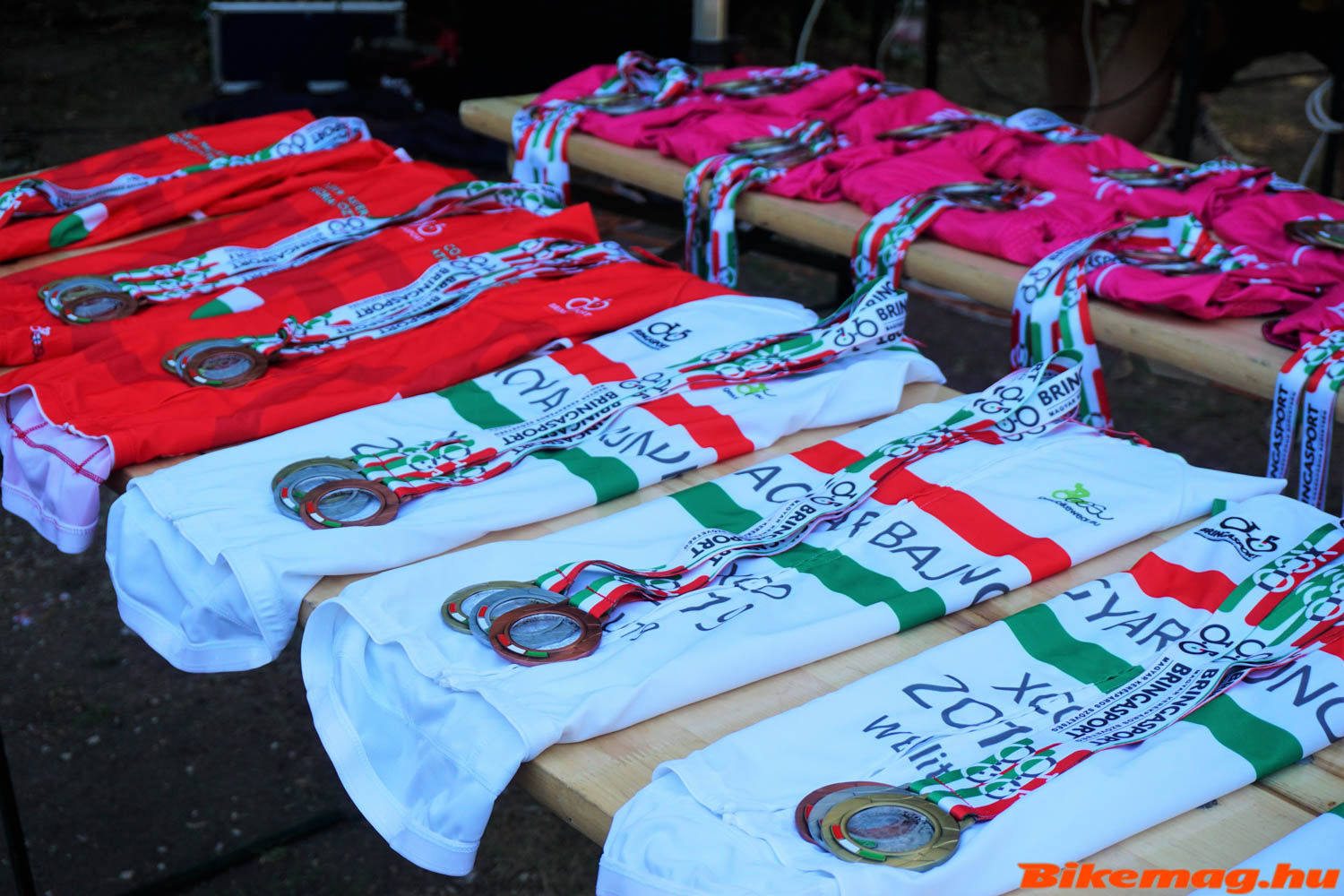
Sokak kérésére idén először kapható gravírozott befutóérem is (ára: 10 Euró), amelyet a versenyre való jelentkezéskor lehet megrendelni. A célba érkezést követően többletköltség nélkül nevedet és versenyidődet is az éremre gravíroztathatod.

A kedvelt Löffler Trophy kerékpáros mez szintén a nevezéskor megrendelhető. Minden megvásárolt kerékpáros mez után 5 Eurót a „Schmetterlingskinder“ alapítványnak adományoznak. A kerékpáros mezhez passzoló kerékpáros nadrág is rendelhető XS-től 3XL méretig.

Ha már leadtad a jelentkezésed, de szeretnél még kerékpárosmezt vagy befutó érmet rendelni, akkor egyszerűen egy e-mailben megrendelheted még ezeket a termékeket is.

A különleges termékek kollekciójáért kattints ide.

További információkat az alábbi linkeken találsz:
NEVEZÉS
VERSENYKIÍRÁS
Visszatekintés 2018
Videók
Képek

Merida eOne-Sixty, 2020: The king is dead, long live the king!

I’m sitting at the airport in Barcelona waiting for my plane to take off, and the film keeps playing in my head. It shows all the fantastic experiences some hours before aboard a Merida eOne-Sixty, like flying up a steep gully at 20 km/h. That was a trail that man could barely walk on, and there I was climbing it on two wheels with relative ease. How can I relate this incredible experience to anybody? Well, this write-up tells the story of how I fell completely in love with eMTB riding.

It all began when I arrived a little too early at the Merida test camp. I was told to take one of the currently available bikes from the fleet, the staff thought it would be a great way for me to get acquainted with the trails in the area. The course used for the bike launch event was 10km long with 400m of vertical elevation: that’s should be fine for a morning spin – I thought. This pre-ride would also serve as a comparison between the older and the newer generation of eOne-Sixty. So be it!

The Finnish colleague was also an early bird, so we set out together riding one complete lap. Well it took us one hour and five minutes. Actually we weren’t going that slow, as we got lost once, took some pictures of the stunning scenery. Riding an eMTB was a new experience for both of us, so we had to get the hang of the new technology. Let’s say the actual riding time was three quarters of an hour.

The previous eOne-Sixty – which is presently available in the shops – has won many comparative tests in the international cycling media and won numerous fans among the cyclists. We might think Merida would be right to sit on its laurels, but that’s not how the fast changing market of electrically assisted bikes work. Merida had to prove that it can top the feat with another bell ringer. Hence we have a revamped eOne-Sixty which will soon be hitting the market.

The product launch in Spain saw unveiling of the new eOne-Sixty 10k. This will be the flagship model in the Merida eMTB range, and Jurgen Falke and the rest of the team talked extensively about the conception, the development process, the technical aspects and the final effectuation of this newcomer.

The motto of the presentation was “True Legacy X Reinvented”. This aptly describes the process how the Merida design team went from the first steps to reach the final production version. This model embraces everything we come to expect from mountain bikes, covering all aspects of riding, especially MTB enduro. The bikes has a revised head tube angle, gets the new Shimano battery pack, the front triangle is a new carbon design while the rear end is made from hydroformed aluminum alloy. The frame integrates many of the bike’s components, resulting in a much more slender appearance, similar to that of a conventional MTB rig. And we shouldn’t forget to mention the lowly bottle cage – something I’ll dwell into later in this narrative.

Let’s start the list of The R&D features with the frame itself! The frame development is actually a joint collaboration between Merida and Shimano. The Japanese giant had the task of designing an interchangeable battery pack module that was more slender and compact, then Merida took the next step by designing a frame that could accommodate the new component. In my humble opinion the shape of the frame is stunning!

Since the frame had to take an elaborate shape to embrace the battery pack, the design team chose carbon fiber as the base material. This offers the greatest flexibility for design while maintaining low weight and a high degree of stiffness. The 1.5” tapered head tube has an aluminum insert called Internal Block to prevent the fork accidently hitting the straight down tube which houses the battery. Protection of this tube section is enhanced by applying a massive rubber coating where a hit might take place.

Another spectacular technical aspect of the head tube area is the so-called Thermo Gate, which serves as a cooling vent to control battery temperature. Since a carbon fiber structure is a poor heat conductor, the excess temperature has to be drawn away from the battery to prevent overheating. High temperature may be instigated by both internal and external factors – but whatever the cause, it has be controlled. The system has a safety safeguard measure which shuts down the operation of the bike if motor temperature exceeds 60 degrees Celsius.

Contrary to other models on market, the removable battery pack exits the frame in a downward direction. So the top part of the tube section is the structural element, and inside there is a reinforced core. Apart from its structural role, the down tube’s special construction also provides IPX5 water resistance for the battery back.

One of the main objectives was to create a very quiet bike. Less noise the better, the constant susurrus from the electric motor should be the only sound the rider experiences. The thick rubber protective coating on the battery cuts noise made by debris hitting the tube from the ground. The encasement of the battery slides on a rail until it’s held in place by a locking mechanism. Manual closure is carried out by a heavy duty rubber handle found on the bottom of the tube. Replacing the battery is achieved by a three-step process. First of all, the rear wheel axle integrates a tool which could be used to unlock the battery container. This ingenious gizmo offers 4 and 6 mm allen keys: the former is used for removing the battery, fixing the seat post clamp and the stem bolts. Last but not least it is also employed for activating the wake-up mode – done by inserting the allen key into a socked near the bottle cage in order to wake up the system after a long hiatus.

Inside the huge cavity that houses the battery pack we can find another quite clever solution. The designers created a rail made of hard industrial grade plastic, which fixes all the cables for a completely rattle-free ride experience. This structural railing also incorporates the 4 eyelets used to attach the water bottle. This enables the rider to choose between two the cage positions for convenience and practicality. M/L/XL size frames do not strictly require the two positions as the conventional 0.7l bottle easily fits inside the frame. On the other hand, size space is limited for the smaller frame, so normally only a 0.5l bottle can be fitted. But there is a “loophole”, the possibility to purchase the eOne-Sixty with a smaller rear shock, thereby freeing up some space inside the frame. In that case the bottle cage could be shifted down into the other mounting position allowing for a larger bottle to be used. Ingenious!

Why am I talking so much about the humble water bottle when dealing with a bike featuring so much technology and electronic engineering? During the post presentation dinner, I sat next to one of the development engineers. I asked him what was the greatest challenge the team faced, and he picked the water bottle mount. He spoke for at least a half an hour about the challenges of coming up with the above-mentioned system. He pointed out, that the absence of a bottle mount was the most cited complaint from cyclists and shops concerning the older model. It became such an acute problem, that the Merida engineering team was specifically given the task of remedying this deficiency. (By the way, the previous model couldn’t incorporate the bottle cage due to the horizontal position of its rear shock.) All this fuss about the bottle is not a joke, not even when the eOne-Sixty is primarily intended for MTB enduro riding!

merida eone-sixty

Moving onto some more serious topics: the frame geometry of the new model has also been tweaked, it went longer, slacker and lower. The head tube angle was slackened to 66.5 degrees, the chain stay length was drawn out to 439.5 mm, and the seat tube made a degree steeper to 75.5. In order to enhance stability, the bottom bracket shell sits lower than previously, and to compensate for the drop, the bike is equipped with 165mm crank arms instead of the usual 175mm. The longer wheelbase also serves to boost stability, which is now at whopping 1212mm (for the size medium). The top tube benefits from the longer frame geometry, offering a very spacious cockpit. The geometry chart below tells the whole story.

The specifications of the eOne-Sixty 10k will be the following:

  • New BT-E8035 Shimano battery (504WH)
  • Shimano motor E8000
  • Shimano E7000 control buttons to set the drive modes
  • Shimano XTR 12s shifting
  • Shimano XTR 4-piston hydraulic brake system with 203/203mm rotors
  • Fox 36 Factory E-bike version 160mm travel front fork
  • Fox Factory Float X2 shock for 150mm travel rear suspension
  • DT Swiss XRC 1200 e-Bike specific carbon wheelset (29″ front/27.5″ rear Boost standard)
  • Front Maxxis Assegai 3C Exo+ 29×2.5, rear Maxxis DHR2 27.5×2.6” tires
  • Merida Expert TR dropper seat post with the new Shimano SL-MT800 lever, up to 170mm travel
  • Shimano satellite on/off switch
  • Shimano satellite charging port
  • 30.9mm seat post diameter
  • 1.5″ headtube (headset › 1 1/8″ – 1.5″) designed for normal tapered forks
  • 205x65mm trunnion mount shock rear shock
  • Post mount 180mm brake caliper is inside the rear triangle

As the reader can see from the description, the new bike has different front and rear wheel size! The 29” wheel in front lowers rolling resistance, allowing the bike to more easily move over obstacles, the 27,5” back wheel offers increased strength, lowers weight and improves handling.

For the test ride I used a size L which weighted 22.8kg including pedals. The carbon wheelset found in the 10k model version has a combined weight limit of 120kg, hence the rider has to weigh in just under 100kg. The lower specification models will come with an aluminum wheelset which extends the weight limit to 140kg (rider+bike combined).

As I have mentioned, we got to ride the 10k flagship version. It’s state of art in all respect, including the price tag which is an eye-watering 10,000 euro! Quality and exceptional engineering comes at a price, but in case the extra cost also includes an additional battery pack and a specially designed Merida backpack with spine protection made by EVOC. This is where the additional battery pack be stowed away while out on a ride, hence providing some extra range. As expected, the new bike will come with lower-level component spec as well: the lineup is said to include a 9000, 8000, 5000 model. These are expected to be much more affordable.

Out riding:

Those of us who arriving early for the product launch were given the opportunity to ride the present generation eOne-Sixty. For me it was a shocking experience. Having all the extra controls and displays on the handlebar I felt like a caveman, somebody has no idea how to ride an MTB trail. Having spent the last 28 years riding mountain bikes, I’m certainly no rookie, still getting familiar with both the Di2 and the assistance controls took me an entire ride. The E8000 levers remind me of the oldest generation of Shimano shifters where the control levers are positioned vertically next to each other. The power assist buttons have the same arrangement but the other way around. One changed to a higher gear or assistance with the smaller button, the other with the larger. Since there was not enough space under the bar, the lockout lever of the Rock Shox Reverb was mounted above, making flicking the lever awkward. I set out on this first ride with all this chaos, part of it in my head, the rest on the handlebar.

The trail was designed by none other than Merida’s main brand ambassador, José Antonio Hermida. He needs no introduction to BikeMag readers, now he proved that he is an excellent course designer. It had all the features of a proper XC race venue. Having finished the ride, the colleague from Finland and I both noted that hobby MTB riders would have a hard time completing the course in one go. There were just too many steep hard climbs and challenging technical descents. In the afternoon I decided to return to this illustrious track to give it another go aboard a bike I know quite well: the non-motorized Merida One-Twenty 8000. Let’s see what an average amateur rider can do on his own power! – I said to myself. The reward for my diligence was some hike-a-bike, and pushing in some uphill sections, but I still had tons of fun aboard this light full-suspension all-rounder.

Then I was convinced that the difficulties I experienced in the morning were not up to the machine, but the rider. This course demands excellent bike handling skills which I lack, and this was only made worse by my unfamiliarity with modern electronic bike components. It doesn’t matter if I had ridden 60-70 MTB bikes in my years, those were all “analogue”… the eOne-Sixty a completely different kettle of fish. Now I was most anxious to see what the next day would bring!

The morning opened with a meeting at the trail center where the Merida Team tents were set up. The new eOne-Sixty bikes were all waiting, each set up to our specifications (which we were asked to indicate the previous evening), and labeled with the rider’s name. We then were put into small groups, which were lead by one of the five tour guides. The groups left the camp at set intervals. Hence there was some time for me to familiarize with the new rig, riding it in the garden surrounding the bike center. I immediately realized that the new eOne-Sixty is quite different from the previous version. For one, the XTR shifters were familiar, and the E7000 motor controls were substituted to improve ergonomics. This allowed the front fork lever to be placed in the correct location, where it’s the most convenient to operate. Finally the direction of the control buttons were now matching for both assistance and shifting. The handling was day and night compared to my experience the previous day with Merida’s older eMTB. A 10-minute warm-up was enough for me to be familiar with the controls, needing no peek at the handlebar to use the desired function. By the way, the assist modes are the same for both bikes (Off, Eco, Trail and Boost), and they can be selected based on what the trail brings.

So we set out on the course which have ridden twice the previous day, but I could finally fully concentrate on the trail that lay ahead. This 10km circuit has everything to test a bike: a dry stream bed full of rocks and deep ruts, sudden 20% inclines, bushes, trees burned by lightening, very tight switchbacks, wall-rides and so on. Riding uphill was at a whopping 10-18km/h, while descending was dictated by how skillful or brave the rider was. Truly fast downhills were few and far between since the trails were quite technical. You could hear the fellow journalists’ exultation on most sections, and I was screaming and shouting as well! What an adrenalin rush, oh, it was so much fun! These bikes are awesome, allowing us mortals to ride the best trails ever. When we stopped for a rest, everybody was urging the guide to continue the ride!

What sounded promising during the presentation, turned out to be much-much better. The steep seat tube angle truly places the rider in an ideal position for climbing, negating any negative effect of the slacker head tube and longer wheel base. The bike was easy to maneuver in the rock garden. Uphill the power assistance proved to be invaluable, allowing non-professional athletes to tackle technically challenging steep climbs. In this scenario I was switching between Eco and Trail modes, depending on how much assistance was needed and how much traction was available. Due to sudden power surges I sometimes I had to use the brakes while climbing. Though the motor was continuously on the go, the sound never seemed disturbing. Maybe I was concentrating so much on the technical aspects of the trail, being filled with adrenalin and joy, my hearing got completely shut off…

We were riding uphill at close to downhill tempo, reaching the summit in no time. Then came the tid-bit, the descent back to valley. Despite its relative heft and the long wheelbase, the eOne-Sixty offers excellent cornering, especially in tight turns. It has an excellent weight distribution, offering tons of stability for taking dusty steep singletrack with ease. It demands the rider to push the boundaries, both in terms of speed and maneuvering. The new Maxxis Assegai Exo+ 2,5” tires were made exactly for these circumstance, with plenty of grip, taking into account the demands of the eMTB riding. It provided the added confidence needed for this course, something that was clearly lacking the previous day with older version. For the back Merida chose the Minion DHR2 which is the benchmark for riding technical trails, especially in dusty, rocky conditions.

In my opinion the new Shimano XTR 4-piston brakes constitute the pinnacle of MTB brake technology: never has brake performance reached such heights. The bike the previous day had Saints which are no doubt excellent brakes, and offered plenty of power even on such a rather portly machine. There were occasions when the brake bite was so sudden that I had the jitters while riding on the unfamiliar ground. The new XTR retained the power of the Saint while providing such fine modulation that I have never experienced with any brake systems. This fine balance makes the difference, giving the rider extra confidence when tackling hard technical descents.

The XTR shifting performed admirably as usual, but I noticed more noise during the shifts on this eMTB than on convention mountain bikes. Previously XT gear components had this crisp crackling sound, now the noise seem to have surfaced again. It’s difficult to pinpoint the cause, but some fine tuning in the shifting may solve this issue. On the other hand I have nothing but admiration for the FOX suspension components on the test bike, they provided an impeccable performance even in the most adverse rocky conditions. The frame has a pronounced stability and the suspension does not compromise this character. The wheel size difference proved to be a hit as well with the front behaving as expected, rolling swiftly over everything it encounters. This only adds to the rider’s confidence.

I believe the Merida engineers have achieved their objectives concerning noise reduction. There is not a single rattle from the cabling, chain slap or any other clatter which might distract the rider from the awe-inspiring cycling experience. Chain noise is dealt with by utilizing a wavy-shaped rubber covering on the chain stay, a simple but effective method to keep the drive train quiet. When descending, I heard nothing other than the usual hollow thud and swish made by the tires.

Go full tear on the trail’s impossibly steep and technical climbs? Riding twice the distance than what you’d be capable of otherwise? We’ve made mountain bike heaven! Of course this comes at a price – literary speaking. At least for now until eMTBs become the norm, and the cost this such fantastic technology drops to a more attainable level. This is bound to happen as all previous technical inventions for bikes eventually trickled down to the entry price level. Sooner or later we’ll all enjoy the fruits of these engineering efforts: long live the Merida eOne-Sixty!

COMPARISON ‘OLD VS NEW’

• Integrated battery

• Carbon main triangle

• Mixed wheel sizes (front: 29×2.5, rear: 27.5×2.6″)

• Updated geometry (slacker head angle, lower bottom bracket, steeper seat angle)

Cube Nuroad Pro teszt – új utak nyílnak meg

A Cube meglehetősen nagy márka, így a kínálatába belefér a számtalan országúti és CX modell mellet a gravel irányzatot képviselő Nuroad széria is. A kézhez kapott fekete eminenciás egy igen korrekt darab. Technikailag teljesen felkészült, átütőtengely elöl-hátul, Pressfit középrész, tapered fejcső, bújtatott hidraulikus fékvezetékek. Sok dizájnelem nincs, de így is képes feltűnést kelteni.

Fekete és némi szürke dizájnja hatja át a bringát, ám a ballonos gumik nagyon feldobják az összképet. A marketing azt ígéri nekünk, hogy olyan elegyet alkottak számunkra, amely arra ösztökél, hogy mindig a hosszabb utat válasszuk, még ha ez azt is jelenti, hogy le kell térni a „kényelmes” aszfaltról. A váz a 6061-es ötvözet T6 Superlite variánsát használja, kifejezetten gravel geometriára építve, minden modern technikai megoldást felvonultatva, amit csak felhasználó megkívánhat, ráadásul előkészítve csomagtartós, vagy sárvédős használatra is. Ez kicsit felturbózza a használhatóság körét, mert a földutas gravel tekerésektől kezdve, edzés célokon át, akár commuting felhasználásra is jó választás lehet.


A bovdenezés elvezetését mind a villában, mind a vázon belül oldották meg, a márkához méltó módon igényes kivitelezéssel.

A vázformát sem bonyolították túl, karakteres, egyenes vonalakból áll, így komfort tekintetében leginkább a gumikban illetve a karbon villa elnyelőképességében bízhatunk. Megfelelő guminyomáson szépen vasalja az útegyenetlenségeket, és jól halad a szerkezet. A pilótafülkében még az RS505-ös hidraulikus fékváltókarokkal találkozhatunk, amelyek hozzák a Shimanotól megszokott precizitást, a fékek jól adagolhatóak, váltás tekintetében a jól bevált megoldásokra támaszkodik. A kormány-kormányszár a Cube által dizájnolt darabok, a kormány kifejezetten gravel felhasználásra idomított.


A váltás többi komponense a 11 sebességes 105 családból származik, amelyek a középkategória felső szegmensét, vagy a felső kategória alsó szegmensét jelentik. Technikai tudásban alig maradnak el az Ultegra vagy Dura Ace alkatrészcsaládoktól, de ára még jól kordában tartható, egyedül Di2 opció még nincs.


A támvilla becsatlakozásánál kellemes megoldással találjuk magunkat szemben, azon felül, hogy DirectMount fékfelfogatást használnak, a varrat keresztben fut, így nagyobb felületen kapaszkodik össze a két vázrész, nem hajlamos a repedésre. Az átütőtengelyes kerékrögzítések kényelmessé teszik a kerékcserét amellett, hogy merevséget biztosítanak a csatlakozásnak.

A bringa egészére a merevség jellemző, nem kivételek ez alól a kerekek sem, bár ezt itt érzésre súllyal oldották meg, nem kifejezetten könnyű szettről beszélünk. A ballonos méretű Clément X’Plor kevlárperemes külsők alatt egy széles és masszív felnit találunk. A szegecselés elhagyása nem biztos, hogy jó ötlet volt hosszú távon vagy nagyobb ütközés esetén nincs mi tehermentesítse a furatokat, és azok tudnak megnyúlni. Az agyak egyébként Centerlock tárcsafelfogatást használnak, 160mm tárcsákkal felvértezve igyekeznek minket lassulásra bírni.

Menet közben nincs különösebb meghökkenés, az van amit a kerékpár egésze és az alkatrészei ígérnek. A gumikat inkább 3bar nyomásra ildomos belőni, ha némi komfortra vágyunk, egyébként a merevség végett hajlamos pattogásra. Terepre kanyarodva jól irányítható marad, persze ebben a külső szélessége sokat segít csakúgy, mint a jól eltalált geometria és az általános merevség. Hajtáshatékonyság szempontjából, amit a pedálra teszünk, azt látjuk viszont a kerekeken. Ezek megmozgatása kicsit több energiába telik a súlyuk miatt, viszont kárpótolnak minket, ha már lendületben vagyunk. A tesztelt bringa 56cm méretű volt, ami számomra pont egy mérettel nagyobb, mint szükséges lett volna, de így sem éreztem magam rosszul, persze éles bevetésre mindenképpen az 53cm méretet választanám magamnak a 175cm magasságomhoz.

450 ezer forintos árával (akciósan néhol 400 ezer forint) mindenképpen decens ajánlat, persze annak tükrében, hogy milyen technikai megoldásokat alkalmaztak, illetve milyen színvonalú alkatrészeket építettek be. Akár a kifutó, akár az új modellt nézzük, biztosan nem járunk egyikkel sem rosszul.

A hivatalos honlapon megtalálható magyar nyelven az összes specifikáció, ide kattintva elérhető.


További képek:


LESZ 2019-BEN DUNA MARATON?

A hazai MTB történelem legendás versenyéről sokféle pletyka kering az elmúlt fél évben, az előnevezés elindult, de konkrét információk nem jelentek meg az idei Duna Maratonról. A verseny előtt két héttel még semmit nem tudni az eseményről, már-már jogosan vetődik fel kérdés, hogy lesz-e egyáltalán 2019-ben Duna Maraton.

Több olvasónk megkeresett minket a fenti kérdéssel, ezért megpróbáltunk utánajárni az ügynek, viszont túl sok információt nem tudtunk szerezni. A szervezőknek írt emailre válasz nem érkezett, így mi sem lettünk okosabbak. Ami tény, hogy a verseny honlapján még mindig ez áll, „FANTASZTIKUS VERSENY VOLT, KÖSZÖNJÜK NEKTEK!
Jövőre Duna Maraton ismét Esztergomban, 2019. július 6-7-én!”, ami nem túl biztató előjel és a bringasport.hu-n az MKSZ versenynaptárában sem szerepel a Duna Maraton, mint kerékpárverseny.

Ha valakinek van információja az idei Duna Maratonról kérjük írja meg kommentben vagy vegye fel velünk a kapcsolatot!

Tom Dumoulin is kihagyja a Tour de France-ot

Tom Dumoulin

A Giro d’Italián elszenvedett sérüléseiből nem épült még fel Tom Dumoulin, így a Tour de France tavalyi második helyezettje is kihagyni kényszerül a Francia Körversenyt.

Újabb nagy név kénytelen távol maradni a Francia Körversenytől, Chris Froome után Tom Dumoulin sem lesz ott az idei Tour de France rajtjánál. A tavalyi második helyezett még a Giro d’Italia negyedik szakaszán került bukásba, ahol olyan térdsérülést szenvedett, ami miatt fel kellett adnia a versenyt. Látszólag jól ment a holland kerékpáros gyógyulása egészen a Critérium du Dauphinéig, ahol térdfájdalmai miatt nem tudta befejezni a versenyt. Ezután egy hegyi edzőtáborba ment Tom Dumoulin, melyet szintén meg kellett szakítania a térde miatt, sőt a táborból hazaérve megműtötték a térdét. Pár nappal később bejelentette, hogy nem fog rajthoz állni az idei Tour de France-on, mert a felépülése nem haladt a megfelelő tempóban.


Te tudod, mikor, milyen szemüveglencsét érdemes használni?

Manapság sokféle napszemüveglencse létezik a klasszikus feketétől a különböző színeken keresztül a fényre sötétedőkig, nem beszélve a polarizált típusokról. Vajon mindenki tudja, hogy ez a sok lencse milyen helyzetre való? Ha nem, akkor mi most segítünk.

Hihetnénk, hogy a sokféle színű lencse megszületésebén is komoly szerepet játszik a divat, hiszen a napszemüvegek az alapfunkciókon felül divatkellékként is működnek. Saját tapasztalatból mondhatjuk, hogy a nagyobb sportszemüveg márkáknál, mint például a Rudy Projectnél, viszont biztosan nincs így, mindegyik lencsének megvan a maga területe, ahol érdemes használni.

Multilaser Red lencse

Mielőtt megnéznénk, hogy melyik lencse mire jó, vegyük át, hogy egy minőségi lencsének milyen alapvető tulajdonságoknak kell megfelelni.

Védje a szemet a káros ultraviola sugárzástól. Mindenki tudja, hogy az UV sugárzás mennyire káros, így valószínűleg senkinek nem kell részleteznem, hogy mennyire fontos ez.
Védjen a külső fizikai behatásoktól. Bogarak, por, felcsapódó kavics vagy bármilyen tárgy, egyik sem kellemes és egészséges, ha a szemünkbe kerül.
Csökkentse a ragyogást, növelje a kontrasztot. Egyszerűen jobban látunk, észleljük szemünkkel a környezetünket.
Torzításmentes legyen. Se a színt, se a teret ne torzítsa, mindkettő komoly problémát tud okozni. Ez a legnehezebb a gyártók számára, a torzításmentes lencsék előállítása, sokaknak nem is sikerül, pl ezért ne vegyünk Kínából hamis szemüveget.

Multilaser Blue lencse

A lencséket fényáteresztési tulajdonságuk alapján szokták kategorizálni (0-tól 4-ig, ahol a 0 legvilágosabb, a 4 pedig a legsötétebb), ez ami legjobban meghatározza a használhatóságukat. Fontosabb, mint hogy az adott lencse milyen színű legyen, mert pl egy nekünk tetsző színű, kis fényáteresztésű lencsét hiába próbálunk egy sötét erdőben használni, arra alkalmatlan lesz, vagy az ellenkezője, amikor erős fényben transparent (víztiszta) lencsét szeretnénk használni, az sem túl jó választás.

Multilaser Orange lencse

Az egyik legnagyobb gyártó, a Rudy Project lencséin keresztül nagyon jól be lehet mutatni, hogy fényáteresztés alapján melyik lencse milyen helyzetre való, ráadásul van egy nagyon jó táblázatuk is ehhez, és ezenfelül személyes tapasztalattal is rendelkezem jó pár lencséjükkel, amiket meg tudok osztani veletek.

ImpactX2 lencse

A kategóriák 0-tól 4-ig:

0-ás kategória, sötétben
Víztiszta (Transparent) lencse, 80-100% fényáteresztési tulajdonsággal. Ebbe a kategóriába tartozó lencse funkciója legfőképp a szem fizikai védelme rossz látási viszonyok között. Én például a 24 órás mtb versenyeken viseltem éjszaka transparent lencsét, hogy a por ne kerüljön a szemembe, de ezenkívül nagyon borult időben vagy szakadó esőben is jó választás.

1-es kategória, borús időre
Világos lencsék, 43-80% fényáteresztési tulajdonsággal, melyek ideális viseletek borús időben vagy sötét erdőben. Kevés lencsét gyártanak kifejezetten erre a célra, inkább a fényre sötétedők fedik le ezt a tartományt, a Rudy Projectnél is az ImpactX lencsék világos “vége” ez a kategória.

2-es kategória, közepes fényre
Közepesen sötét lencsék, 18-43% fényáteresztési tulajdonsággal. Az ide tartozó lencsék közepesen napsütéses, illetve enyhén borult időben is használhatók, és a világosabb erdőket is bátran bevállalhatjuk velük. A Rudy Projectnél ilyen lencse pl a Racing Red vagy Smoke.

3-as kategória, erős napsütésre
Nagyon sötét lencsék, 8-18% fényáteresztési tulajdonsággal, melyek kiválóan használhatók erős fényben országúton, és vízparton, vízen is megállják a helyüket. Ide tartoznak a kedvenceim a Multilaser (tükrös színes) lencsék, melyek nem csak jól szűrik a fényt, hanem jól is néznek ki 🙂 , és a jolly joker, gyakorlatilag minden körülmény között használható ImpactX fényre sötétedő lencsecsalád sötét “vége”.
4-es kategória, extrém fényre
Extrém sötét lencsék, 3-8% fényáteresztési tulajdonsággal. Kifejezetten magashegyi körülmények során, gleccsereken, vagy sivatagban alkalmazható lencsék – Hi-Altitude. Kerékpározás során ritkán fordul elő, hogy ilyet kelljen használnunk.

A fényáteresztési képesség mellett a színek szerepe sem elhanyagolható, mint fent már említettem nem csak divatból színezik a lencséket. Általánosságban elmondható, hogy

-a piros, barna, és sárga színek erősen kontrasztosító hatásúak, így kiválóan használhatók rossz látási viszonyok (pld. köd, havazás), vagy rossz terepviszonyok (pld. egy hegyi ösvény) során
-a “Laser” azaz fém-oxidos bevonattal ellátott (“tükrös”) lencsék csökkentik a szúró fényeket
-a “Laser” azaz fém-oxidos bevonattal ellátott (“tükrös”) lencsék közül a kívülről piros színűek áttekintő színe kékes, míg a kívülről kék, zöld, illetve narancssárga színűeké sárgás, pirosas
-a “Hi-Altitude” lencse kizárólag magashegyi körülmények között használható, vezetéshez való használata tilos


Az elmúlt időszakban háromféle Multilaser (piros, narancs, kék), egy ImpactX2 és Transparent lencsét használtam.

Nálam erős fényben egyértelműen a Multilaser Red, ami a kékes árnyalatával és alacsony fényáteresztő képességével jött be nagyon, nyugtatja a szemem az erős fényben és a színhőmérsékletét is szeretem. Viszont arra érdemes figyelni, hogy sötétben, főleg erdőben elég korlátozottan, pontosabban nem használható.
 

A Multilaser Orange lencsét kicsit sötétebb körülmények között szeretem viselni, erős fényben is használható, de kicsit sárgább tőle a világ, viszont erdőbe beérve sokkal jobban lát vele az ember, mint a fent említett pirossal, persze közepes vagy erős fényben igazán érzi magát jól benne az ember.


A Multilaser Blue egy érdekes lencse, a Multilaser lencsék közül talán a legjobban kontrasztosít, fényáteresztésben a piros és a narancs között található, és sárgás-pirosasban látunk benne mindent. Országúton szeretem, főleg a magyar kátyús utakon, a többi lencsénél egy picit jobban kiemeli az úthibákat.

Impact2X lencsék, a baloldali 10 mp után, a jobb oldali 1 perc után a fényben

Az ImpactX2 fényre sötétedő lencsét mindig úgy reklámozzák, hogy egy lencse mindenhova, ami igaz is, 74% és 9% között változik a fényáteresztése, tehát elég széles spektrumot fed le. Erős és minimális fényben is használható és akár még lencsén belül is változik a fényáteresztése (pl amikor fentről tűz rá a nap akkor a felső része sötétebb mint az alja, a nap nem zavar minket, de az utat is látjuk). Erdőben, nyílt terepen, lényegében bárhol megfelelő védelmet nyújtanak a szemünknek. Egy késő délutáni edzésről hazamenni bennünk sötétedéskor egy álom, nagyon szépen kivilágosodnak.Ezenfelül ezek a lencsék sokkal ellenállóbbak, mint a Multilaser lencsék, nehezebben karcolódnak meg, és soha nem törnek el. Cserébe a színhőmérsékletük nem olyan szép, mint egy színes lencséé, halvány kékes árnyalattal szürkítenek, ami nem egy óriási probléma, sokan ezt kedvelik kifejezetten, úgy néznek ki a tárgyak velük, mint a valóságban.
Egy dolgot még fontos megemlíteni, vigyázzunk a lencsékre, tisztítsuk őket rendszeresen megfelelő tisztítószerrel!

A Rudy Project lencsékről részletesen ide kattintva olvashattok.

Gepida Berig Deore 29″- ígéretes mindenes

A Gepida Berig egy szép kerékpár. Jól eltalált a vázforma, jól eltalált a kivitelezés és jól eltalált a szín is, nem beszélve a Bosch motor előnyös tulajdonságairól. Mindennapi társammá fogadnám, mert 29-es génei ellenére inkább a kényelmes vonalat, a commuter felhasználókat célozza. Leginkább azokat, akik nem riadnak vissza egy kis városi légyottól, számukra a padka nem akadály, hanem kihasználandó örömforrás.

A Gepida tervezői igazán izgalmas vonalvezetésű vázat készítettek a megszokott 6061-es alapanyagból. Nem unalmas, nem sablonos, márkaarculatba illeszkedő, de mégis letisztult. Az akkumulátor félintegrált megoldása tökéletesen elfogadható kompromisszum, mely nem rontja a kerékpár arányait. A pedelec lelke a Bosch Performance motorja és a hozzá társított 500Wh akkumulátor. 63Nm-es nyomatéka bőségesen elegendő a felhasználási célterületre és a 275%-os rásegítési arány is rejt tartalékokat. Csakúgy, mint a többi pedelec esetében, itt is 25km/h-ig segít rá a rendszer. Kábeleinek elvezetése rejtett, így tényleg semmi nem töri meg az összképet, még a kormányra szerelet aprócska Purion kijelző sem.


Aránylag gyenge pontnak számít a gép orrában szolgálatot teljesítő Suntour XCM villa, mely inkább ármérséklő tényezőként kerülhetett bele, szükségmegoldás gyanánt. Terepes örömködések ezzel már nem férnek bele a felhasználásba. Természetesen a későbbiekben fejleszthető, ha valaki még univerzálisabban szeretné használni a Berigben rejlő potenciált.

10 sebességes Shimano Deore hátsó váltót szereltek a kerékpárra, abból is a Shadow kialakítást, hozzá pedig a saját váltókarját társították. A fékeket a Tektro-tól szerezték be, alap tudású tárcsafékszett, de megbízható működést garantál, mert nagy vonalakban a Shimano rendszerét vették alapul a tervezés során.

Kiegészítői általában saját márkás darabok, de sárvédőből például dicséretes módon SKS-t használnak, csomagtartója is egy szemnek kellemes darab. Az integrált rögzítésű kitámasztóra sem lehet panasz, masszív biztonságosan elbírja az elektromos rendszer jelentette plusz terhet.


A kerekeire szerelt alacsony mintás Schwalbe Thunder Burt gumik haladós tempót engednek, miközben városi gumihoz mérten jó kanyarstabilitást adnak. A felnik szegecselését sem felejtették el, ez számomra vesszőparipa, tárcsafék esetén nem engednék gyártásba kereket enélkül.

A bemutatott bringa fogyasztói ára 830 900 forint, mely a kínált tudása és esztétikai szépsége miatt szerintem elfogadható vételár.

Specifikáció:

VÁZ GEPIDA SPECIAL HYDROFORMING – 6061 ALLOY
MOTOR BOSCH PERFORMANCE
AKKUMULÁTOR BOSCH POWERPACK 500WH STD
RUGÓSTAG
TELESZKÓP/VILLA SUNTOUR XCM-ATB HLO QR TRAVEL:100MM
KORMÁNYCSAPÁGY FSA NO.42B-1
KORMÁNYSZÁR TRANZX JDST-58A EXT:60/70/80/90MM
KORMÁNY PROMAX HB-3188 RIZER 720MM BB:31,8MM
MARKOLAT VELO VLG-775-12D2 + VLP-171
FÉK TEKTRO HD-M275
FÉKKAR TEKTRO HD-M275
FÉKTÁRCSA ELSŐ/HÁTSÓ TEKTRO 180/160MM
VÁLTÓKAR SHIMANO DEORE SL-M6000 10S
HÁTSÓ VÁLTÓ SHIMANO DEORE SHADOW+ RD-M6000 10S
HAJTÓKAR FSA CK-310 170/175MM
ÁTTÉTEL ELSŐ FSA 18T STEEL
ÁTTÉTEL HÁTSÓ SHIMANO TIAGRA CS-HG500-10 11-34T 10S
LÁNC SHIMANO DEORE CN-HG54 10S
PEDÁL XERAMA SP-610 ALLOY W/ CATEYE
GUMIABRONCS ELSŐ/HÁTSÓ SCHWALBE SMART SAM 29X2,1
FELNI RODI BLACKROCK 29″ 622X21C 32H
AGY ELSŐ FORMULA DC-20LW QR 32H
AGY HÁTSÓ FORMULA DC-22W QR 32H
KÜLLŐ SAPIM STAINLESS STEEL BLACK
NYEREG SELLE ROYAL SETA S1
NYEREGCSŐ KALLOY SPDC1 30,9X400MM
KIJELZŐ BOSCH PURION
VILÁGÍTÁS AXA BLUELINE 30 / TRELOCK LS631 6-12V
TÖLTŐ BOSCH CHARGER 2A 100-240V
CSOMAGTARTÓ
SÁRVÉDŐ SKS
LÁNCVÉDŐ GEPIDA ALLOY
ZÁR ABUS BATTERY LOCK
LETÁMASZTÓ HEBIE 668M1 18MM


További képek:

Pechsorozat a Team Ineos-nál: Geraint Thomas is bukott és feladta a Svájci kört

Geraint Thomas a Svájci Körön került bukásba és feladni kényszerült a versenyt, az eset után a Tour de France győztes versenyzőt kórházba szállították.

A Tour de France tavalyi győztese a Svájci Körverseny 4. szakaszán került a földre mikor már csak 30 km volt a célig,  egy útszűkületnél kivédhetetlen módon esett át az előtte bukó versenyzőn. A szakadt mez és a vérző sebek ellenére úgy tűnt, hogy nincs komoly sérülése Geraint Thomasnak, a kezeit és a lábait is tudta mozgatni, de a versenyorvos tanácsára törésgyanú miatt feladta a versenyt. Ezután kórházba vitték és megvizsgálták és az ottani orvosok megerősítették, hogy valóban nem történt komoly sérülés. Tudja folytatni a felkészülést a Tour de France-ra.

Nagy érvágás lett volna a Team Ineos-nak, ha Geraint Thomast is kénytelenek lettek volna nélkülözni a Francia Körversenyen. Mint ismeretes egy héttel ezelőtt Chris Froome a Critérium du Dauphiné időfutamának pályabejárásán törte rommá magát és idén már nem versenyezhet, a másik csapatkapitány elvesztése valószínűleg a sárgatrikós álmok végét jelentette volna. A Giro d’Italián sem tudott a Team Ineos az összetett győzelemért versenyezni, mert a a verseny előtt az első számú emberük, Egan Bernal szenvedett kulcscsonttörést.