Home Blog Page 342

Peák Barnabás nyerte a 45. Gemenc Nagydíj villanyfényes kritériumát

Fotó: Vanik Zoltán/Bringasport

A 45. Gemenc Nagydíj a tradicionális belvárosi villanyfényes kritériummal zárult. A versenyzőknek szombat este 20 órai kezdettel 40 kört kellett teljesíteni a Béla tér – Bezerédy utca – Garay tér – Béla tér körpályán. Nem maradhatott ki a verseny jelképének számító macskaköves emelkedő sem, a nagy kérdés pedig az volt, vajon sikerül-e a két UCI verseny után a magyaroknak a kritériumot is megnyerni?

Fotó: Vanik Zoltán/Bringasport

Öt körönként részhajráért sprintelhettek a résztvevők, a hajrák első három helyezettjei pénzdíjban részesültek. Rögtön a rajt után óriási tempóban indult a futam, az első részhajrá után máris darabokra szakadt a mezőny. A magyarok közül a legjobban Peák Barnabás (Magyarország) tartotta magát. A nemrégiben a Mitchelton-Scott WorldTour csapatához aláíró fiatal tehetségünk a táv első harmadában el is lépett a mezőnytől az olasz Paolo Toto (Sangemini Trevigiani-MG.Kvis) és a szlovák Jan Cully (Dukla Banska-Bystrica) társaságában. A táv feléhez érve már csak körülbelül húsz kerekes maradt versenyben. Peákon kívül az üldözőbolyban Gönczy Gergő (Epronex-BSS Oil Team) és Istlstekker Zsolt (Regional Szekszárd) tartotta magát.

Fotó: Vanik Zoltán/Bringasport

Peák Barnabás az olasz Toto társaságában szorgalmasan nyerte a hajrákat, a táv utolsó harmadához közeledve leszakították szlovák riválisukat is, így ketten maradtak az élen. Az üldözők nem tudtak már innen újítani, így a duó fél perces előnnyel kezdte meg az utolsó kört.

Fotó: Vanik Zoltán/Bringasport

A mindent eldöntő hajrát Peák simán nyerte, ezzel megkoronázva a magyarok fantasztikus szekszárdi versenyhétvégéjét. Hab a tortán, hogy Gönczy Gergő megnyerte a mezőnyhajrát, így a dobogó harmadik fokán zárt.
A pénteki és a szombati UCI versenyek után a kritériumon is magyart ünnepelhetett a szép számú közönség. Ilyen eredményes Gemenc Nagydíjat régóta nem zártak a magyarok, a jubileum tökéletesen sikerült!

EREDMÉNYEK
Alisca Bau Gemenc Nagydíj Villanyfényes Gála Kritérium:

1. Peák Barnabás, magyar (Magyarország) 56:10
2. Paolo Toto, olasz (Sangeminin Trevigiani-MG.Kvis) + 4 mp
3. Gönczy Gergő, magyar (Epronex-BSS Oil Team) + 36 mp
4. Luka Cotar, szlovén (KK Kranj) + 37 mp
5. Marek Canecky, szlovák (Dukla Banska-Bystrica) + 37 mp
6. Robert Jenko, szlovén (MebloJogi Pro-Concrete) + 37 mp
7. Marco Cechinni, olasz (Sangemini Trevigiani-MG.Kvis) + 38 mp
8. Tim Roskar, szlovén (MebloJogi Pro-Concrete) + 40 mp
9. Daniel Arroyave, kolumbiai (Team Novák) + 40 mp
10. Tomi Franz, német (Team Differdange-GeBa) + 41 mp

Pelikán János révén magyar győzelem született a 45. Alisca Bau Gemenc Nagydíj második versenyén is

Fotó: Vanik Zoltán/Bringasport

Szekszárd környékén 150 kilométer várta a 45. Alisca Bau Gemenc Nagydíj UCI 1.2 második egynaposának résztvevőit. A győzelmet végül az első versenyhez hasonlóan ezúttal is egy magyar kerekes, Pelikán János (Pannon Cycling Team) szerezte meg, ezzel 40 UCI világranglista pontot is bezsebelve.

Fotó: Vanik Zoltán/Bringasport

A 45. Alisca Bau Gemenc Nagydíj II 1.2-es, második versenye július 27-én pontban 13 órakor rajtolt. A karaván 150 kilométert abszolvált, három gyorsasági részhajrával a Garay-téren és két hegyi hajrával a Bródy Sándor utcában, három egyenként öt kilométeres körrel a végén, mielőtt újra a Kálvária kilátó felé fordultak volna.

Az éles rajtot követően szinte azonnal kialakult a nap szökése, amelybe Vas Balázs (Magyarország), Lovassy Krisztián (Epronex-BSS Oil Team), Balázsi Lóránt (Team Novák), Raphael Kockelmann (Team Differdange-GeBa) és Patrik Tybor (Dukla Banska-Bystrica) keveredett bele.

Fotó: Vanik Zoltán/Bringasport

Az öt fős elmenés legnagyobb előnye két és fél perc környékén tetőzött, miközben Lovassy Krisztián (Epronex-BSS Oil Team) a három gyorsasági részhajrából kettőt is megnyert, míg a Garay-téren való utolsó áthaladásnál második lett, ezzel megszerezve a pontverseny elsőségét.

A szökevények előnye a szekszárdi hegyi körpályáig kitartott, az utolsó harminc kilométeren belül viszont pillanatok alatt darabjaira hullott az elmenés, Patrik Tybor (Dukla Banska-Bystrica) és Vas Balázs (Magyarország) tartotta magát a legjobban, ám a főmezőnyből elszakadó nagyobb csoport az utolsó kör előtt őket is bedarálta.

Fotó: Vanik Zoltán/Bringasport

Innen indult meg nem sokkal később Pelikán János (Pannon Cycling Team), aki már az első versenyen is remekelt, s bár Valter Attila (Magyarország) mindent megpróbált annak érdekében, hogy utolérje végül Pelikán János (Pannon Cycling Team) nyerte a versenyt Valter és a luxemburgi Ivan Centrone (Team Differdange-GeBa) előtt.
A magyarok közül kiváló eredményt elérve negyedikként zárt Filutás Viktor (Pannon Cycling Team), Peák Barnabás (Magyarország) a nyolcadik, míg Dina Márton (Magyarország) a tizedik lett, ezzel 96 UCI világranglista pontot gyűjtött a nemzetünk.

„Egy 120 kilométeres sík körözéssel indítottunk, azon a pályán, ahol két évvel ezelőtt majdnem hazaértem – mondta Pelikán János röviddel a célba érkezést követően. – A nap elején elment egy öt fős elmenés, így a magyar csapatok nem nagyon dolgoztak, a hegyi körpályához közeledve előbb a Prostejov majd a Sangemini vállalta fel a vezetést a mezőny élén, majd mi is besegítettünk. Az első meredeken szinte azonnal darabjaira szakadt a sor, mindössze hárman maradtunk elöl a csapatból, Filutás Viktor, Dina Dani és én. Dani próbálkozott elsőként, ám túl messzire nem jutott. Másfél körrel a vége előtt az emelkedőn indítottam, majd lejtmenetben beleadva mindent igyekeztem elszakadni. Mindent egy lapra tettem fel, s bár Valter nagyon közeledett, végül sikerült győznöm, aminek nagyon örülök.”

EREDMÉNYEK
Alisca Bau Gemenc Nagydíj II. 1.2, Szekszárd-Szekszárd (150 km):

1. Pelikán János, magyar (Pannon Cycling Team) 3:24:28
2. Valter Attila, magyar (Magyarország) + 8 mp
3. Ivan Centrone, luxemburgi (Team Differdange-GeBa) + 13 mp
4. Filutás Viktor, magyar (Pannon Cycling Team) + 13 mp
5. Jaka Primozic, szlovén (KK Kranj) + 16 mp
6. Paolo Toto, olasz (Sangemini Trevigiani-MG.Kvis) + + 17 mp
7. Cameron Beard, amerikai (Team Differdange-GeBa) + 17 mp
8. Peák Barnabás, magyar (Magyarország) + 18 mp
9. Jon Soerveras Breivold, norvég (Region Vest) + 18 mp
10. Dina Márton, magyar (Magyarország) + 26 mp

Nibali nyerte az utolsó hegyi szakaszt, Bernal megvédte a sárga trikót

Vincenzo Nibali - a Cápa

A Tour de France 20. szakaszát Vincenzo Nibali nyerte szökésből, Bernal megtartotta a sárga trikót, Alaphilippe lecsúszott a dobogóról.

A rövidített 20. szakaszon mindössze 59 km és egy kiemelt kategóriás hegy várt a Tour de France mezőnyére, és mivel ez volt a Francia Körverseny utolsó hegyi szakasza, ezért ez volt az utolsó lehetősége az összetettben érdekelteknek arra, hogy változtassanak a végeredményen.

Az éles rajt után azonnal megindultak a szökési kísérletek és viszonylag hamar el tudott lépni egy kisebb boly. A mezőny élén tekerő Jumbo-Visma nem engedte messze a szökevényeket, végig kontroll alatt tartotta a távolságot. 33,5 km-rel a cél előtt elkezdődött a kiemelt kategóriás hegy, ahol szép lassan elkezdett fogyatkozni a mezőny a nagy tempónak köszönhetően és a szökevényeket is sorban kezdték utolérni. 13 km-rel a cél előtt Julian Alaphilippe adta meg magát, és ezzel elvesztette az összetett dobogóját, a végén egészen az ötödik helyig csúszott vissza.  Közben a szökevénycsoportból Vincenzo Nibali indított támadást és hagyta ott a többieket, egészen a célig hajtott egyedül és nyerte meg a szakaszt. Az összetett menők csak az utolsó pár száz méteren kezdtek akcióba, így jelentős különbségek nem alakultak ki. A Tour de France-t minden bizonnyal így Egan Bernal nyerte, csapattársa Geraint Thomas előtt, a harmadik helyet pedig Steven Kruijswijk szerezte meg.

Az utolsó nap az ünneplésé lesz a főszerep és a sprinterek csatáját láthatjuk majd Párizsban

A 20. szakasz végeredménye

1 Vincenzo Nibali (Ita) Bahrain-Merida 1:51:53
2 Alejandro Valverde (Spa) Movistar Team 0:00:10
3 Mikel Landa (Spa) Movistar Team 0:00:14
4 Egan Bernal (Col) Team Ineos 0:00:17
5 Geraint Thomas (GBr) Team Ineos
6 Rigoberto Uran (Col) EF Education First 0:00:23
7 Emanuel Buchmann (Ger) Bora-Hansgrohe
8 Steven Kruijswijk (Ned) Team Jumbo-Visma 0:00:25
9 Wout Poels (Ned) Team Ineos 0:00:30
10 Nairo Quintana (Col) Movistar Team

Az összetett állása a 20. szakasz után

1 Egan Bernal (Col) Team Ineos 79:52:52
2 Geraint Thomas (GBr) Team Ineos 0:01:11
3 Steven Kruijswijk (Ned) Team Jumbo-Visma 0:01:31
4 Emanuel Buchmann (Ger) Bora-Hansgrohe 0:01:56
5 Julian Alaphilippe (Fra) Deceuninck-QuickStep 0:03:45
6 Mikel Landa (Spa) Movistar Team 0:04:23
7 Rigoberto Uran (Col) EF Education First 0:05:15
8 Nairo Quintana (Col) Movistar Team 0:05:30
9 Alejandro Valverde (Spa) Movistar Team 0:06:12
10 Warren Barguil (Fra) Arkéa Samsic 0:07:32

GT Zaskar Carbon Expert review: Genuine, modern XC á la GT

GT is considered to be of the most established bike maker in the MTB segment, as the brand played a major role in the development of off-road technology in the heyday on mountain biking. The iconic two letters have never completely disappeared from the industry, and in recent years GT has seen a noteworthy resurgence. To prove the point, the Zaskar XC model in this test features a top-level carbon frame with the well-known triple triangle frame in order to appeal to both traditionalist and those looking for the latest technology.

Readers who have been into mountain biking in the 1990’s are surely familiar with the GT brand and its rich history. Most of them might have donated half a liver for one of the famed bikes from this manufacturer, especially the Zaskar, which has always been at the top-end of the MTB range. The past 40 years have seen several GT classics. Gary Turner started the company in the late 1970’s, progressed quickly to welding mountain bike frames even before it became mainstream. GT sponsored many top athletes in the sport, the most famous being Hans “No Way” Ray. But we shouldn’t overlook excellent champions like Julia Furtado or Gee Atherton either.

After this short prelude into the brand image, let’s turn our attention to our test bike, the brand new top-of-the-line Zaskar Carbon Expert! In the model name the “Carbon” naturally refers to the frame material, and the “Expert” signifies the level of equipment. The “Zaskar” is a legend itself amongst the GT bikes, which is well demonstrated by the iconic triple frame triangle. You cannot mistake it for any other brand as – looking from the side – there are not two, but three triangles within frame. This design has been used by GT bikes for decades, and it undoubtedly had great significance when bike frames were constructed from metal. Nowdays we can honestly say that it is chiefly a visual feature as a carbon structure’s stability can be assured so many other ways. So the third triangle within the frame is not needed “per se”, but to me it’s still visually appealing.

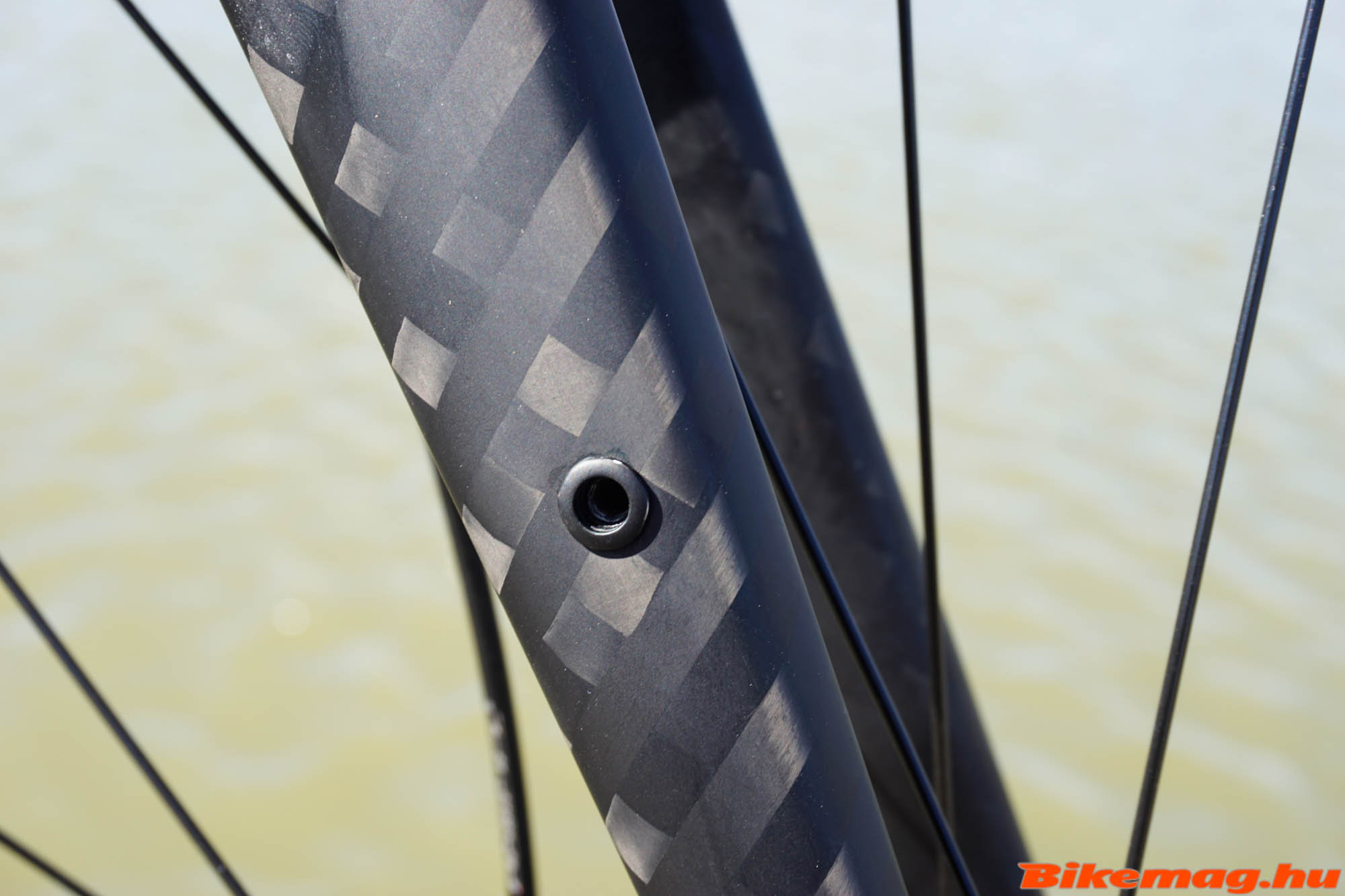
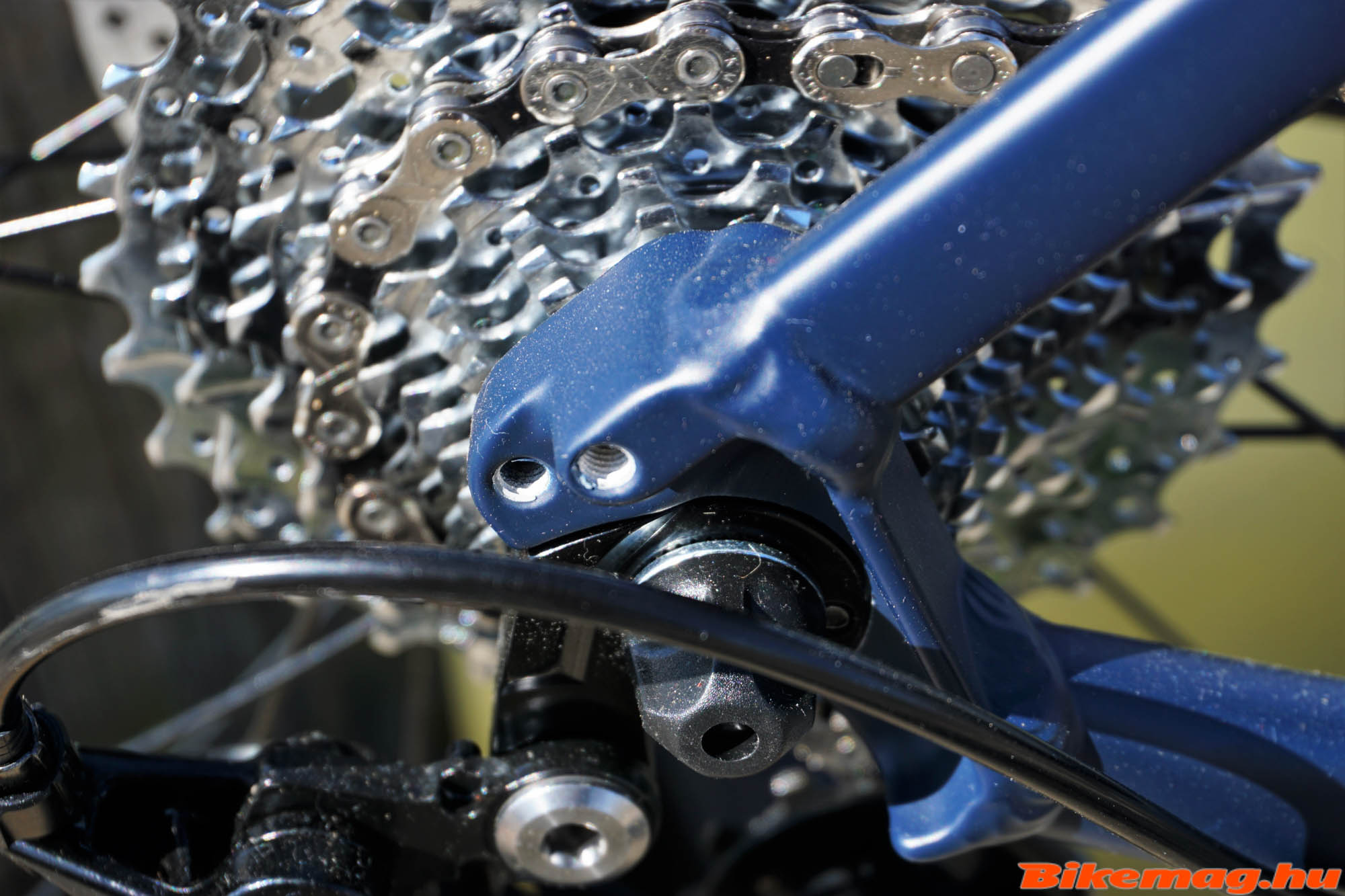
This cross country specific carbon frame features FOC (Force Optimized Construction), which in layman’s term is a structure that takes into account all the forces that the frame has to endure during the ride. The most important force is pedaling though the drive train. GT engineers made sure that not a single watt goes to waste from the riders efforts. Controlling the bike is one of these forces, which principally manifest at the steering. Thus the Zaskar Carbon utilizes a tapered head tube and fork in order to provide the necessary stability for precise steering and handling. The third main group of forces come from the ground via the wheels. To tackle these, the bike has the latest Boost-standard wheel attachment, 110x15mm thru-axle in front and 148x12mm at the back. It would be difficult to conceive a wheel interface more stable while being lightweight. As an added bonus, the rear wheel’s thru-axle threads to the threads dropout, forming a visually pleasing layout which functions as a conventional quick release.

On the other hand, it’s interesting that GT went against industry trends by not employing internal cable routing on the Zaskar Carbon. In my opinion this is not a deficiency, rather the brand has mercifully spared the owner from unnecessary trouble when the bike needs servicing. The rear brake’s attachment is also noteworthy as the mounting bosses employ internal threaded nuts in order to avoid fatal damage to the threads. Again it’s a solution which increases durability and makes the bike more practical to when it comes to service time.

The Zaskar Carbon frame is paired with an advanced level suspension fork, the Fox Float 32 with 100mm of travel. This model has a good reputation both in terms of performance and strength, the suspension movement can be locked out using a practical handlebar-mounted lever. To top it all off, the finish of the fork perfectly matches the color and the design of the frame!

Shifting and braking duties are handled by the venerable Shimano XT components. In fact the only piece that deviates from the “gruppo” is the Praxis single ring crankset. The model we received for testing is from the 2018 lineup, hence it only has 11 cogs at the back. The current 2019 Zaskar Carbon Expert is equipped with the new SRAM GX 1×12-speed drive train. I tried both bikes and I found them to perform flawlessly, and since both versions are available, the rider can choose whichever is more suitable.

The Stans Crest S1 rims are laced to house-brand hubs on our Zaskar Carbon Expert test bike. The wheels are obviously tubeless ready from the box, the Schwalbe Racing Ralphs likewise. I consider this wheelset to be an optimal choice for this bike, achieving considerable amount of weight savings while offers durability and the option to go tubeless.

The handlebar, stem and seat post all bear the GT logo. These are also in-house components, and perhaps these would be good candidates when it comes to cutting some weight off the bike in the future. On the hand, the saddle is a WTB, the Silverado is a very popular model in the venerable MTB brand’s lineup. GT and WTB – the two MTB pioneers – seem to go hand in hand.

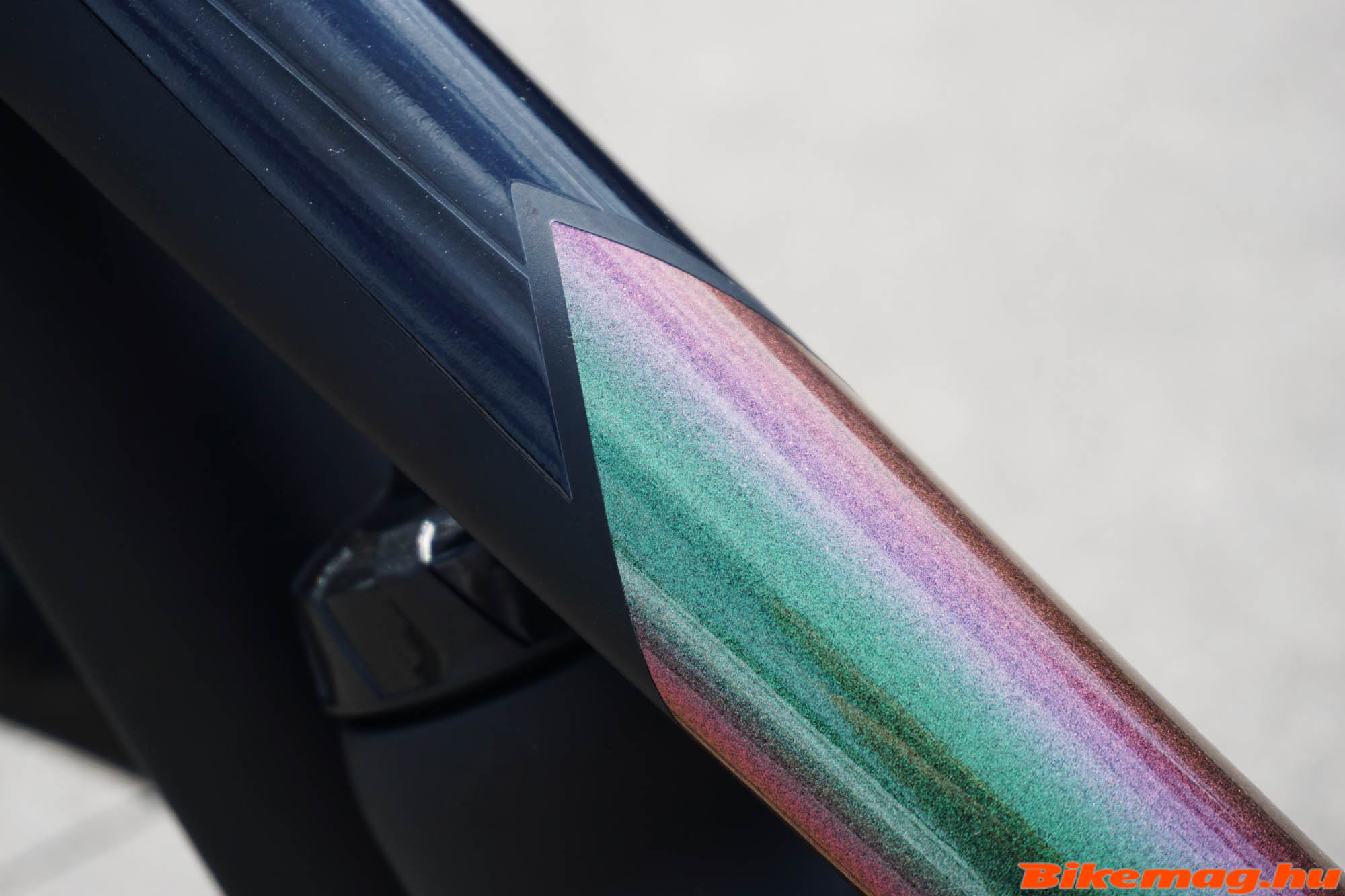
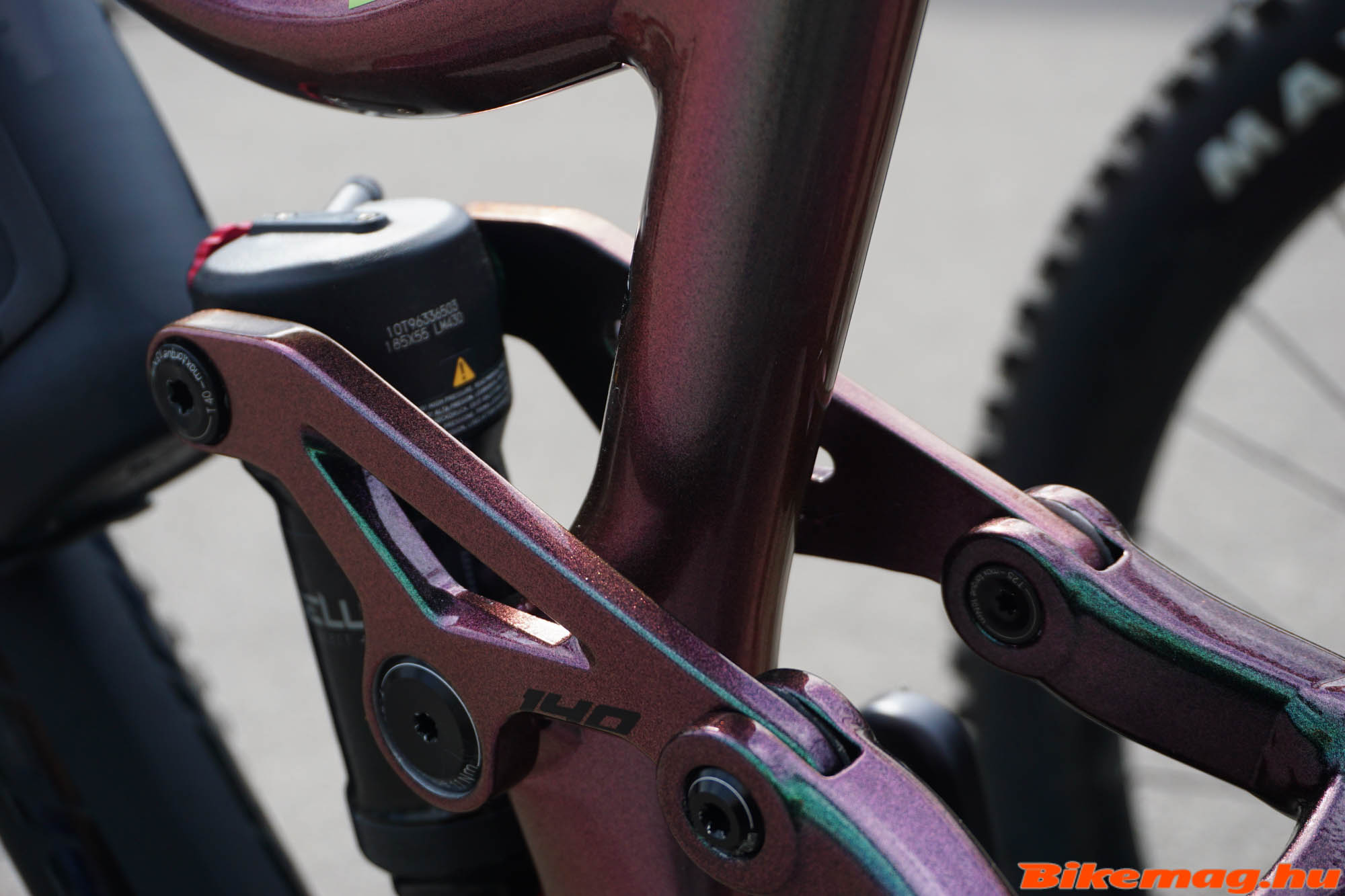
Concerning the aesthetic of the bike, our Zaskar Carbon Expert has an eye-catching finish, it will be relished by those who prefer a more extravagant design. Personally I tend to prefer a more subdued finish on bikes, but the refreshing dotted fluo-red still makes my day.

I admit not having ridden a GT bike for ages, so I was curious to see what how the American brand managed to reinvent itself in the current market environment. The Zaskar name should guarantee a god ride! The geometry chart was also promising, as the test bike has the progressive frame angles that the new 2019 bikes come with. I was hoping that the number translate to a ride that meets standards and the high standards of modern XC bikes. I have to admit that all my reservations were wholly unfounded. The Zaskar Carbon climbs and descends admirably. Handling is stress-free when tackling the steepest technical uphills, moreover I never experienced steering flop, and cornering is acceptable even at snail-like tempo. The carbon frame is quite stable, it reacts well to power input, and consequently I experienced no frame flex whatsoever.

Descending is aided by the slack head tube and the short stem paired with a longer than usual top tube. There is plenty of stability in order to enjoy fast technical downhill sections. I had a sense of great confidence on board the GT Zaskar Carbon even on the steepest trail sections. I also had no complaints about maneuvering on twisty descents, although the modern XC frame geometry does tend to sacrifice quick reaction for utmost stability. The compromise between these traits seem to work for this bike: there was sufficient agility to maneuver through the dense forest. Although fast handling is nice in some trail situations, most riders – including myself – prefer the added stability in case of an XC bike nowdays. It makes the bike faster overall, especially on more challenging, fast and technical modern cross country courses. If I have to slow down a bit more in tight corner, the lost time sis well compensated by the speed gained in other sections.

The Zaskar Carbon is clearly worthy of the GT legacy. On the other hand it’s not looking back to the past, it employs the most advanced bike technologies, and even the design is progressive rather than conservative. So even if the GT brand means little to you personally, never owned of the manufacturer’s famed legendary models, in the Zaskar Carbon you’ll find an excellent XC bike for present-day race courses. On the other hand, if like me you have always dreamt of owning a GT but could make the leap in the past, now you can not only realize the dream, but get a professional level rig which will likely to transport this legendary brand into the top end of the market once again. I can only recommend this bike with both my head and soul!

For more information visit the distributor’s website, or drop in one of their partner shops.

Rudy Project Strym helmet review: Best value in the Rudy range

Picking up the new 2019 Rudy Project Strym, you start to wonder about the evolution of helmets in the Italian brand’s increasingly broad lineup. It features a good number of technologies found previously on the top-of-the offerings, its seductive appearance gives no hint about the modest price tag. The Strym is packed with high-end features, while adopting the latest trends in both fashion and design.

Last summer Rudy Project announced their new 2019 lineup which includes a mid-price road model called Strym. This model breaks with the design features which characterized previous helmets, it initiates a modern and fashionable upsurge by Rudy Project. Undoubtedly it’s the brand new style and the graphics we first recognize when looking at the design, but turning helmet over holds even more surprises!

Since we’re dealing with a helmet designed to protect the rider’s head, the main goal for the Strym was to maximize safety. Rudy Project stayed with the tried and trusted double in Mould construction, which combines the softer polyurethane inner foam with a hard polycarbonate outer shell. Furthermore, the composite structure extends over the back of the head instead of just the top section to help prevent the most prevalent type of injuries. This system is proven to offer the best protection for most of the possible impact situations.

Part of the helmet’s comfort is down to the effective ventilation – especially on hotter days. Rudy Project applied 16 huge vents joined by internal air channel to assist cooling the head surface thereby reducing body temperature. I would highlight the two horizontal vents just above the brim as I could literary feel air rushing through them pouring a welcome breeze over my forehead. As this part of the head is first to be covered up by sweat, a design that helps to dry it is certainly a bonus.

Just like the Spectrum model I tested previously, the Strym also employs the famed Airframe padding system.

Here the pads are not attached directly to the foam core, rather onto the head adjustment mechanism’s plastic band forms the helmets internal structure. This results in most the padding coming into contact with the skin, offering more effective sweat absorption along with better comfort by spreading out surface pressure. The pads have a mesh structure, one side taking up the sweat while the other is cooled by the incoming breeze in the internal air channels. This type of premium padding is usually found on the top-of-the-line helmets on the market. Moreover, the level of quality and softness is very rare to see in the mid-price range, making the Strym unique in this respect as well. And in case the pads need replacing, the local distributor offers spares, lending the helmet a new lease of life. This model certainly deserves a potential refurbishment!

Rudy Project has always been at the forefront when it comes to helmet (and eyewear) comfort, and the Strym is ready to continue the trend. It features height adjustment as well as the renowned RSR10 ratchet mechanism providing 3D adjustment. The helmet easily adapts to virtually any head shape: in my case playing around for about half of a minute with the controls provided a perfect fit. The straps have easy to use buckles with practical rubber clips to hold the surplus strip in a tidy fashion. Women are also catered for as there is a sizeable opening between the lower back of the helmet and the height adjustment straps for virtually any hair plait style. All in all, we cannot but conclude that the Strym proposes an extremely though-out package, much belying its price tag.

Getting used to the Strym was an easy affair thanks partly to its excellent adjustment system. In fact it proved to be one of the best fitting helmets I have ever tried, it went virtually unnoticed during the rides. I couldn’t detect any of the contact points, the helmet caused no rubbing or chafing of any kind. There is not a single complaint I could devise, and it’s absolutely on par with my day to day helmet, the much more pricy Rudy Project Spectrum. I know well that helmet fit is a subjective matter, but other riders tend to give much the same feedback, making me convinced that the design will work for the general cycling public.

Let’s turn to ventilation! I have to say that I did most of the riding during the heatwave in July, and had no major issues with heat accumulation. I’ve not only ridden in the Strym on the road, but on the trails as well, where the tempo is somewhat less intense, hence there is lower air speed for cooling. In fact Rudy Project is quick to point out that the Strym is not a dedicated road helmet, rather a multi-purpose design for everyday use. I think it’s well suited for mountain biking and touring as well unless you require a visor. The Airframe padding system seem to work quite well, but some may prefer the conventional spongy pads for better sweat absorption. If you’re the sweaty type like me, some of the perspiration will inevitably roll down the head with this thinner mesh type padding.

I cannot but recommend the Strym helmet from this prestigious Italian brand, which provides excellent comfort and versatile adjustment for a very reasonable price. The affordability means that it’s accessible to the wider public, providing stylish protection for most types of bike riding. Available in no less than 8 great colors, the Strym will likely to make a significant impact on the helmet market.

For more information click here!

All Rudy Project helmets can be found on the Rudy Project Magyarország home page, moreover you can check them out in person at their concept store.


Lerövidítették a 20. szakaszt is – Eldőlt az ide Tour összetettje?

Val Thorens

A Tour de France 20. szakaszát is kénytelenek lerövidíteni a szervezők, a tervezetthez képest kevesebb mint a fele hosszúságú lesz.

Eredetileg 130 km hosszúságú lett volna a Tour de France 20. szakasza, melyen 3 hegyet – egy első, egy második és egy kiemelt kategóriás emelkedőt – kellett volna teljesíteni a mezőnynek, de a 19. szakaszhoz hasonlóan a kedvezőtlen időjárás miatt le kell rövidíteni, így csak 59 km hosszú lesz az Albertville – Val Thorens közti szakasz és csak az utolsó, a kiemelt kategóriás hegy marad benne a pályában.

Val Thorens

Annak ellenére, hogy a Val Thorens emelkedője 33,4 km hosszú és átlag 5,5% meredekségű, sokan eldőlni látják a rövidítés következtében a 2019-es Tour de France összetettjét, azt valószínűsítik, hogy Bernal az előnyét egy ilyen rövid szakaszon képes lesz megtartani, de az elmúlt napok után bármit kijelenteni az összetettel kapcsolatban bátor dolog, annyi váratlan fordulat történt a versenyen. Remélhetőleg a 20. szakasz is bővelkedni fog izgalmakban, bár reméljük, hogy még egy összetett menőt nem látunk kiszállni a versenyből.

Valter Attila nyerte a 45. Alisca Bau Gemenc Nagydíj első versenyét

Fotó: Vanik Zoltán/Bringasport

Szekszárd környékén 165 kilométer várta a 45. Alisca Bau Gemenc Nagydíj UCI 1.2 első egynaposának résztvevőit. A győzelmet végül a magyar nemzeti válogatott színeit erősítő Valter Attila szerezte meg, ezzel 40 UCI világranglista pontot is bezsebelve.

Fotó: Vanik Zoltán/Bringasport

Pontban 15 órakor vágtak neki a kerekesek a 165 kilométeres távnak. A rajt ezúttal is a Béla téren volt, a mezőny három gyorsasági és három hegyi hajrát leküzdve érkezett meg a Kálvária kilátóhoz.
Az éles rajtot követően folyamatosak voltak az akciók, – Gönczy Gergő (Epronex-BSS Oil Team) nyerte az első gyorsasági részhajrát – ám egészen harminc kilométer megtételéig kellett várni a sikeres elmenésre, melybe az ukrán Yehor Dementyev (Team Novák) és Rózsa Balázs (Team Differdange-GeBa) keveredett bele.
A duó legnagyobb előnye öt perc környékén tetőzött, miközben az ukrán kerekes elvitte a nap másik két gyorsasági hajráját, míg a luxemburgi csapat magyar légiósa az első hegyen gyűjtötte be a pontokat.

Fotó: Vanik Zoltán/Bringasport

Az utolsó ötven kilométerre fordulva rákapcsolt a főmezőny, a szökevények előnye rohamtempóban kezdett csökkeni, huszonöt kilométerre a céltól Filutás Viktor (Pannon Cycling Team) és Ivan Centrone (Team Differdange-GeBa) ugrott fel rájuk, majd a frissiben érkező kettős tovább is ment. Filutás megnyerte a soron következő hegyi hajrát, ám a Kálvária kilátó aljáig már nem jutottak el, megfogta őket a mezőny.

Fotó: Vanik Zoltán/Bringasport

A mindent eldöntő meredek a várakozásoknak megfelelően apró darabjaira szedte a mezőnyt, végül Valter Attila (Magyarország) magabiztosan nyerte meg a versenyt két olasz Paolo Toto (Sangemini Trevigiani-MG.Kvis) és Niccolo Salvietti (Sangemini Trevigiani-MG.Kvis) előtt.

„Nagyon örülök a sikernek, győzelmi szándékkal érkeztem, hisz tisztában voltam azzal, hogy kedvez ez a befutó nekem – mondta röviddel a célba érkezést követően Valter Attila. – A rajtot követően kicsit nyomottnak éreztem magam, bár a lábaim jók voltak, így tudtam, hogy átlendülök ezen a holtponton. Sikerült egy erős válogatottat összerakni, a srácok rengeteget segítettek, jó munkát végeztek, így ez egy közös győzelem volt. Bízom benne, hogy holnap is lehet esélyem.”

Fotó: Vanik Zoltán/Bringasport

Az elmúlt időszakban bombaformát mutató Pelikán János (Pannon Cycling Team) az előkelő ötödik helyen zárt, ezzel további tizenöt UCI pontot szerezve nemzetünk számára!

EREDMÉNYEK
Alisca Bau Gemenc Nagydíj I. 1.2, Szekszárd-Szekszárd (165 km):

1. Valter Attila, magyar (Magyarország) 4:00:41
2. Paolo Toto, olasz (Sangemini Trevigiani-MG.Kvis) + 8 mp
3. Niccolo Salvietti, olasz (Sangemini Trevigiani-MG.Kvis) + 8 mp
4. Dario Puccioni, olasz (Sangemini Trevigiani-MG.Kvis) + 10 mp
5. Pelikán János, magyar (Pannon Cycling Team) + 10 mp
6. Cameron Beard, amerikai (Team Differdange-GeBa) + 10 mp
7. Marco Cecchini, olasz (Sangemini Trevigiani-MG.Kvis) + 14 mp
8. Jaka Primozic, szlovén (KK Kranj) + 26 mp
9. Jon Soerveras Breivold, norvég (Region Vest) + 29 mp
10. Tom Thill, luxemburgi (Team Differdange-GeBa) + 34 mp

Következik
A 45. Alisca Bau Gemenc Nagydíj II 1.2-es verseny július 27-én 13 órakor indul. A karaván 150 kilométert abszolvál, három gyorsasági részhajrával a Garay-téren és két hegyi hajrával a Bródy Sándor utcában, négy öt kilométeres körrel a végén, mielőtt újra a Kálvária kilátó felé fordulnának a versenyzők. A befutó időpontja 16:30 óra magasságára tehető.

Órási dráma: Vége a francia álmoknak a félbeszakadt szakaszon!

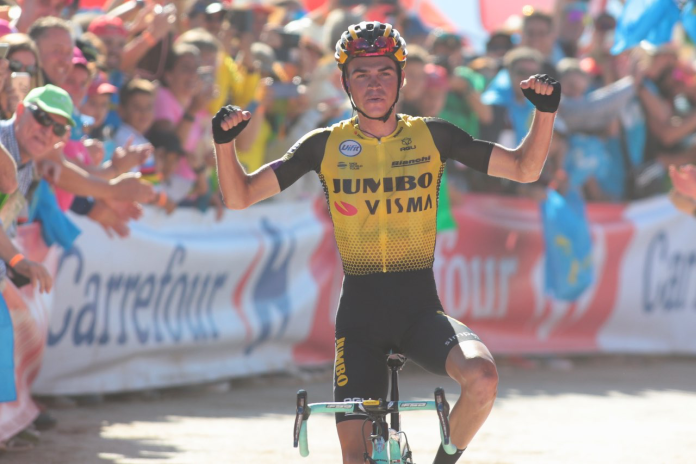
A Tour de France 19. szakaszán a francia versenyzőknek nagyon rossz napja volt, Pinot feladni kényszerült a versenyt, Alaphilippe pedig elvesztette a sárga trikót. A szakaszt Bernal nyerte, amivel a kolumbiai az összetettben az első helyre lépett elő. A szakasz további különlegessége, hogy félbe kellett szakítani a versenyt, mert a Col de L’Iseran-ról lefelé járhatatlanná vált az út.

A Francia Körverseny 19. szakaszán, akárcsak előző nap, ismét a hegyeké volt a főszerep, 126,5 km hosszú szakaszon az idei Tour legmagasabb hegye, a Col de L’Iseran és egy első kategóriás hegyibefutó várt volna a Tour de France mezőnyére.

A szakasz egy óriási drámával kezdődött, Thibaut Pinot feladni kényszerült a versenyt, a francia összetett menő az első emelkedőn leszakadt, ezután hátra ment az orvosi autóhoz, ott bekötötték a térdét, de utána is hatalmas fájdalmai voltak és beszállt a csapatautóba.

Col de L’Iseran-ra felfelé a Team Ineos diktálta a tempót és ebből indított támadást Egan Bernal, akivel senki nem tudott menni. Az üldöző csoportot Steven Kruijswijk, Laurens De Plus, Emanuel Buchmann és Geraint Thomas alkotta, akikkel nem tudta Julian Alaphilippe tartani a tempót. Bernal folyamatosan távolodott az üldözőktől, akiket De Plus, Kruijswijk segítője vezetett, a sárga trikós hátránya pedig mindkét csoporttal szemben folyamatosan nőtt. A hegyre elsőként Bernal ért fel közel egy perccel Thomas-ék előtt, amikor jöttek a hírek, hogy óriási jégeső esett a lejtmenetben. A szervezők gyorsan reagáltak és félbeszakították a versenyt a szó szerint járhatatlan utak miatt. Szakaszgyőztest végül nem hirdettek, de a végeredményt a Col de L’Iseran-on történő áthaladás adta. Ezzel Bernal átvette az összetettben a vezetést.
Folytatás szombaton, amikor egy több mint 30 km-es heggyel fog végződni a szakasz.
Az összetett állása a 19. szakasz után:

1 Egan Bernal (Col) Team Ineos 78:00:42
2 Julian Alaphilippe (Fra) Deceuninck-QuickStep 0:00:48
3 Geraint Thomas (GBr) Team Ineos 0:01:16
4 Steven Kruijswijk (Ned) Team Jumbo-Visma 0:01:28
5 Emanuel Buchmann (Ger) Bora-Hansgrohe 0:01:55
6 Mikel Landa (Spa) Movistar Team 0:04:35
7 Rigoberto Uran (Col) EF Education First 0:05:14
8 Nairo Quintana (Col) Movistar Team 0:05:17
9 Alejandro Valverde (Spa) Movistar Team 0:06:25
10 Richie Porte (Aus) Trek-Segafredo 0:06:28

Augusztus 4-én Bringa Fieszta és Országúti Master OB Kincsesbányán

Az elmúlt év hagyományaihoz híven idén is a Bringa Fieszta keretein belül rendezik Kincsesbányán az Országúti Master Országos Bajnokságot, sőt idén a Maccabi Európai Játékok országúti versenyének is a Fejér-megyei rendezvény ad otthont.

Augusztus 4-én nem csak a Master versenyzőknek rendeznek futamokat, hanem a fiatalabb korosztályok is összemérhetik erejüket. Minden évben szépszámú induló van az elit mezőnyben, ami idén tovább növekszik a Maccabi Európai Játékok versenyzőivel is.

A 17,5 km hosszú, 165 m szintkülönbséget tartalmazó körpálya klasszikus OB/VB stílusú versenypálya, melyből korosztálytól függően adott számút kell teljesíteni. A pálya nehézségéről sokat elárul, hogy az elmúlt években többnyire nem mezőnyhajrá döntött a győztesek személyéről.

Előnevezni július 29. éjfélig lehet, utána már csak a helyszínen a verseny reggelén lehetséges.

További információk és versenykiírás a bringafieszta.hu-n.


Hamarosan elrajtol az első bikepacking kalandtúra, a 5 Peaks 500!

Kevesebb mint egy hónap, és elrajtol Magyarország első bikepacking kalandtúrája a 5 Peaks 500. Az esemény a többnapos bringázás mellett, a természet szeretetéről, a felfedezésről és arról szól hogy kiszakadjunk néhány napra a megszokott hétköznapokból. Hogy Budapestről indulva az ország csúcsait érintve, zseniális erdei aszfalt, föld és köves utakon, megismerjük hazánk egyik legszebb részét az Északi Középhegységet és a Pilis, Börzsöny, Cserhát, Mátra, Bükk és Zemplén csodás tájain keresztül eljussunk egészen Tokajig. Az esemény abban is különleges, hogy nem csak a magyar közönségnek szól, hanem egy ízig vérig nemzetközi túráról van szó, ahova már több mint 10 különböző külföldi országból neveztek, így a hazai bringások mellett a külföldiek is megismerkedhetnek az országunk természeti és kulturális szépségeivel.

A kalandtúra egyediségét, a már említett és itthon is egyre népszerűbb bikepacking műfaja adja, aminek a legfontosabb ismérve, hogy mindenre amire szükséged van a bringádra pakolva, végig veled tart az úton. Hogy hogyan készülj fel egy ilyen túrára arról, ITT tudsz olvasni.

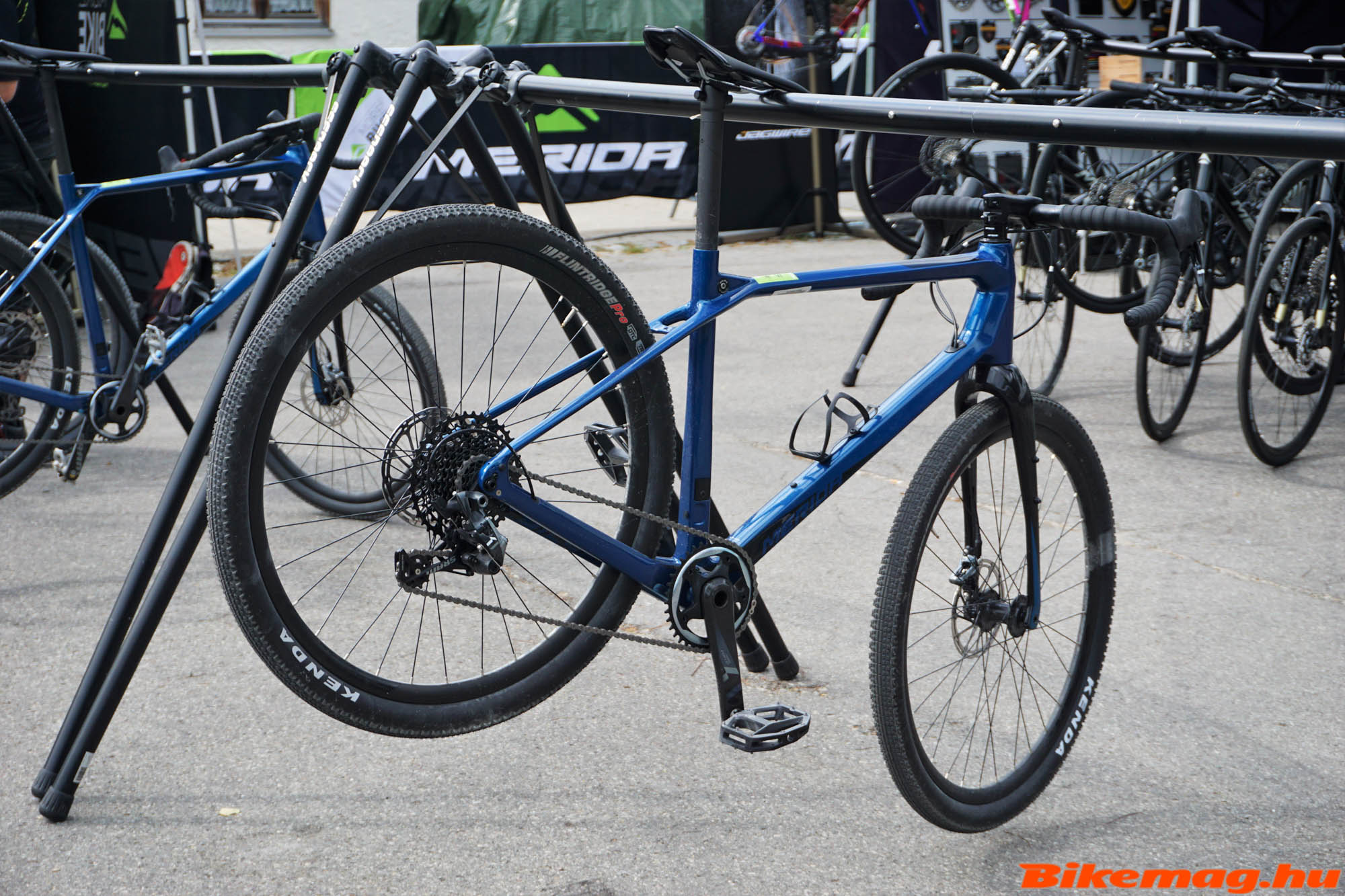
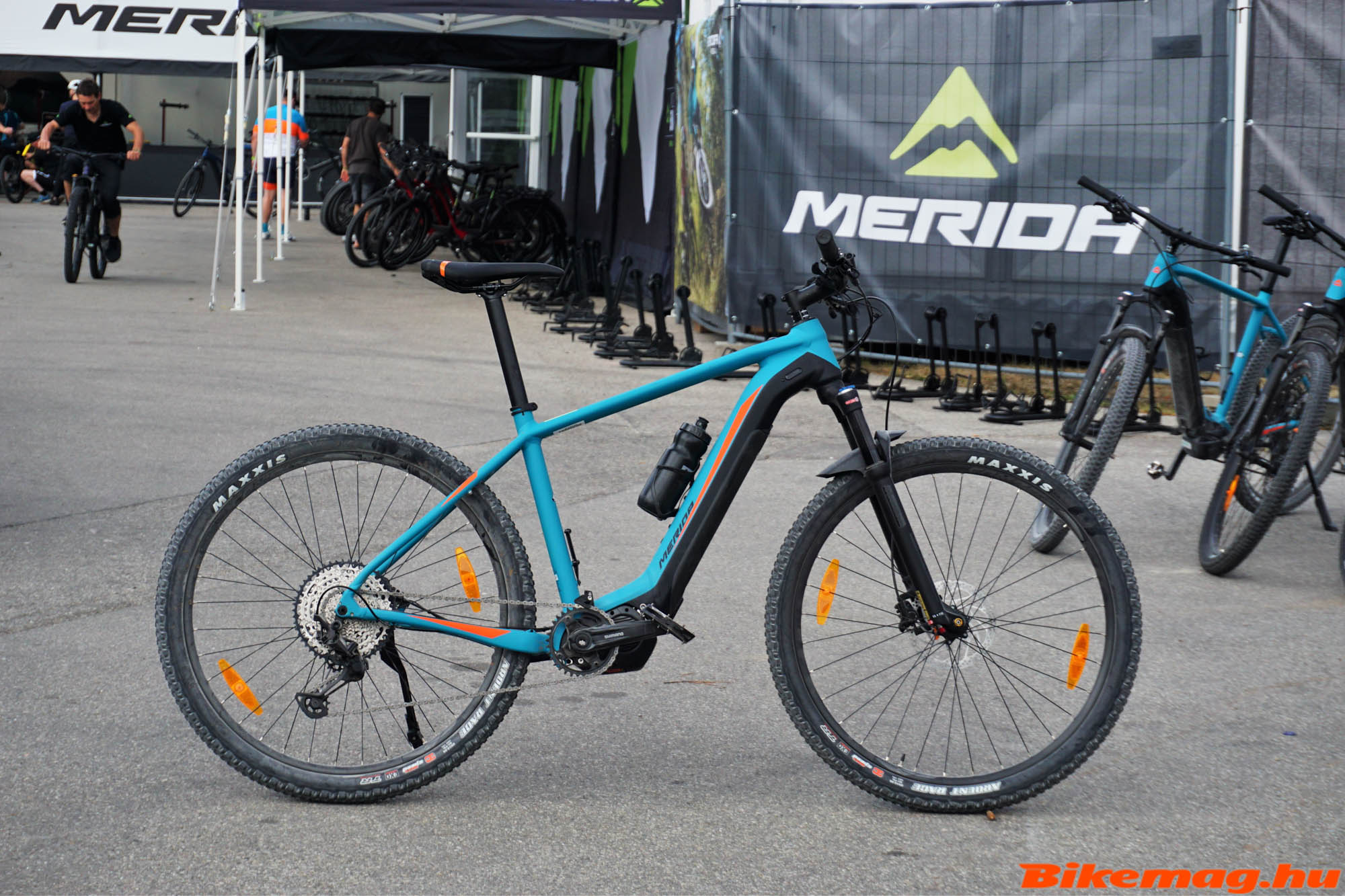
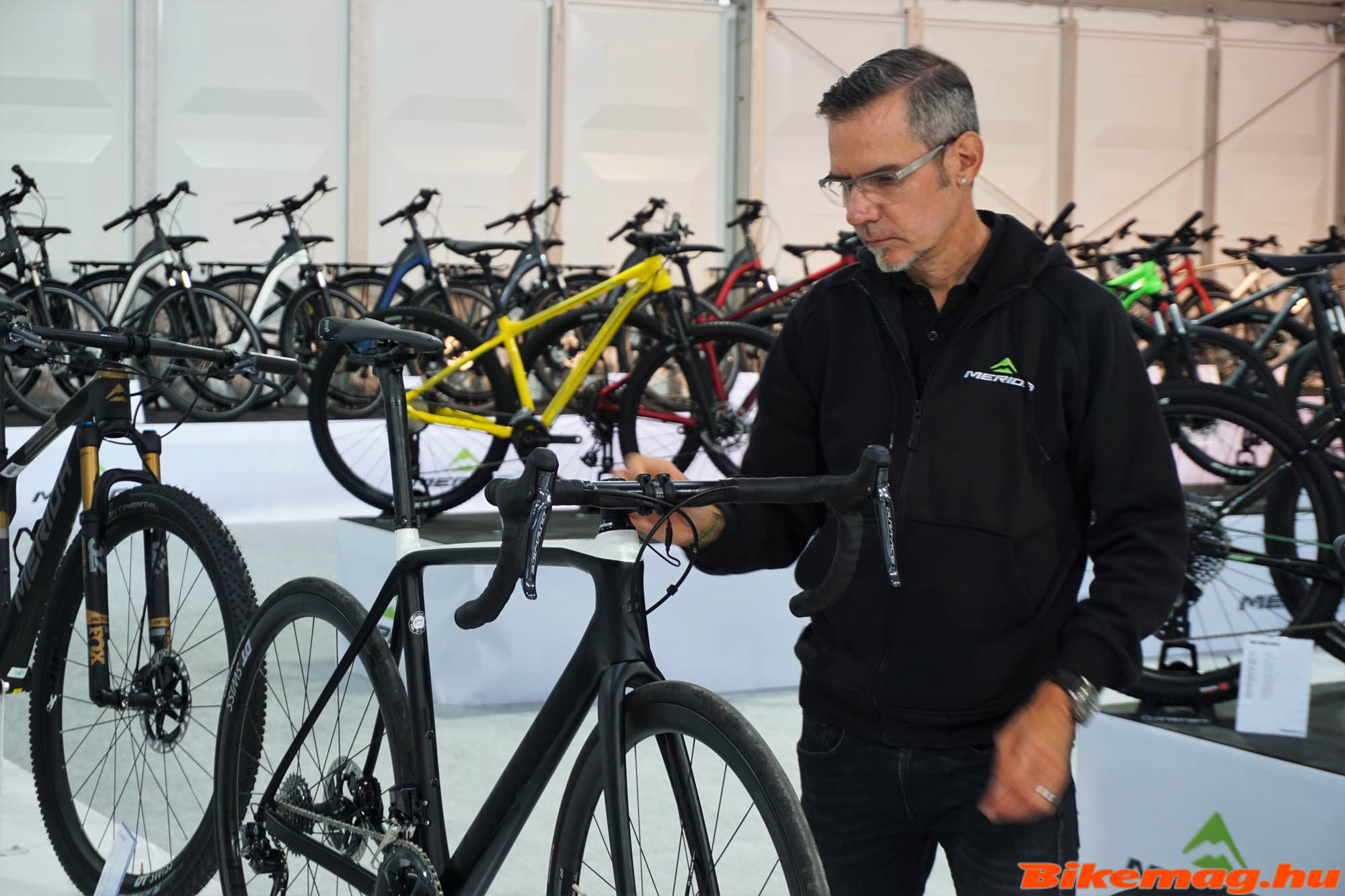
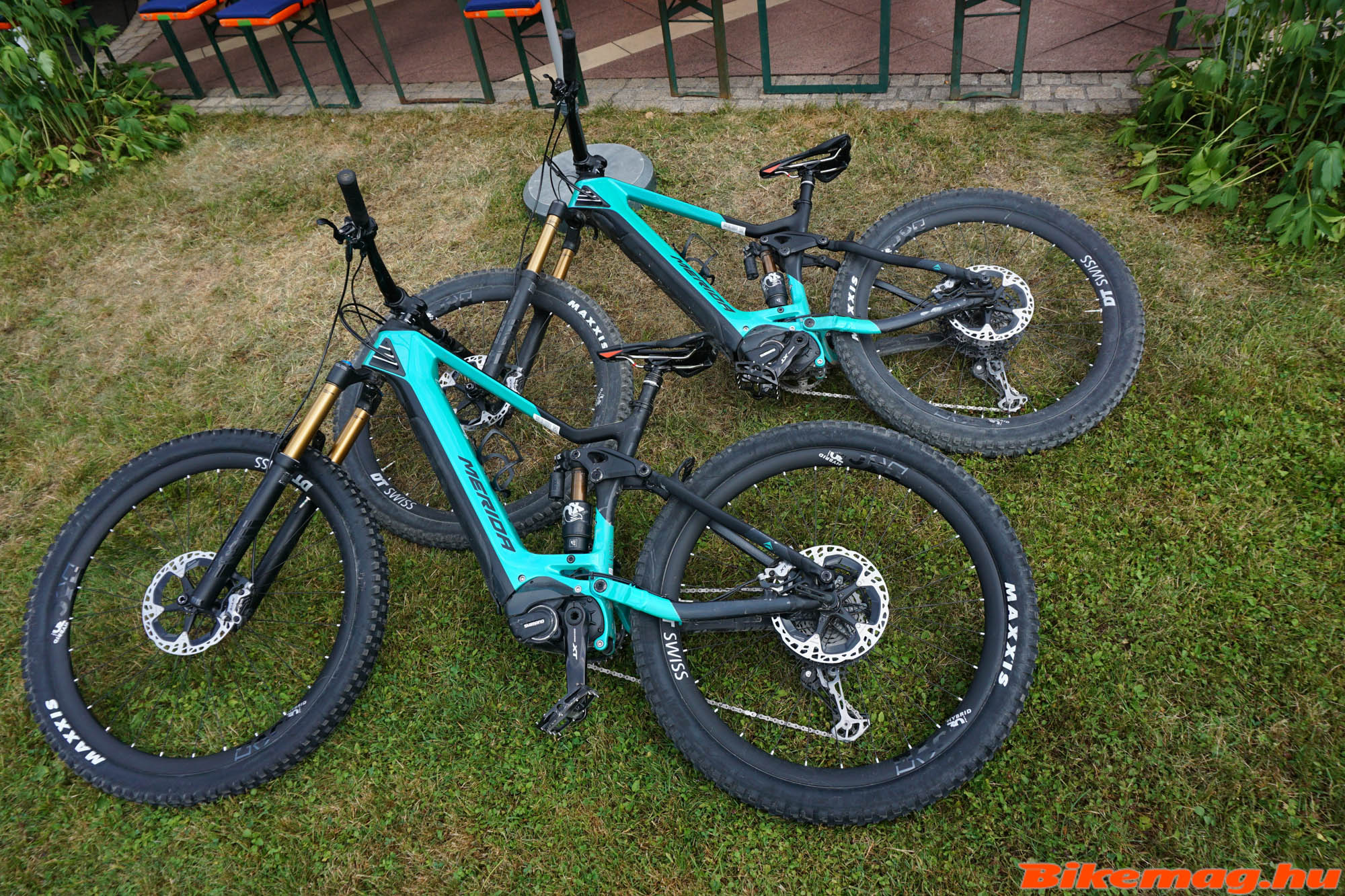
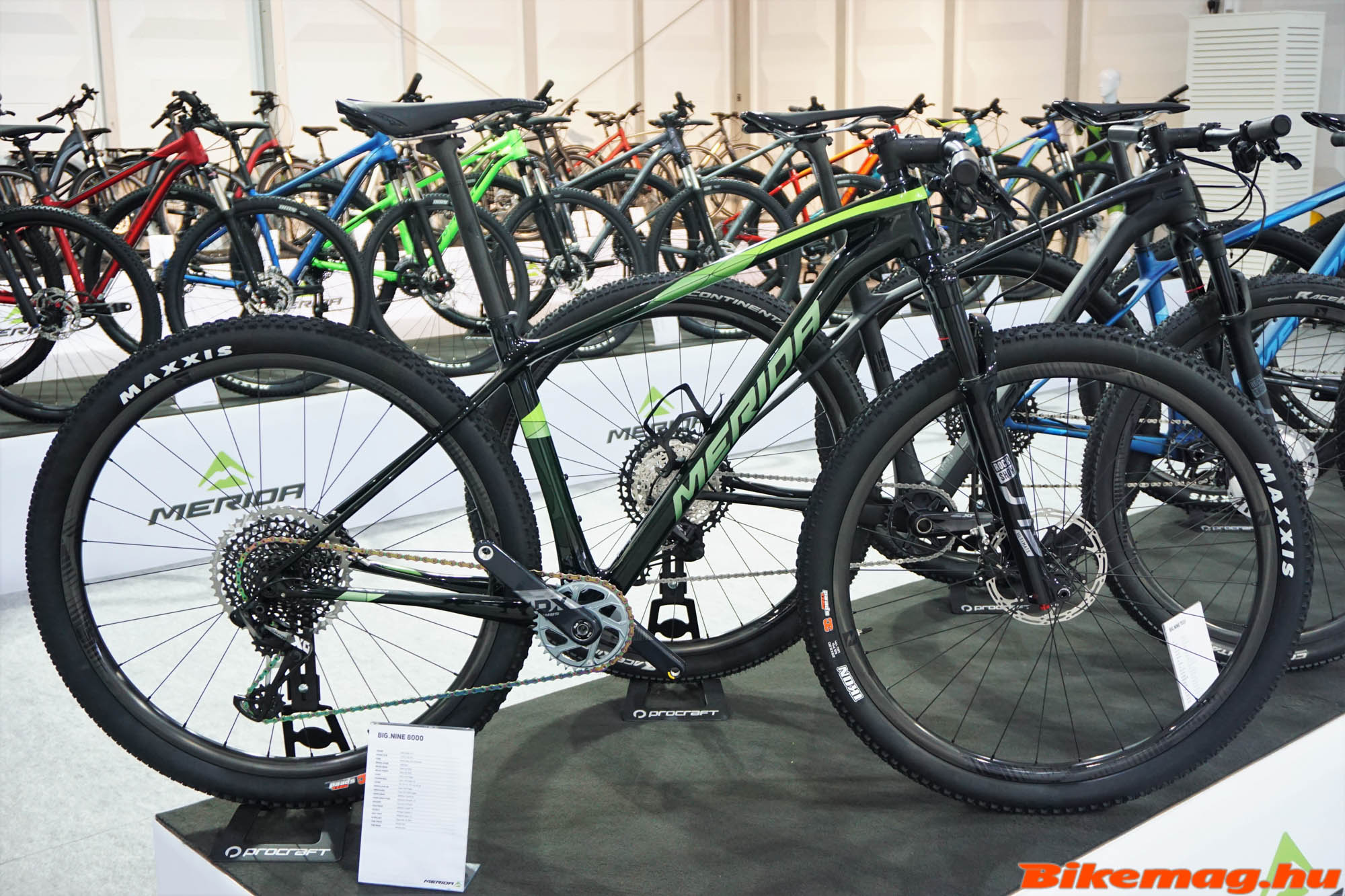
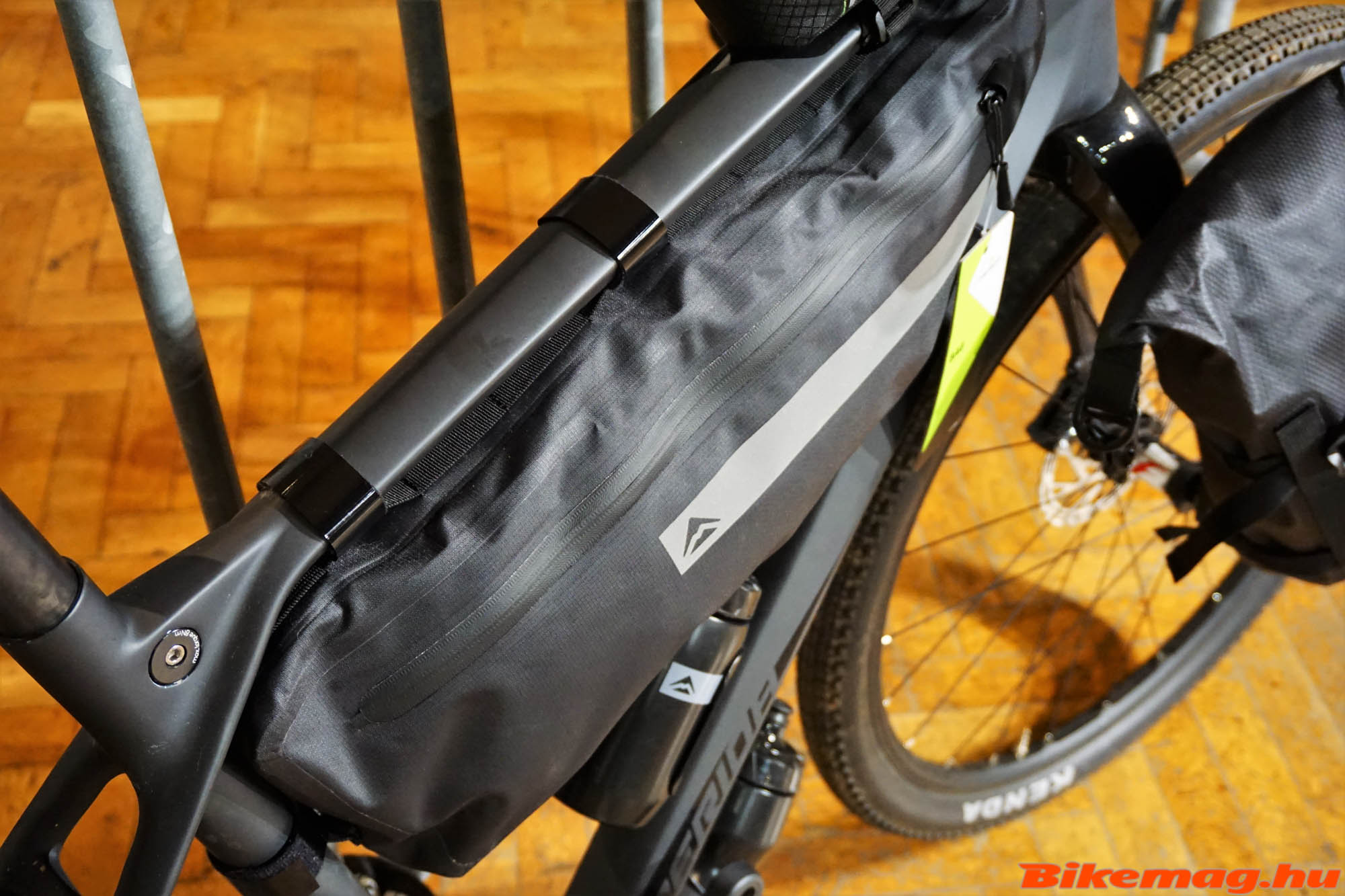
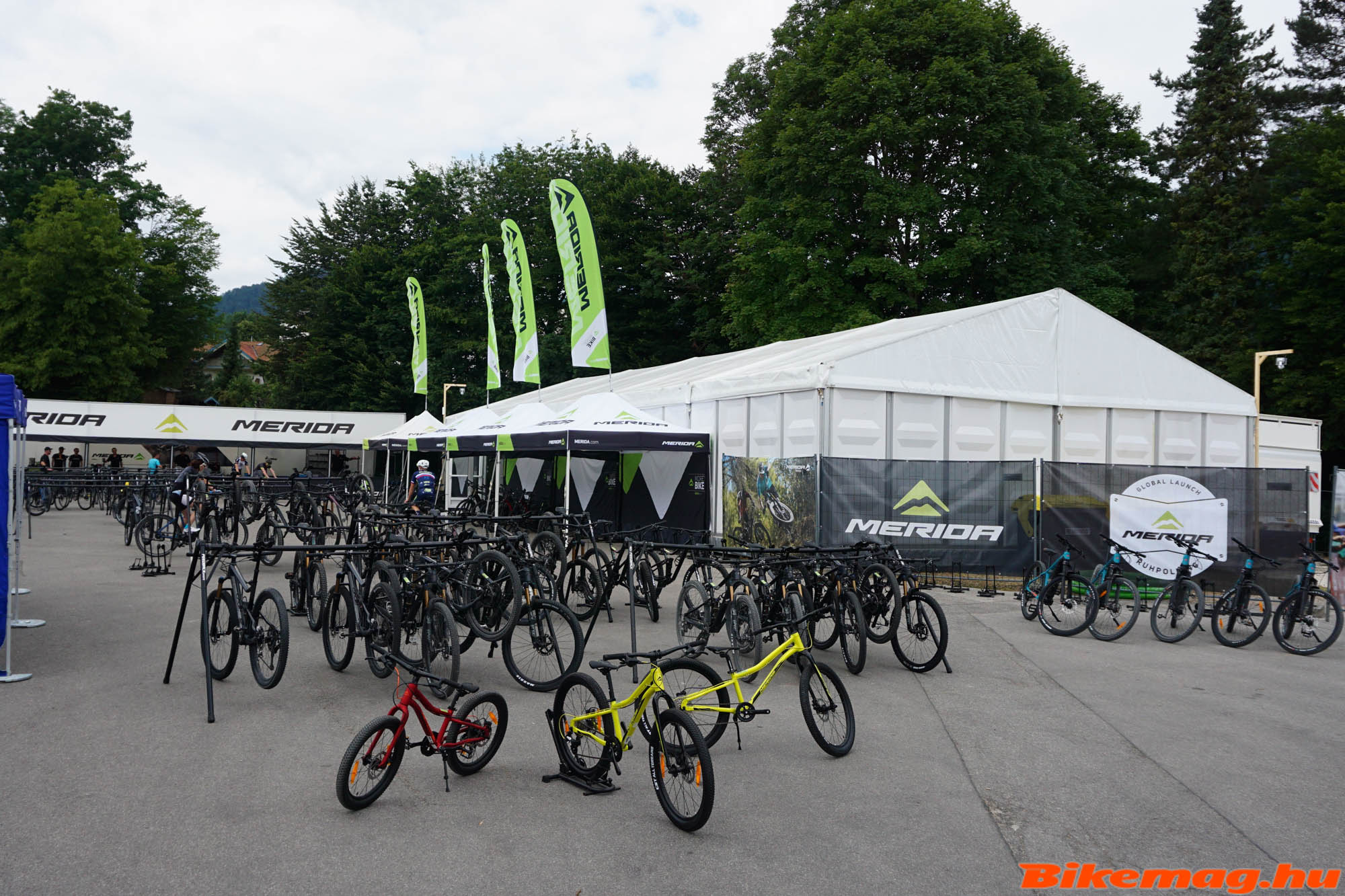
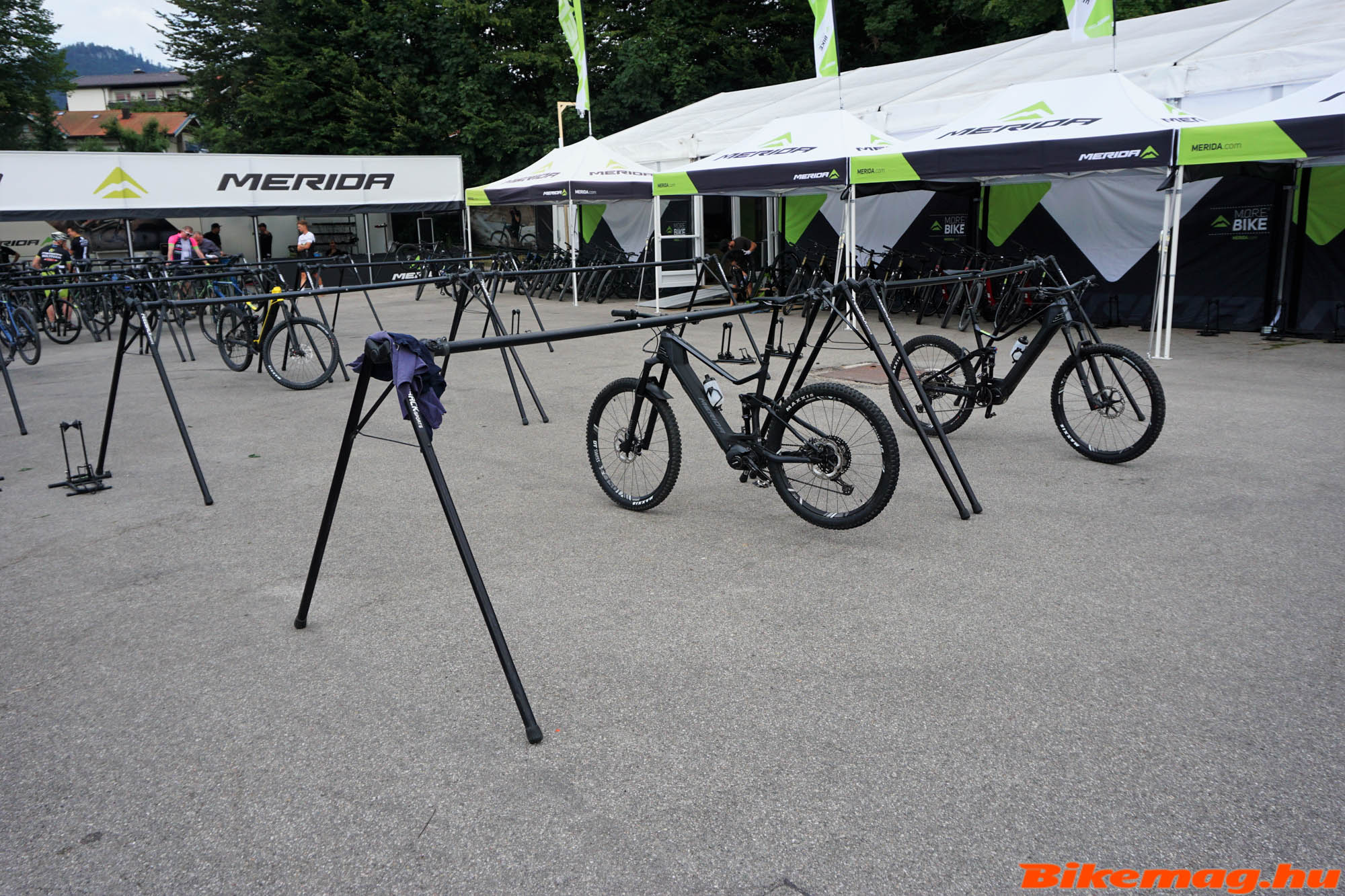
A 23.900 Ft is nevezési díj elsőre talán egy picit húzósnak hangzik, de ha megnézzük, hogy mit kapunk egy többnapos bringás eseményért, biztosan megváltozik a véleményünk: elő-party a Mester Bikeban, egy nagy értékű indulócsomag a Meridát és a Bryton-t forgalmazó Bikefun Kft., az 575 Factory, és a Ride’n Supply jóvoltából, 5 frissítő és csekkpont, egyedi pecsételőfüzet, befutóparty és egy gondosan bejárt és átgondolt útvonal.

A nevezési határidő Július 31. éjfél. Ha nem akarsz lecsúszni az év bringatúrájáról, ideje benevezni!